
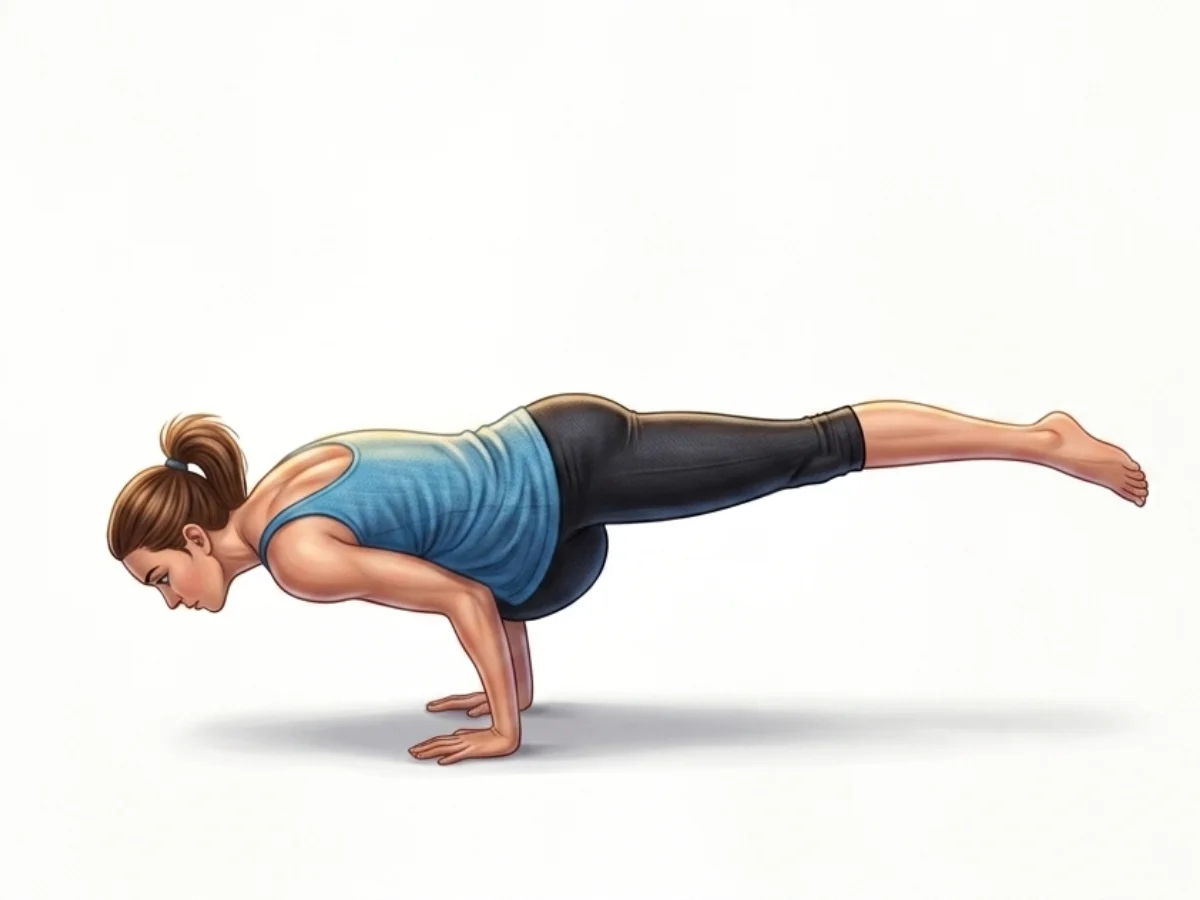
Revolved Flying Man
Parivrtta Eka Pada Koundinyasana I
By Elena Rostova Updated: verified Medically Reviewed
Revolved Flying Man Pose (Eka Pada Koundinyasana I) is a dynamic arm balance that combines a deep spinal twist with upper body strength. It challenges your balance and detoxifies the body by strongly compressing the abdominal organs while hovering above the mat.
Hold Time
15–30 sec · 3–5 breaths
Pronunciation
pah-ree-VRIT-tah eh-kah PAH-dah kown-din-YAHS-anna
About Revolved Flying Man
Commonly practiced as Revolved Flying Man (Parivrtta Eka Pada Koundinyasana I), this dynamic posture is beautifully designed to help unlock tension. This posture specifically engages the twisting core & arm strength, making it highly effective for developing both strength and mobility. Over time, adding this to your routine is a great way to support strengthens upper body while calming the mind.
How to Practice
Start in a Squat
Begin in a squat at the front of your mat with your feet together.
Deep Twist
Twist your torso deeply to the right. Hook your left tricep on the outside of your right thigh, as close to the hip as possible.
Plant the Hands
Place both hands flat on the floor shoulder-width apart, parallel to your mat. Your arms should be in a Chaturanga shape, elbows bent 90 degrees.
Shift Weight
Lean forward into your hands, resting the side of your right thigh on your left upper arm. Keep your gaze forward.
Lift the Feet
As you continue shifting forward, your feet will become light. Lift both feet off the floor, balancing your body weight entirely on your hands.
Extend the Legs
Once balanced, straighten your right leg straight out to the side and extend your left leg straight back, creating a scissor shape with your legs.
Engage Core
Keep your core strongly engaged, maintaining the twist and pushing the floor away with your hands.
Hold and Breathe
Hold the pose for 3 to 5 steady breaths, keeping your gaze forward to maintain balance.
Release Safely
To exit, bend your knees, bring your feet back together, and gently lower them to the floor. Repeat on the opposite side.
Practice with the Yoga Timer
Keep track of your hold time and breath count for this pose.
Beginner Modifications & Prop Options
Yoga is a personal journey. These modifications and prop options allow you to adapt the pose to your current level of balance and flexibility, ensuring a safe and supportive practice.
Keep Knees Bent
Instead of extending the legs straight, keep them bent and together (like Side Crow) until you feel stable enough to scissor them open.
Tip: Focus on alignment rather than depth.
Rest Hip on Right Arm
Allow your right hip to rest on your right elbow for extra support, rather than balancing entirely on the left arm.
Tip: Focus on alignment rather than depth.
Benefits of Revolved Flying Man
Strengthens Upper Body
Builds immense strength in the wrists, forearms, shoulders, and chest.
Deepens Spinal Mobility
The intense twist improves flexibility in the spine and massages abdominal organs.
Tones the Core
Obliques and transverse abdominis work hard to maintain the twist and lift the legs.
Enhances Focus and Balance
Requires deep concentration, proprioception, and mental clarity.
Common Mistakes to Avoid
Mistake: Dropping the Head
How to fix: Keep your gaze forward past your fingertips. Looking down will make you somersault forward.
Mistake: Not Twisting Deeply Enough
How to fix: Ensure you twist deeply from the belly before placing the hands down. The further your arm is across your thigh, the more stable the "shelf" will be.
Safety and Precautions
Wrist or Shoulder Injuries
The strong weight-bearing aspect can exacerbate existing issues.
Spinal Injuries
The deep twist combined with load-bearing is unsafe for herniated discs.
Pregnancy
Deep abdominal compression makes this pose unsafe during pregnancy.
Medical Disclaimer: If you have any of the above conditions, consult your doctor or a qualified yoga instructor before attempting this pose.
Muscles Worked in Revolved Flying Man
Revolved Flying Man demands synchronized muscular effort, creating a profound sense of engagement and release throughout the body. The activation of the primary muscles supports the structure, while the secondary muscles provide stability and balance.
Primary Muscles
Obliques
Maintain the deep spinal twist.
Triceps Brachii
Support the body weight and maintain bent arms.
Pectoralis Major
Stabilize the shoulder girdle.
Secondary Muscles
Hamstrings & Quads
Engage to extend and hold the legs straight.
Erector Spinae
Support the spine during the twist.
Poses to Practice Before and After Revolved Flying Man
Prepare with these Poses
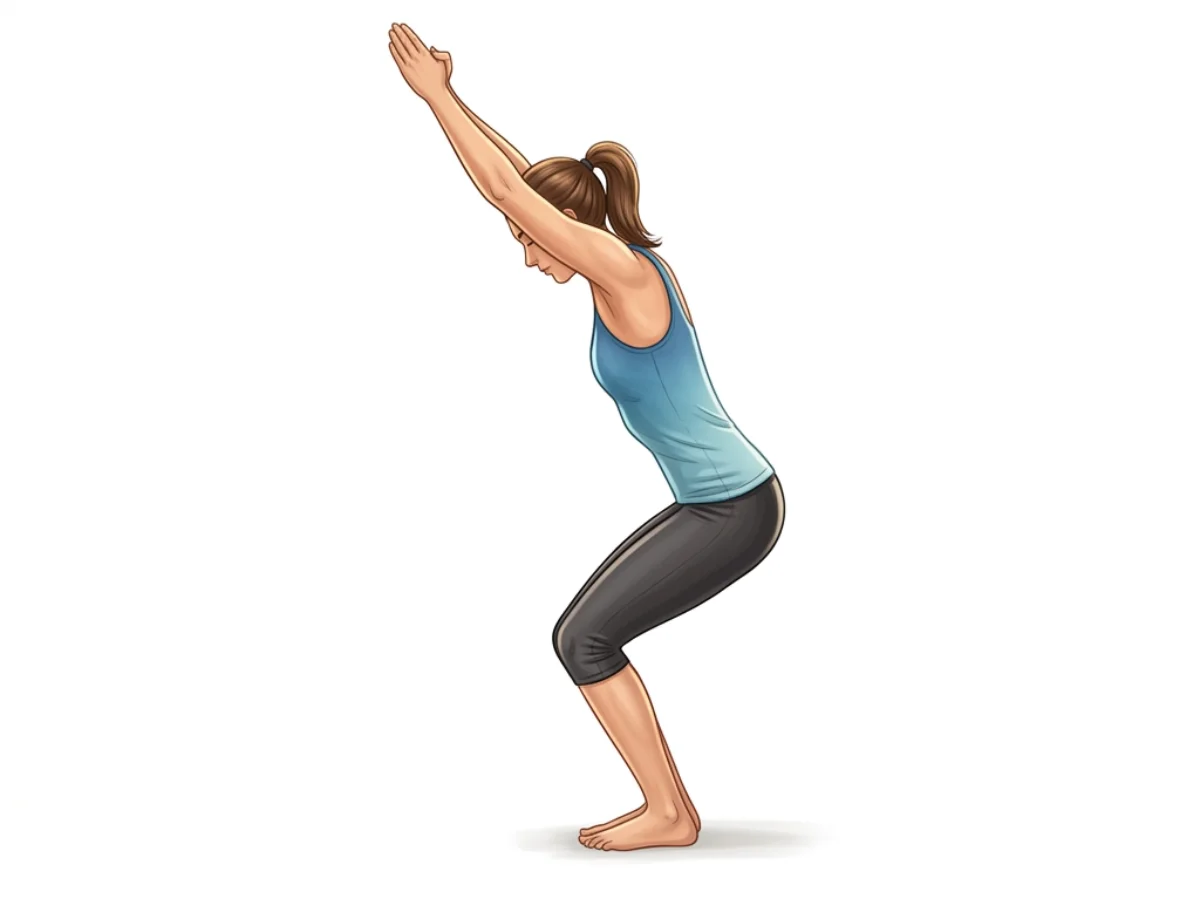
Chair Pose
UtkatasanaBuilds leg strength and prepares the body for deep squatting and twisting (when doing Revolved Chair).
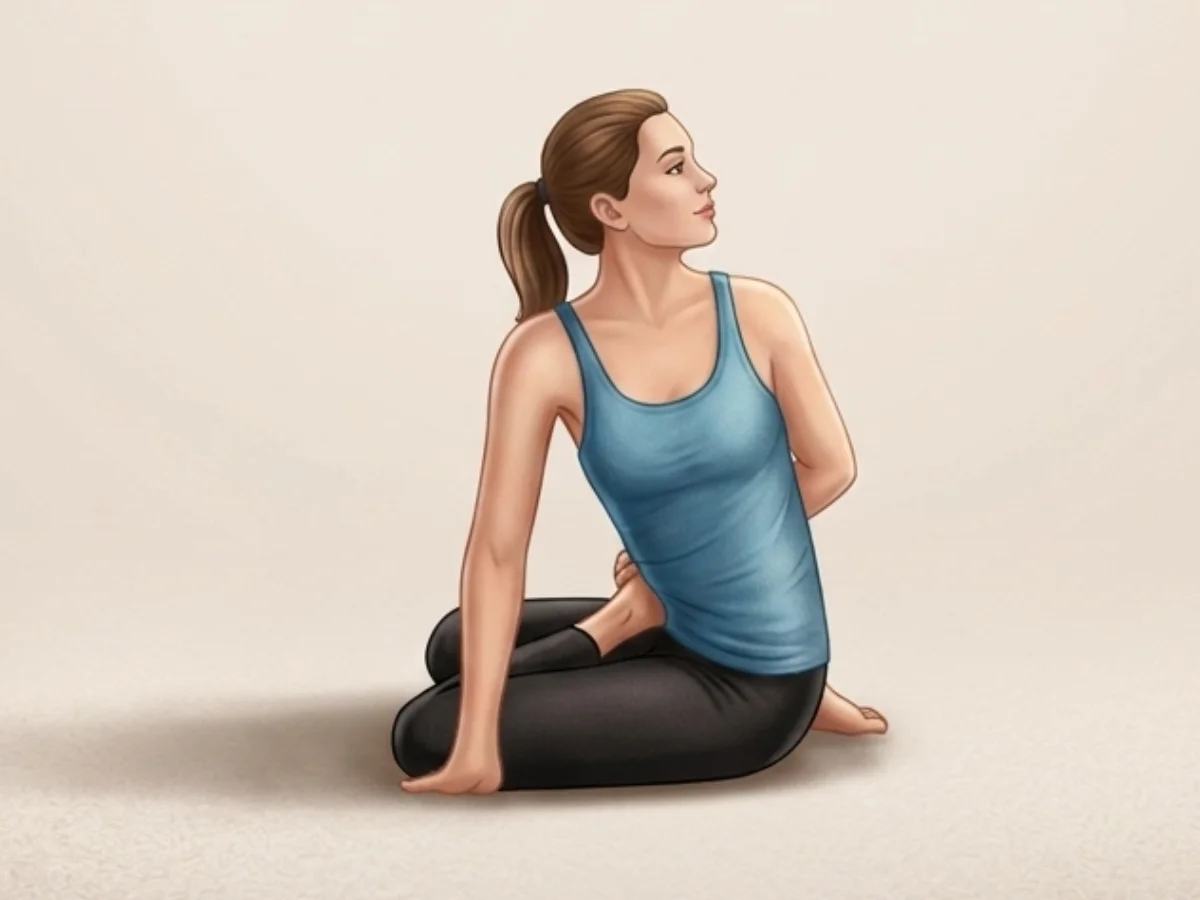
Sage Bharadvaja's Twist
Bharadvajasana IA gentle seated twist to warm up the spine and obliques before deeper twists.
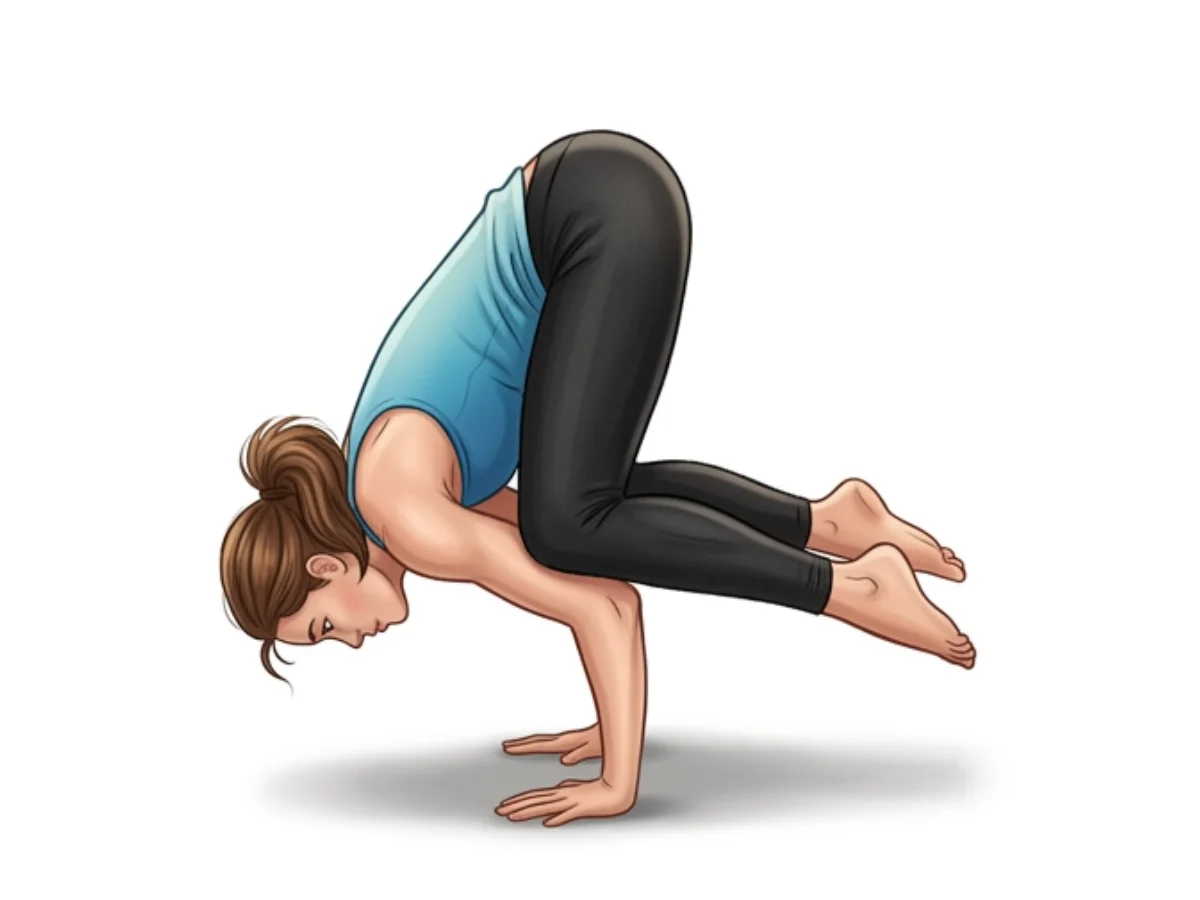
Crow Pose
BakasanaFamiliarizes the practitioner with arm balancing mechanics.
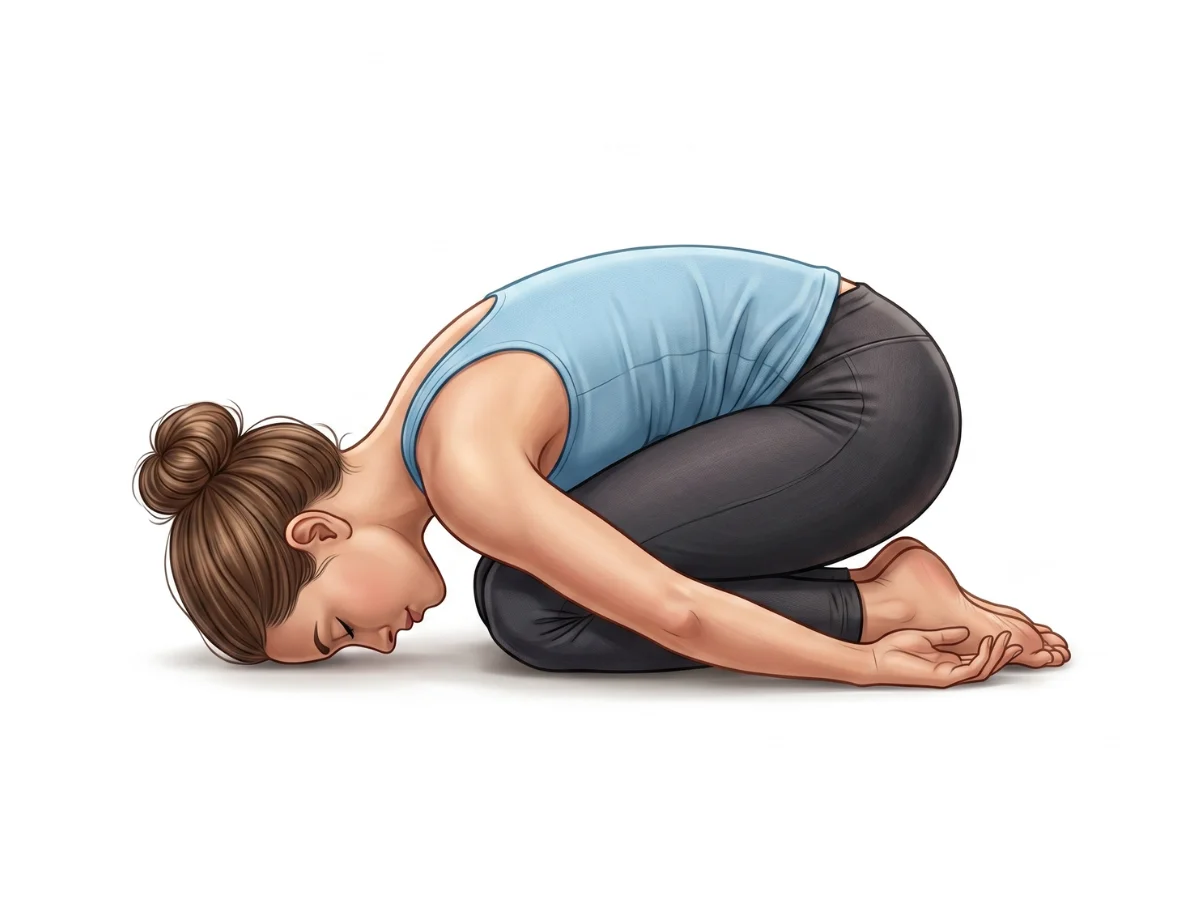
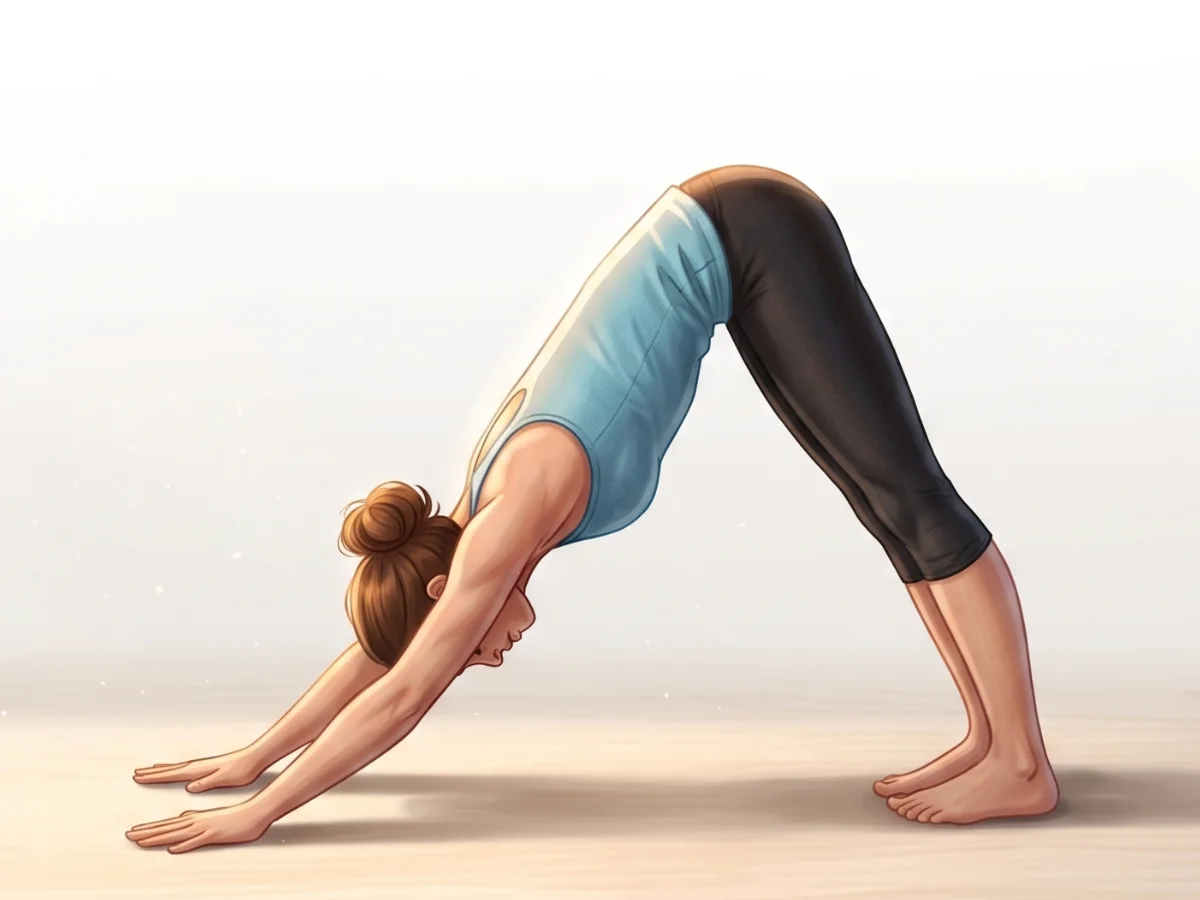
Follow with neutralizing Counter-poses
Frequently Asked Questions
Should I balance on one arm or two?
Traditionally, the pose is performed balancing only on the front arm (the left arm if twisting right). However, beginners can bend both elbows and rest the hip on the back arm for more stability.
How can I stop slipping?
Ensure your skin is dry. You can also wear long pants to provide more friction between your tricep and thigh. Deepening the twist before leaning forward also helps lock the arm in place.
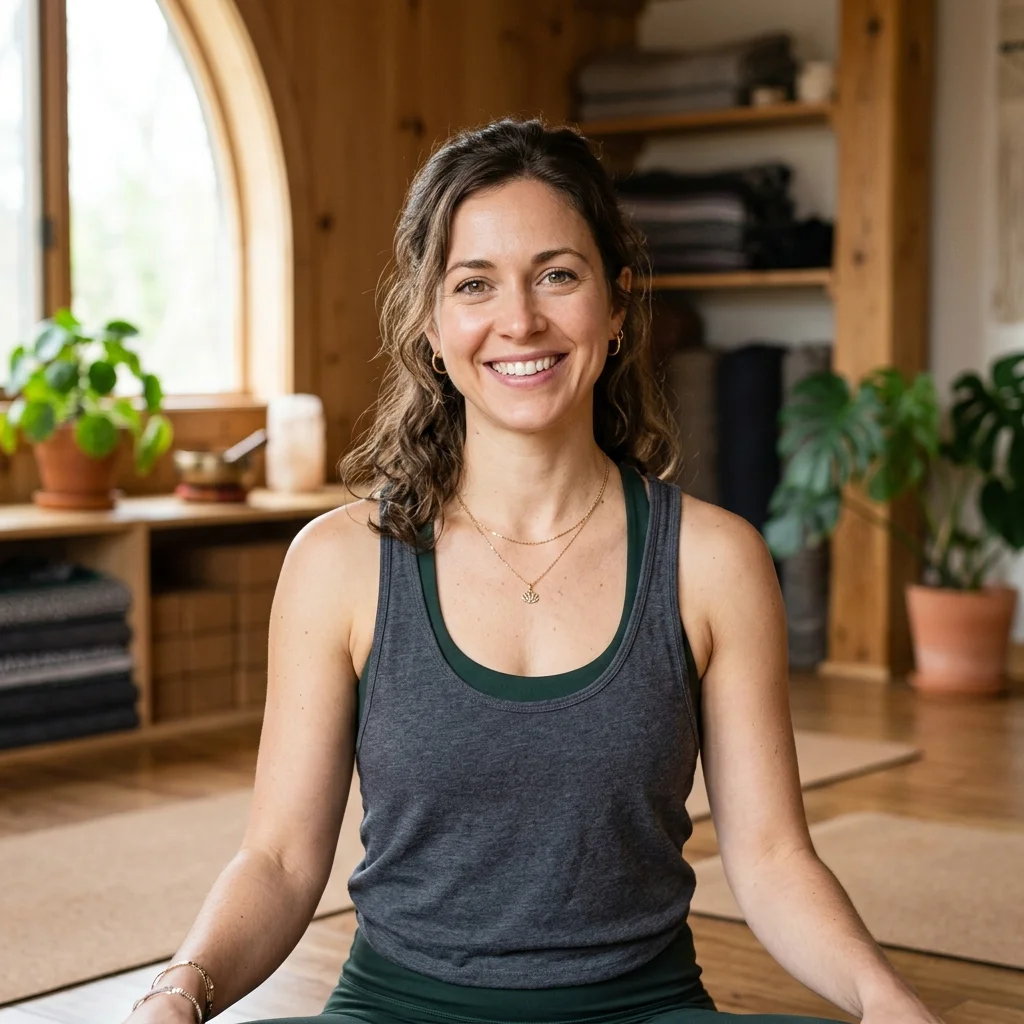
Elena Rostova is an accredited yoga educator and anatomy specialist with over 15 years of clinical experience. She focuses on functional biomechanics and injury prevention, translating complex anatomy into accessible guidance for safe, sustainable practice.
Read Full ProfileContinue Your Yoga Journey
Ready to deepen your practice? Explore our extensive library of poses, or join a structured program designed to build strength, flexibility, and mindfulness.