
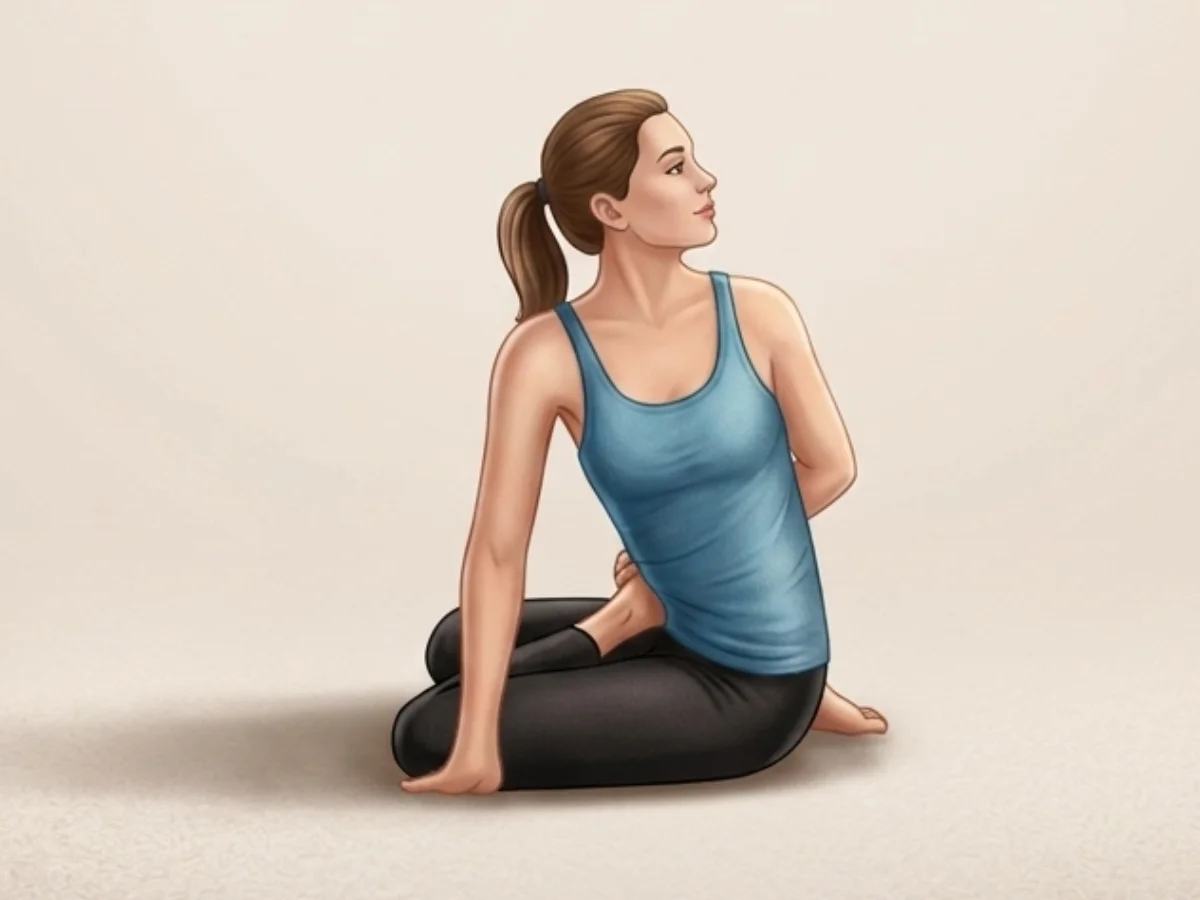
Sage Bharadvaja's Twist
Bharadvajasana I
By Elena Rostova Updated: verified Medically Reviewed
Sage Bharadvaja's Twist (Bharadvajasana I — "bah-ROD-vah-JAHS-anna") is a gentle seated twist named after one of the legendary seven seers of ancient India. It serves as an accessible introduction to twisting postures, rejuvenating the spine and abdominal organs. Because it doesn't require the hips to be perfectly level, it is often safer and more approachable than deeper twists, making it ideal for relieving tension in the back and improving digestion.
Hold Time
30–60 sec per side · 5–10 breaths
Pronunciation
bah-ROD-vah-JAHS-anna
About Sage Bharadvaja's Twist
Rooted deeply in classical practice, Sage Bharadvaja's Twist (Bharadvajasana I) is a respected posture that helps build true alignment. It primarily targets the spinal mobility & digestion, helping to create length and strength exactly where you need it most. Practicing this pose regularly helps with increases spinal mobility and leaves you feeling completely refreshed.
How to Practice
Start in Staff Pose
Begin seated on your mat with your legs extended straight out in front of you in Staff Pose (Dandasana). Sit evenly on both sit bones.
Shift and Fold the Legs
Shift your weight onto your right buttock, bend your knees, and swing both legs to the left. Rest your feet on the floor beside your left hip, with your left ankle resting in the arch of your right foot.
Lengthen the Spine
Inhale deeply to lift through your chest and lengthen your spine. Ensure your torso is upright and not leaning too heavily to the right.
Initiate the Twist
Exhale and gently twist your torso to the right. Place your left hand on the outside of your right knee or thigh, and rest your right fingertips on the floor slightly behind your right hip.
Deepen the Rotation
With every inhalation, grow taller through the crown of your head. With every exhalation, gently deepen the twist, drawing your right shoulder back and wrapping your left ribs forward.
Turn the Head
Turn your head slightly to look over your right shoulder. Be mindful not to strain your neck; keep the movement continuous with the twist of your upper spine.
Hold and Breathe
Hold the posture for 30 to 60 seconds, maintaining steady, deep breaths. Allow your belly to remain soft so the breath can massage your internal organs.
Release and Repeat
Exhale to release the twist, turning your torso back to center. Extend your legs forward into Staff Pose, then repeat the sequence on the opposite side.
Practice with the Yoga Timer
Keep track of your hold time and breath count for this pose.
Beginner Modifications & Prop Options
Yoga is a personal journey. These modifications and prop options allow you to adapt the pose to your current level of balance and flexibility, ensuring a safe and supportive practice.
Sit on a Prop
Place a folded blanket or block under the buttock of the side you are twisting toward to elevate hips, straighten the spine, and provide a level base.
Tip: Focus on alignment rather than depth.
Chair Variation
Sit sideways on a stable chair. Plant feet firmly, inhale to lengthen the spine, and exhale to twist, holding the chair back for rotational assistance.
Tip: Focus on alignment rather than depth.
Look Forward
Keep your gaze straight ahead or gently turned over your front shoulder to focus on the thoracic spine twist without aggravating the cervical spine.
Tip: Focus on alignment rather than depth.
Benefits of Sage Bharadvaja's Twist
Increases Spinal Mobility
Gently rotates the vertebrae, releasing tension in the back muscles and maintaining fluid mobility in the spine.
Stimulates Digestion
The twisting motion acts as a mild massage for the abdominal organs, promoting healthy digestion and detoxification.
Stretches Shoulders & Chest
Helps to open the chest and stretch the front of the shoulders, counteracting the effects of slouching.
Relieves Lower Back Pain
By stretching the paraspinal muscles and relieving stiffness, it can alleviate mild backaches and discomfort.
Calms the Nervous System
Gentle twisting paired with deep breathing activates the parasympathetic nervous system, reducing stress.
Common Mistakes to Avoid
Mistake: Forcing the Twist
How to fix: Twist from the core. Use your hands only for light support, ensuring you can hold the twist even if you lift your hands away.
Mistake: Rounding the Back
How to fix: Always establish a tall, straight spine on an inhale before initiating the twist on an exhale.
Mistake: Leaning Too Far Back
How to fix: Keep your back hand close to your sacrum and rest only the fingertips on the floor to maintain an upright posture.
Safety and Precautions
Recent Back Surgery or Severe Spinal Injuries
Twisting can aggravate herniated discs or spinal instability unless guided by a physical therapist.
Knee or Hip Injuries
The folded leg position requires significant knee flexion and hip rotation. Practice the chair modification instead.
Pregnancy
During pregnancy, deep, closed twists that compress the abdomen should be avoided. Focus on open twists instead.
Diarrhea or Acute Digestive Distress
Twisting stimulates the digestive organs, which may worsen acute digestive issues.
Medical Disclaimer: If you have any of the above conditions, consult your doctor or a qualified yoga instructor before attempting this pose.
Muscles Worked in Sage Bharadvaja's Twist
Sage Bharadvaja's Twist demands synchronized muscular effort, creating a profound sense of engagement and release throughout the body. The activation of the primary muscles supports the structure, while the secondary muscles provide stability and balance.
Primary Muscles
Obliques (Internal & External)
Contract to initiate and maintain the rotation of the torso.
Erector Spinae
Engages to keep the spine elongated and upright.
Multifidus
Small muscles that stabilize and assist in the rotation of individual vertebrae.
Secondary Muscles
Pectoralis Major
Stretches on the side you are twisting away from, opening the chest.
Rhomboids
Engage to draw the shoulder blades down and back.
Quadriceps
Stretch gently in the folded leg position.
Poses to Practice Before and After Sage Bharadvaja's Twist
Prepare with these Poses
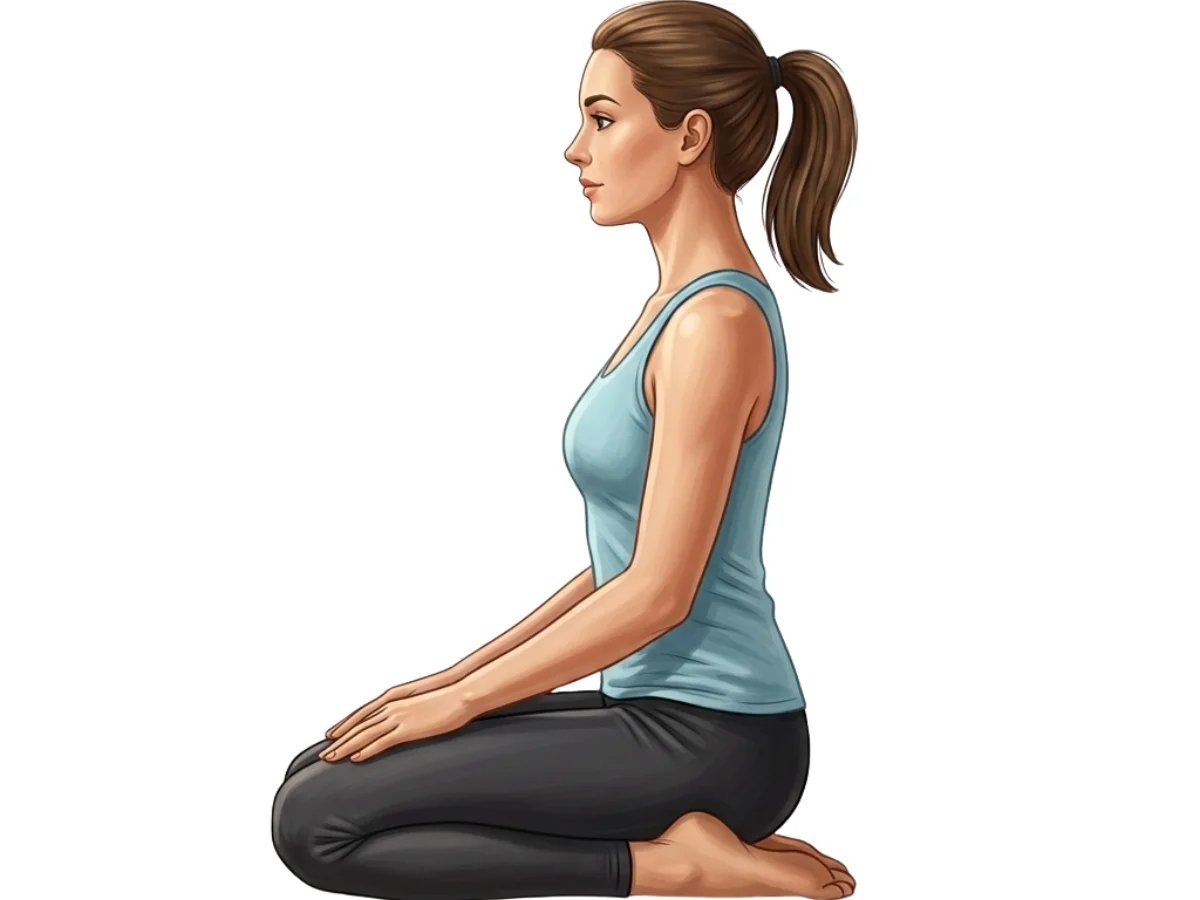
Hero Pose
VirasanaPrepares the knees and thighs for the bent-leg seated position.
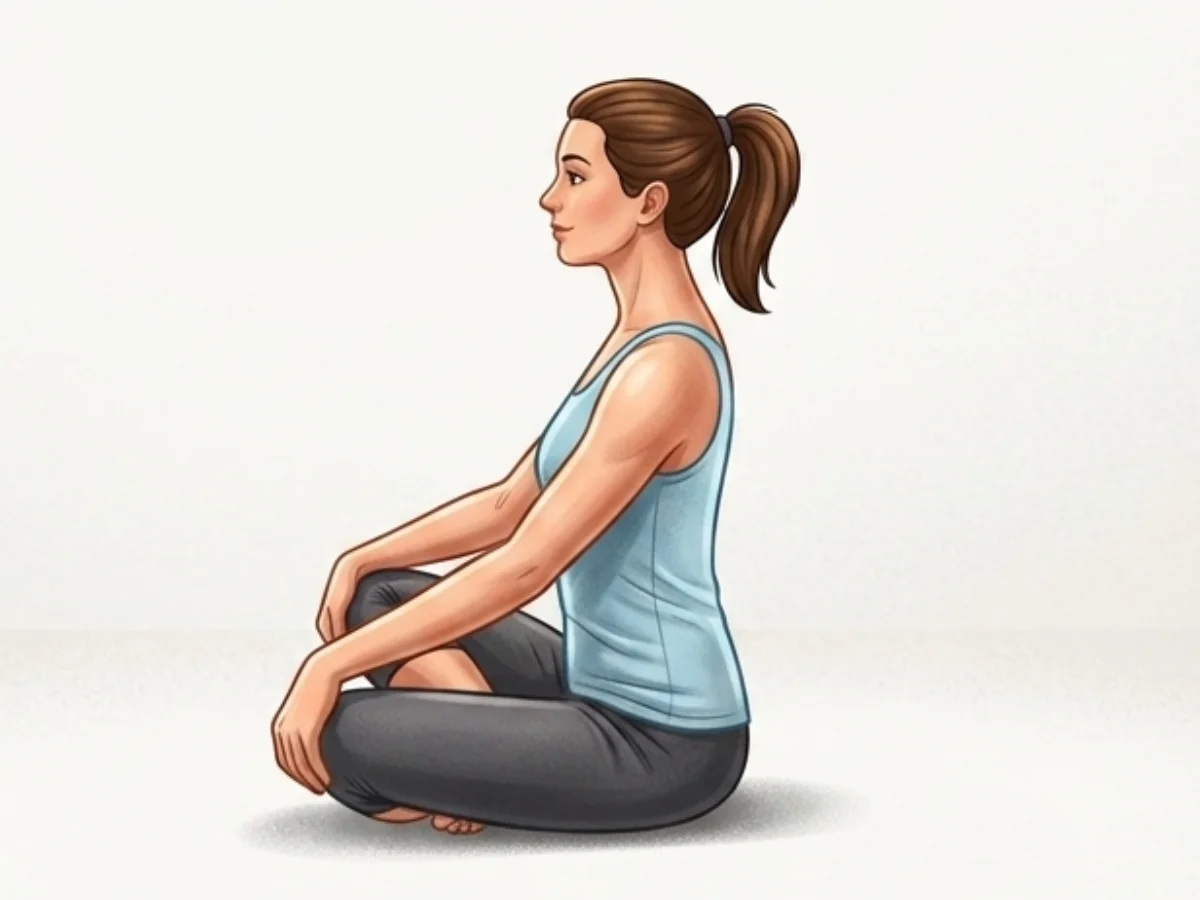
Easy Pose
SukhasanaA basic seated posture to establish length in the spine and calm the breath.
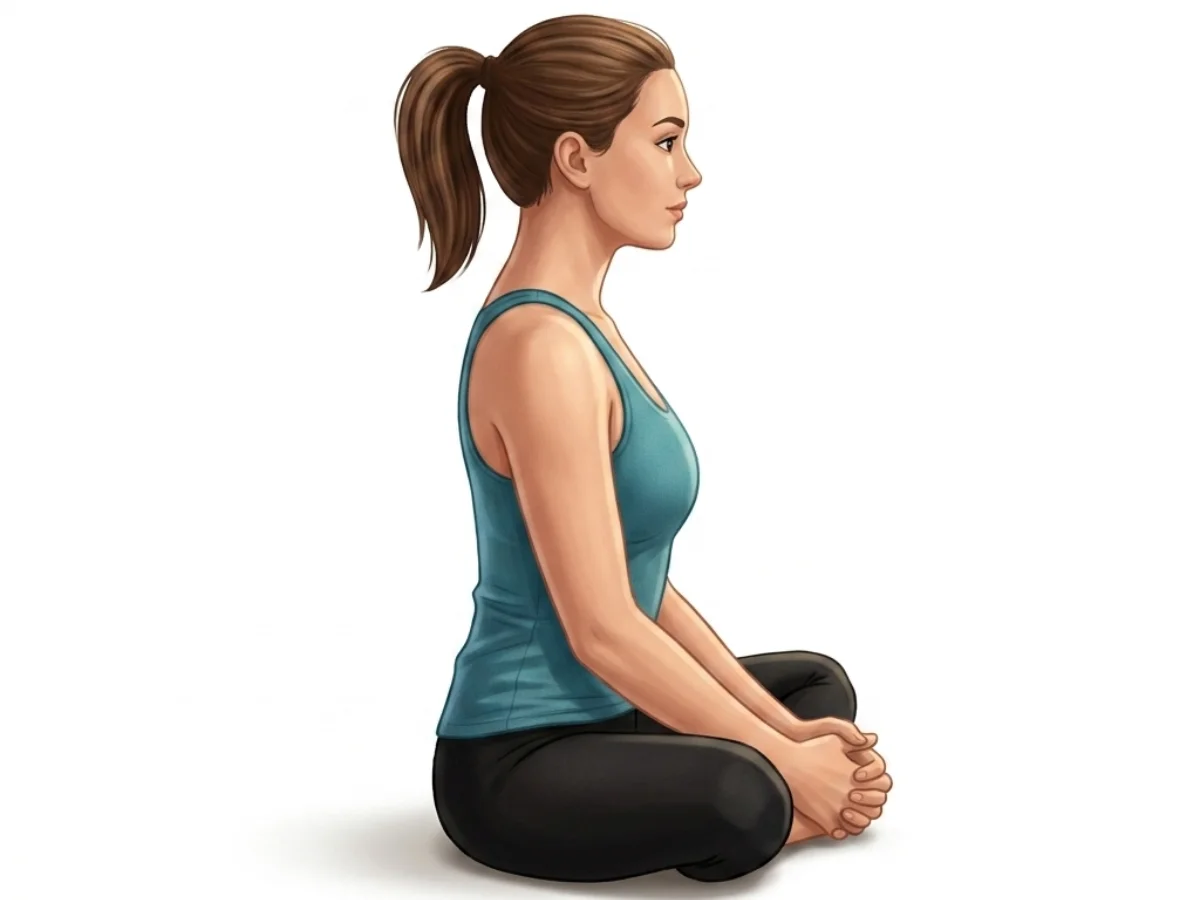
Bound Angle
Baddha KonasanaOpens the hips and gently stretches the inner thighs.
Follow with neutralizing Counter-poses
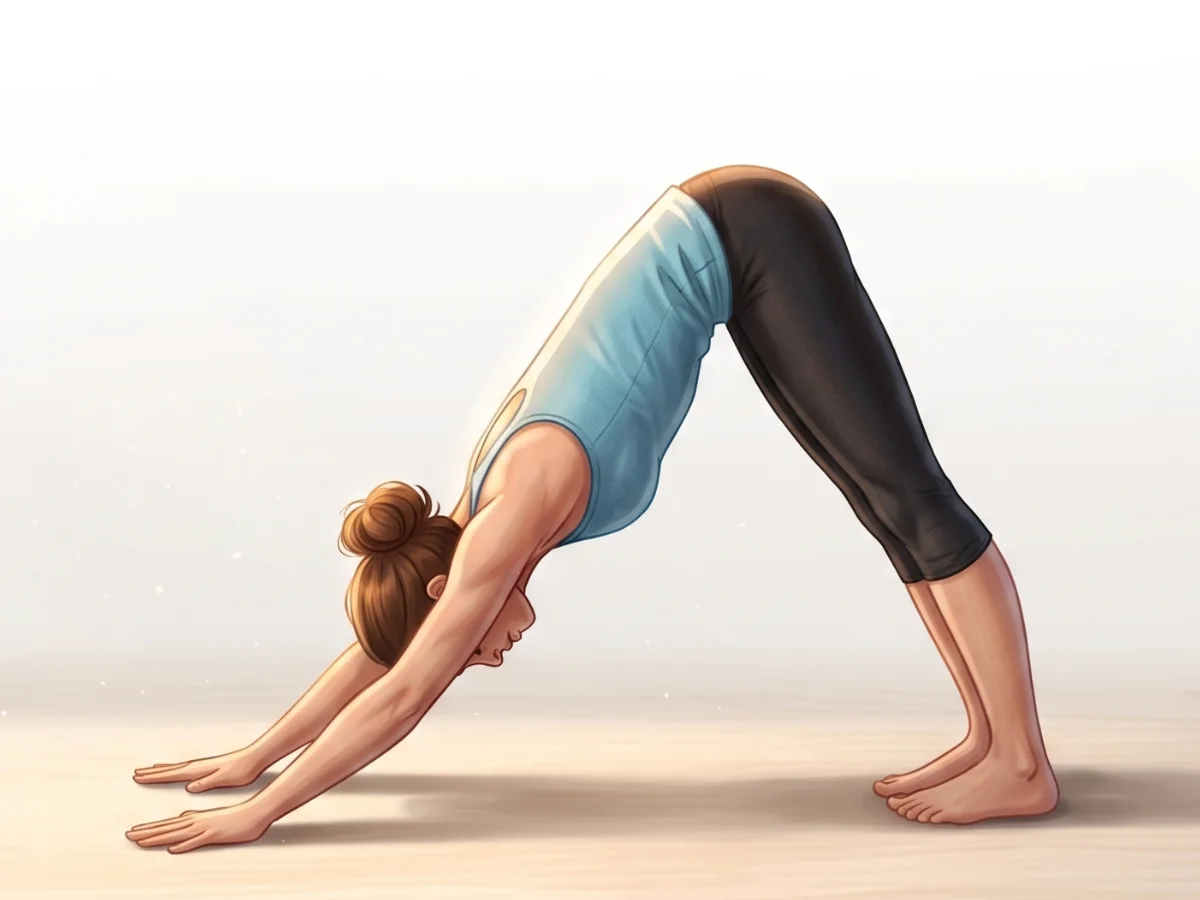
Downward-Facing Dog
Adho Mukha SvanasanaProvides a symmetrical stretch for the back, neutralizing the spine after the twist.
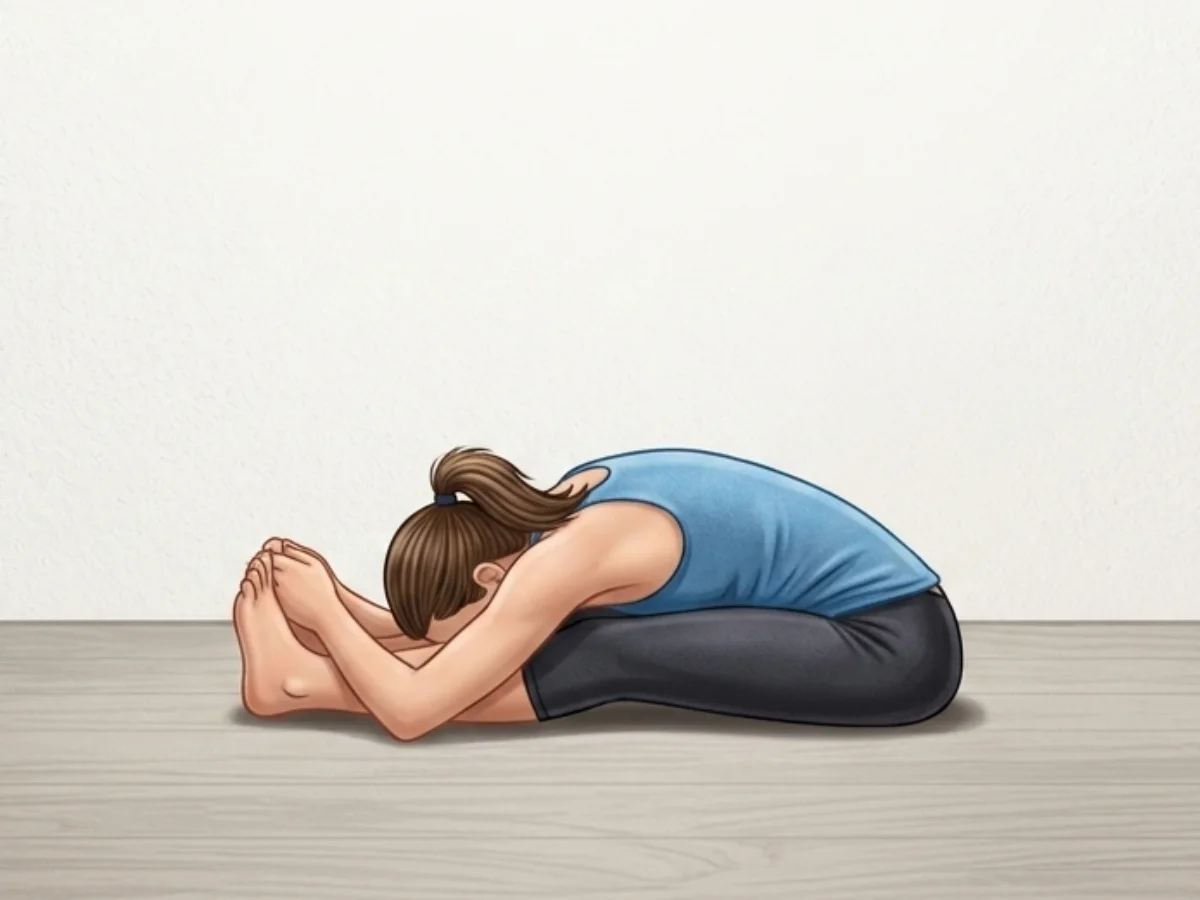
Seated Forward Bend
PaschimottanasanaSymmetrically folds the torso, calming the nervous system and stretching the hamstrings.
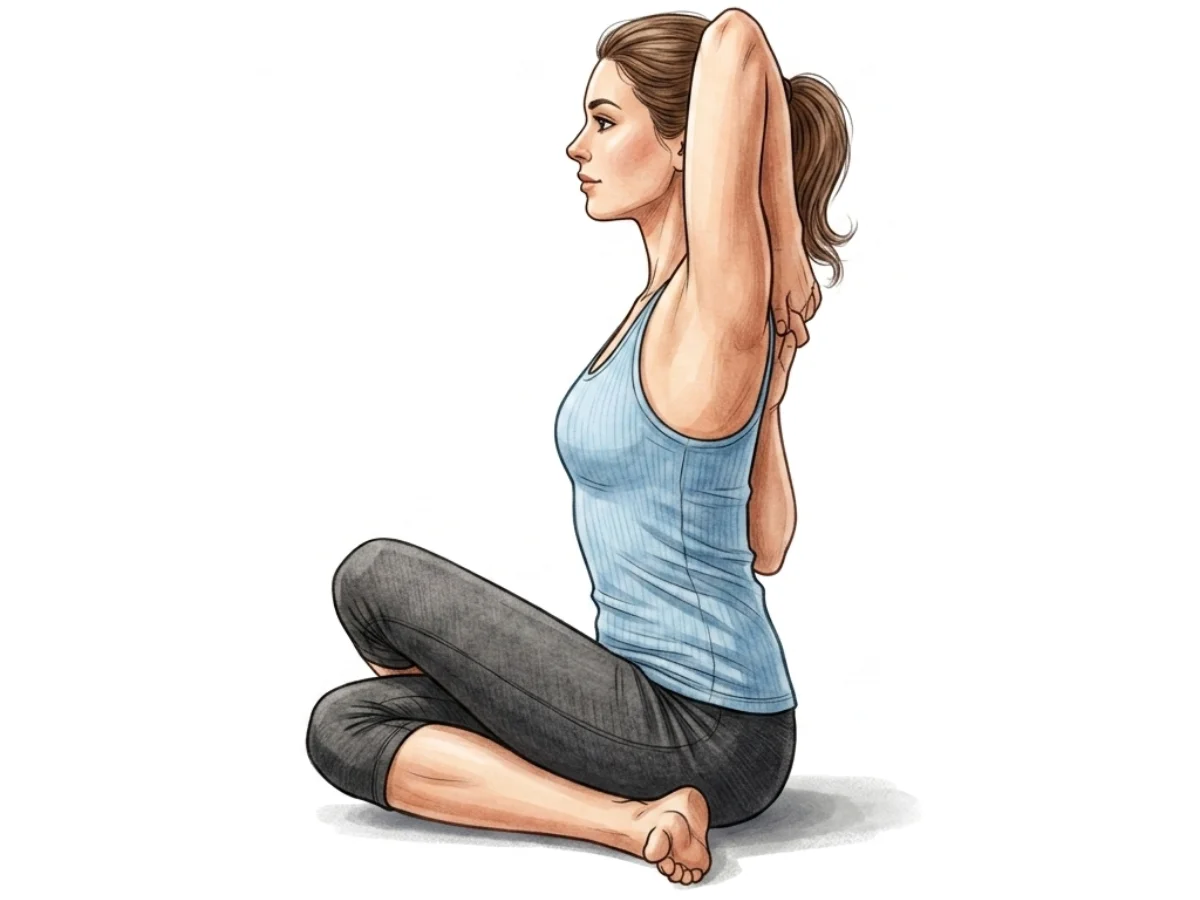
Cow Face Pose
GomukhasanaOffers a deep hip opener while maintaining a straight, non-rotated spine.
Frequently Asked Questions
Is it normal if both my sit bones don't touch the floor?
Yes, in Bharadvajasana, it is very common and completely acceptable for the hip opposite your folded legs to lift slightly off the floor. However, if the tilt is extreme, sit on a folded blanket to level the pelvis.
Should I pull with my arms to twist deeper?
No. Your arms should only act as light leverage and support.
How can I keep my spine straight in the twist?
Focus on the inhalation. Every time you breathe in, imagine a string pulling the crown of your head toward the ceiling.

Elena Rostova is an accredited yoga educator and anatomy specialist with over 15 years of clinical experience. She focuses on functional biomechanics and injury prevention, translating complex anatomy into accessible guidance for safe, sustainable practice.
Read Full ProfileContinue Your Yoga Journey
Ready to deepen your practice? Explore our extensive library of poses, or join a structured program designed to build strength, flexibility, and mindfulness.