
Rooster
Kukkutasana
By Elena Rostova Updated: verified Medically Reviewed
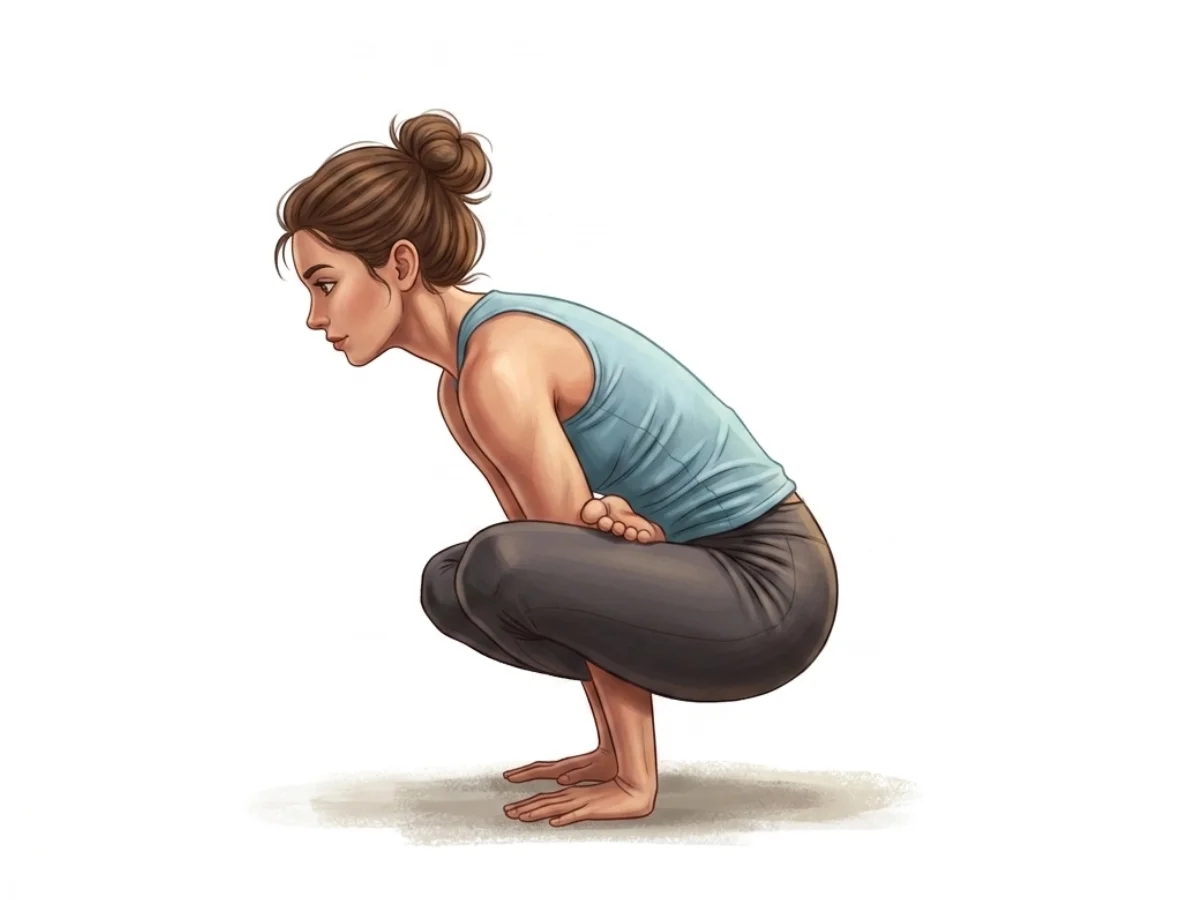
Rooster Pose (Kukkutasana) is a challenging arm balance that combines deep hip flexibility with profound upper body and core strength. By threading the arms through the folded legs of Lotus Pose and lifting the entire body off the floor, practitioners cultivate balance, wrist resilience, and intense focus.
Hold Time
10–30 sec · 3–5 breaths
Pronunciation
kook-koo-TAHS-anna
About Rooster
Commonly practiced as Rooster (Kukkutasana), this dynamic posture is beautifully designed to help unlock tension. This posture specifically engages the core & arm strength with hip mobility, making it highly effective for developing both strength and mobility. Over time, adding this to your routine is a great way to support strengthens arms and shoulders while calming the mind.
How to Practice
Assume Lotus Pose
Begin seated on the mat. Carefully fold your legs into a full Lotus Pose (Padmasana), bringing each foot high up onto the opposite hip crease.
Thread the Arms
Lean forward slightly. Slide your hands down into the gap between your calves and your thighs. Push your arms straight down through the spaces until your hands touch the floor.
Plant the Hands
Place your palms flat on the mat with your fingers spread wide, pointing forward. Ensure your hands are positioned directly under your shoulders.
Engage the Core
Inhale deeply, drawing your navel in toward your spine to engage the abdominal lock (Uddiyana Bandha) and pelvic floor (Mula Bandha).
Lift the Body
Exhale powerfully as you push the floor away with your hands. Lift your hips and folded legs entirely off the ground, supporting your body weight on your arms.
Stabilize and Balance
Keep your arms straight or slightly bent. Balance your body, lifting the chest and keeping the gaze softly forward.
Hold and Breathe
Maintain the lifted position for 3 to 5 smooth, controlled breaths, resisting the urge to hold your breath.
Release Safely
To exit, exhale and slowly lower your hips back to the mat. Carefully slide your arms out from between your legs and gently uncross your Lotus Pose.
Practice with the Yoga Timer
Keep track of your hold time and breath count for this pose.
Beginner Modifications & Prop Options
Yoga is a personal journey. These modifications and prop options allow you to adapt the pose to your current level of balance and flexibility, ensuring a safe and supportive practice.
Using Blocks
Place yoga blocks under your hands. The added height makes it easier to lift the hips and legs clear of the mat while building core strength.
Tip: Focus on alignment rather than depth.
Scale Pose (Tolasana) Prep
If threading the arms is too tight, place your hands on the floor outside your hips while in Lotus, and simply push up to lift the body (Tolasana).
Tip: Focus on alignment rather than depth.
Half Lotus Lift
Sit in Half Lotus or cross-legged (Sukhasana). Place hands on blocks outside your hips and practice lifting the body, as full Kukkutasana requires full Lotus.
Tip: Focus on alignment rather than depth.
Benefits of Rooster
Strengthens Arms and Shoulders
Bears the entire body weight on the hands, rapidly developing strength in the triceps, deltoids, and wrists.
Develops Core Power
Requires intense abdominal engagement and the use of internal locks (Bandhas) to achieve and sustain the lift.
Stimulates Digestion
The pressure of the arms against the abdomen and the engagement of the core muscles stimulate the digestive tract.
Enhances Focus and Balance
The complex coordination of hip flexibility, arm strength, and core lift demands unwavering mental concentration.
Opens the Hips
Maintains and deepens the external rotation and flexibility of the hip joints required for Lotus.
Common Mistakes to Avoid
Mistake: Forcing the Arms Through
How to fix: If the gap between calf and thigh is too small, do not force your arms through, which can bruise tissue or strain the knee. Work on deeper hip openers first.
Mistake: Holding the Breath
How to fix: The effort to lift often causes breath-holding. Consciously maintain steady, rhythmic breathing to stabilize the core and focus the mind.
Mistake: Sinking Shoulders
How to fix: Actively push the floor away. If your shoulders scrunch up around your ears, you lose the structural support of the upper back.
Safety and Precautions
Knee or Ankle Injuries
Full Lotus Pose places immense torque on the knees and ankles; avoid if you have any history of meniscus tears or ligament damage.
Wrist Pain or Carpal Tunnel
Bearing full body weight on flexed wrists will aggravate existing wrist conditions.
Shoulder Injuries
The intense load on the shoulder joints can worsen rotator cuff tears or impingements.
Pregnancy
The intense core contraction and balance risk make this unsuitable during pregnancy.
Medical Disclaimer: If you have any of the above conditions, consult your doctor or a qualified yoga instructor before attempting this pose.
Muscles Worked in Rooster
Rooster demands synchronized muscular effort, creating a profound sense of engagement and release throughout the body. The activation of the primary muscles supports the structure, while the secondary muscles provide stability and balance.
Primary Muscles
Triceps Brachii
Extend the elbows and push the body upward.
Rectus Abdominis
Contracts deeply to pull the lower body up and stabilize the torso.
Pectoralis Major
Stabilizes the arms and chest during the lift.
Secondary Muscles
Latissimus Dorsi
Assists in drawing the shoulders down and lifting the torso.
Wrist Flexors
Stabilize the hands against the floor under heavy load.
Hip External Rotators
Maintain the deep opening required for Lotus Pose.
Poses to Practice Before and After Rooster
Prepare with these Poses
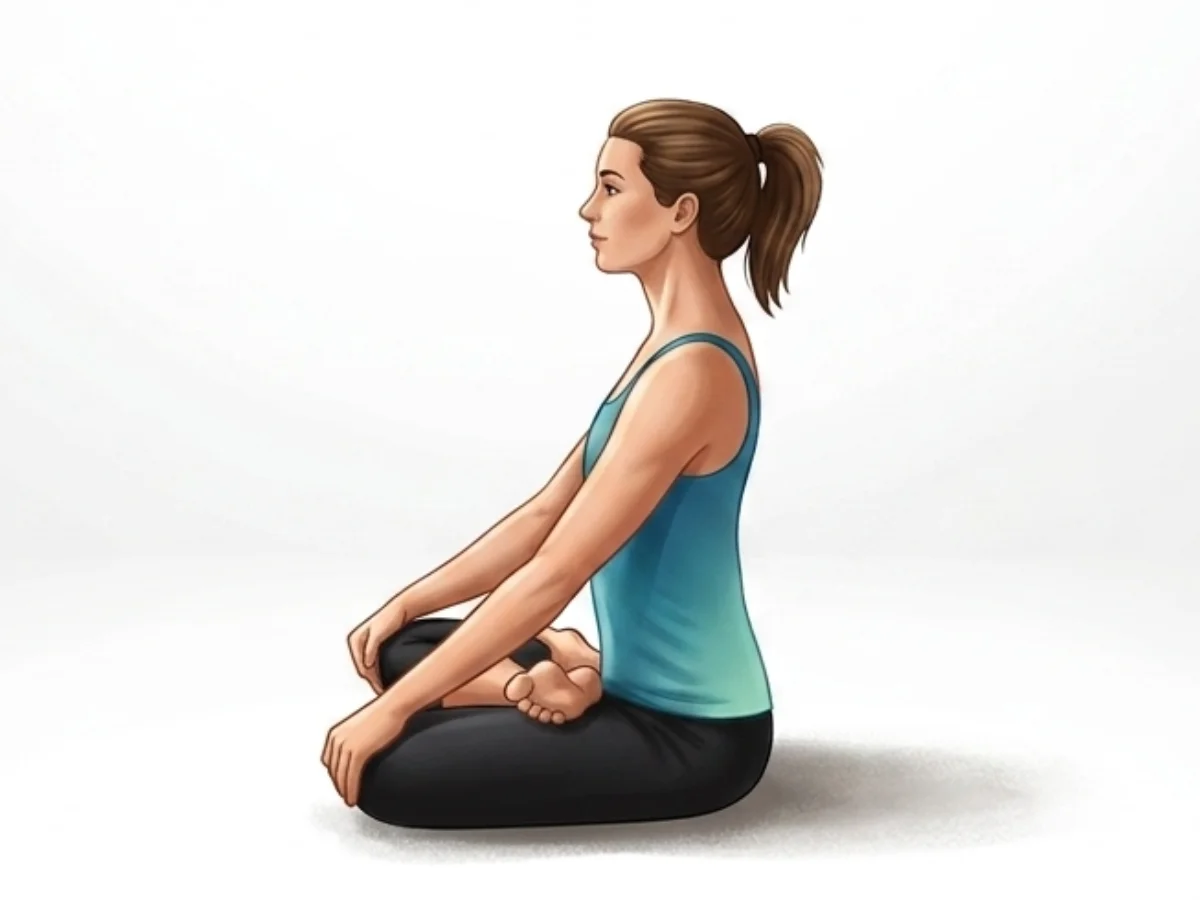
Lotus Pose
PadmasanaThe foundational leg position required before attempting Rooster Pose.
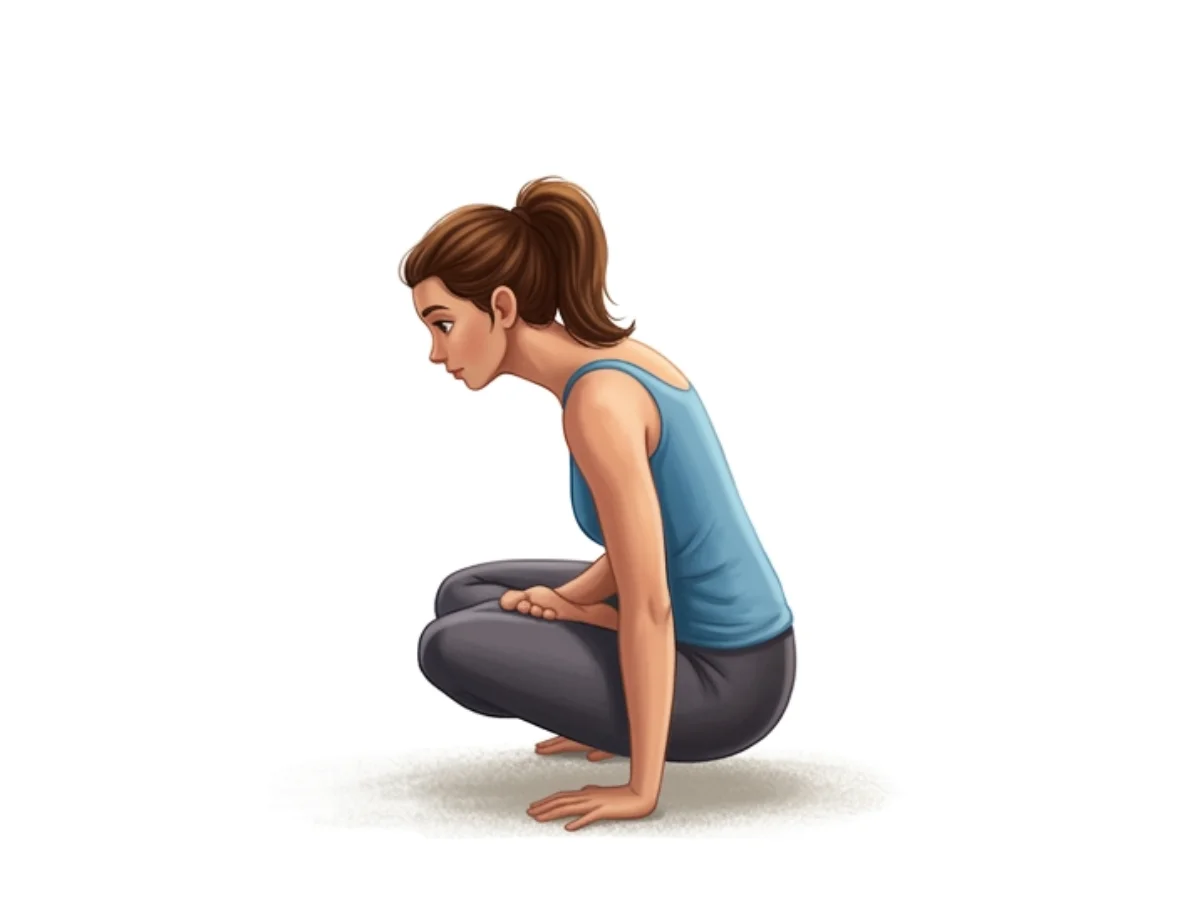
Scale Pose
TolasanaTeaches the mechanics of lifting the Lotus posture off the floor without threading the arms.
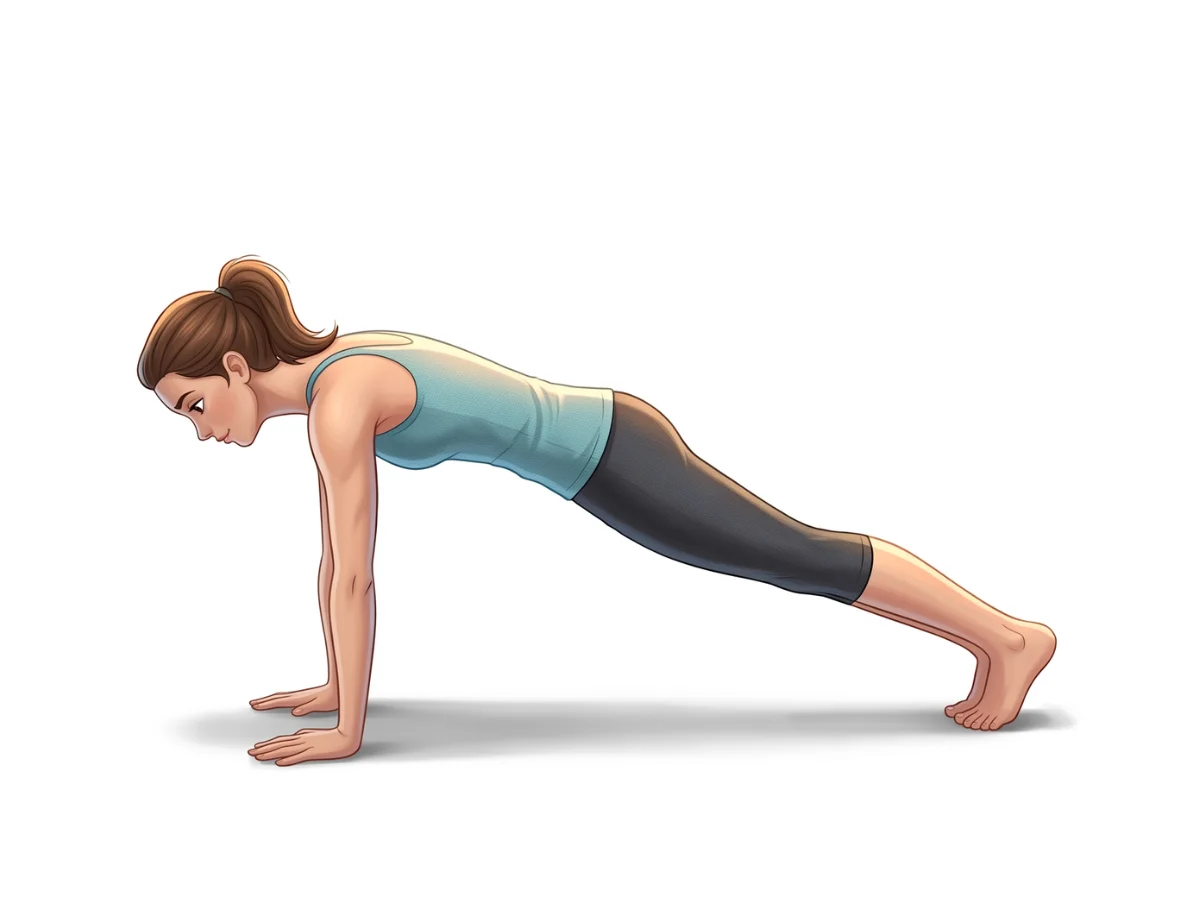
Plank Pose
PhalakasanaBuilds the necessary arm and wrist strength for weight-bearing balances.
Follow with neutralizing Counter-poses
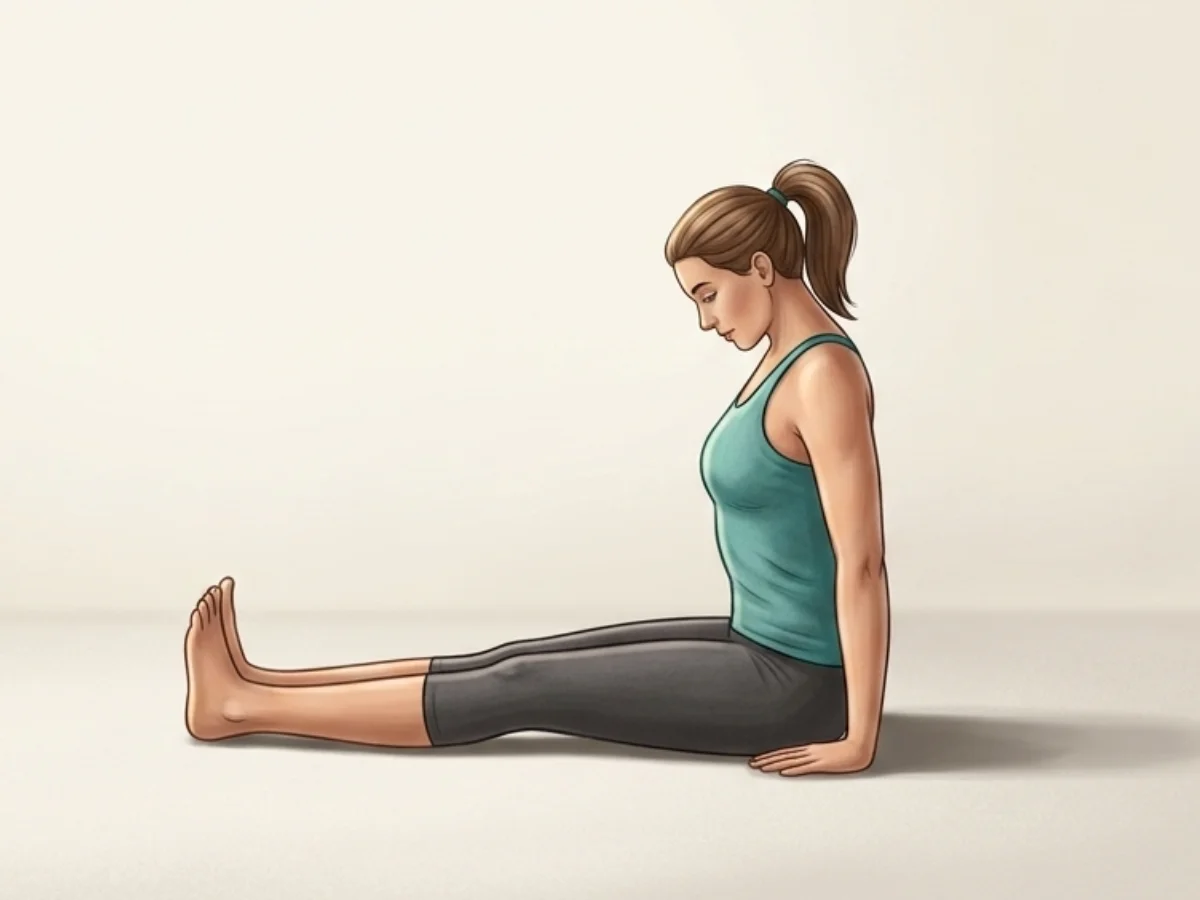
Staff Pose
DandasanaReleases the knees and ankles, allowing blood flow back to the straightened legs.
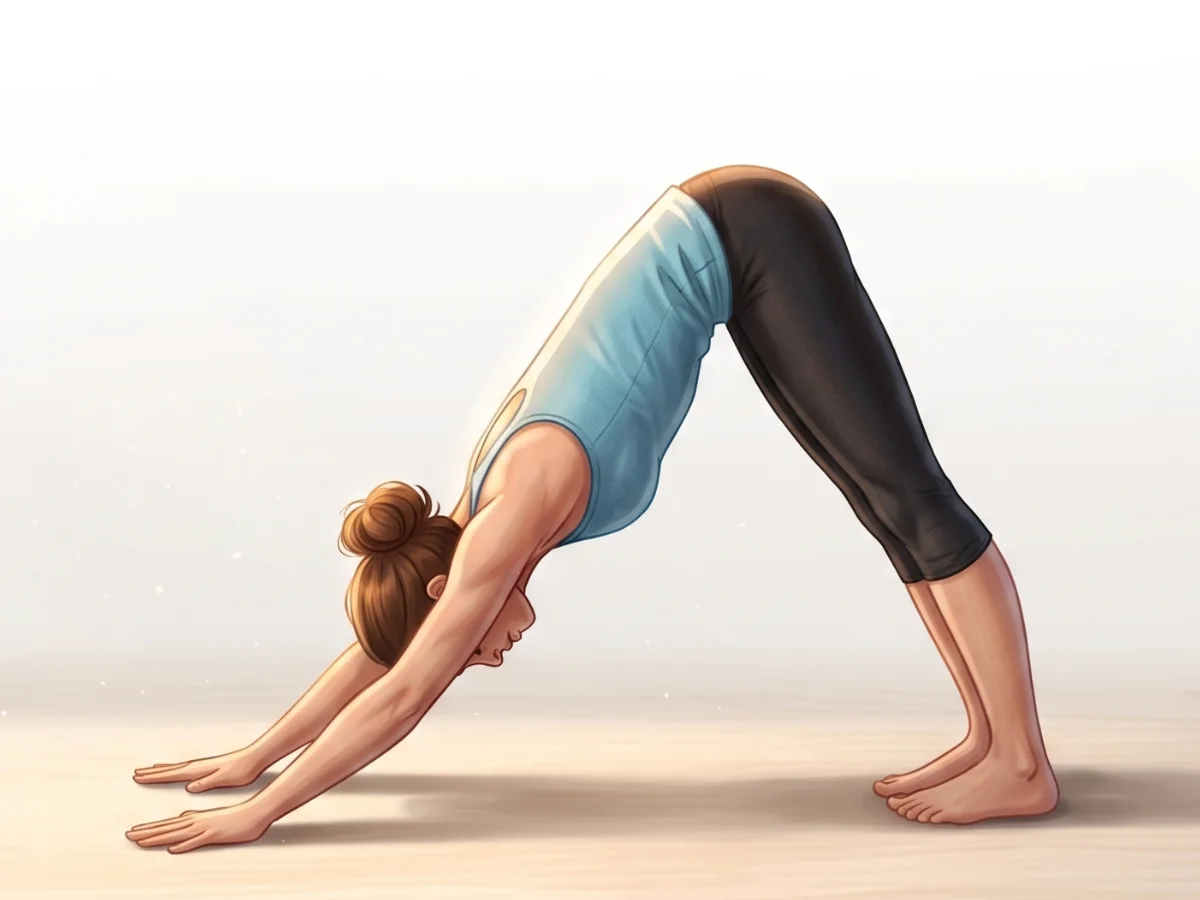
Downward-Facing Dog
Adho Mukha SvanasanaStretches the arms, wrists, and backs of the legs.
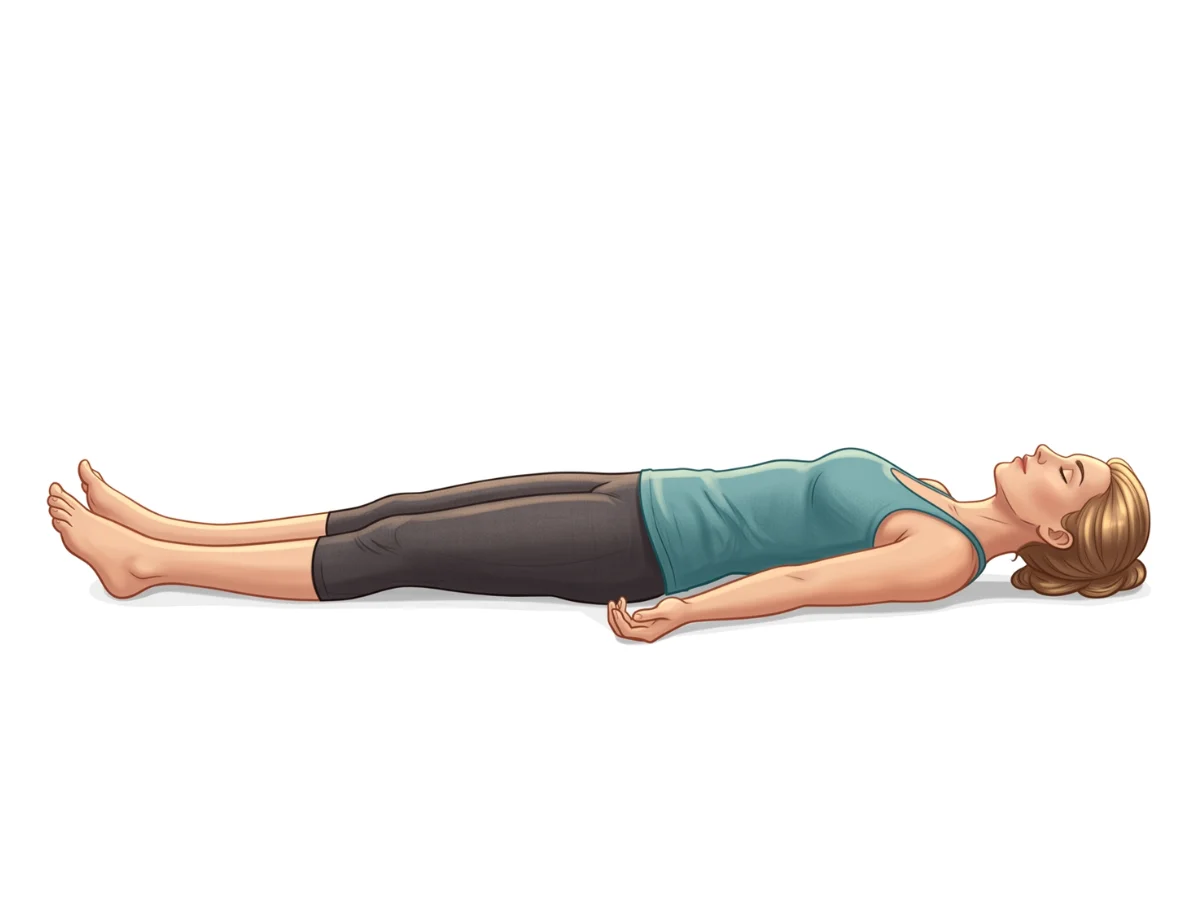
Corpse Pose
SavasanaAllows the body and breath to return to a neutral, relaxed state.
Frequently Asked Questions
I can't get my arms through my legs. Is there a trick?
You can try spraying a little water on your arms or legs, or wearing long sleeves made of slippery fabric to reduce friction. However, if the physical gap is too small, focus on deepening your Lotus Pose first so your feet sit higher on the hip creases.
How is Rooster Pose different from Scale Pose (Tolasana)?
In Scale Pose, your hands are placed on the outside of your hips. In Rooster Pose, your arms are threaded completely through the folded legs of Lotus, which locks the body into a tighter, more challenging shape.

Elena Rostova is an accredited yoga educator and anatomy specialist with over 15 years of clinical experience. She focuses on functional biomechanics and injury prevention, translating complex anatomy into accessible guidance for safe, sustainable practice.
Read Full ProfileContinue Your Yoga Journey
Ready to deepen your practice? Explore our extensive library of poses, or join a structured program designed to build strength, flexibility, and mindfulness.