
Sage Gherandas
Gherandasana
By Elena Rostova Updated: verified Medically Reviewed
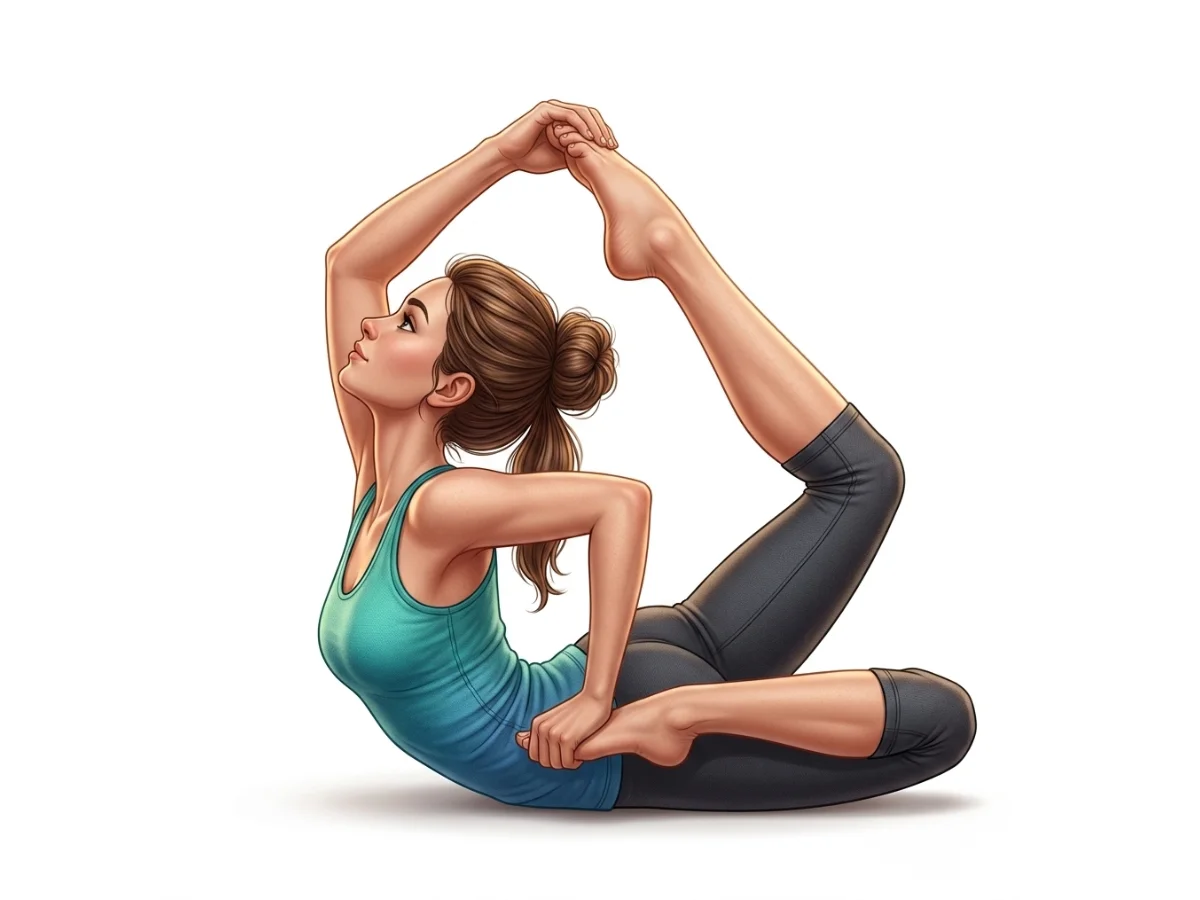
Sage Gheranda's Pose (Gherandasana) is a complex, highly advanced posture named after the legendary sage Gheranda. It requires extreme external rotation of the hips and immense knee flexibility. By crossing the feet and balancing the body weight on the knees and forearms, practitioners develop unparalleled joint mobility and intense physical control.
Hold Time
15–30 sec · 3–5 breaths
Pronunciation
geh-ruhn-DAHS-anna
About Sage Gherandas
Rooted deeply in classical practice, Sage Gherandas (Gherandasana) is a respected posture that helps build true alignment. This posture specifically engages the intense hip & knee flexibility, making it highly effective for developing both strength and mobility. Consistent practice will actively assist in maximizes hip mobility, helping you feel lighter and more balanced off the mat.
How to Practice
Seated Foundation
Begin seated on your mat in Staff Pose (Dandasana) with your legs extended straight forward.
External Rotation
Bend your knees and draw your feet inward, externally rotating your hips deeply as if preparing for Lotus Pose.
Cross the Feet
Carefully cross your left foot over your right calf, sliding the feet downward so that the outer edges of both feet rest flat against the floor, toes pointing back.
Shift Forward
Place your hands on the floor in front of you. Inhale deeply and slowly shift your body weight forward, lifting your pelvis off the floor.
Knee Balance
Bring your knees down to the mat. Most of your lower body weight should now rest on your grounded knees and the crossed feet beneath your pelvis.
Lower the Torso
Exhale and gently lower your upper body toward the floor, bringing your forearms or chest down to rest on the mat, depending on your spinal flexibility.
Hold and Breathe
Hold this intense shape for 3 to 5 breaths. Keep your core gently engaged to support the lower back and ensure no sharp pain is felt in the knees.
Safe Exit
To exit, press firmly into your hands to lift your torso, shift your weight back onto your sit bones, and carefully uncross and straighten your legs one at a time.
Practice with the Yoga Timer
Keep track of your hold time and breath count for this pose.
Beginner Modifications & Prop Options
Yoga is a personal journey. These modifications and prop options allow you to adapt the pose to your current level of balance and flexibility, ensuring a safe and supportive practice.
Use Props Under Pelvis
Place a bolster or block under your sit bones before shifting forward. This supports your body weight and removes dangerous pressure from the knee joints.
Tip: Focus on alignment rather than depth.
Stay Upright
Instead of lowering to your forearms or chest, keep your hands planted firmly on the floor with your arms straight, maintaining an upright torso.
Tip: Focus on alignment rather than depth.
Single Leg Focus
Practice Half Lotus or Half Hero variations instead to build the necessary individual joint mobility before attempting to bind both legs.
Tip: Focus on alignment rather than depth.
Benefits of Sage Gherandas
Maximizes Hip Mobility
Forces the femur into extreme external rotation, vastly opening the deep hip rotators and joint capsule.
Conditions the Knees and Ankles
Stretches the ligaments of the knees and ankles deeply. (Note: this is only beneficial for already healthy, highly mobile joints).
Strengthens Pelvic Floor
Hovering and balancing the pelvis requires intense, subtle control of the pelvic floor and lower core (Mula Bandha).
Cultivates Extreme Focus
The complexity and intensity of the pose demand complete mental presence and calm breathing to avoid injury.
Stretches the Lower Back
Folding forward while the hips are locked in external rotation stretches the erector spinae and quadratus lumborum.
Common Mistakes to Avoid
Mistake: Ignoring Knee Pain
How to fix: Never push through sharp or twisting knee pain. If you feel it, back out immediately. The stretch should only be felt in the muscular tissue of the hips.
Mistake: Collapsing Body Weight
How to fix: Do not let your entire body weight collapse passively onto your knees. Keep your core active and use your hands/arms to bear some of the load.
Mistake: Rushing the Setup
How to fix: Take your time crossing the feet and shifting forward. Moving too quickly into extreme rotation is a leading cause of joint injury.
Safety and Precautions
Knee Injuries
Strictly contraindicated for anyone with a history of meniscus tears, ACL/MCL injuries, or general knee instability.
Ankle Issues
The deep supination and pressure placed on the ankles make it unsafe for recent sprains or weak ligaments.
Hip Replacements
Extreme external rotation can dislocate artificial hip joints.
Pregnancy
The balance requirement and pelvic pressure make this unsafe for pregnant practitioners.
Medical Disclaimer: If you have any of the above conditions, consult your doctor or a qualified yoga instructor before attempting this pose.
Muscles Worked in Sage Gherandas
Sage Gherandas demands synchronized muscular effort, creating a profound sense of engagement and release throughout the body. The activation of the primary muscles supports the structure, while the secondary muscles provide stability and balance.
Primary Muscles
Deep External Rotators
Stretch profoundly to allow the legs to fold inward.
Gluteus Medius
Stretches as the hips flex and externally rotate.
Tibialis Anterior
Stretches deeply along the shin and front of the ankle.
Secondary Muscles
Transversus Abdominis
Engages to stabilize the pelvis and spine during the balance.
Pectoralis Major
Supports the upper body weight if resting on forearms.
Erector Spinae
Stretches as the torso folds forward.
Poses to Practice Before and After Sage Gherandas
Prepare with these Poses
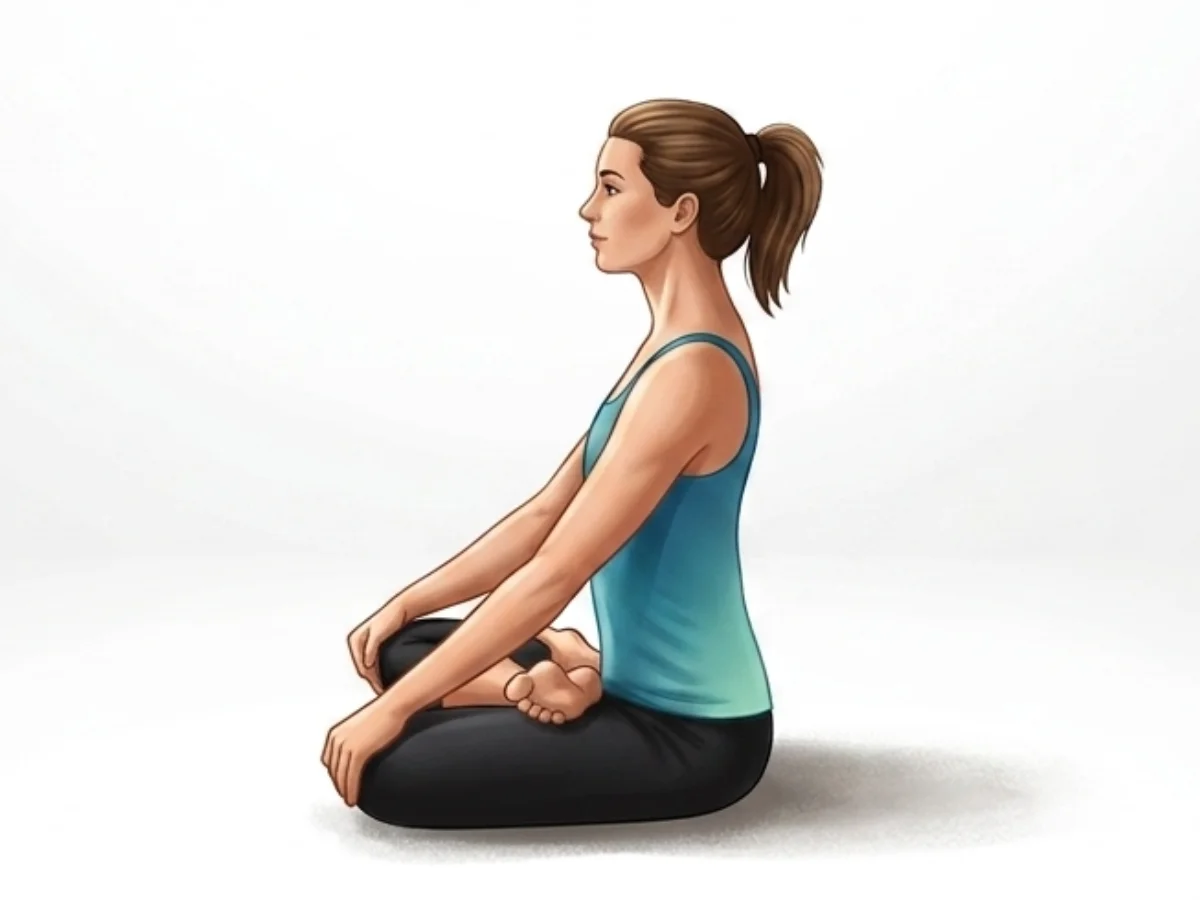
Lotus Pose
PadmasanaEstablishes the extreme external hip rotation required for Gherandasana.
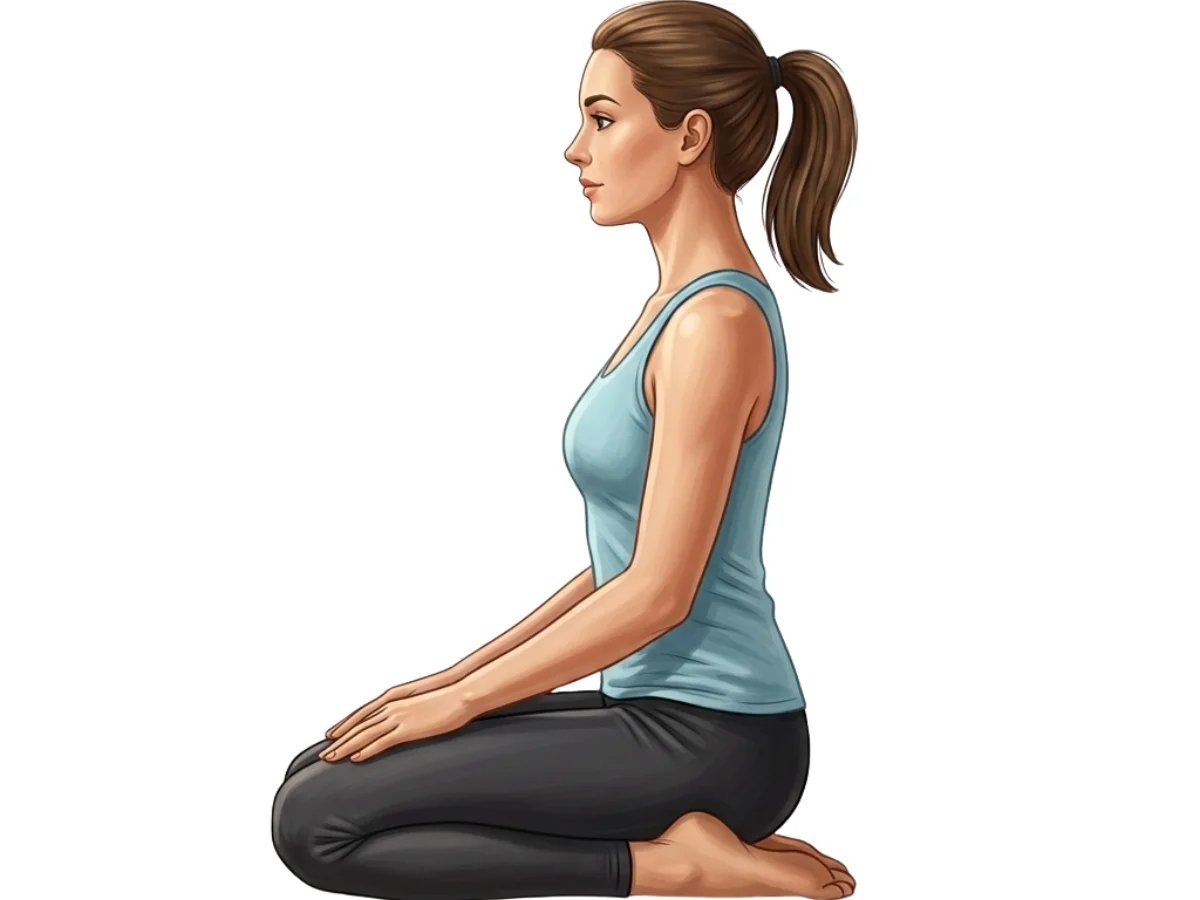
Hero Pose
VirasanaPrepares the knees and ankles for deep flexion and pressure.
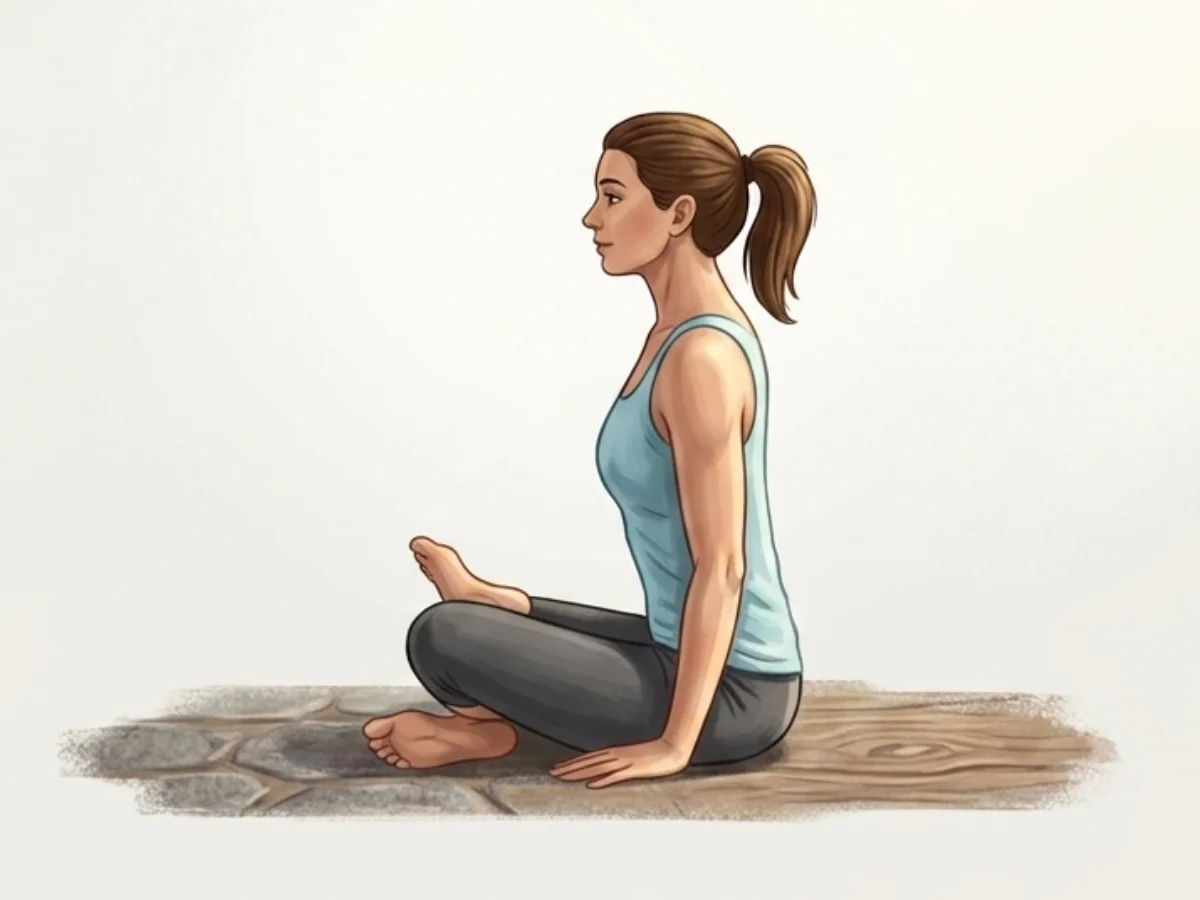
Fire Log Pose
AgnistambhasanaA powerful deep hip opener to loosen the glutes and rotators.
Follow with neutralizing Counter-poses
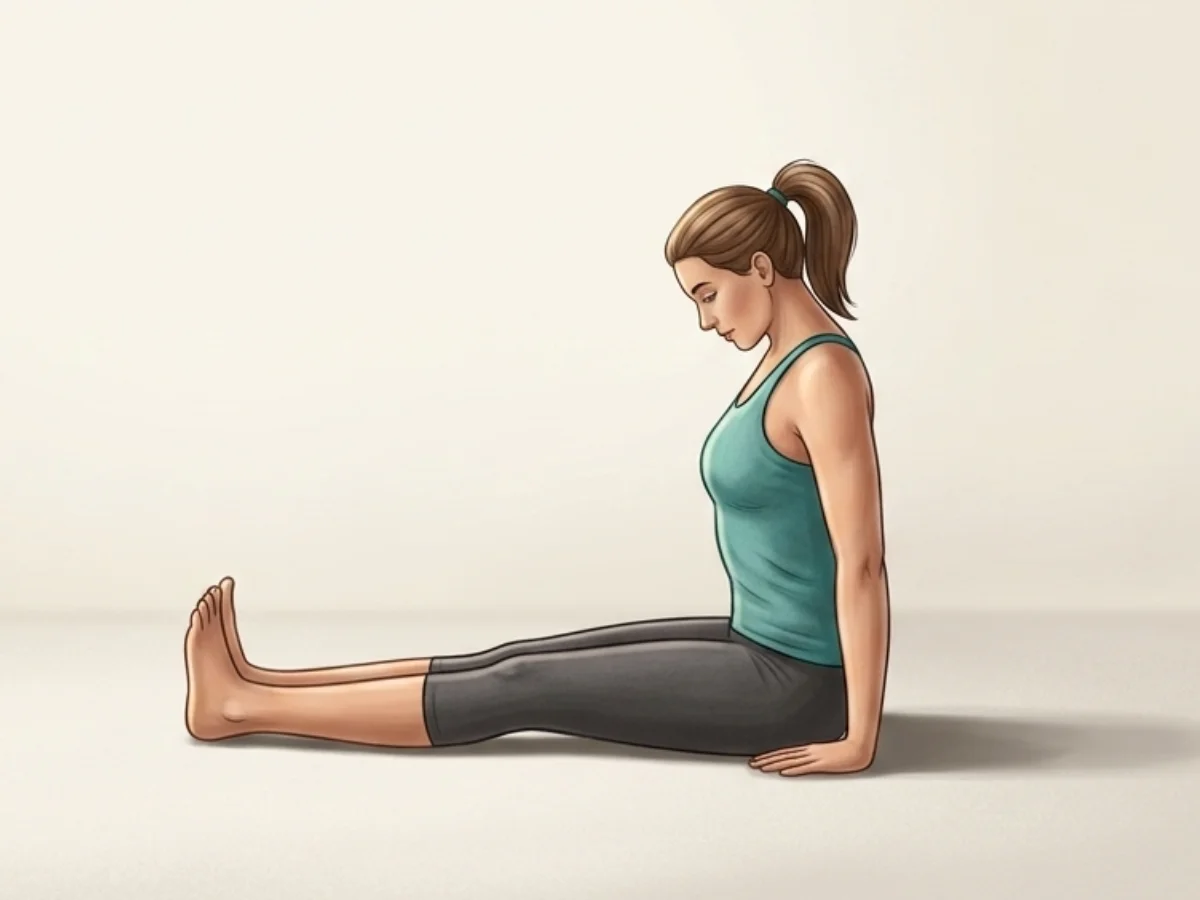
Staff Pose
DandasanaStraightens and neutralizes the knees and hips safely after intense binding.
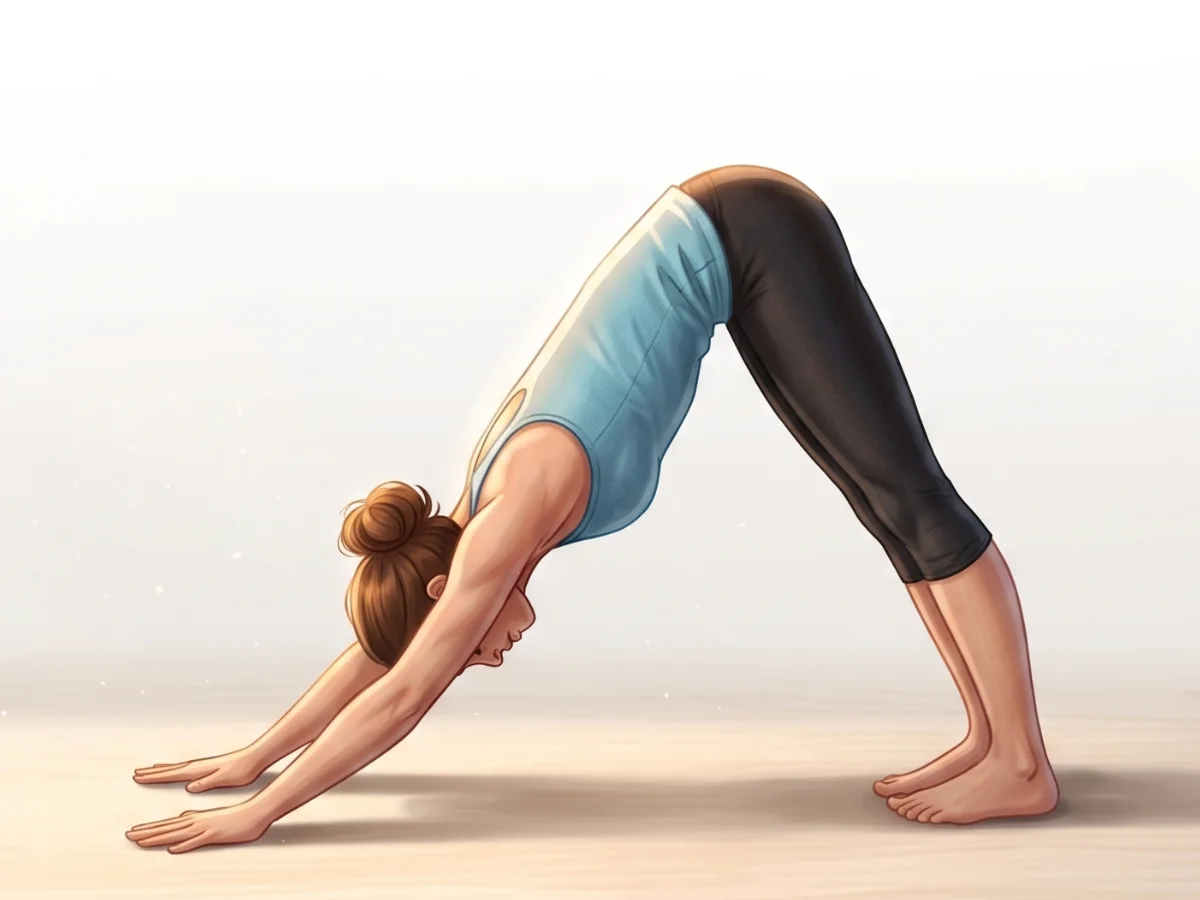
Downward-Facing Dog
Adho Mukha SvanasanaStretches the backs of the legs and allows fresh blood to flow to the knee joints.
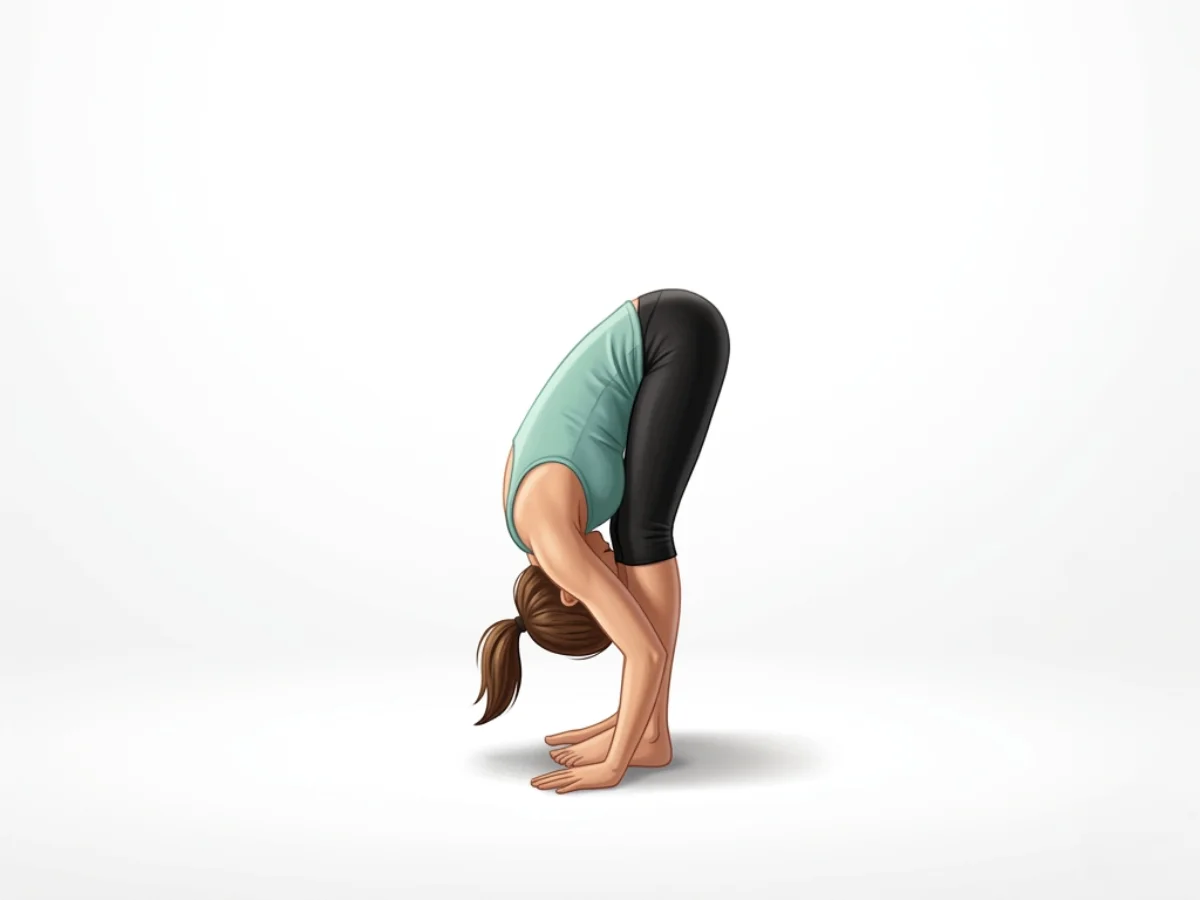
Standing Forward Bend
UttanasanaReleases the spine and fully extends the hamstrings in an upright position.
Frequently Asked Questions
How long does it take to learn Sage Gherandas Pose?
This is an advanced posture that can take years of consistent practice to achieve safely. It requires naturally open hips or long-term dedication to hip and knee mobility.
Why do my knees hurt in this pose?
Knee pain means your hips are not open enough. When the hips cannot externally rotate fully, the torque transfers down into the knee joint, which is a hinge joint and not designed to twist. Stop immediately if you feel knee pain.
What is the main benefit of Gherandasana?
Aside from the intense physical conditioning of the joints, it is traditionally practiced to channel energy (prana) inward and cultivate immense mental focus and stillness.
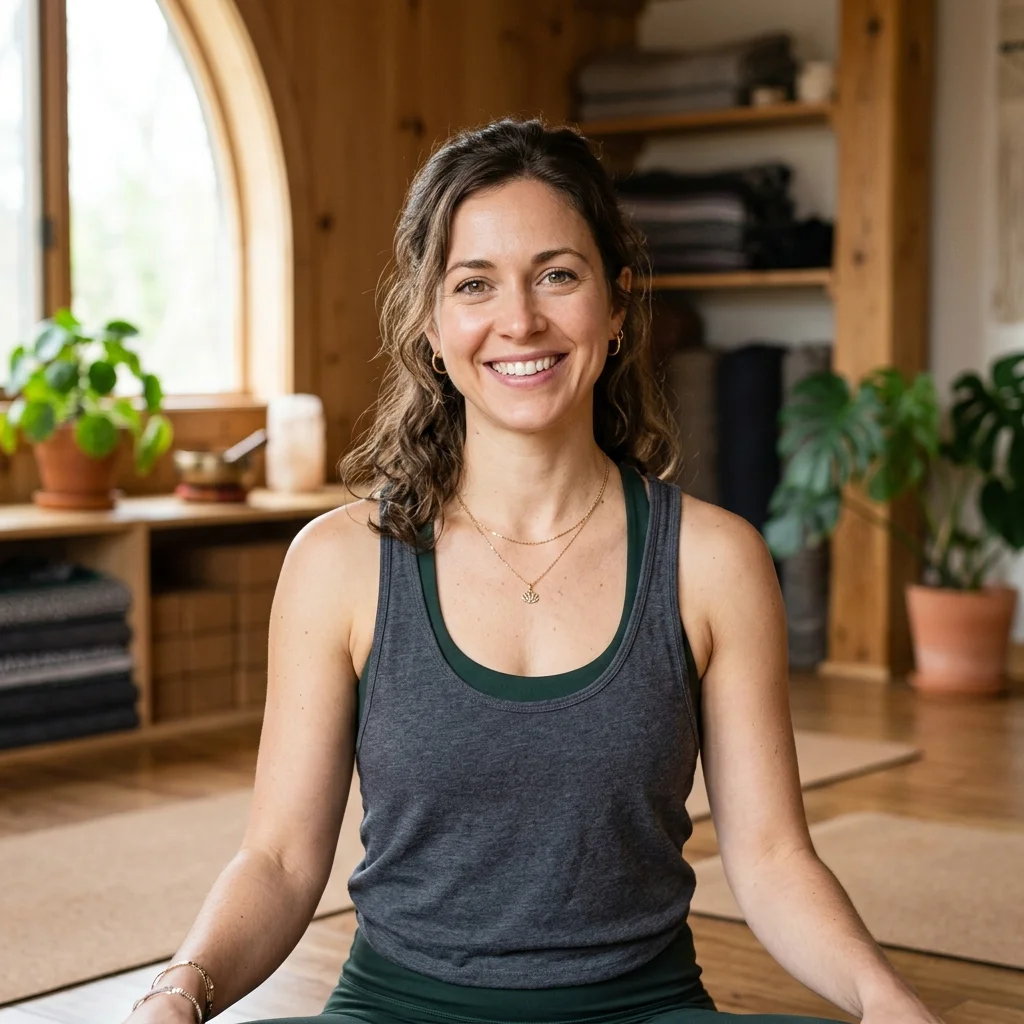
Elena Rostova is an accredited yoga educator and anatomy specialist with over 15 years of clinical experience. She focuses on functional biomechanics and injury prevention, translating complex anatomy into accessible guidance for safe, sustainable practice.
Read Full ProfileContinue Your Yoga Journey
Ready to deepen your practice? Explore our extensive library of poses, or join a structured program designed to build strength, flexibility, and mindfulness.