
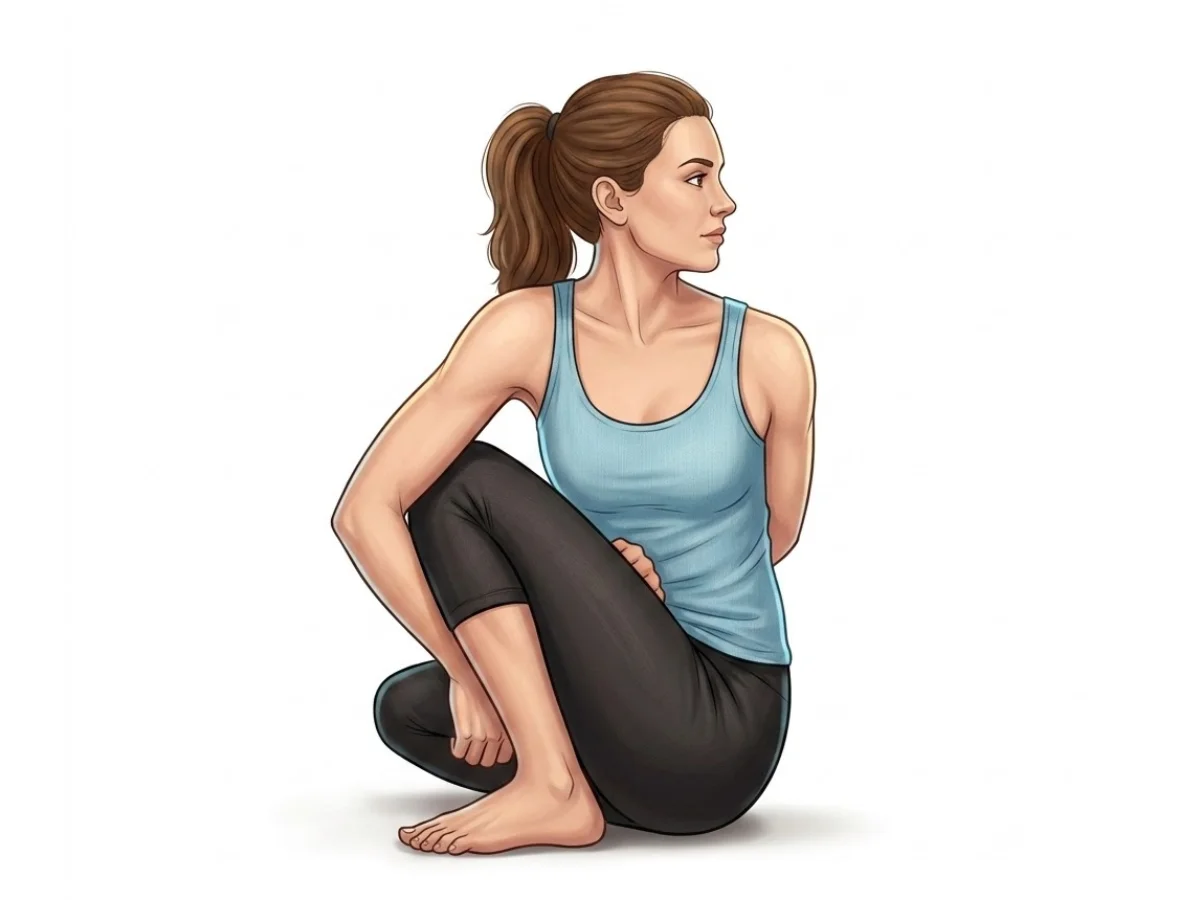
Sage Marichi's IV
Marichyasana IV
By Elena Rostova Updated: verified Medically Reviewed
Sage Marichi's Pose IV (Marichyasana IV or Marichyasana D) is often considered the most complex of the Marichyasana series. This advanced posture combines the deep hip external rotation of Half Lotus with an intense spinal twist and a full shoulder bind. The combination exerts powerful compression on the lower abdomen, stimulating digestion while simultaneously demanding elite-level mobility in the hips, knees, spine, and shoulders.
Hold Time
30–60 sec · 5–10 breaths
Pronunciation
mah-ree-chee-AHS-anna four
About Sage Marichi's IV
Rooted deeply in classical practice, Sage Marichi's IV (Marichyasana IV) is a respected posture that helps build true alignment. It primarily targets the deep twisting & hip opening, helping to create length and strength exactly where you need it most. Over time, adding this to your routine is a great way to support elite spinal rotation while calming the mind.
How to Practice
Starting Position
Begin seated on your mat in Staff Pose (Dandasana) with both legs extended forward.
Half Lotus Position
Bend your left knee and carefully place your left foot onto your right hip crease in Half Lotus (Ardha Padmasana). Let the left knee drop comfortably toward the floor.
Bend the Right Knee
Bend your right knee, placing the right foot flat on the floor close to your right sitting bone. The right knee points straight up.
Lengthen the Spine
Inhale deeply as you reach your left arm up toward the ceiling, elongating the left side of your waist.
Deep Twist
Exhale and twist your torso to the right. Hook your left elbow on the outside of your right knee.
Internal Rotation
To bind, internally rotate the left arm so the thumb points down. Wrap the left forearm around the front of your right shin.
Create the Bind
Reach your right arm behind your back and clasp your left wrist with your right hand. (Use a strap if necessary).
Refine the Posture
Inhale to lift the chest and straighten the spine. Exhale to twist deeper, gazing over your right shoulder.
Hold and Breathe
Maintain the pose for 5 to 10 deep breaths, focusing on expanding the ribcage despite the deep abdominal compression.
Release
Exhale to carefully release the bind and untwist. Uncross the legs back to Staff Pose, then repeat the sequence on the opposite side.
Practice with the Yoga Timer
Keep track of your hold time and breath count for this pose.
Beginner Modifications & Prop Options
Yoga is a personal journey. These modifications and prop options allow you to adapt the pose to your current level of balance and flexibility, ensuring a safe and supportive practice.
Modify the Legs
Tuck the foot under the opposite thigh or keep the bottom leg straight if Half Lotus is painful.
Tip: Focus on alignment rather than depth.
Skip the Bind
Keep the elbow hooked over the knee and place the back hand on the floor to support a straight spine instead of forcing the bind.
Tip: Focus on alignment rather than depth.
Elevate the Pelvis
Sit on a folded blanket. This tips the pelvis slightly forward, making both the Half Lotus and the spinal twist more accessible.
Tip: Focus on alignment rather than depth.
Benefits of Sage Marichi's IV
Elite Spinal Rotation
Provides one of the deepest spinal twists in yoga, thoroughly wringing out tension from the vertebrae and back muscles.
Intense Hip Opener
The Half Lotus position stretches the piriformis, glutes, and external hip rotators deeply.
Powerful Abdominal Massage
The heel in Half Lotus combined with the twist creates intense pressure that stimulates the liver, spleen, and intestines.
Expands the Chest and Shoulders
The arm bind requires and builds significant flexibility in the anterior deltoids and pectoralis major.
Improves Focus and Concentration
Managing the breath in this tightly bound, complex shape demands high-level mental clarity and calmness.
Common Mistakes to Avoid
Mistake: Forcing the Knee into Half Lotus
How to fix: Ensure all rotation comes from the hip joint. If the knee feels twisted, modify the leg position immediately.
Mistake: Slouching to Catch the Bind
How to fix: Prioritize a straight, tall spine over the bind. Use a strap to bridge the gap between your hands.
Mistake: Lifting the Sitting Bones
How to fix: Actively root both sides of the pelvis into the mat, decreasing the depth of the twist if necessary.
Safety and Precautions
Knee Injuries
The Half Lotus position is strictly contraindicated for anyone with meniscus tears, ligament issues, or general knee pain.
Spinal Pathologies
Herniated discs, severe scoliosis, or spondylolisthesis can be severely aggravated by deep, bound twisting.
Pregnancy
The intense abdominal compression makes this pose completely unsafe during all stages of pregnancy.
Shoulder Issues
Rotator cuff injuries can be exacerbated by the deep internal rotation required for the bind.
Recent Abdominal Surgery
The pressure on the internal organs is too intense during recovery.
Medical Disclaimer: If you have any of the above conditions, consult your doctor or a qualified yoga instructor before attempting this pose.
Muscles Worked in Sage Marichi's IV
Sage Marichi's IV demands synchronized muscular effort, creating a profound sense of engagement and release throughout the body. The activation of the primary muscles supports the structure, while the secondary muscles provide stability and balance.
Primary Muscles
Internal and External Obliques
Contract forcefully to execute the deep twist.
Piriformis & Gluteals
Stretch intensely in the Half Lotus leg.
Erector Spinae
Engage to maintain an upright, extended spine under tension.
Secondary Muscles
Anterior Deltoids & Pectorals
Stretch during the internal rotation of the bind.
Transversus Abdominis
Compresses and stabilizes the core.
Latissimus Dorsi
Engage to pull the torso deeper into rotation.
Poses to Practice Before and After Sage Marichi's IV
Prepare with these Poses
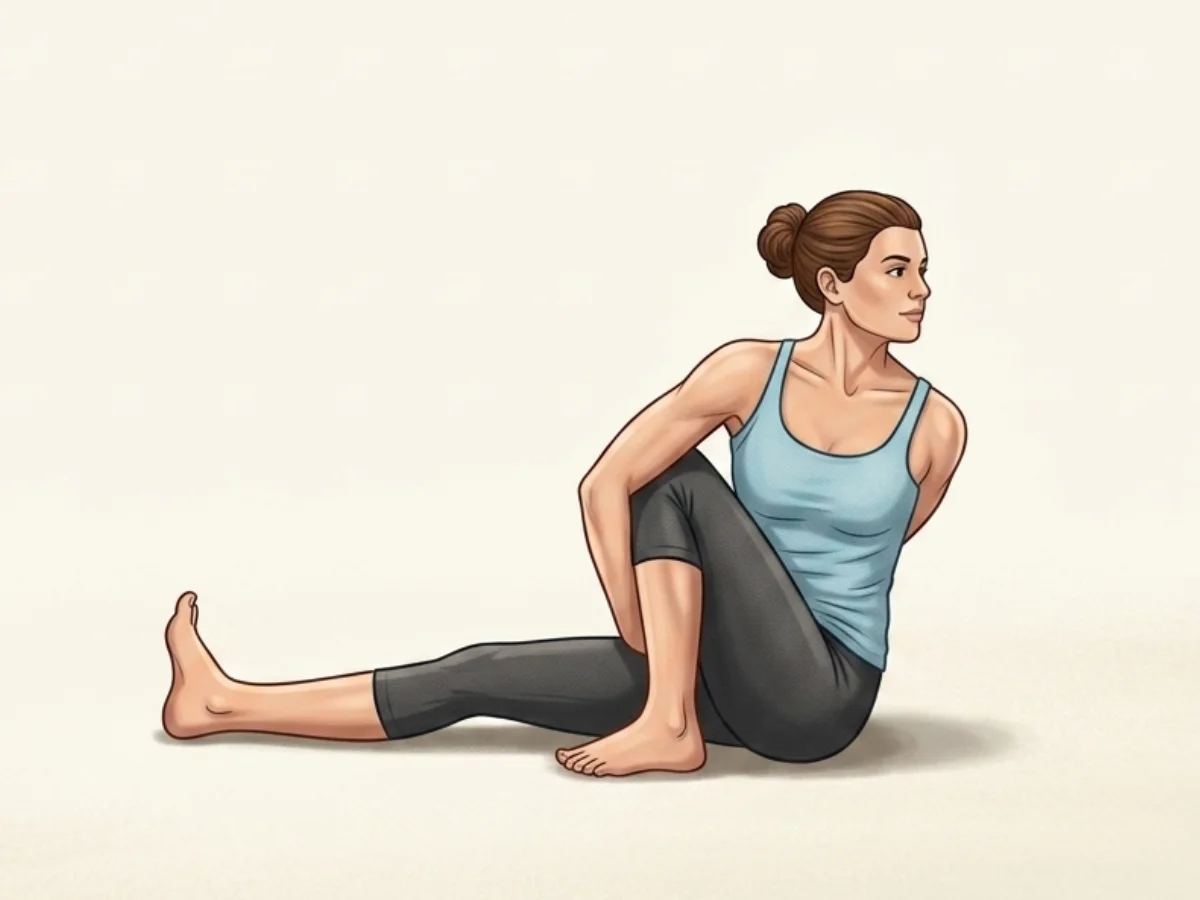
Sage Marichi's III
Marichyasana IIIEstablishes the twisting mechanics and the arm bind without the Half Lotus.
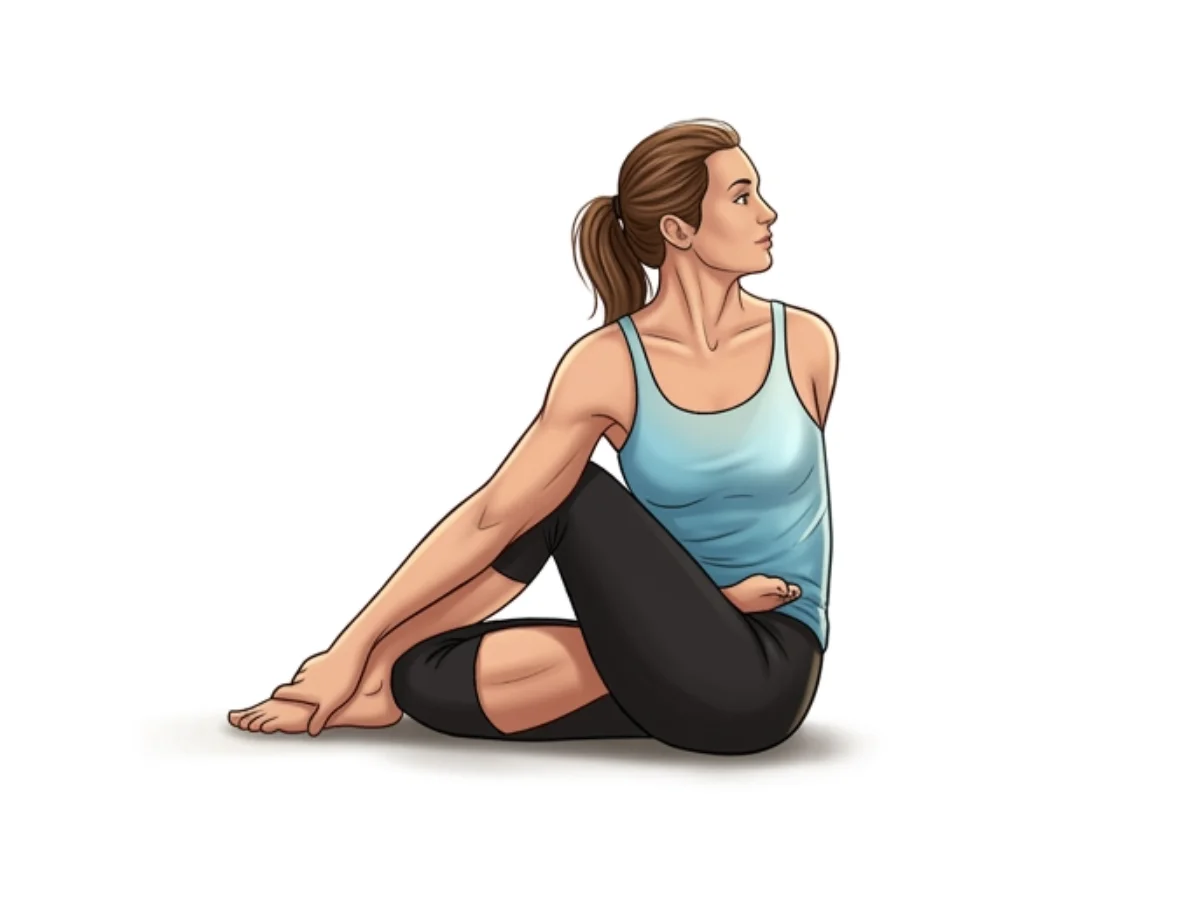
Lord of the Fishes
Ardha MatsyendrasanaA fundamental seated twist that prepares the spine and outer hips.
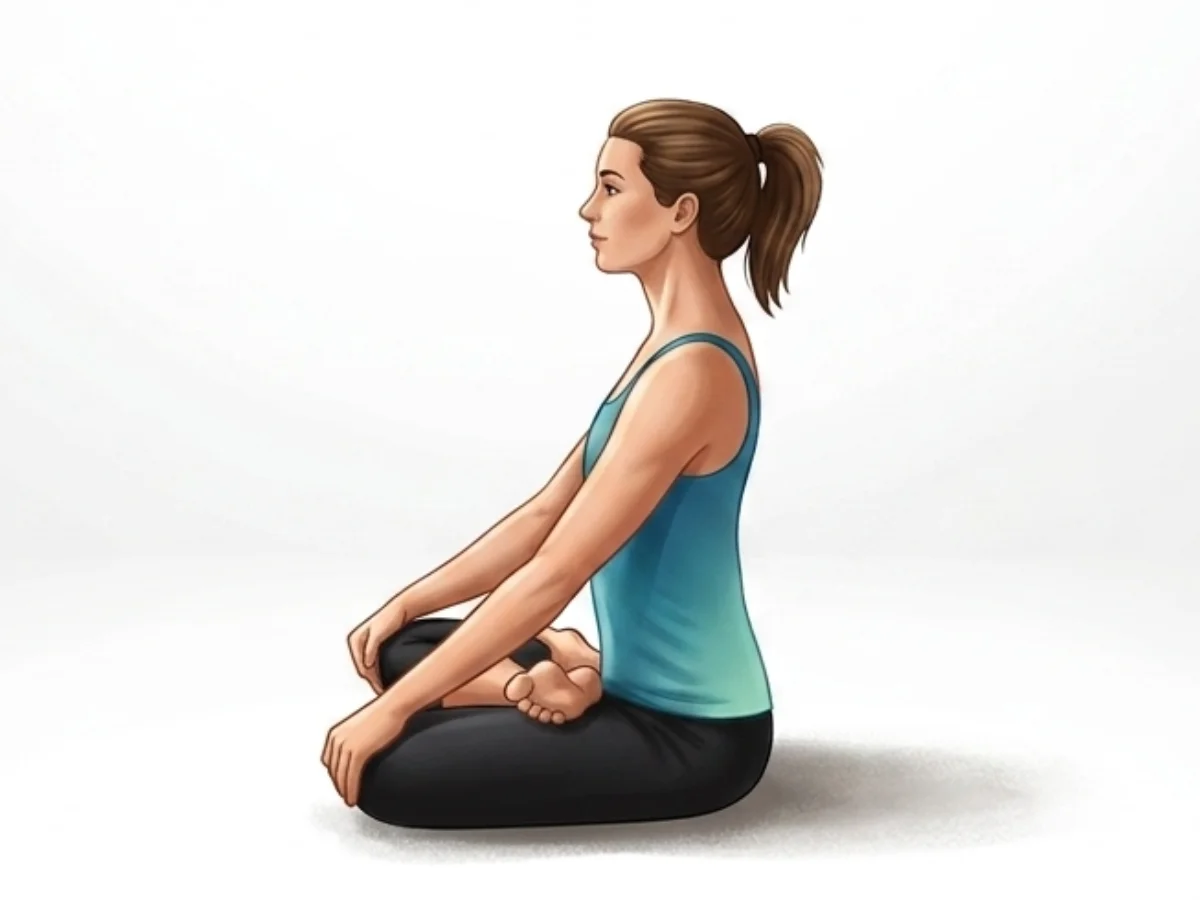
Lotus Pose
PadmasanaEnsures the hips are open enough for the Half Lotus leg variation safely.
Follow with neutralizing Counter-poses
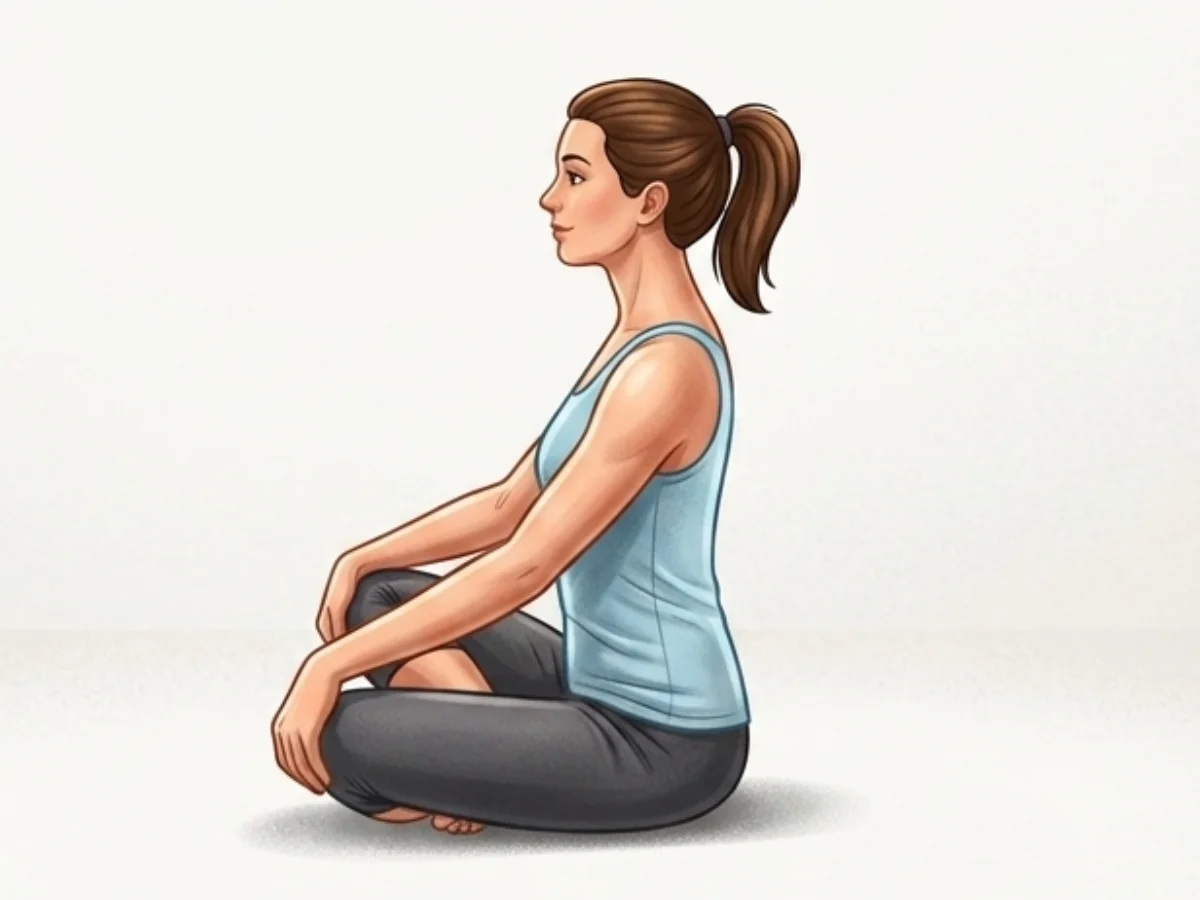
Easy Pose
SukhasanaNeutralizes the spine and hips after intense asymmetry.
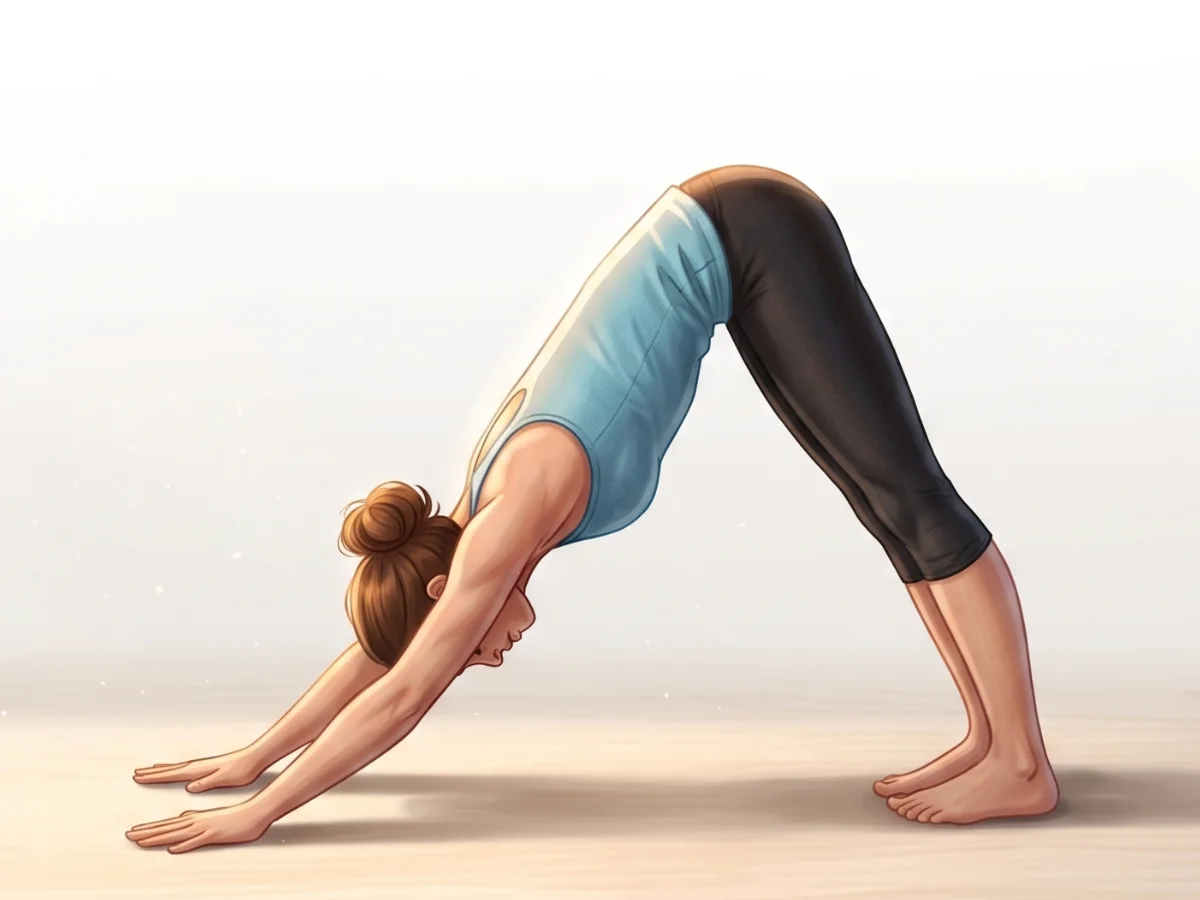
Downward-Facing Dog
Adho Mukha SvanasanaSymmetrically stretches both sides of the body, releasing the knees and spine.
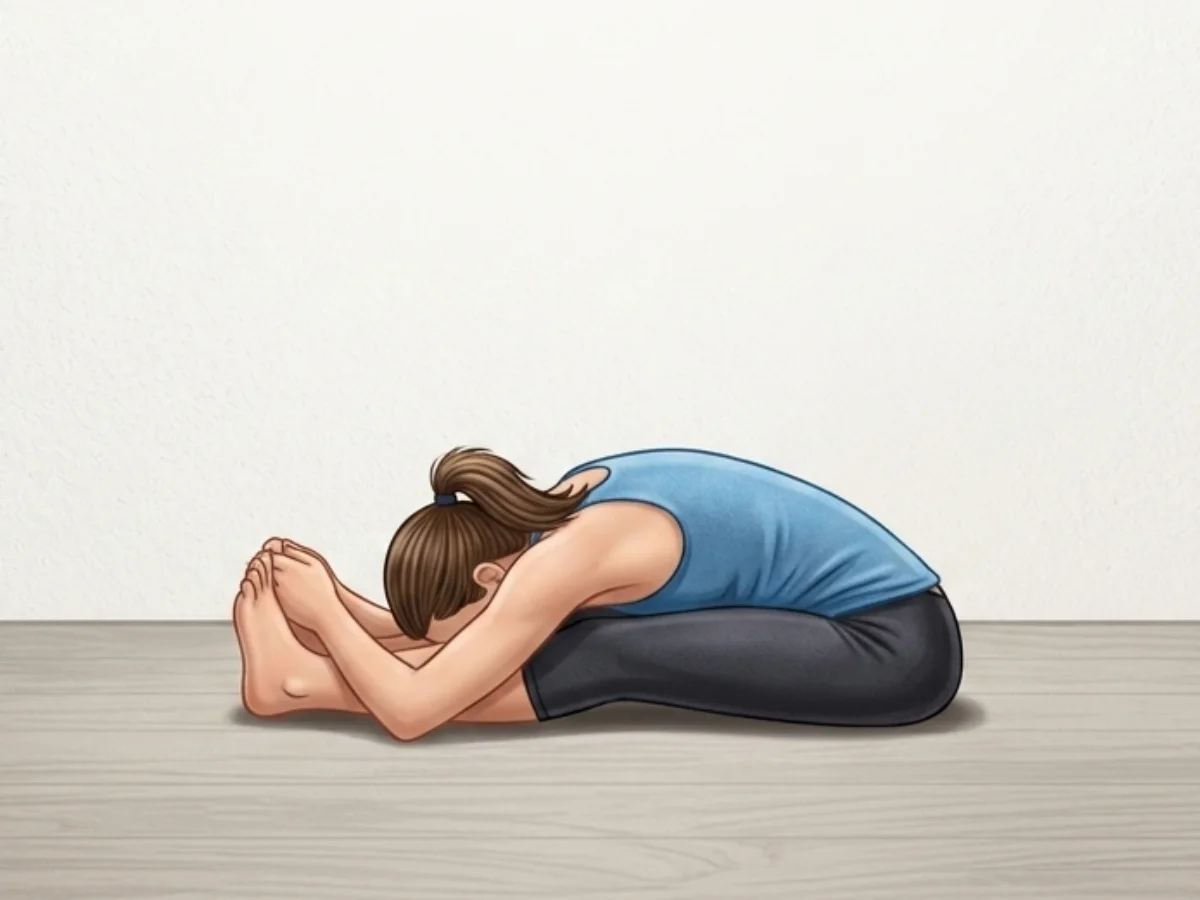
Seated Forward Bend I
PaschimottanasanaProvides a symmetrical forward fold to relieve the spinal muscles.
Frequently Asked Questions
What makes Marichyasana IV different from Marichyasana III?
The only difference is the position of the non-twisting leg. In Marichyasana III, the leg is extended straight out.
My hips lift off the floor when I twist. Is this okay?
Ideally, both sitting bones should remain grounded. If they lift significantly, you are likely sacrificing a stable foundation for a deeper twist.
Is it normal to feel a pinch in my knee during this pose?
No. A pinching sensation in the knee indicates joint strain, likely from forcing the Half Lotus without sufficient hip flexibility.

Elena Rostova is an accredited yoga educator and anatomy specialist with over 15 years of clinical experience. She focuses on functional biomechanics and injury prevention, translating complex anatomy into accessible guidance for safe, sustainable practice.
Read Full ProfileContinue Your Yoga Journey
Ready to deepen your practice? Explore our extensive library of poses, or join a structured program designed to build strength, flexibility, and mindfulness.