
Seated Forward Bend III
Paschimottanasana C
By Elena Rostova Updated: verified Medically Reviewed
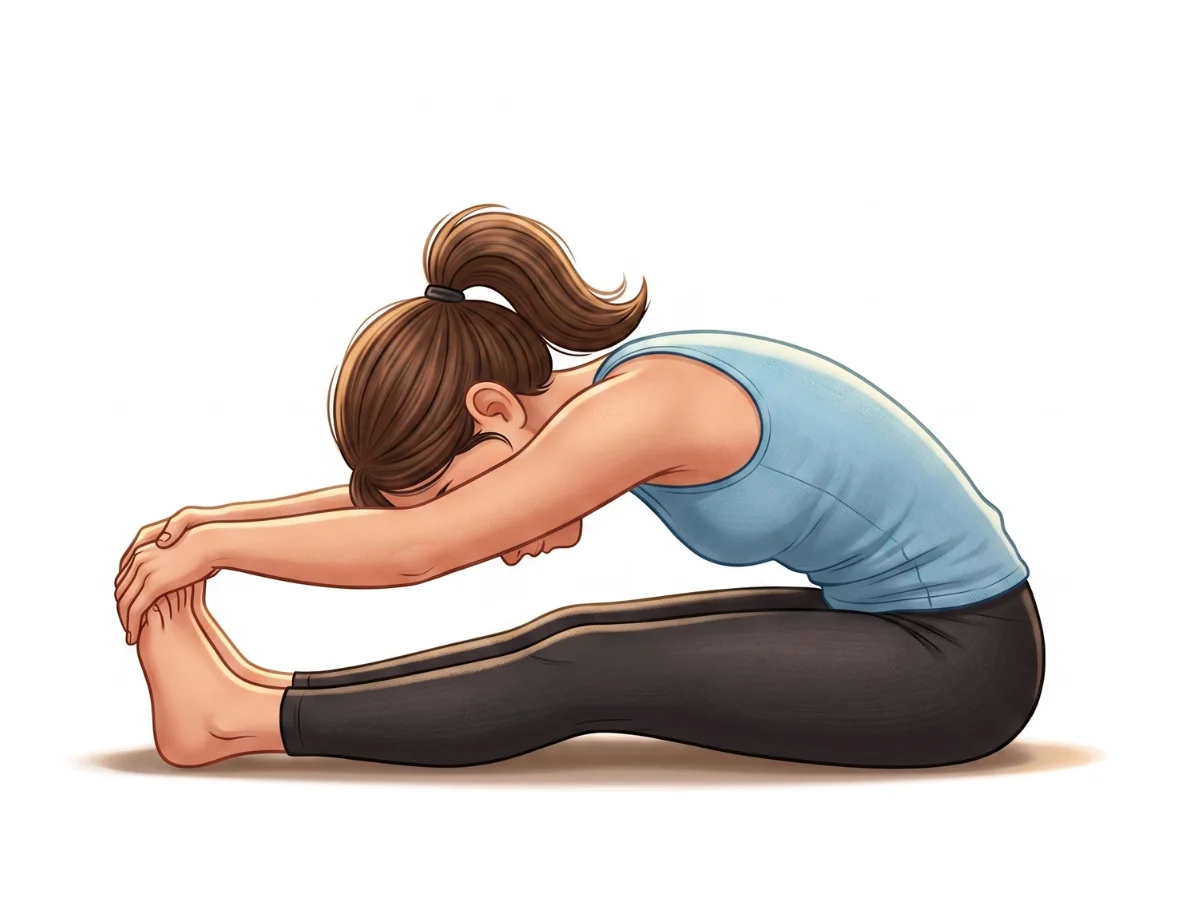
Seated Forward Bend III (Paschimottanasana C) is an advanced variation of the classic seated forward fold. In this deep expression of the posture, practitioners reach beyond their feet to bind their hands, creating an intense, active stretch for the entire posterior chain.
Hold Time
30–60 sec · 5–10 breaths
Pronunciation
pah-shee-moh-tahn-AHS-anna
About Seated Forward Bend III
Commonly practiced as Seated Forward Bend III (Paschimottanasana C), this dynamic posture is beautifully designed to help unlock tension. By gently focusing on deep hamstring & back stretch, it actively stretches your muscles and builds heat. Practicing this pose regularly helps with maximizes hamstring flexibility and leaves you feeling completely refreshed.
How to Practice
Starting Foundation
Begin seated in Staff Pose (Dandasana) with your legs fully extended in front of you. Ground your sit bones evenly into the mat and flex your feet, toes pointing toward the ceiling.
Inhale and Lengthen
Inhale deeply as you sweep your arms overhead. Lengthen your spine from the base of your pelvis all the way up through your fingertips, creating space between your vertebrae.
Hinge at the Hips
Exhale slowly and begin to fold forward from your hip creases, keeping your spine as long and straight as possible. Avoid rounding your upper back immediately.
Bind Beyond the Feet
Reach your hands past the soles of your feet. Clasp your hands, interlace your fingers, or grip one wrist with the opposite hand beyond your feet to secure the bind.
Deepen the Fold
Inhale slightly to lift your chest and pull against your bind to extend the spine further. Exhale to melt deeper into the fold, bringing your forehead or chin toward your shins.
Engage the Quads
Actively engage your quadriceps, lifting your kneecaps. This reciprocal inhibition helps the hamstrings release and deepen the stretch safely without forcing.
Shoulder Softening
Draw your shoulders away from your ears, broadening across your collarbones. Bend your elbows slightly outward to maintain a sense of width across your upper back.
Hold and Breathe
Maintain the pose for 5 to 10 deep, steady nasal breaths. Allow each exhalation to coax your body into a slightly deeper state of relaxation and physical release.
Release the Bind
To exit the posture safely, inhale as you release your bind, extend your arms straight out in front of you, and use your core strength to lift your torso back to a vertical position.
Return to Staff Pose
Exhale and lower your arms to rest beside your hips in Staff Pose. Take a moment to sit quietly and integrate the intense stretch along the back of your body.
Practice with the Yoga Timer
Keep track of your hold time and breath count for this pose.
Beginner Modifications & Prop Options
Yoga is a personal journey. These modifications and prop options allow you to adapt the pose to your current level of balance and flexibility, ensuring a safe and supportive practice.
Use a Yoga Strap
Loop a yoga strap around the balls of your feet and hold it with both hands. Keep your spine long and gently pull yourself forward.
Tip: Focus on alignment rather than depth.
Micro-Bend the Knees
Place a rolled blanket under your knees or keep a slight bend in the joints to reduce acute hamstring tension and focus on spinal extension.
Tip: Focus on alignment rather than depth.
Sit on a Prop
Sit on a folded blanket or firm cushion to elevate your hips. This naturally tilts the pelvis forward, making the hinge easier and reducing lower back strain.
Tip: Focus on alignment rather than depth.
Benefits of Seated Forward Bend III
Maximizes Hamstring Flexibility
The deep bind beyond the feet provides leverage to safely maximize the stretch across the hamstrings and calves, promoting advanced flexibility.
Decompresses the Entire Spine
Folding forward with a long spine stretches the erector spinae and paraspinal muscles, creating space between the vertebrae and reducing back stiffness.
Stimulates Abdominal Organs
The deep compression of the abdomen against the thighs massages the digestive organs, which may help improve digestion and stimulate the liver and kidneys.
Calms the Nervous System
As a forward fold, this asana inherently activates the parasympathetic nervous system, cooling the body, lowering heart rate, and reducing stress.
Improves Postural Awareness
Engaging the core to maintain a straight back while folding trains the muscles responsible for upright posture, preventing excessive kyphosis (rounding of the upper back).
Common Mistakes to Avoid
Mistake: Rounding the Upper Back
How to fix: Focus on leading with your chest rather than your forehead. Keep the spine long and accept a shallower fold rather than compromising alignment.
Mistake: Forcing the Stretch
How to fix: Use your breath to deepen the pose naturally. Let the exhalations guide you deeper, moving only into a sensation of stretch, not pain.
Mistake: Letting Feet Roll Outward
How to fix: Keep your feet strongly flexed and your inner thighs actively hugging toward each other so your toes point straight up.
Safety and Precautions
Acute Herniated Discs
Deep forward flexion can exacerbate disc bulges in the lumbar spine. Avoid this pose or practice only mild, strap-assisted variations.
Severe Hamstring Tears
Pulling on injured hamstring muscles or attachments can cause further damage. Allow injuries to heal fully before attempting advanced folds.
Sciatica
Depending on the cause of the sciatica, forward folding can compress the sciatic nerve. Consult a physical therapist before practicing.
Late-Stage Pregnancy
The deep compression of the abdomen is uncomfortable and unsafe in the later trimesters. Opt for wide-legged forward bends instead.
Asthma or Respiratory Issues
Deep folds can restrict diaphragmatic breathing if the back rounds excessively. Ensure the chest remains open.
Medical Disclaimer: If you have any of the above conditions, consult your doctor or a qualified yoga instructor before attempting this pose.
Muscles Worked in Seated Forward Bend III
Seated Forward Bend III demands synchronized muscular effort, creating a profound sense of engagement and release throughout the body. The activation of the primary muscles supports the structure, while the secondary muscles provide stability and balance.
Primary Muscles
Hamstrings
Undergo an intense, active stretch along the back of the thighs.
Erector Spinae
Stretch longitudinally while working eccentrically to control the forward descent.
Gastrocnemius
Stretch deeply when the feet are actively flexed.
Secondary Muscles
Quadriceps
Engage isometrically to straighten the knees and reflexively relax the hamstrings.
Latissimus Dorsi
Stretch as the arms reach forward to secure the bind.
Core (Rectus Abdominis)
Contract gently to help pull the torso closer to the thighs.
Poses to Practice Before and After Seated Forward Bend III
Prepare with these Poses
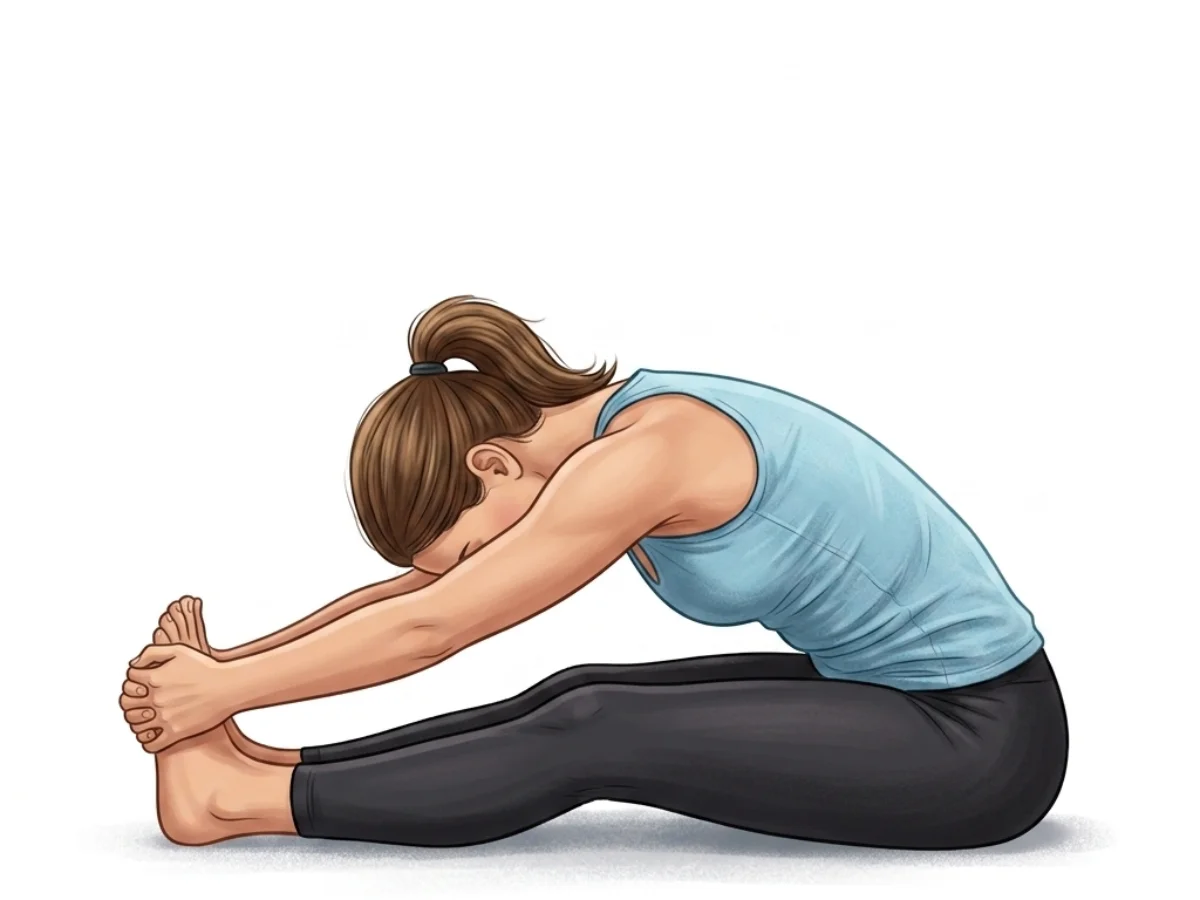
Seated Forward Bend II
Paschimottanasana BWarms up the hamstrings with a slightly less intense grip before advancing to the deeper bind.
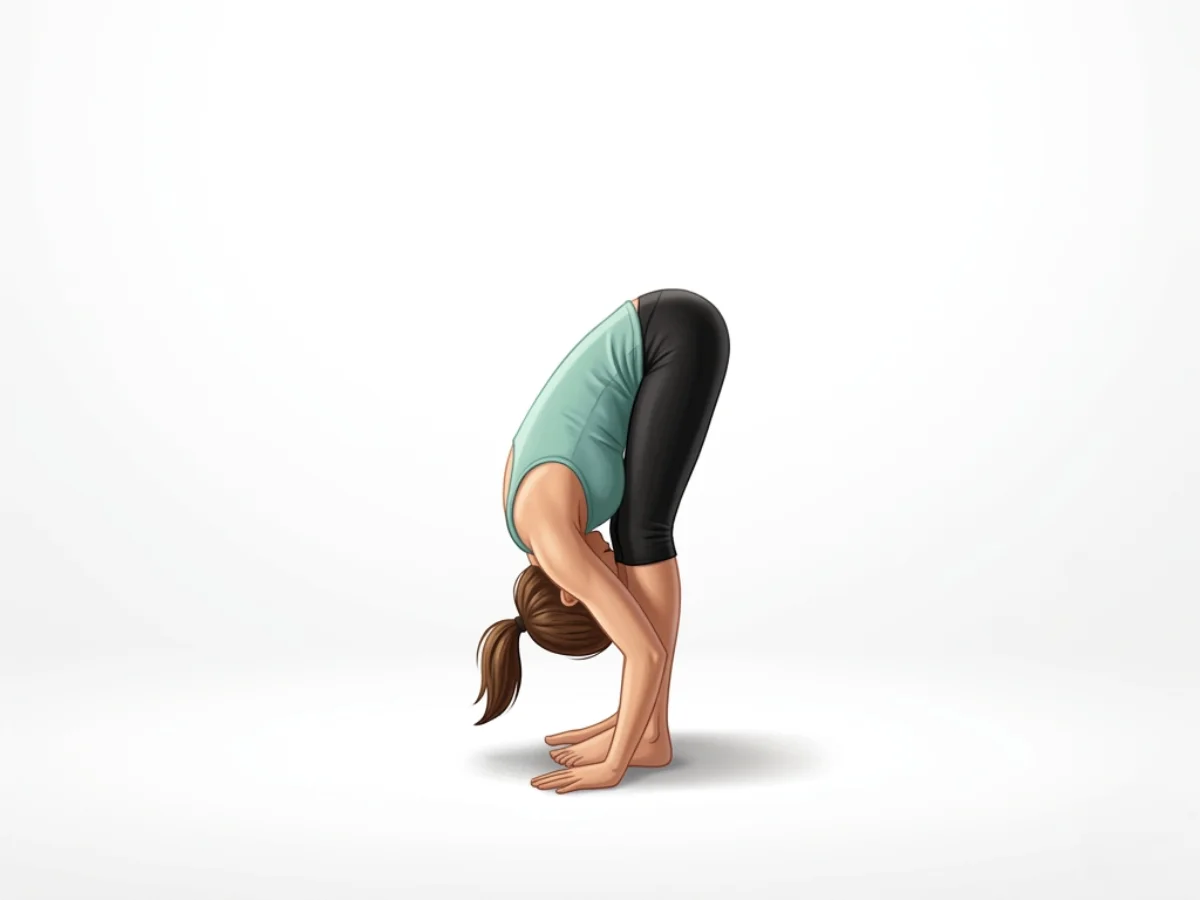
Standing Forward Bend
UttanasanaUses gravity to open the hamstrings and lower back effectively.
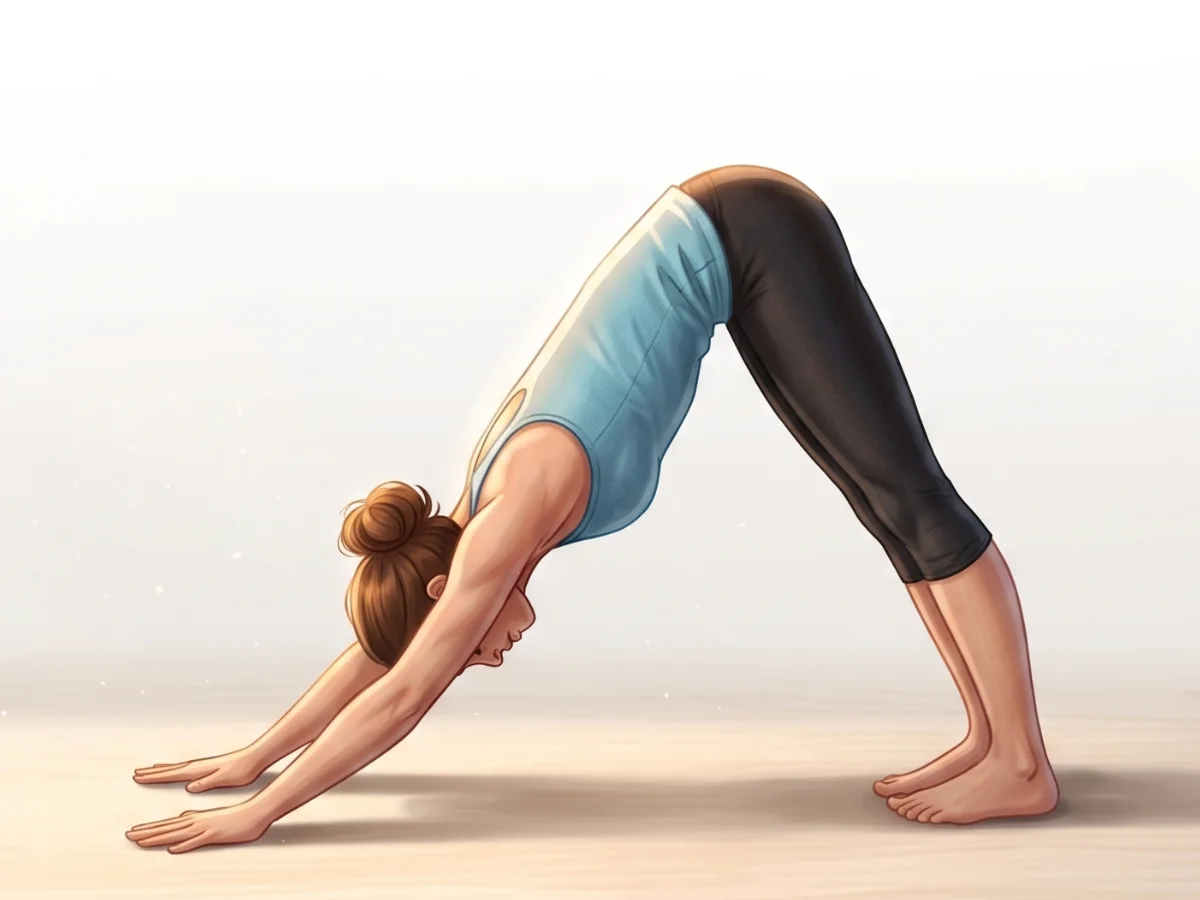
Downward-Facing Dog
Adho Mukha ShvanasanaStretches the entire posterior chain, including calves and hamstrings, while lengthening the spine.
Follow with neutralizing Counter-poses
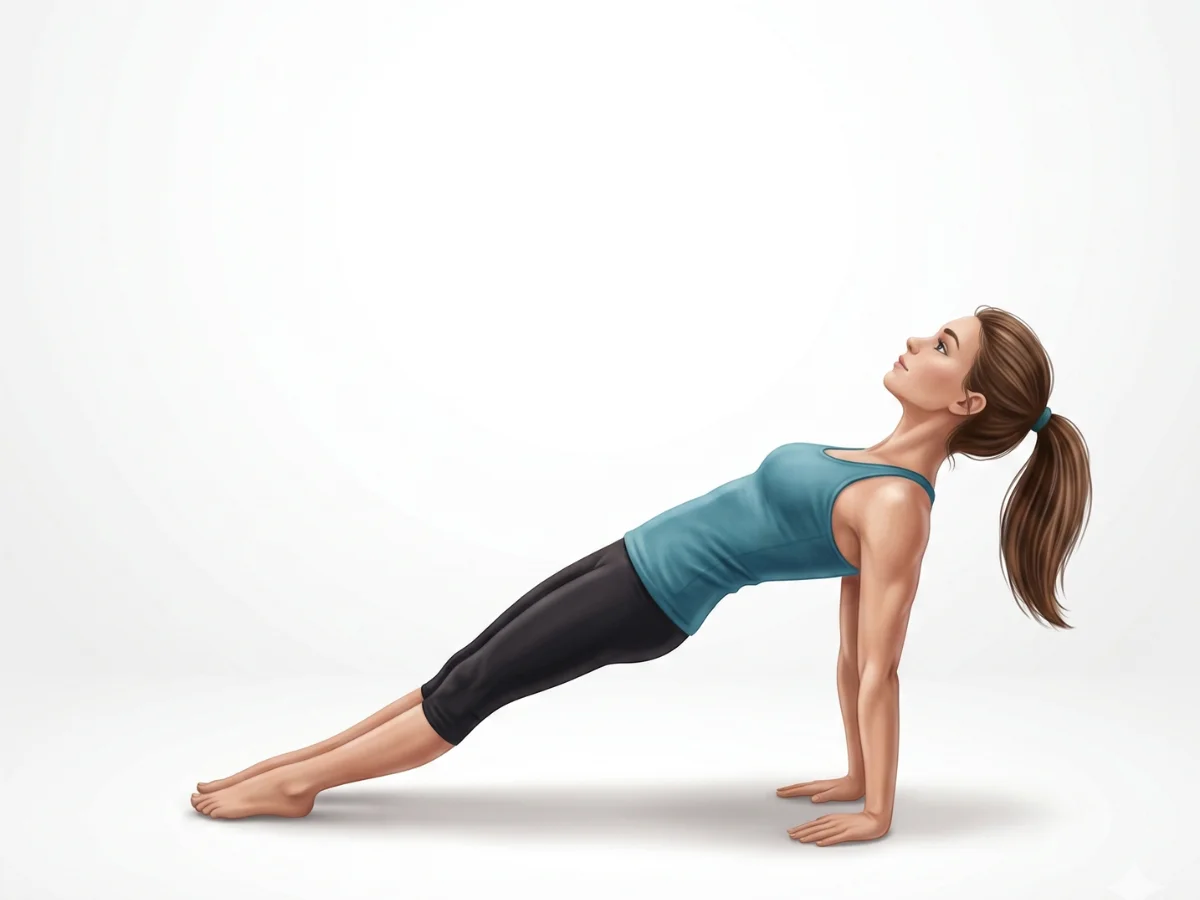
Upward Plank Pose
PurvottanasanaProvides a powerful counter-stretch by extending the hips and opening the chest and front shoulders.
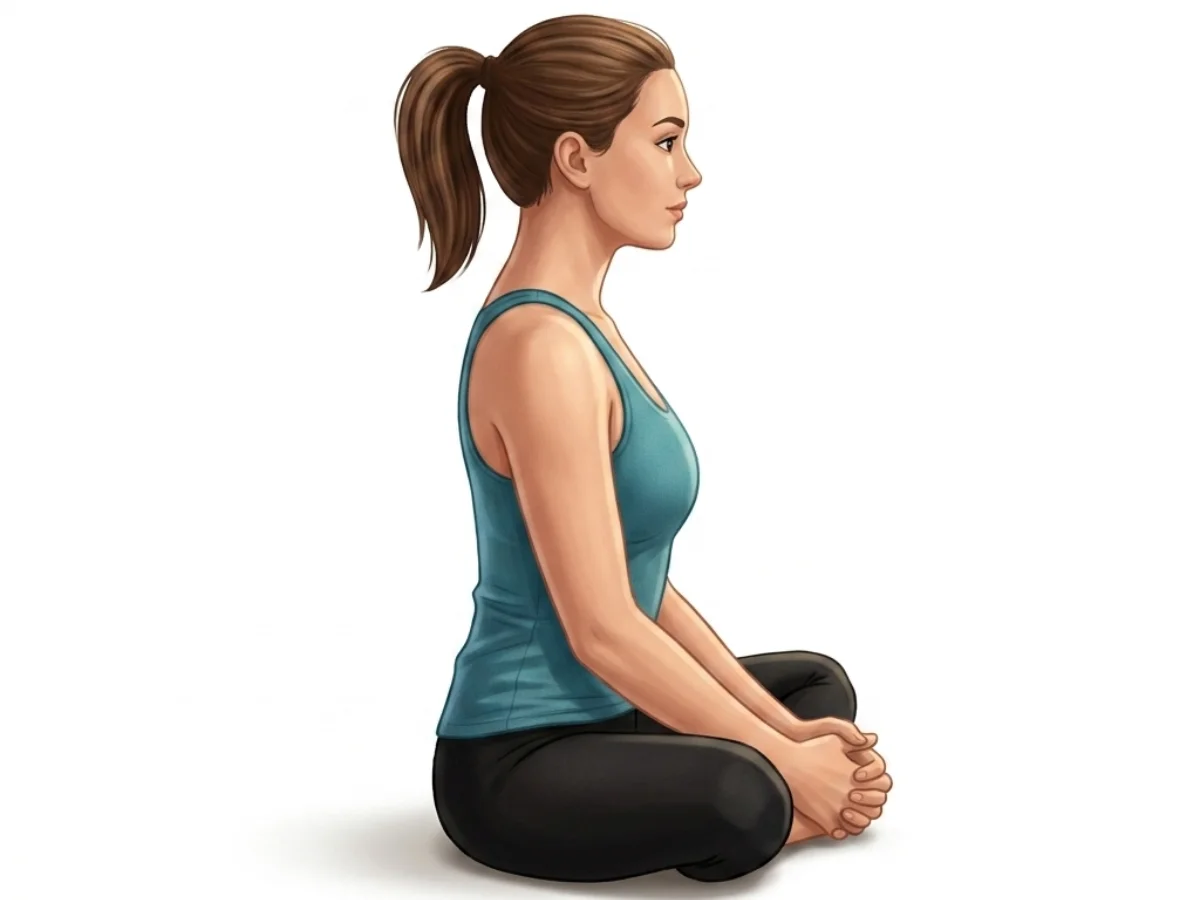
Bound Angle
Baddha KonasanaReleases tension in the hips and lower back with a gentle, neutral spine position.
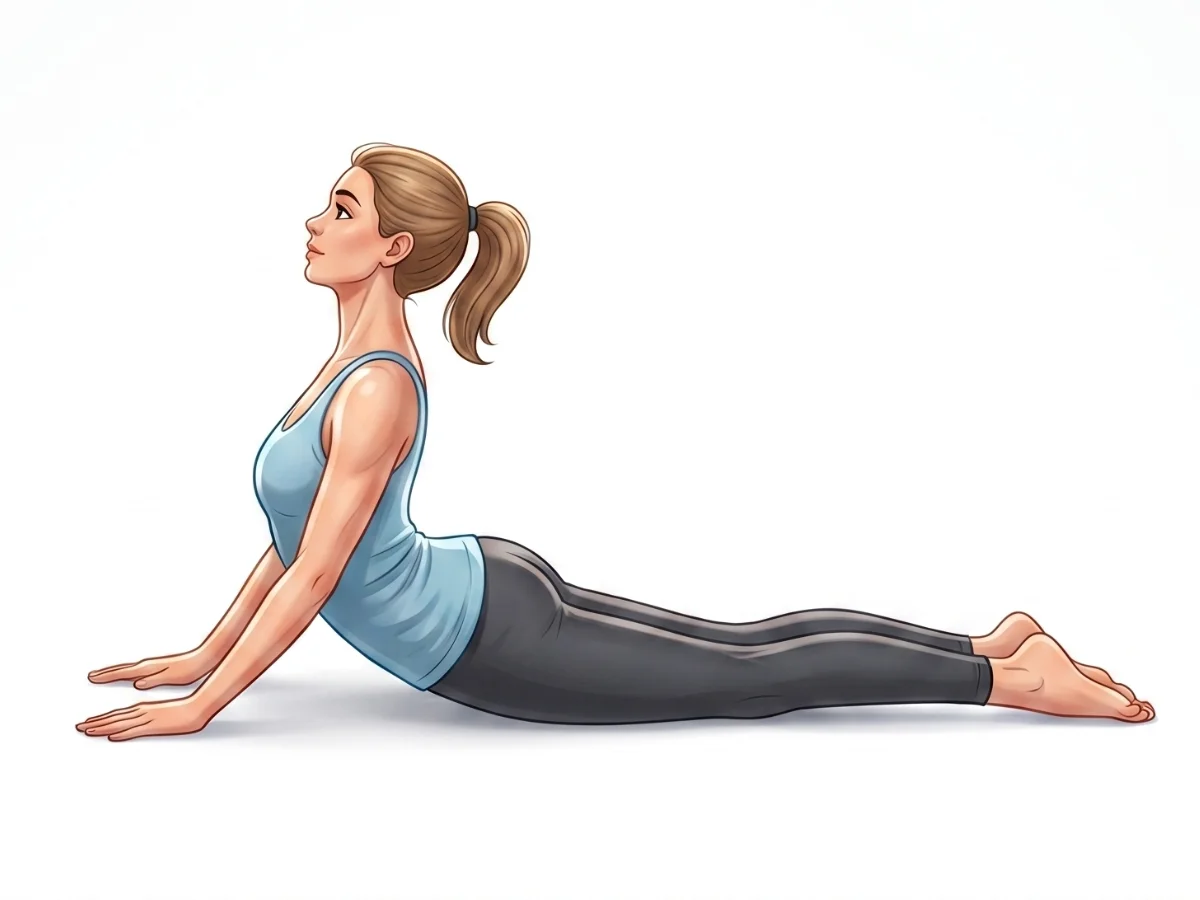
Cobra Pose
BhujangasanaGently arches the back to neutralize the intense spinal flexion of the forward fold.
Frequently Asked Questions
What is the difference between Paschimottanasana A, B, and C?
The primary difference lies in the hand grip. In variation A, you hold the big toes.
I cannot reach my feet at all. Can I still do this pose?
Absolutely. You should modify the pose by using a yoga strap wrapped around your feet, or simply resting your hands on your shins or thighs.
Why does my lower back hurt during this pose?
Lower back pain in forward folds usually indicates that your hamstrings are tight, causing your pelvis to tuck under and your lower back to round excessively. To fix this, bend your knees and sit on a folded blanket to help your pelvis tilt forward.

Elena Rostova is an accredited yoga educator and anatomy specialist with over 15 years of clinical experience. She focuses on functional biomechanics and injury prevention, translating complex anatomy into accessible guidance for safe, sustainable practice.
Read Full ProfileContinue Your Yoga Journey
Ready to deepen your practice? Explore our extensive library of poses, or join a structured program designed to build strength, flexibility, and mindfulness.