
Seated Forward Bend IV
Paschimottanasana D
By Elena Rostova Updated: verified Medically Reviewed
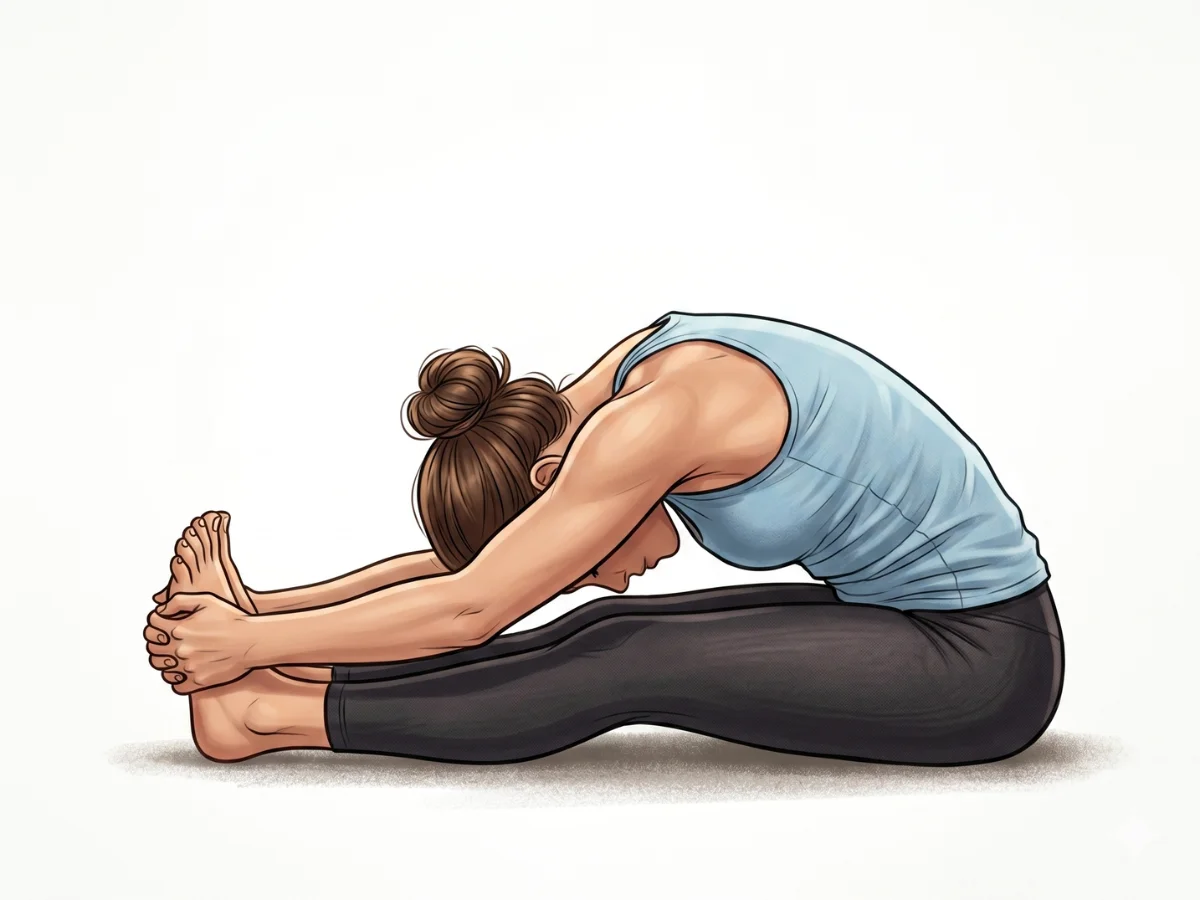
Seated Forward Bend IV (Paschimottanasana D) represents the deepest, most advanced variation of the traditional seated forward fold series found in Ashtanga Yoga. In this master-level expression, practitioners completely surrender their torso over their legs, bringing their forehead or chin to rest flush against the shins, while binding the wrists firmly beyond the soles of the feet.
Hold Time
30–60 sec · 5–10 breaths
Pronunciation
pah-shee-moh-tahn-AHS-anna
About Seated Forward Bend IV
A vital part of many yoga sequences, Seated Forward Bend IV (Paschimottanasana D) offers wonderful benefits that go beyond its simple shape. It primarily targets the ultimate hamstring & spinal extension, helping to create length and strength exactly where you need it most. Consistent practice will actively assist in provides ultimate hamstring extension, helping you feel lighter and more balanced off the mat.
How to Practice
Establish Staff Pose
Sit tall in Staff Pose (Dandasana), extending your legs straight forward. Ensure your sitting bones are firmly rooted and your legs are active with flexed feet.
Inhale and Elevate
Take a deep, expansive breath in, sweeping your arms up toward the ceiling. Lengthen your side body and imagine pulling your ribcage up and away from your pelvis.
Hinge Forward
As you exhale, begin folding forward by hinging directly from your hip joints. Keep your sternum lifting forward to prevent your spine from rounding prematurely.
Secure the Deep Bind
Reach your hands beyond the soles of your feet. With one hand, grasp the wrist of the opposite arm firmly. If possible, clasp the wrist of the dominant arm for a stronger bind.
Inhale to Extend
With the bind secured, inhale halfway up. Pull gently against your feet with your bound arms to draw your chest forward, flattening your back and lifting your gaze toward your toes.
Exhale to Fold Completely
On your next deep exhalation, melt entirely into the posture. Bring your belly to rest flat on your thighs, your chest to your knees, and finally your chin or forehead to your shins.
Engage and Surrender
Keep your quadriceps firmly engaged (kneecaps lifted) while relaxing the muscles of your neck and upper back. Let gravity and your steady breath deepen the fold.
Hold in Stillness
Maintain this deep, introspective posture for 5 to 10 rhythmic breaths. Focus entirely on the sound of your breath and the profound release along your spine.
Inhale to Ascend
To exit, inhale as you release the bind around your feet. Extend your arms forward and engage your core to lift your torso in one smooth, straight motion back up to sitting.
Rest in Neutral
Exhale, lowering your arms to your sides. Sit quietly in Dandasana for a few moments, allowing blood flow to return to normal and observing the energetic shifts in your body.
Practice with the Yoga Timer
Keep track of your hold time and breath count for this pose.
Beginner Modifications & Prop Options
Yoga is a personal journey. These modifications and prop options allow you to adapt the pose to your current level of balance and flexibility, ensuring a safe and supportive practice.
Regress to an Earlier Variation
Regress to holding big toes or interlacing fingers if grasping the wrist distorts your breath or rounds your spine excessively.
Tip: Focus on alignment rather than depth.
Block Behind the Feet
Place a yoga block flat against the soles of your feet and reach around it to train the shoulder protraction needed for the wrist bind.
Tip: Focus on alignment rather than depth.
Supported Torso
Place a bolster horizontally across your shins and rest your forehead on it while maintaining the bind to encourage deeper muscular release.
Tip: Focus on alignment rather than depth.
Benefits of Seated Forward Bend IV
Provides Ultimate Hamstring Extension
This is the most intense active stretch for the hamstrings, requiring and building elite-level flexibility in the backs of the legs.
Deeply Massages Internal Organs
The complete compression of the anterior torso against the thighs acts as a powerful massage for the liver, spleen, kidneys, and intestines, aiding digestion.
Releases Chronic Lower Back Tension
By maximizing the anterior tilt of the pelvis, this pose fully lengthens the lumbar spine and erector spinae, unwinding deeply held muscular tension.
Quiets the Mind Radically
The physical folding inward creates an energetic container that shuts out external stimuli, profoundly soothing the mind and relieving anxiety.
Stimulates the Root and Sacral Chakras
The intense grounding and deep pelvic folding stimulate energy flow through the Muladhara and Svadhisthana chakras, fostering a sense of security.
Common Mistakes to Avoid
Mistake: Sacrificing the Spine for the Bind
How to fix: Prioritize a straight, long spine. If you cannot maintain a flat back while binding, release the bind and use a strap or hold the shins.
Mistake: Hyperextending the Knees
How to fix: Keep a microscopic bend in the knees and focus the engagement on lifting the quadriceps upward toward the hips.
Mistake: Holding the Breath
How to fix: Maintain a smooth, audible Ujjayi breath. If you cannot breathe smoothly, you have gone too deep and must back out slightly.
Safety and Precautions
Herniated or Slipped Discs
This extreme level of forward flexion is highly contraindicated for severe lumbar disc pathologies.
Recent Abdominal Surgery
The deep compressive nature of this fold can disrupt healing incisions or internal tissues in the abdomen.
Pregnancy
Absolutely avoid this pose during pregnancy, as there is zero space left for the abdomen when executed fully.
Severe Asthma
The compression of the chest against the thighs can trigger panic or restrict breathing in individuals with severe asthma.
Hamstring Avulsions
A history of hamstring tearing requires cautious, modified stretching, not this maximum-intensity fold.
Medical Disclaimer: If you have any of the above conditions, consult your doctor or a qualified yoga instructor before attempting this pose.
Muscles Worked in Seated Forward Bend IV
Seated Forward Bend IV demands synchronized muscular effort, creating a profound sense of engagement and release throughout the body. The activation of the primary muscles supports the structure, while the secondary muscles provide stability and balance.
Primary Muscles
Hamstrings
Lengthen to their maximum active capacity.
Erector Spinae
Stretch intensely along the entire length of the vertebral column.
Gastrocnemius & Soleus
Experience profound stretching due to the firm flexion of the feet against the hands.
Secondary Muscles
Quadriceps
Contract firmly to extend the knees and protect the hamstrings.
Pectoralis Minor
Stretch as the shoulder blades protract to reach around the feet.
Rhomboids
Engage to stabilize the shoulder blades during the reach.
Poses to Practice Before and After Seated Forward Bend IV
Prepare with these Poses
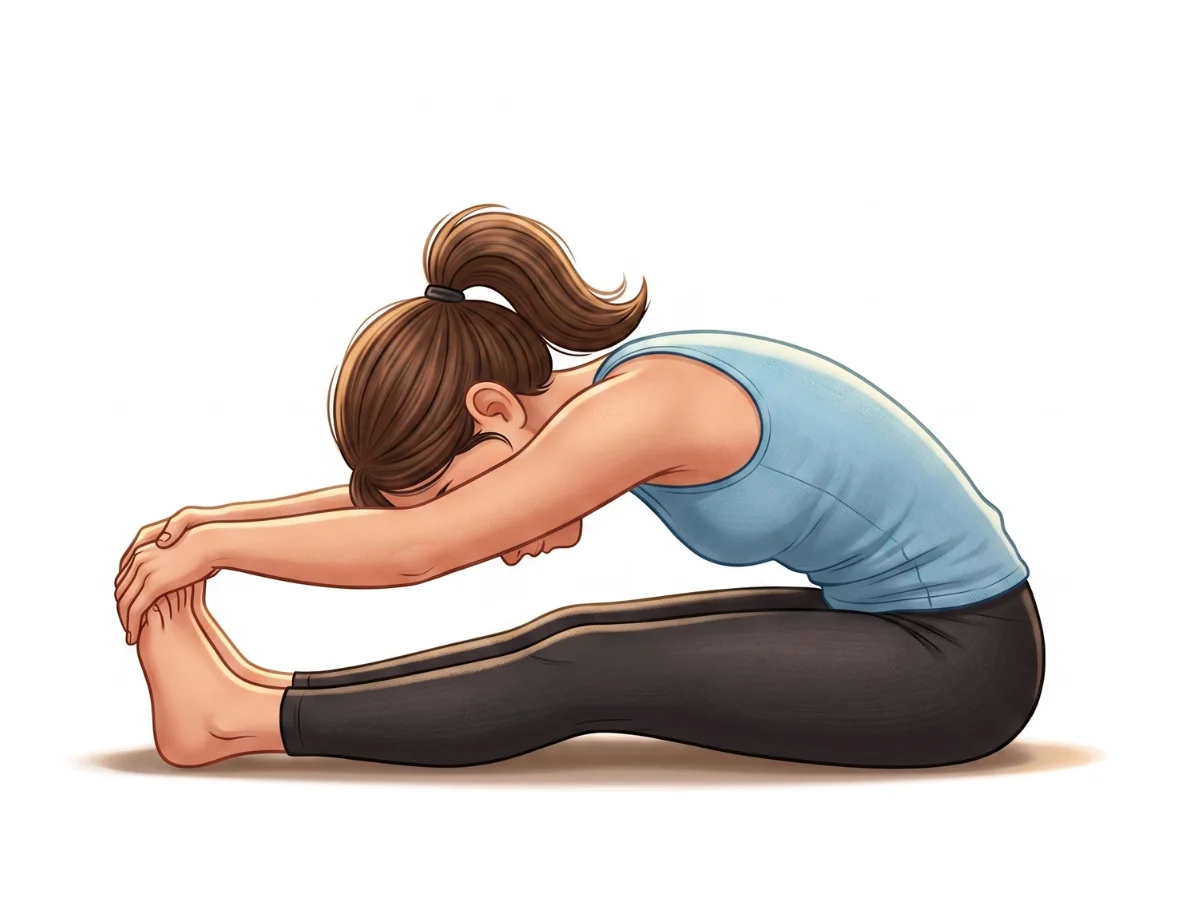
Seated Forward Bend III
Paschimottanasana CA slightly less intense bind that properly prepares the shoulders and hamstrings for the wrist clasp.
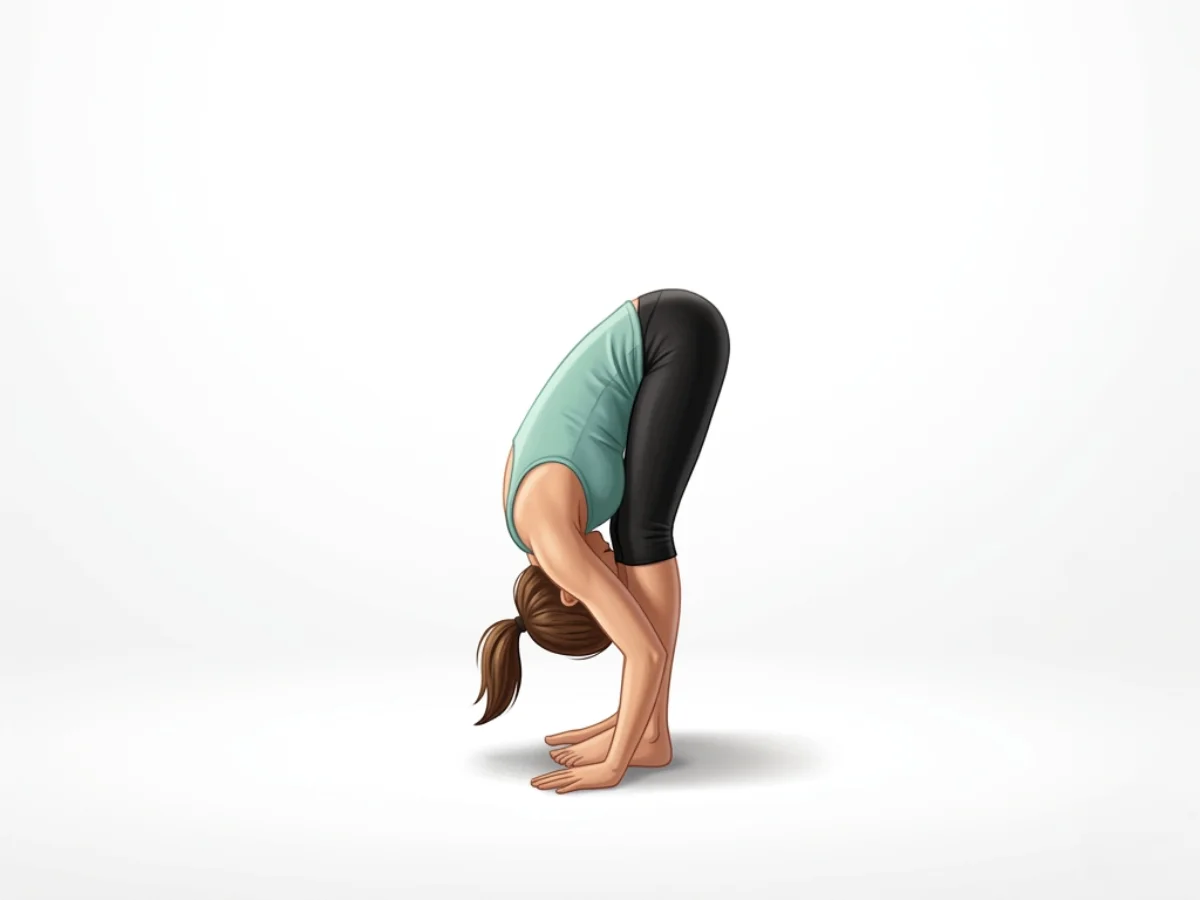
Standing Forward Bend
UttanasanaA standing fold that uses gravity to effectively warm up the entire posterior chain.
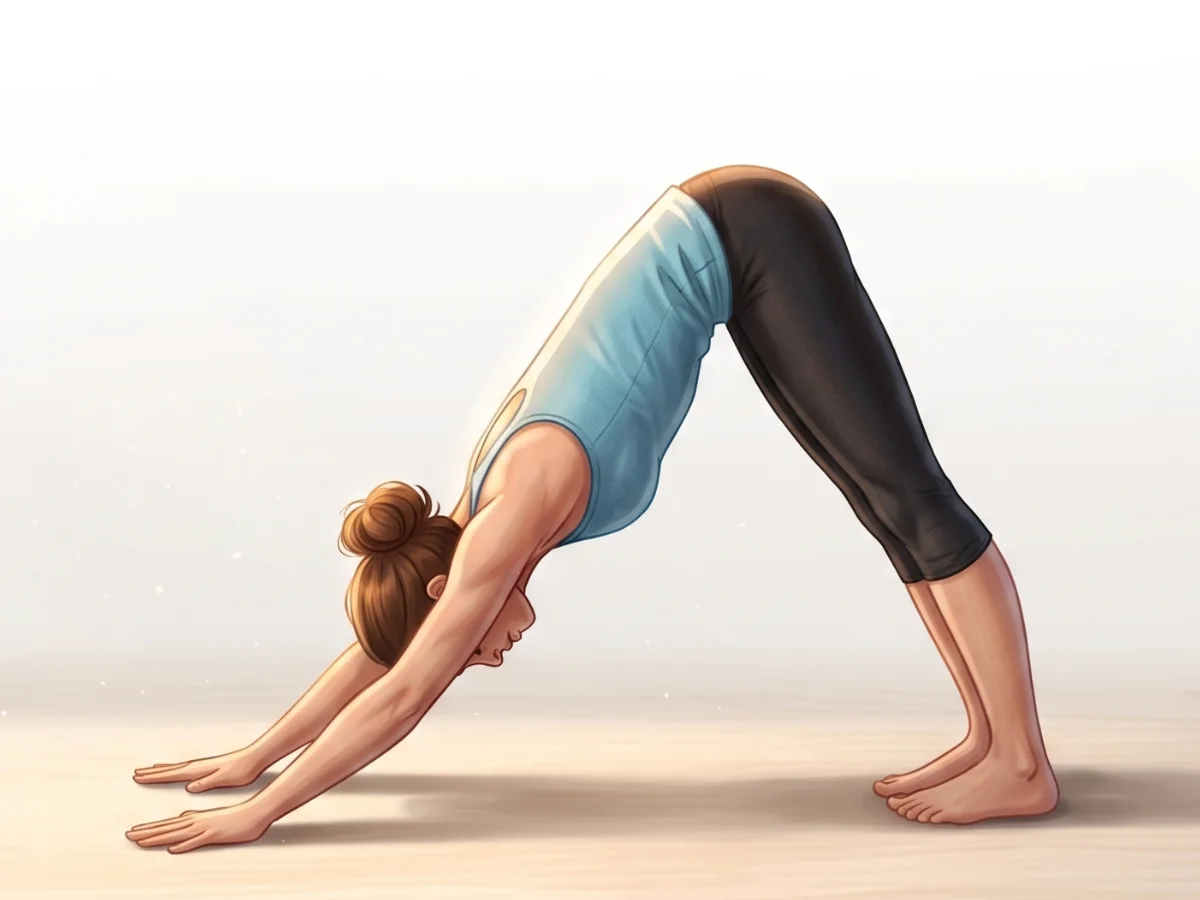
Downward-Facing Dog
Adho Mukha ShvanasanaElongates the spine and calves in preparation for deep seated folding.
Follow with neutralizing Counter-poses
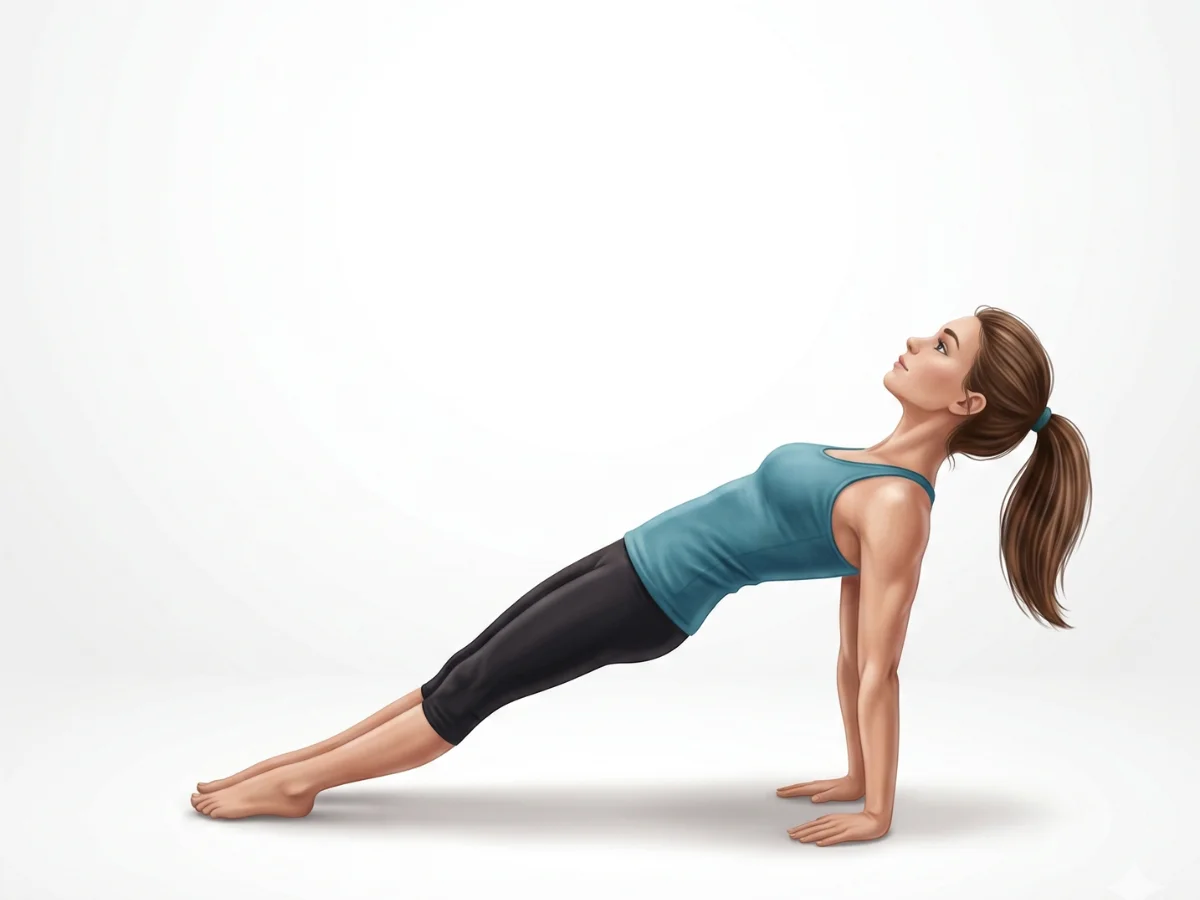
Upward Plank Pose
PurvottanasanaThe perfect counter-pose, opening the chest and front body while engaging the back muscles.
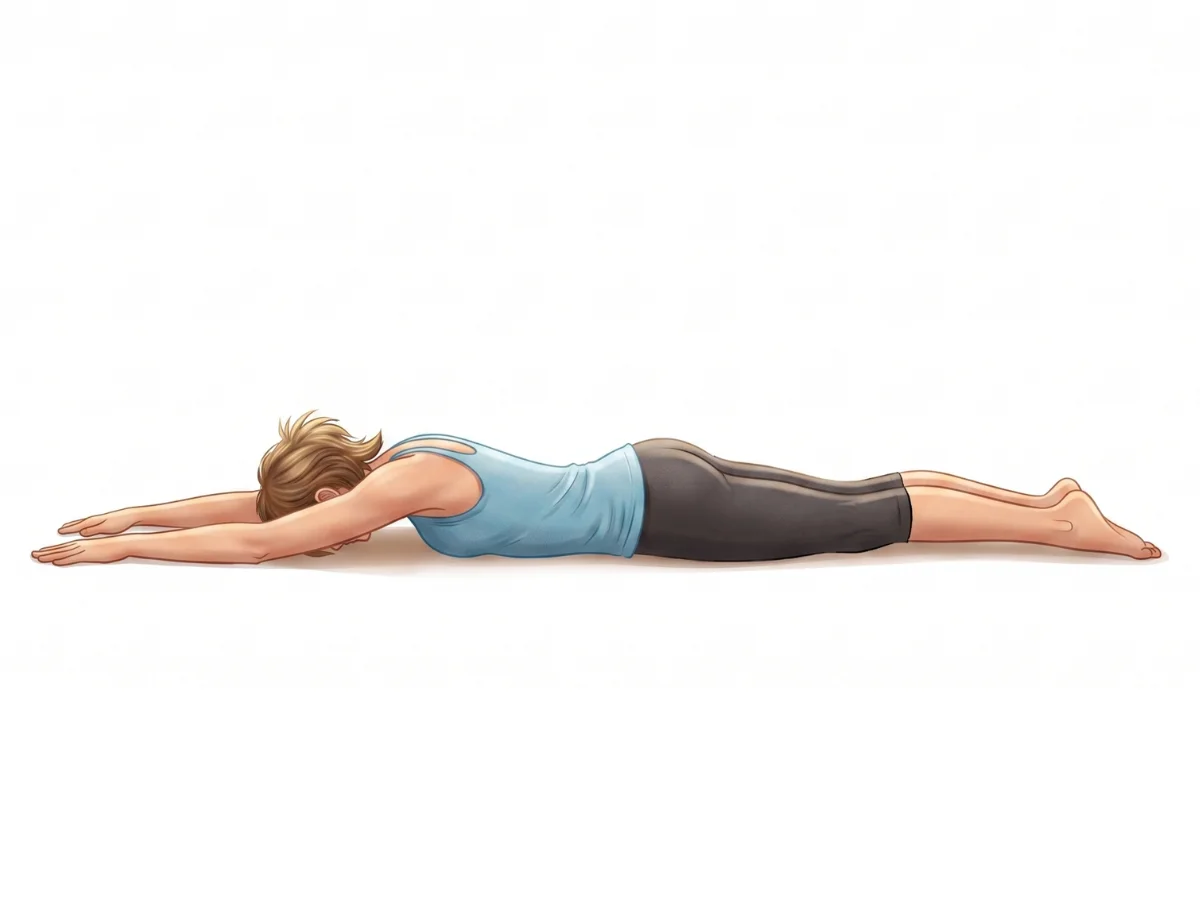
Reverse Corpse Pose
AdvasanaLying prone allows the spine to effortlessly return to its natural, neutral curvature.
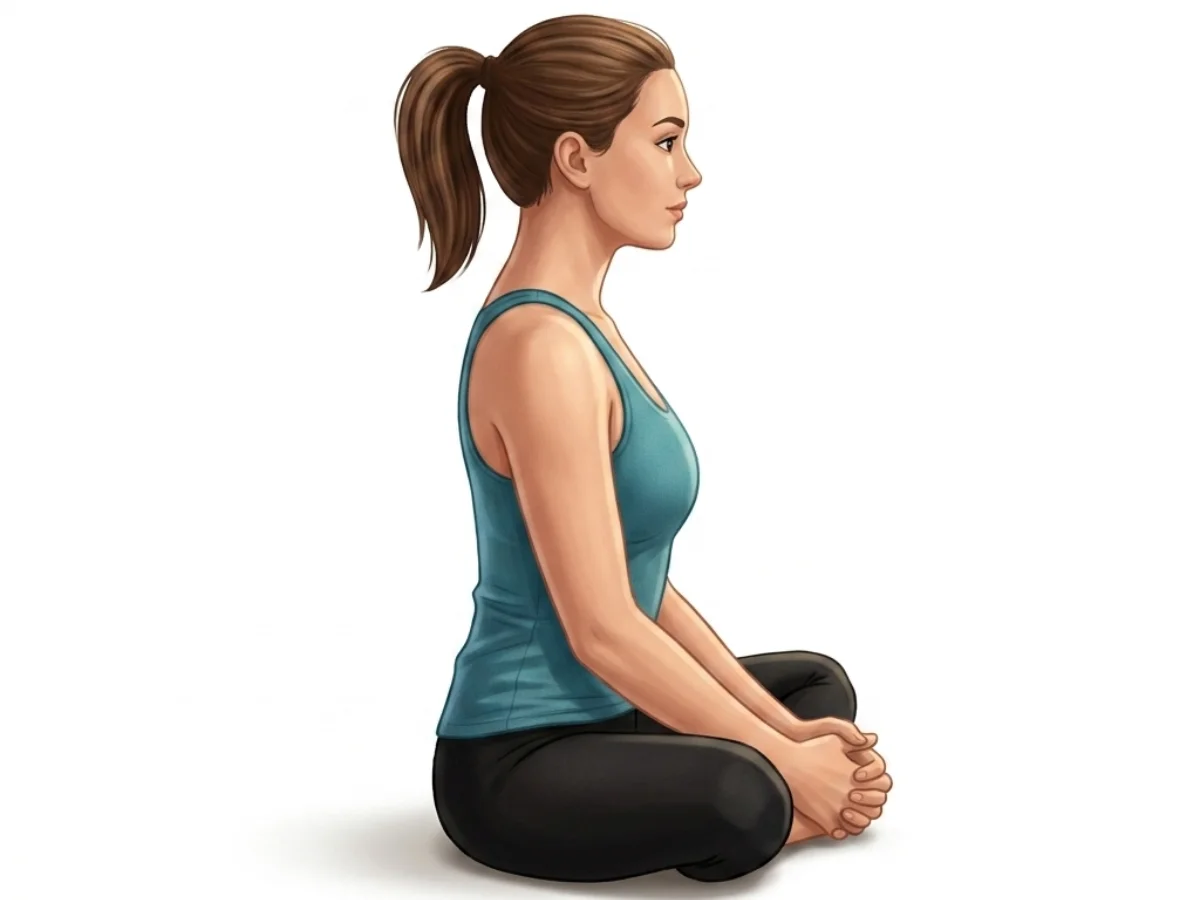
Bound Angle
Baddha KonasanaA gentle hip opener that relaxes the lower back after intense hamstring effort.
Frequently Asked Questions
How long does it take to master Paschimottanasana D?
Achieving this master-level bind safely requires consistent practice, often taking years. Flexibility must be developed slowly to allow connective tissues to adapt without tearing.
Should I feel pain in my lower back?
No. You should feel an intense stretching sensation in the bellies of your hamstring muscles and a sense of lengthening along your spine, but sharp or localized pain in the lower back means you are compressing your lumbar discs.
Which wrist should I grasp?
Traditionally, you grasp the wrist of the right arm with the left hand, though many practitioners alternate wrists to ensure balanced opening in both shoulders.

Elena Rostova is an accredited yoga educator and anatomy specialist with over 15 years of clinical experience. She focuses on functional biomechanics and injury prevention, translating complex anatomy into accessible guidance for safe, sustainable practice.
Read Full ProfileContinue Your Yoga Journey
Ready to deepen your practice? Explore our extensive library of poses, or join a structured program designed to build strength, flexibility, and mindfulness.