
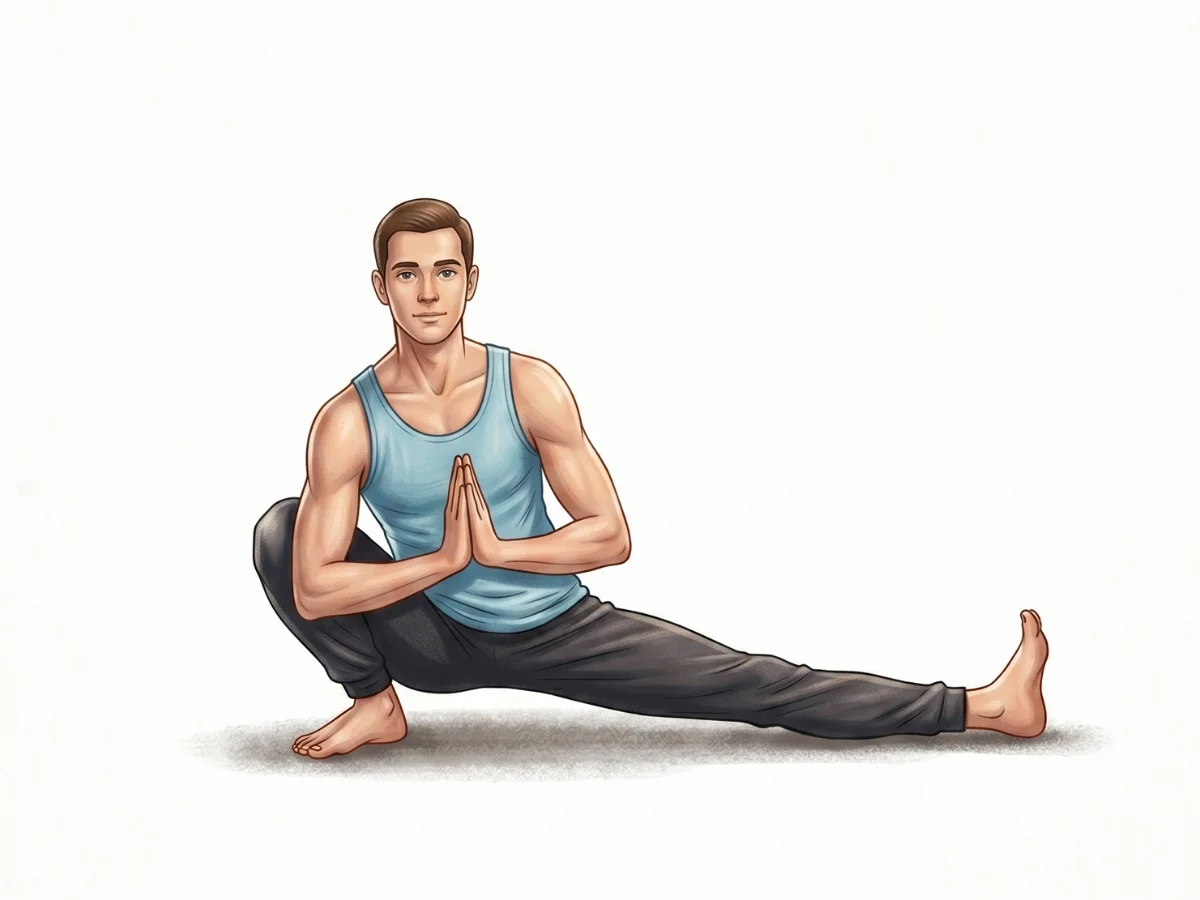
Side Lunge
Skandasana
By Elena Rostova Updated: verified Medically Reviewed
Side Lunge (Skandasana), also known as the pose dedicated to the God of War, is a dynamic asymmetrical squat that intensely opens the hips and stretches the inner thighs. It builds immense leg strength and flexibility while challenging balance.
Hold Time
30–60 sec · 5–10 breaths
Pronunciation
skahn-DAHS-anna
About Side Lunge
Commonly practiced as Side Lunge (Skandasana), this dynamic posture is beautifully designed to help unlock tension. It primarily targets the hip opening & leg strength, helping to create length and strength exactly where you need it most. Over time, adding this to your routine is a great way to support deepens hip flexibility while calming the mind.
How to Practice
Wide Stance Foundation
Begin in a wide-legged stance facing the long edge of your mat. Turn your toes slightly outward and your heels slightly inward.
Inhale and Prepare
Inhale deeply as you elongate your spine, reaching your crown upward while engaging your core for stability.
Bend and Squat
Exhale as you bend your right knee deeply, sinking your hips down toward your right heel, keeping your left leg completely straight.
Flex the Foot
Flex your left foot strongly, pointing your toes straight up toward the ceiling. Press the back of your left heel firmly into the mat.
Ground the Heel
Aim to keep your right heel flat on the ground. If your calf or Achilles is tight, it is okay if the heel lifts slightly, or you can place a blanket under it.
Hand Placement
Bring your fingertips to the floor in front of you for balance, or for a more advanced variation, bring your hands together at heart center in Anjali Mudra.
Lift the Chest
Inhale to lift your chest, drawing your shoulder blades down your back to avoid rounding the spine forward.
Hold and Breathe
Maintain this deep stretch for 5 to 10 steady nasal breaths, focusing on relaxing the inner thigh of the straight leg.
Transition Safely
To exit, inhale as you press firmly through your right foot, bringing your hands to the floor if needed, and lift your hips back to the center wide-legged position.
Repeat on the Other Side
Exhale as you bend your left knee and repeat the posture on the opposite side to maintain physical symmetry.
Practice with the Yoga Timer
Keep track of your hold time and breath count for this pose.
Beginner Modifications & Prop Options
Yoga is a personal journey. These modifications and prop options allow you to adapt the pose to your current level of balance and flexibility, ensuring a safe and supportive practice.
Heel Support
Roll up a blanket or mat and place it under your heel if it lifts off the floor. This provides stability and allows the ankle joint to stretch safely.
Tip: Focus on alignment rather than depth.
Block Support Under Hips
Place a yoga block under the sitting bone of your bent leg. This removes the heavy load from the knee, allowing focus on the inner thigh stretch.
Tip: Focus on alignment rather than depth.
Hands on Blocks
Press your hands into two yoga blocks in front of you. Elevating the floor helps lift the chest and keep the spine straight instead of collapsing forward.
Tip: Focus on alignment rather than depth.
Benefits of Side Lunge
Deepens Hip Flexibility
Intensely stretches the adductors (inner thighs) and groin, promoting greater range of motion in the hip joints.
Strengthens Glutes & Quads
The deep squatting action powerfully engages the gluteus maximus, quadriceps, and hamstrings of the bent leg.
Enhances Balance & Focus
Balancing on one foot and one heel demands heightened proprioception, core engagement, and mental concentration.
Stretches the Hamstrings
The extended straight leg receives a deep, active stretch along the hamstrings and calf muscles.
Improves Ankle Mobility
The deep flexion of the squatting ankle helps to increase dorsiflexion and stretches the Achilles tendon.
Common Mistakes to Avoid
Mistake: Rounding the Spine
How to fix: Use your fingertips on the floor or blocks to lift your chest upward and broaden your collarbones.
Mistake: Letting the Bent Knee Collapse Inward
How to fix: Actively track your bent knee over your toes, engaging your outer glute to press the knee outward.
Mistake: Relaxing the Straight Leg
How to fix: Flex the foot of the straight leg forcefully and engage the quadriceps to protect the hamstring.
Safety and Precautions
Acute Knee Injuries
The deep lateral squat places significant stress on the meniscus and collateral ligaments; avoid if recovering from knee surgery.
Severe Hip Injuries or Replacements
The extreme external rotation and deep flexion can be unsafe for compromised hip joints.
Ankle Sprains
Deep dorsiflexion can aggravate healing ankle ligaments.
Groin Pulls
The intense adductor stretch can worsen a pulled groin muscle.
Lower Back Pain
If the core is weak, the forward lean can strain the lumbar spine.
Medical Disclaimer: If you have any of the above conditions, consult your doctor or a qualified yoga instructor before attempting this pose.
Muscles Worked in Side Lunge
Side Lunge demands synchronized muscular effort, creating a profound sense of engagement and release throughout the body. The activation of the primary muscles supports the structure, while the secondary muscles provide stability and balance.
Primary Muscles
Adductors (Inner Thighs)
Stretch deeply on the extended leg.
Quadriceps
Work eccentrically to lower into the squat and support the bent knee.
Gluteus Maximus
Engages to stabilize the pelvis and support the squatting leg.
Secondary Muscles
Hamstrings
Stretch on the straight leg while stabilizing the bent leg.
Erector Spinae
Engage to keep the torso upright and prevent rounding.
Gastrocnemius/Soleus
Stretch deeply in the bent leg (Achilles/calves).
Poses to Practice Before and After Side Lunge
Prepare with these Poses
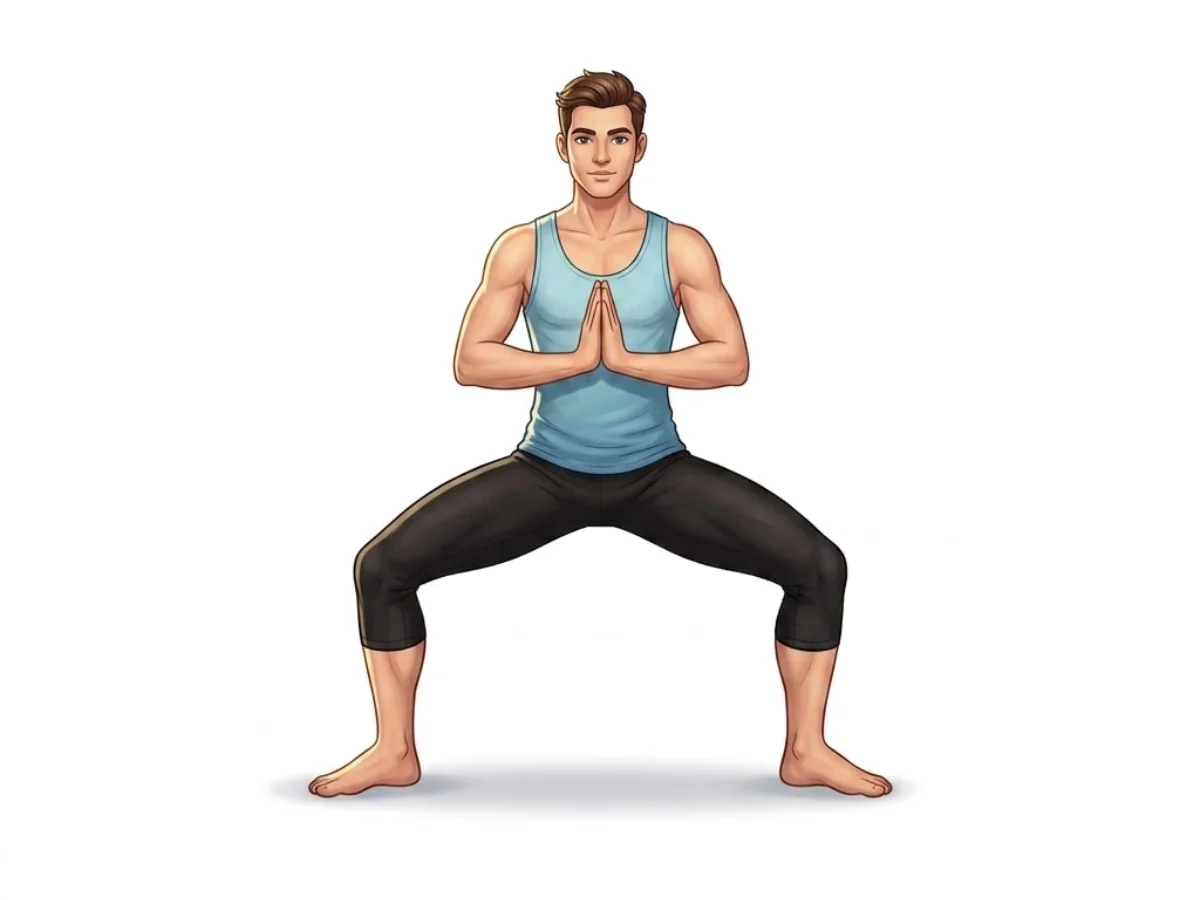
Goddess Pose
Utkata KonasanaOpens the hips symmetrically and builds strength in the glutes and quads.
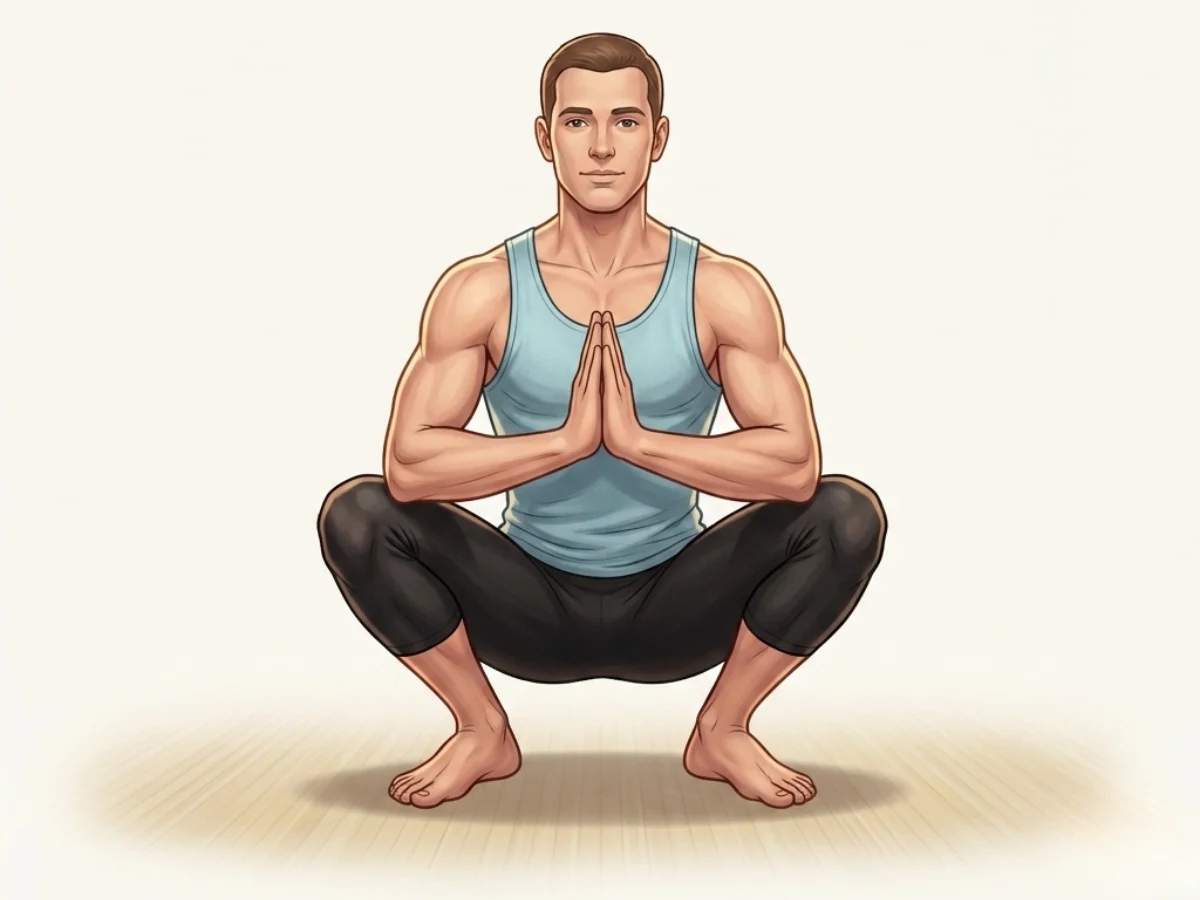
Garland Pose
MalasanaA deep symmetrical squat that prepares the hips, knees, and ankles for deeper flexion.
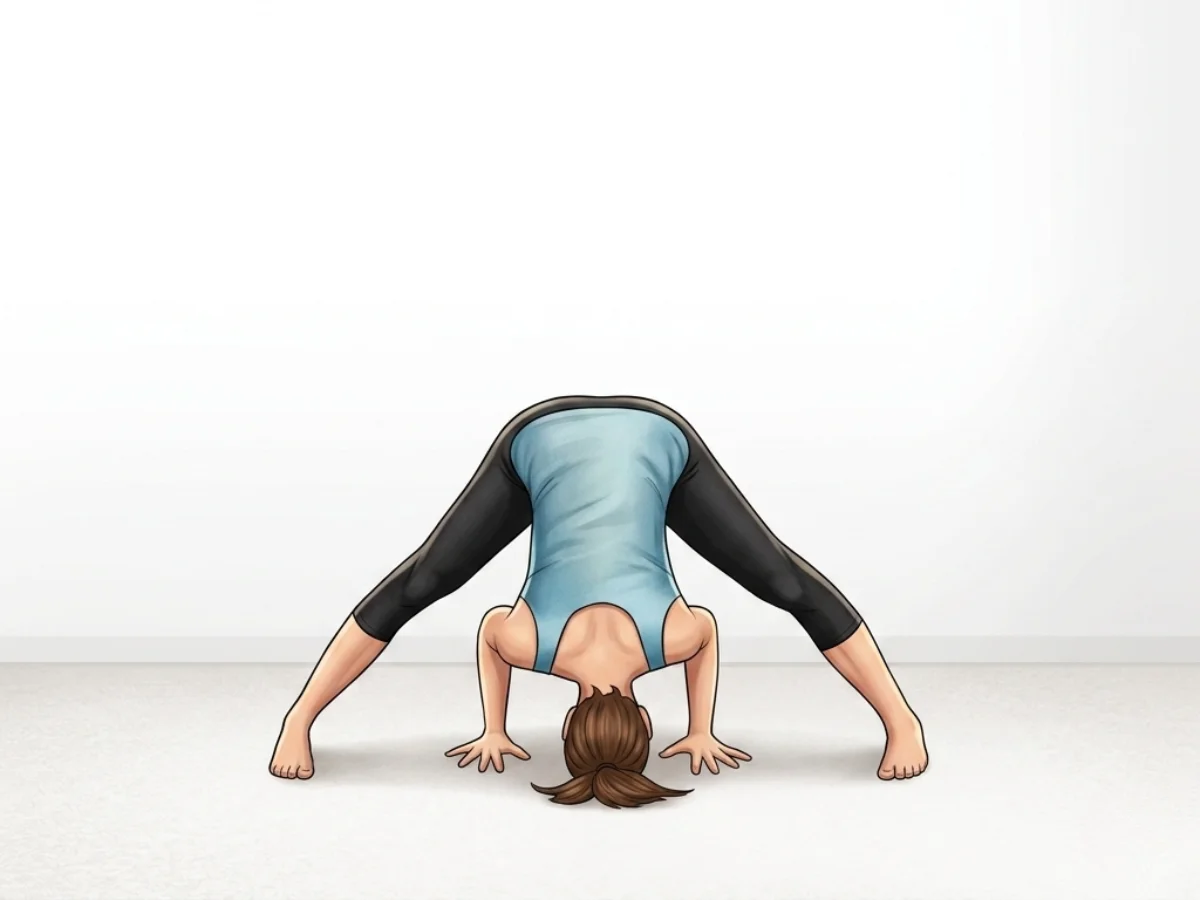
Wide-Legged Forward Bend I
Prasarita Padottanasana IStretches the hamstrings and adductors, preparing the legs for asymmetrical extension.
Follow with neutralizing Counter-poses
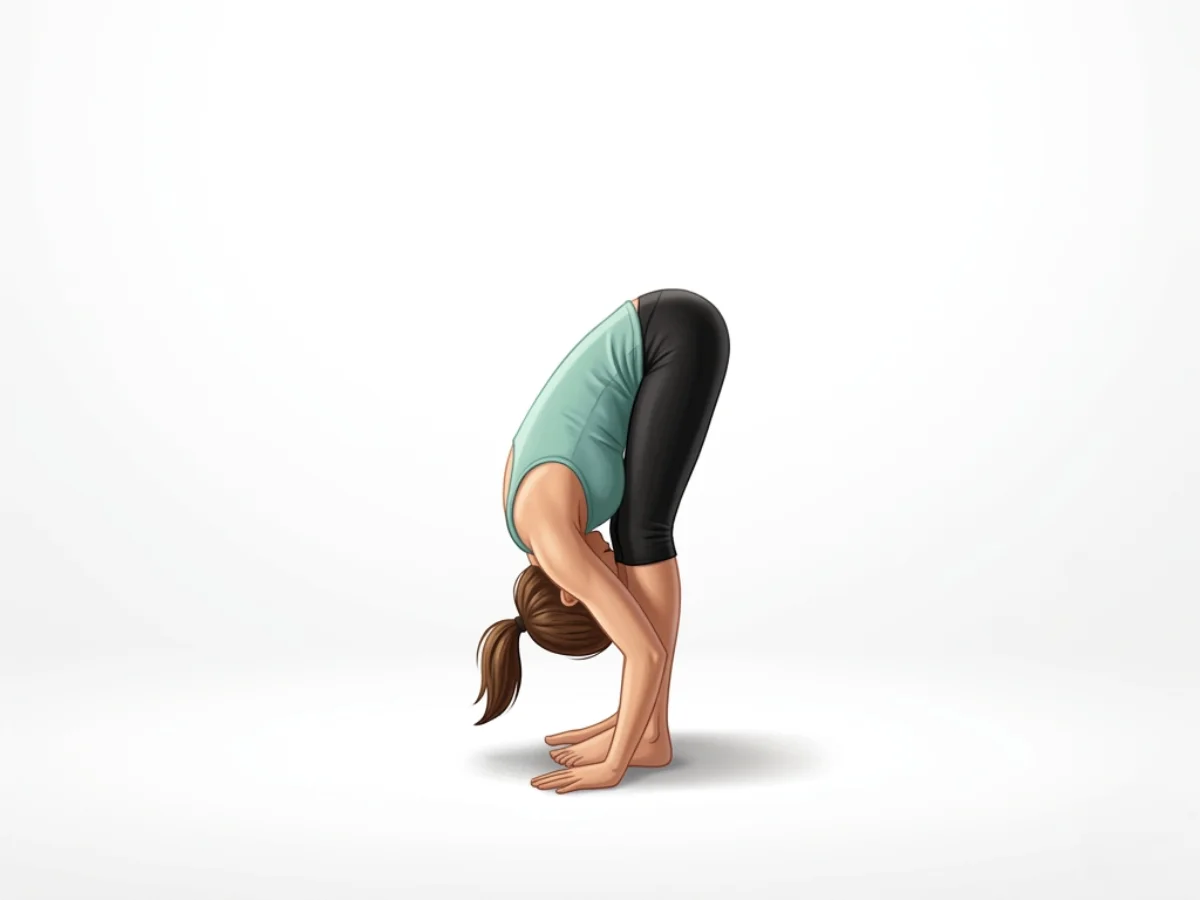
Standing Forward Bend
UttanasanaSymmetrically stretches the hamstrings and neutralizes the hips after deep external rotation.
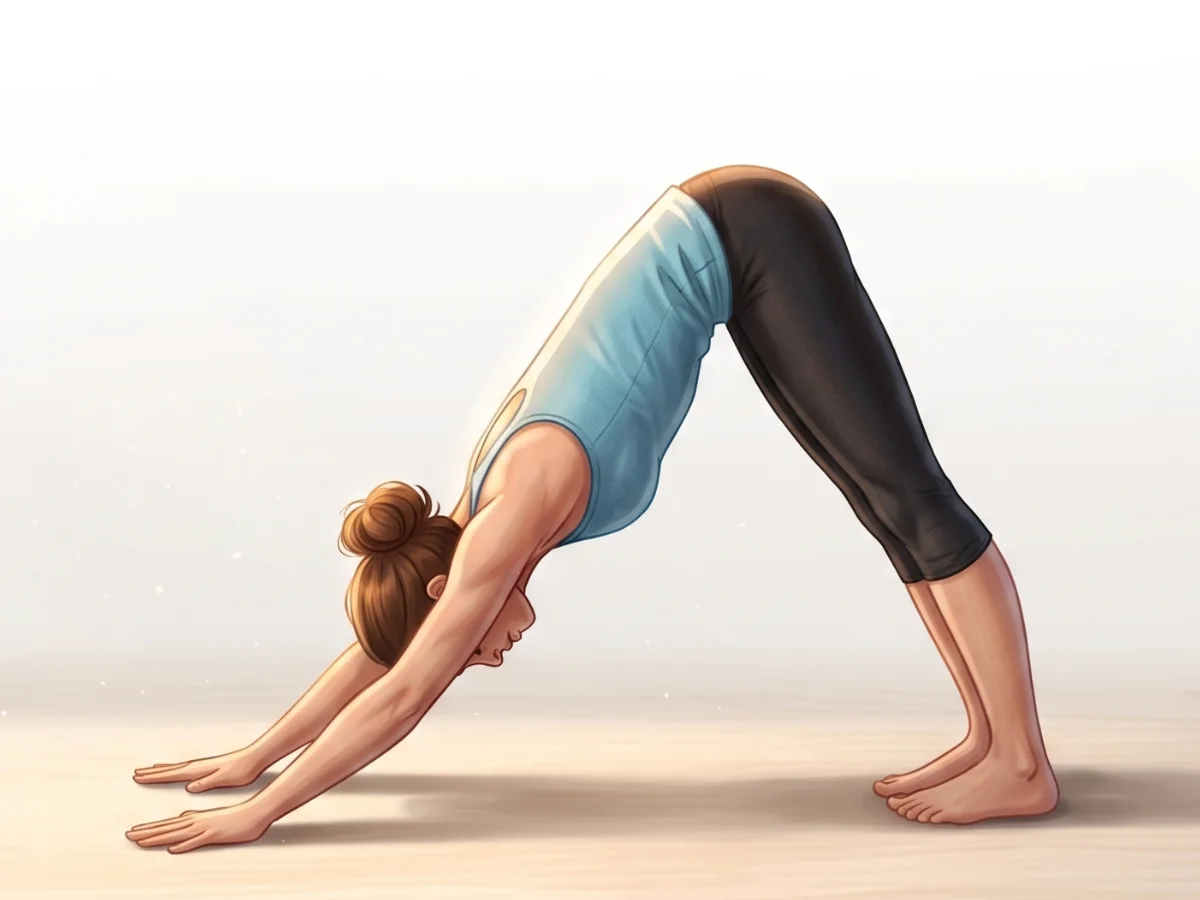
Downward-Facing Dog
Adho Mukha SvanasanaLengthens the spine and calves while resetting the pelvis into a neutral position.
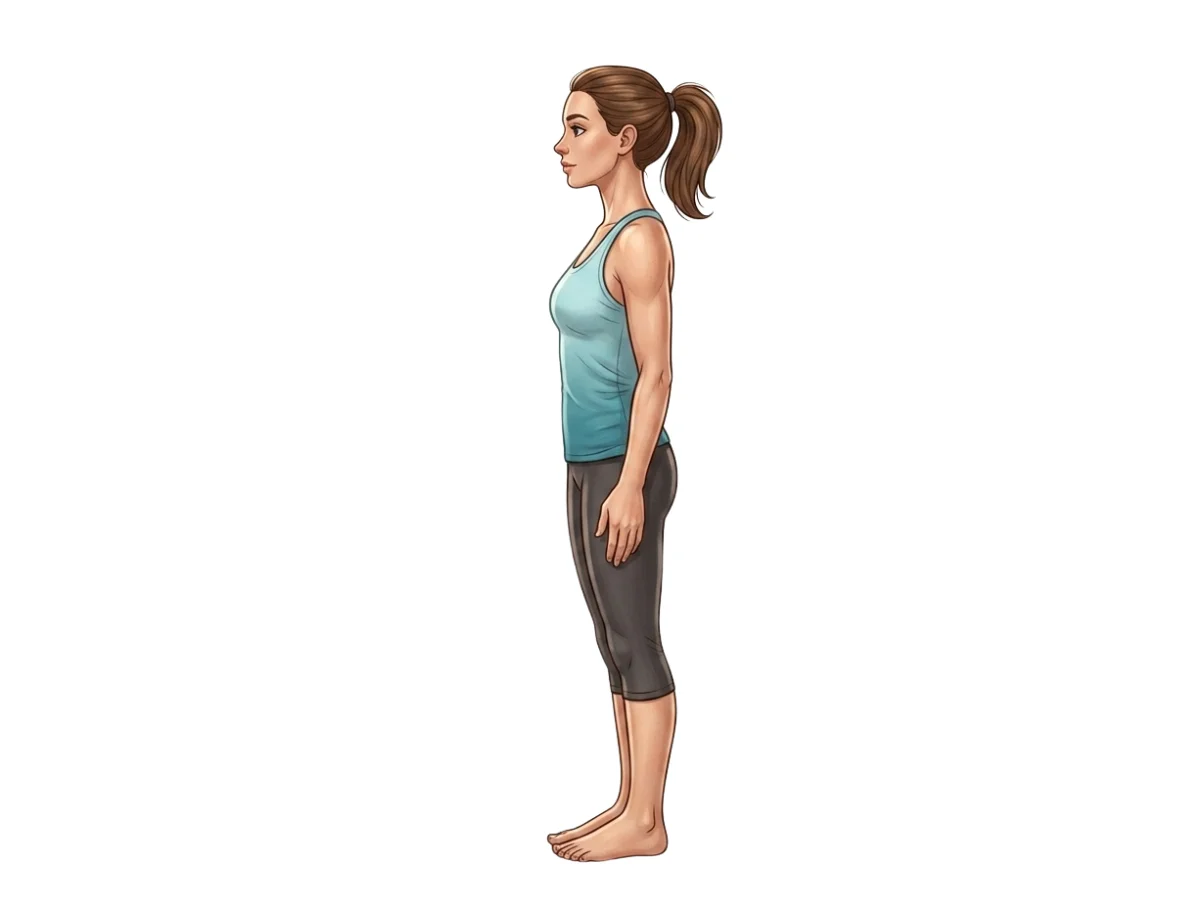
Mountain Pose
TadasanaAllows the body to integrate the intense stretch and restore symmetrical balance.
Frequently Asked Questions
Is it okay if my heel lifts off the ground?
Yes, it is very common for the heel of the bent leg to lift if you have tight calves or limited ankle mobility. You can either stay on the ball of your foot or place a folded blanket under the heel for support.
How can I keep my balance in Skandasana?
Keep your fingertips on the floor in front of you. Engaging your core and focusing your gaze on a single unmoving point (Drishti) will also greatly improve your stability.
Why do I feel a pinching in my hip joint?
Pinching can occur from bone-on-bone compression if the stance is incorrect or hips are tight. Try widening your stance slightly and ensuring your bent knee is tracking in the exact same direction as your toes.
Elena Rostova is an accredited yoga educator and anatomy specialist with over 15 years of clinical experience. She focuses on functional biomechanics and injury prevention, translating complex anatomy into accessible guidance for safe, sustainable practice.
Read Full ProfileContinue Your Yoga Journey
Ready to deepen your practice? Explore our extensive library of poses, or join a structured program designed to build strength, flexibility, and mindfulness.