
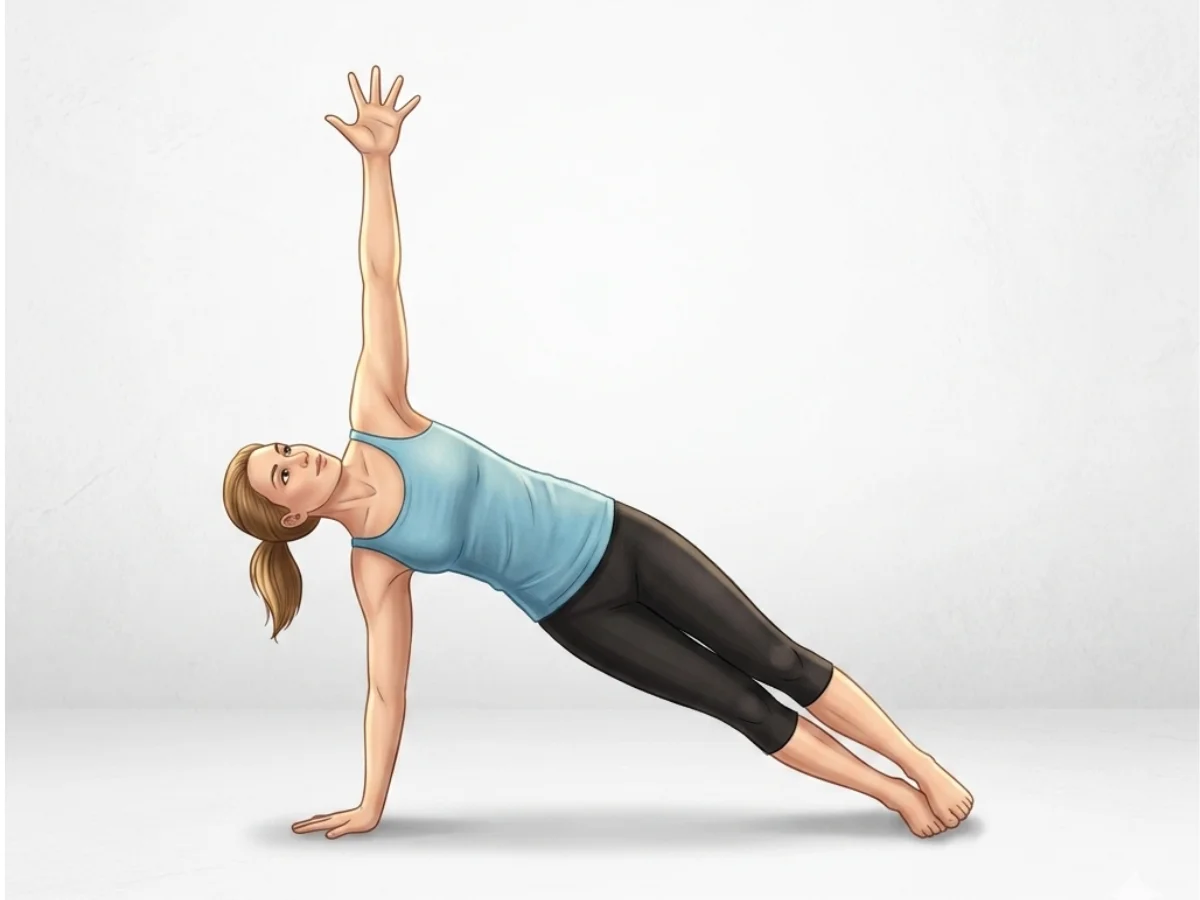
Side Plank
Vasisthasana
By Elena Rostova Updated: verified Medically Reviewed
Side Plank Pose (Vasisthasana) is a powerful arm balance that targets the obliques, shoulders, and wrists. Dedicated to the sage Vasistha, this pose requires total body integration to maintain a straight, diagonal line against gravity.
Hold Time
15–30 sec · 3–5 breaths
Pronunciation
vah-shees-TAHS-anna
About Side Plank
Commonly practiced as Side Plank (Vasisthasana), this dynamic posture is beautifully designed to help unlock tension. As you settle into the shape, it gently works the core, obliques, & arm strength to increase your overall flexibility. Over time, adding this to your routine is a great way to support strengthens obliques and core while calming the mind.
How to Practice
Start in Plank Pose
Begin in a strong Plank Pose with your shoulders directly over your wrists and core engaged.
Shift Weight
Shift your weight onto your right hand and the outer edge of your right foot.
Stack the Feet
Stack your left foot directly on top of your right foot, flexing both feet strongly so the toes point forward.
Open the Torso
Rotate your torso to the left, opening your chest toward the side wall.
Reach Upward
Extend your left arm straight up toward the ceiling, keeping it in line with your right shoulder.
Lift the Hips
Press actively through the bottom hand and lift your hips high, engaging your right oblique muscles to prevent sagging.
Hold and Breathe
Gaze up at your top hand or keep your neck neutral. Hold for 3 to 5 deep breaths.
Release and Switch
Exhale to return to Plank Pose, pause, and then repeat on the left side.
Practice with the Yoga Timer
Keep track of your hold time and breath count for this pose.
Beginner Modifications & Prop Options
Yoga is a personal journey. These modifications and prop options allow you to adapt the pose to your current level of balance and flexibility, ensuring a safe and supportive practice.
Bottom Knee on the Mat
Lower your bottom knee to the mat directly under your hip for support while keeping the top leg extended.
Tip: Focus on alignment rather than depth.
Staggering the Feet
Place the top foot on the floor just in front of the bottom foot to create a wider base of support.
Tip: Focus on alignment rather than depth.
Benefits of Side Plank
Strengthens Obliques and Core
Forces the lateral abdominal muscles to work intensely to keep the hips elevated.
Builds Arm and Shoulder Strength
Bears the body weight on one arm, fortifying the wrists, triceps, and deltoids.
Improves Balance
Challenges proprioception by narrowing the base of support to a single hand and foot edge.
Tones the Legs
Requires active engagement of the thighs and glutes to maintain a rigid, straight line.
Common Mistakes to Avoid
Mistake: Sagging Hips
How to fix: Actively engage your bottom oblique and press the floor away to keep your body in a straight diagonal line.
Mistake: Shoulder Collapsing
How to fix: Do not let your torso sink into the bottom shoulder. Push actively through the hand to create space in the shoulder joint.
Safety and Precautions
Wrist Injuries
Can aggravate carpal tunnel or tendonitis due to the high weight load.
Shoulder Issues
Strains the rotator cuff if stability is lacking.
Elbow Pain
Avoid if you have tennis elbow or joint inflammation.
Medical Disclaimer: If you have any of the above conditions, consult your doctor or a qualified yoga instructor before attempting this pose.
Muscles Worked in Side Plank
Side Plank demands synchronized muscular effort, creating a profound sense of engagement and release throughout the body. The activation of the primary muscles supports the structure, while the secondary muscles provide stability and balance.
Primary Muscles
Obliques
Contract laterally to hold the hips up.
Deltoids & Triceps
Support the upper body weight on the grounding arm.
Secondary Muscles
Gluteus Medius
Stabilizes the pelvis.
Latissimus Dorsi
Assists in shoulder stabilization.
Poses to Practice Before and After Side Plank
Prepare with these Poses
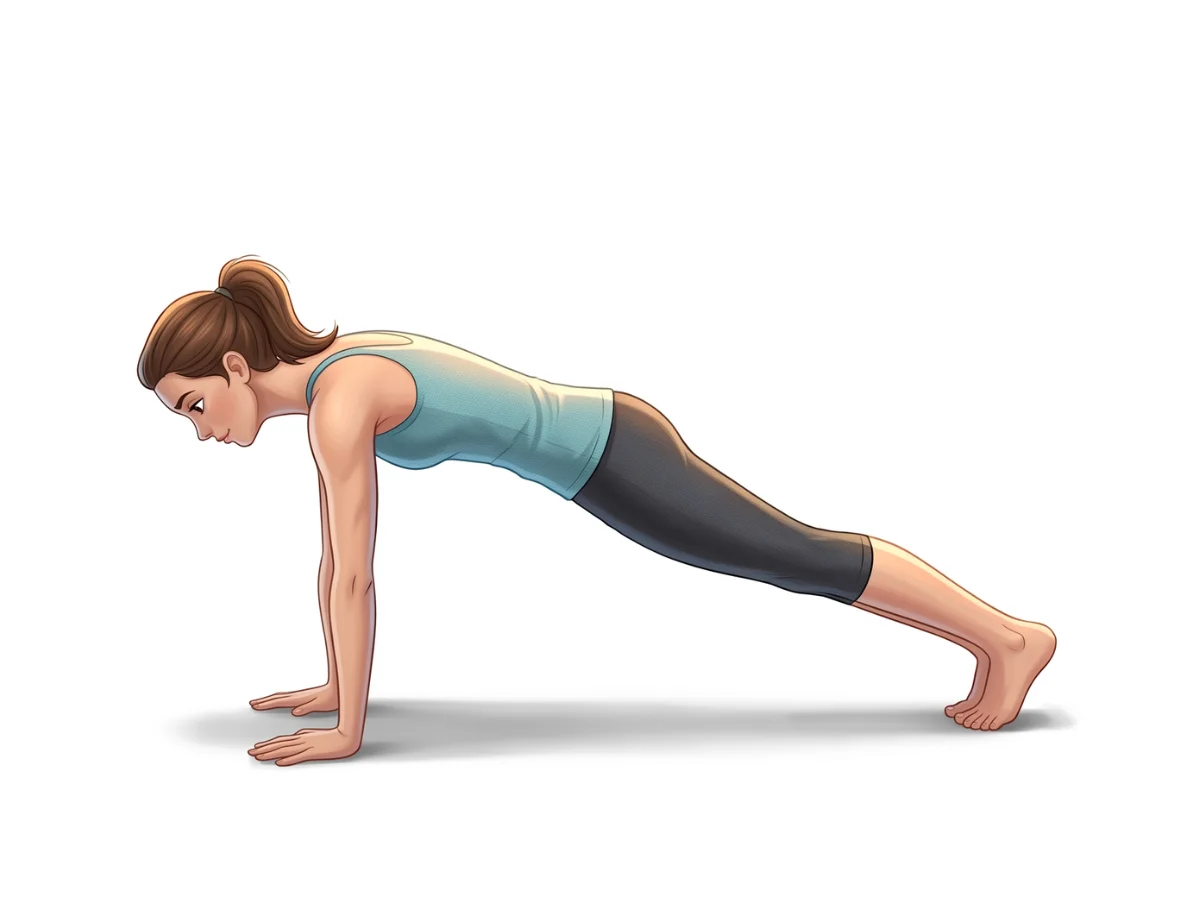
Plank Pose
PhalakasanaBuilds the foundational core and shoulder strength.
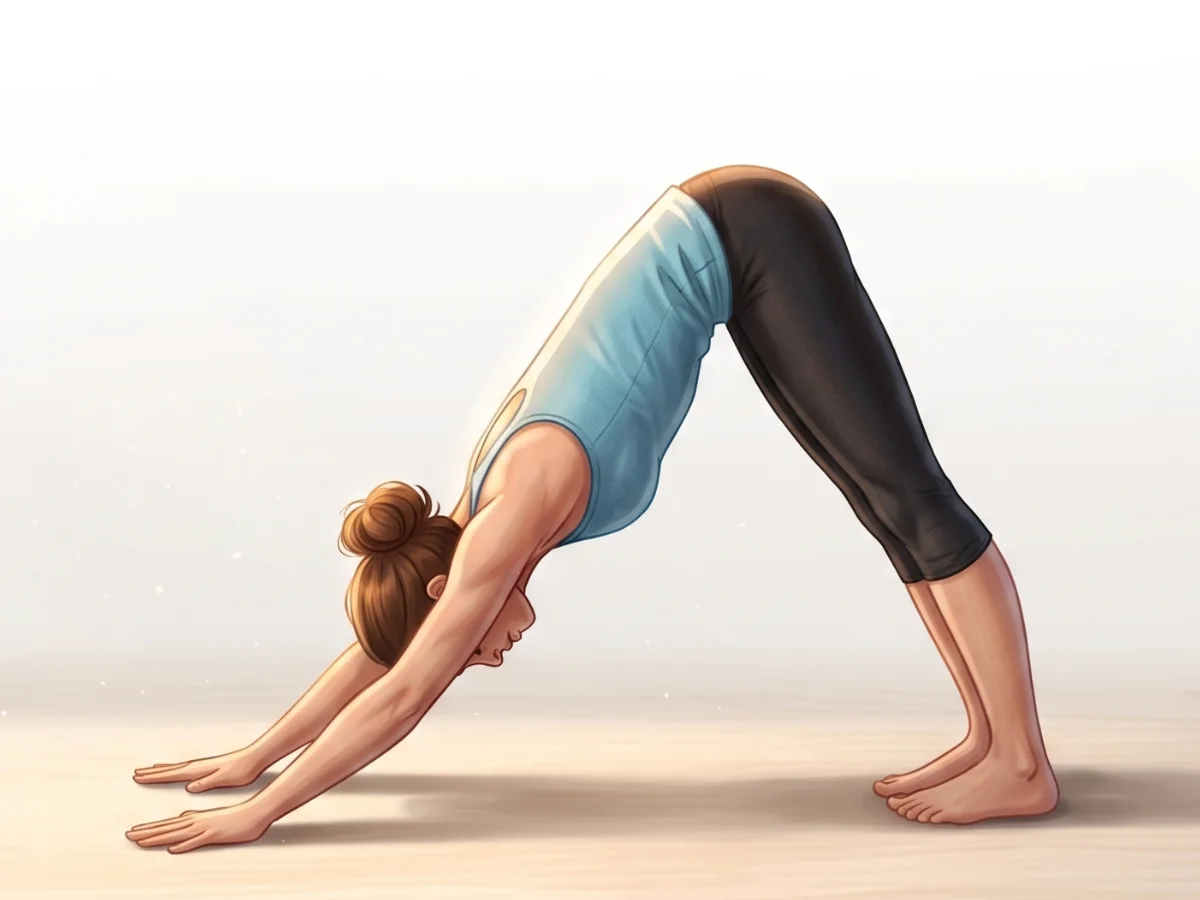
Downward-Facing Dog
Adho Mukha SvanasanaOpens the shoulders and wrists.
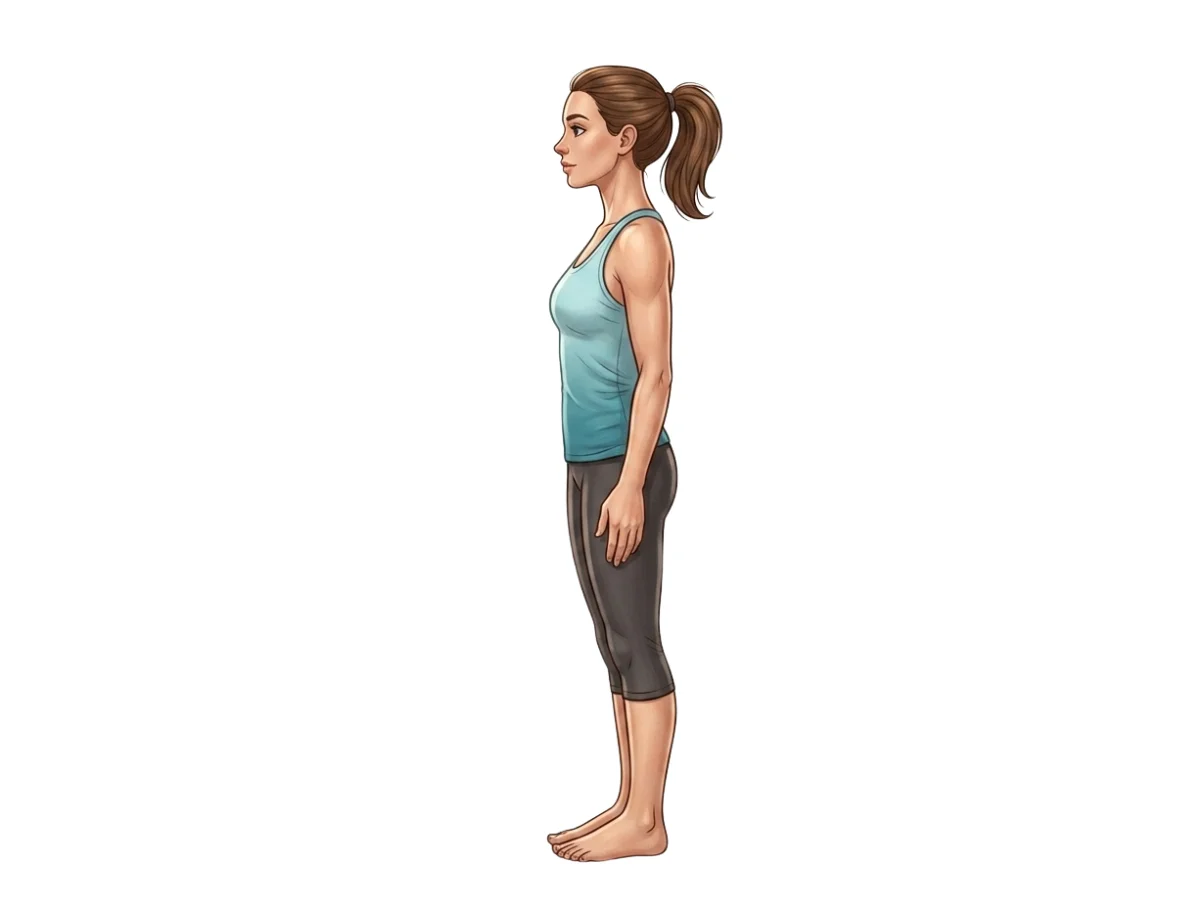
Mountain Pose
TadasanaTeaches the straight-line alignment needed for the posture.
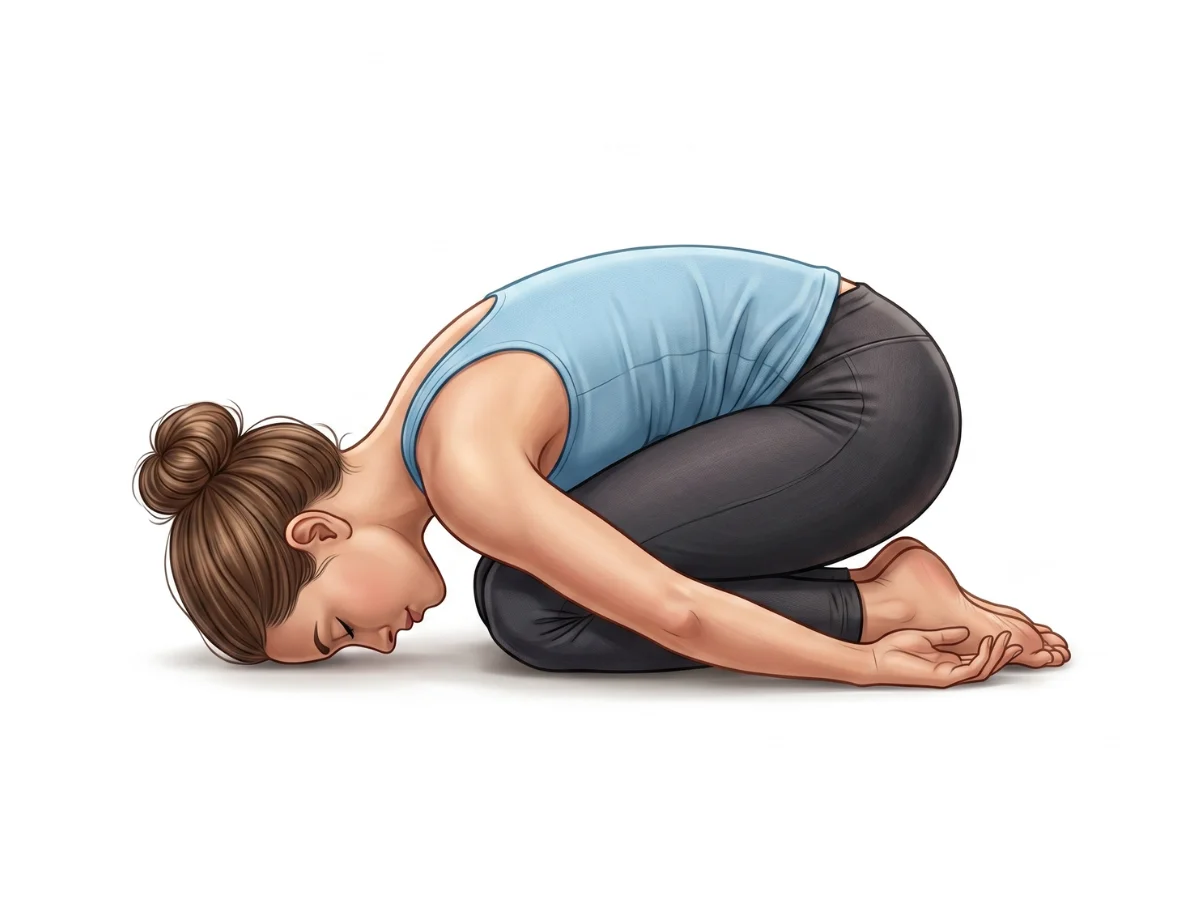
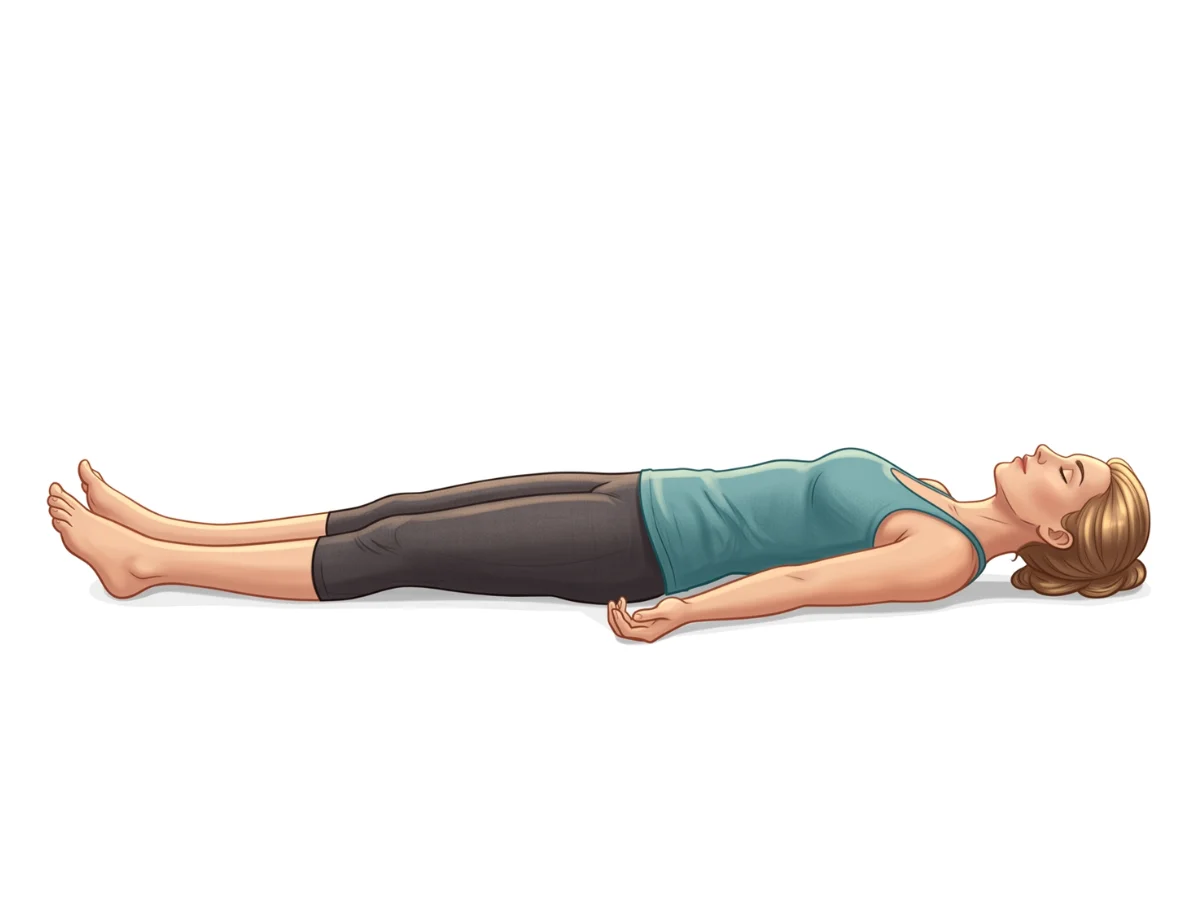
Follow with neutralizing Counter-poses
Frequently Asked Questions
How can I stop my wrist from hurting?
Ensure your shoulder is stacked directly over your wrist, not behind or in front of it. Grip the mat slightly with your fingertips to take pressure off the heel of the hand.
Why do my hips keep dropping?
Dropping hips usually indicate weakness in the obliques or a lack of engagement in the legs. Squeeze your thighs together and consciously lift your bottom hip higher than you think it needs to go.
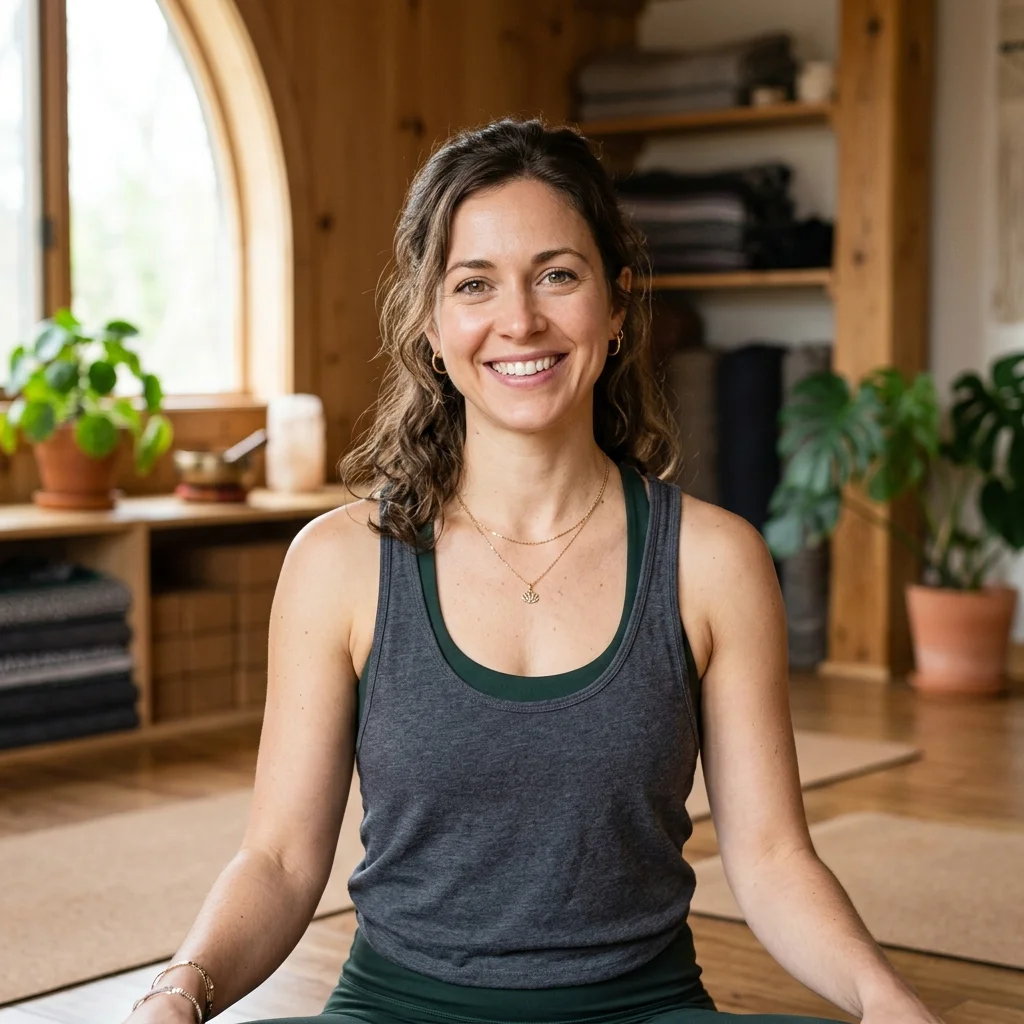
Elena Rostova is an accredited yoga educator and anatomy specialist with over 15 years of clinical experience. She focuses on functional biomechanics and injury prevention, translating complex anatomy into accessible guidance for safe, sustainable practice.
Read Full ProfileContinue Your Yoga Journey
Ready to deepen your practice? Explore our extensive library of poses, or join a structured program designed to build strength, flexibility, and mindfulness.