
Standing Half Bound Lotus Forward Bend
Ardha Baddha Padmottanasana
By Elena Rostova Updated: verified Medically Reviewed
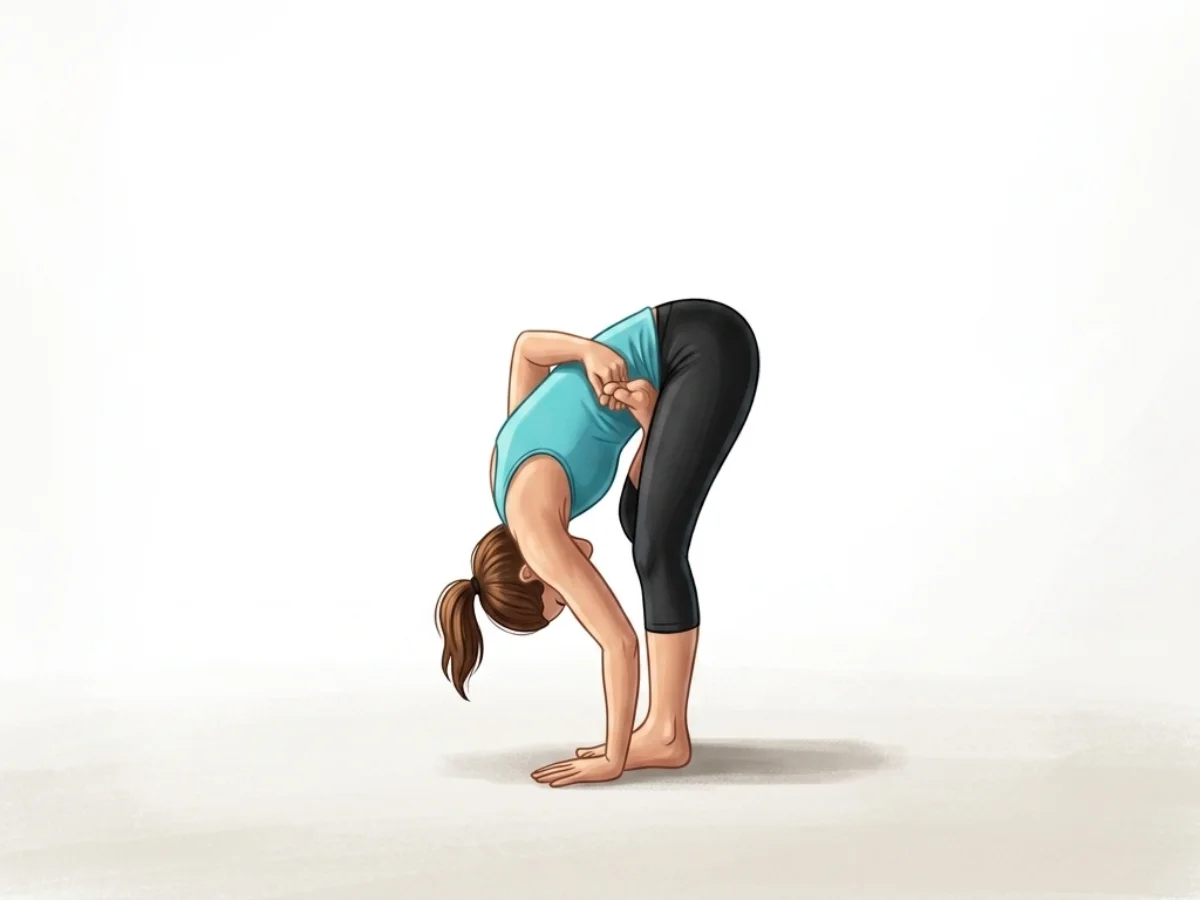
Standing Half Bound Lotus Forward Bend (Ardha Baddha Padmottanasana) is an advanced balancing posture from the Ashtanga Primary Series that demands deep hip rotation, steady balance, and profound hamstring flexibility. By bringing one foot into a half-lotus position and binding the arm behind the back to catch the toe, the practitioner creates a powerful internal lock.
Hold Time
30–60 sec · 5 breaths per side
Pronunciation
AR-dhah BAH-dhah pad-MO-tahn-AHS-anna
About Standing Half Bound Lotus Forward Bend
Reflecting the quiet power of the natural world, Standing Half Bound Lotus Forward Bend (Ardha Baddha Padmottanasana) is an expansive pose that cultivates inner stillness. It primarily targets the hip opening, balance & digestion, helping to create length and strength exactly where you need it most. Ultimately, it is a fantastic pose for profound hip opener, leaving you with a profound sense of grounded energy.
How to Practice
Mountain Foundation
Begin in Mountain Pose (Tadasana), rooting down firmly through your left foot.
Half Lotus Leg
Inhale, lift your right knee, and externally rotate the right hip. Carefully bring your right foot high onto the left hip crease into Half Lotus position.
Secure the Foot
Hold your right foot with your left hand, keeping the right heel pressing gently into the lower abdomen.
The Bind
Inhale, reach your right arm behind your back, and clasp the big toe of your right foot. If you cannot reach the toe, hold the opposite elbow behind your back instead.
Prepare to Fold
Once the bind is secure, inhale to lengthen your spine and lift your chest, finding a steady focal point (drishti).
Hinge Forward
Exhale slowly as you hinge at the left hip, folding your torso forward over your straight left leg.
Hand to Floor
Place your free left hand on the floor beside your left foot. If the floor is out of reach, rest your hand on a block or keep a micro-bend in the standing knee.
Deepen the Fold
Let your head hang heavy, bringing your chin or forehead toward your left shin. Keep the right knee aiming toward the floor.
Hold and Breathe
Hold the posture for 5 deep breaths, focusing on the compression of the heel against the abdomen and the stretch in the standing hamstring.
Rise with Control
To exit, inhale as you lift your head and flatten your back. Exhale there. Then, inhale completely as you press into the standing foot to rise up to standing, and exhale to release the bind and the leg.
Practice with the Yoga Timer
Keep track of your hold time and breath count for this pose.
Beginner Modifications & Prop Options
Yoga is a personal journey. These modifications and prop options allow you to adapt the pose to your current level of balance and flexibility, ensuring a safe and supportive practice.
Figure-Four Fold
Place the right ankle just above the left knee in a Figure-Four position and hinge forward. This protects the knee while still opening the hip without binding.
Tip: Focus on alignment rather than depth.
Hold Opposite Elbow
Hold your opposite elbow behind your back with both hands, or hold the foot with the opposite hand and hinge forward without binding the big toe.
Tip: Focus on alignment rather than depth.
Use a Block
Place a tall yoga block next to your standing foot to support your free hand. This ensures balance and prevents lower back strain during the fold.
Tip: Focus on alignment rather than depth.
Benefits of Standing Half Bound Lotus Forward Bend
Profound Hip Opener
Intensely rotates and opens the hip joint of the bent leg, preparing the body for full Lotus Pose.
Stimulates Digestion
The heel of the lotus foot presses deeply into the abdomen during the fold, massaging the liver, spleen, and intestines.
Enhances Balance & Focus
Demands intense concentration and proprioception to maintain a one-legged balance while folding forward.
Stretches Shoulders & Chest
Reaching behind the back to bind the toe forcibly opens the front of the shoulder and expands the chest.
Deep Hamstring Lengthening
Provides a powerful stretch to the hamstring and calf of the standing leg.
Common Mistakes to Avoid
Mistake: Forcing the Knee
How to fix: Never pull on the foot. The rotation must come entirely from the hip socket. If the knee hurts, immediately back out and use the Figure-Four modification.
Mistake: Rounding the Back Too Early
How to fix: Keep the spine long and the chest lifted as you hinge from the hip, only rounding at the very end of the fold.
Mistake: Locking the Standing Knee
How to fix: Keep a micro-bend in the standing leg and engage the quadriceps.
Safety and Precautions
Knee Injuries
Anyone with a history of meniscus tears, ACL issues, or general knee pain should avoid Half Lotus variations completely.
Hip or Lower Back Injuries
The intense rotation and deep forward fold can aggravate sciatica, herniated discs, or hip labral tears.
Pregnancy
The deep abdominal compression from the heel is not recommended during pregnancy. Balance issues also make it unsafe.
Medical Disclaimer: If you have any of the above conditions, consult your doctor or a qualified yoga instructor before attempting this pose.
Muscles Worked in Standing Half Bound Lotus Forward Bend
Standing Half Bound Lotus Forward Bend demands synchronized muscular effort, creating a profound sense of engagement and release throughout the body. The activation of the primary muscles supports the structure, while the secondary muscles provide stability and balance.
Primary Muscles
Hamstrings (Standing Leg)
Stretch intensely during the forward fold.
Gluteus Medius & Minimus
Externally rotate the bent leg and stabilize the standing hip.
Pectoralis Major
Stretches deeply on the bound side.
Secondary Muscles
Anterior Deltoids
Stretch as the arm reaches behind the back.
Quadriceps (Standing Leg)
Engage to support the knee and maintain balance.
Poses to Practice Before and After Standing Half Bound Lotus Forward Bend
Prepare with these Poses
Tree
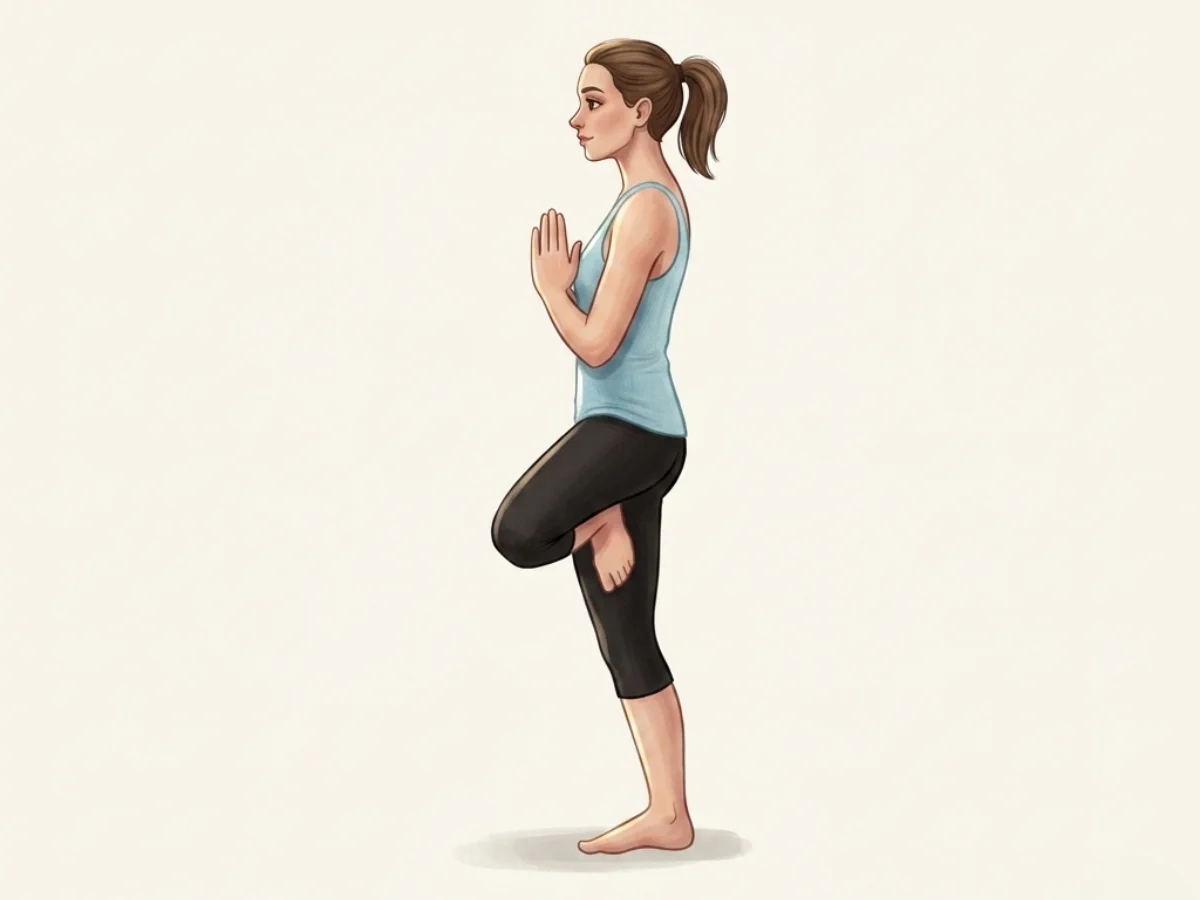
VrikshasanaEstablishes one-legged balance and mild external hip rotation.
Bound Angle
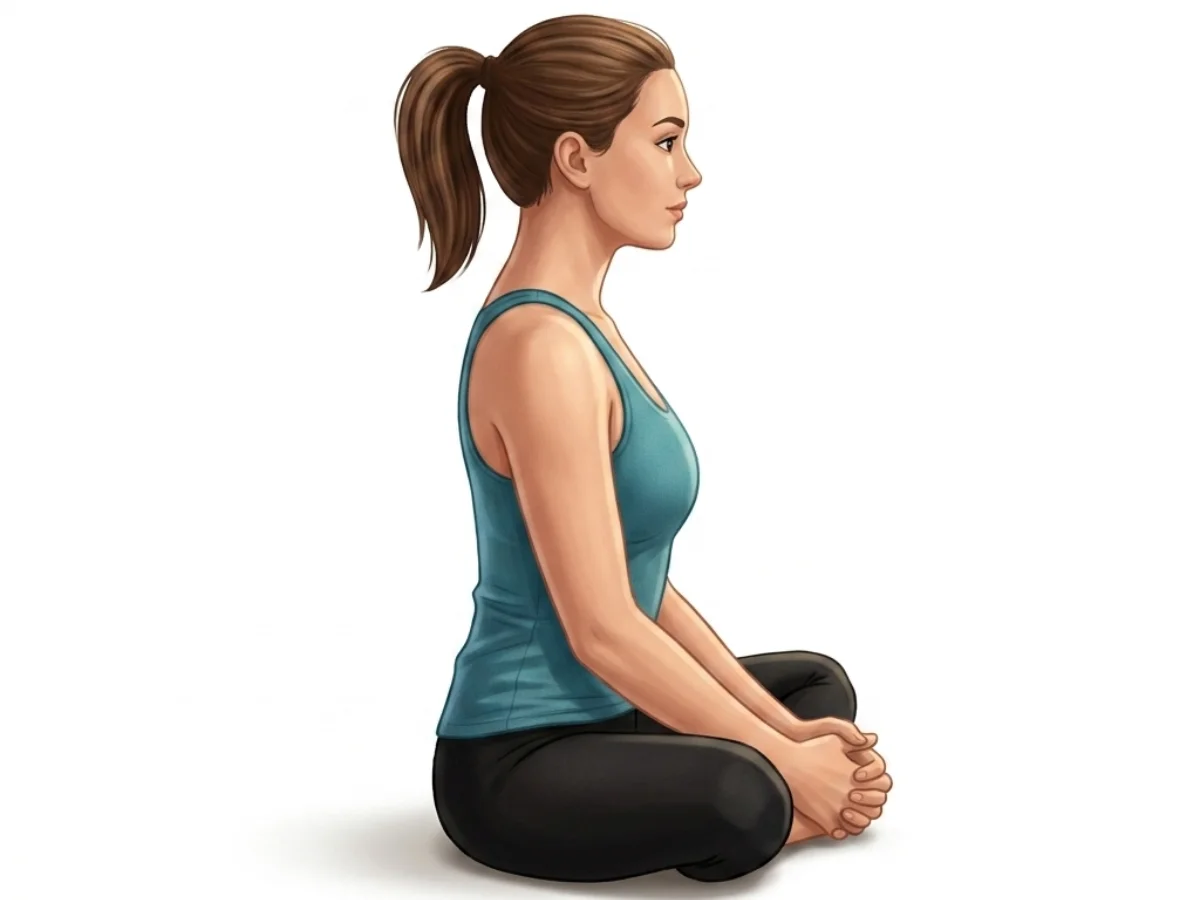
Baddha KonasanaOpens the hips and groins safely on the floor.
Standing Forward Bend
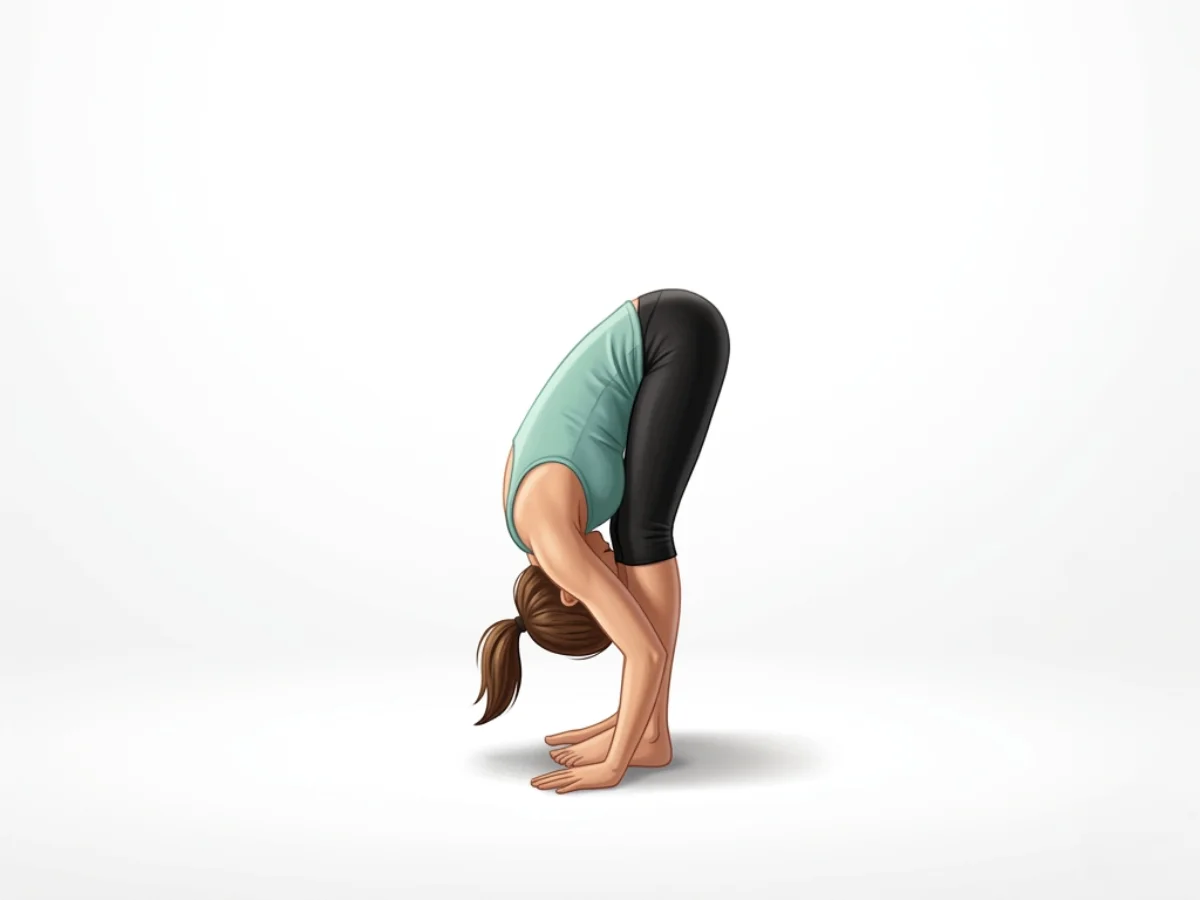
UttanasanaLengthens the hamstrings required for the fold.
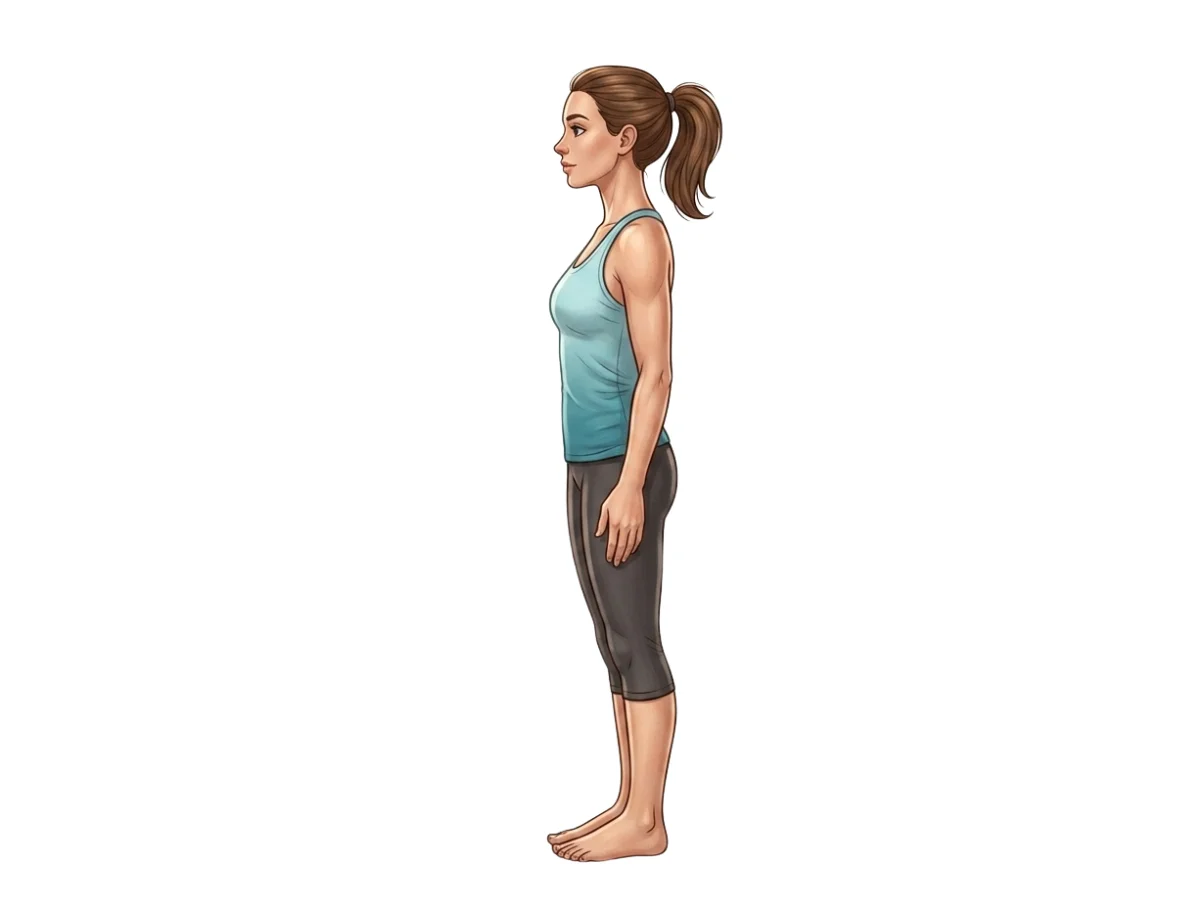
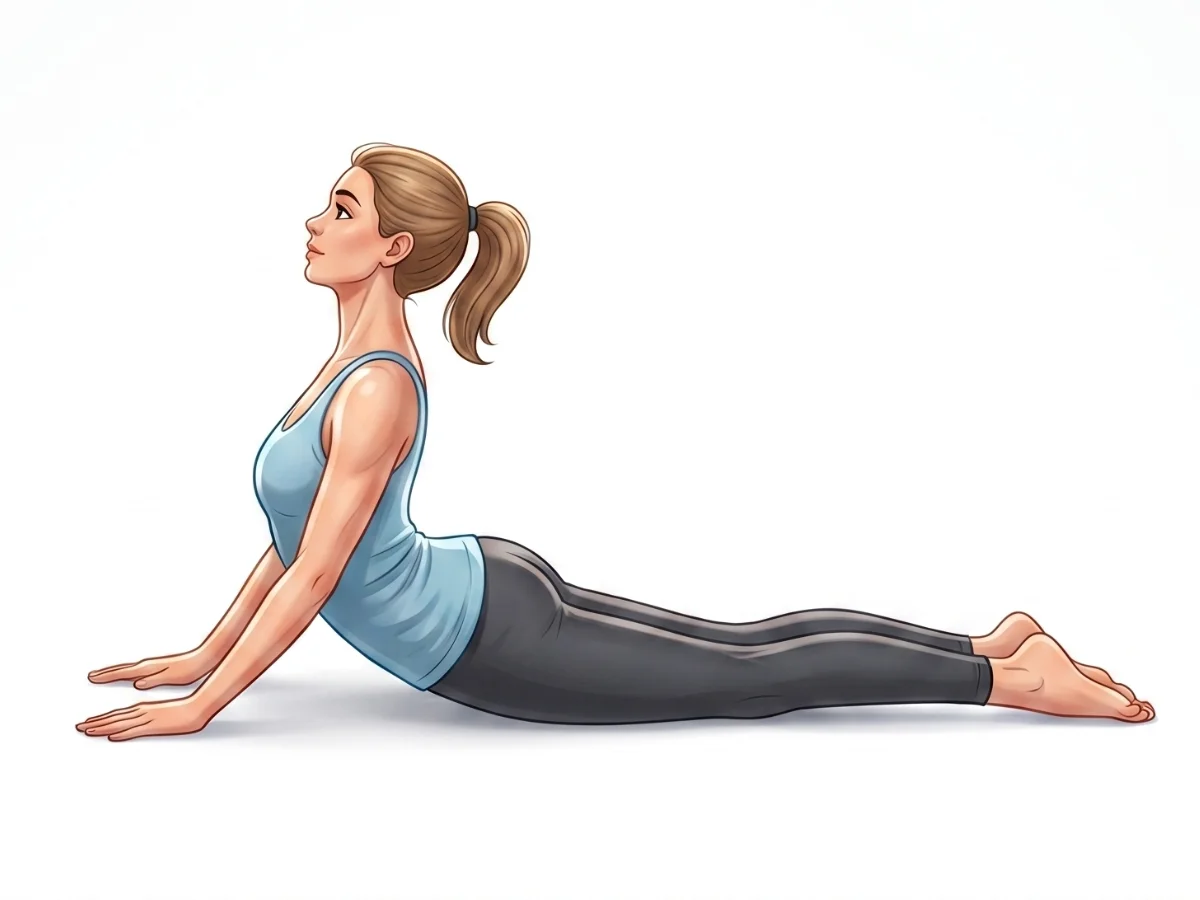
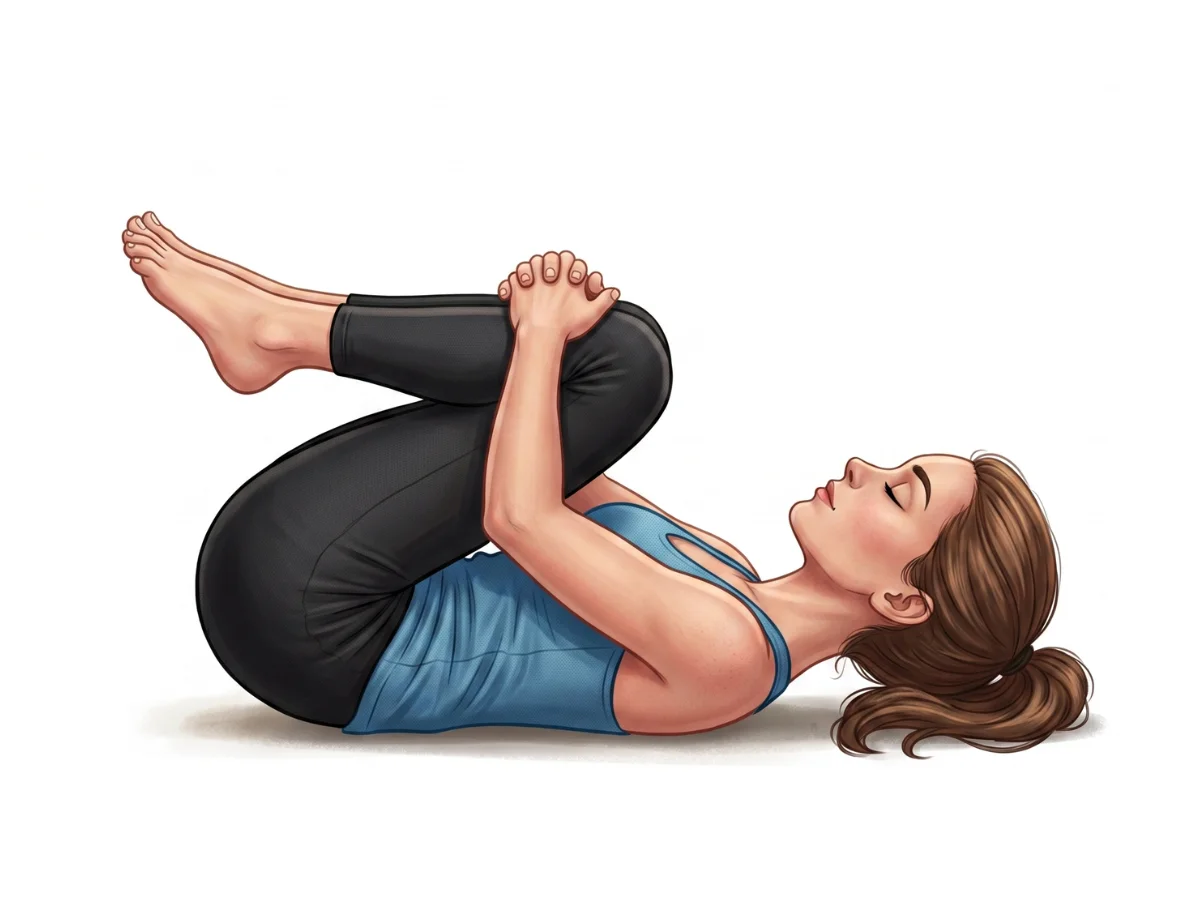
Follow with neutralizing Counter-poses
Frequently Asked Questions
My knee hurts when I pull my foot up. What should I do?
Stop immediately. Knee pain indicates that your hip is not rotating enough, and the twist is moving into the fragile knee joint.
I can get into Half Lotus but cannot reach my toe behind my back. Is that okay?
Yes, perfectly normal. The bind requires deep shoulder extension and a very high lotus placement.
Why is this pose considered advanced?
It combines three challenging elements simultaneously: intense one-legged balance, deep external hip rotation (Half Lotus), and profound hamstring flexibility (the forward fold). Combining these safely requires significant experience and body awareness.

Elena Rostova is an accredited yoga educator and anatomy specialist with over 15 years of clinical experience. She focuses on functional biomechanics and injury prevention, translating complex anatomy into accessible guidance for safe, sustainable practice.
Read Full ProfileContinue Your Yoga Journey
Ready to deepen your practice? Explore our extensive library of poses, or join a structured program designed to build strength, flexibility, and mindfulness.