
Standing Leg Behind Head Forward Bend
Dandayamana Eka Pada Sirsasana
By Elena Rostova Updated: verified Medically Reviewed
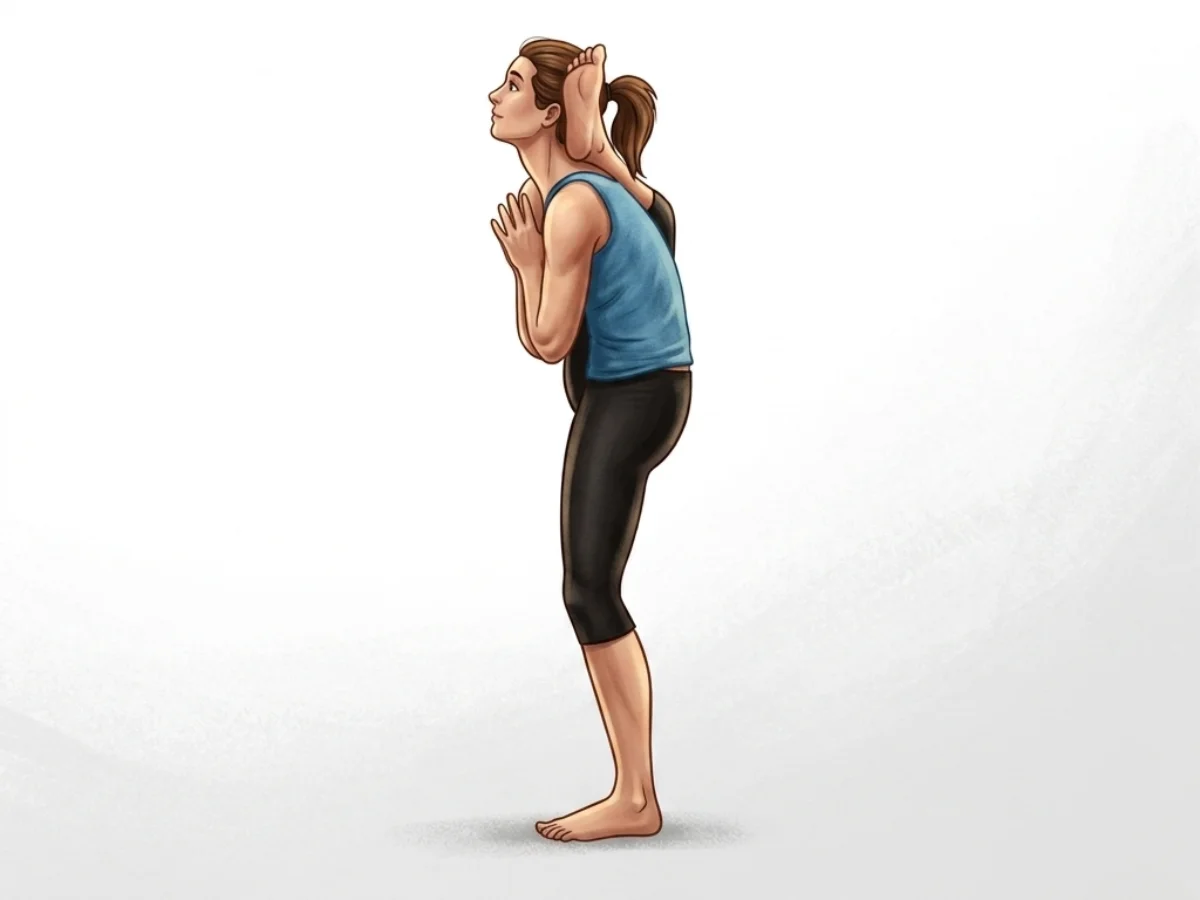
Standing Leg Behind Head Forward Bend (Dandayamana Eka Pada Sirsasana) is a pinnacle posture in advanced yoga practices that demands an extraordinary level of hip rotation, spinal flexibility, and balance. In this complex shape, the practitioner places one leg securely behind their neck while standing on the other, and then deepens the intensity by folding the torso forward.
Hold Time
15–30 sec · 3–5 breaths per side
Pronunciation
dahn-dah-yah-MAH-nah EKA-pah-dah sheer-SHAHS-anna
About Standing Leg Behind Head Forward Bend
Often praised by experienced instructors, Standing Leg Behind Head Forward Bend (Dandayamana Eka Pada Sirsasana) acts as a powerful tool for finding balance and realignment. This posture specifically engages the extreme hip mobility & spinal flexion, making it highly effective for developing both strength and mobility. Over time, adding this to your routine is a great way to support extreme hip opener while calming the mind.
How to Practice
Warm Up Thoroughly
This pose requires extreme preparation. Begin only after a long sequence of deep hip openers, hamstring stretches, and core activation.
Standing Foundation
Start in Mountain Pose (Tadasana), rooting down through your left foot.
Lift and Cradle
Inhale, lift your right leg, and cradle your right shin in your arms (like rocking a baby) to begin opening the hip.
Leg over Shoulder
Exhale, deeply externally rotate the right hip, and use your hands to guide your right calf over your right shoulder, like putting on a backpack strap.
Secure Behind the Neck
Carefully work the right foot behind your neck. Push your head back gently against the calf to lock the leg in place.
Establish Balance
Once the leg is secure behind your head, bring your hands to prayer at your chest (Anjali Mudra) and find your balance while standing tall.
Begin the Fold
Exhale slowly, engage your core, and hinge forward from your left hip joint, keeping your standing leg strong and straight (or micro-bent).
Hands to Floor
Release your hands down to the floor on either side of your standing foot to support your balance as you deepen the fold.
Hold and Breathe
Maintain the fold for 3 to 5 deep, steady breaths, keeping your head gently pressing up against the leg to prevent neck strain.
Release Safely
To exit, inhale as you press through the standing foot and use your core to rise back up to standing. Carefully use your hands to unhook the right leg from behind your neck and lower it to the floor.
Practice with the Yoga Timer
Keep track of your hold time and breath count for this pose.
Beginner Modifications & Prop Options
Yoga is a personal journey. These modifications and prop options allow you to adapt the pose to your current level of balance and flexibility, ensuring a safe and supportive practice.
Seated Leg Behind Head
Practice Eka Pada Sirsasana seated on the floor before attempting it standing. This isolates the hip rotation without the risk of falling.
Tip: Focus on alignment rather than depth.
Leg Over Shoulder
Hold the leg over the shoulder like a strap (Elephant Trunk Pose) while standing. Do not force the foot behind the neck if it's unsafe.
Tip: Focus on alignment rather than depth.
Skip the Forward Fold
Remain standing upright once the leg is behind your head. Adding the forward fold is an extra layer of intensity that is not required to benefit from the pose.
Tip: Focus on alignment rather than depth.
Benefits of Standing Leg Behind Head Forward Bend
Extreme Hip Opener
Forces maximum external rotation and abduction in the hip joint, deeply stretching the glutes and piriformis.
Deep Spinal Flexion
The forward folding action, combined with the leg position, creates an intense stretch across the entire back body.
Develops Supreme Focus
The complexity of balancing while holding such an intricate shape builds immense mental stamina and concentration.
Strengthens Standing Leg
The ankle, knee, and quadriceps work at maximum capacity to hold the body’s weight in this contorted alignment.
Stimulates Digestion
The deep forward fold strongly compresses the internal organs, massaging the digestive tract.
Common Mistakes to Avoid
Mistake: Pushing the Neck Forward
How to fix: The hip must be open enough for the leg to go behind the neck while the neck remains straight and actually pushes slightly back against the calf.
Mistake: Rounding the Back Too Much
How to fix: Keep the core strongly engaged and aim to keep the chest as open as possible while hinging from the hips.
Mistake: Forcing the Hip
How to fix: Never force the leg. If it requires pulling with aggressive arm strength, the hip is not ready.
Safety and Precautions
Neck or Cervical Spine Issues
Absolutely contraindicated for anyone with herniated discs in the neck, whiplash history, or cervical spondylosis.
Knee or Hip Injuries
The extreme torque placed on the knee and hip joints makes this unsafe for anyone with a history of tears or joint instability.
High Blood Pressure
The intense compression, inversion, and effort can dangerously spike blood pressure.
Medical Disclaimer: If you have any of the above conditions, consult your doctor or a qualified yoga instructor before attempting this pose.
Muscles Worked in Standing Leg Behind Head Forward Bend
Standing Leg Behind Head Forward Bend demands synchronized muscular effort, creating a profound sense of engagement and release throughout the body. The activation of the primary muscles supports the structure, while the secondary muscles provide stability and balance.
Primary Muscles
Gluteus Maximus & Piriformis
Stretch to their maximum capacity to allow the hip rotation.
Hamstrings (Standing Leg)
Undergo an intense stretch during the forward fold.
Secondary Muscles
Quadriceps (Standing Leg)
Contract intensely to keep the standing leg stable.
Core (Transversus Abdominis)
Engages to protect the lower back and control the forward fold.
Poses to Practice Before and After Standing Leg Behind Head Forward Bend
Prepare with these Poses
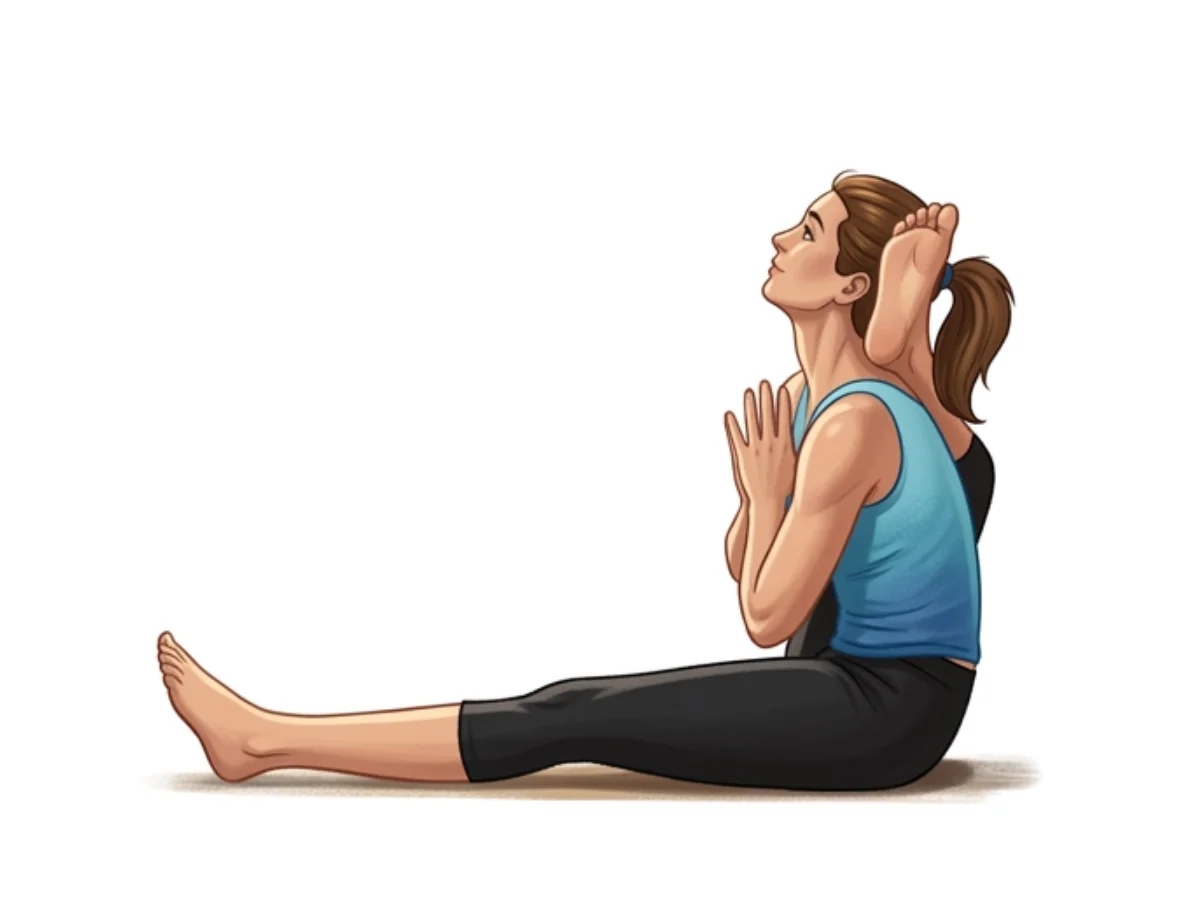
One Leg Behind the Head I
Eka Pada Shirshasana ADevelops the necessary hip mobility in a safer, seated position.
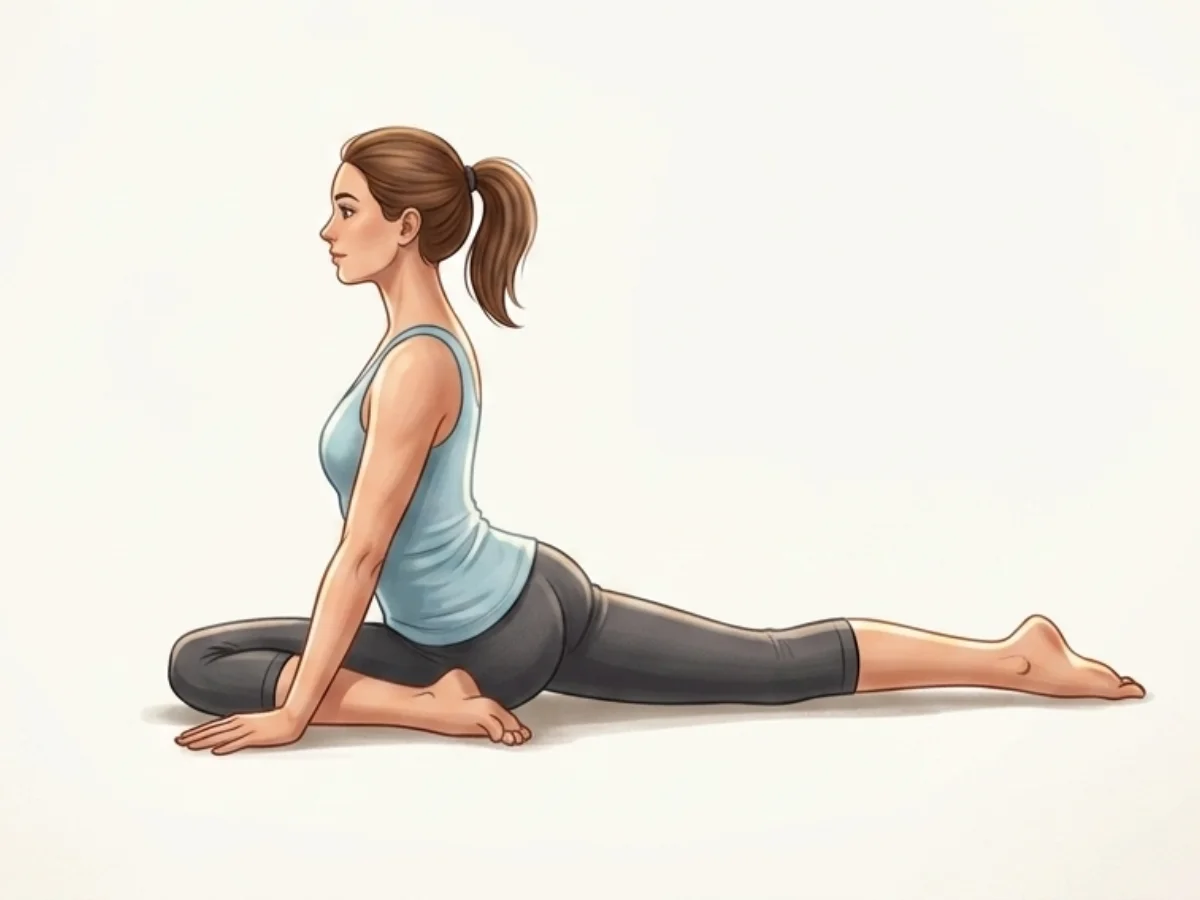
Half Pigeon
Ardha KapotasanaProvides a deep opening for the hips, specifically the piriformis.
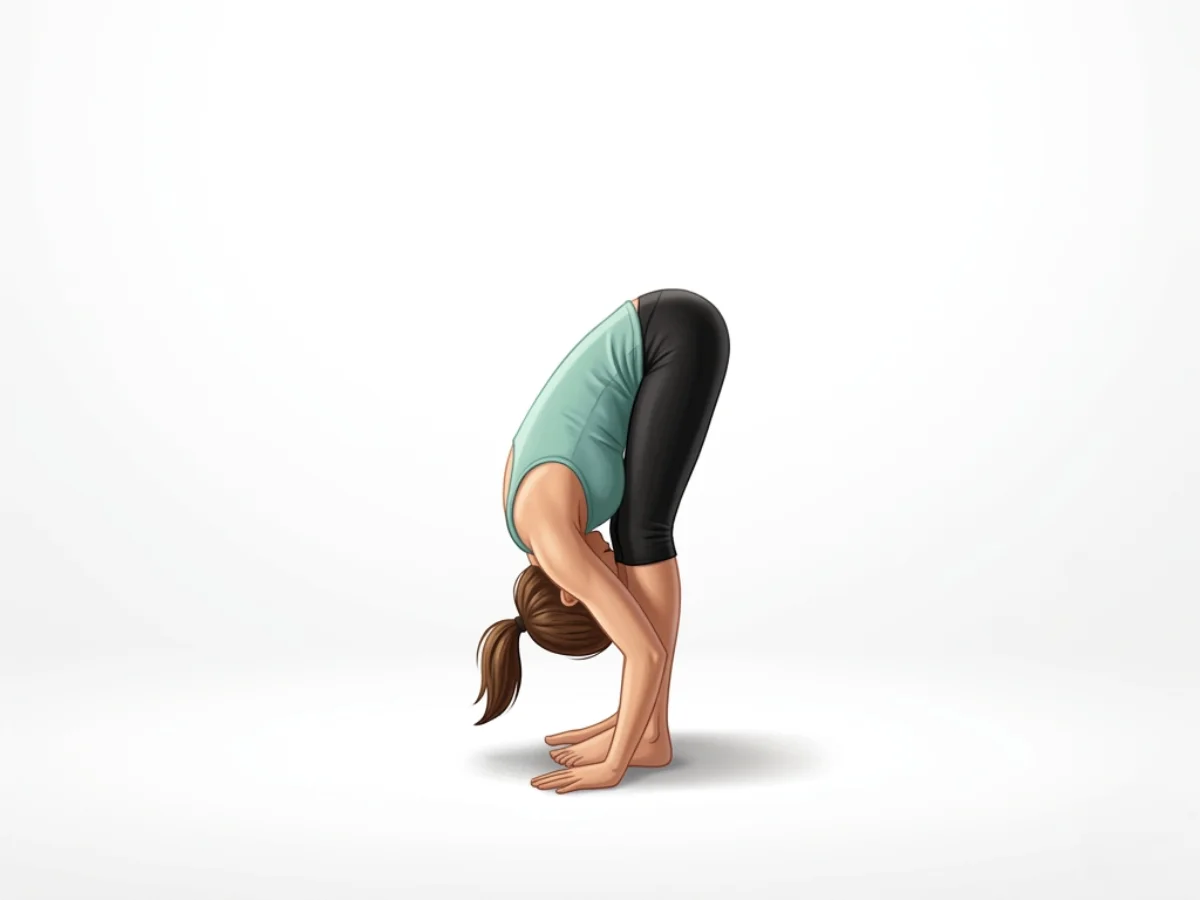
Standing Forward Bend
UttanasanaPrepares the standing leg’s hamstrings for the deep fold.
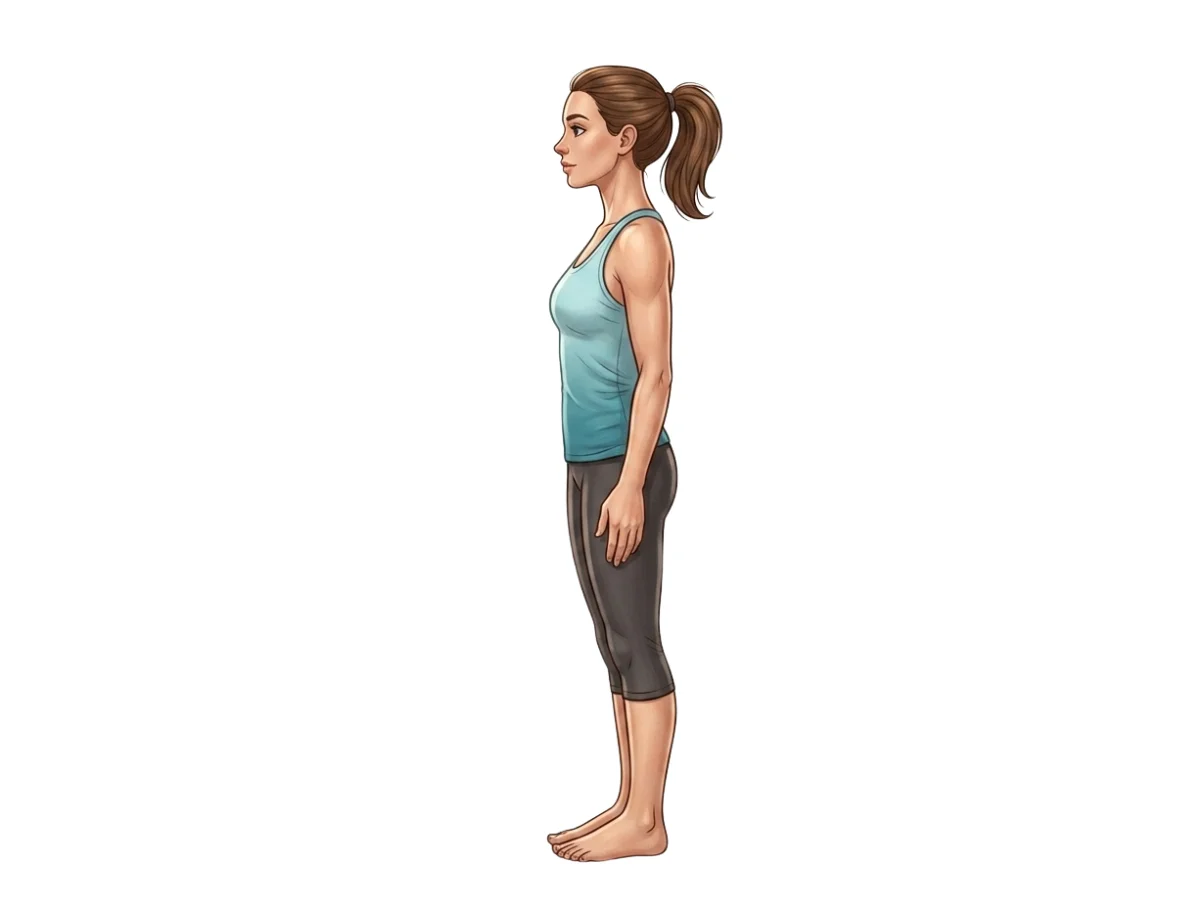
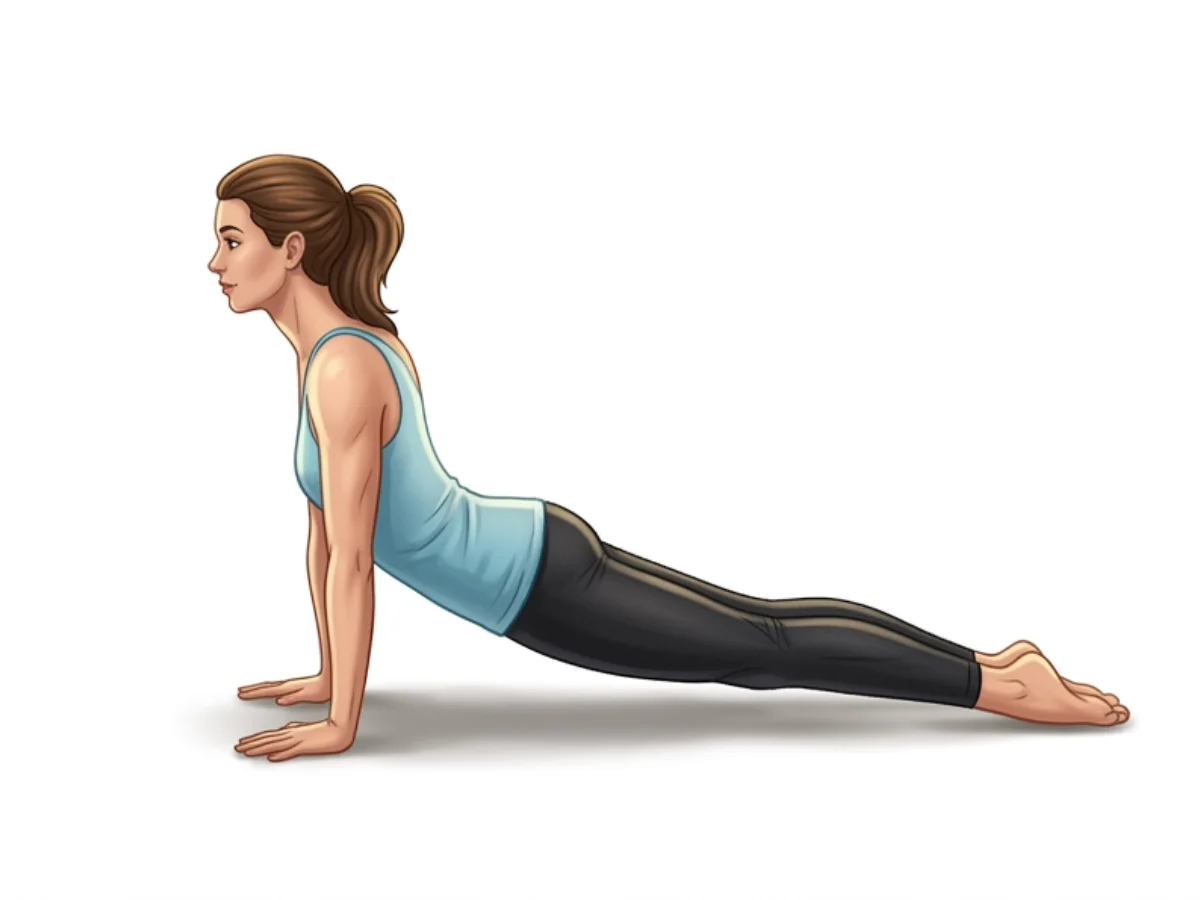
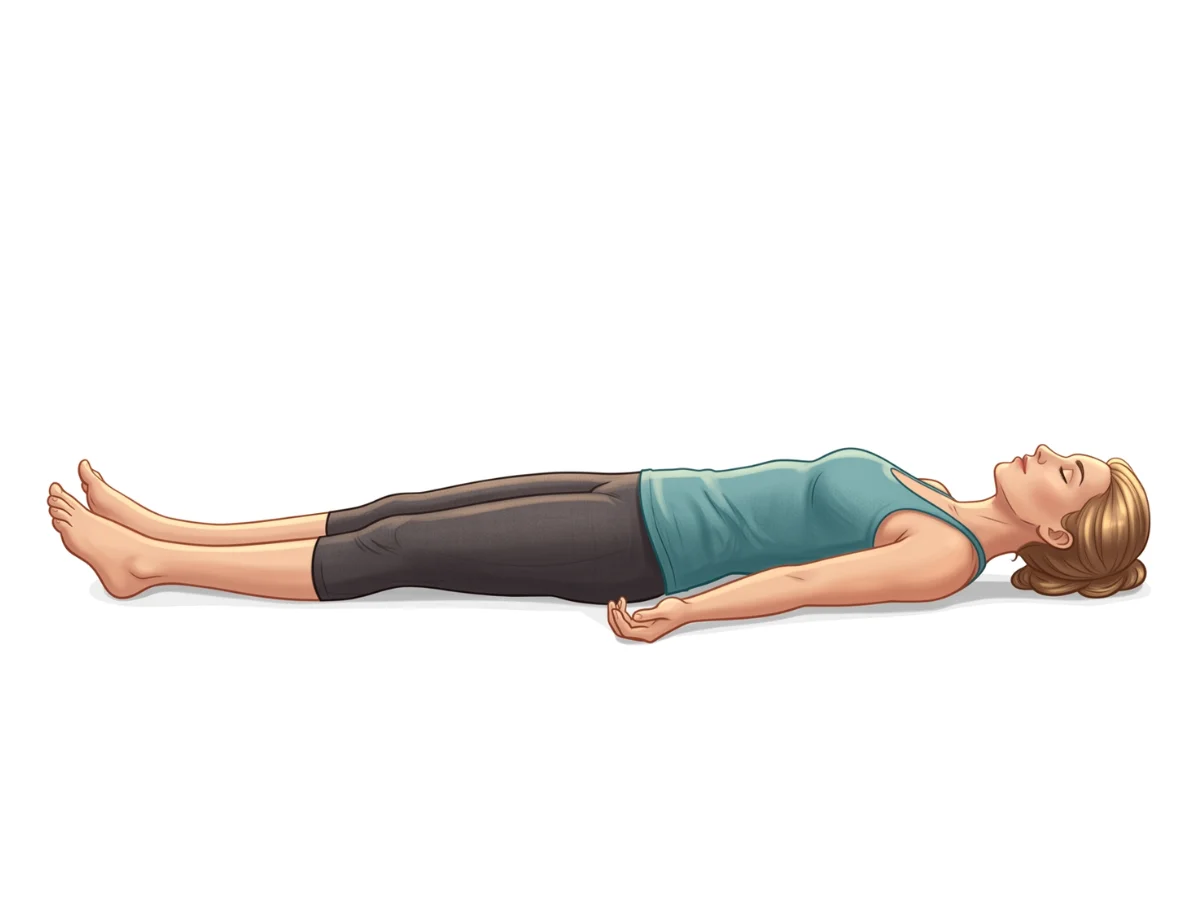
Follow with neutralizing Counter-poses
Frequently Asked Questions
Is it safe to put your leg behind your head?
It is safe only if you have naturally open hips or have spent years carefully developing extreme external hip rotation. If the flexibility is not in the hip, the stress transfers to the fragile knee and neck joints, which is highly dangerous.
How can I stop my neck from hurting in this pose?
Neck pain means the pose is too deep for you right now. Your neck should actually be pressing slightly backward against your calf.
Should I breathe normally?
Yes, though it will be challenging. The abdominal compression makes belly breathing difficult, so you must focus on expanding the ribs sideways and breathing into your upper back.

Elena Rostova is an accredited yoga educator and anatomy specialist with over 15 years of clinical experience. She focuses on functional biomechanics and injury prevention, translating complex anatomy into accessible guidance for safe, sustainable practice.
Read Full ProfileContinue Your Yoga Journey
Ready to deepen your practice? Explore our extensive library of poses, or join a structured program designed to build strength, flexibility, and mindfulness.