
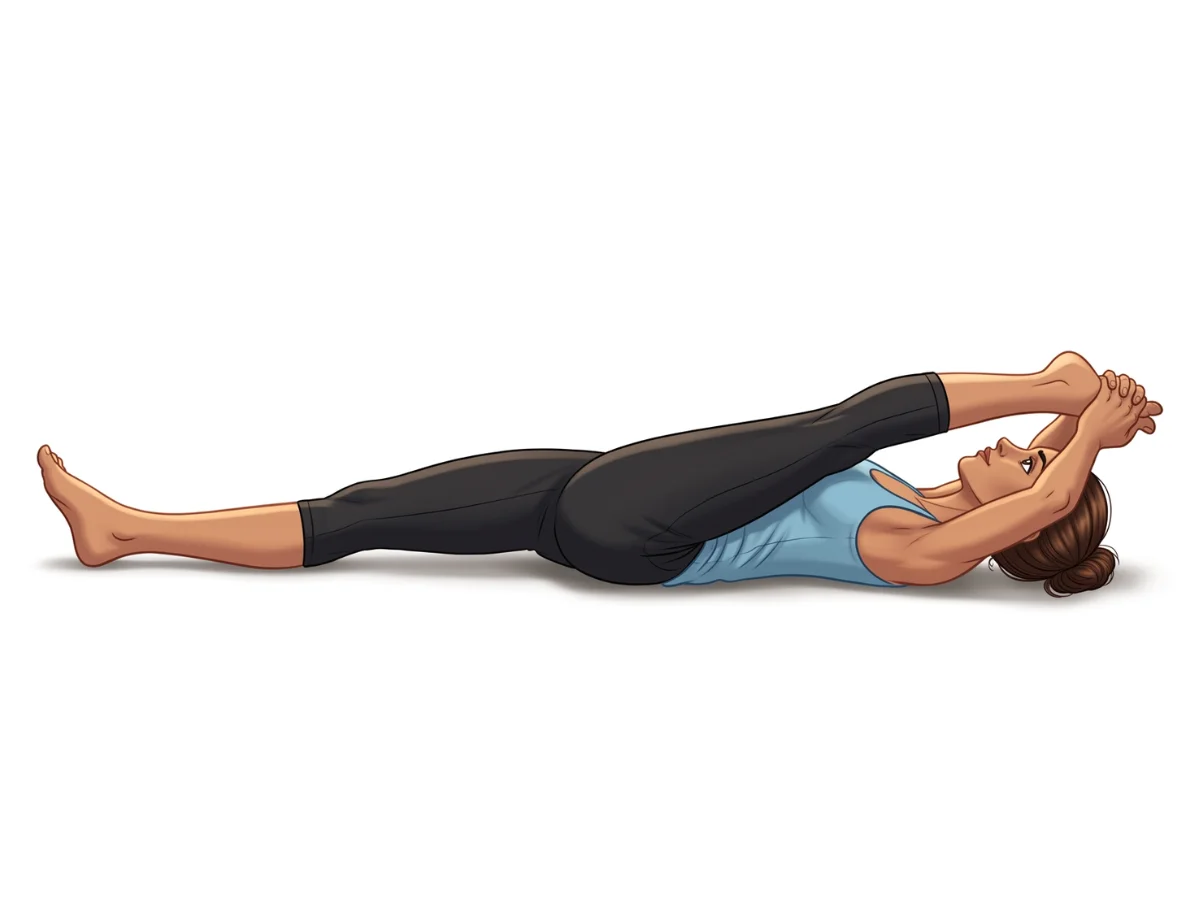
Supine Foot to Head
Supta Trivikramasana
By Elena Rostova Updated: verified Medically Reviewed
Supine Foot to Head Pose (Supta Trivikramasana) is an advanced supine posture that requires profound flexibility in the hamstrings, hips, and lower back. By drawing the extended leg deeply toward the head or even behind it while lying on the back, practitioners intensely stretch the posterior chain while safely supported by the floor.
Hold Time
30�60 sec � 5�10 breaths
Pronunciation
SOOP-tah tree-vih-krah-MAHS-anna
About Supine Foot to Head
Commonly practiced as Supine Foot to Head (Supta Trivikramasana), this dynamic posture is beautifully designed to help unlock tension. As you settle into the shape, it gently works the deep hamstring & hip flexibility to increase your overall flexibility. Ultimately, it is a fantastic pose for maximizes hamstring flexibility, leaving you with a profound sense of grounded energy.
How to Practice
Starting Position
Lie comfortably on your back in Corpse Pose (Savasana), ensuring your spine is neutral and your pelvis is evenly grounded.
Draw the Knee In
Exhale and draw your right knee into your chest, clasping your hands gently around your shin to softly compress the hip joint.
Extend the Leg
Inhale as you straighten your right leg toward the ceiling. Keep your left leg firmly extended and pressed into the mat, foot flexed.
Grip the Foot
Reach up with both hands and interlace your fingers around the sole of your right foot, or hold your ankle/calf if you cannot reach.
Deepen the Stretch
On an exhale, slowly draw your straight right leg down toward your face, aiming to bring your shin or foot toward your forehead.
External Rotation
For the deepest variation, slightly externally rotate the hip and bend the elbows outward, gently coaxing the foot toward the crown of the head or behind the neck.
Ground the Pelvis
Ensure your left hip remains heavy and anchored to the floor. Do not let the pelvis excessively tilt just to bring the leg closer.
Hold and Breathe
Maintain the pose for 5 to 10 deep, steady breaths. Focus on relaxing the hamstrings and softening the jaw with each exhalation.
Release Safely
To exit, inhale as you slowly straighten your arms and release your grip. Bend your knee into your chest, then gently lower the leg back down to Savasana before repeating on the left side.
Practice with the Yoga Timer
Keep track of your hold time and breath count for this pose.
Beginner Modifications & Prop Options
Yoga is a personal journey. These modifications and prop options allow you to adapt the pose to your current level of balance and flexibility, ensuring a safe and supportive practice.
Use a Yoga Strap
Loop a strap over the ball of your foot. Walk your hands up the strap while keeping your shoulders grounded. This allows you to safely stretch without straining the neck or lifting the chest.
Tip: Focus on alignment rather than depth.
Bend the Grounded Leg
Bend your bottom knee and place that foot flat on the floor. This tilts the pelvis slightly posteriorly, reducing strain on the lower back and making the hamstring stretch more accessible.
Tip: Focus on alignment rather than depth.
Soft Knee Bend
Maintain a micro-bend in the stretched leg. Focus on bringing the thigh closer to the chest rather than completely locking out the knee joint.
Tip: Focus on alignment rather than depth.
Benefits of Supine Foot to Head
Maximizes Hamstring Flexibility
Provides an intense, deep stretch to the entire length of the hamstrings, promoting advanced lower body flexibility.
Opens the Hips Profoundly
Stretches the hip extensors and deep gluteal muscles, preparing the body for complex leg-behind-head variations.
Lengthens the Lower Back
Gently lengthens the lumbar spine and paraspinal muscles while safely supported by the floor.
Improves Core Stability
Requires subtle engagement of the abdominals (transversus abdominis) to keep the pelvis grounded during the stretch.
Stimulates Digestion
The deep compression of the thigh against the abdomen massages the ascending and descending colon.
Common Mistakes to Avoid
Mistake: Lifting the Head and Shoulders
How to fix: Keep your head, neck, and shoulder blades resting heavily on the floor. Bring the leg to you, rather than crunching your upper body toward the leg.
Mistake: Lifting the Grounded Hip
How to fix: Actively press the thigh and heel of the resting leg into the mat to anchor your pelvis. The hips should remain level.
Mistake: Forcing the Stretch
How to fix: Never aggressively pull the leg. Hamstrings are prone to tearing; the stretch should be deep but strictly pain-free.
Safety and Precautions
Hamstring Tears or Strains
This intense stretch can severely aggravate existing injuries at the hamstring origin (ischial tuberosity) or belly.
Lower Back Injuries
Severe disc herniations or sciatica can flare up due to the intense nerve tension down the back of the leg.
Hip Labral Tears
The deep flexion and slight rotation required can pinch and inflame a damaged hip joint.
Neck Issues
If you find yourself straining your neck to reach the foot, you risk cervical spine compression. Always use a strap instead.
Late-Stage Pregnancy
Lying flat on the back is contraindicated as it compresses the vena cava.
Medical Disclaimer: If you have any of the above conditions, consult your doctor or a qualified yoga instructor before attempting this pose.
Muscles Worked in Supine Foot to Head
Supine Foot to Head demands synchronized muscular effort, creating a profound sense of engagement and release throughout the body. The activation of the primary muscles supports the structure, while the secondary muscles provide stability and balance.
Primary Muscles
Hamstrings
Undergo profound stretching along the entire back of the raised leg.
Gluteus Maximus
Stretches deeply as the hip is brought into extreme flexion.
Hip Flexors (Grounded Leg)
Stretch as the grounded leg presses actively into the floor.
Secondary Muscles
Biceps and Forearms
Contract isometrically to draw the leg down toward the torso.
Transversus Abdominis
Engages to stabilize the pelvis and prevent rolling.
Erector Spinae
Gently stretches along the length of the grounded back.
Poses to Practice Before and After Supine Foot to Head
Prepare with these Poses
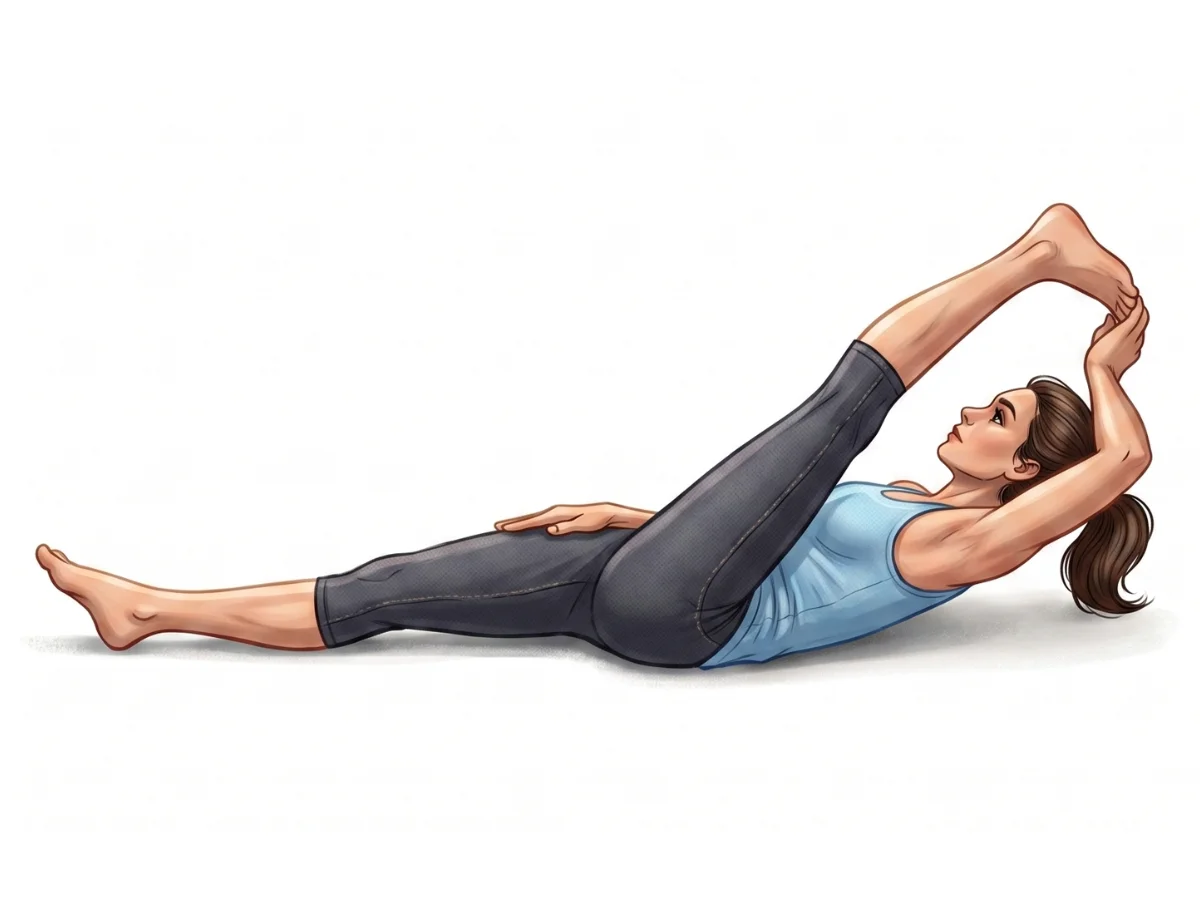
Supine Hand to Big Toe
Supta Padangusthasana AThe fundamental predecessor that safely warms up the hamstrings in a supine position.
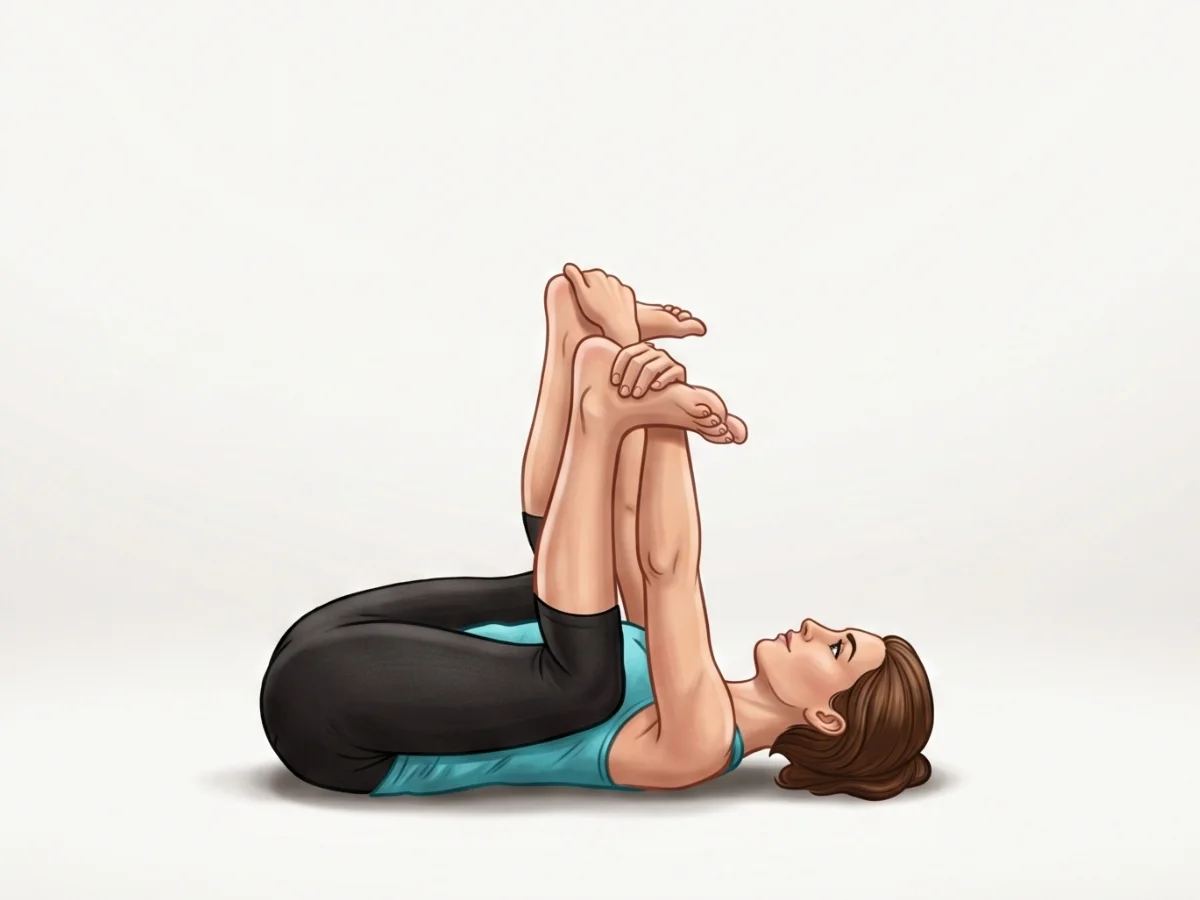
Happy Baby Pose
Ananda BalasanaOpens the hips and stretches the glutes to prepare for deeper flexion.
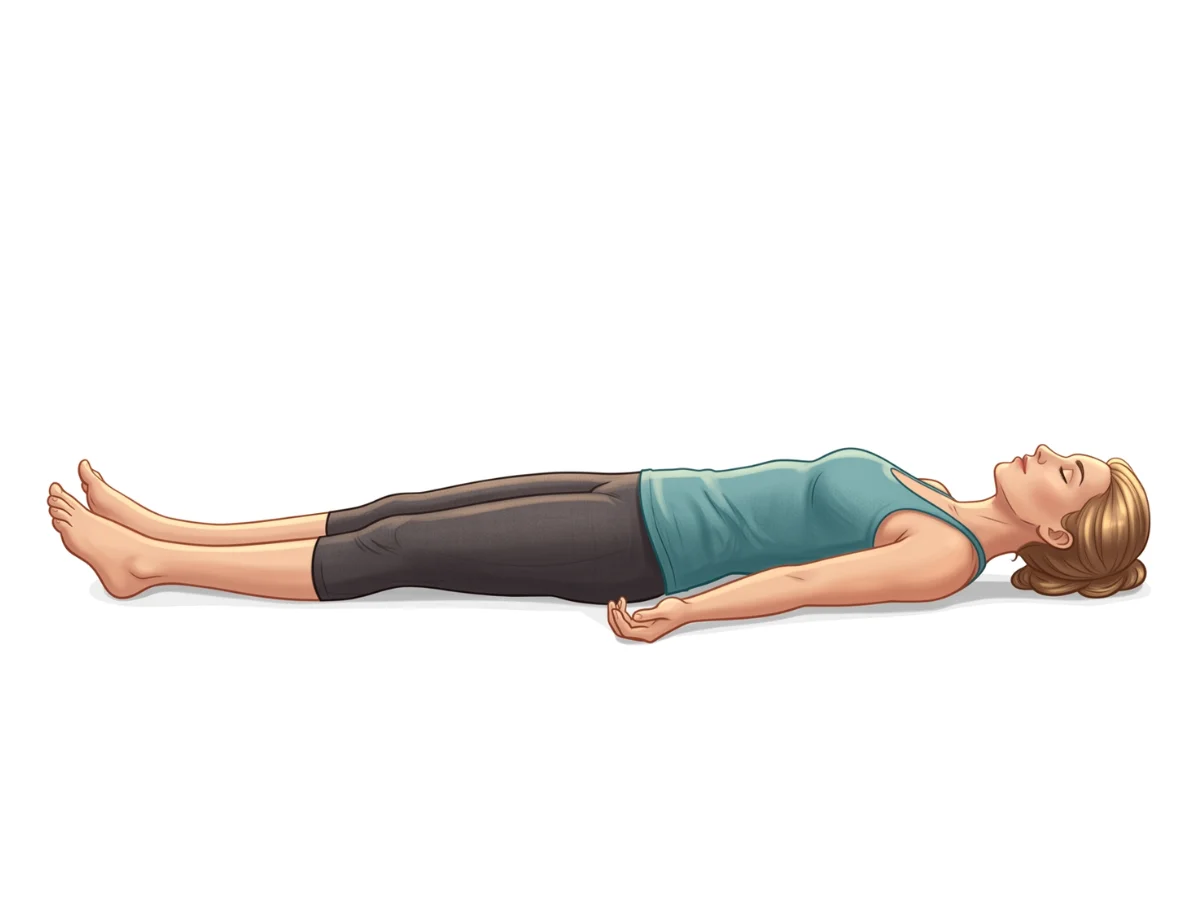
Corpse Pose
SavasanaProvides the foundational alignment and centering necessary before deep stretching.
Follow with neutralizing Counter-poses
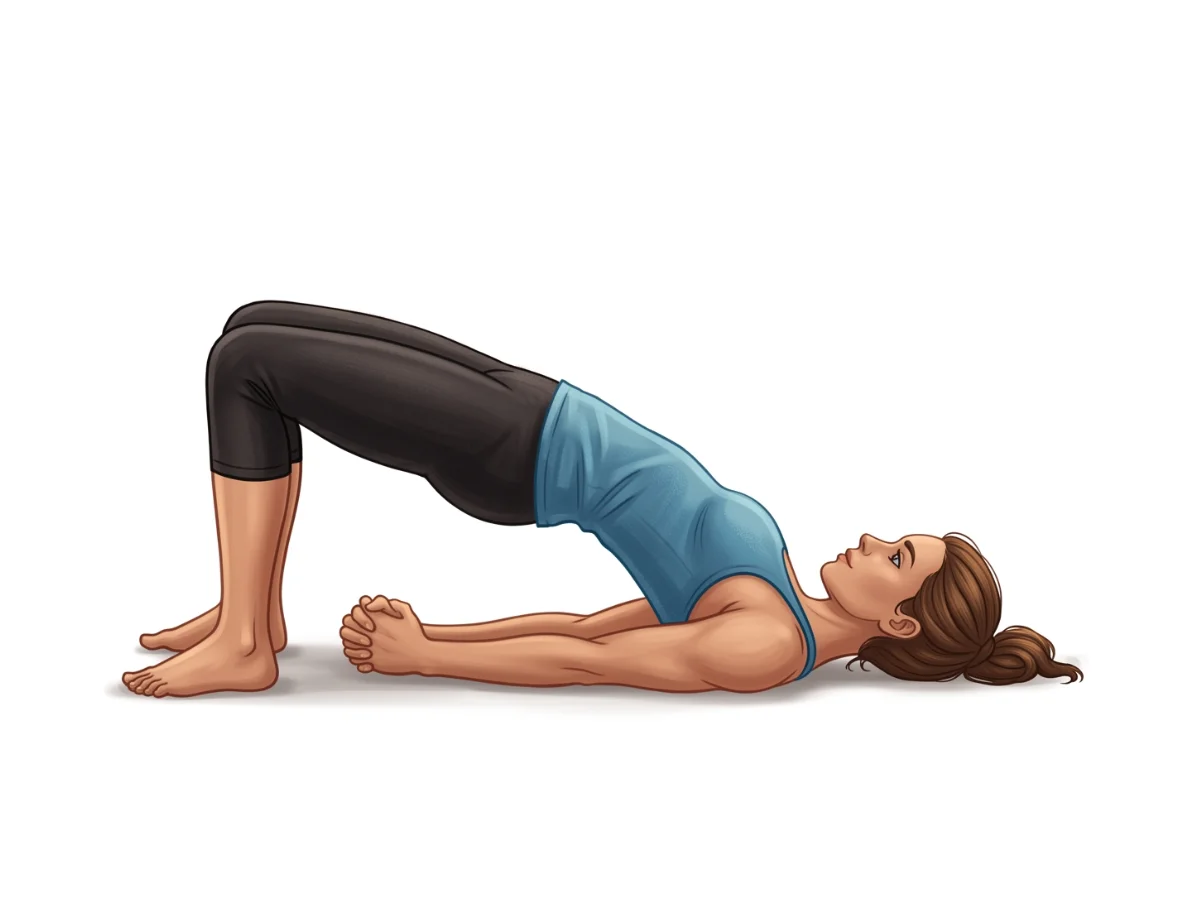
Bridge Pose
Setu BandhasanaEngages the hamstrings and glutes while opening the hip flexors, countering the deep forward fold action.
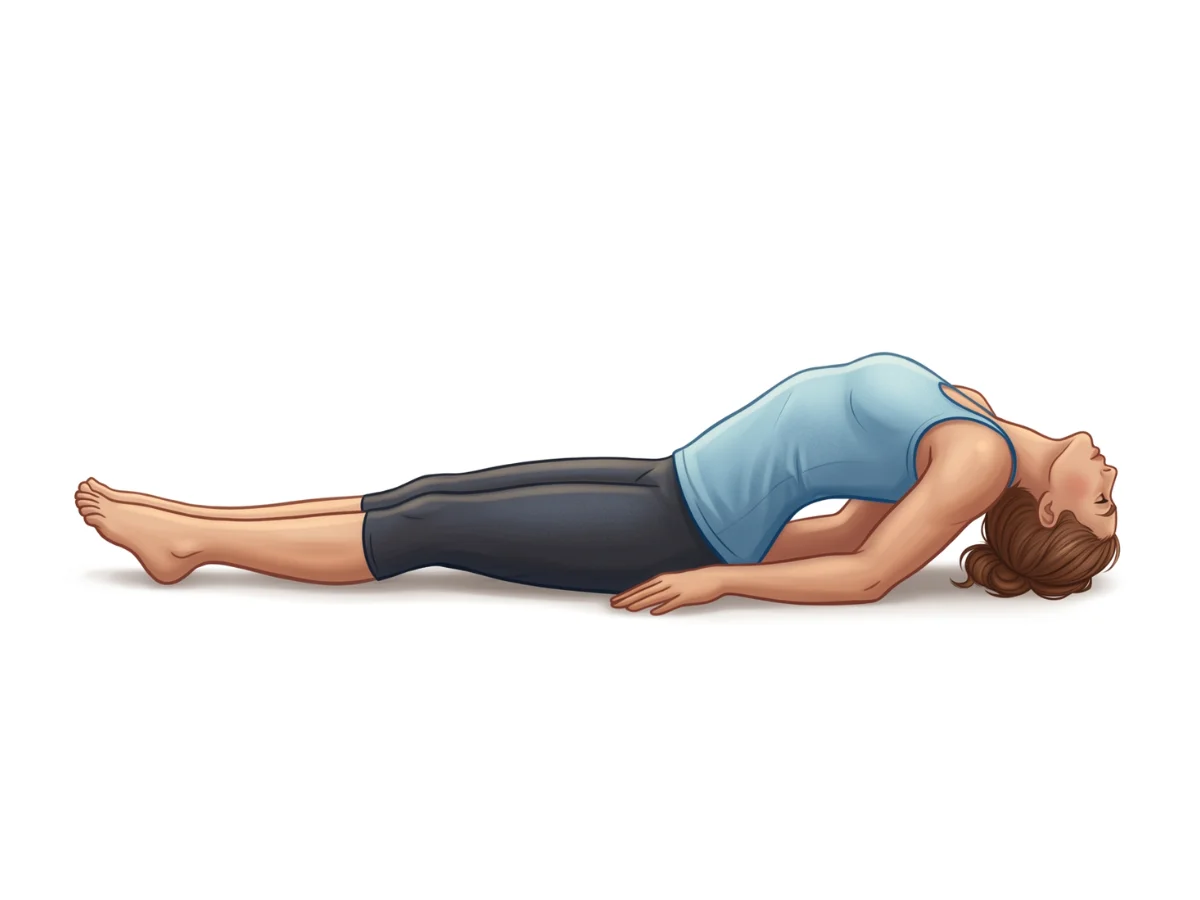
Fish Pose
MatsyasanaGently arches the spine and opens the chest, providing a mild backbend after spinal flexion.
Corpse Pose
SavasanaThe ultimate neutral resting pose to calm the nervous system.
Frequently Asked Questions
How is this different from Supine Hand to Big Toe?
While Supine Hand to Big Toe involves holding the toe with a straight arm vertically, Supine Foot to Head goes much deeper. The elbows bend, and the goal is to bring the foot physically down to the head or face, requiring vastly more flexibility.
Is it normal for my leg to shake?
Mild shaking is a sign of muscular fatigue and the nervous system adjusting to a deep stretch. However, violent trembling means you have pushed too far. Ease up slightly until the breath is calm.
Can I bend my knee slightly?
Yes, maintaining a micro-bend is actually safer for the knee joint and the insertion points of the hamstrings. The primary focus should be the belly of the hamstring muscle, not locking the joint.

Elena Rostova is an accredited yoga educator and anatomy specialist with over 15 years of clinical experience. She focuses on functional biomechanics and injury prevention, translating complex anatomy into accessible guidance for safe, sustainable practice.
Read Full ProfileContinue Your Yoga Journey
Ready to deepen your practice? Explore our extensive library of poses, or join a structured program designed to build strength, flexibility, and mindfulness.