
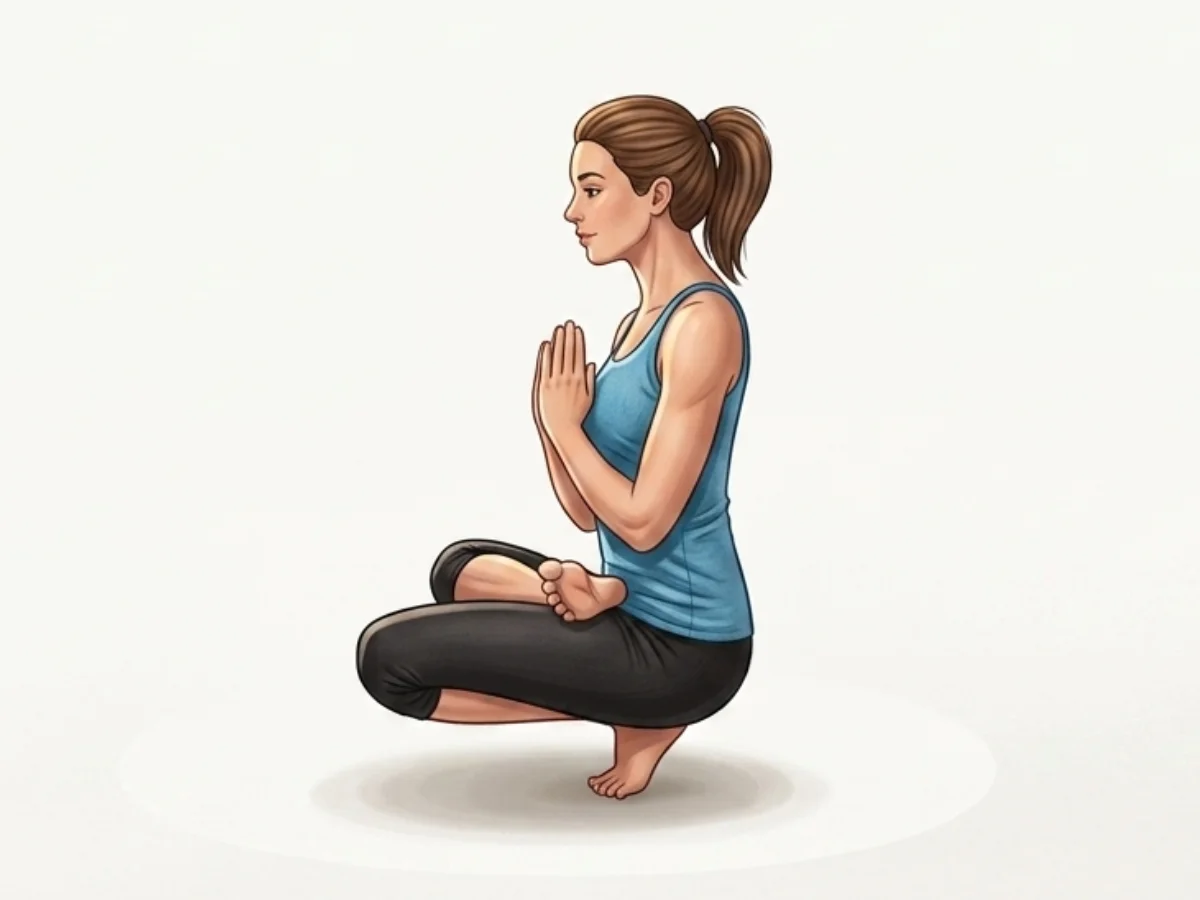
Toe Stand
Prapadasana
By Elena Rostova Updated: verified Medically Reviewed
Toe Stand (Prapadasana) is a challenging balancing squat that demands intense focus, core engagement, and ankle strength. By balancing your entire body weight on the balls of your feet, this pose cultivates deep mental presence while fortifying the lower extremities and opening the hips.
Hold Time
30–60 sec · 5–10 breaths
Pronunciation
prah-pah-DAHS-anna
About Toe Stand
Commonly practiced as Toe Stand (Prapadasana), this dynamic posture is beautifully designed to help unlock tension. As you settle into the shape, it gently works the ankle strength & balance to increase your overall flexibility. Practicing this pose regularly helps with strengthens feet & ankles and leaves you feeling completely refreshed.
How to Practice
Mountain Foundation
Begin standing tall in Mountain Pose (Tadasana) at the center of your mat, bringing your feet parallel and hip-width apart for a stable foundation.
Rise to Toes
Inhale deeply as you shift your weight forward into the balls of your feet, lifting your heels high off the mat. Engage your core for stability.
Controlled Descent
Exhale slowly and begin to bend your knees, lowering your hips straight down toward your heels while keeping your spine long and shoulders over your hips.
Find the Balance Point
Continue descending until your hips hover just above your lifted heels. Your thighs should be parallel to the mat, with your knees pointing straight forward.
Core and Spine Alignment
Draw your navel toward your spine to support your lower back. Actively lengthen your tailbone down to avoid excessive arching in the lumbar spine.
Arm Placement
Once you feel stable, bring your hands to your heart center in prayer position (Anjali Mudra). Keep your elbows lifted and collarbones broad.
Focal Point (Drishti)
Fix your gaze softly on an unmoving point straight ahead or slightly downward to help anchor your physical and mental balance.
Hold and Breathe
Maintain this balancing squat for 5 to 10 steady, deep nasal breaths. Actively hug your inner thighs together to cultivate centerline strength.
Upward Ascent
To exit the pose safely, inhale as you press firmly into the balls of your feet. Engage your quadriceps and glutes to slowly rise back to standing, keeping your heels lifted.
Grounding Release
Exhale to gently lower your heels back to the earth, returning your arms to your sides in Mountain Pose to recalibrate.
Practice with the Yoga Timer
Keep track of your hold time and breath count for this pose.
Beginner Modifications & Prop Options
Yoga is a personal journey. These modifications and prop options allow you to adapt the pose to your current level of balance and flexibility, ensuring a safe and supportive practice.
Wall Support
Practice the pose facing a wall, lightly resting your fingertips against it. This provides immediate physical feedback and security while you build the necessary stabilizing muscles.
Tip: Focus on alignment rather than depth.
Blocks Under Hands
Place two yoga blocks on their highest setting on either side of your hips. Lightly rest your hands on the blocks to help control your descent and assist with balance in the hold.
Tip: Focus on alignment rather than depth.
Half Descent (High Tiptoe Squat)
Only lower your hips halfway down, keeping the thighs at a 45-degree angle rather than parallel to the floor. This significantly reduces the load on both the knees and ankles.
Tip: Focus on alignment rather than depth.
Benefits of Toe Stand
Strengthens Feet & Ankles
Bearing weight on the toes intensely strengthens the arches, metatarsals, and stabilizing ligaments of the ankles.
Engages Core Stabilizers
Maintaining an upright spine while balancing requires continuous activation of the transversus abdominis and pelvic floor.
Cultivates Deep Focus
The precarious nature of balancing on the toes demands single-pointed concentration (Dharana), effectively quieting the mind.
Tones Calves & Thighs
The eccentric and isometric contraction required to lower and hold the squat significantly builds endurance in the lower legs and quadriceps.
Enhances Postural Awareness
Aligning the shoulders over the hips without the support of the heels trains the nervous system for better overall postural alignment.
Common Mistakes to Avoid
Mistake: Leaning the Torso Forward
How to fix: Keep your shoulders stacked directly above your hips and gaze straight ahead, engaging your core to lift upright.
Mistake: Letting Ankles Splay Outward
How to fix: Actively squeeze your ankles and inner heels toward each other, keeping your weight centered over the second and third toes.
Mistake: Holding the Breath
How to fix: Prioritize smooth, steady Ujjayi breaths. If you cannot breathe deeply, ease out of the depth of the squat slightly.
Safety and Precautions
Acute Knee Injuries
Deep squats place significant compressive force on the patella and meniscus; avoid if experiencing knee pain.
Recent Ankle Sprains
Balancing the entire body weight on the toes can overstretch healing ligaments and destabilize the joint.
Plantar Fasciitis
The extreme extension of the toes and stretching of the sole can aggravate acute plantar fascia inflammation.
Vertigo or Inner Ear Issues
Balancing poses with a small foundation can quickly trigger dizziness or a loss of spatial orientation.
Arthritis in Feet or Toes
The intense load on the metatarsophalangeal joints may cause pain during flare-ups.
Medical Disclaimer: If you have any of the above conditions, consult your doctor or a qualified yoga instructor before attempting this pose.
Muscles Worked in Toe Stand
Toe Stand demands synchronized muscular effort, creating a profound sense of engagement and release throughout the body. The activation of the primary muscles supports the structure, while the secondary muscles provide stability and balance.
Primary Muscles
Gastrocnemius & Soleus
Work intensely to hold the heels elevated in deep plantar flexion.
Quadriceps
Engage eccentrically during descent and isometrically to hold the squat.
Tibialis Posterior
Crucial for stabilizing the ankle and preventing the arch from collapsing.
Secondary Muscles
Transversus Abdominis
Provides deep core stabilization to maintain an upright torso.
Gluteus Medius
Assists in keeping the pelvis level and hips stable over the small base.
Flexor Digitorum Longus
Engages to grip the floor and stabilize the body through the toes.
Poses to Practice Before and After Toe Stand
Prepare with these Poses
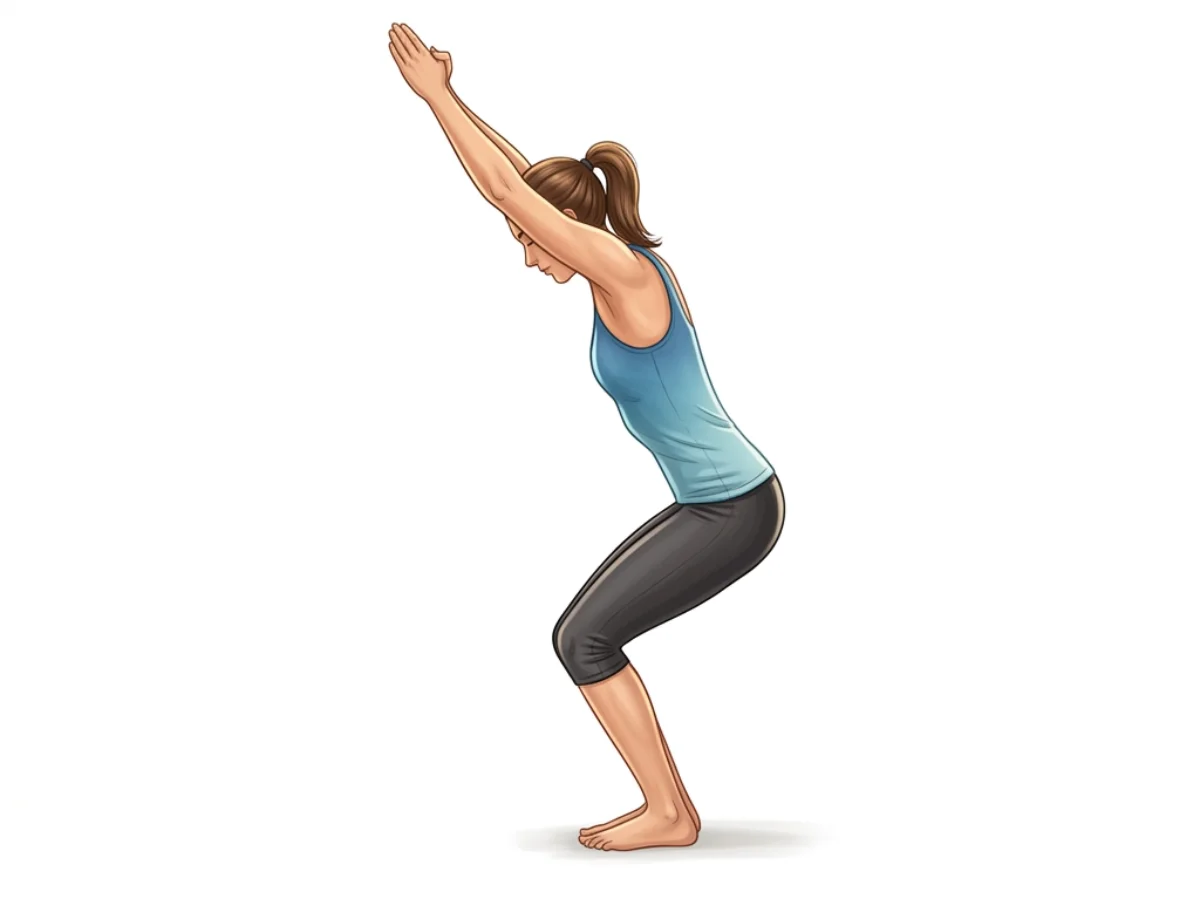
Chair Pose
UtkatasanaBuilds the foundational quadricep strength and core stability required for deeper squats.
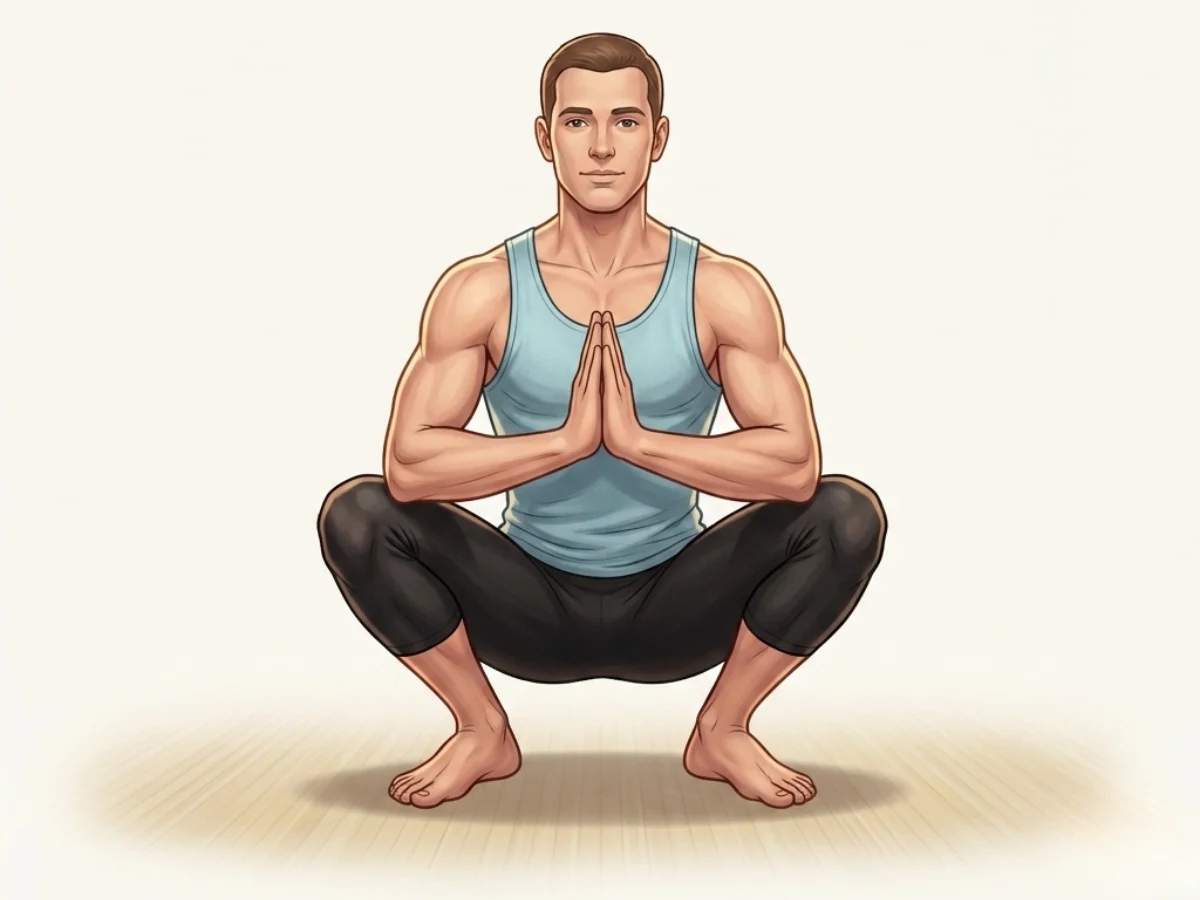
Garland Pose
MalasanaOpens the hips and familiarizes the body with deep, grounded squatting mechanics.
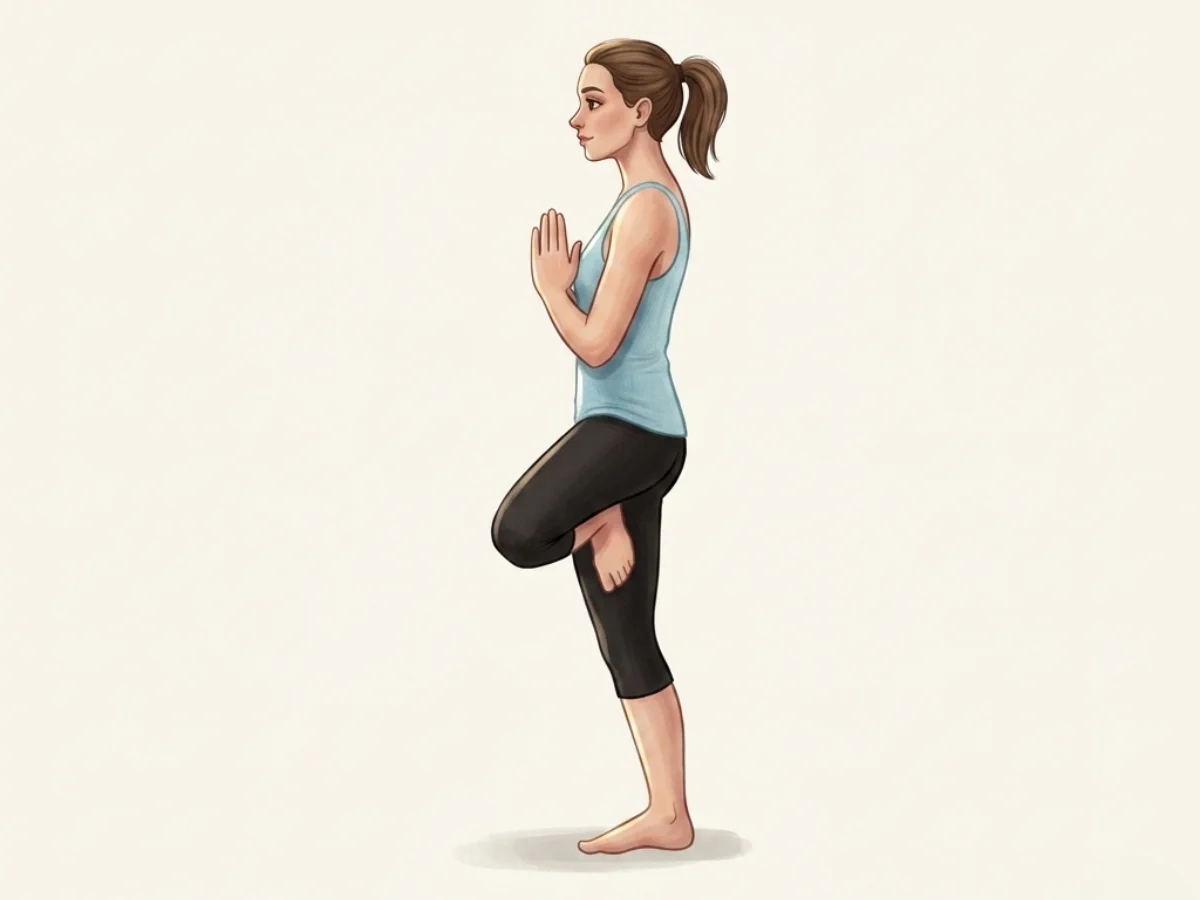
Tree Pose
VrksasanaDevelops single-leg balance and mental focus needed for more precarious balancing postures.
Follow with neutralizing Counter-poses
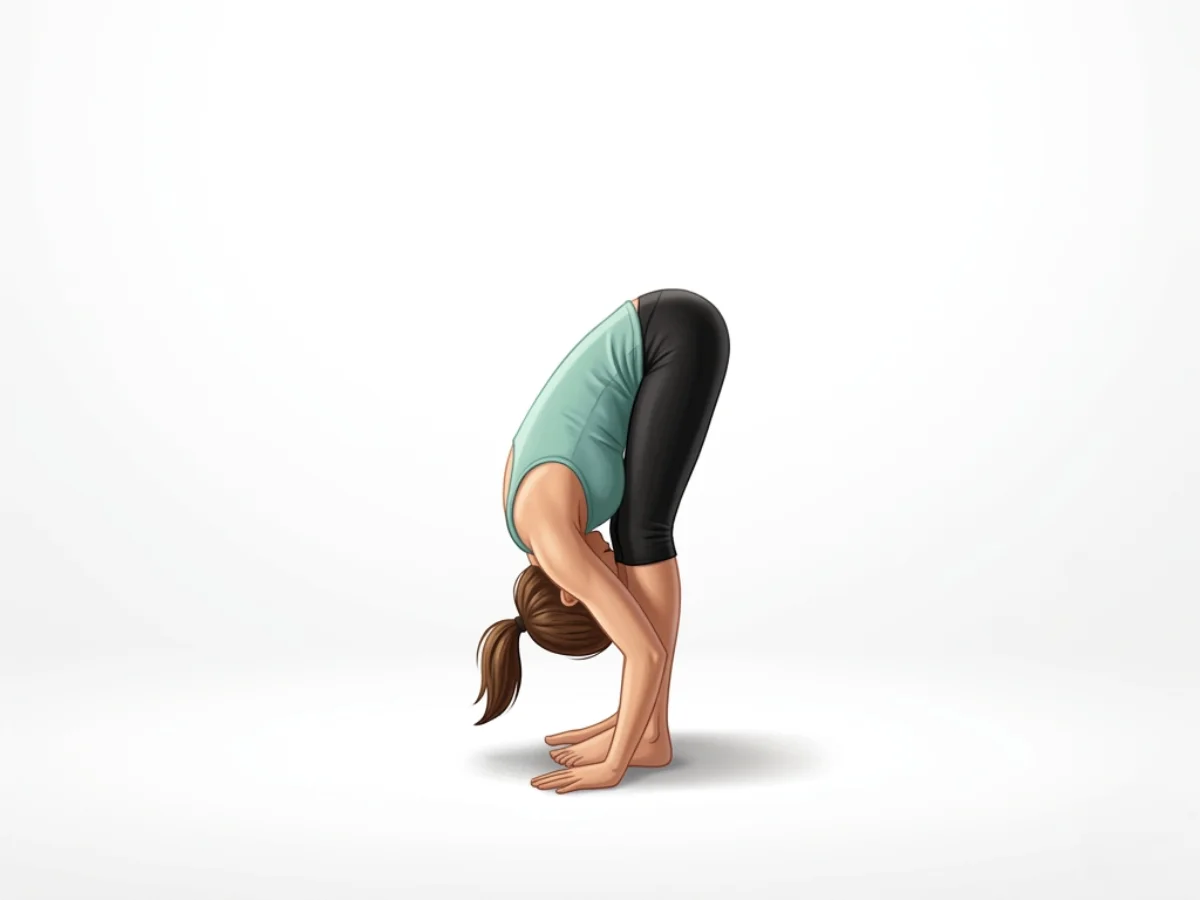
Standing Forward Bend
UttanasanaReleases tension in the calves and hamstrings while resting the balancing muscles.
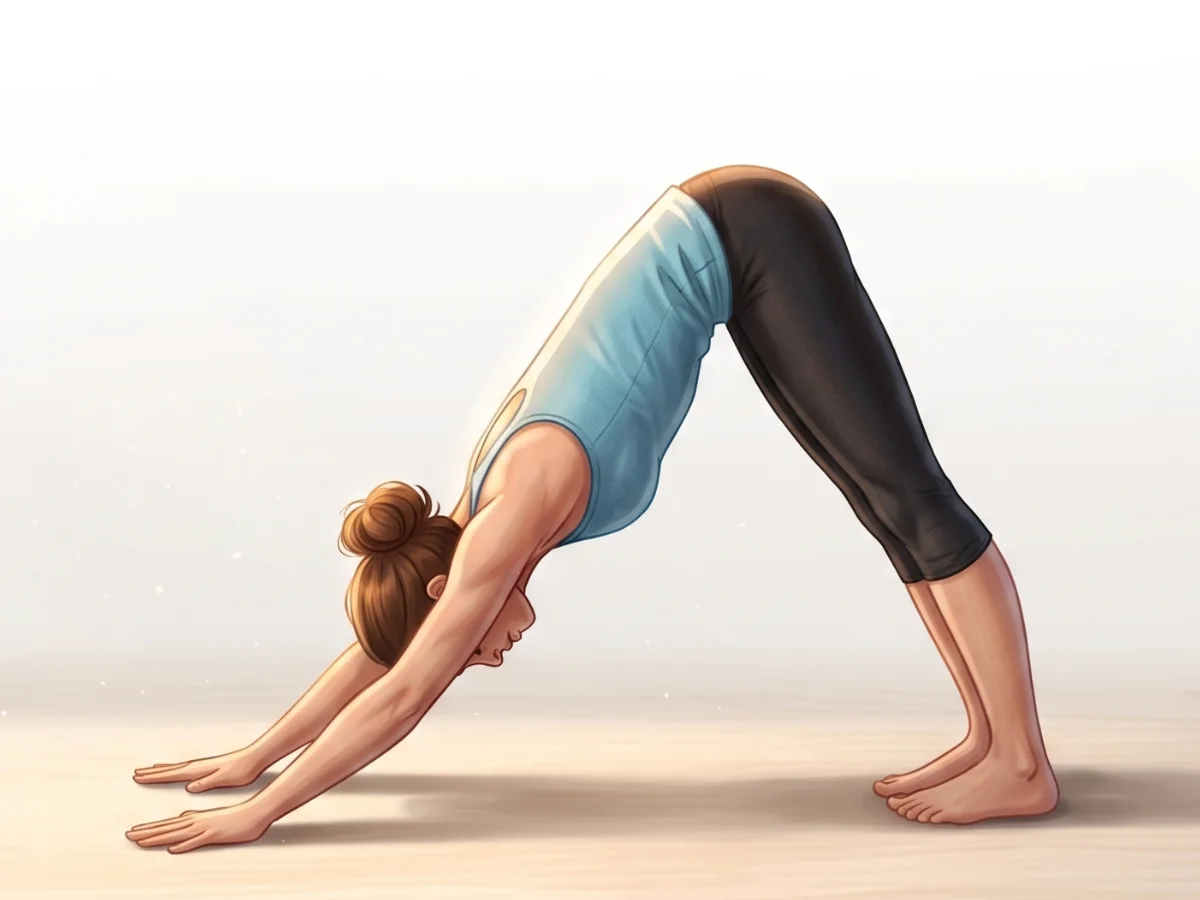
Downward-Facing Dog
Adho Mukha SvanasanaDeeply stretches the Achilles tendons and calves to counter the intense plantar flexion.
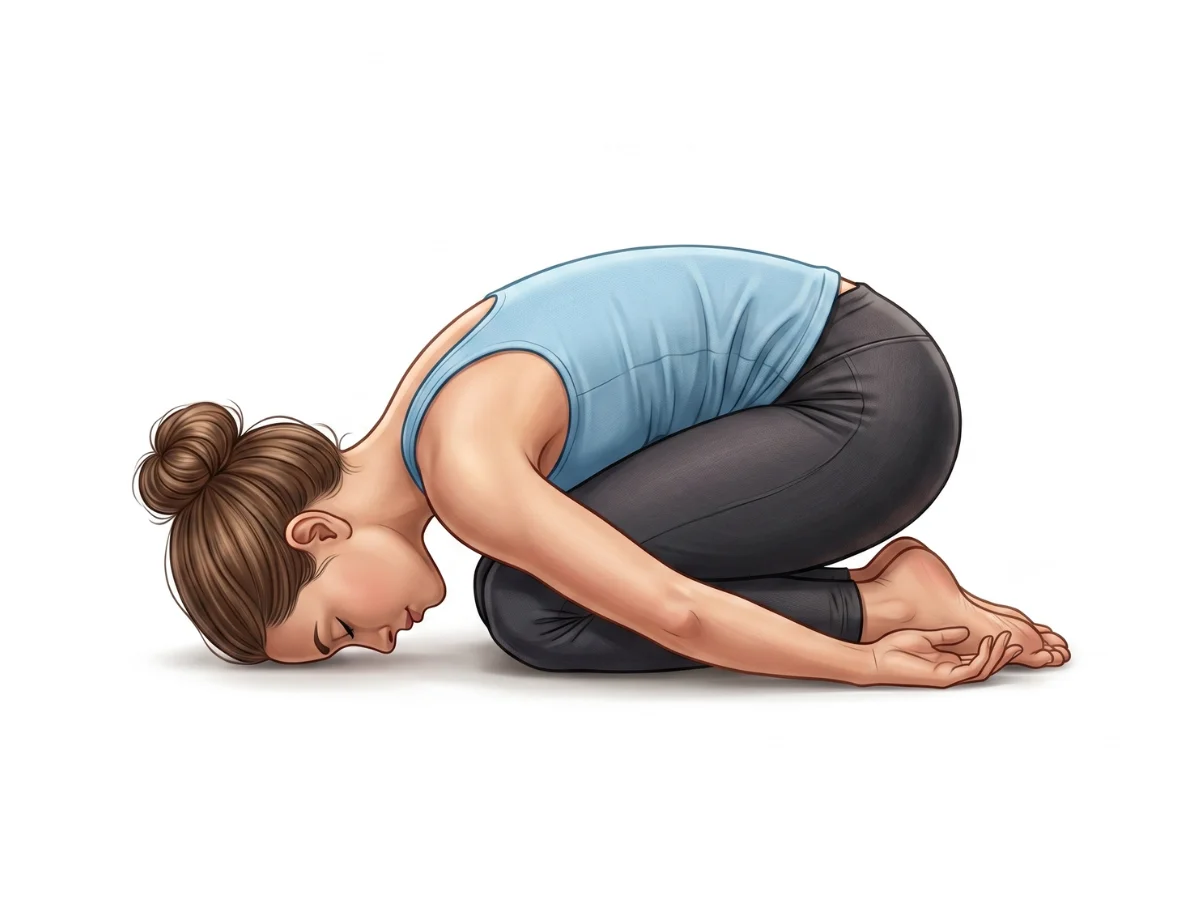
Child's Pose
BalasanaAllows the lower body, ankles, and central nervous system to rest completely.
Frequently Asked Questions
How can I keep my balance in Toe Stand?
Balance in this pose comes from a combination of core strength and focal point (Drishti). Actively pull your navel toward your spine, squeeze your inner thighs together, and lock your eyes on a single, unmoving point directly in front of you.
Why do my ankles wobble so much?
Ankle wobbling is very common and simply means your stabilizer muscles (like the tibialis posterior and peroneals) are working hard and getting stronger. Practicing near a wall for light support can help your muscles build endurance without the fear of falling.
Can I practice Toe Stand if I have flat feet?
Yes, it can actually be highly beneficial. Toe Stand actively engages and strengthens the muscles of the foot and lower leg that support the arch, potentially improving flat feet over time.
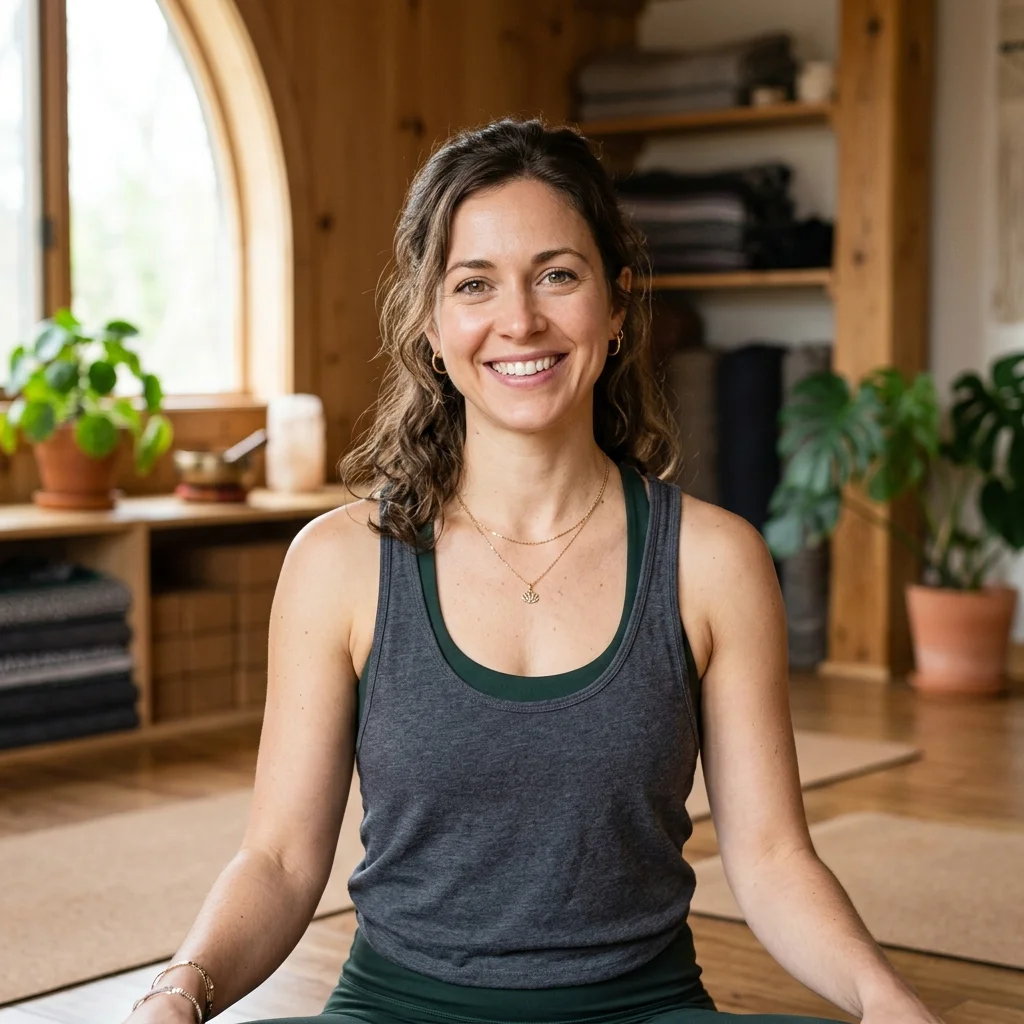
Elena Rostova is an accredited yoga educator and anatomy specialist with over 15 years of clinical experience. She focuses on functional biomechanics and injury prevention, translating complex anatomy into accessible guidance for safe, sustainable practice.
Read Full ProfileContinue Your Yoga Journey
Ready to deepen your practice? Explore our extensive library of poses, or join a structured program designed to build strength, flexibility, and mindfulness.