
Wide Legged Forward Bend II
Prasarita Padottanasana B
By Elena Rostova Updated: verified Medically Reviewed
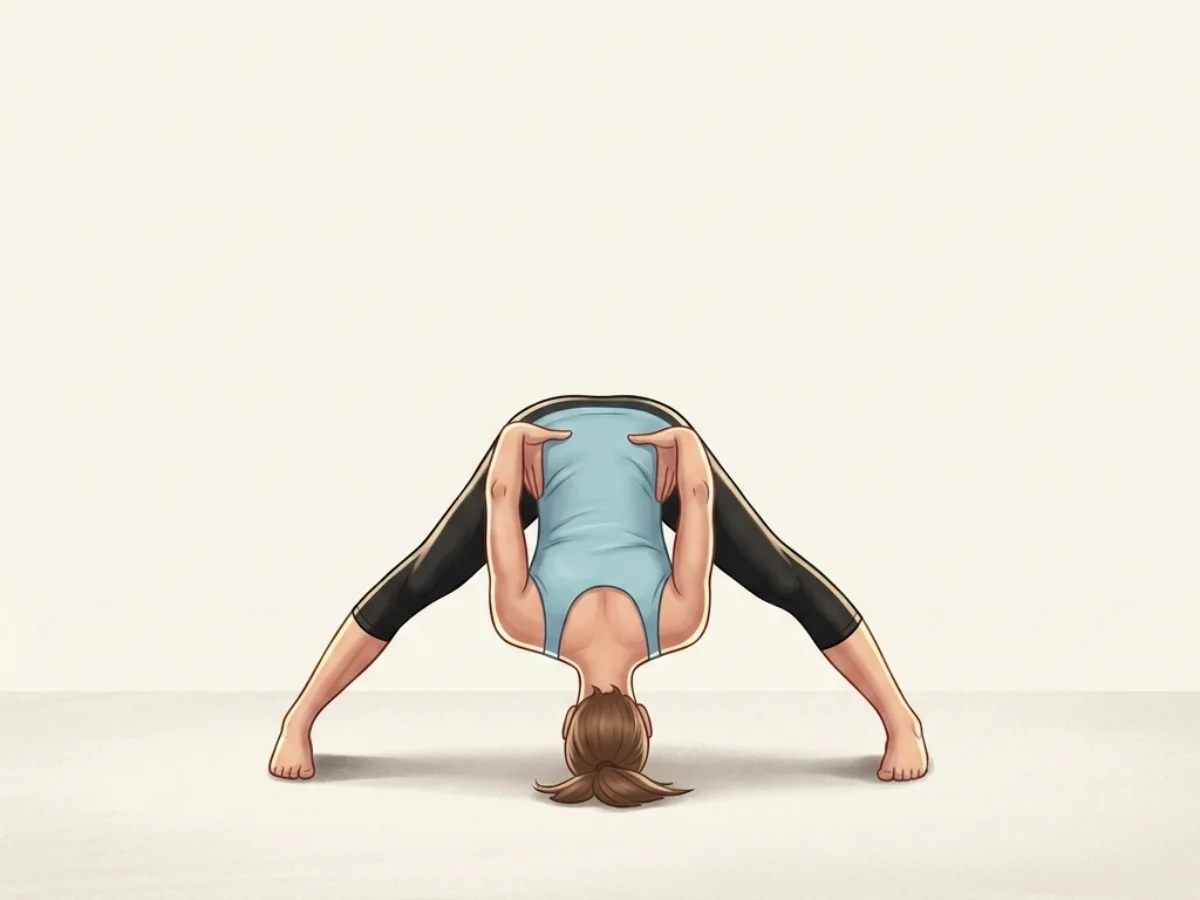
Wide Legged Forward Bend II (Prasarita Padottanasana B) elevates the challenge of the standard wide-legged fold by keeping the hands securely on the hips throughout the entire movement. By removing the support of the arms on the floor, this variation forces the core and back muscles to work intensely against gravity to control the descent and ascent.
Hold Time
30–60 sec · 5–10 breaths
Pronunciation
prah-sah-REE-tah pah-doh-tahn-AHS-anna bee
About Wide Legged Forward Bend II
Often praised by experienced instructors, Wide Legged Forward Bend II (Prasarita Padottanasana B) acts as a powerful tool for finding balance and realignment. By gently focusing on hamstring stretch & core strength, it actively stretches your muscles and builds heat. Consistent practice will actively assist in strengthens core and back, helping you feel lighter and more balanced off the mat.
How to Practice
Establish Your Stance
Stand facing the long edge of your yoga mat. Step your feet 3 to 4 feet apart with the outer edges parallel or your big toes turned slightly inward.
Hands on Hips
Place your hands firmly on your hips, wrapping your fingers around the front of the pelvis and your thumbs around the back. Keep them here for the entire pose.
Inhale to Lift
Press firmly into the floor with both feet. Inhale deeply to lift your chest, roll your shoulders back, and lengthen your spine toward the ceiling.
Hinge Forward
Exhale slowly as you hinge forward strictly from your hip creases. Keep your torso long and avoid letting your upper back round.
Engage the Core
Because your hands are not on the floor to catch your weight, draw your navel toward your spine to engage the abdominals and protect your lower back.
Draw Elbows Back
As you fold deeper, actively draw your elbows slightly backward toward each other to keep your chest broad and your collarbones open.
Crown to Floor
Allow the crown of your head to release down toward the mat, gazing softly at the floor between your legs or slightly behind you.
Hold the Pose
Hold this position for 5 to 10 deep breaths. Continuously press into the outer edges of your feet and keep your kneecaps lifted to support the stretch.
Prepare to Rise
On a strong inhale, press actively down through both feet. Engage your core and glutes simultaneously to lift your torso back up in one straight, fluid motion.
Return to Center
Exhale fully at the top. Release your hands and step or hop your feet back together to return to Mountain Pose (Tadasana).
Practice with the Yoga Timer
Keep track of your hold time and breath count for this pose.
Beginner Modifications & Prop Options
Yoga is a personal journey. These modifications and prop options allow you to adapt the pose to your current level of balance and flexibility, ensuring a safe and supportive practice.
Slight Knee Bend
Keep a slight, intentional bend in both knees as you fold if hamstrings are very tight or if holding hips causes lower back pulling.
Tip: Focus on alignment rather than depth.
Halfway Fold
Hinge forward only until your torso is parallel to the floor. Hold here to build back and core strength safely.
Tip: Focus on alignment rather than depth.
Revert to Variation I
Release your hands from your hips down to the floor or onto blocks if you feel unstable or the stretch becomes too intense.
Tip: Focus on alignment rather than depth.
Benefits of Wide Legged Forward Bend II
Strengthens Core and Back
Holding the torso suspended without arm support builds profound strength in the abdominal wall and the erector spinae muscles of the back.
Deep Hamstring Stretch
Provides an intense stretch for the hamstrings and calves, promoting flexibility in the entire posterior chain of the legs.
Improves Balance and Body Awareness
Removing hand support requires greater proprioception and balance, teaching the body how to distribute weight evenly across the feet.
Opens the Chest
Keeping the hands on the hips and the elbows drawn back prevents the shoulders from collapsing, subtly opening the chest.
Tones the Legs
The quadriceps and inner thighs must work overtime to stabilize the lower body while the upper body folds forward.
Common Mistakes to Avoid
Mistake: Rounding the Back
How to fix: Keep the chest broad, the shoulders rolling back, and hinge exclusively from the hips.
Mistake: Relaxing the Legs
How to fix: Actively lift the kneecaps to engage the quadriceps throughout the entire duration of the pose.
Mistake: Letting Elbows Drop Forward
How to fix: Energetically squeeze the elbows gently toward each other behind your back.
Safety and Precautions
Severe Lower Back Pain or Herniations
The lack of hand support places a high load on the lower back; those with injuries should practice with hands on the floor or blocks instead.
High or Low Blood Pressure
The head drops significantly below the heart, which can cause dizziness when rising back up.
Recent Hamstring Tears
The active, intense nature of this stretch can aggravate healing tissue in the posterior legs.
Pregnancy
Balance changes and the hormone relaxin make unsupported deep folds riskier. Pregnant students should keep hands on the floor for stability.
Medical Disclaimer: If you have any of the above conditions, consult your doctor or a qualified yoga instructor before attempting this pose.
Muscles Worked in Wide Legged Forward Bend II
Wide Legged Forward Bend II demands synchronized muscular effort, creating a profound sense of engagement and release throughout the body. The activation of the primary muscles supports the structure, while the secondary muscles provide stability and balance.
Primary Muscles
Hamstrings
Provide flexibility to allow the deep forward hinge.
Erector Spinae
Work eccentrically to lower the torso and concentrically to lift it back up safely.
Rectus Abdominis
Engages intensely to support the lower back without arm assistance.
Secondary Muscles
Quadriceps
Contract to keep the knees straight and protect the hamstrings from overstretching.
Rhomboids
Contract slightly to keep the shoulder blades drawn back and chest open.
Gluteus Maximus
Fires strongly to pull the torso back to an upright position.
Poses to Practice Before and After Wide Legged Forward Bend II
Prepare with these Poses
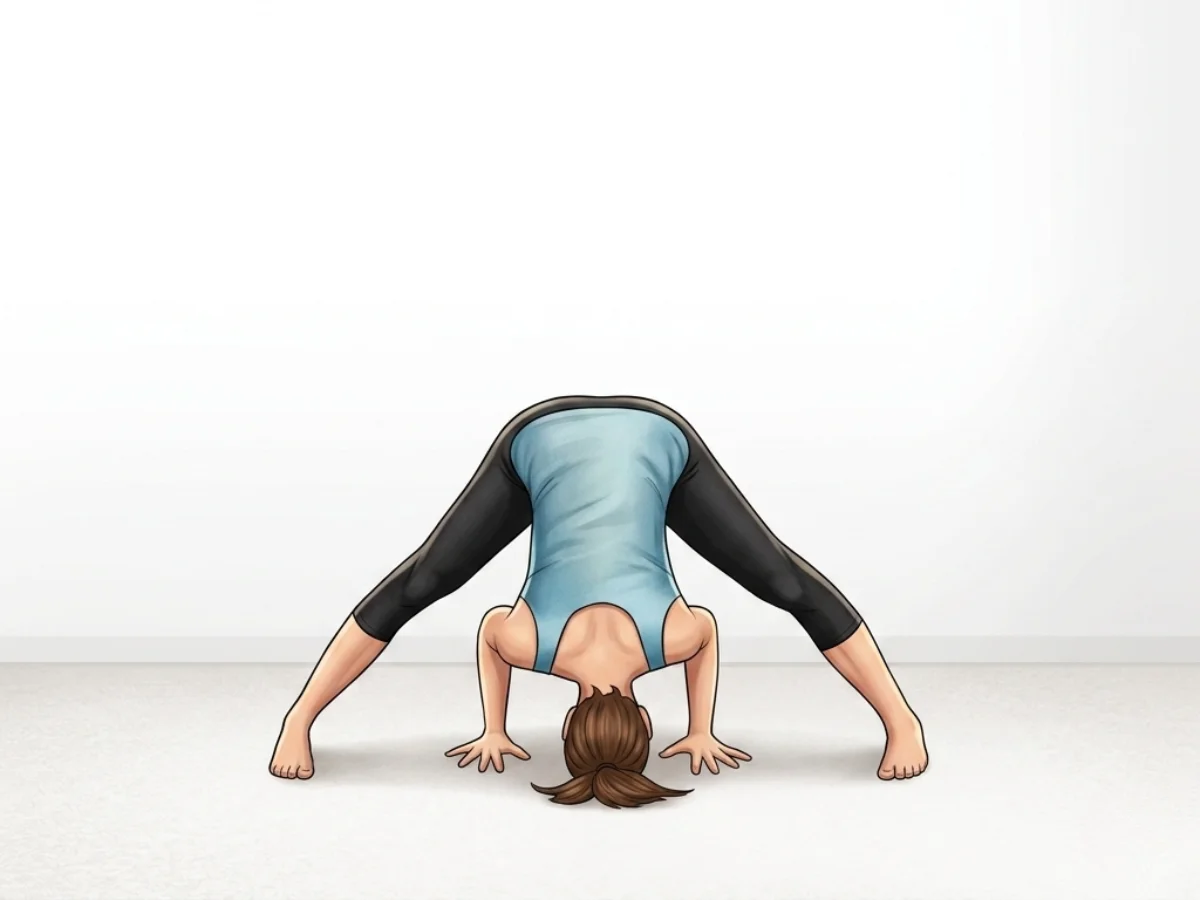
Wide Legged Forward Bend I
Prasarita Padottanasana APrepares the hamstrings for the deep stretch while offering the safety of hand support.
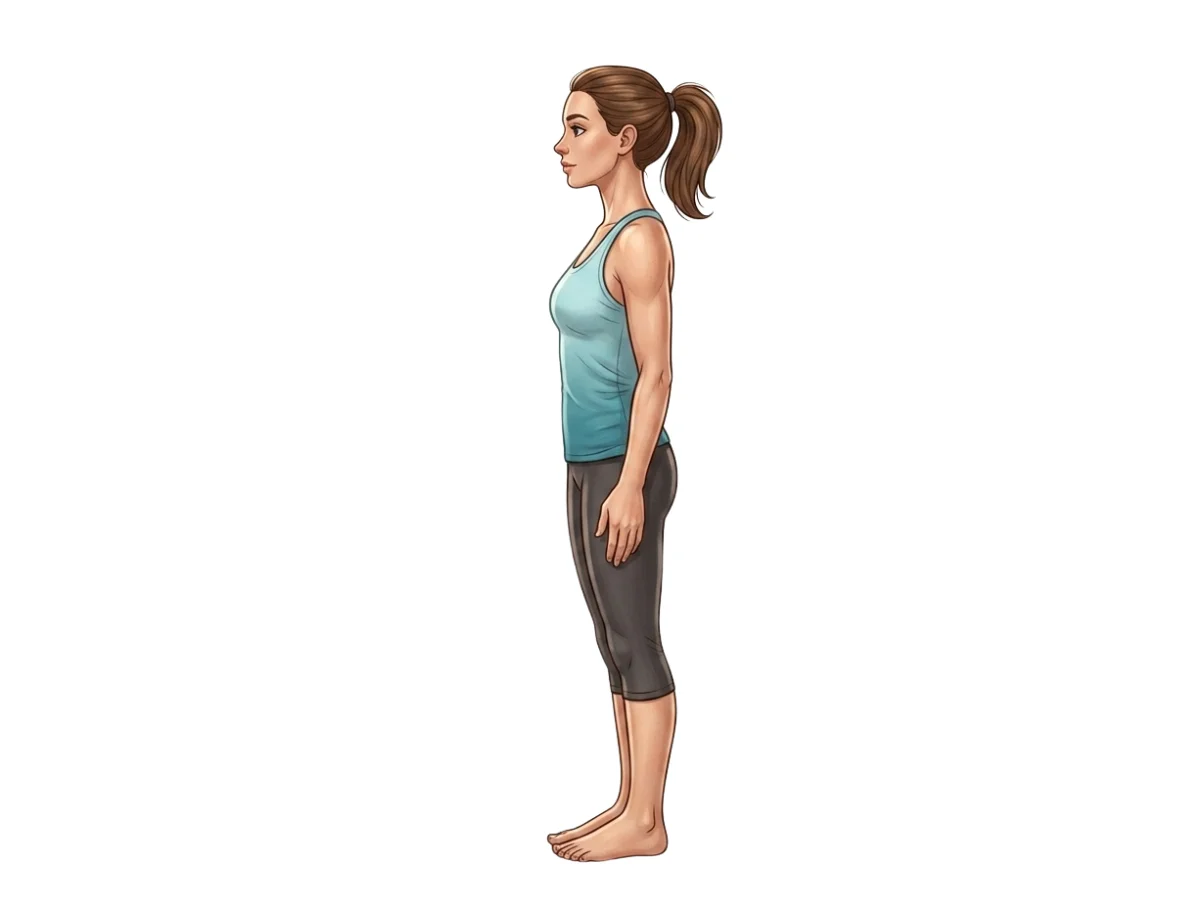
Mountain Pose
TadasanaEstablishes the core engagement and spinal length needed for a safe, unsupported fold.
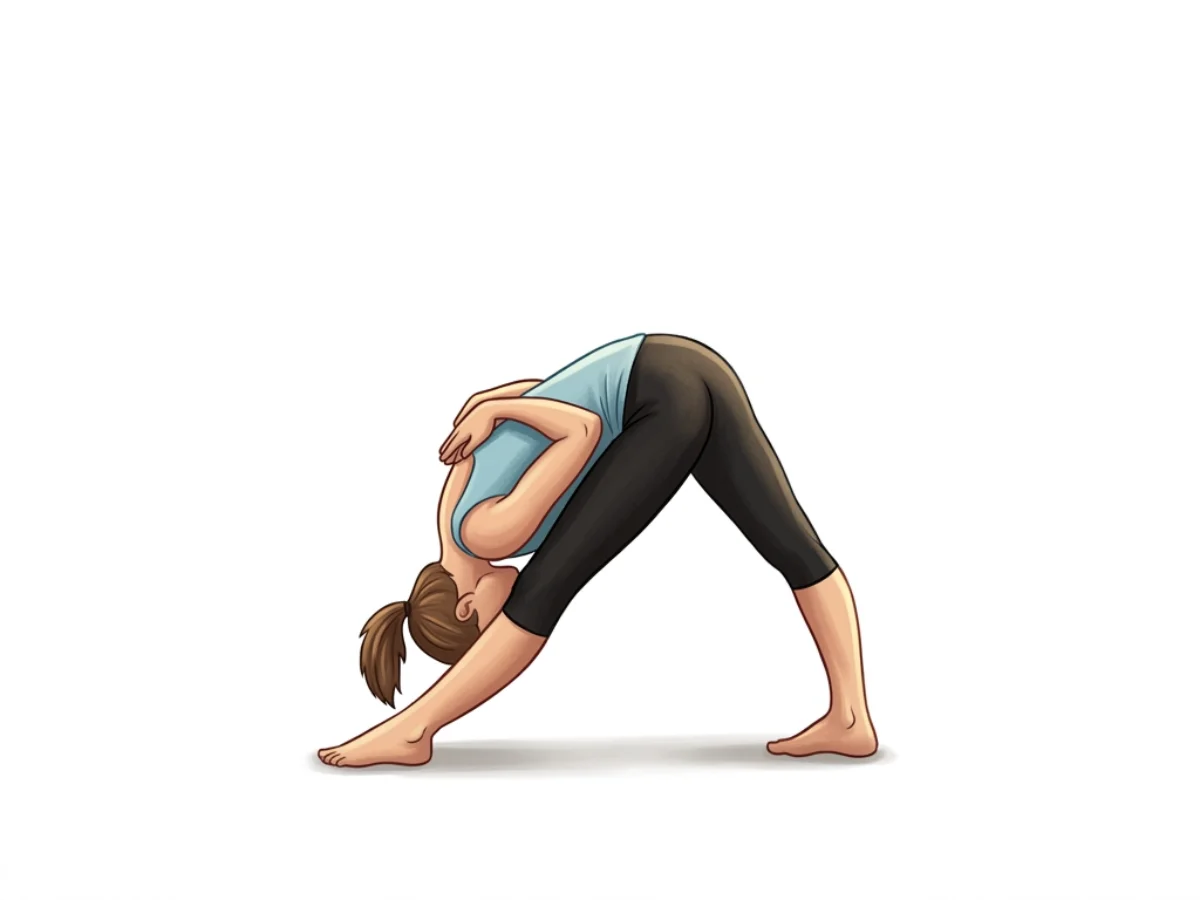
Pyramid Pose
ParsvottanasanaBuilds intense hamstring flexibility and core balance in a split-stance forward fold.
Follow with neutralizing Counter-poses
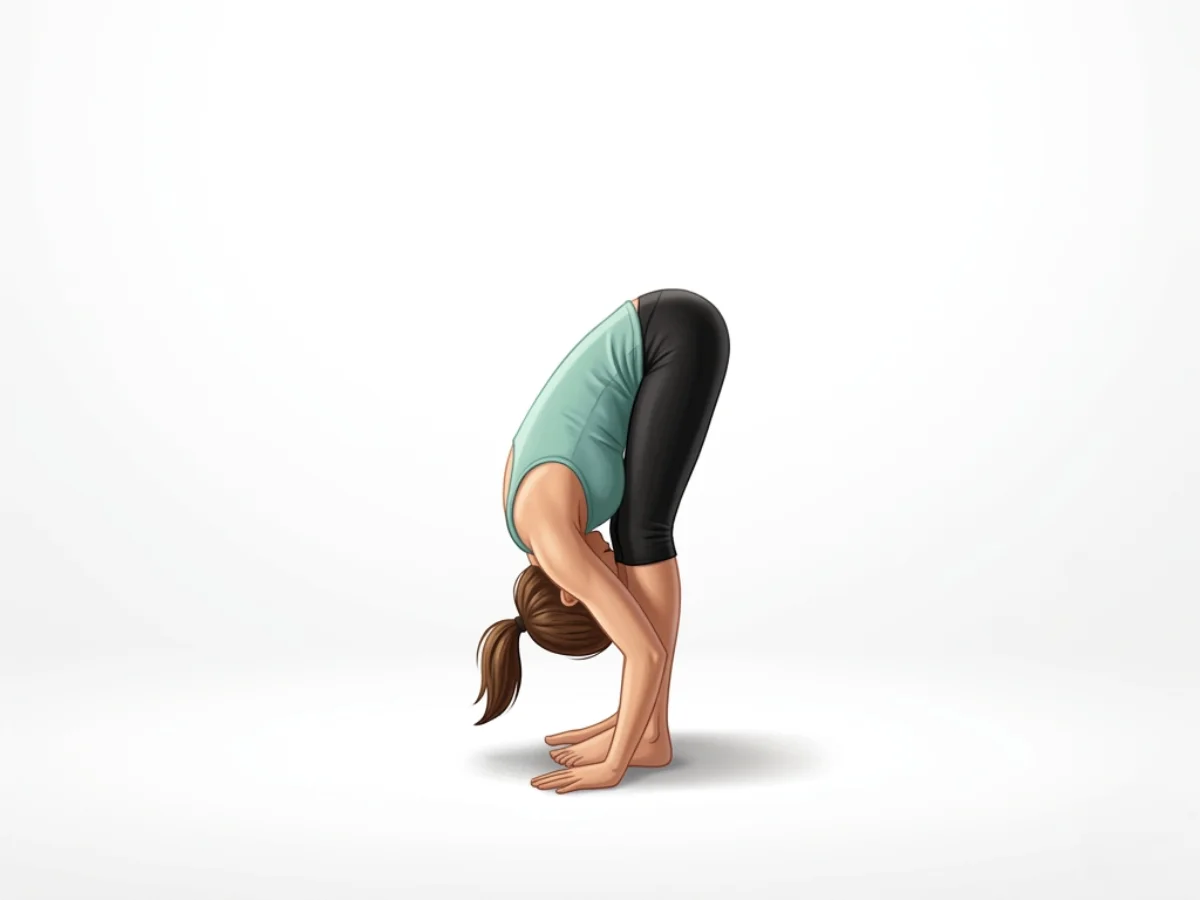
Standing Forward Bend
UttanasanaA more relaxed, symmetrical forward fold to release the back and legs after intense effort.
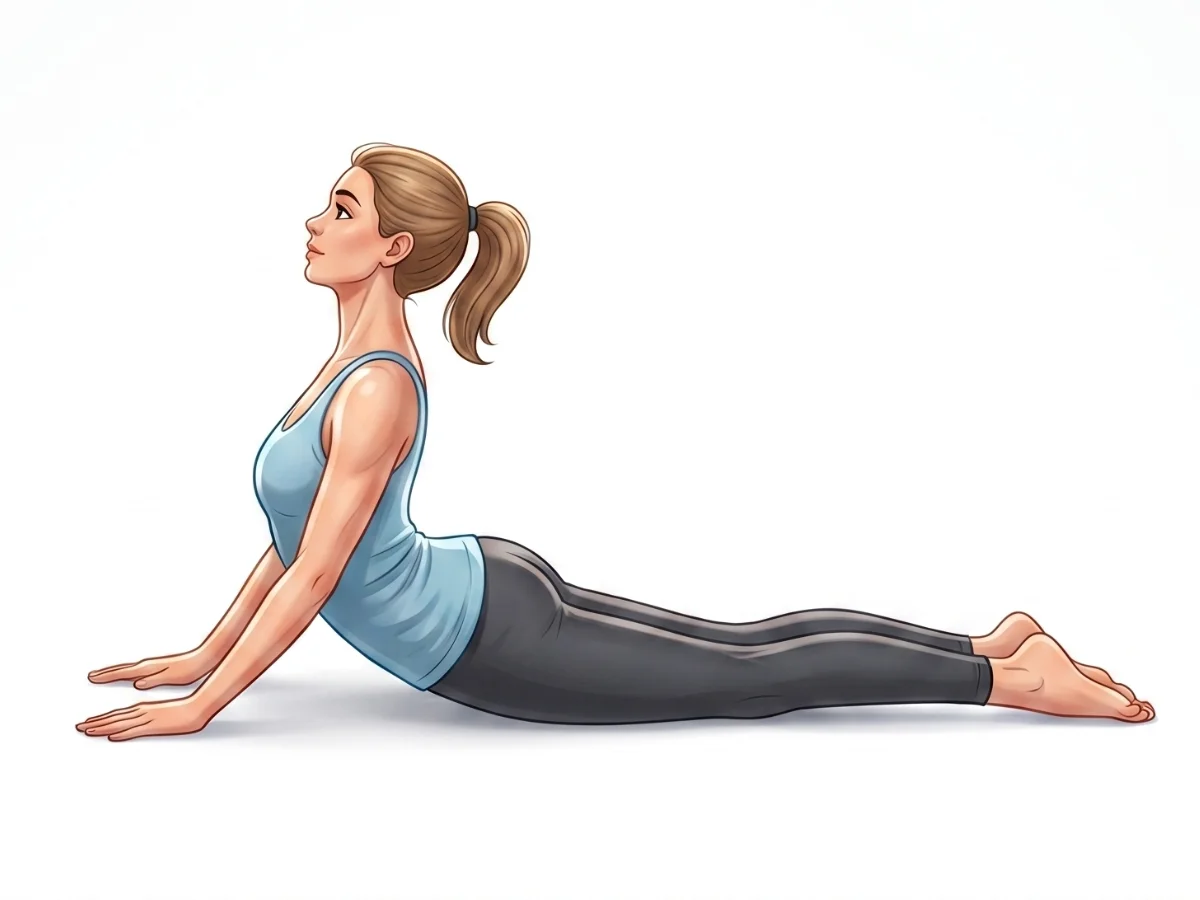
Cobra Pose
BhujangasanaOpens the chest and provides a gentle backbend to counter the deep spinal flexion.
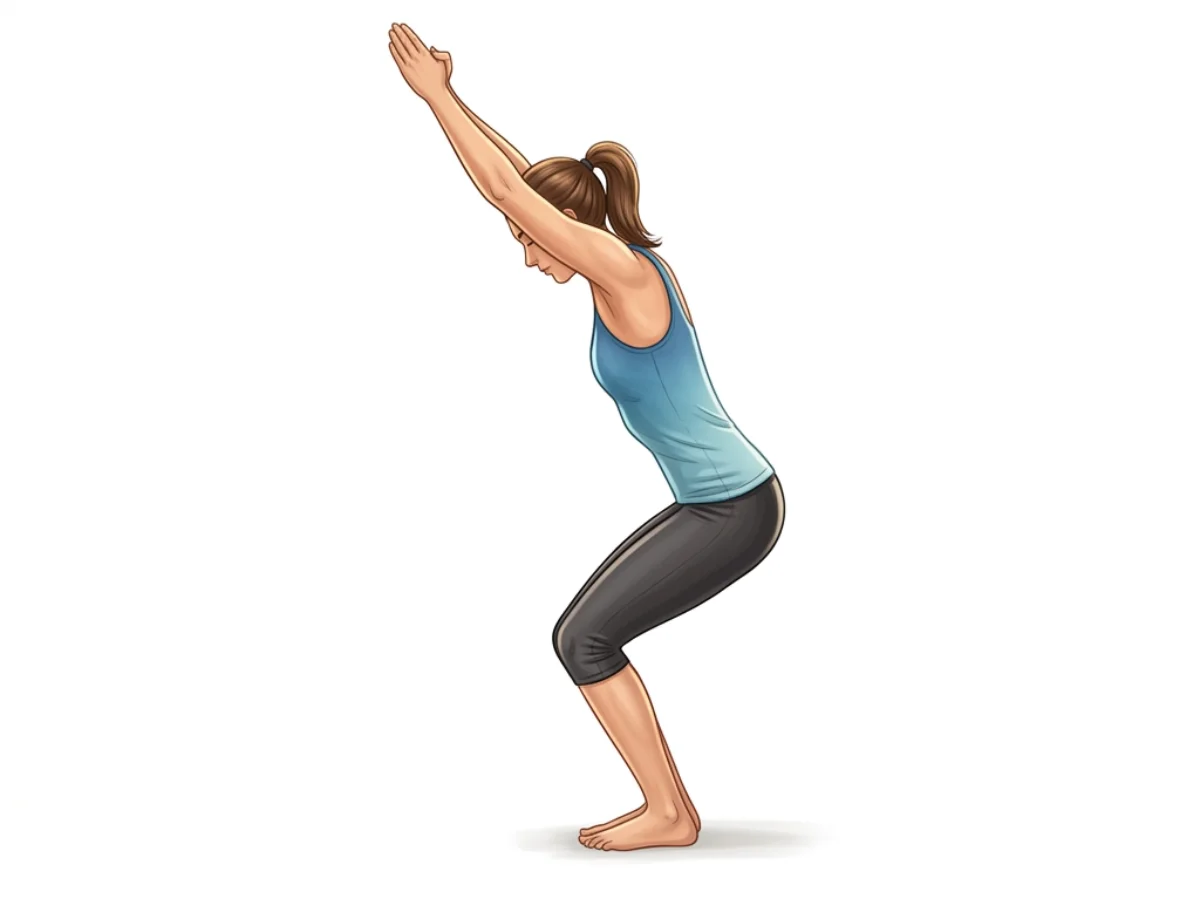
Chair Pose
UtkatasanaRe-engages the quadriceps and glutes in a powerful, stabilizing stance.
Frequently Asked Questions
Why is this pose harder than variation I?
Without your hands on the floor to share the load, your core, glutes, and lower back muscles have to work much harder to support your upper body weight against gravity.
I feel strain in my lower back; what should I do?
Lower back strain usually means your core is not engaged enough or your hamstrings are too tight, pulling the pelvis out of alignment. Bend your knees slightly and pull your belly button toward your spine.
Should I look at the floor or between my legs?
Keep your neck in line with your spine. If you are folded halfway, look down at the floor.

Elena Rostova is an accredited yoga educator and anatomy specialist with over 15 years of clinical experience. She focuses on functional biomechanics and injury prevention, translating complex anatomy into accessible guidance for safe, sustainable practice.
Read Full ProfileContinue Your Yoga Journey
Ready to deepen your practice? Explore our extensive library of poses, or join a structured program designed to build strength, flexibility, and mindfulness.