
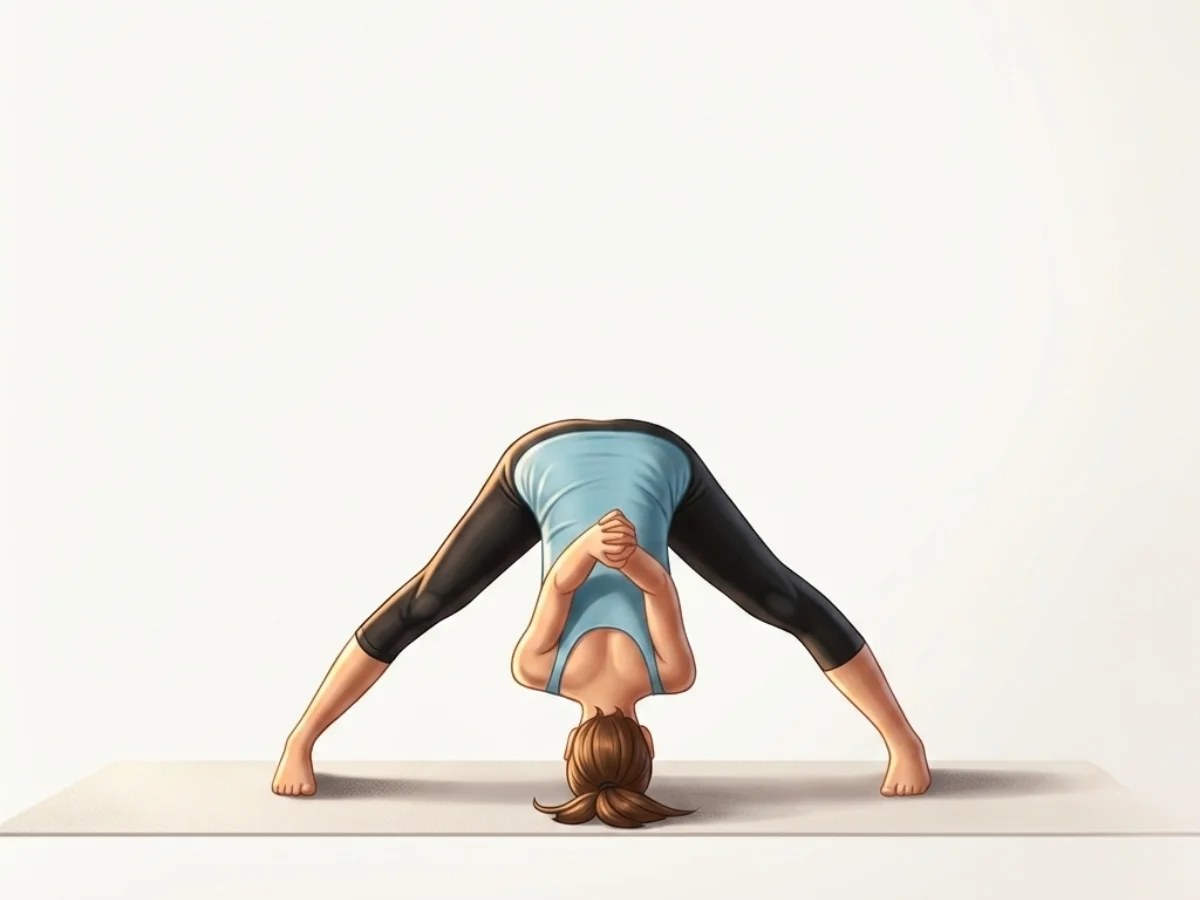
Wide Legged Forward Bend III
Prasarita Padottanasana C
By Elena Rostova Updated: verified Medically Reviewed
Wide Legged Forward Bend III (Prasarita Padottanasana C) combines a profound lower-body stretch with an intense shoulder and chest opener. By interlacing the fingers behind the back and allowing the arms to drop overhead as the torso folds forward, this variation effectively combats the rounded posture of modern desk-bound lifestyles.
Hold Time
30–60 sec · 5–10 breaths
Pronunciation
prah-sah-REE-tah pah-doh-tahn-AHS-anna see
About Wide Legged Forward Bend III
Commonly practiced as Wide Legged Forward Bend III (Prasarita Padottanasana C), this dynamic posture is beautifully designed to help unlock tension. By gently focusing on deep shoulder opening & hamstring stretch, it actively stretches your muscles and builds heat. Practicing this pose regularly helps with deeply opens shoulders & chest and leaves you feeling completely refreshed.
How to Practice
Step Wide
Begin standing on your mat facing the long edge. Step your feet about 3 to 4 feet apart, keeping the outer edges of your feet parallel.
Interlace Fingers
Reach your arms behind your back and interlace your fingers. If your shoulders are very tight, hold a yoga strap between your hands instead of clasping them.
Open the Chest
Inhale deeply as you roll your shoulders down and back, lifting your chest toward the ceiling and straightening your arms behind you.
Hinge Forward
Exhale slowly as you hinge forward from your hip creases. Keep your spine perfectly straight and your core engaged as you descend.
Arms Overhead
As your torso folds closer to the floor, allow your interlaced hands to lift away from your back, reaching upward and gently dropping overhead toward the mat.
Relax the Neck
Let the crown of your head hang heavy toward the floor. Avoid craning your neck or looking forward; keep the back of the neck long and relaxed.
Deepen the Stretch
With every exhale, allow gravity to subtly pull your arms closer to the floor. Do not force or bounce the arms—let the opening happen naturally.
Hold and Breathe
Hold the pose for 5 to 10 deep breaths, maintaining strong, engaged legs by lifting your kneecaps and pressing into the outer edges of your feet.
Prepare to Rise
To exit, inhale deeply. Press firmly into your feet, engage your core, and pull your hands back toward your tailbone to help lift your torso up with a straight back.
Release and Return
Exhale as you release the clasp of your hands. Gently roll your shoulders a few times, then step your feet back together into Mountain Pose.
Practice with the Yoga Timer
Keep track of your hold time and breath count for this pose.
Beginner Modifications & Prop Options
Yoga is a personal journey. These modifications and prop options allow you to adapt the pose to your current level of balance and flexibility, ensuring a safe and supportive practice.
Using a Yoga Strap
Hold a yoga strap or towel between your hands if shoulders are stiff. Start with a wider grip and gradually walk hands closer.
Tip: Focus on alignment rather than depth.
Micro-Bend the Knees
Keep a slight bend in both knees while folding to prioritize the shoulder opener and protect the lower back.
Tip: Focus on alignment rather than depth.
Rest Hands on Lower Back
Keep fingers interlaced but rest your hands softly on your sacrum (lower back) as you fold if lifting arms causes sharp pain.
Tip: Focus on alignment rather than depth.
Benefits of Wide Legged Forward Bend III
Deeply Opens Shoulders & Chest
Reverses poor posture by intensely stretching the pectoral muscles and the front of the shoulder joints, expanding lung capacity.
Releases Neck and Upper Back Tension
The traction created by the heavy arms stretching overhead helps release chronic tightness in the upper trapezius and neck.
Stretches Hamstrings & Calves
Like all Prasarita variations, it provides a deep, grounding stretch to the entire backline of the legs.
Improves Circulation to the Brain
The mild inversion flushes the brain and upper body with freshly oxygenated blood, promoting mental clarity and reducing fatigue.
Strengthens the Legs and Core
Without the hands on the floor to stabilize the body, the legs and core must work continuously to maintain balance.
Common Mistakes to Avoid
Mistake: Forcing the Arms Forward
How to fix: Let gravity do the work. The arms should only go as far as they naturally drop on the exhale.
Mistake: Locking the Elbows
How to fix: Keep a very subtle micro-bend in the elbows, especially if you have hypermobile joints.
Mistake: Rounding the Upper Back
How to fix: Continuously draw your shoulder blades together and down your back, keeping the chest broad.
Safety and Precautions
Rotator Cuff Injuries or Shoulder Impingement
The intense overhead arm position can severely aggravate existing shoulder injuries. Skip the arm bind and practice variation I instead.
Glaucoma or Eye Pressure Issues
Lowering the head below the heart increases intracranial pressure.
Low Blood Pressure
The change in orientation can cause lightheadedness or fainting upon standing.
Lower Back Herniations
Unsupported forward folds put substantial pressure on the lumbar spine.
Medical Disclaimer: If you have any of the above conditions, consult your doctor or a qualified yoga instructor before attempting this pose.
Muscles Worked in Wide Legged Forward Bend III
Wide Legged Forward Bend III demands synchronized muscular effort, creating a profound sense of engagement and release throughout the body. The activation of the primary muscles supports the structure, while the secondary muscles provide stability and balance.
Primary Muscles
Pectoralis Major/Minor
Stretch deeply as the arms are drawn away from the back.
Anterior Deltoids
Stretch alongside the chest to allow the overhead arm extension.
Hamstrings
Lengthen to allow the deep forward flexion of the hips.
Secondary Muscles
Rhomboids
Engage to draw the shoulder blades together and keep the chest open.
Triceps Brachii
Engage slightly to keep the arms straight behind the back.
Quadriceps
Contract to stabilize the knee joints and support the stance.
Poses to Practice Before and After Wide Legged Forward Bend III
Prepare with these Poses
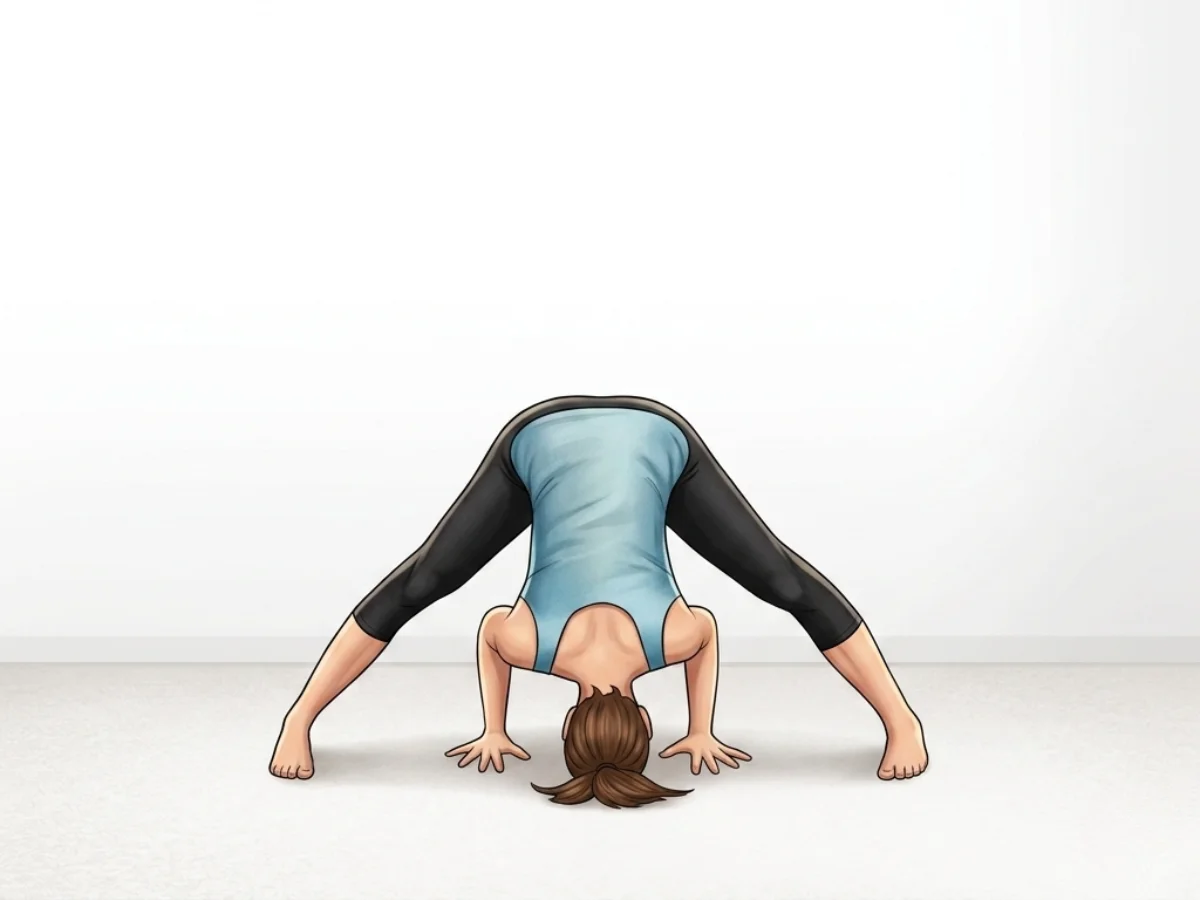
Wide Legged Forward Bend I
Prasarita Padottanasana APrepares the legs and hips for the wide stance before adding the complex shoulder bind.
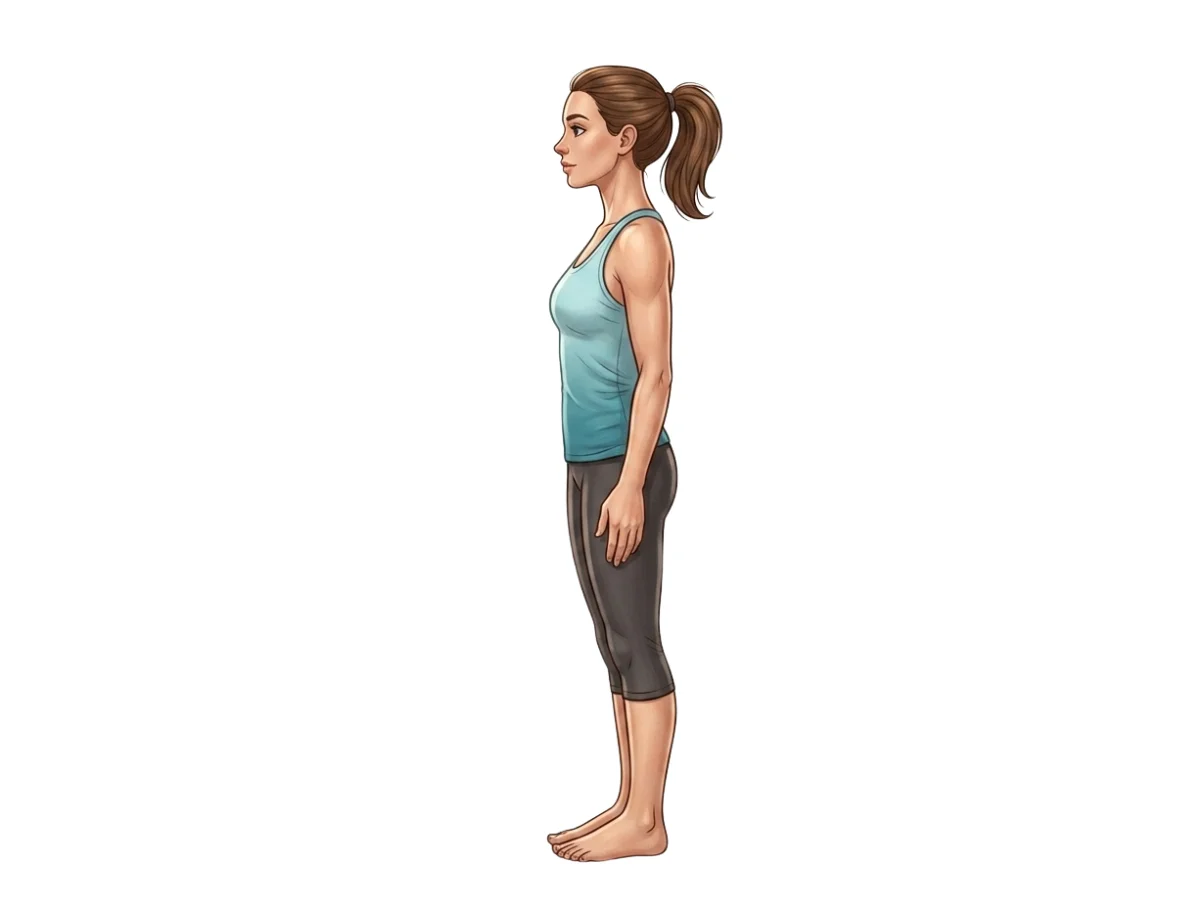
Mountain Pose
TadasanaCan be practiced with hands interlaced behind the back to warm up the shoulders standing up.
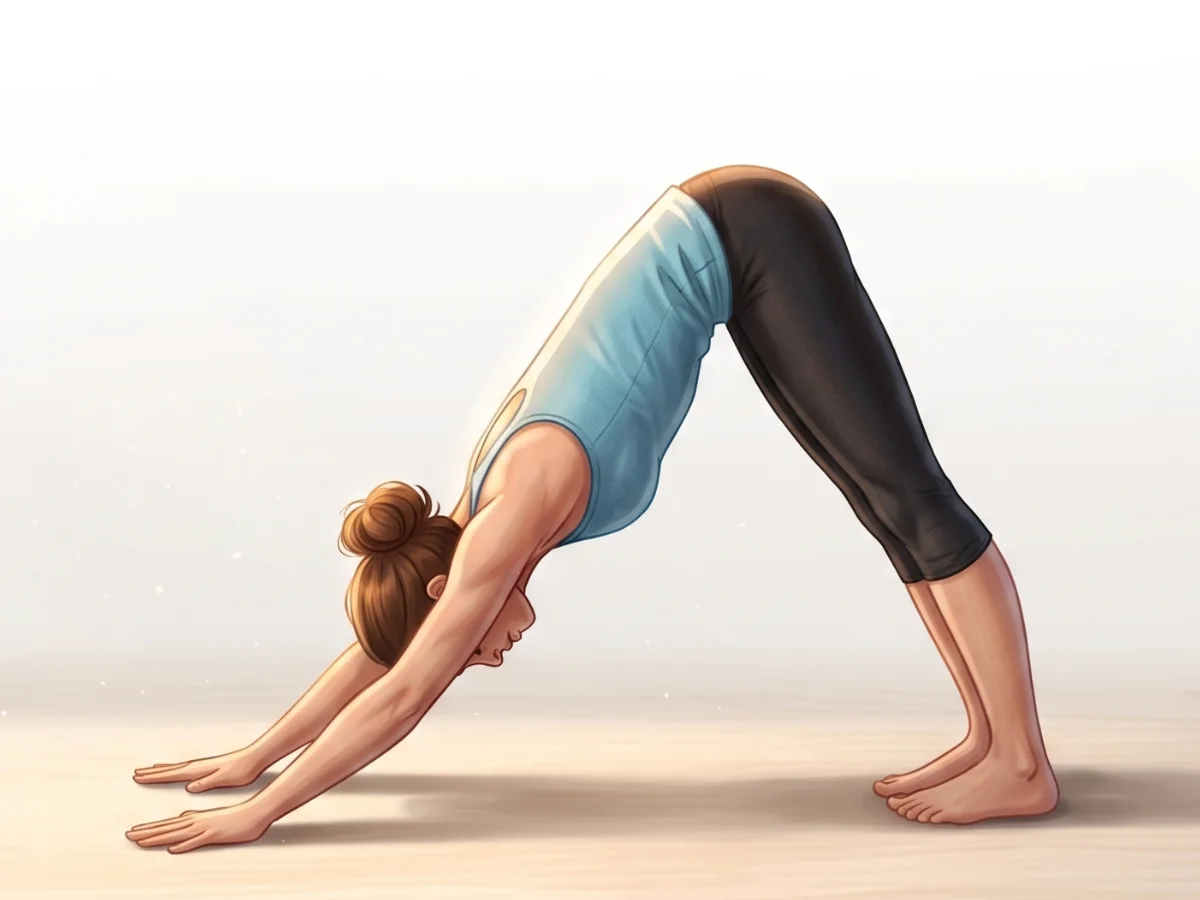
Downward-Facing Dog
Adho Mukha SvanasanaStretches the back of the legs and provides a preliminary opening for the shoulder girdles.
Follow with neutralizing Counter-poses
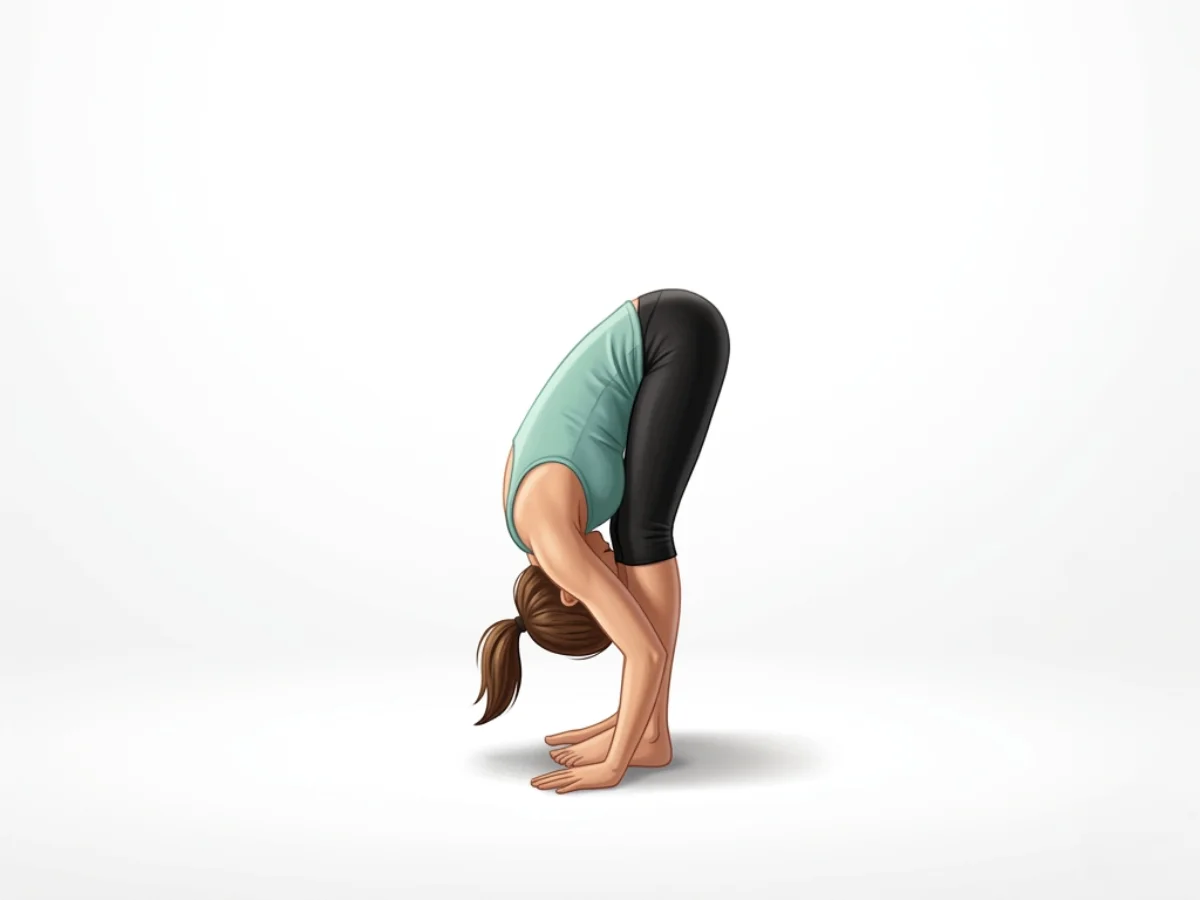
Standing Forward Bend
UttanasanaReleases the intensity of the shoulder bind and provides a symmetrical resting fold.
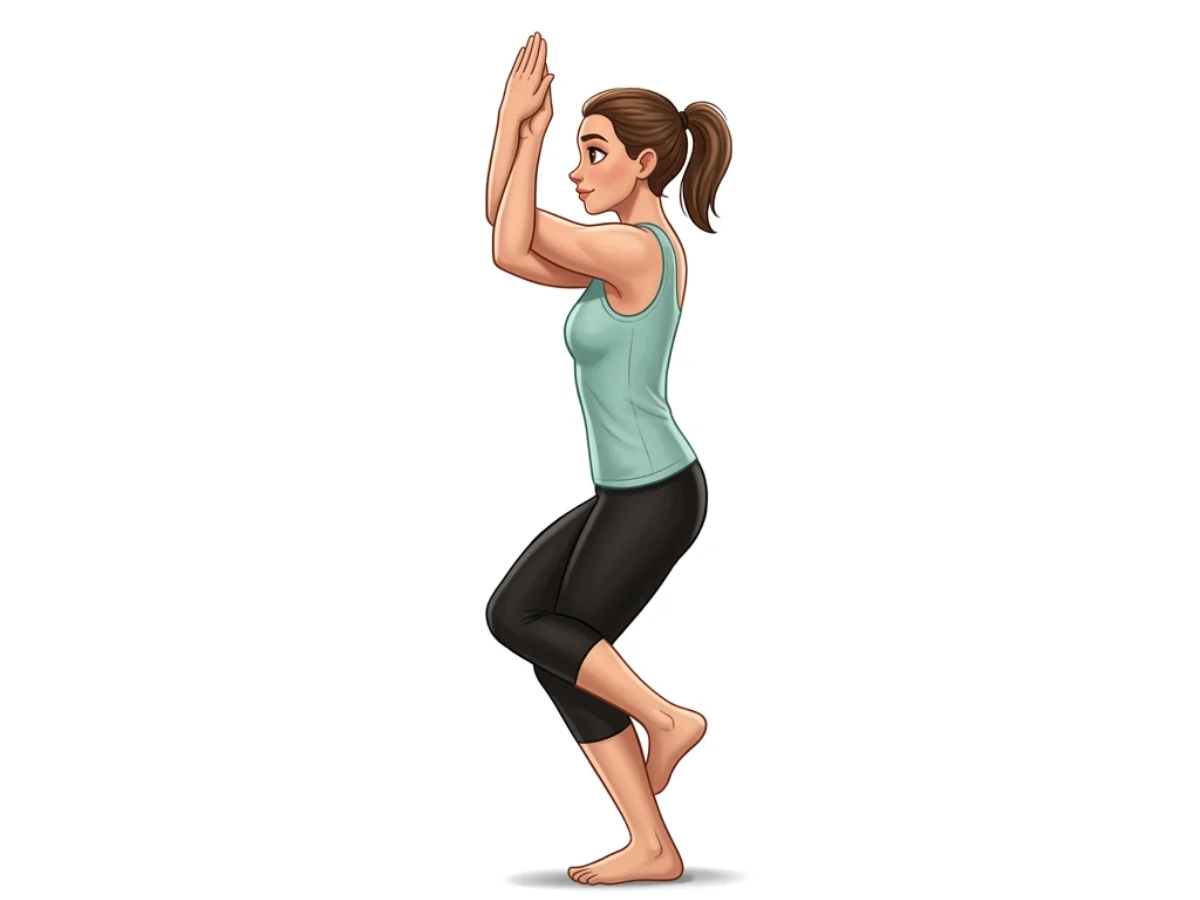
Eagle Pose
GarudasanaThe crossed-arm position stretches the back of the shoulders, perfectly countering the chest expansion.
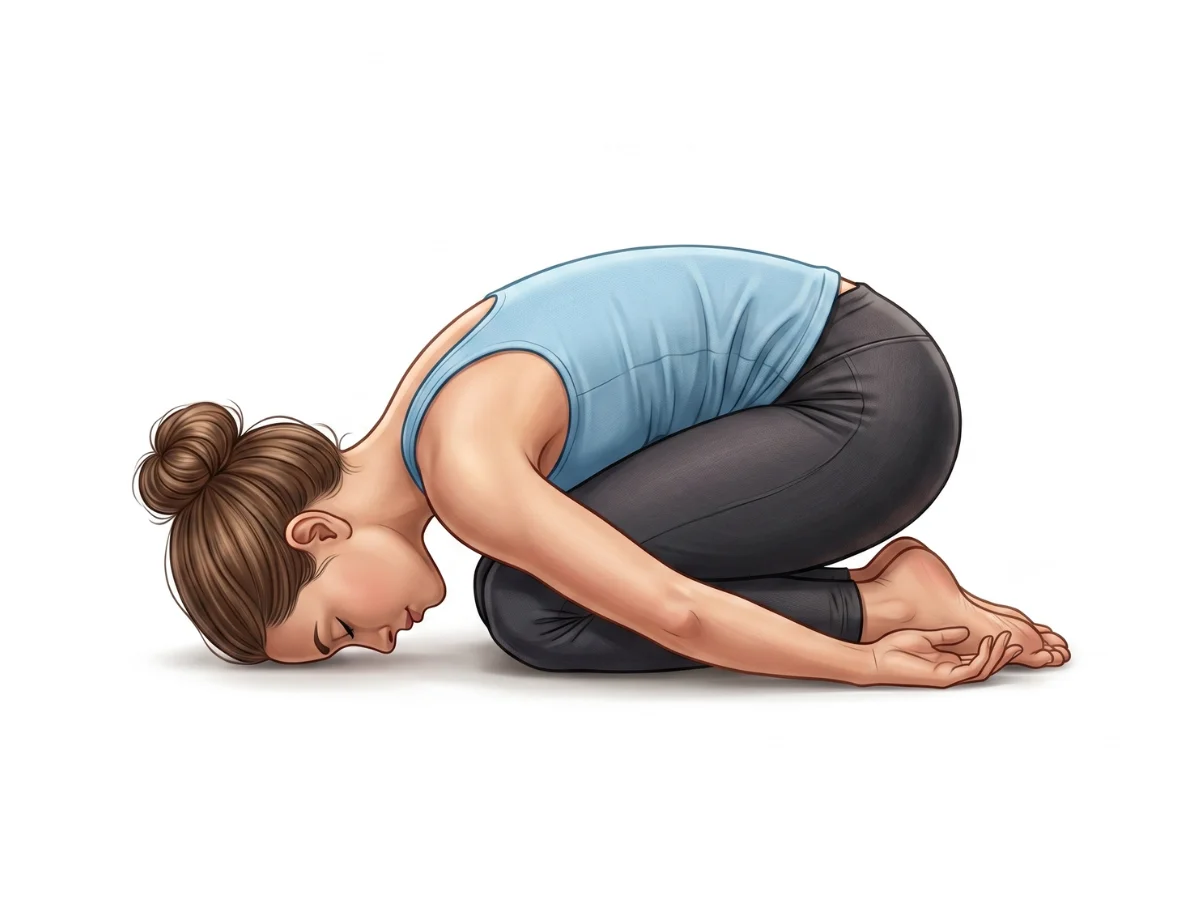
Childs Pose
BalasanaAllows the lower back, hips, and shoulders to rest completely against the floor.
Frequently Asked Questions
My hands won't stay interlaced. What should I do?
If your fingers slip apart, your shoulders are likely too tight for the full bind. Instead of straining, hold a yoga strap or a towel between your hands.
Should my palms touch when my fingers are interlaced?
If you have very open shoulders, pressing the heels of the hands together increases the stretch across the chest. However, if this causes pain or forces your elbows to lock, keep the palms slightly apart.
Why does this pose make my neck feel tight?
Neck tension happens if you are pulling your shoulders up toward your ears while folding. Focus on drawing your shoulder blades down your back, away from your neck, and let your head hang completely heavy.

Elena Rostova is an accredited yoga educator and anatomy specialist with over 15 years of clinical experience. She focuses on functional biomechanics and injury prevention, translating complex anatomy into accessible guidance for safe, sustainable practice.
Read Full ProfileContinue Your Yoga Journey
Ready to deepen your practice? Explore our extensive library of poses, or join a structured program designed to build strength, flexibility, and mindfulness.