
Wild Thing
Camatkarasana
By Elena Rostova Updated: verified Medically Reviewed
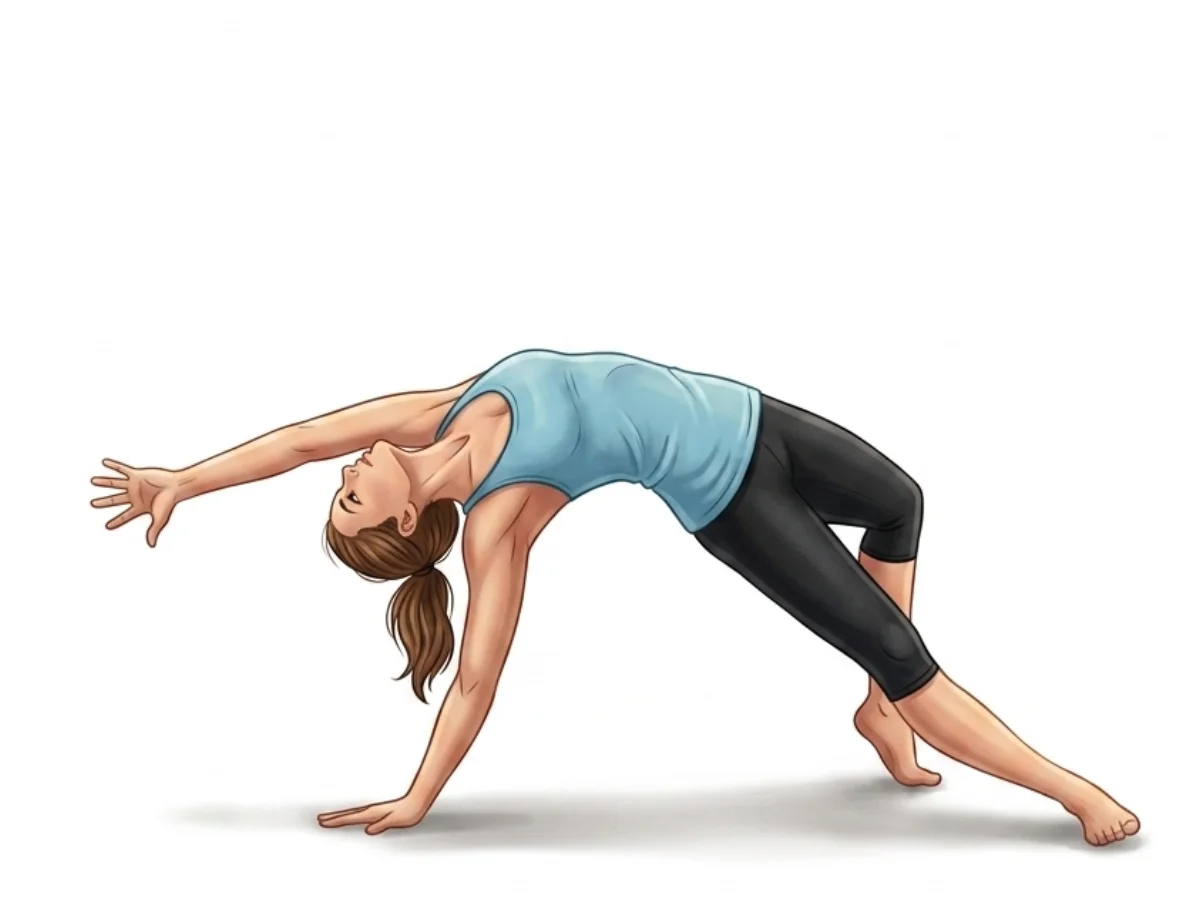
Wild Thing (Camatkarasana) is a joyful, expressive backbend that often serves as a fluid transition in Vinyasa flow sequences. Literally translating to "the ecstatic unfolding of the enraptured heart," it combines the strength of a one-armed balance with the deep chest expansion of a backbend.
Hold Time
3�5 joyful breaths
Pronunciation
chah-maht-kah-RAHS-anna
About Wild Thing
Often praised by experienced instructors, Wild Thing (Camatkarasana) acts as a powerful tool for finding balance and realignment. It primarily targets the dynamic heart opening & balance, helping to create length and strength exactly where you need it most. Consistent practice will actively assist in opens the chest and lungs, helping you feel lighter and more balanced off the mat.
How to Practice
Start in Downward Dog
Begin in a strong Downward-Facing Dog (Adho Mukha Svanasana), pressing evenly into both hands and extending through the spine.
Lift and Open
Inhale and lift your right leg up and back into Three-Legged Dog. Bend your right knee and open your right hip, stacking it over your left hip.
Shift the Weight
Begin to shift your weight forward slightly into your left hand and roll onto the outer edge of your left foot, similar to entering Side Plank.
Step Back
With control, continue rotating your hips until you step the ball of your right foot gently onto the floor behind you, keeping the right knee bent.
Lift the Hips
Press firmly into the floor with your left hand, the outer edge of your left foot, and the ball of your right foot. On an inhalation, thrust your hips high toward the ceiling.
Extend the Arm
Sweep your right arm overhead, extending it forward and letting your head drop back naturally, opening your chest toward the sky.
Hold and Breathe
Hold the pose for 3 to 5 breaths, finding a balance between the strength of your grounded limbs and the ecstatic opening of your front body.
Return with Control
To exit, look down at your left hand. Exhale as you engage your core, flip your hips back over, bring your right hand back to the mat, and return to Downward-Facing Dog.
Practice with the Yoga Timer
Keep track of your hold time and breath count for this pose.
Beginner Modifications & Prop Options
Yoga is a personal journey. These modifications and prop options allow you to adapt the pose to your current level of balance and flexibility, ensuring a safe and supportive practice.
Modified Side Plank Transition
Instead of flipping from Downward Dog, start in a modified Side Plank with your bottom knee on the mat. Step your top foot behind you and reach your arm back from there.
Tip: Focus on alignment rather than depth.
Keep the Gaze Neutral
Instead of letting your head drop back entirely, keep your neck engaged and gaze at the ceiling or down at your supporting hand for better balance.
Tip: Focus on alignment rather than depth.
Benefits of Wild Thing
Opens the Chest and Lungs
Provides a powerful stretch to the pectoralis muscles and expands the rib cage, encouraging deeper breathing.
Strengthens the Shoulders and Upper Back
Bearing weight on one arm builds significant strength and stability in the shoulder girdle and latissimus dorsi.
Stretches the Hip Flexors
Lifting the pelvis high opens the hip flexors and psoas on the bent-leg side.
Builds Confidence and Joy
As an expansive, vulnerable posture, it can help release emotional tension and cultivate a sense of freedom and confidence.
Common Mistakes to Avoid
Mistake: Collapsing the Bottom Shoulder
How to fix: Actively press the floor away with your supporting hand to keep the shoulder engaged and prevent joint impingement.
Mistake: Letting the Hips Sag
How to fix: Engage the glutes forcefully, especially on the side of the bent leg, to drive the pelvis upward into the backbend.
Mistake: Moving Too Fast
How to fix: Flipping into the pose quickly can jar the shoulder or result in a fall. Transition slowly and deliberately with mindful breath.
Safety and Precautions
Shoulder Injuries
Rotator cuff tears or instability are high-risk here due to the one-armed weight-bearing in a rotated position.
Wrist Issues
Carpal tunnel or weak wrists may not support the angle and weight required.
Vertigo or Dizziness
The rapid change in orientation and head positioning can trigger severe dizziness.
Medical Disclaimer: If you have any of the above conditions, consult your doctor or a qualified yoga instructor before attempting this pose.
Muscles Worked in Wild Thing
Wild Thing demands synchronized muscular effort, creating a profound sense of engagement and release throughout the body. The activation of the primary muscles supports the structure, while the secondary muscles provide stability and balance.
Primary Muscles
Deltoids and Rotator Cuff
Stabilize the supporting shoulder joint under heavy load.
Gluteus Maximus
Contracts to lift the hips and extend the pelvis upward.
Pectoralis Major
Stretches expansively across the chest.
Secondary Muscles
Quadriceps
Engage on the straight leg to maintain balance and foundation.
Latissimus Dorsi
Assists in stabilizing the back and shoulder on the supporting side.
Poses to Practice Before and After Wild Thing
Prepare with these Poses
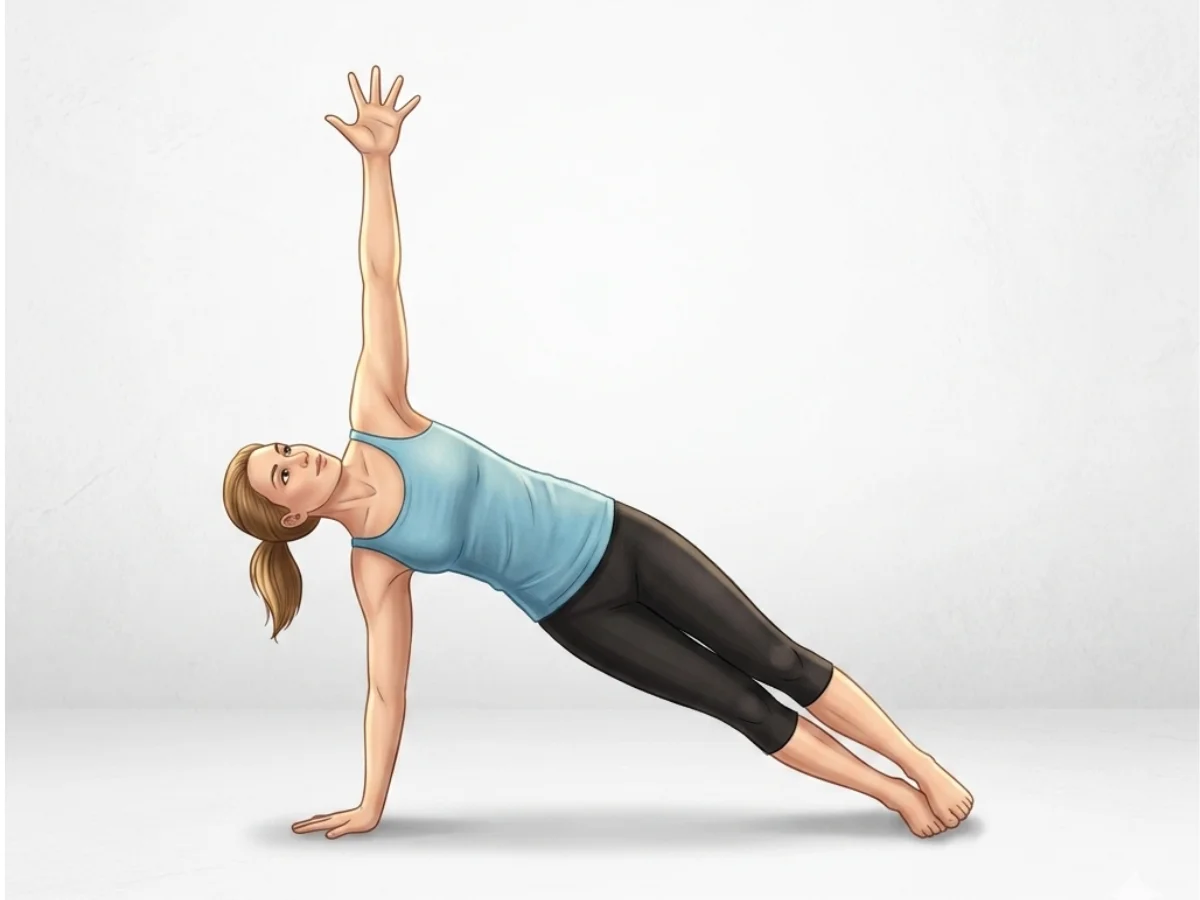
Side Plank
VasisthasanaBuilds the one-armed balance and lateral core strength necessary for the transition.
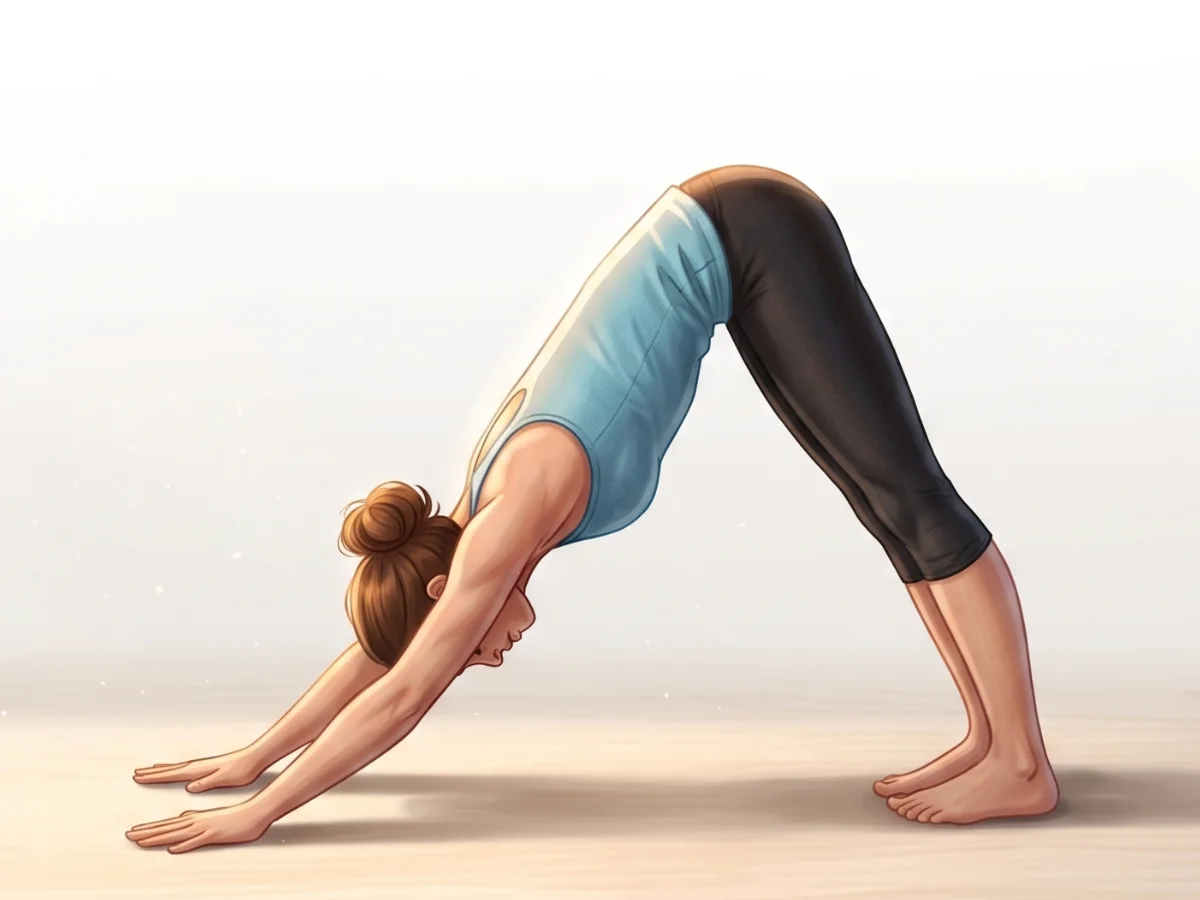
Downward-Facing Dog
Adho Mukha SvanasanaThe starting foundation that warms up the shoulders and hamstrings.
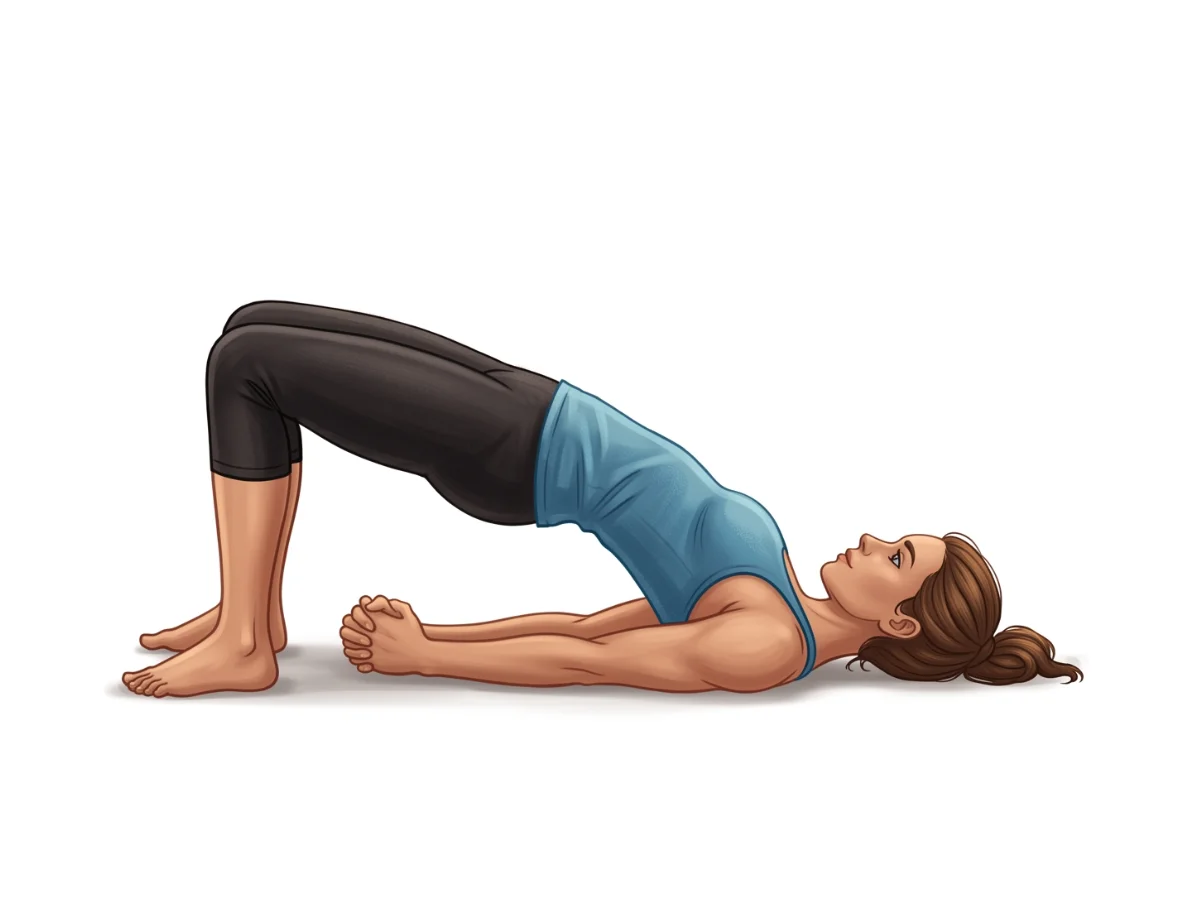
Bridge Pose
Setu BandhasanaPrepares the spine and glutes for lifting the hips into extension.
Follow with neutralizing Counter-poses
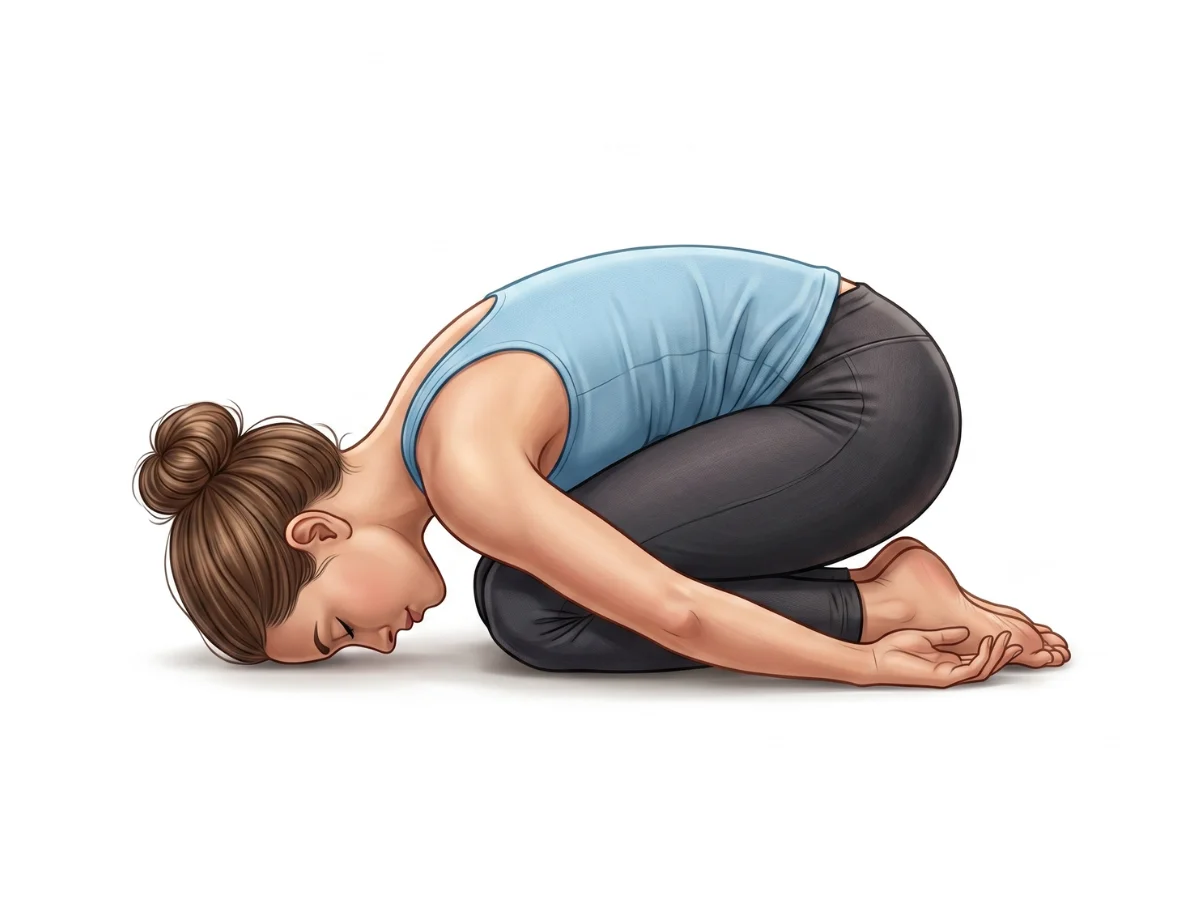
Child's Pose
BalasanaProvides an immediate, grounding release for the spine and arms.
Downward-Facing Dog
Adho Mukha SvanasanaReturns the body to a symmetrical, neutral alignment after the asymmetrical backbend.
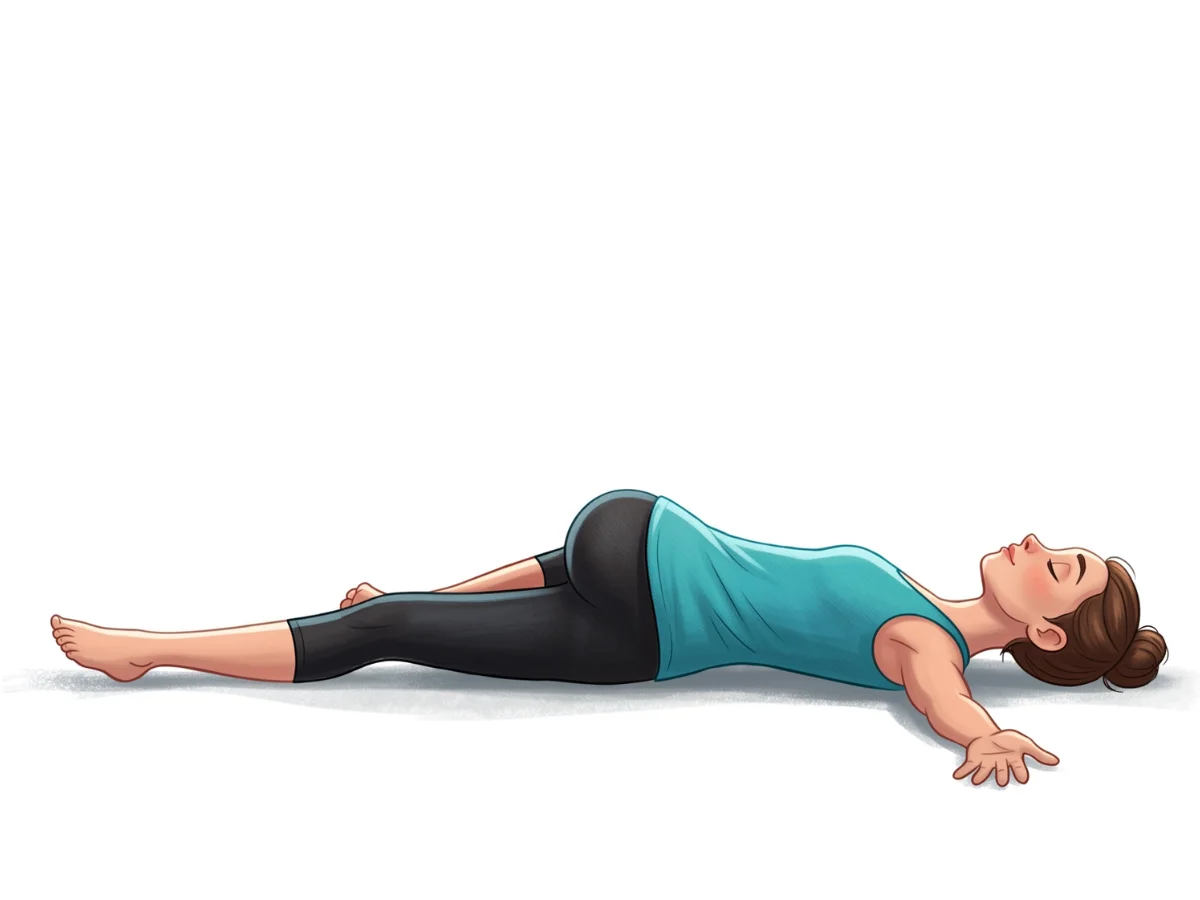
Supine Spinal Twist
Supta MatsyendrasanaHelps to neutralize the spine after deep backbending and rotation.
Frequently Asked Questions
Is Wild Thing a traditional yoga pose?
No, Camatkarasana is a modern postural yoga creation, popularized primarily by Anusara and Vinyasa flow styles. It does not appear in classical Hatha yoga texts.
I feel unsteady on my supporting wrist. What should I do?
Ensure you are gripping the mat slightly with your fingertips and pressing down through the base of your index finger, rather than dumping all your weight into the heel of your hand. If pain persists, avoid the pose.
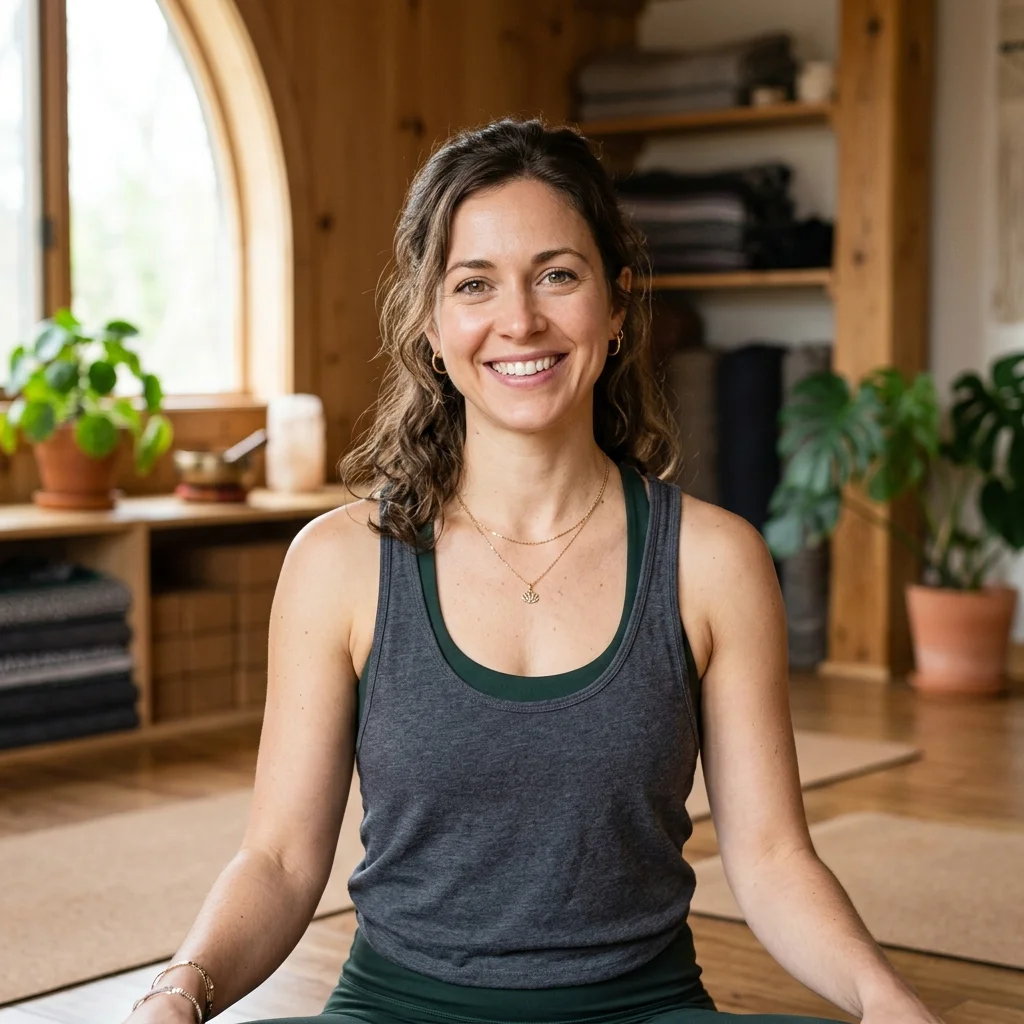
Elena Rostova is an accredited yoga educator and anatomy specialist with over 15 years of clinical experience. She focuses on functional biomechanics and injury prevention, translating complex anatomy into accessible guidance for safe, sustainable practice.
Read Full ProfileContinue Your Yoga Journey
Ready to deepen your practice? Explore our extensive library of poses, or join a structured program designed to build strength, flexibility, and mindfulness.