
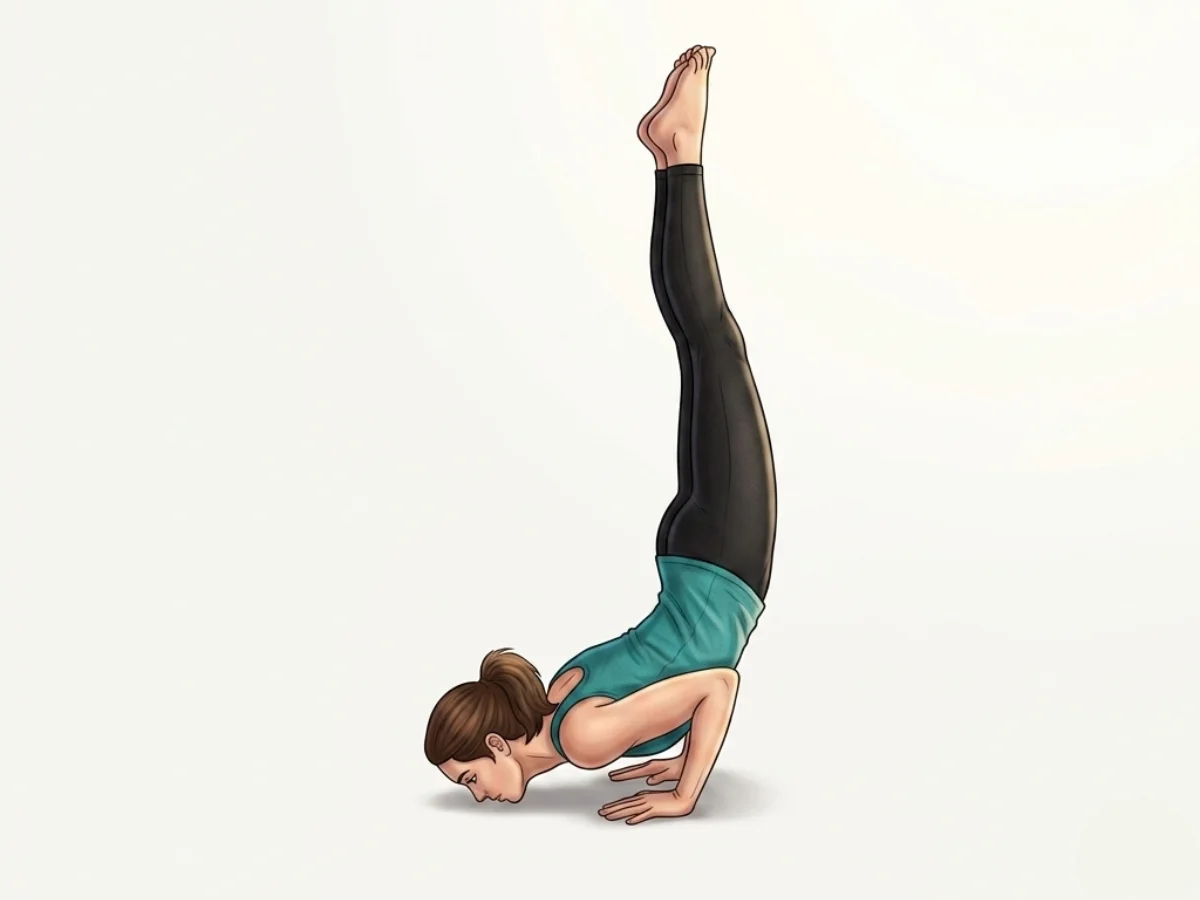
Chin Stand
Ganda Bherundasana
By Elena Rostova Updated: verified Medically Reviewed
Chin Stand Pose (Ganda Bherundasana), also known as Formidable Face Pose, is a challenging advanced arm balance and intense backbend. Balancing your body weight primarily on your hands with your chin grazing the mat, this pose requires immense upper body strength, spinal flexibility, and core control.
Hold Time
3–5 breaths
Pronunciation
GAHN-dah bear-un-DAHS-anna
About Chin Stand
A vital part of many yoga sequences, Chin Stand (Ganda Bherundasana) offers wonderful benefits that go beyond its simple shape. This posture specifically engages the upper body strength & deep backbend, making it highly effective for developing both strength and mobility. Ultimately, it is a fantastic pose for builds arm & shoulder strength, leaving you with a profound sense of grounded energy.
How to Practice
Starting Position
Begin in Downward-Facing Dog or on all fours. If you are comfortable, you can start from a Low Push-Up (Chaturanga Dandasana) position.
Lift One Leg
From Downward Dog or Plank, lift your dominant leg high into the air as you would for Three-Legged Dog.
Shift Forward
Shift your shoulders forward over your wrists, coming onto the toes of your bottom foot. Bend your elbows straight back, hugging your ribs.
Lower the Chin
Keep your chest broad and slowly lower your chin to lightly rest on the mat. The weight should stay in your hands and shoulders, not on your neck.
Engage Core and Back
Engage your core and back muscles intensely. Squeeze your elbows in toward your midline to create a stable shelf for your upper body.
Lift the Bottom Leg
Push off your bottom foot or use the momentum of the top leg to lift both legs off the ground. Bring your legs together in the air.
Arch the Back
Point your toes and draw your legs up and over, bending your knees slightly if needed to find balance. Keep your glutes active.
Hold and Breathe
Maintain the pose for 3 to 5 steady breaths. Keep your gaze forward and ensure your neck feels safe.
Lower Down
To exit, slowly lower one leg at a time back to the mat, returning to Chaturanga or Plank.
Rest
Press back into Child's Pose (Balasana) immediately to release the neck and lower back.
Practice with the Yoga Timer
Keep track of your hold time and breath count for this pose.
Beginner Modifications & Prop Options
Yoga is a personal journey. These modifications and prop options allow you to adapt the pose to your current level of balance and flexibility, ensuring a safe and supportive practice.
Blocks Under Shoulders
Place a block under each shoulder. This prevents the chest from dropping too low and keeps the weight off the chin and cervical spine.
Tip: Focus on alignment rather than depth.
Using a Wall
Practice close to a wall. You can lightly tap the wall with your feet to find stability while holding the backbend.
Tip: Focus on alignment rather than depth.
One-Legged Prep
Keep one foot on the ground and lift the other leg as high as possible, focusing on arm and back strength without committing to the full balance.
Tip: Focus on alignment rather than depth.
Benefits of Chin Stand
Builds Arm & Shoulder Strength
Requires significant power from the triceps, deltoids, and pectorals to hold the body's weight.
Deepens Spinal Flexibility
The intense backbend fully extends the spine, increasing flexibility in the cervical, thoracic, and lumbar regions.
Engages Core & Glutes
Holding the legs overhead demands strong activation of the lower back, gluteus maximus, and abdominal muscles.
Opens the Front Body
Deeply stretches the chest, throat, and hip flexors.
Enhances Focus and Balance
As an advanced inversion, it requires intense concentration and body awareness to maintain stability.
Common Mistakes to Avoid
Mistake: Weight on the Neck
How to fix: The chin should barely touch the mat. Press firmly into your hands to lift your upper body.
Mistake: Elbows Splaying Out
How to fix: Hug your elbows tightly against your ribs to stabilize your shoulders and protect your joints.
Mistake: Dumping into the Lower Back
How to fix: Engage your core and glutes to distribute the backbend evenly throughout the entire spine.
Safety and Precautions
Neck or Cervical Spine Injuries
The extreme extension of the neck makes this pose highly risky for anyone with a history of neck pain or disc issues.
Shoulder or Wrist Injuries
Bears significant weight on the arms and wrists.
High Blood Pressure or Glaucoma
Like all intense inversions, the increase in head pressure can be dangerous.
Pregnancy
The pressure on the abdomen and risk of falling make this unsuitable during pregnancy.
Medical Disclaimer: If you have any of the above conditions, consult your doctor or a qualified yoga instructor before attempting this pose.
Muscles Worked in Chin Stand
Chin Stand demands synchronized muscular effort, creating a profound sense of engagement and release throughout the body. The activation of the primary muscles supports the structure, while the secondary muscles provide stability and balance.
Primary Muscles
Triceps Brachii
Supports the body weight in the bent-arm position.
Erector Spinae
Contracts deeply to create the backbend and hold the legs up.
Gluteus Maximus
Engages to lift the legs and stabilize the pelvis.
Secondary Muscles
Pectoralis Major
Stabilizes the chest and shoulders.
Trapezius
Supports the head and neck position.
Core (Rectus Abdominis)
Provides front-body tension to protect the lower back.
Poses to Practice Before and After Chin Stand
Prepare with these Poses
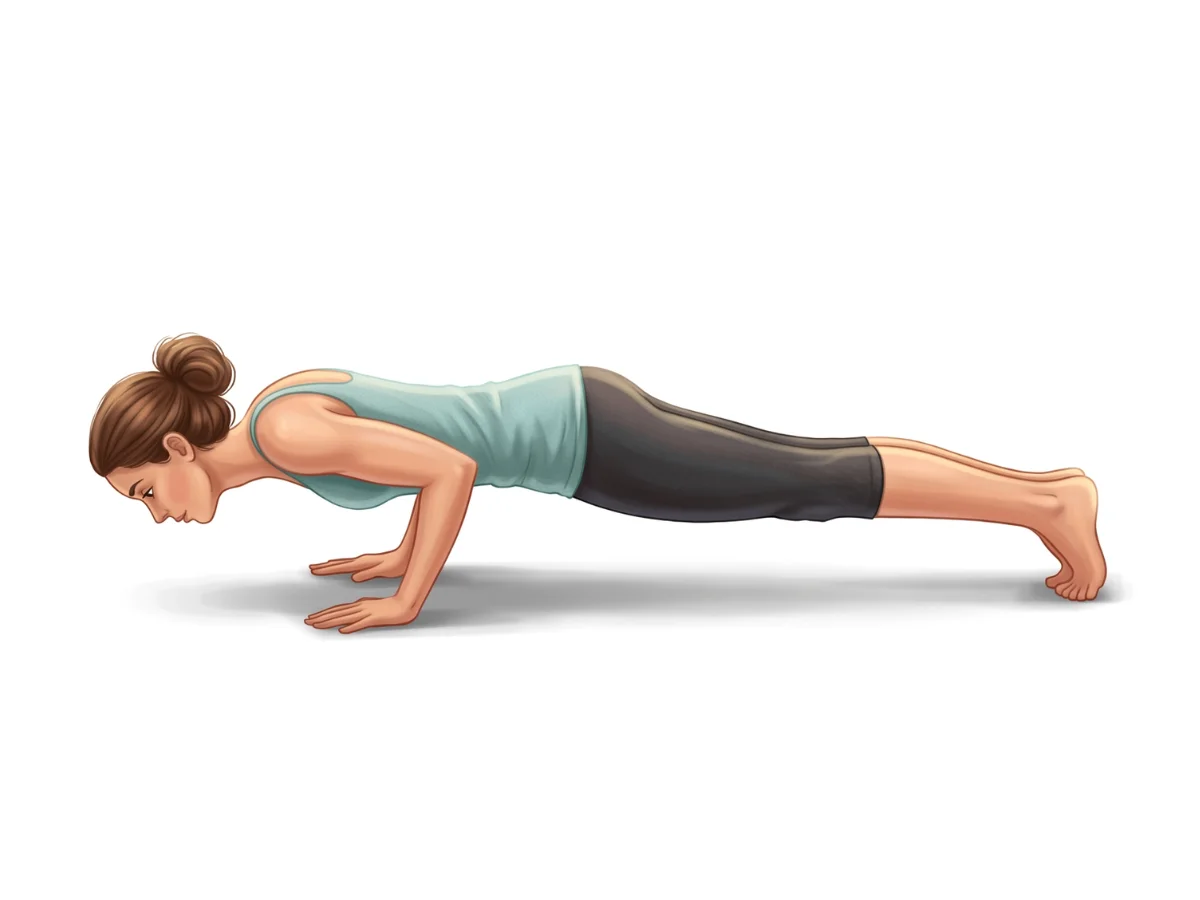
Low Push-Up
Chaturanga DandasanaBuilds the necessary triceps and core strength for the arm balance.
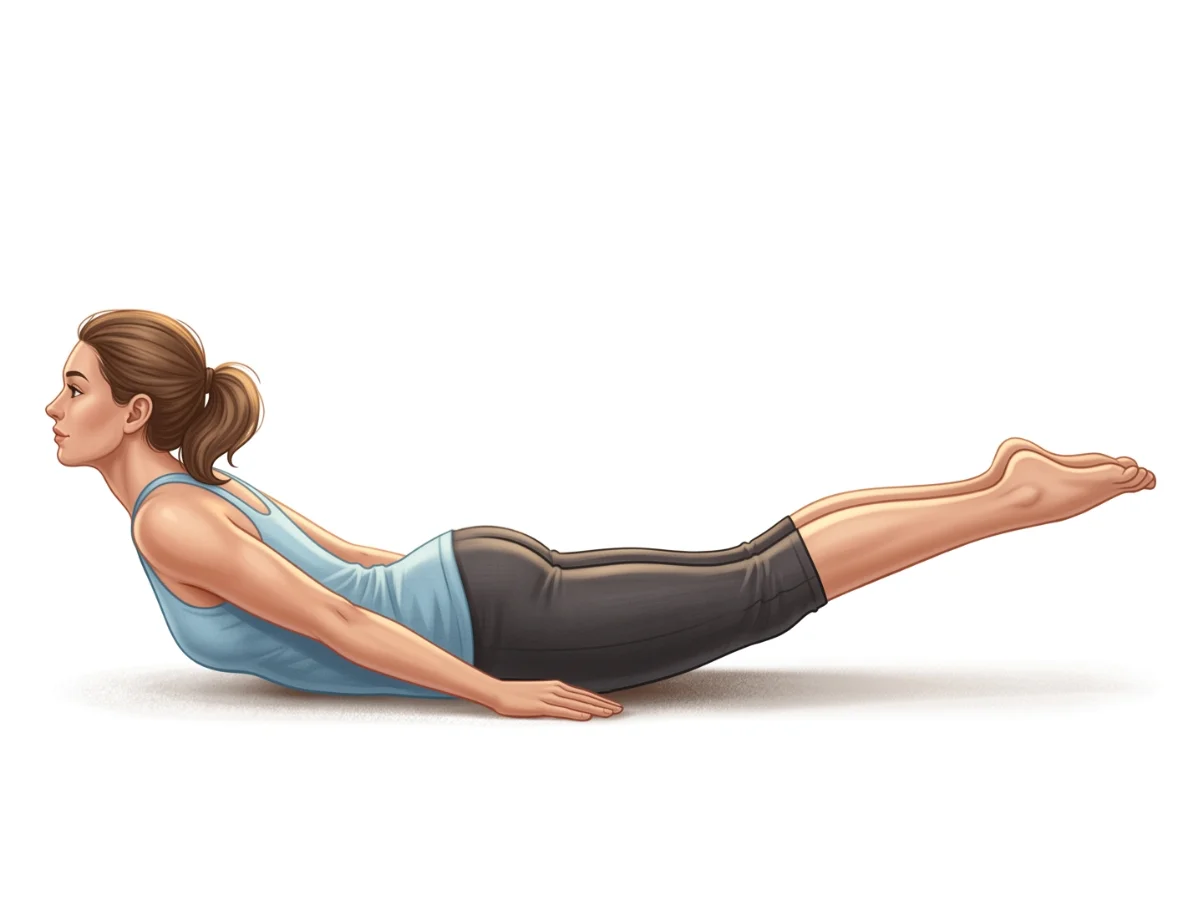
Locust Pose
SalabhasanaStrengthens the back and glutes, preparing for the lifting of the legs.
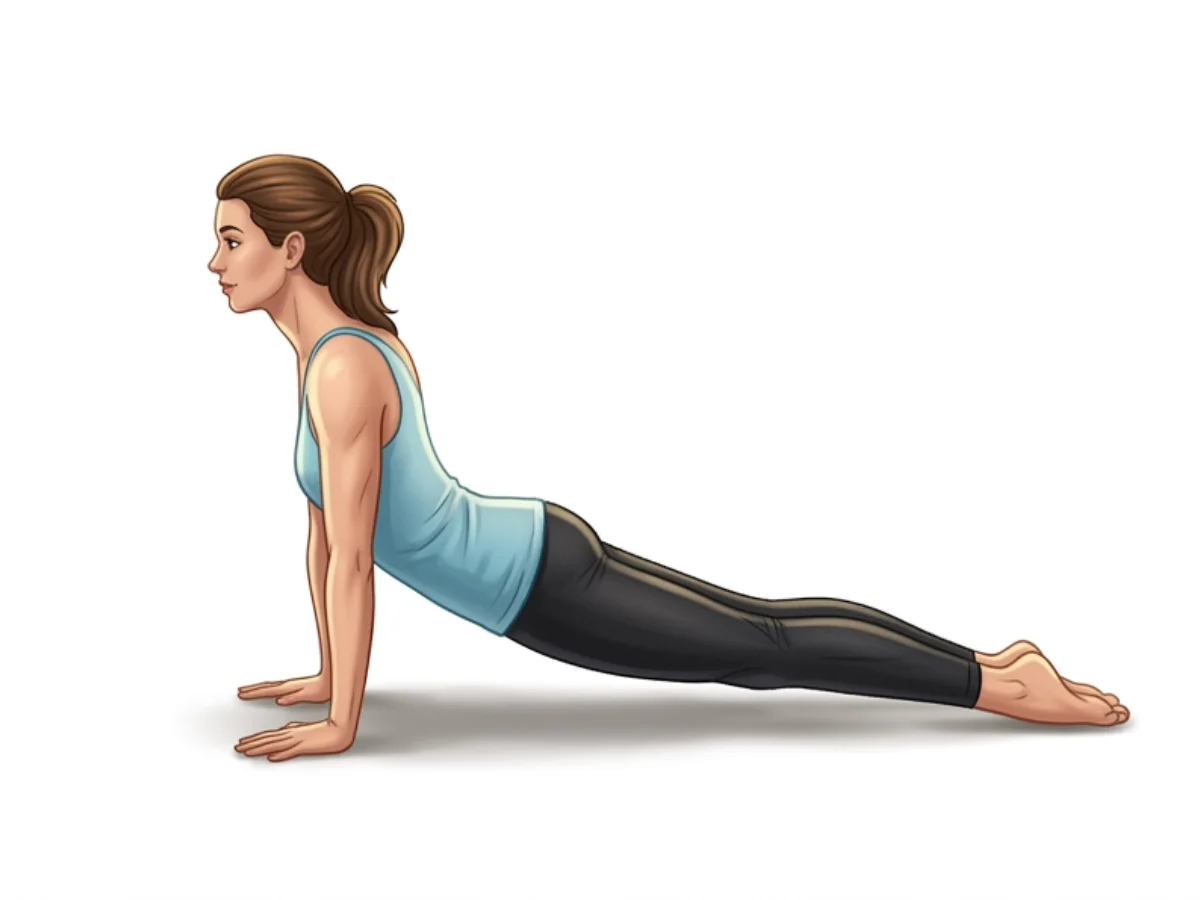
Upward-Facing Dog
Urdhva Mukha SvanasanaOpens the chest and shoulders while establishing a foundational backbend.
Follow with neutralizing Counter-poses
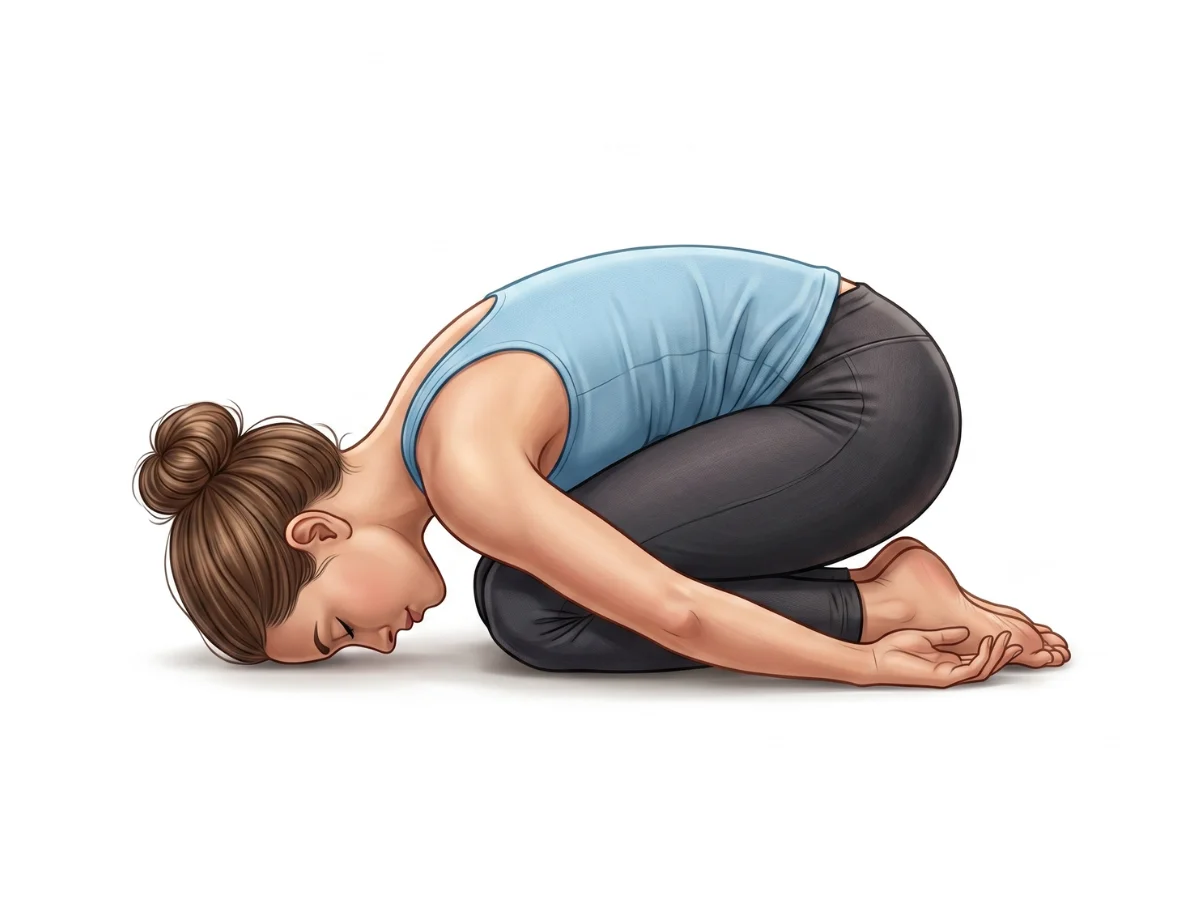
Child's Pose
BalasanaReleases tension in the lower back and neck by deeply flexing the spine.
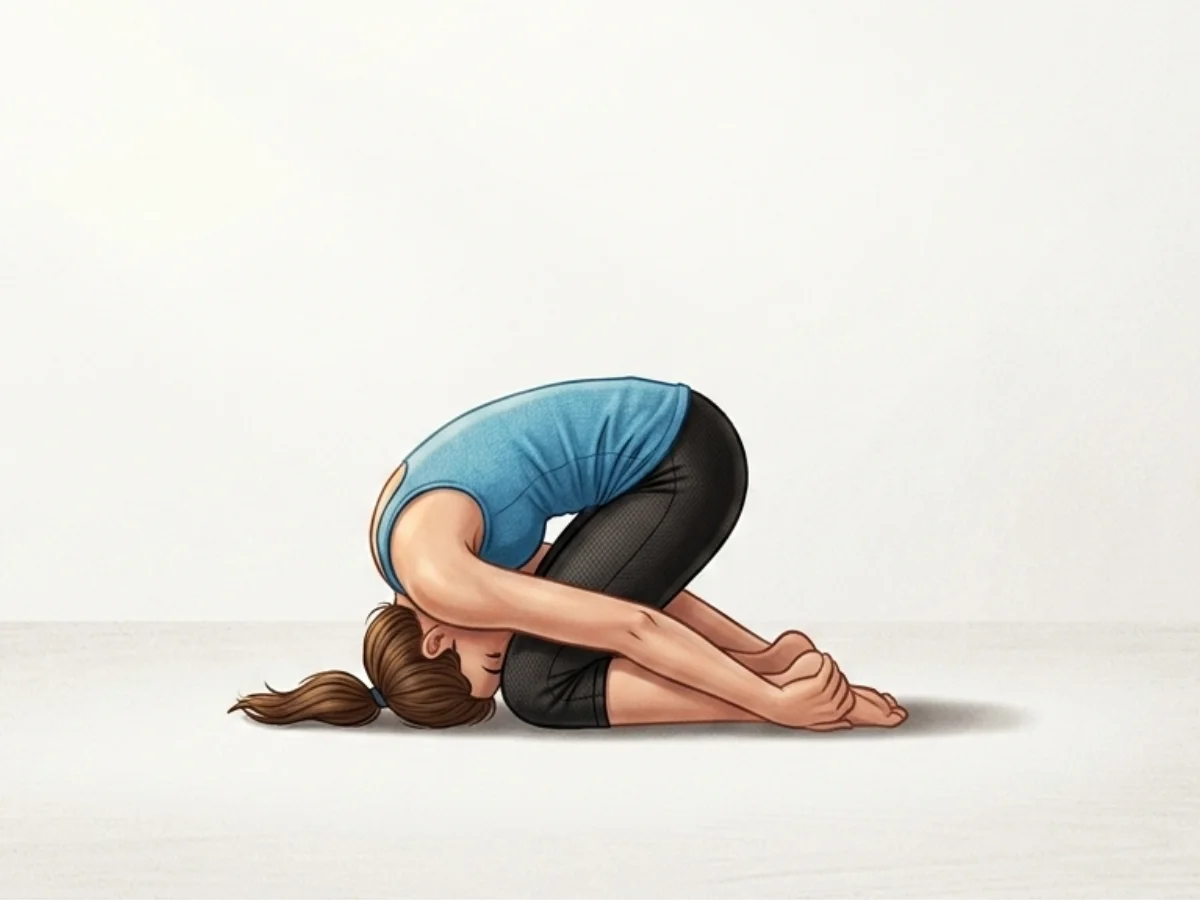
Rabbit Pose
SasangasanaStretches the back of the neck and the entire spine after deep extension.
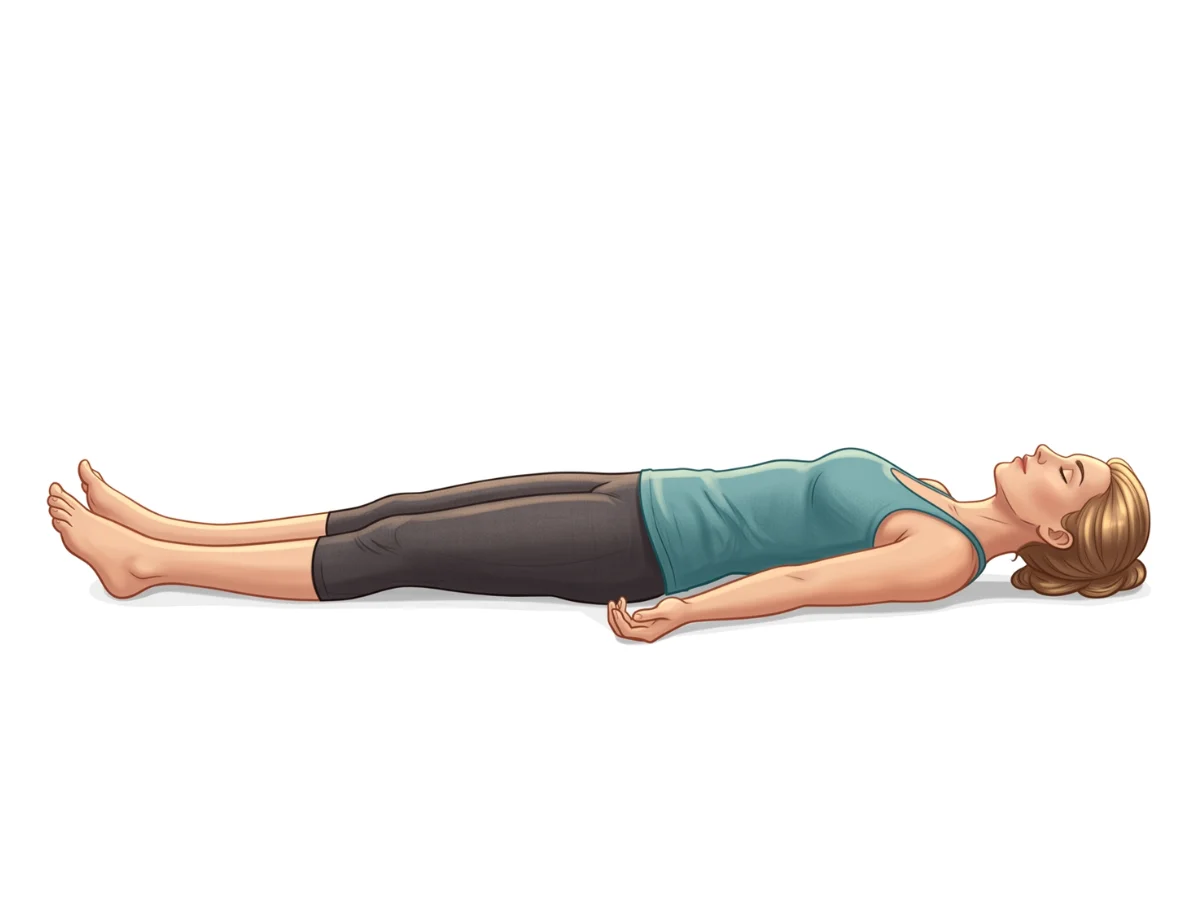
Corpse Pose
SavasanaAllows the heart rate to slow and the spine to neutralize completely.
Frequently Asked Questions
Does Chin Stand actually rest on the chin?
No. The name is slightly misleading. While your chin lightly touches the mat for balance and a sensory cue, 95% of your body weight should be supported by your hands, arms, and shoulders to protect the cervical spine.
How can I stop my legs from falling over?
Use your core and glutes! Point your toes and squeeze your legs together. Practicing near a wall can also help you find the balance point without fear of flipping.
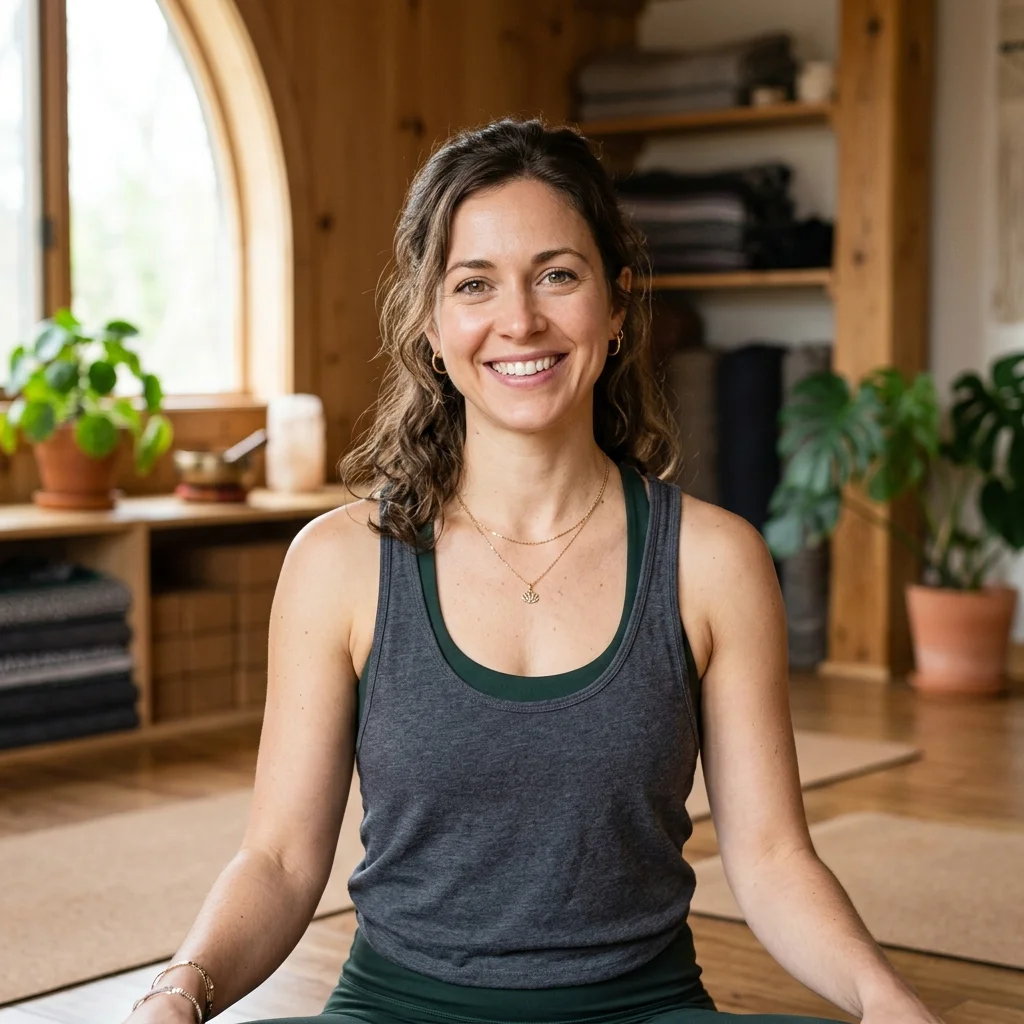
Elena Rostova is an accredited yoga educator and anatomy specialist with over 15 years of clinical experience. She focuses on functional biomechanics and injury prevention, translating complex anatomy into accessible guidance for safe, sustainable practice.
Read Full ProfileContinue Your Yoga Journey
Ready to deepen your practice? Explore our extensive library of poses, or join a structured program designed to build strength, flexibility, and mindfulness.