
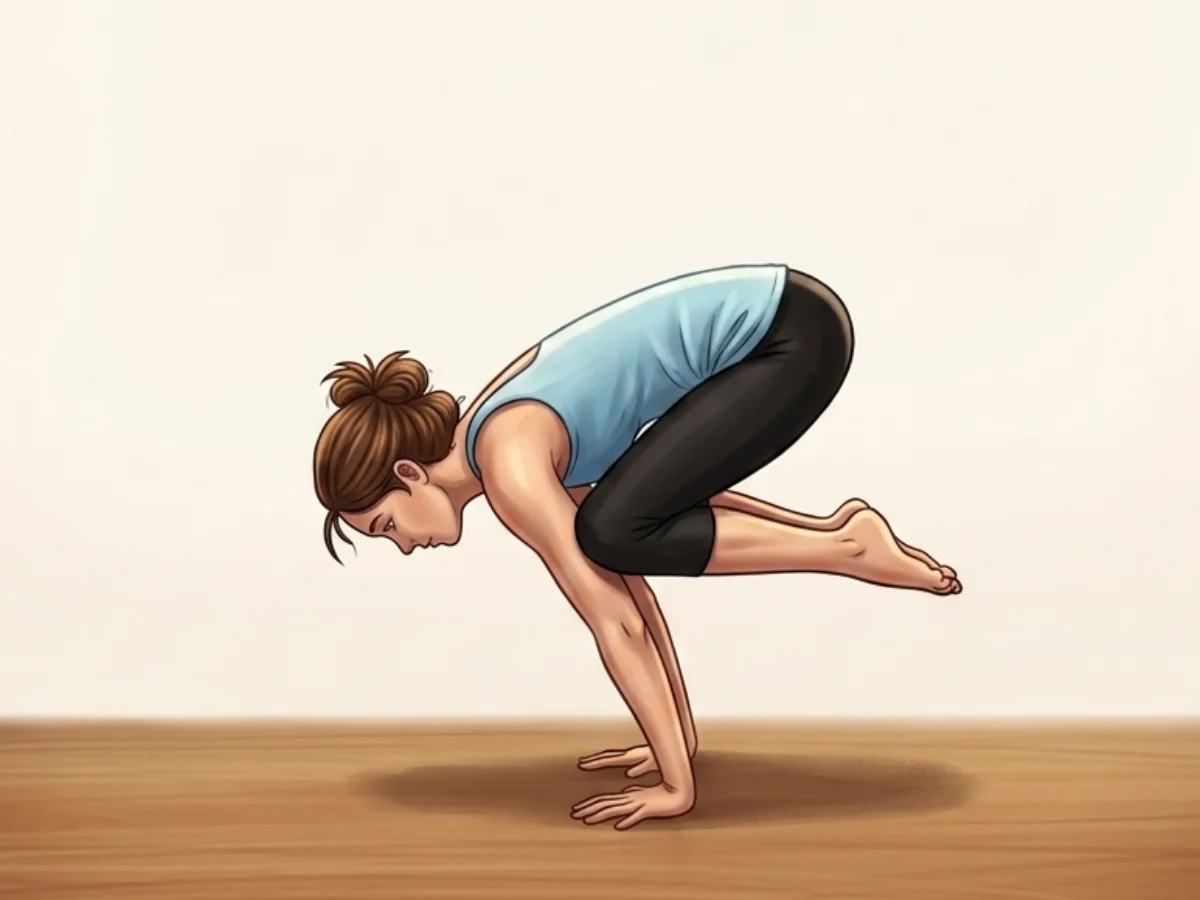
Crane
Bakasana
By Elena Rostova Updated: verified Medically Reviewed
Crane Pose (Bakasana) is a powerful, advanced arm balance that requires immense core strength, wrist flexibility, and focus. Unlike its sister pose, Crow (Kakasana), Crane is performed with completely straight arms and the knees tucked high up into the armpits, resembling a crane standing tall in shallow water.
Hold Time
30–60 sec · 5–10 breaths
Pronunciation
bah-KAHS-anna
About Crane
Crane (Bakasana) is a grounding posture that draws its natural shape from the animal kingdom. As you settle into the shape, it gently works the core strength & arm balance to increase your overall flexibility. Practicing this pose regularly helps with strengthens arms & shoulders and leaves you feeling completely refreshed.
How to Practice
Starting Position
Begin in a deep squat, like Garland Pose (Malasana), at the top of your mat. Keep your feet close together.
Plant the Hands
Place your hands flat on the mat about shoulder-width apart. Spread your fingers wide and press firmly into the fingertips and knuckles.
Lift the Hips
Lift your hips high toward the ceiling. Come onto the balls of your feet, bringing your knees as high up the back of your upper arms (into the armpits) as possible.
Shift Weight Forward
Gaze forward, slightly past your fingertips. Slowly shift your weight forward into your hands. Keep your elbows hugging in.
Straighten the Arms
Unlike Crow Pose, engage your triceps forcefully to straighten your arms completely. This requires significant core compression to keep the knees high.
Lift the Feet
As your weight shifts fully into your hands, your toes will naturally become light. Lift one foot off the floor, then the other, drawing the heels closely toward your glutes.
Round the Back
Actively round your upper back (thoracic spine) toward the ceiling, hollowing out your front body just like a frightened cat.
Hold and Breathe
Maintain the balance for 5 to 10 steady breaths. Keep your gaze forward to avoid somersaulting.
Exit the Pose
To exit, gently bend the elbows slightly and lower your feet back to the mat with control, returning to your squat.
Practice with the Yoga Timer
Keep track of your hold time and breath count for this pose.
Beginner Modifications & Prop Options
Yoga is a personal journey. These modifications and prop options allow you to adapt the pose to your current level of balance and flexibility, ensuring a safe and supportive practice.
Start with Crow Pose
Practice Kakasana (Crow Pose) with bent elbows first. Master balancing there before attempting to straighten the arms for Crane.
Tip: Focus on alignment rather than depth.
Block Under the Forehead
Place a yoga block horizontally on the mat in front of you. If you tip too far forward, your forehead will land safely on the block.
Tip: Focus on alignment rather than depth.
Blocks Under the Feet
Stand on a block to start. The added height makes it easier to tuck the knees deeply into the armpits before shifting the weight forward.
Tip: Focus on alignment rather than depth.
Benefits of Crane
Strengthens Arms & Shoulders
Straightening the arms under the body’s weight deeply strengthens the triceps, deltoids, and serratus anterior.
Builds Intense Core Power
Requires maximum engagement of the abdominals to tuck the knees into the armpits and lift the hips high.
Increases Wrist Strength
Bears the entire body weight on the hands, significantly strengthening the wrists and forearms.
Enhances Focus and Balance
The mental concentration required to balance on straight arms clears the mind and improves proprioception.
Stretches the Upper Back
The rounding of the spine stretches the rhomboids and trapezius muscles.
Common Mistakes to Avoid
Mistake: Looking Down
How to fix: Looking down shifts your center of gravity down and forward, causing you to tumble. Keep your gaze forward, past your fingertips.
Mistake: Bent Elbows
How to fix: If the elbows are bent, you are doing Crow Pose. To achieve Crane, actively press the floor away to straighten the arms.
Mistake: Knees Sliding Down
How to fix: Squeeze your inner thighs inward and engage your core forcefully to keep the knees glued to the armpits.
Safety and Precautions
Wrist Injuries
The extreme extension and load-bearing on the wrists can exacerbate conditions like Carpal Tunnel Syndrome or tendonitis.
Shoulder Injuries
Avoid if you have rotator cuff tears or shoulder instability.
Pregnancy
The deep core compression and risk of falling make this unsafe during pregnancy.
Medical Disclaimer: If you have any of the above conditions, consult your doctor or a qualified yoga instructor before attempting this pose.
Muscles Worked in Crane
Crane demands synchronized muscular effort, creating a profound sense of engagement and release throughout the body. The activation of the primary muscles supports the structure, while the secondary muscles provide stability and balance.
Primary Muscles
Triceps Brachii
Work forcefully to straighten the arms and hold the body up.
Rectus Abdominis
Compresses the front of the body to lift the hips and tuck the knees.
Serratus Anterior
Protracts the shoulder blades, rounding the upper back.
Secondary Muscles
Pectoralis Major
Stabilizes the arms and shoulders.
Hip Flexors
Draw the knees deeply into the chest/armpits.
Wrist Flexors
Support the body weight and balance on the hands.
Poses to Practice Before and After Crane
Prepare with these Poses
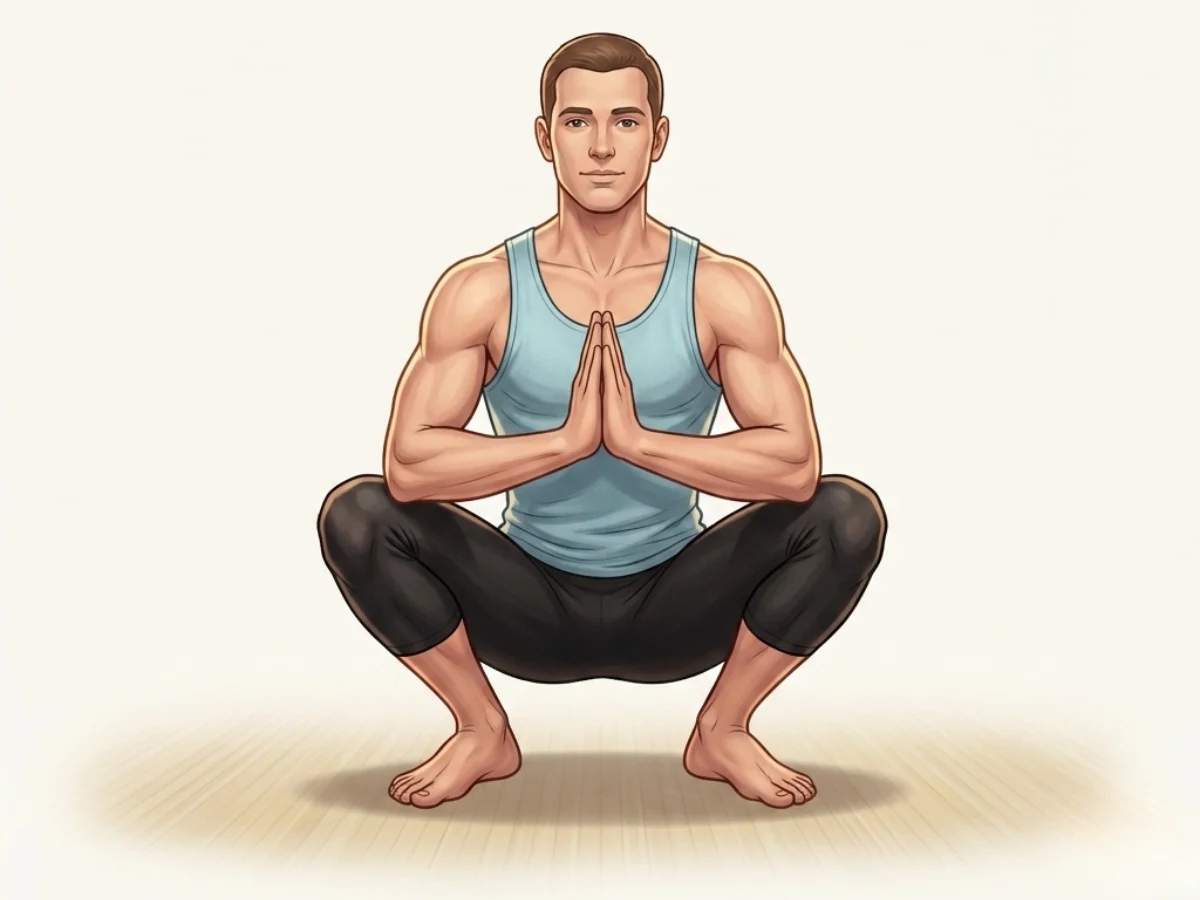
Garland Pose
MalasanaOpens the hips and establishes the deep squat position needed to enter the pose.
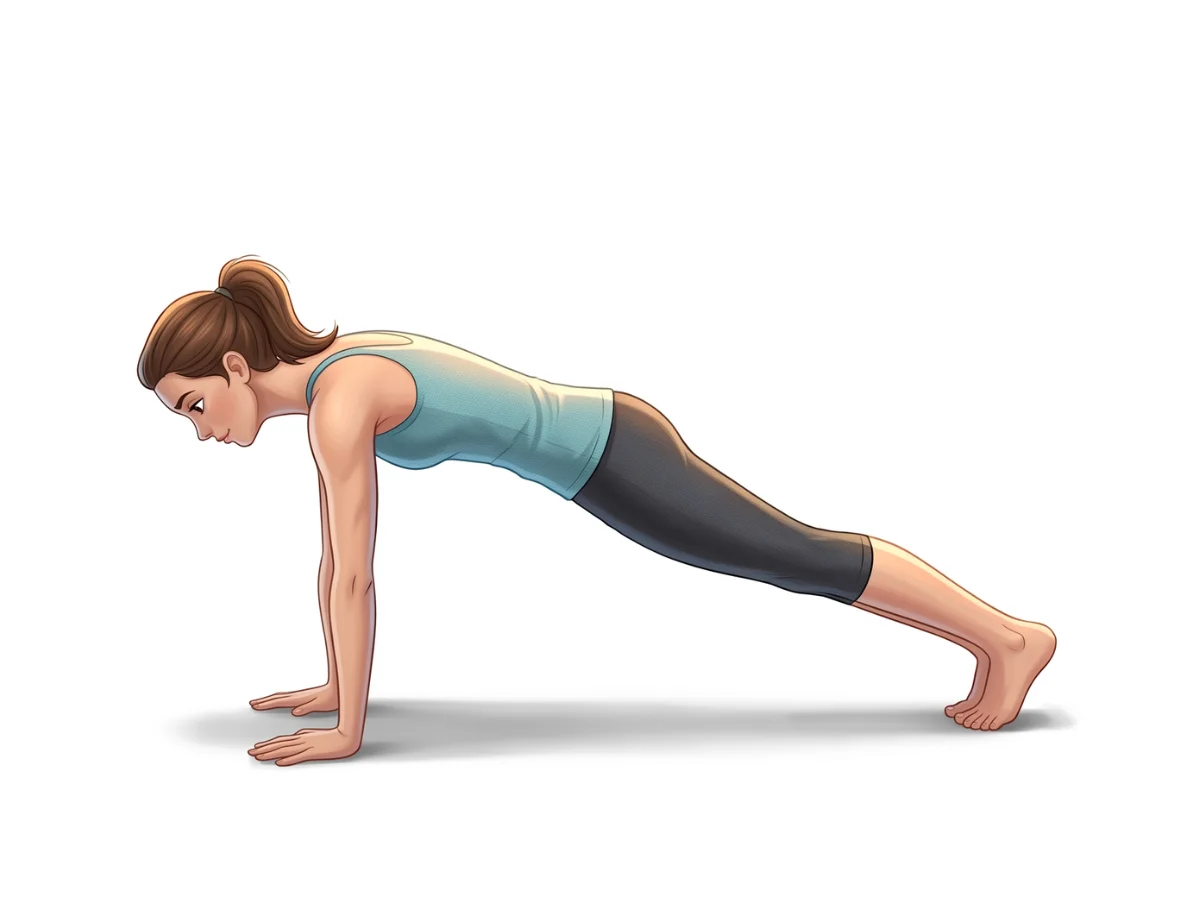
Plank Pose
PhalakasanaBuilds foundational arm strength, wrist stability, and core engagement.
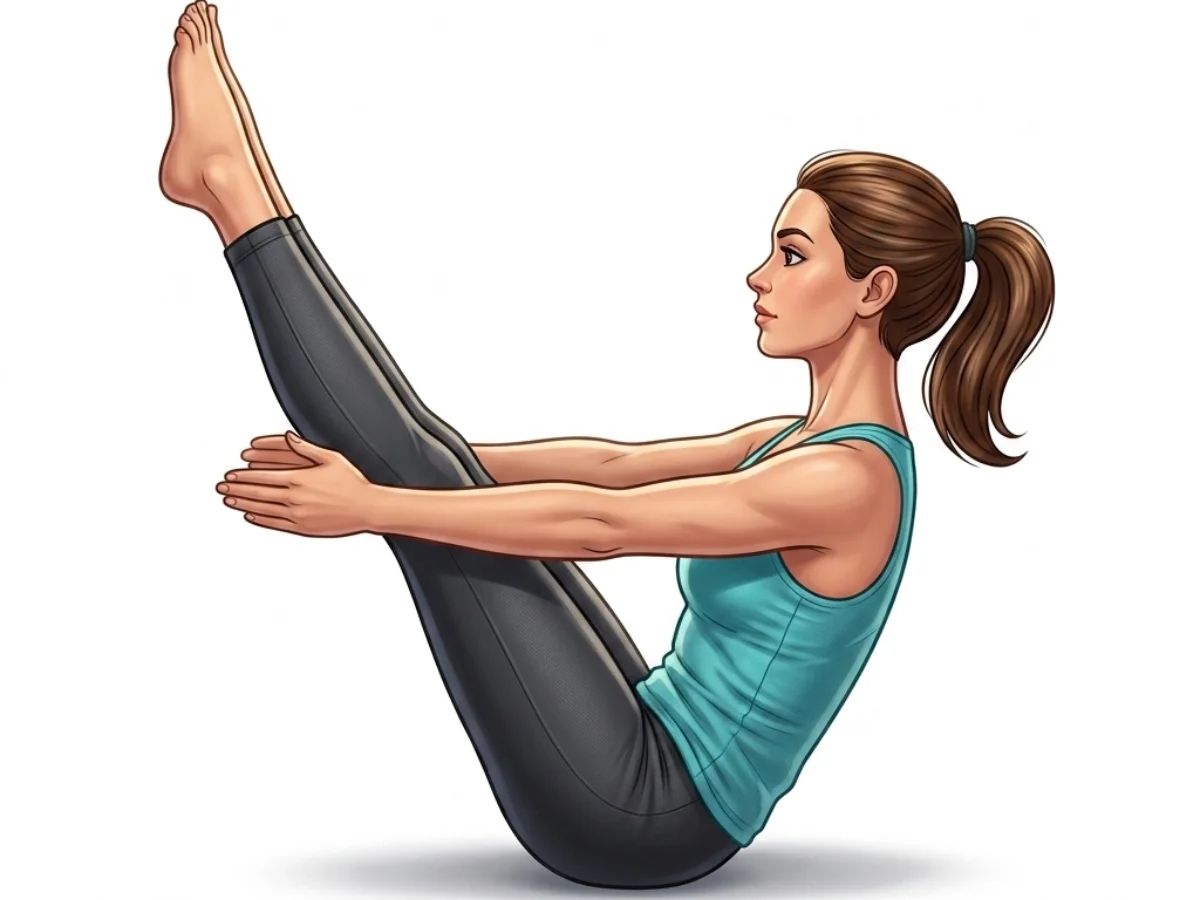
Boat Pose
NavasanaStrengthens the abdominal core and hip flexors essential for lifting the legs.
Follow with neutralizing Counter-poses
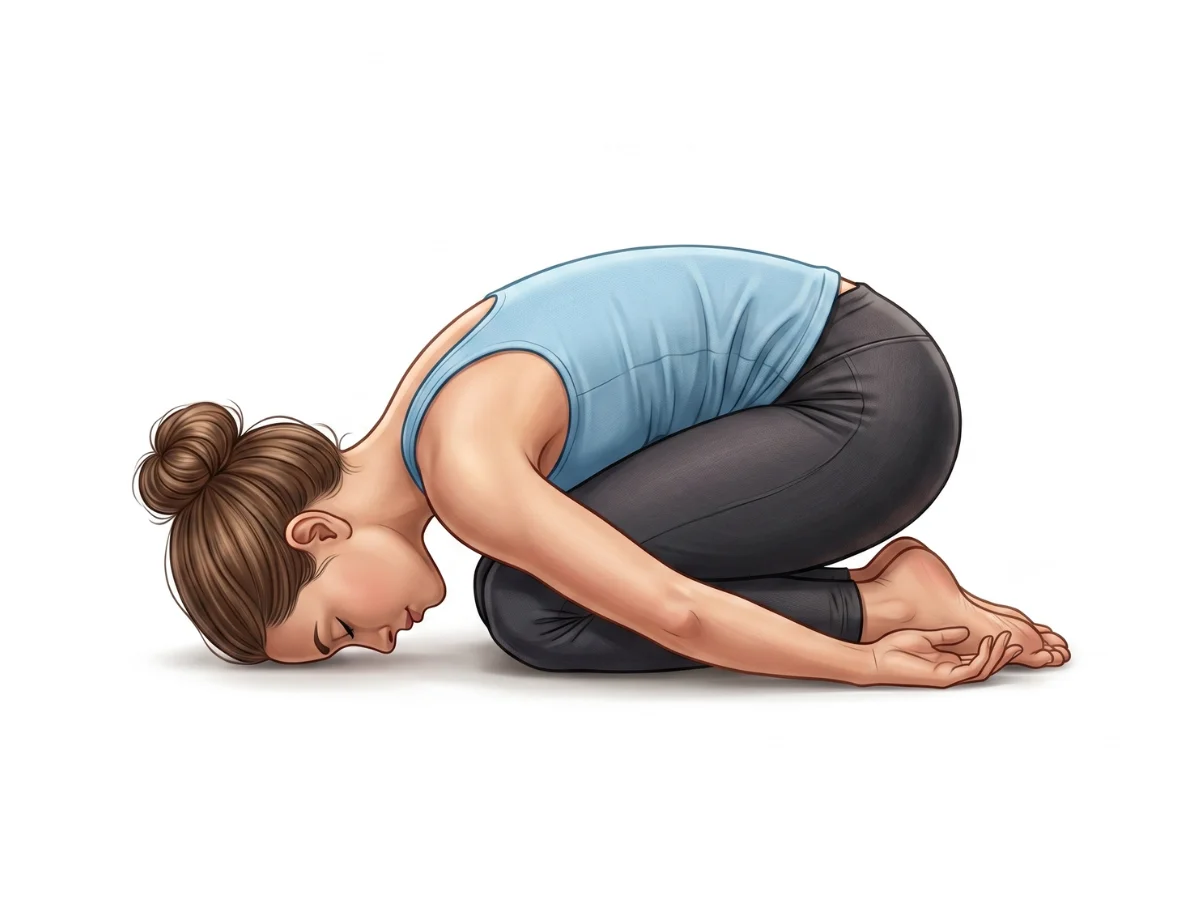
Child's Pose
BalasanaReleases the core and allows the shoulders and wrists to rest.
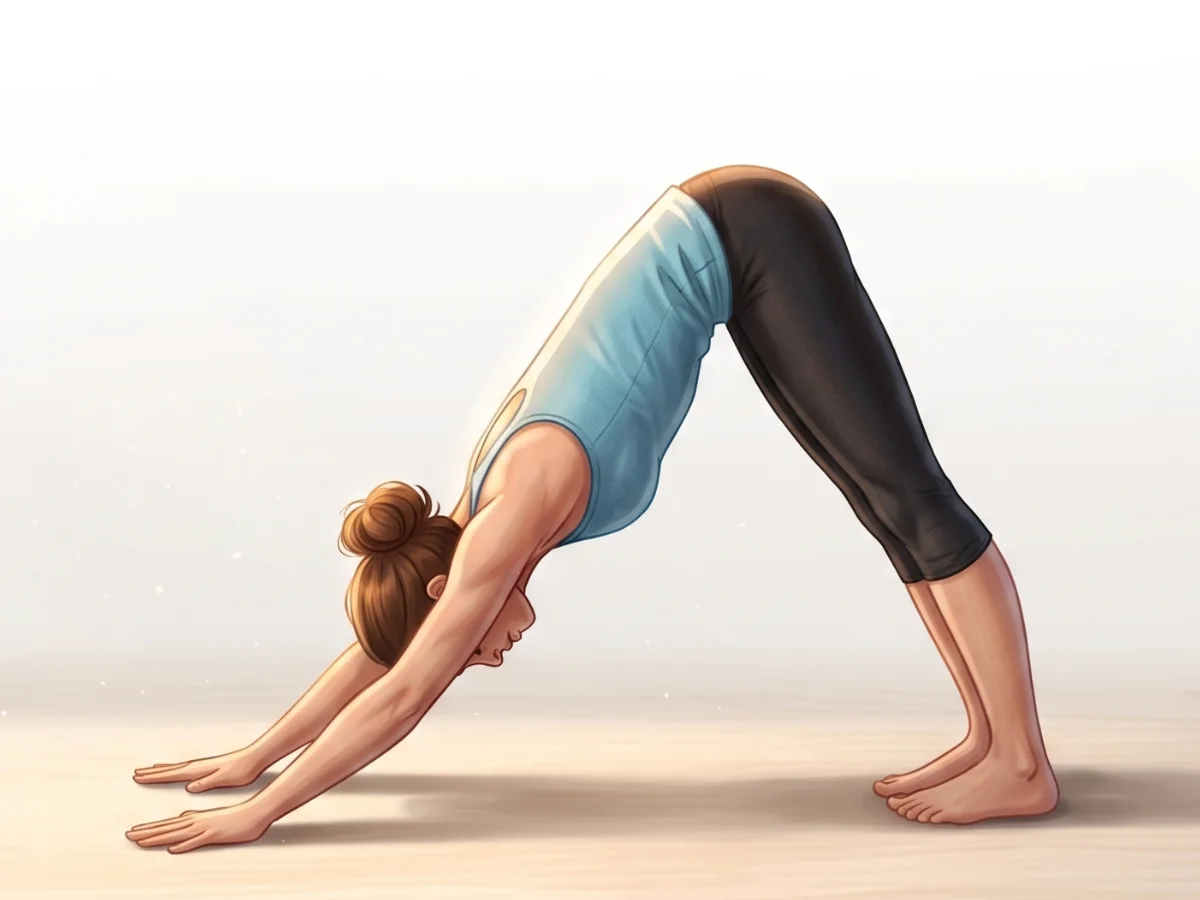
Downward-Facing Dog
Adho Mukha SvanasanaLengthens the spine and arms after intense compression.
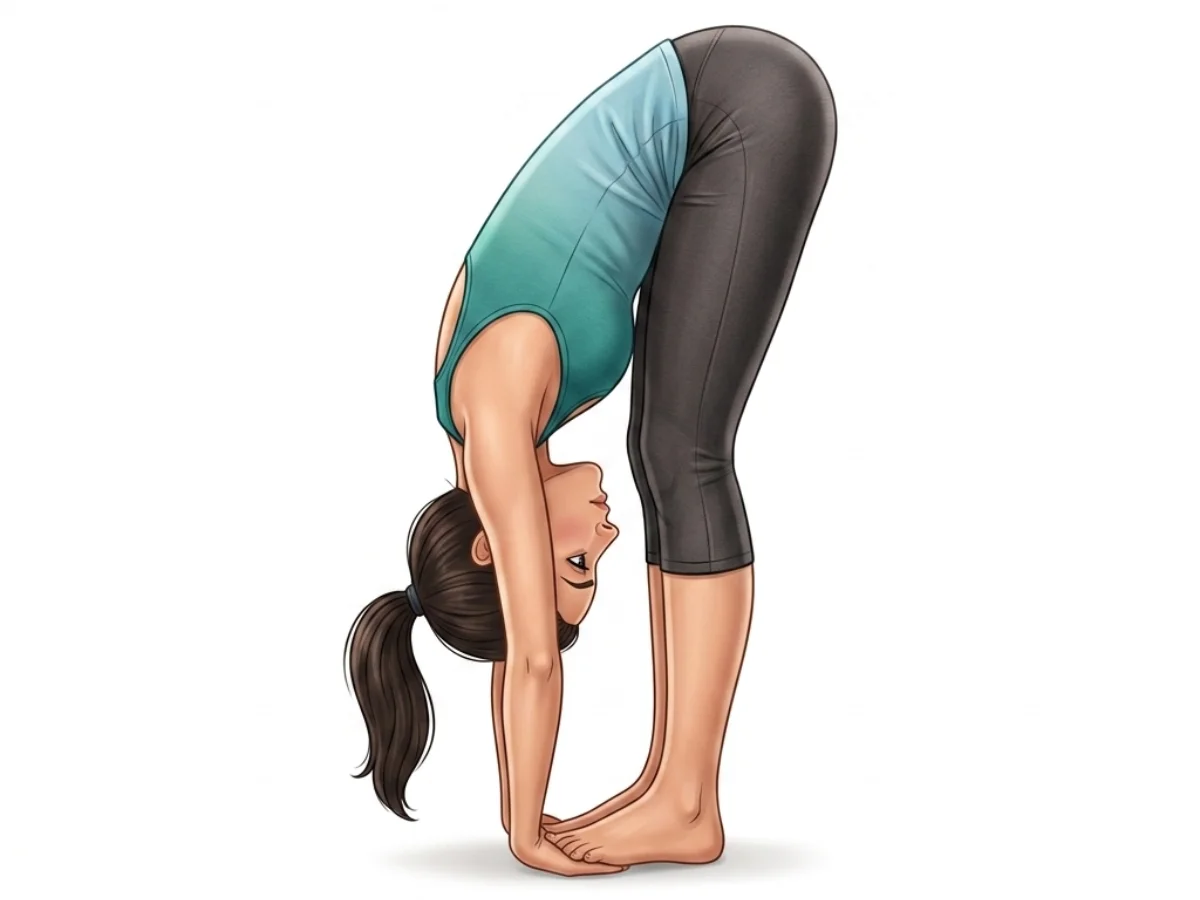
Gorilla Pose
PadahastasanaCounters the wrist extension by flexing the wrists under the feet.
Frequently Asked Questions
What is the difference between Crane and Crow Pose?
In Crow Pose (Kakasana), the elbows are bent, creating a shelf for the knees. In Crane Pose (Bakasana), the arms are completely straight, requiring more core strength to keep the knees high up near the armpits.
Why do my wrists hurt in Bakasana?
Wrist pain happens when you dump all your weight into the heel of the hand. Actively grip the mat with your fingertips (creating a "spider hand" shape) to distribute the weight evenly and protect the wrist joint.
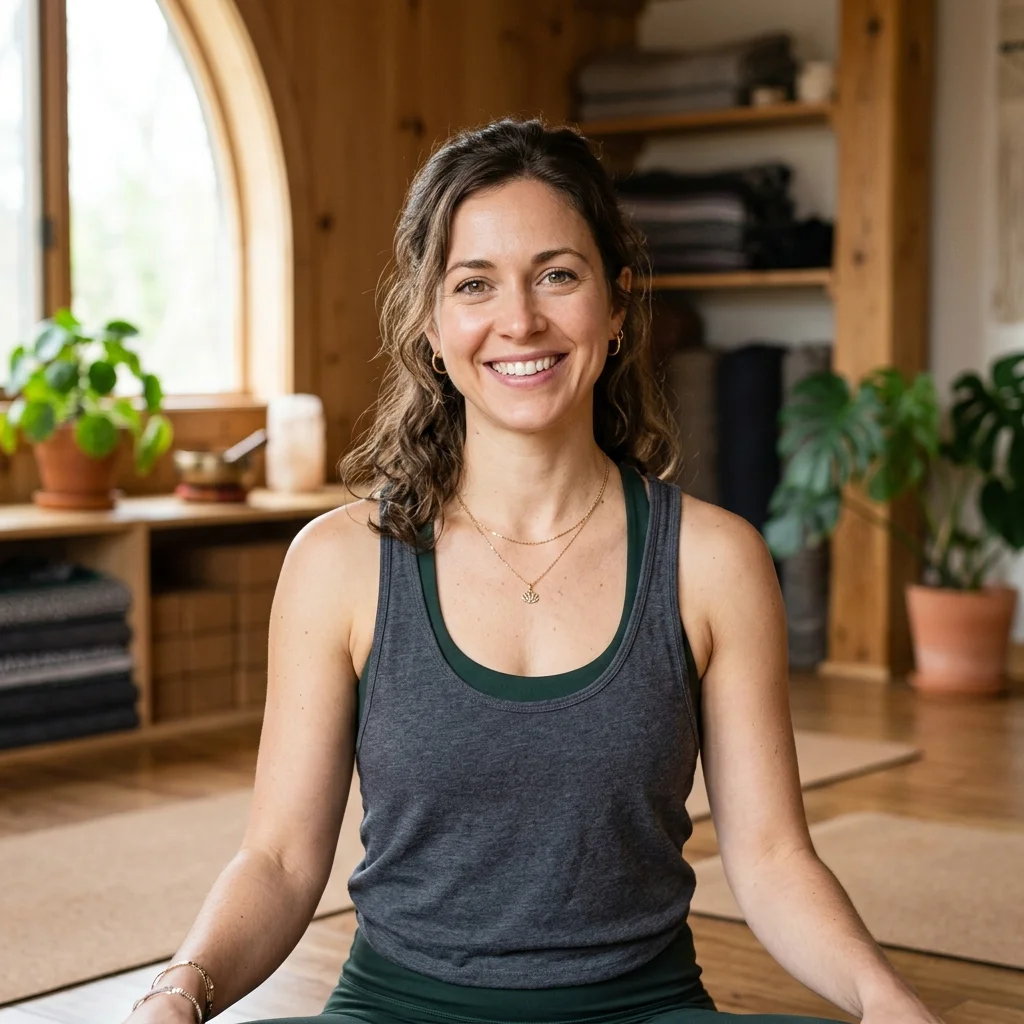
Elena Rostova is an accredited yoga educator and anatomy specialist with over 15 years of clinical experience. She focuses on functional biomechanics and injury prevention, translating complex anatomy into accessible guidance for safe, sustainable practice.
Read Full ProfileContinue Your Yoga Journey
Ready to deepen your practice? Explore our extensive library of poses, or join a structured program designed to build strength, flexibility, and mindfulness.