
Deaf Man's
Karnapidasana
By Elena Rostova Updated: verified Medically Reviewed
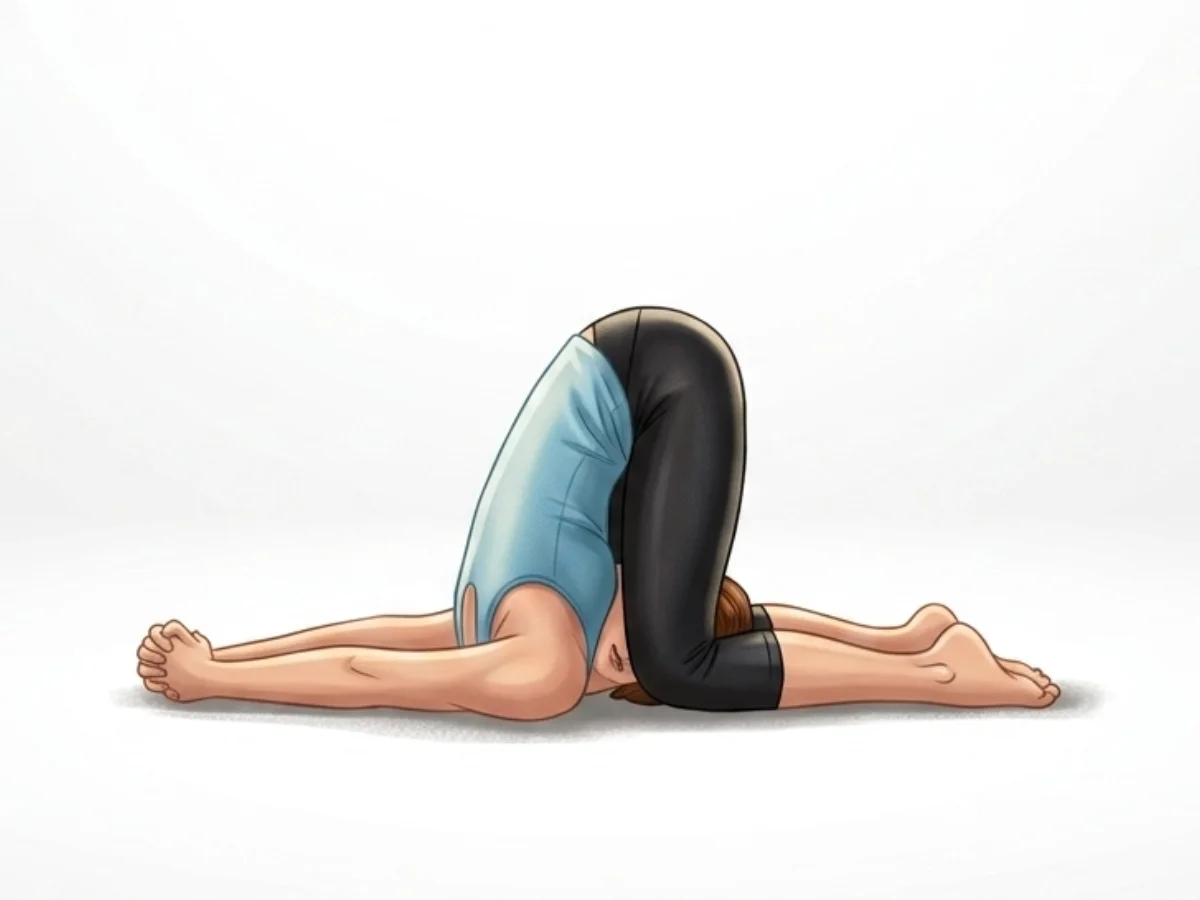
Deaf Man's Pose (Karnapidasana), sometimes translated as Ear Pressure Pose or Knee to Ear Pose, is an intense forward bend performed in an inverted position. By resting the knees on the floor next to the ears, the practitioner profoundly stretches the entire spine and creates a deeply internal, sensory-withdrawn state (Pratyahara).
Hold Time
1�3 minutes � 10�20 breaths
Pronunciation
kar-nah-pee-DAHS-anna
About Deaf Man's
A vital part of many yoga sequences, Deaf Man's (Karnapidasana) offers wonderful benefits that go beyond its simple shape. By gently focusing on deep back stretch & internal focus, it actively stretches your muscles and builds heat. Ultimately, it is a fantastic pose for stretches the entire spine, leaving you with a profound sense of grounded energy.
How to Practice
Start in Plow Pose
Begin on your back and move into Plow Pose (Halasana), with your legs extended straight back over your head and your toes resting on the floor.
Support Your Back
Keep your hands pressing firmly into your middle back for support, maintaining a lift in your torso to avoid collapsing onto your neck.
Bend the Knees
Exhale deeply and slowly bend your knees, bringing them down toward the floor on either side of your head.
Squeeze the Ears
If your flexibility allows, rest your knees completely on the floor beside your ears, lightly squeezing the ears with your inner knees to block out external sound.
Arm Placement
You can keep your hands supporting your back, or for a deeper variation, extend your arms straight along the floor in the opposite direction of your legs and interlace your fingers.
Breathe Deeply
The compression of the chest makes breathing challenging. Focus on breathing into your back body and ribs. Hold for 10 to 20 deep breaths.
Release Safely
To exit, release your hands, place your palms flat on the mat as brakes, straighten your legs back into Plow, and slowly roll your spine down to the floor vertebra by vertebra.
Practice with the Yoga Timer
Keep track of your hold time and breath count for this pose.
Beginner Modifications & Prop Options
Yoga is a personal journey. These modifications and prop options allow you to adapt the pose to your current level of balance and flexibility, ensuring a safe and supportive practice.
Keep Hands on Back
Keep your hands firmly pressing into your lumbar spine rather than reaching them along the floor. This provides essential support for the spine.
Tip: Focus on alignment rather than depth.
Knees Lifted
If your knees don't reach the floor safely, let them hover in the air beside your temples. Never force them down.
Tip: Focus on alignment rather than depth.
Benefits of Deaf Man's
Stretches the Entire Spine
Provides intense flexion for the cervical, thoracic, and lumbar spine, relieving deep-seated back tension.
Encourages Pratyahara
Blocking the ears and closing off the body promotes profound sensory withdrawal and mental calmness.
Stimulates Thyroid
The deep chin lock (Jalandhara Bandha) compresses the throat, which may help stimulate thyroid function.
Stretches the Neck
Lengthens the back of the neck and trapezius muscles.
Aids Digestion
The deep compression of the abdomen massages internal organs, potentially aiding digestion and elimination.
Common Mistakes to Avoid
Mistake: Turning the Head
How to fix: Never turn your head side-to-side in this pose, as it can cause severe cervical spine injury. Keep your gaze directed straight up at your chest or close your eyes.
Mistake: Collapsing the Chest
How to fix: Keep lifting your torso upward slightly to prevent all your body weight from dumping into your fragile neck vertebrae.
Mistake: Forcing the Knees Down
How to fix: Let gravity do the work over time. Forcing the knees down with muscle power can strain the lower back and neck.
Safety and Precautions
Neck or Spine Injuries
Avoid this pose entirely if you have a history of cervical spine issues, whiplash, or disc herniation.
High Blood Pressure
The inversion and throat compression can dangerously raise blood pressure in the head.
Glaucoma
Inversions increase pressure in the eyes.
Pregnancy
The deep abdominal compression makes this unsafe for pregnant practitioners.
Medical Disclaimer: If you have any of the above conditions, consult your doctor or a qualified yoga instructor before attempting this pose.
Muscles Worked in Deaf Man's
Deaf Man's demands synchronized muscular effort, creating a profound sense of engagement and release throughout the body. The activation of the primary muscles supports the structure, while the secondary muscles provide stability and balance.
Primary Muscles
Erector Spinae
Stretches deeply along the entire length of the back.
Trapezius
Lengthens intensely at the top of the shoulders and neck.
Secondary Muscles
Hamstrings
Stretches slightly, though less than in Plow pose due to the bent knees.
Rhomboids
Stretch as the upper back rounds.
Poses to Practice Before and After Deaf Man's
Prepare with these Poses
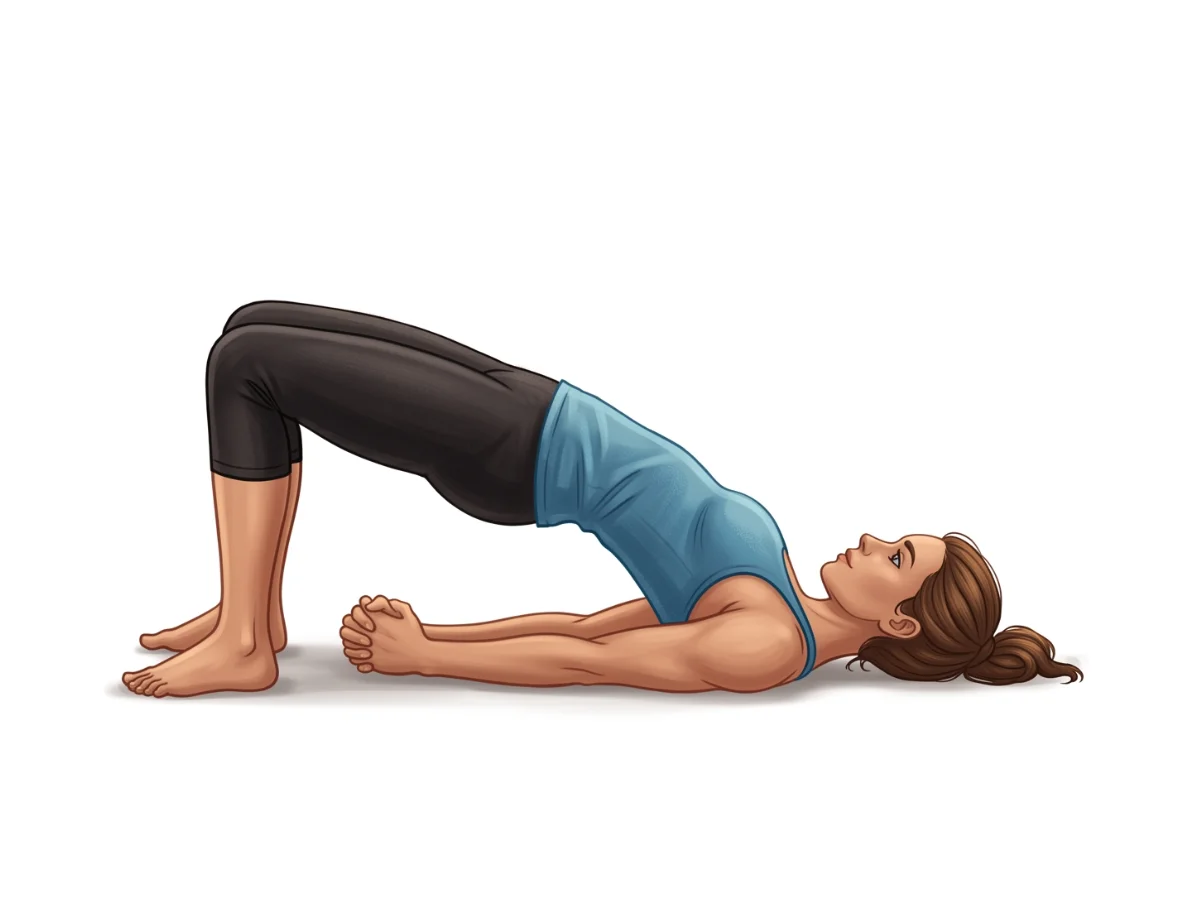
Bridge Pose
Setu BandhasanaPrepares the neck and shoulders for bearing weight in an inverted position.
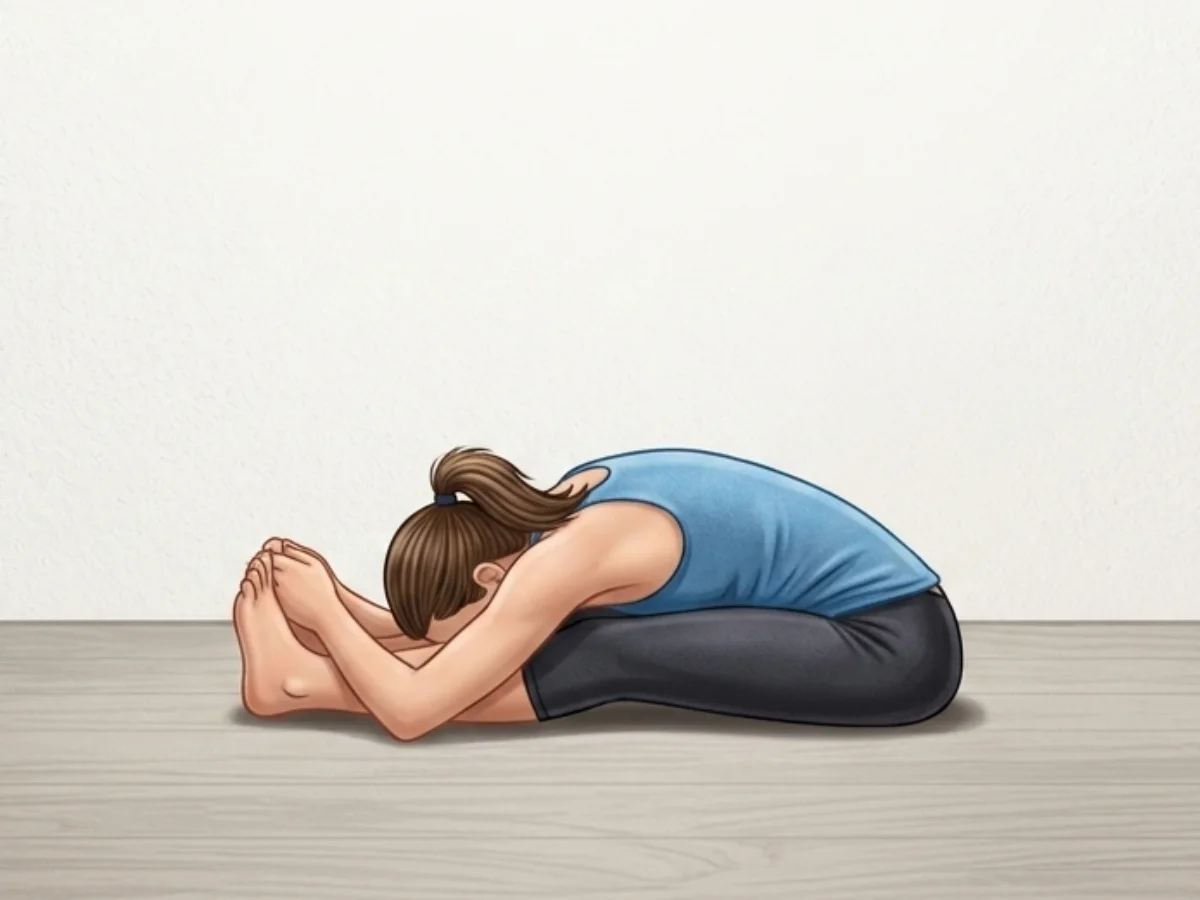
Seated Forward Bend
PaschimottanasanaLengthens the hamstrings and lower back in preparation for intense flexion.
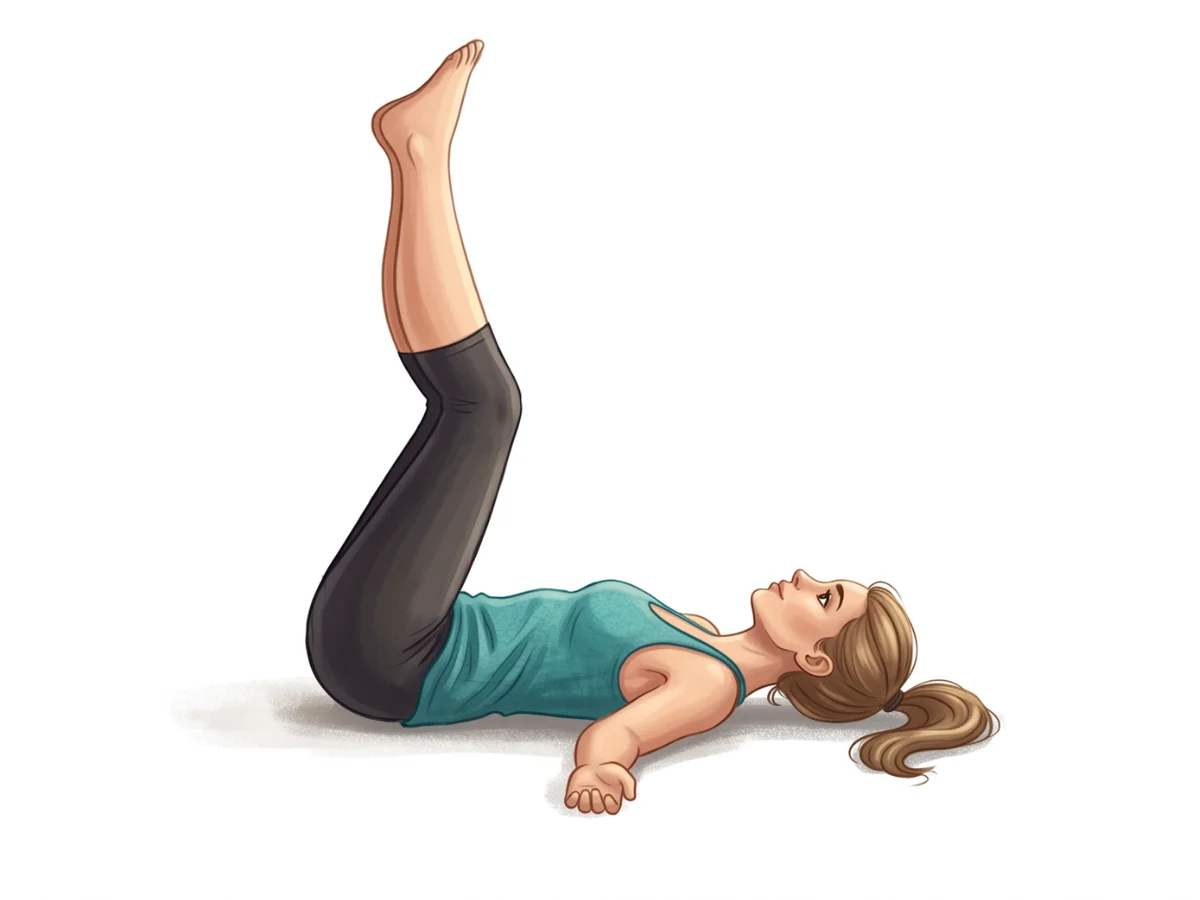
Waterfall Pose
Viparita KaraniA gentle inversion that accustoms the body to having the legs overhead.
Follow with neutralizing Counter-poses
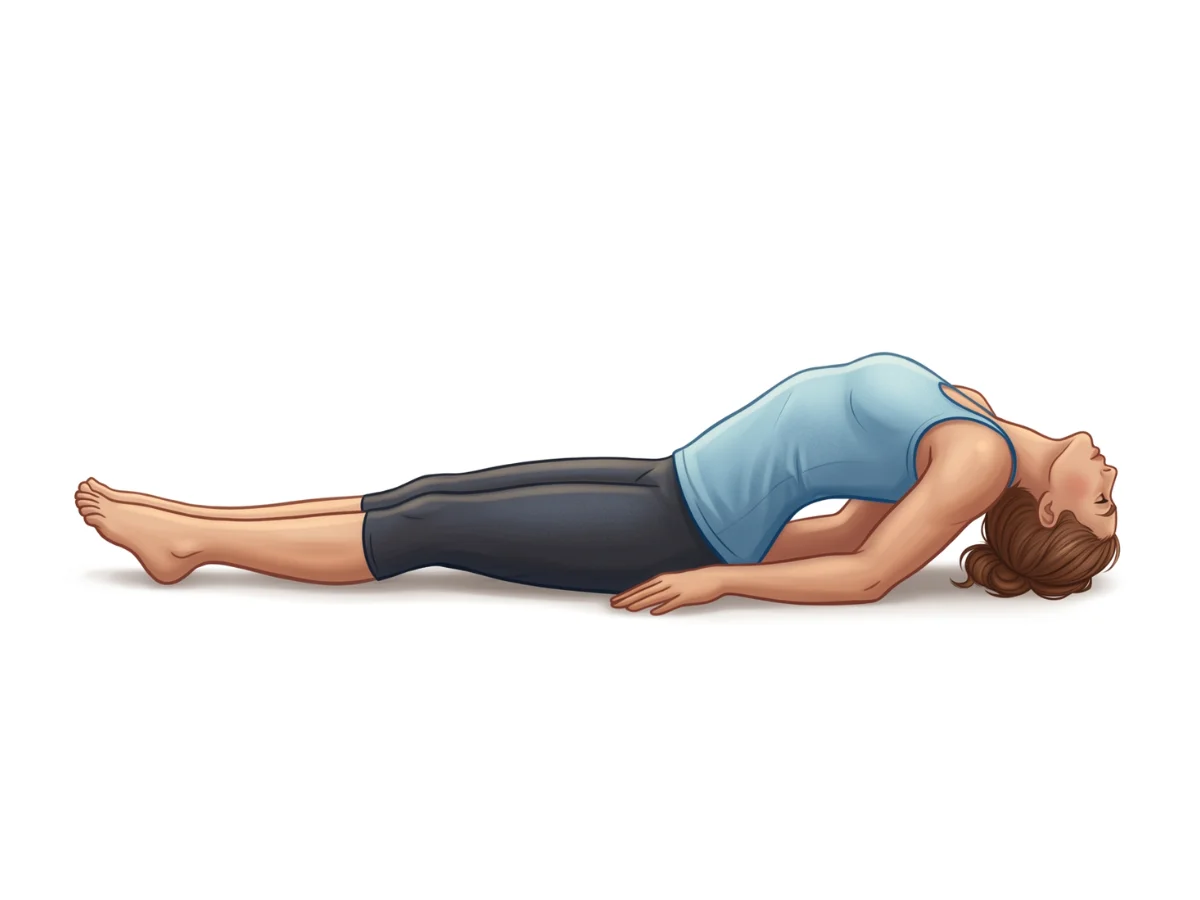
Fish Pose
MatsyasanaThe primary counter-pose; deeply opens the chest and throat, reversing the cervical flexion.
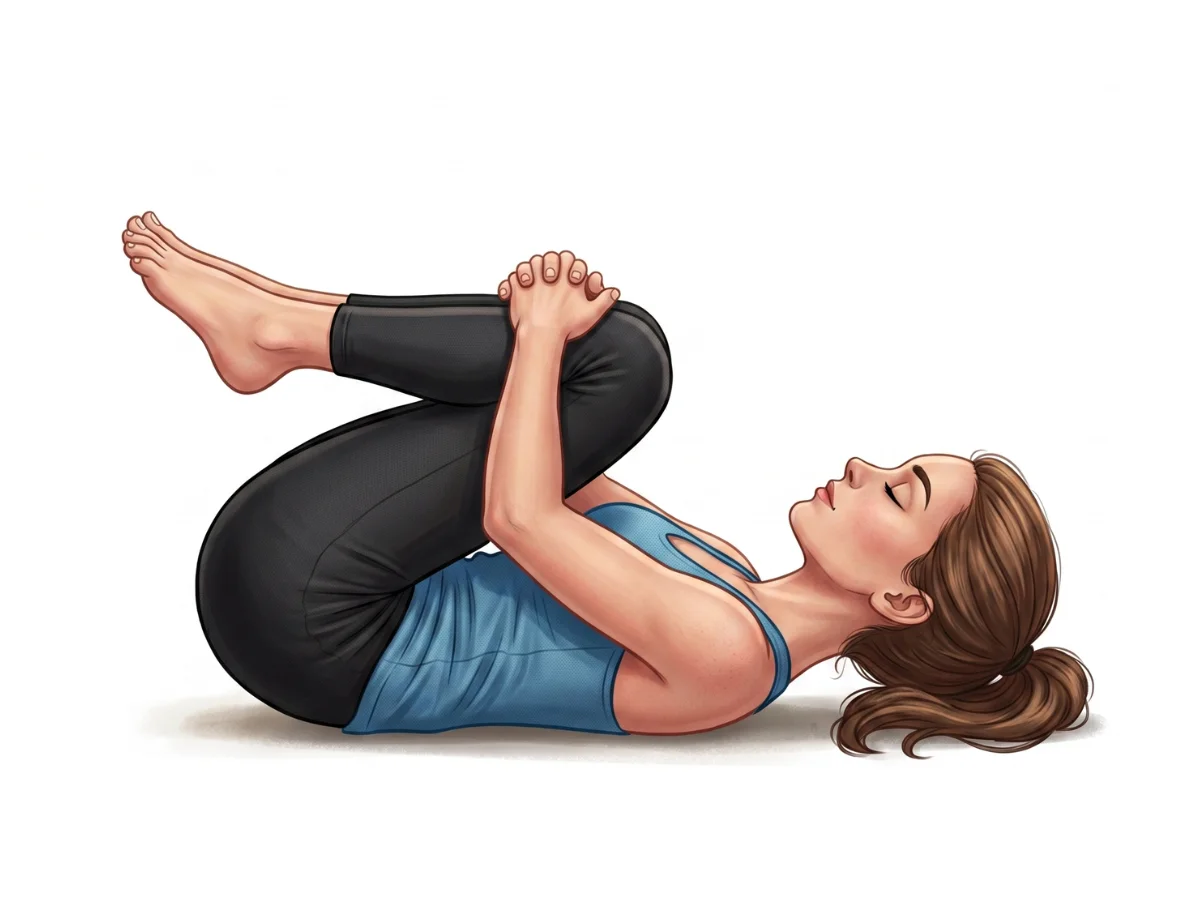
Wind-Removing Pose
PavanamuktasanaGently neutralizes the spine while keeping the back flat on the floor.
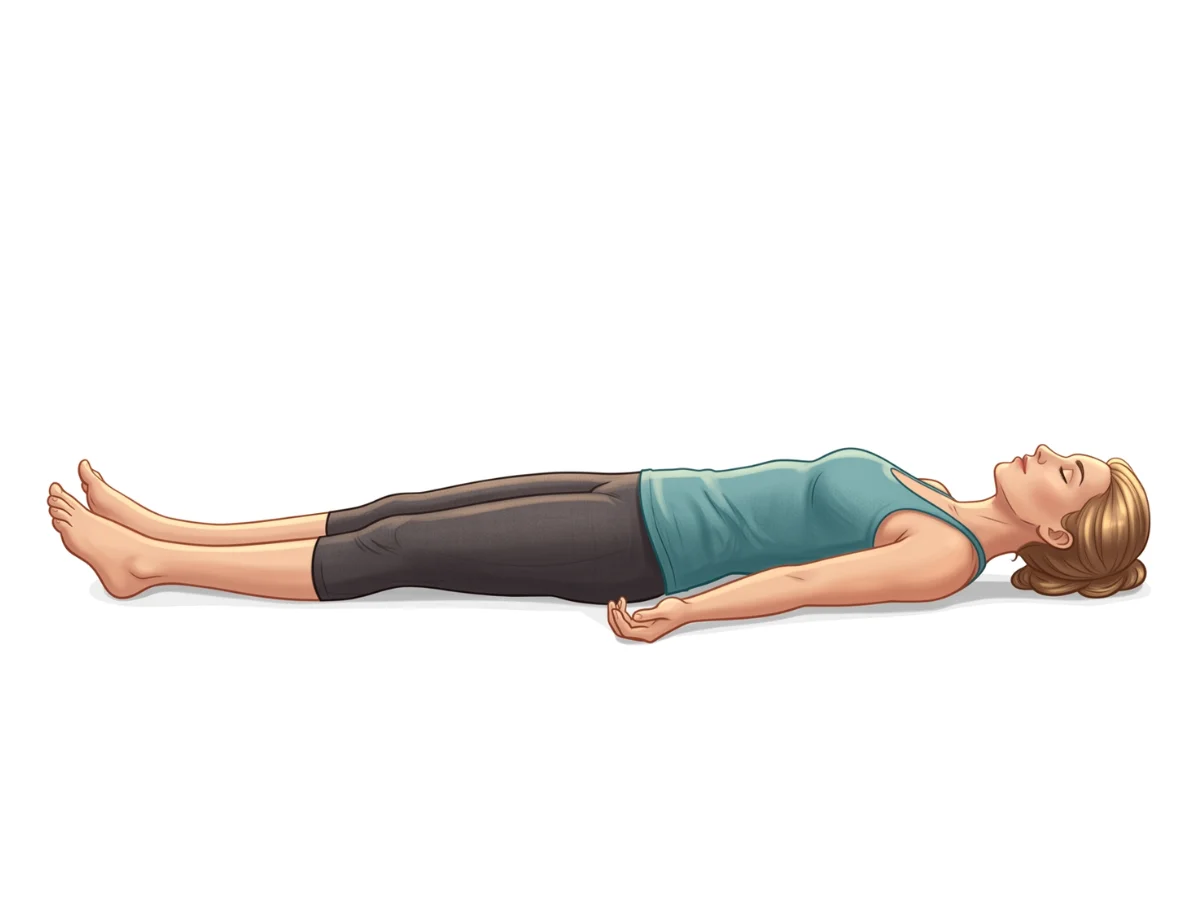
Corpse Pose
SavasanaAllows the spine to fully rest and the nervous system to integrate the intense sensations.
Frequently Asked Questions
Is it safe to breathe when my throat is so compressed?
Yes, but breathing will feel shallow and restricted. Focus on expanding your ribcage and breathing into your back. If you feel dizzy or panicky, exit the pose immediately.
What if my knees don't touch the floor?
That is perfectly fine. Let them hover in the air or rest them on your forehead. Never pull or force them down.
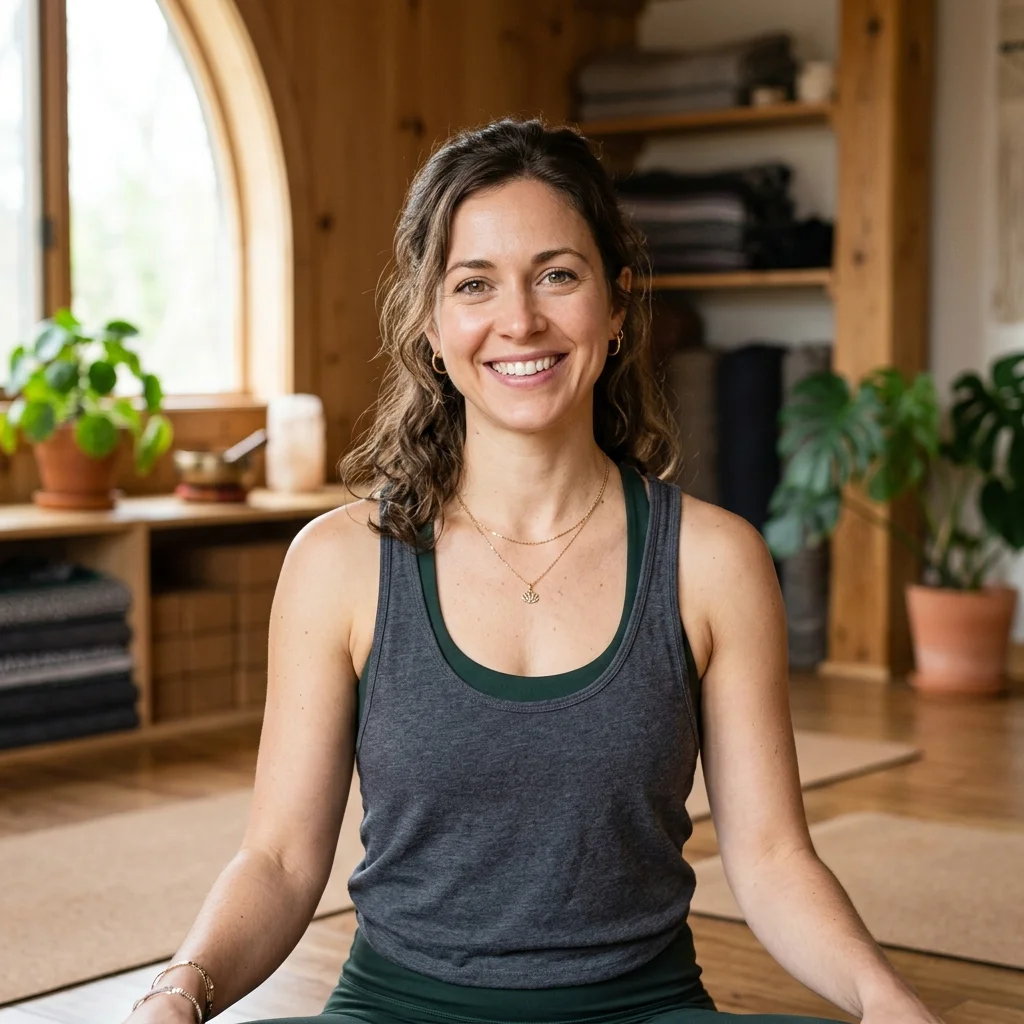
Elena Rostova is an accredited yoga educator and anatomy specialist with over 15 years of clinical experience. She focuses on functional biomechanics and injury prevention, translating complex anatomy into accessible guidance for safe, sustainable practice.
Read Full ProfileContinue Your Yoga Journey
Ready to deepen your practice? Explore our extensive library of poses, or join a structured program designed to build strength, flexibility, and mindfulness.