
Eight Angle
Astavakrasana
By Elena Rostova Updated: verified Medically Reviewed
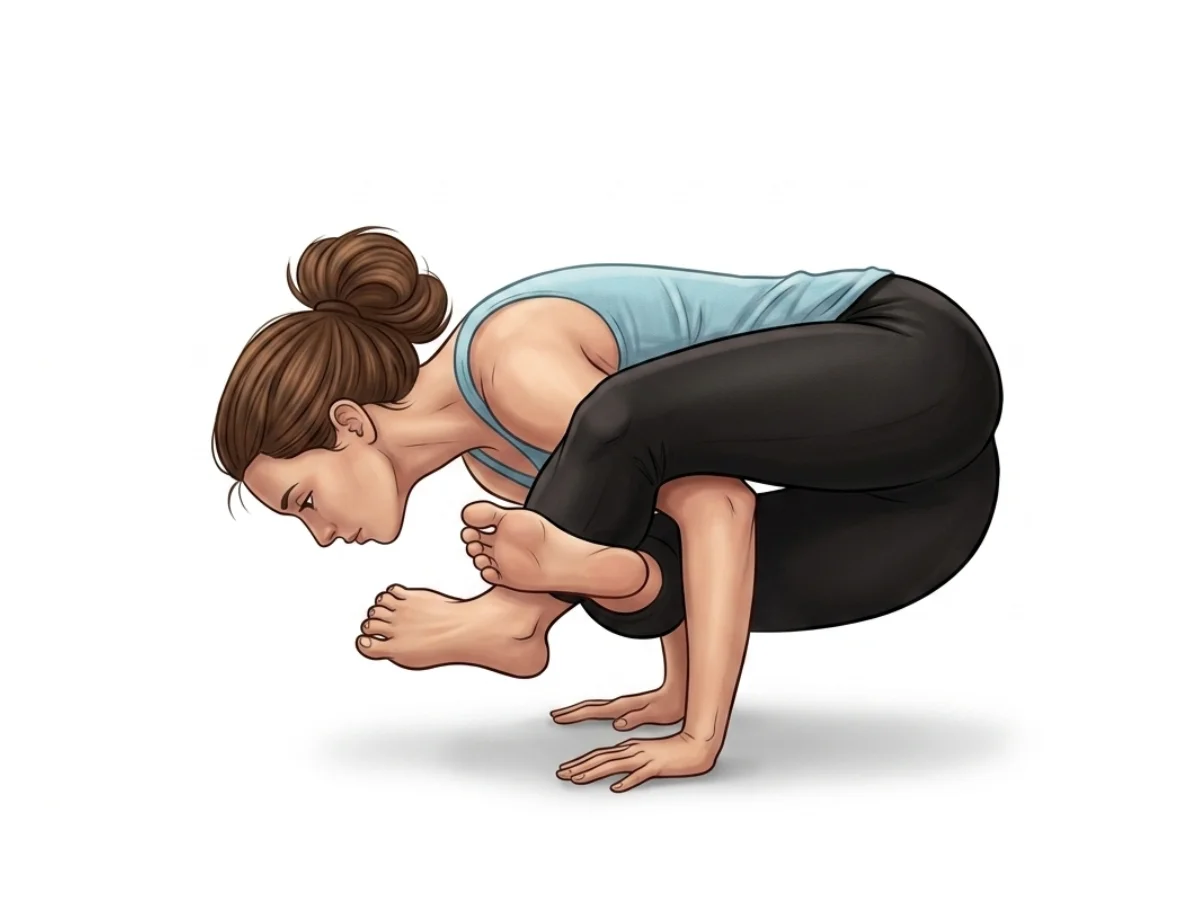
Eight Angle Pose (Astavakrasana) is a striking, asymmetrical arm balance that demands robust core strength, hip flexibility, and a strong sense of balance. Named after the sage Astavakra, this pose involves hooking the legs over one arm and lifting the body off the floor while extending the legs out to the side.
Hold Time
3–5 breaths
Pronunciation
ahsh-tah-vah-KRAHS-anna
About Eight Angle
A vital part of many yoga sequences, Eight Angle (Astavakrasana) offers wonderful benefits that go beyond its simple shape. This posture specifically engages the core power & asymmetrical balance, making it highly effective for developing both strength and mobility. Consistent practice will actively assist in builds core and oblique power, helping you feel lighter and more balanced off the mat.
How to Practice
Start Seated
Begin seated in Staff Pose (Dandasana), with both legs extended straight in front of you.
Leg Over Shoulder
Bend your right knee. Thread your right arm under your right knee and physically lift the right leg as high up onto your right shoulder (or upper tricep) as possible.
Plant the Hands
Place your palms flat on the mat framing your hips, fingers spread wide and pressing firmly down.
Cross the Ankles
Hook your left ankle securely over your right ankle, locking your feet together.
Lift the Hips
Engage your core deeply and press down through your hands to lift your hips and legs entirely off the floor.
Squeeze the Arm
Actively squeeze your inner thighs together, gripping your right arm tightly between your legs to anchor them in place.
Shift and Extend
Lean your torso forward and down (bringing your shoulders parallel to the floor like Chaturanga) while simultaneously extending your legs straight out to the right side.
Hold and Breathe
Keep your elbows hugged in tightly to your ribs. Gaze slightly forward. Hold for 3 to 5 strong breaths.
Release
To exit, bend your knees, lift your torso, and gently lower your hips back to the mat. Uncross the legs and repeat on the other side.
Practice with the Yoga Timer
Keep track of your hold time and breath count for this pose.
Beginner Modifications & Prop Options
Yoga is a personal journey. These modifications and prop options allow you to adapt the pose to your current level of balance and flexibility, ensuring a safe and supportive practice.
Blocks Under Hands
Place a yoga block under each hand. The added height creates more space for your hips to swing clear of the floor.
Tip: Focus on alignment rather than depth.
Keep Hips on the Floor
If lifting off is too challenging, hook the leg, plant the hands, and simply practice squeezing the arm and engaging the core without actually lifting the hips.
Tip: Focus on alignment rather than depth.
Benefits of Eight Angle
Builds Core and Oblique Power
The twisting and lifting action requires immense strength from the abdominal muscles, particularly the obliques.
Strengthens Arms & Wrists
Bears the entire body weight on bent arms, strengthening the triceps, forearms, and wrists.
Opens the Hips
Requires deep external rotation and flexibility in the hips to secure the leg over the shoulder.
Improves Digestion
The twisting compression of the torso stimulates the digestive organs.
Develops Balance
Mastering the asymmetrical weight distribution improves overall physical and mental equilibrium.
Common Mistakes to Avoid
Mistake: Leg Slipping Off Shoulder
How to fix: You must actively squeeze your inner thighs together around your arm. If your legs go limp, they will slide right off.
Mistake: Elbows Splaying Wide
How to fix: Keep your elbows hugged tightly into your ribs (Chaturanga arms) to support your body weight and protect your rotator cuffs.
Mistake: Not Leaning Forward Enough
How to fix: To counterbalance the weight of your legs extending to the side, your torso must dip forward toward the floor.
Safety and Precautions
Wrist or Shoulder Injuries
Places heavy loads on the wrists and requires stable, strong shoulders.
Lower Back Issues
The intense twisting and lifting can strain vulnerable lumbar discs.
Pregnancy
Deep twists and heavy core compression make this unsafe during pregnancy.
Medical Disclaimer: If you have any of the above conditions, consult your doctor or a qualified yoga instructor before attempting this pose.
Muscles Worked in Eight Angle
Eight Angle demands synchronized muscular effort, creating a profound sense of engagement and release throughout the body. The activation of the primary muscles supports the structure, while the secondary muscles provide stability and balance.
Primary Muscles
Obliques
Work forcefully to hold the twisted torso and lift the legs sideways.
Triceps Brachii
Support the bent-arm balance.
Adductors (Inner Thighs)
Squeeze tightly to lock the legs onto the arm.
Secondary Muscles
Rectus Abdominis
Assists in lifting the hips off the floor.
Pectoralis Major
Stabilizes the shoulder girdle.
Hamstrings
Extend the legs straight out to the side.
Poses to Practice Before and After Eight Angle
Prepare with these Poses
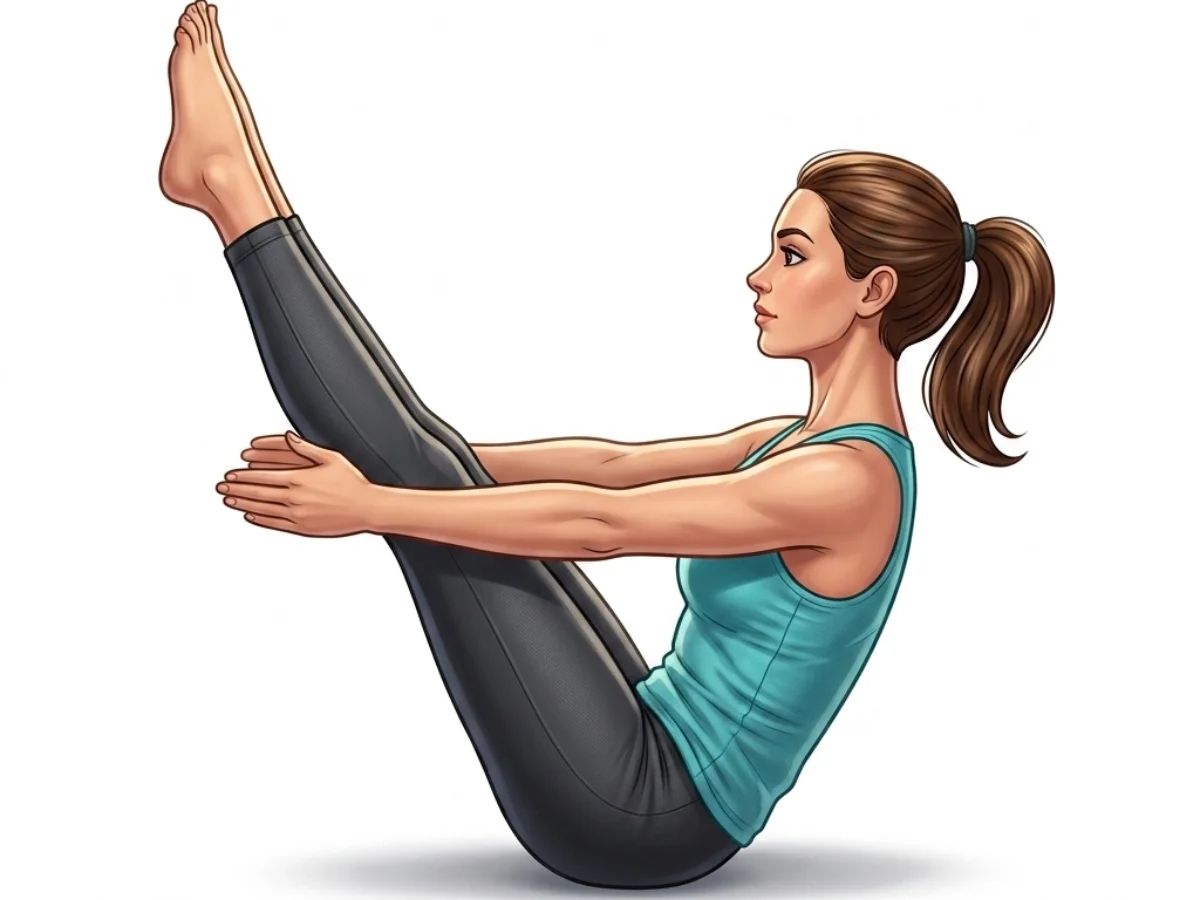
Boat Pose
NavasanaBuilds the foundational core strength necessary to lift the legs.
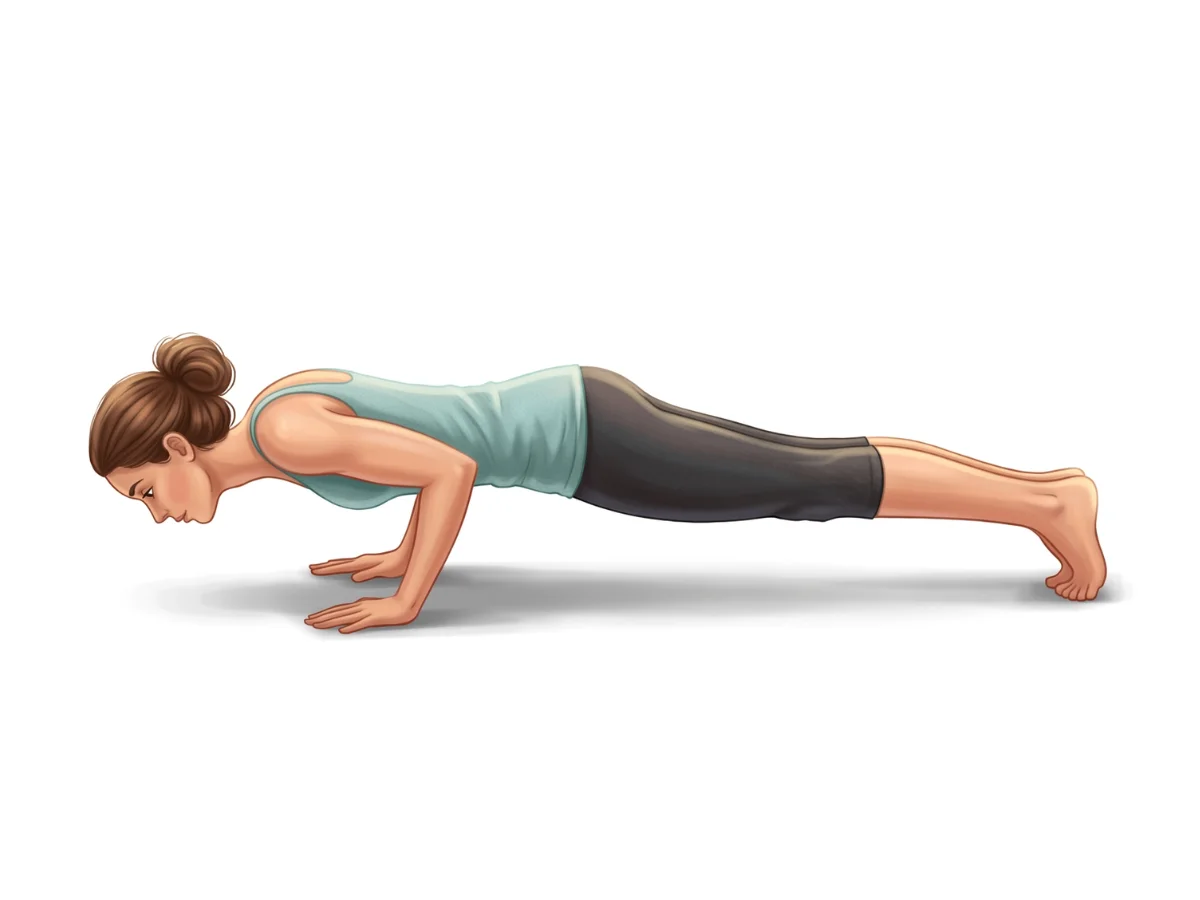
Low Push-Up
Chaturanga DandasanaEstablishes the upper body strength and bent-arm alignment used in the pose.
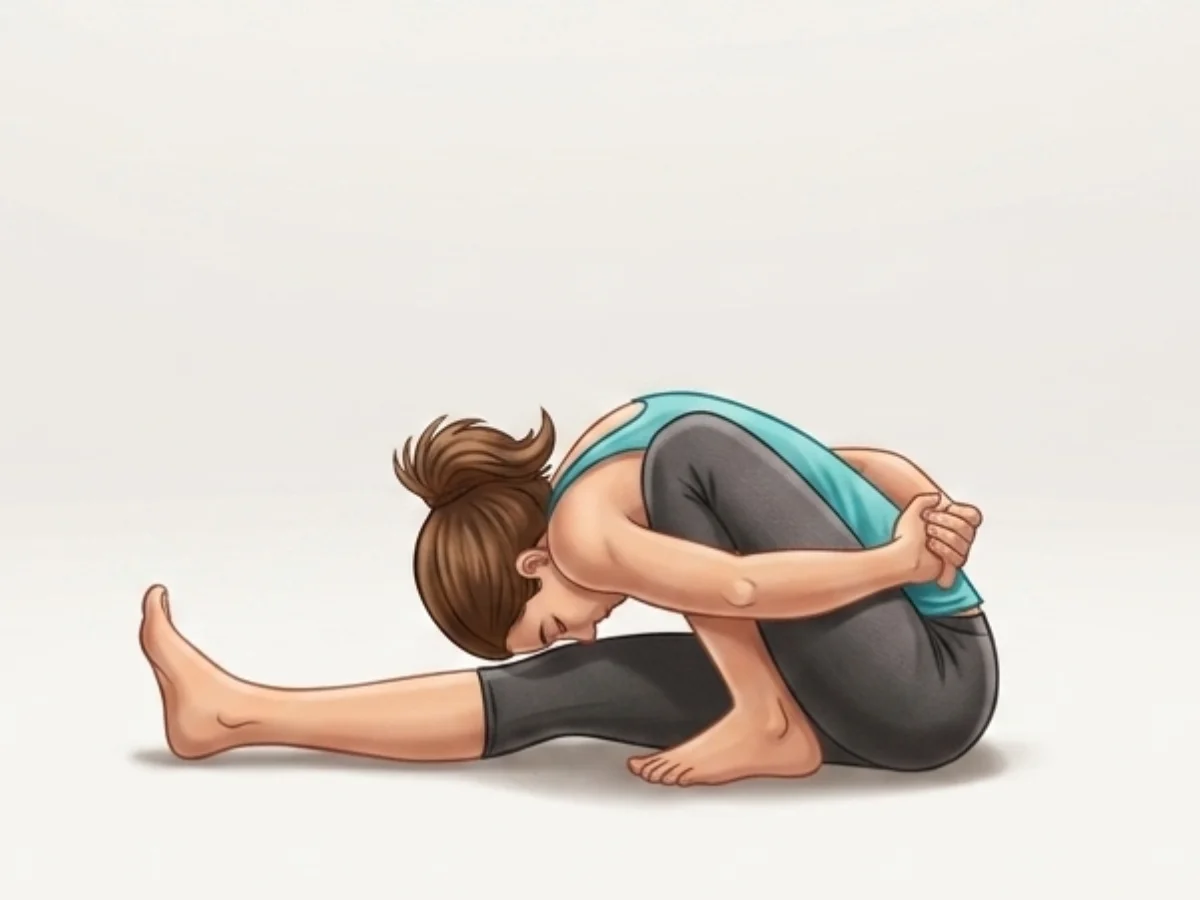
Sage Marichi's I
Marichyasana AOpens the hips and shoulders, preparing the body to thread the arm under the leg.
Follow with neutralizing Counter-poses
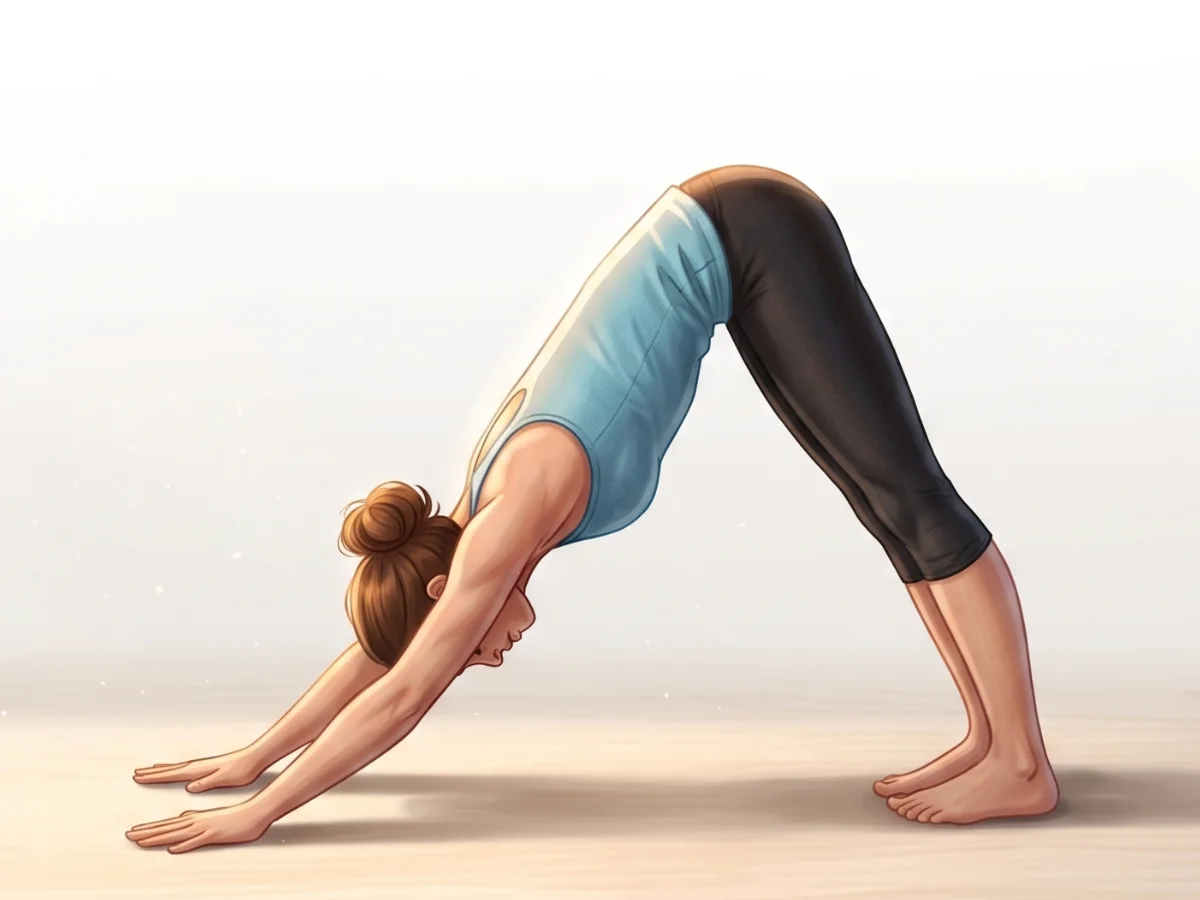
Downward-Facing Dog
Adho Mukha SvanasanaLengthens the spine and arms, neutralizing the intense asymmetrical effort.
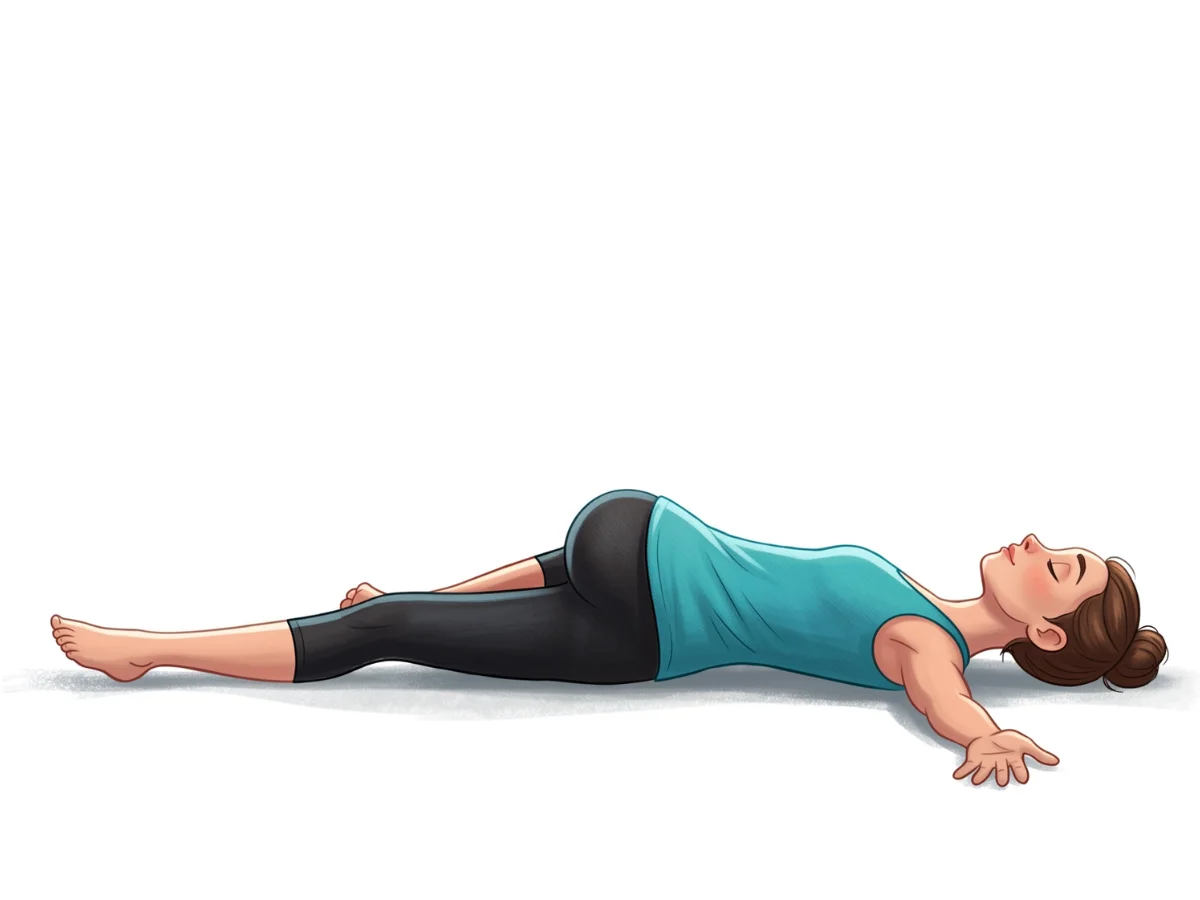
Supine Spinal Twist
Supta MatsyendrasanaGently releases tension in the lower back and obliques.
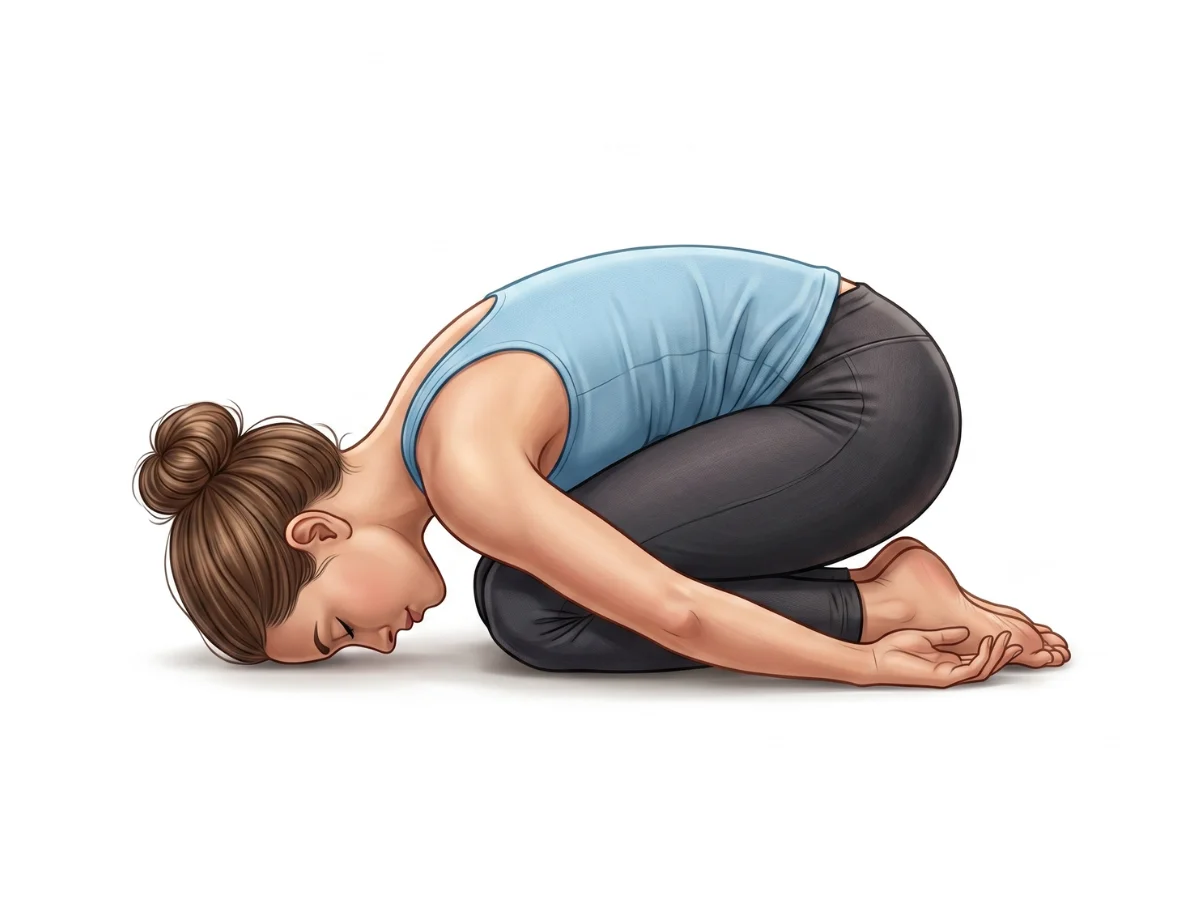
Child's Pose
BalasanaAllows the arms, wrists, and core to rest completely.
Frequently Asked Questions
Which leg goes on top when crossing the ankles?
If your right leg is hooked over your right arm, the left ankle crosses *over* the right ankle to help lock it into place.
My hips won't lift off the floor. What should I do?
Use yoga blocks under your hands to give yourself more clearance. Also, focus heavily on engaging your deep core (Mula Bandha and Uddiyana Bandha) rather than just pushing with your arms.
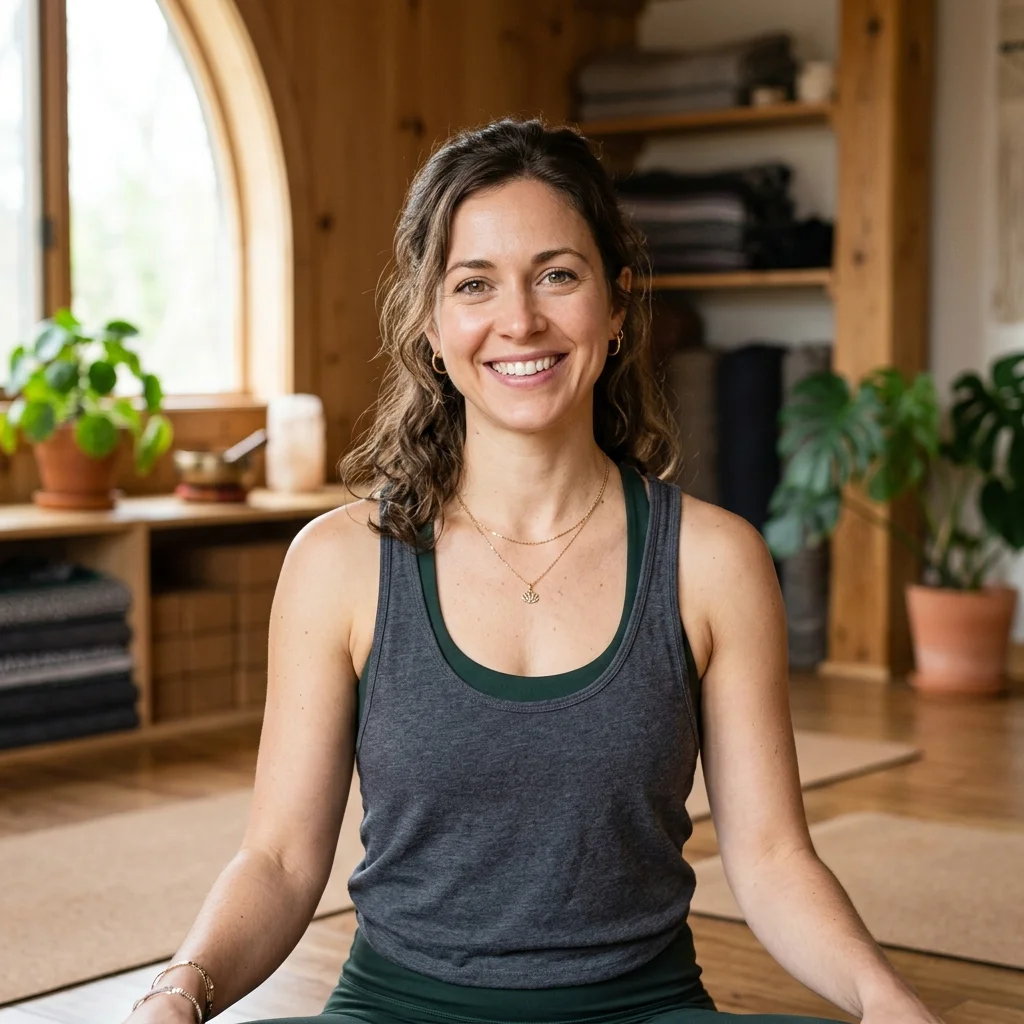
Elena Rostova is an accredited yoga educator and anatomy specialist with over 15 years of clinical experience. She focuses on functional biomechanics and injury prevention, translating complex anatomy into accessible guidance for safe, sustainable practice.
Read Full ProfileContinue Your Yoga Journey
Ready to deepen your practice? Explore our extensive library of poses, or join a structured program designed to build strength, flexibility, and mindfulness.