
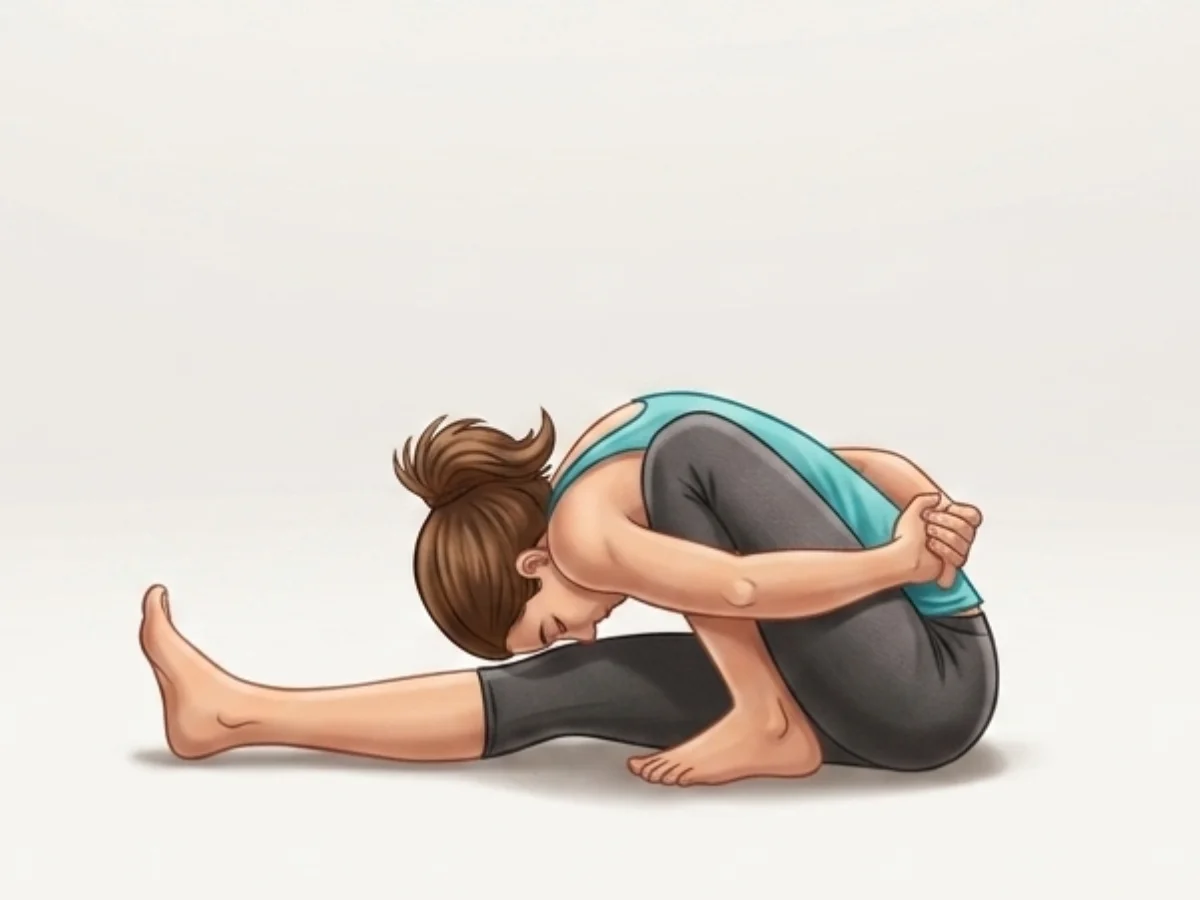
Sage Marichi's I
Marichyasana I
By Elena Rostova Updated: verified Medically Reviewed
Sage Marichi's Pose I (Marichyasana I) is a deep seated forward bend that incorporates an asymmetrical shoulder bind. Dedicated to the sage Marichi, this foundational Ashtanga posture powerfully stretches the hamstrings of the extended leg while opening the shoulders and massaging the abdominal organs through deep compression. The pose requires a balance of forward folding and internal shoulder rotation to achieve the bind.
Hold Time
30–60 sec · 5–10 breaths
Pronunciation
mah-ree-chee-AHS-anna one
About Sage Marichi's I
Named in honor of early yogic wisdom, Sage Marichi's I (Marichyasana I) is a historical posture that challenges the modern body. By gently focusing on spinal flexibility & shoulder binding, it actively stretches your muscles and builds heat. Consistent practice will actively assist in deep hamstring stretch, helping you feel lighter and more balanced off the mat.
How to Practice
Starting Position
Begin seated on your mat in Staff Pose (Dandasana), with both legs extended straight in front of you and your spine tall.
Bend the Knee
Bend your right knee and place the sole of your right foot flat on the mat, pulling the heel as close to your right sitting bone as possible. Keep your left leg extended and active.
Reach Forward
Inhale and reach your right arm forward on the inside of your right thigh. Lean your torso forward, lengthening your spine toward your left foot.
Internal Rotation
Internally rotate your right arm so the thumb points down. Sweep your right arm around the front of your right shin, reaching back around your right thigh.
Create the Bind
Reach your left arm behind your back and clasp your left wrist with your right hand (or hold fingers/use a strap if your shoulders are tight).
Lengthen the Spine
Inhale to lift your chest slightly and find length through the front of your torso, gazing toward your left toes.
Fold Forward
Exhale to fold forward over your extended left leg, initiating the movement from your hips rather than rounding your upper back.
Hold and Breathe
Hold the pose for 5 to 10 deep breaths. With every inhale, lengthen the spine; with every exhale, deepen the fold and the compression.
Release
Inhale to lift your torso up. Exhale to carefully release the bind. Extend your right leg to return to Staff Pose.
Switch Sides
Repeat the pose on the opposite side, bending the left knee and binding the left arm around the left shin.
Practice with the Yoga Timer
Keep track of your hold time and breath count for this pose.
Beginner Modifications & Prop Options
Yoga is a personal journey. These modifications and prop options allow you to adapt the pose to your current level of balance and flexibility, ensuring a safe and supportive practice.
Use a Yoga Strap
Hold a strap in the wrapping hand and catch the other end with your opposite hand if they don't meet naturally. Gradually walk hands closer over time.
Tip: Focus on alignment rather than depth.
Sit on a Blanket
Place a folded blanket under your sitting bones to elevate hips. This maintains a natural lower back curve and makes the forward fold more accessible.
Tip: Focus on alignment rather than depth.
Skip the Bind
Reach both hands forward to frame the extended leg instead of wrapping the arm. This focuses purely on the forward fold without stressing the shoulders.
Tip: Focus on alignment rather than depth.
Benefits of Sage Marichi's I
Deep Hamstring Stretch
Provides an intense stretch to the hamstring and calf of the extended leg, promoting lower body flexibility.
Opens Shoulders and Chest
The binding action stretches the anterior deltoids and pectoralis muscles, increasing mobility in the shoulder joints.
Massages Abdominal Organs
The deep fold with the thigh pressing against the abdomen stimulates digestion and massages internal organs.
Stretches the Spine
Elongates the spinal muscles, particularly in the lower and middle back, helping to release tension.
Calms the Mind
As a seated forward fold, this pose turns the focus inward, encouraging introspection and calming the nervous system.
Common Mistakes to Avoid
Mistake: Rounding the Lower Back
How to fix: Prioritize lengthening the spine forward over bringing the head to the knee. Keep the chest lifted.
Mistake: Letting the Bent Knee Fall Out
How to fix: Hug the bent knee in towards your torso and firmly press the inner edge of the foot into the mat.
Mistake: Forcing the Bind
How to fix: Use a strap to bridge the gap and ensure the shoulders remain relaxed and away from the ears.
Safety and Precautions
Knee Injuries
Deep knee flexion can exacerbate existing meniscal tears or ligament issues in the bent leg.
Shoulder Issues
The internal rotation required for the bind can aggravate rotator cuff injuries. Avoid binding if pain occurs.
Lower Back Pain or Herniated Discs
Deep forward folds with asymmetrical hip positions can strain the lumbar spine. Proceed with caution.
Pregnancy
The compression of the thigh against the abdomen is contraindicated in the second and third trimesters. Modify by keeping the stance open and avoiding deep folds.
Asthma or Breathing Difficulties
The deep compression may restrict diaphragmatic breathing. Focus on keeping the chest lifted and open.
Medical Disclaimer: If you have any of the above conditions, consult your doctor or a qualified yoga instructor before attempting this pose.
Muscles Worked in Sage Marichi's I
Sage Marichi's I demands synchronized muscular effort, creating a profound sense of engagement and release throughout the body. The activation of the primary muscles supports the structure, while the secondary muscles provide stability and balance.
Primary Muscles
Hamstrings
Stretch deeply in the extended leg during the forward fold.
Erector Spinae
Lengthen to allow the torso to fold over the straight leg.
Anterior Deltoids
Stretch as the arms reach back and internally rotate for the bind.
Secondary Muscles
Pectoralis Major
Stretches as the chest opens through the binding action.
Gastrocnemius (Calves)
Stretches when the foot of the extended leg is flexed.
Hip Flexors
Engage to hold the bent knee close to the torso.
Poses to Practice Before and After Sage Marichi's I
Prepare with these Poses
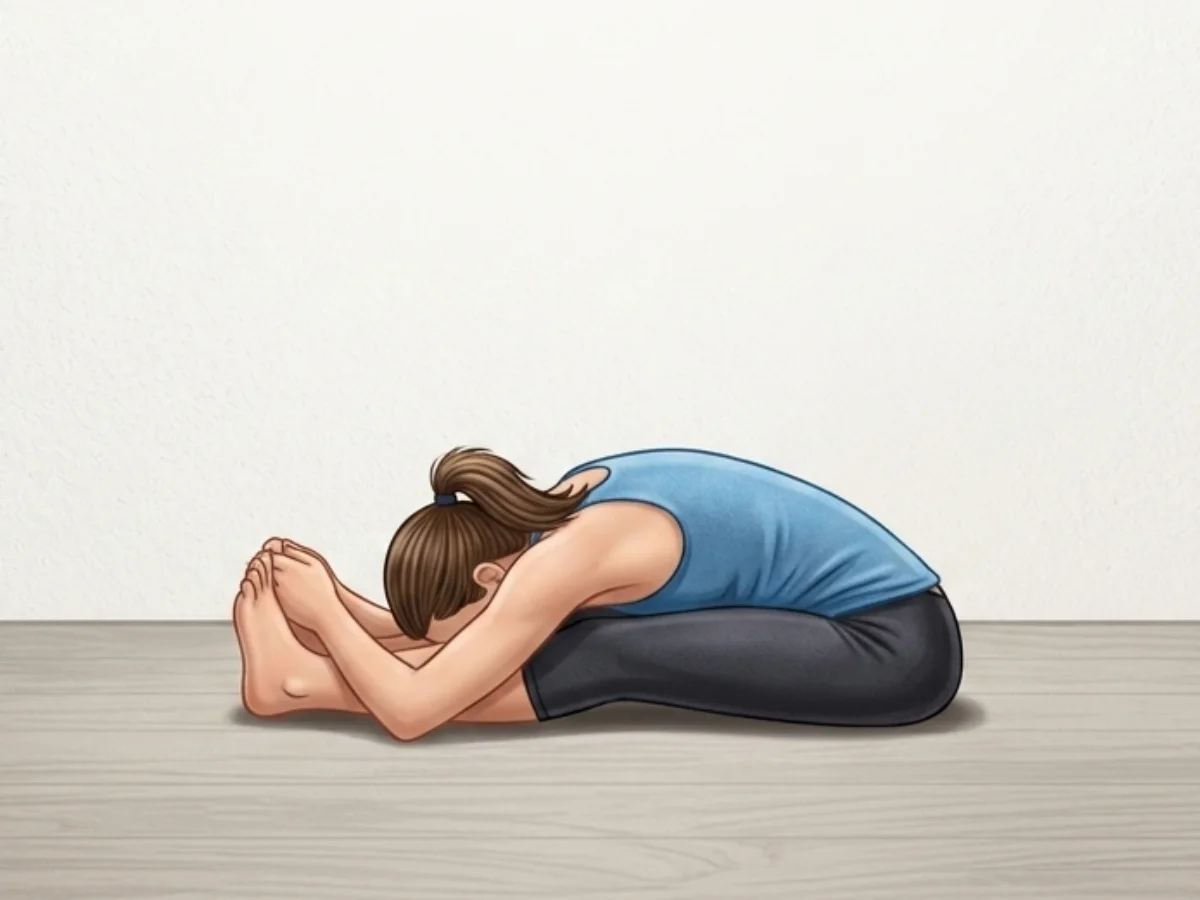
Seated Forward Bend I
PaschimottanasanaWarms up the hamstrings and lower back for deep forward folding.
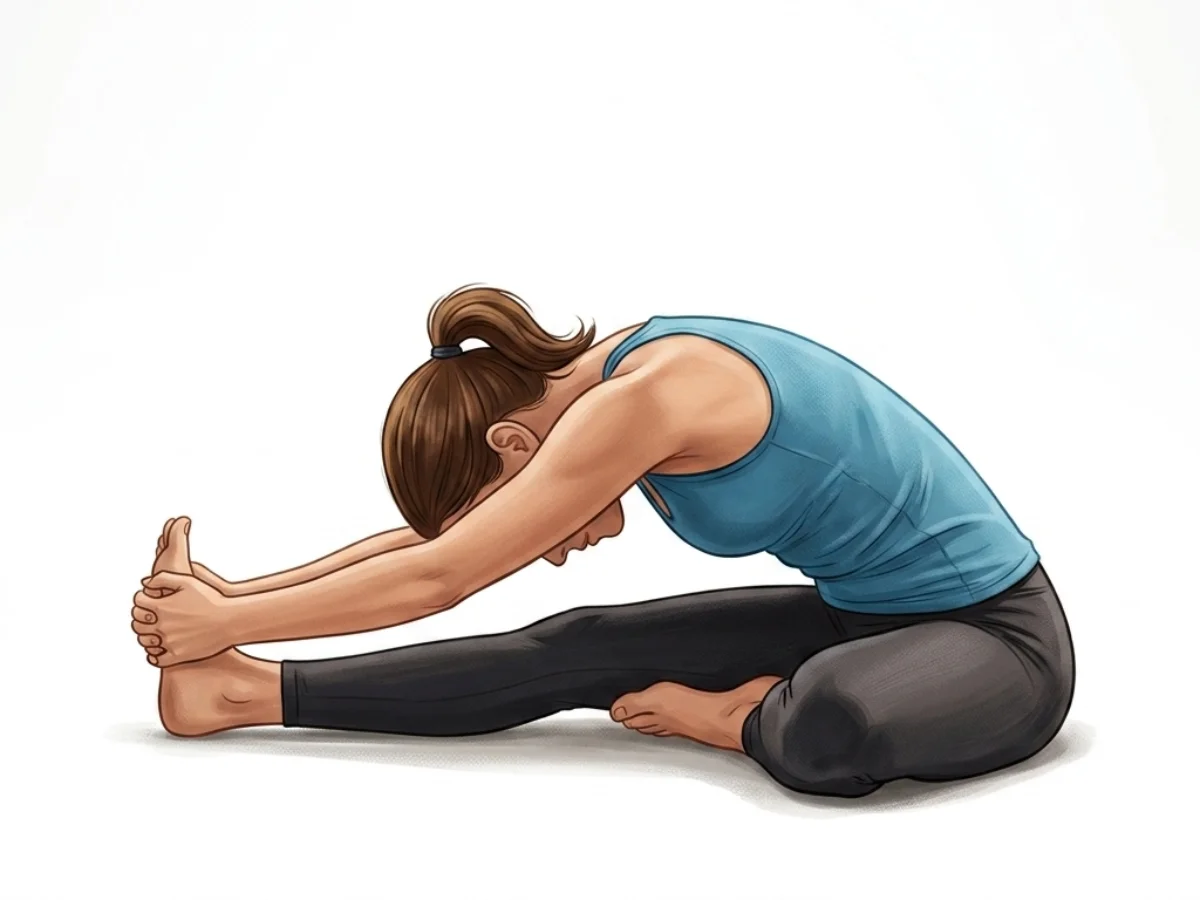
Head-to-Knee I
Janu Sirsasana IPrepares the hips and hamstrings with an asymmetrical seated fold.
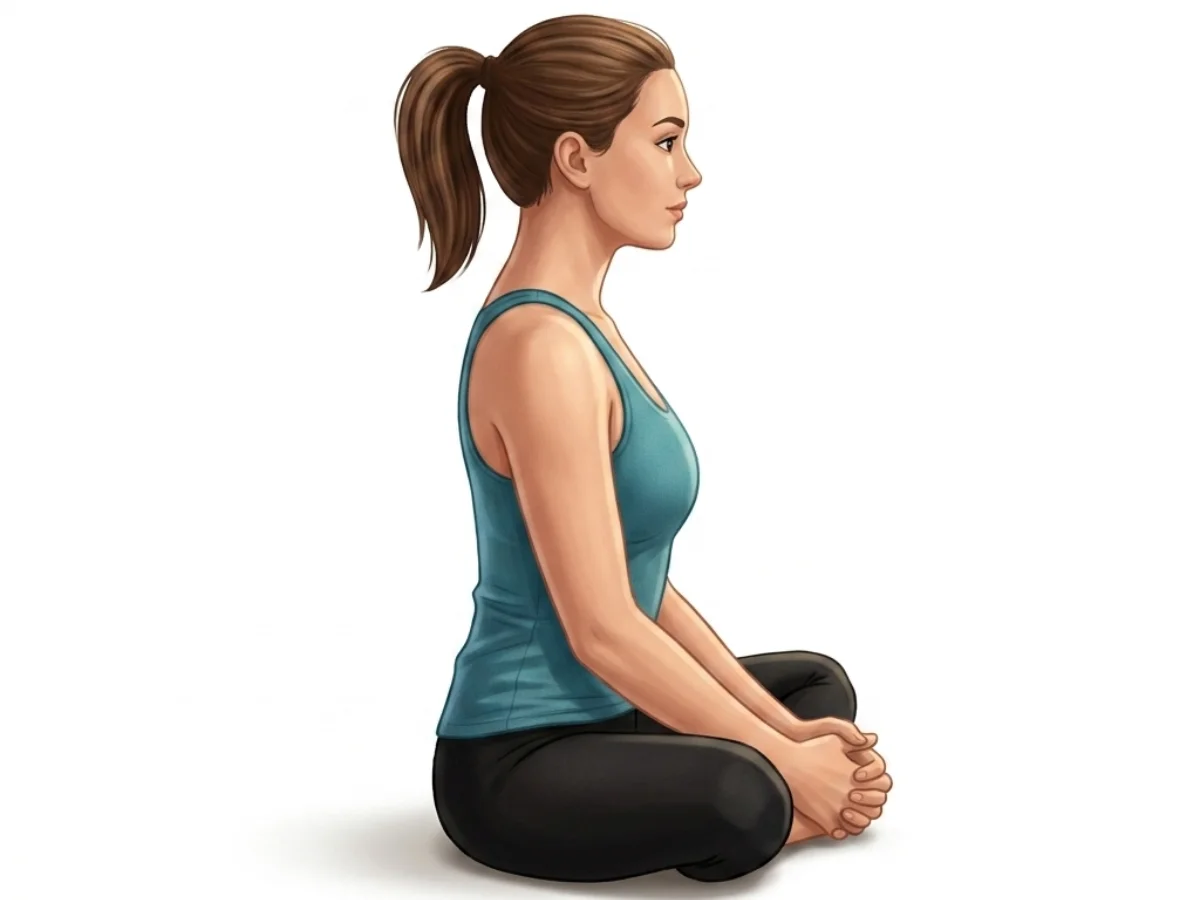
Bound Angle
Baddha KonasanaOpens the hips and groins, preparing the pelvis for deeper movement.
Follow with neutralizing Counter-poses
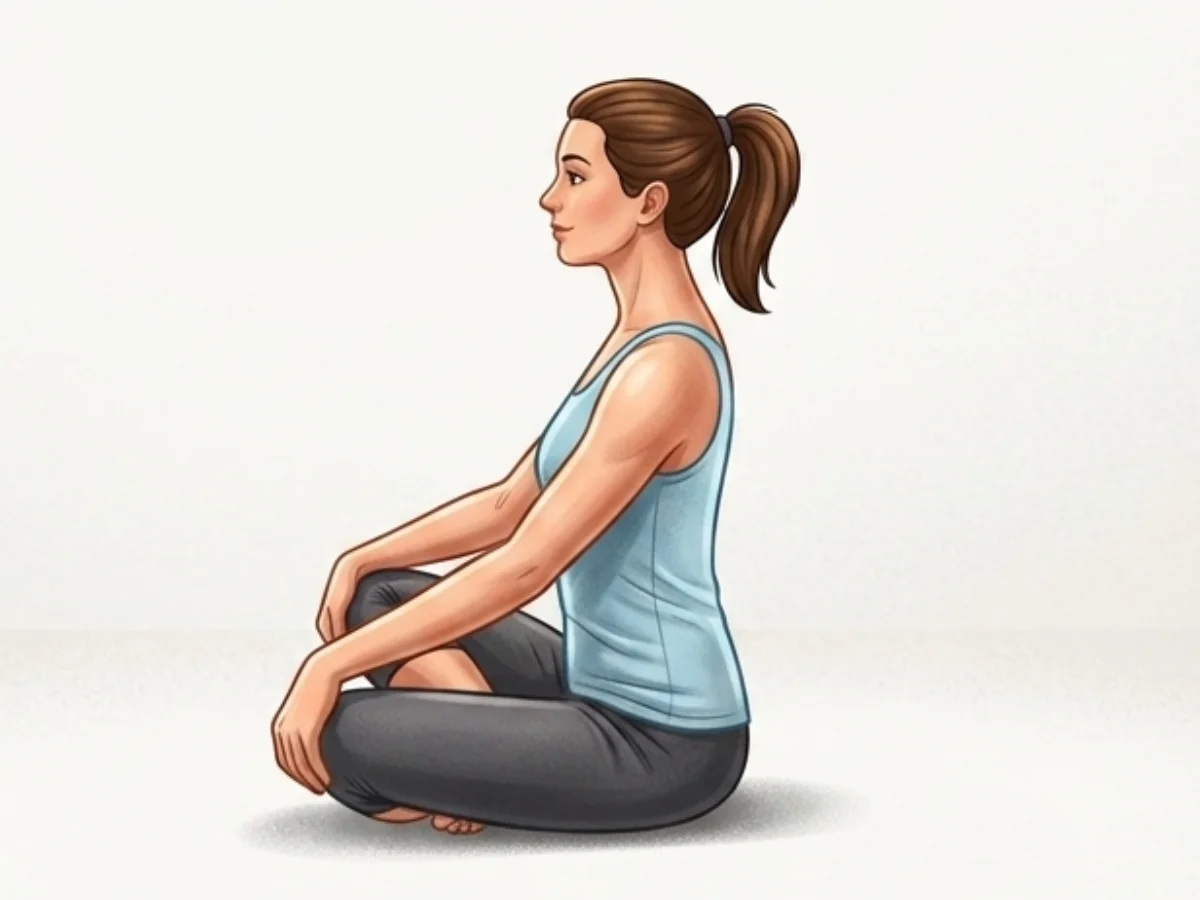
Easy Pose
SukhasanaAllows the spine to return to a neutral, upright position while resting the hips.
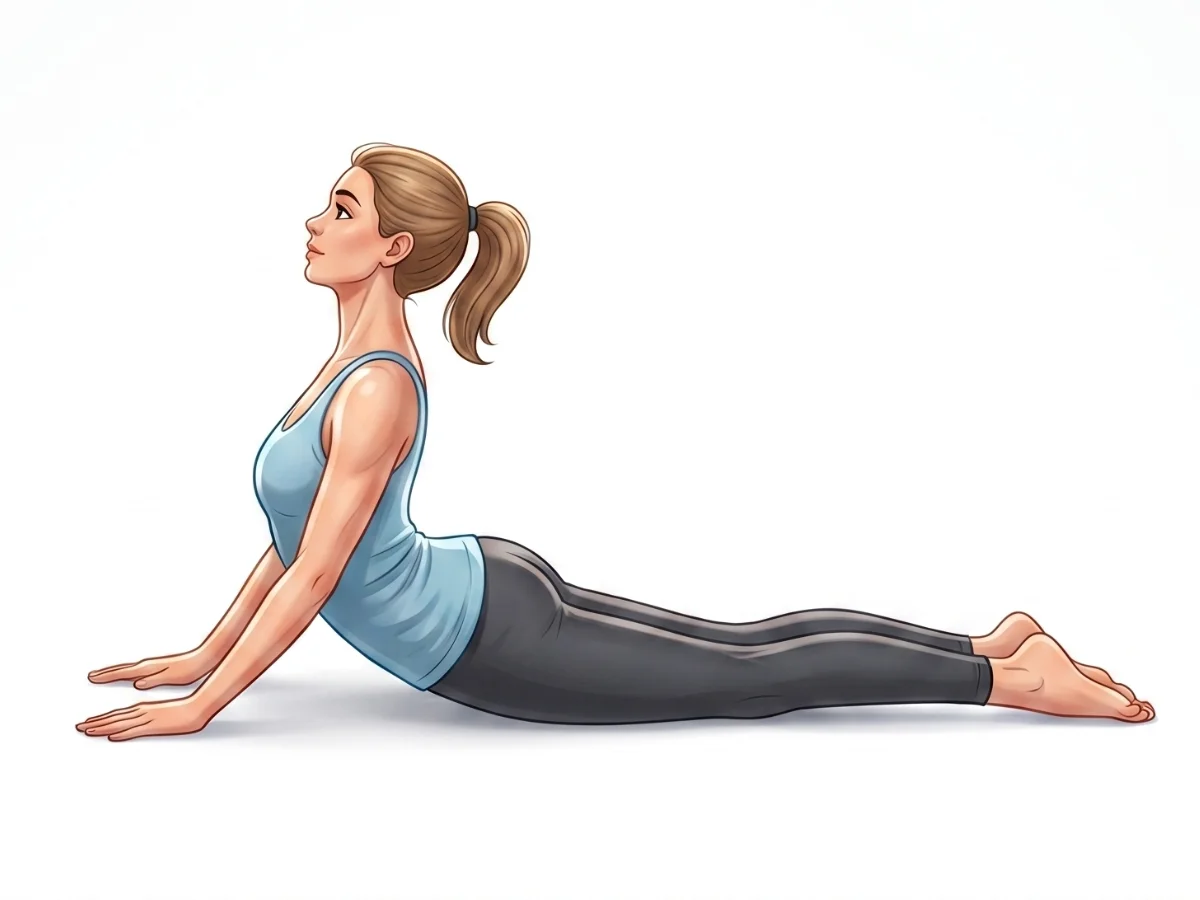
Cobra Pose
BhujangasanaProvides a gentle backbend to counter the deep spinal flexion.
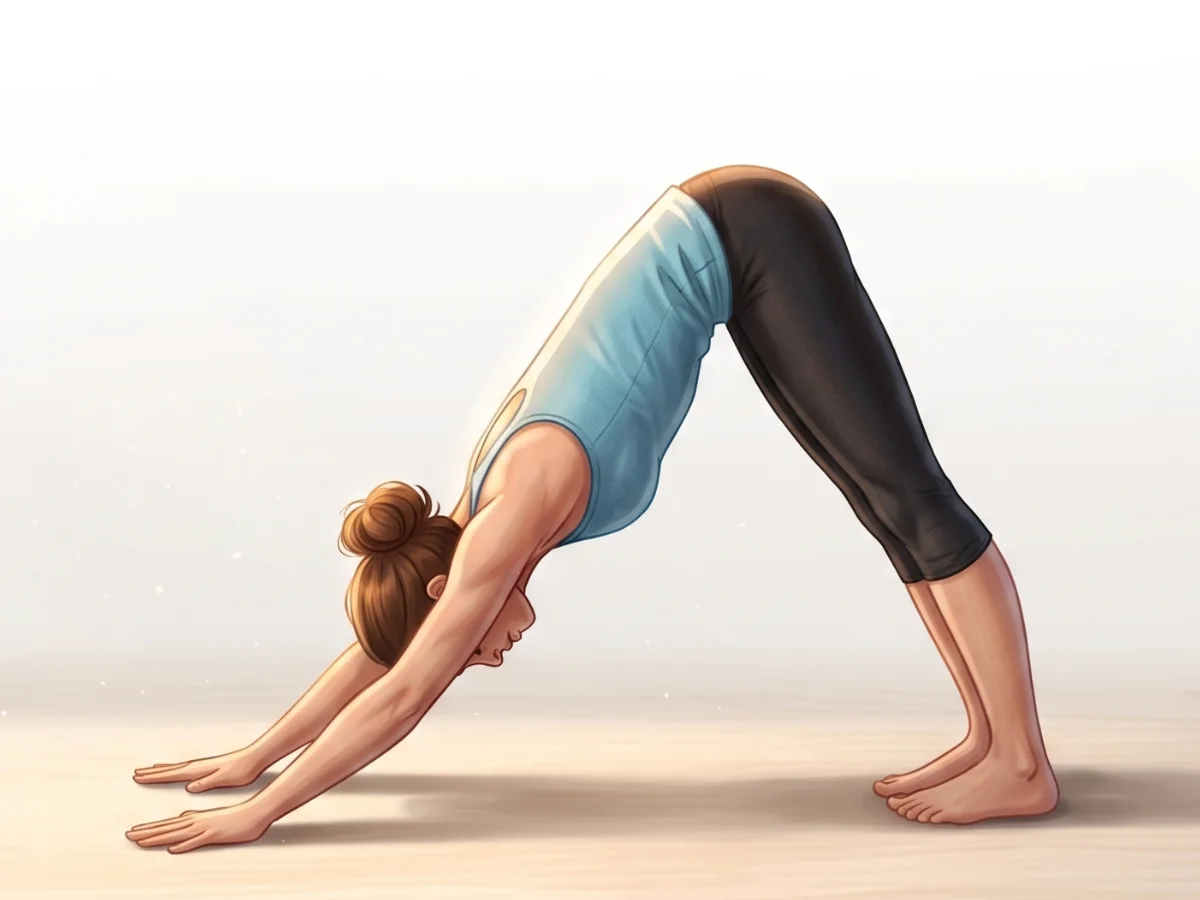
Downward-Facing Dog
Adho Mukha SvanasanaRe-establishes symmetry through the spine, hips, and legs.
Frequently Asked Questions
How close should my foot be to my hip?
Aim to bring the heel of your bent knee as close to your sitting bone as possible. This tight compression allows for better leverage when reaching forward for the bind.
Why can't I reach my hands together for the bind?
Binding requires significant mobility in both the shoulders (specifically internal rotation) and the spine. If you have tight shoulders or a stiff back, the hands won't meet.
Should my sitting bone lift off the floor?
Ideally, both sitting bones should remain rooted to the mat. If the sitting bone on the side of the bent knee lifts excessively, it can cause the lower back to twist.

Elena Rostova is an accredited yoga educator and anatomy specialist with over 15 years of clinical experience. She focuses on functional biomechanics and injury prevention, translating complex anatomy into accessible guidance for safe, sustainable practice.
Read Full ProfileContinue Your Yoga Journey
Ready to deepen your practice? Explore our extensive library of poses, or join a structured program designed to build strength, flexibility, and mindfulness.