
Elbow Balance
Pincha Mayurasana
By Elena Rostova Updated: verified Medically Reviewed
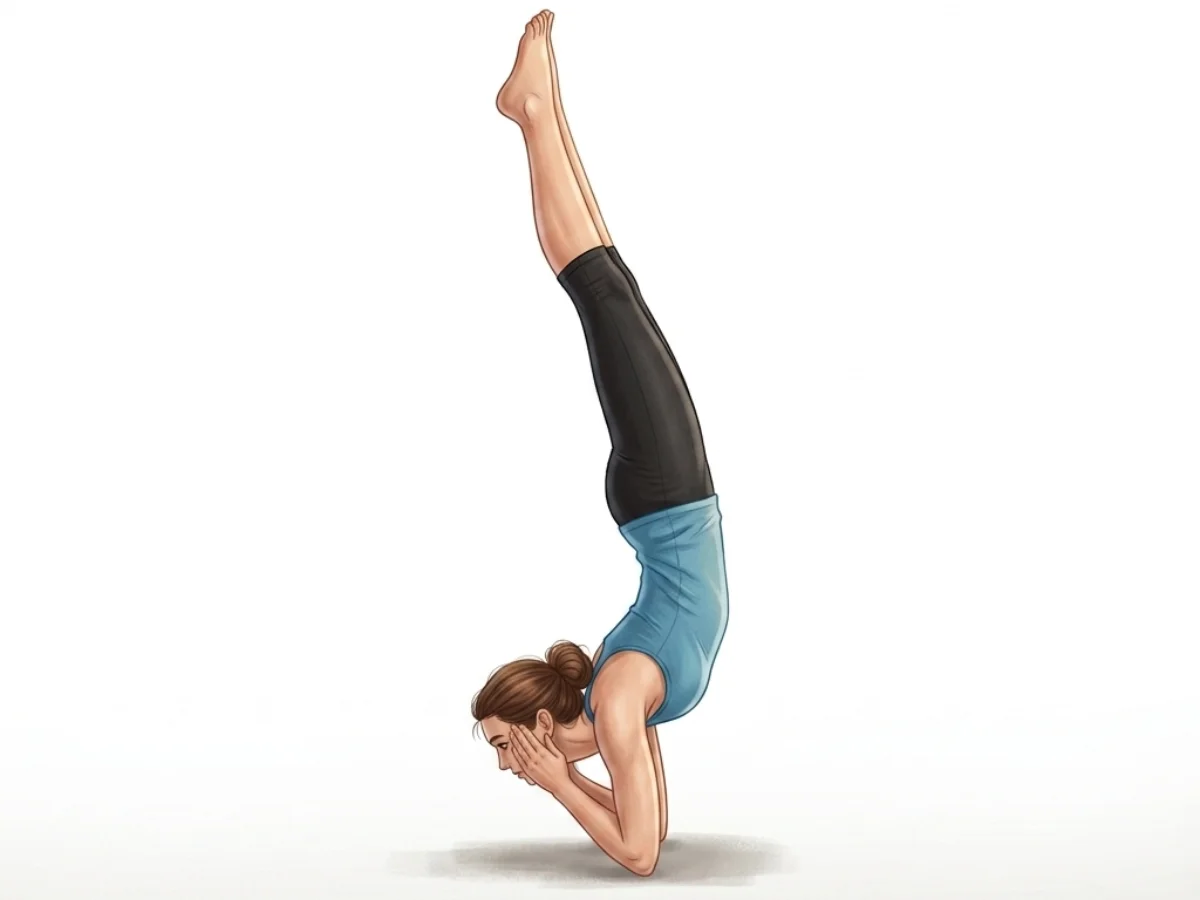
Elbow Balance (Pincha Mayurasana), also known as Forearm Stand, is a powerful inversion that requires significant shoulder strength, core stability, and balance. Balancing on the forearms rather than the hands creates a sturdy base while intensely engaging the upper body and challenging your spatial awareness.
Hold Time
30–60 sec · 5–10 breaths
Pronunciation
pin-cha mah-yur-AHS-anna
About Elbow Balance
Reflecting the quiet power of the natural world, Elbow Balance (Pincha Mayurasana) is an expansive pose that cultivates inner stillness. This posture specifically engages the core & shoulder strength, balance, making it highly effective for developing both strength and mobility. Practicing this pose regularly helps with builds upper body strength and leaves you feeling completely refreshed.
How to Practice
Starting Position
Begin on your hands and knees in Tabletop position, then lower your forearms to the mat. Ensure your elbows are directly beneath your shoulders and forearms are parallel to each other.
Engage the Shoulders
Spread your fingers wide and press the entire surface of your forearms and palms into the floor. Firmly draw your shoulder blades onto your back and broaden your chest.
Lift into Dolphin
Tuck your toes, lift your knees off the mat, and reach your hips up and back into Dolphin Pose. Walk your feet closer to your elbows to stack your hips as much over your shoulders as possible.
Prepare to Lift
Keep your gaze focused softly between your forearms or slightly forward. Lift your dominant leg high into the air, keeping it straight and strong.
The Hop
Bend your bottom knee slightly and take a gentle hop, pushing off the floor to lift your bottom leg up to meet the top leg. Keep your core deeply engaged to prevent your lower back from overarching.
Find Balance
Once both legs are airborne, squeeze your inner thighs together and reach your heels strongly toward the ceiling. Actively push the floor away with your forearms to maintain lift in the shoulder joints.
Hold and Breathe
Hold the balance for 5 to 10 steady breaths. Keep your neck relaxed, avoiding tension, and maintain a strong, straight line from your elbows to your toes.
Safe Exit
To exit the pose, slowly lower one leg at a time back to the floor with control, returning to Dolphin Pose, and then rest in Child’s Pose.
Practice with the Yoga Timer
Keep track of your hold time and breath count for this pose.
Beginner Modifications & Prop Options
Yoga is a personal journey. These modifications and prop options allow you to adapt the pose to your current level of balance and flexibility, ensuring a safe and supportive practice.
Using a Wall
Set up facing a wall with your fingertips about an inch away from the baseboard. Kick up and let your heels rest lightly on the wall to find the alignment and build strength safely.
Tip: Focus on alignment rather than depth.
Block Between Hands
Place a yoga block horizontally on the floor and frame the bottom corners with your thumbs and index fingers. This prevents the hands from turning in and keeps the forearms parallel.
Tip: Focus on alignment rather than depth.
Strap Above Elbows
Loop a yoga strap securely around your upper arms, just above the elbows, shoulder-width apart. This prevents the elbows from splaying outward under your body weight.
Tip: Focus on alignment rather than depth.
Benefits of Elbow Balance
Builds Upper Body Strength
Intensely strengthens the shoulders, arms, upper back, and chest, requiring sustained muscular engagement to hold the body weight.
Deep Core Activation
Maintaining a straight line without overarching the back heavily relies on the transversus abdominis and obliques.
Improves Balance and Focus
Inverting the body challenges the vestibular system, improving proprioception, spatial awareness, and mental concentration.
Stretches Shoulders and Neck
Provides a deep opening in the shoulder girdle and neck, reversing the effects of slouching and forward head posture.
Energizes the Mind and Body
Increases blood flow to the brain, which can help relieve stress, mild depression, and energize the entire nervous system.
Common Mistakes to Avoid
Mistake: Banana Back (Overarching)
How to fix: Engage your core by drawing your lower ribs in and tucking your tailbone slightly to create a straight line from shoulders to heels.
Mistake: Sinking into the Shoulders
How to fix: Actively push the floor away with your forearms and lift your shoulders away from your ears to protect the joints and neck.
Mistake: Elbows Splaying Out
How to fix: Keep your elbows strictly shoulder-width apart. Use a strap above the elbows if necessary to maintain proper alignment.
Safety and Precautions
Shoulder or Neck Injuries
The intense weight-bearing load can exacerbate existing injuries in the rotator cuff, cervical spine, or upper back.
High Blood Pressure or Heart Conditions
Inversions increase pressure in the head and chest, which can be dangerous for cardiovascular conditions.
Glaucoma or Eye Issues
The inverted position significantly increases intraocular pressure.
Pregnancy
Unless you are an experienced practitioner, the risk of falling makes advanced inversions unsafe during pregnancy.
Headaches or Migraines
Being upside down can worsen headache symptoms due to increased blood flow to the head.
Medical Disclaimer: If you have any of the above conditions, consult your doctor or a qualified yoga instructor before attempting this pose.
Muscles Worked in Elbow Balance
Elbow Balance demands synchronized muscular effort, creating a profound sense of engagement and release throughout the body. The activation of the primary muscles supports the structure, while the secondary muscles provide stability and balance.
Primary Muscles
Deltoids
Work intensely to hold the body’s weight and stabilize the shoulder joint.
Serratus Anterior
Protracts the scapulae, lifting the body away from the floor.
Transversus Abdominis
Engages to stabilize the core and prevent the lower back from hyperextending.
Secondary Muscles
Triceps Brachii
Actively press into the forearms to maintain the elbow angle.
Gluteus Maximus
Squeezes to stabilize the pelvis and keep the legs straight and aligned.
Erector Spinae
Work alongside the core to maintain a straight, neutral spine.
Poses to Practice Before and After Elbow Balance
Prepare with these Poses
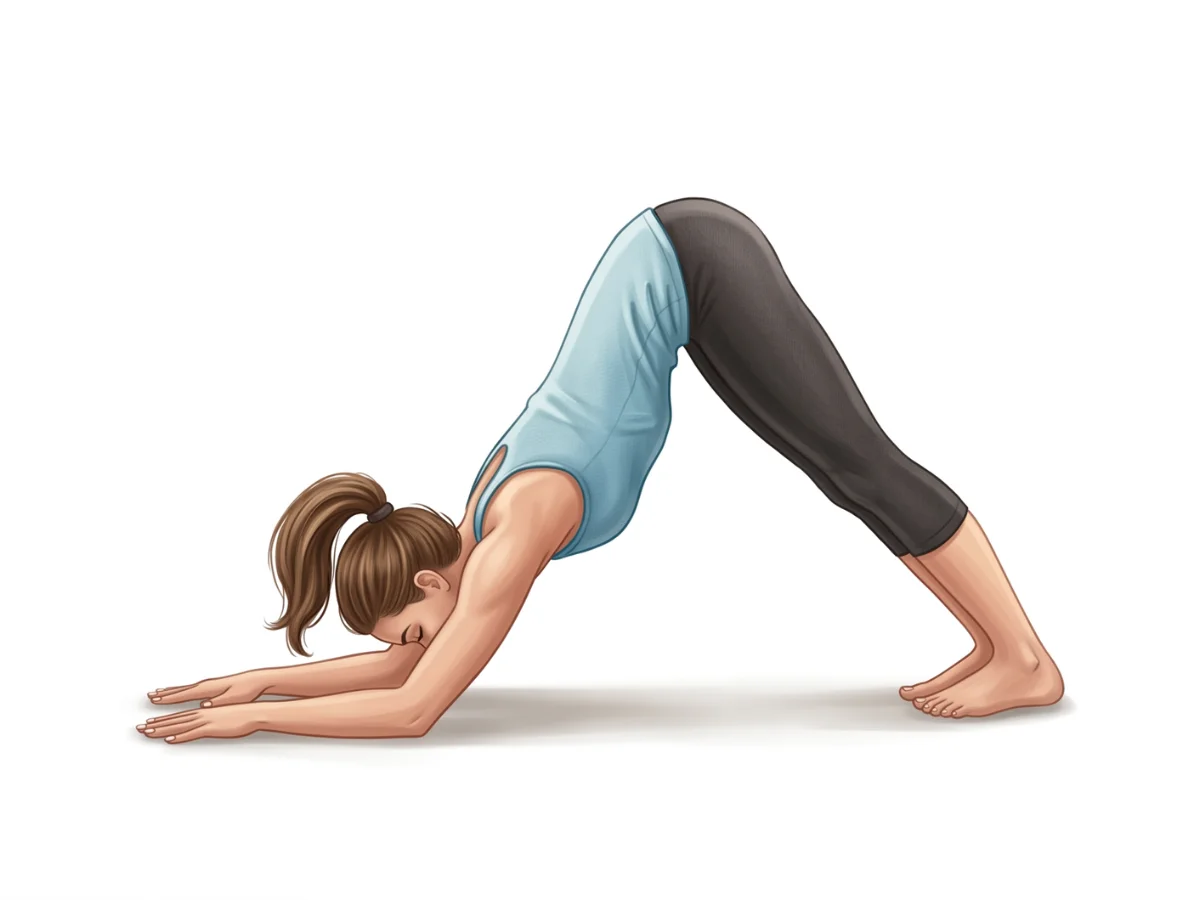
Dolphin Pose
Ardha Pincha MayurasanaBuilds the exact shoulder strength, openness, and forearm foundation required for Elbow Balance.
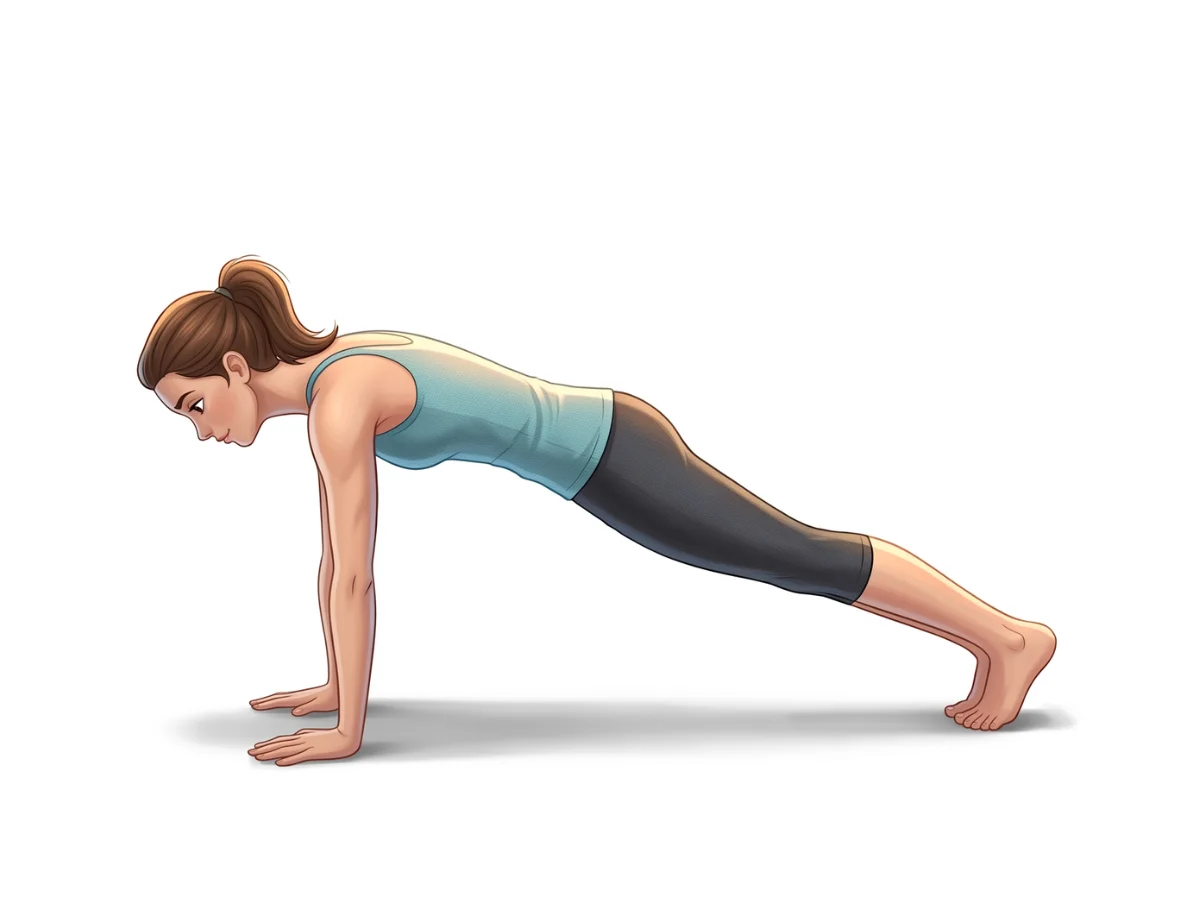
Plank Pose
PhalakasanaDevelops the core strength and full-body integration necessary to hold a straight line.
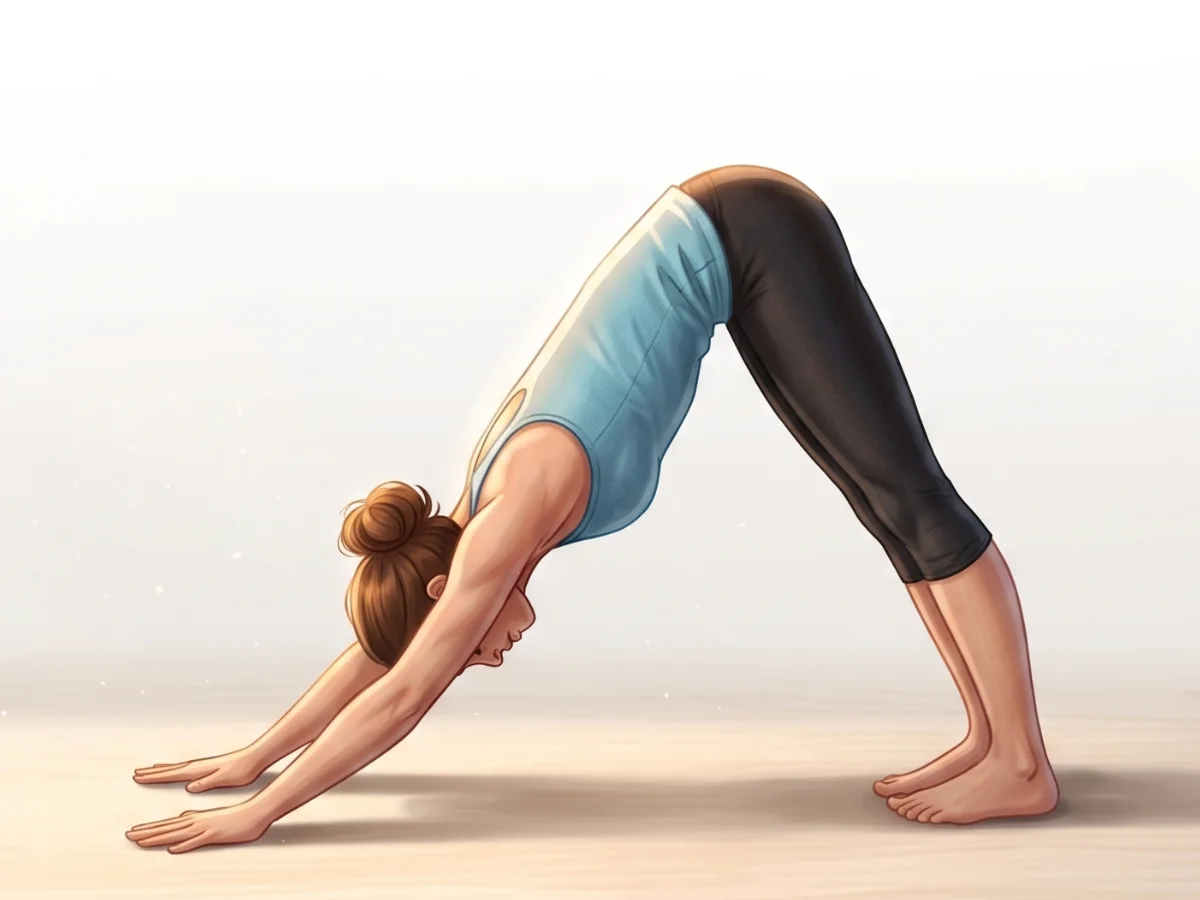
Downward-Facing Dog
Adho Mukha SvanasanaOpens the shoulders and hamstrings, preparing the body for the inversion.
Follow with neutralizing Counter-poses
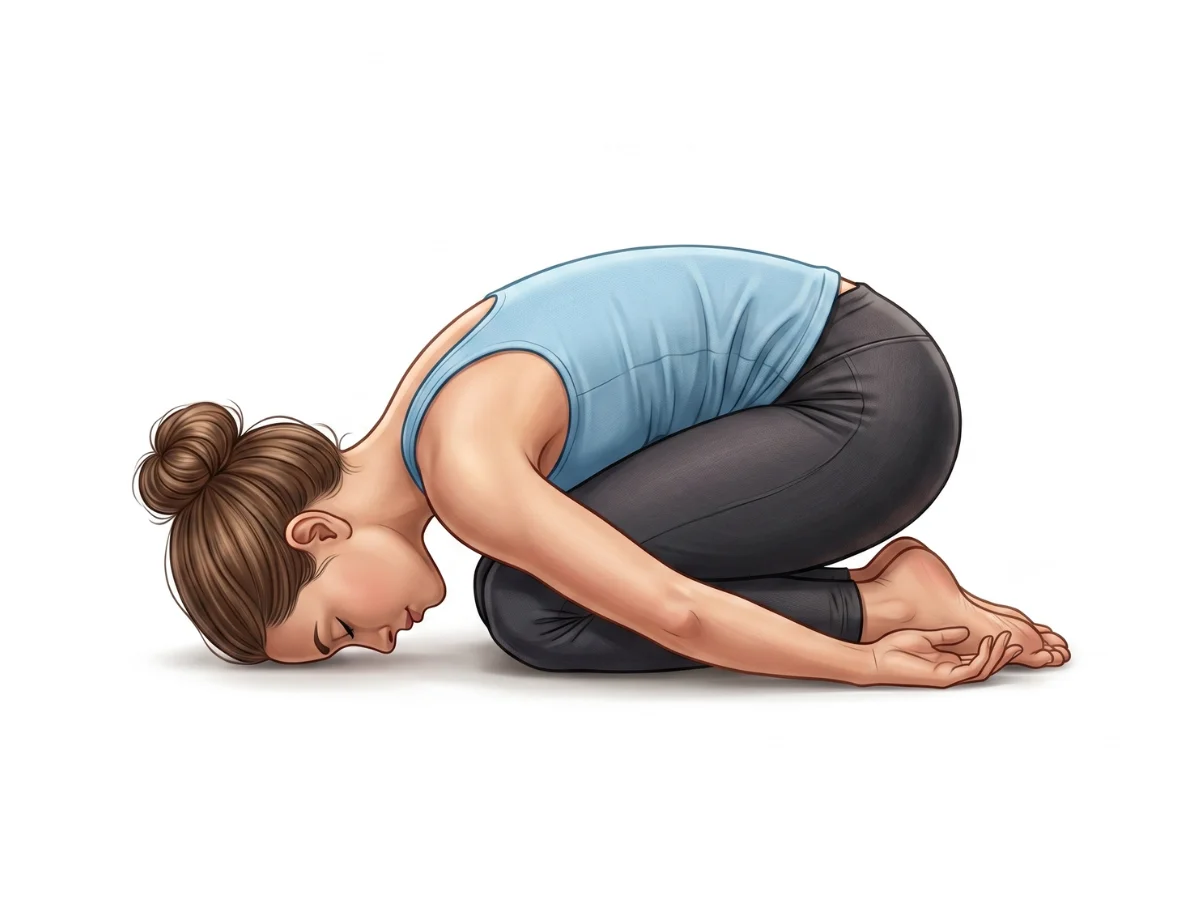
Child's Pose
BalasanaProvides immediate rest, grounding, and gentle decompression for the shoulders and spine.
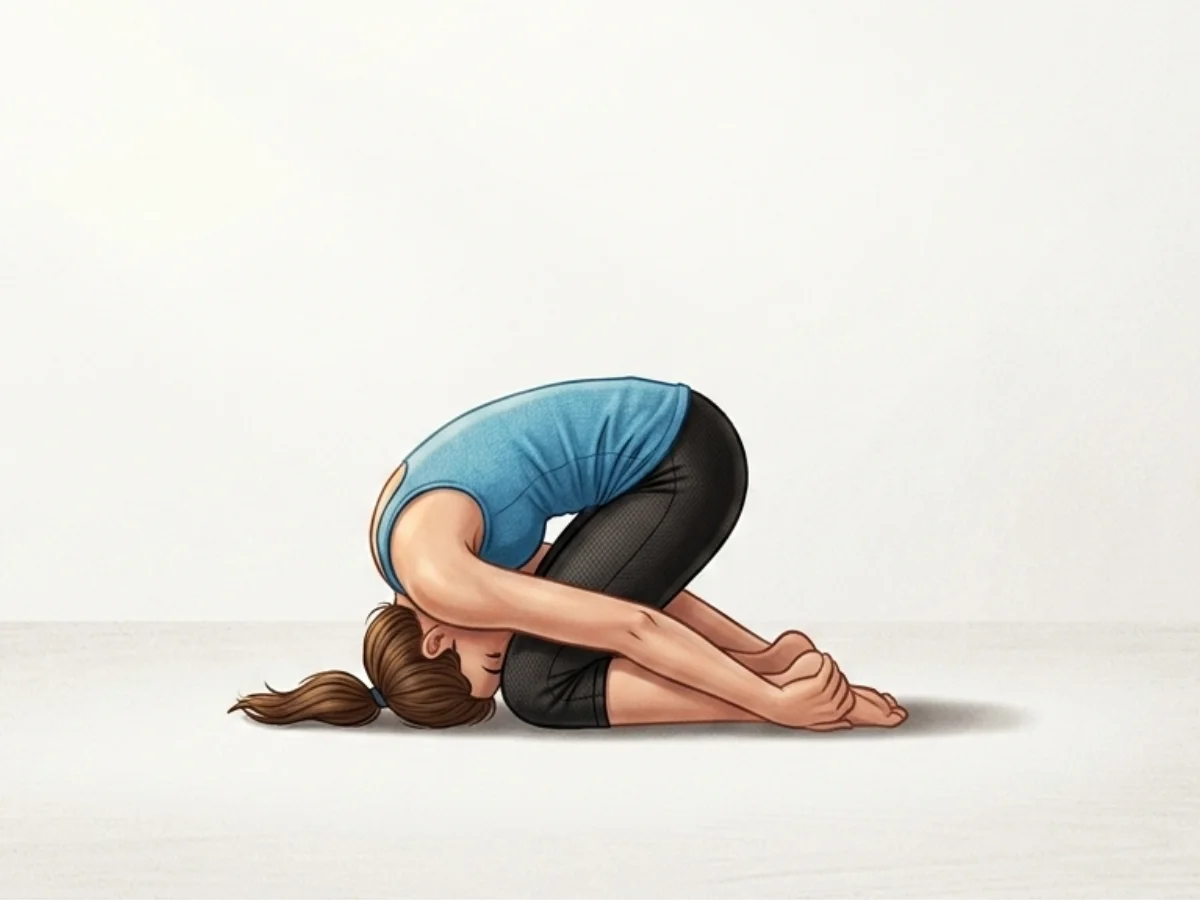
Rabbit Pose
SasangasanaCounters the shoulder flexion with extension and rounds the spine deeply.
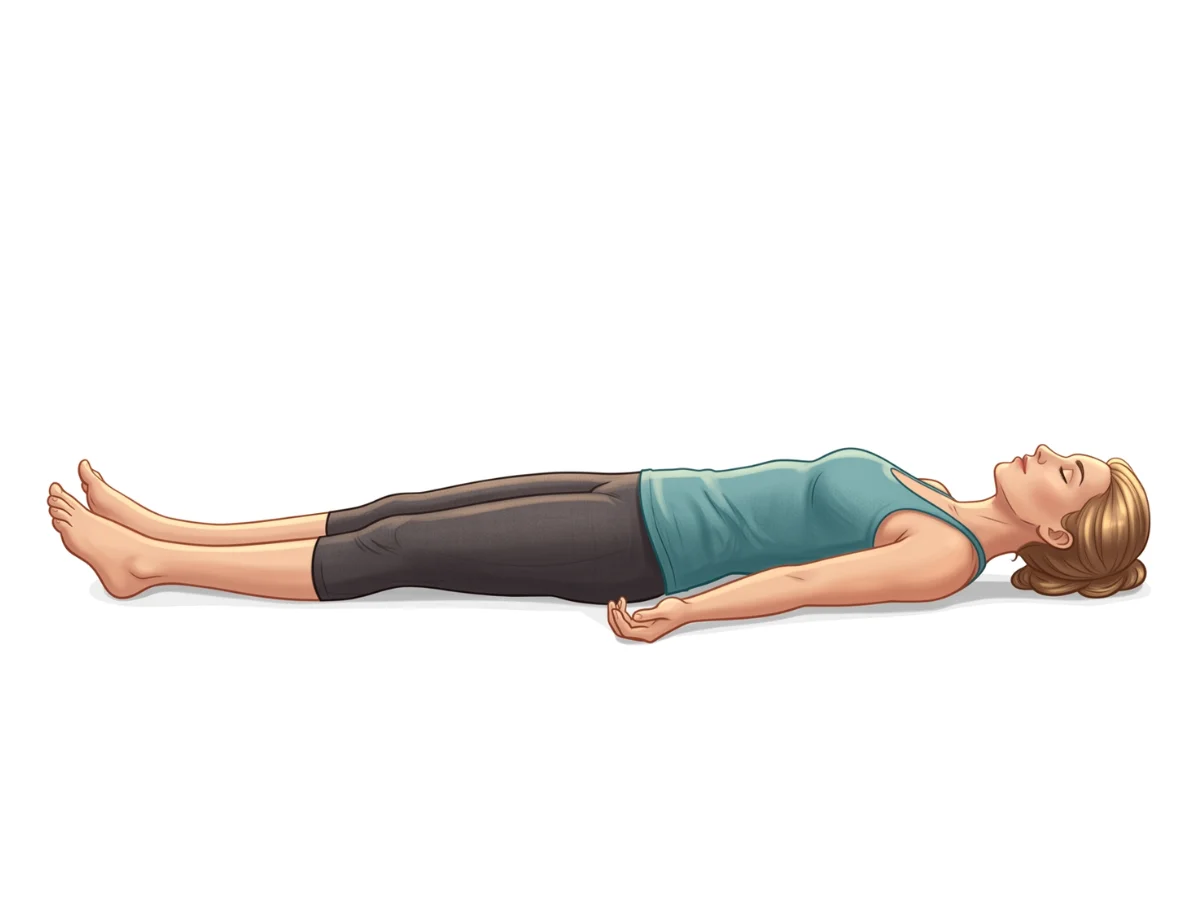
Corpse Pose
SavasanaAllows the heart rate and blood pressure to normalize fully after the inversion.
Frequently Asked Questions
How can I stop my lower back from arching too much?
A "banana back" happens when your core isn't fully engaged or your shoulders are tight. Focus on pulling your lower ribs together and tilting your pelvis slightly backward (tucking your tailbone). Open your shoulders more with preparatory poses like Dolphin.
Is Elbow Balance easier than a Headstand?
It depends on your body. Elbow Balance requires significantly more shoulder strength and mobility, but it is often considered safer for the neck because the head does not bear any weight.
How long will it take to hold this pose?
Learning to balance upside down takes consistent practice, patience, and time. Focus on building shoulder strength in Dolphin pose first; the balance will come as your foundation becomes rock solid.

Elena Rostova is an accredited yoga educator and anatomy specialist with over 15 years of clinical experience. She focuses on functional biomechanics and injury prevention, translating complex anatomy into accessible guidance for safe, sustainable practice.
Read Full ProfileContinue Your Yoga Journey
Ready to deepen your practice? Explore our extensive library of poses, or join a structured program designed to build strength, flexibility, and mindfulness.