
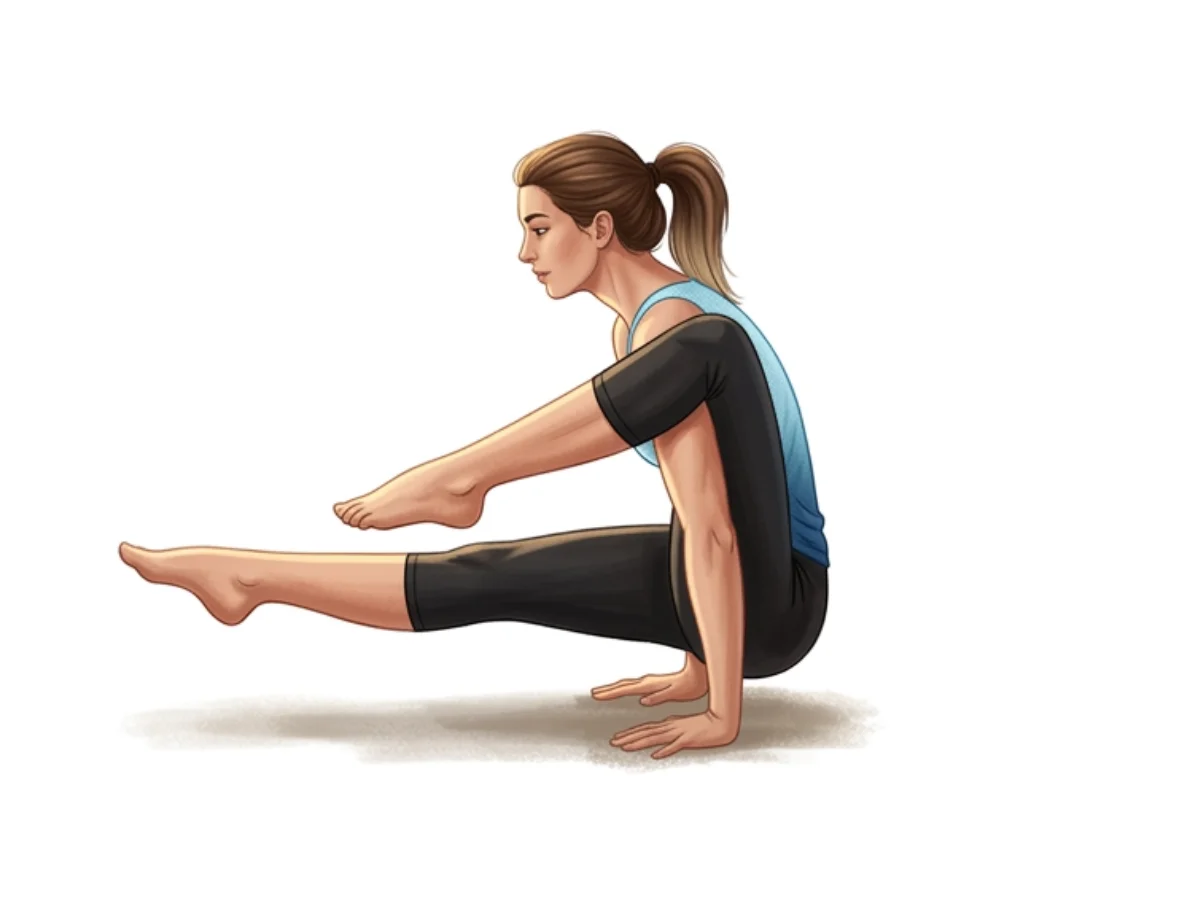
Elephant Trunk
Eka Hasta Bhujasana
By Elena Rostova Updated: verified Medically Reviewed
Elephant Trunk Pose (Eka Hasta Bhujasana) is an advanced arm balance that requires a combination of deep hip mobility, core compression, and upper body strength. In this posture, one leg is hooked high over the shoulder like an elephant’s trunk, while the arms press down to lift the pelvis and the other leg off the floor.
Hold Time
15–30 sec · 3–5 breaths per side
Pronunciation
eh-kah hah-stah boo-JAHS-anna
About Elephant Trunk
Often praised by experienced instructors, Elephant Trunk (Eka Hasta Bhujasana) acts as a powerful tool for finding balance and realignment. This posture specifically engages the core, arm strength & hip opening, making it highly effective for developing both strength and mobility. Over time, adding this to your routine is a great way to support strengthens arms and shoulders while calming the mind.
How to Practice
Start in Staff Pose
Begin seated on your mat in Staff Pose (Dandasana) with both legs extended straight in front of you and your spine tall.
Cradle the Leg
Bend your right knee and draw it into your chest. Cradle your right shin in your arms (like Rock the Baby pose) to warm up and open the hip joint.
Hook the Shoulder
Take hold of your right calf or ankle with both hands and actively hike your right knee as high up the back of your right shoulder or upper arm as possible.
Plant the Hands
Clamp your right leg firmly against your right arm. Plant your palms flat on the floor beside your hips, fingers spread wide.
Engage and Lift
Engage your core deeply by drawing your navel toward your spine. Press firmly into the floor with both hands, straighten your arms, and lift your hips and your extended left leg off the mat.
Point and Squeeze
Point the toes of your extended left leg to activate the entire leg. Keep squeezing your right thigh inward against your right shoulder to secure it in place.
Hold and Breathe
Hold the balance for 3 to 5 smooth breaths, keeping your chest slightly lifted and your gaze forward.
Release and Switch
Exhale to lower your hips and leg gently back to the floor. Unhook your right leg, return to Staff Pose, and repeat the pose on the left side.
Practice with the Yoga Timer
Keep track of your hold time and breath count for this pose.
Beginner Modifications & Prop Options
Yoga is a personal journey. These modifications and prop options allow you to adapt the pose to your current level of balance and flexibility, ensuring a safe and supportive practice.
Blocks Under Hands
Place a yoga block under each hand. The added height makes it significantly easier to lift your hips and the extended leg off the floor.
Tip: Focus on alignment rather than depth.
Leave the Straight Leg Down
If lifting both the hips and the straight leg is too challenging, focus on just lifting your hips while keeping the heel of your extended leg resting on the mat.
Tip: Focus on alignment rather than depth.
Focus on the Hip Opener
Stay in the preparatory phase by cradling the leg (Rock the Baby) or pulling the knee back like an archer, working on hip mobility without attempting the arm balance.
Tip: Focus on alignment rather than depth.
Benefits of Elephant Trunk
Strengthens Arms and Shoulders
Bearing the entire body weight heavily engages the triceps, deltoids, and pectorals, building significant upper body strength.
Intense Core Activation
Lifting the straight leg and pelvis from a seated position requires exceptional power from the deep core and hip flexors.
Opens the Hips
Hiking the leg over the shoulder provides a deep stretch to the gluteals, groin, and external hip rotators.
Improves Wrist Strength
The heavy weight-bearing load improves resilience and strength in the wrists and forearms.
Develops Focus and Coordination
Balancing requires intense concentration, teaching the body how to engage multiple muscle groups simultaneously.
Common Mistakes to Avoid
Mistake: Leg Slipping Down the Arm
How to fix: Actively squeeze your elevated thigh inward against your arm, and ensure you hike it up as high as possible before planting your hands.
Mistake: Rounding the Back Excessively
How to fix: While some rounding is natural during the lift, try to keep your collarbones broad and chest slightly lifted to avoid collapsing into your shoulders.
Mistake: Forgetting the Extended Leg
How to fix: The straight leg often sags. Actively point your toes and engage your quadriceps to make the leg feel lighter and easier to lift.
Safety and Precautions
Wrist Injuries
Bearing full body weight on flexed wrists can aggravate carpal tunnel syndrome or recent wrist sprains.
Shoulder or Rotator Cuff Issues
The intense load on the shoulders requires healthy, stable joints to perform safely.
Hip or Groin Injuries
The extreme external rotation and flexion of the hip can exacerbate labral tears or groin strains.
Lower Back Pain
The heavy demand on the core and hip flexors can strain vulnerable lower back muscles if not properly supported.
Medical Disclaimer: If you have any of the above conditions, consult your doctor or a qualified yoga instructor before attempting this pose.
Muscles Worked in Elephant Trunk
Elephant Trunk demands synchronized muscular effort, creating a profound sense of engagement and release throughout the body. The activation of the primary muscles supports the structure, while the secondary muscles provide stability and balance.
Primary Muscles
Triceps and Pectorals
Push the floor away to lift the body weight.
Iliopsoas (Hip Flexors)
Engage intensely to lift and hold the straight leg off the ground.
Rectus Abdominis
Compresses the front body to draw the hips upward.
Secondary Muscles
Quadriceps
Keep the extended leg straight and active.
Gluteus Medius/Minimus
Stretch deeply on the bent leg side.
Latissimus Dorsi
Stabilizes the shoulders and assists in the lifting action.
Poses to Practice Before and After Elephant Trunk
Prepare with these Poses
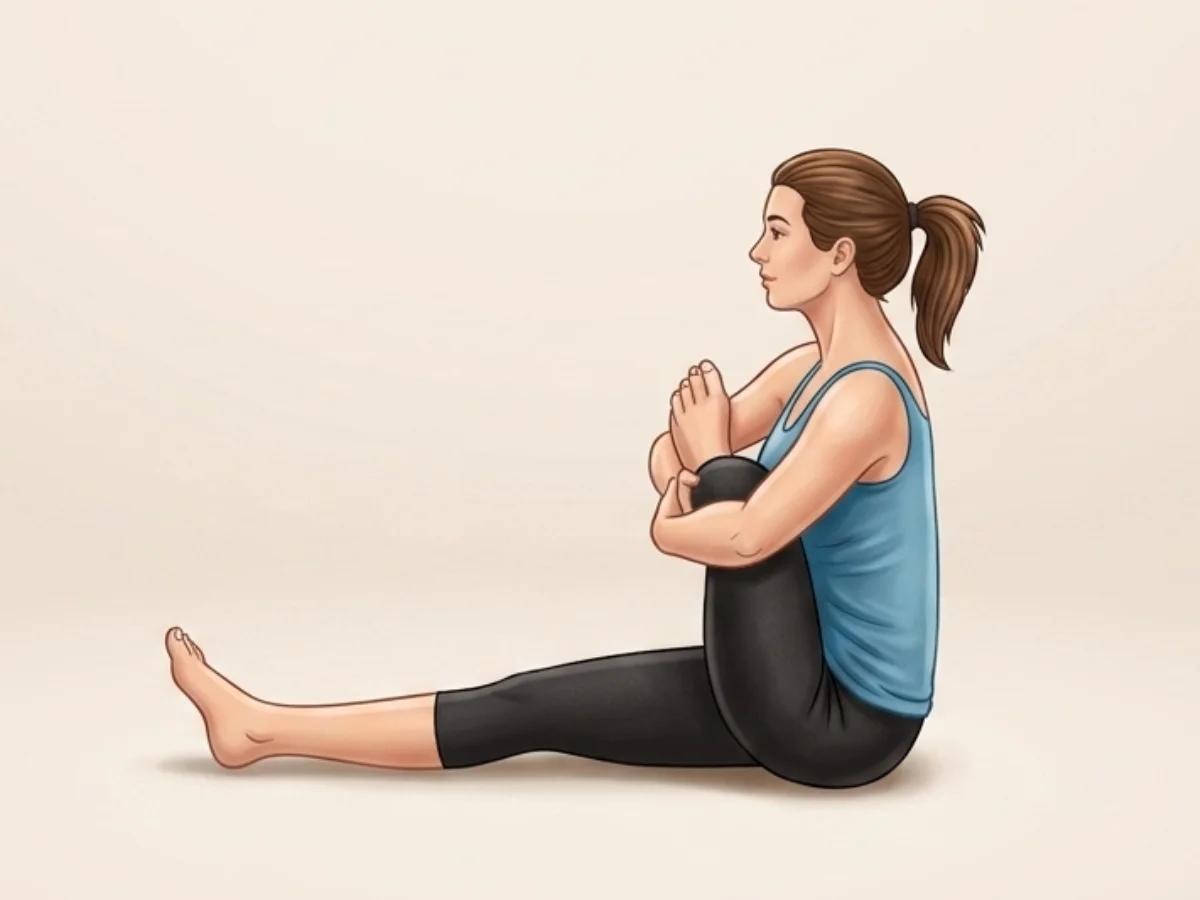
Rock the Baby
HindolasanaOpens the outer hips and prepares the joint for the deep flexion needed to hike the leg.
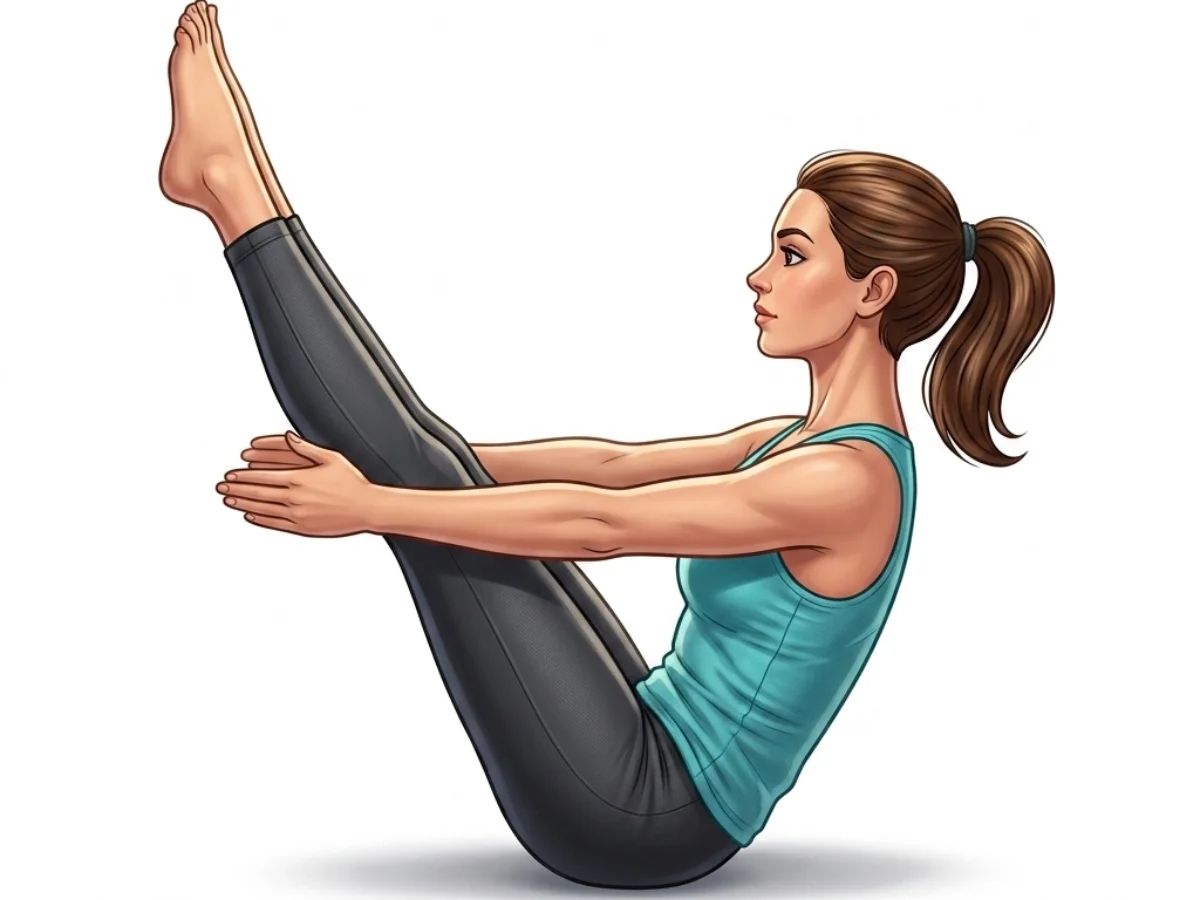
Boat Pose
NavasanaActivates the deep core and hip flexors required to lift the straight leg.
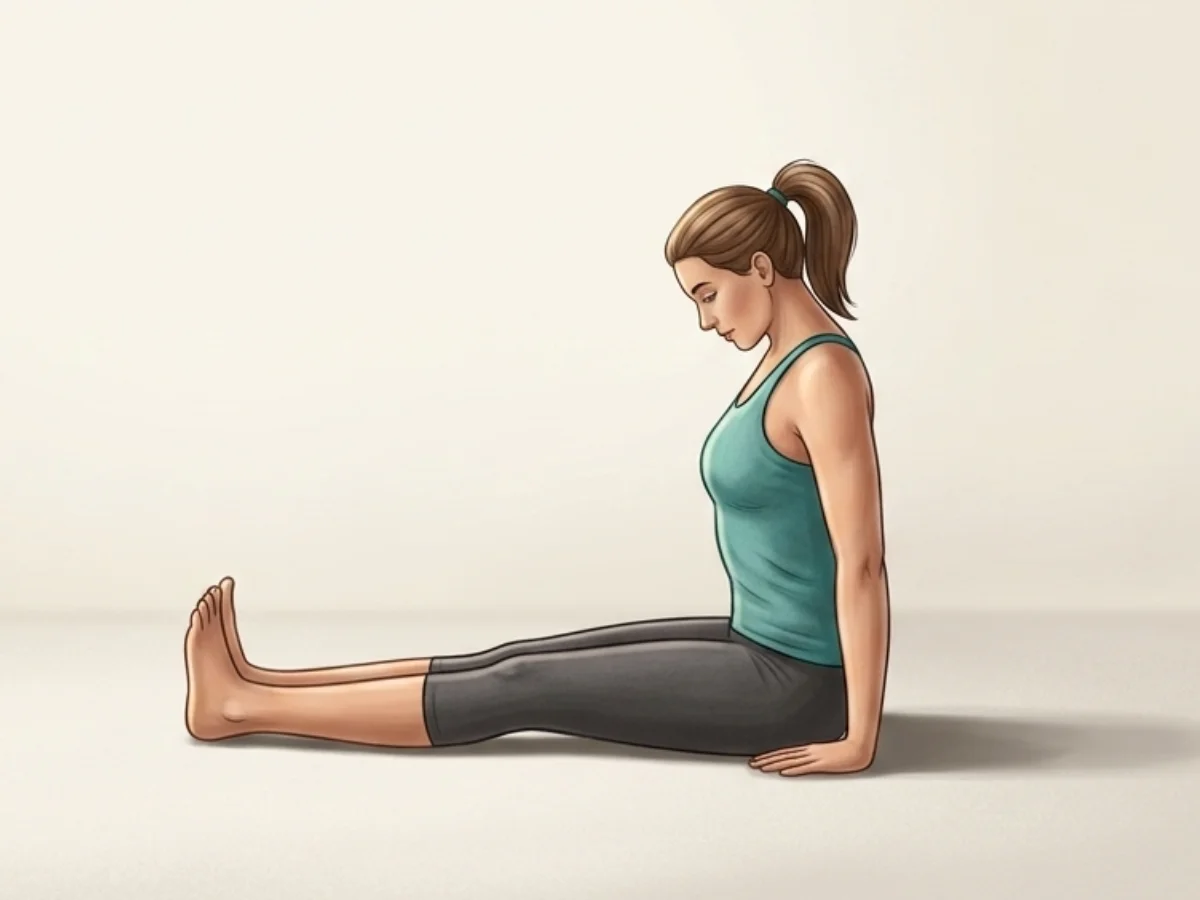
Staff Pose
DandasanaEstablishes the seated foundation and activates the legs and spine.
Follow with neutralizing Counter-poses
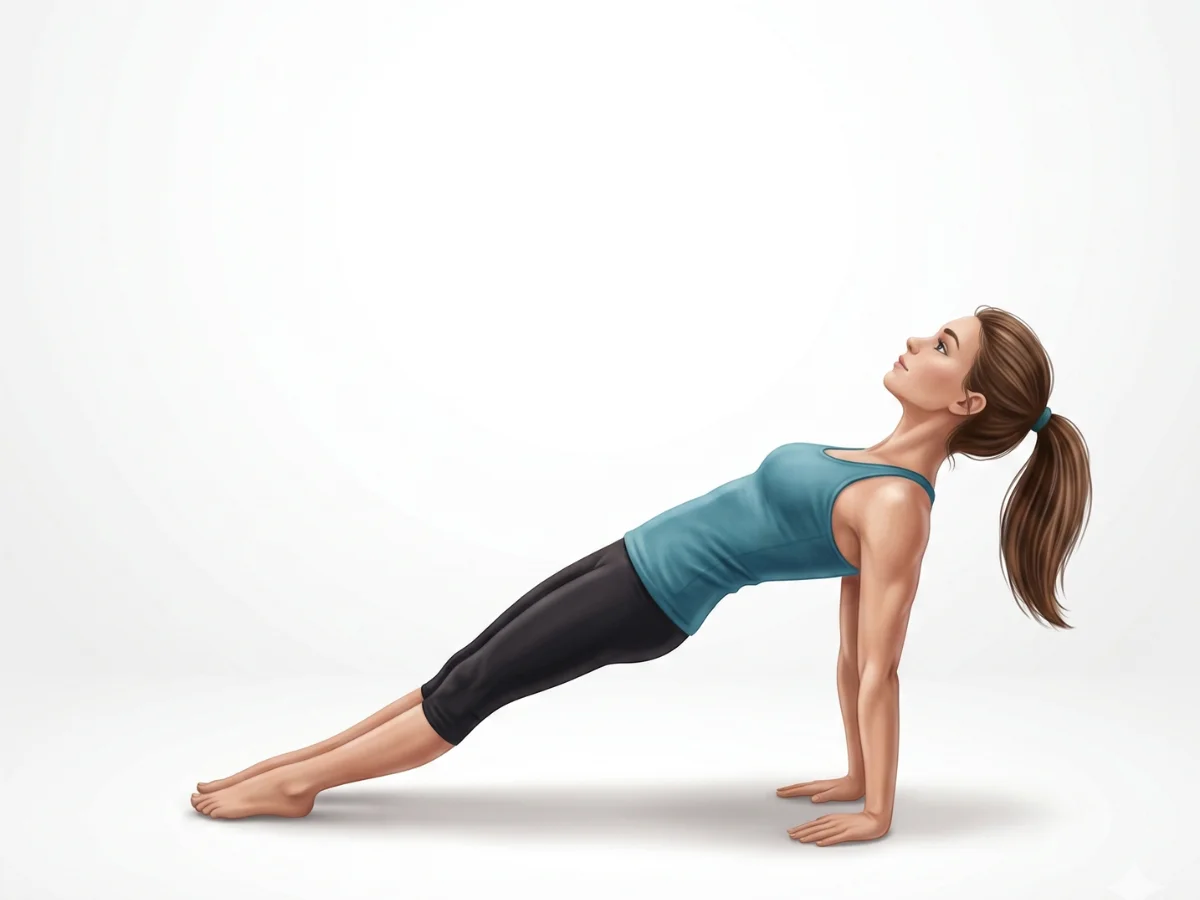
Upward Plank Pose
PurvottanasanaOpens the chest, shoulders, and hips, fully countering the intense forward compression.
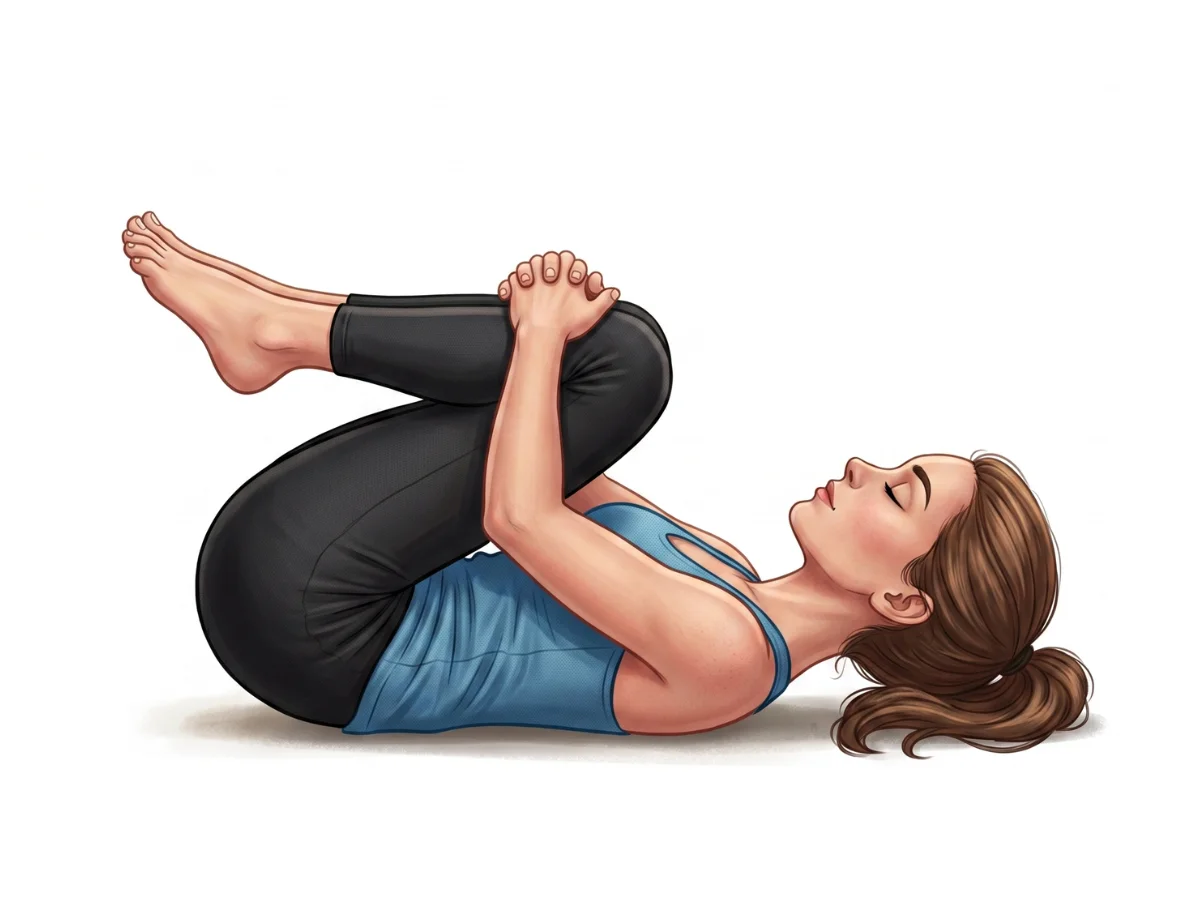
Wind-Removing Pose
PavanamuktasanaReleases tension in the hip flexors and lower back in a gentle, supine position.
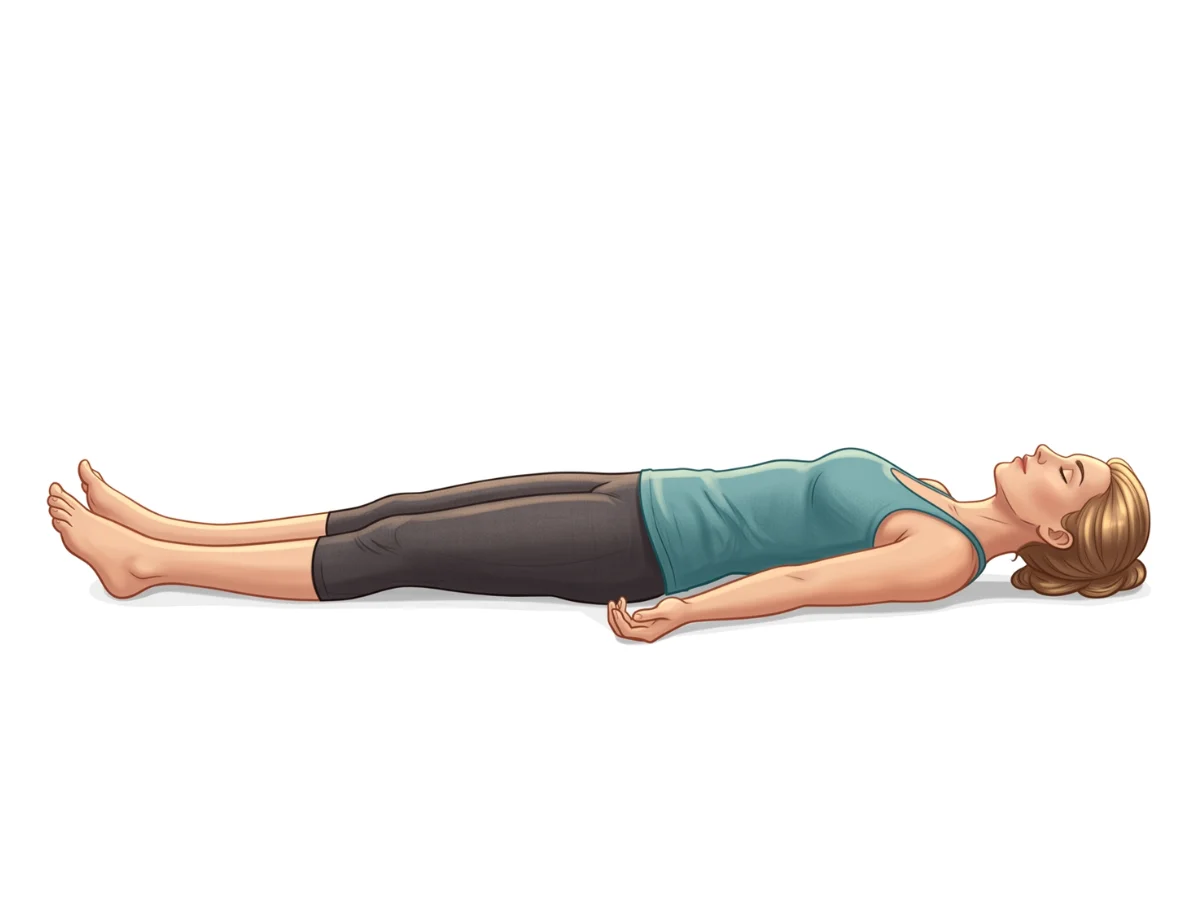
Corpse Pose
SavasanaAllows the wrists, arms, and core to completely rest and recover.
Frequently Asked Questions
Why won’t my hips lift off the floor?
Lifting the hips requires both arm strength and significant core compression. If your hips stay grounded, use yoga blocks under your hands to give yourself more clearance while you build the necessary core strength.
How do I keep my leg from sliding down my arm?
You must actively clamp your calf and thigh against your upper arm/shoulder. Don't just place it there; squeeze inward tightly like a vise.
What does this pose prepare you for?
Elephant Trunk is a gateway pose to even more advanced arm balances like Eight-Angle Pose (Astavakrasana) and Firefly Pose (Tittibhasana).

Elena Rostova is an accredited yoga educator and anatomy specialist with over 15 years of clinical experience. She focuses on functional biomechanics and injury prevention, translating complex anatomy into accessible guidance for safe, sustainable practice.
Read Full ProfileContinue Your Yoga Journey
Ready to deepen your practice? Explore our extensive library of poses, or join a structured program designed to build strength, flexibility, and mindfulness.