
Rock the Baby
Hindolasana
By Elena Rostova Updated: verified Medically Reviewed
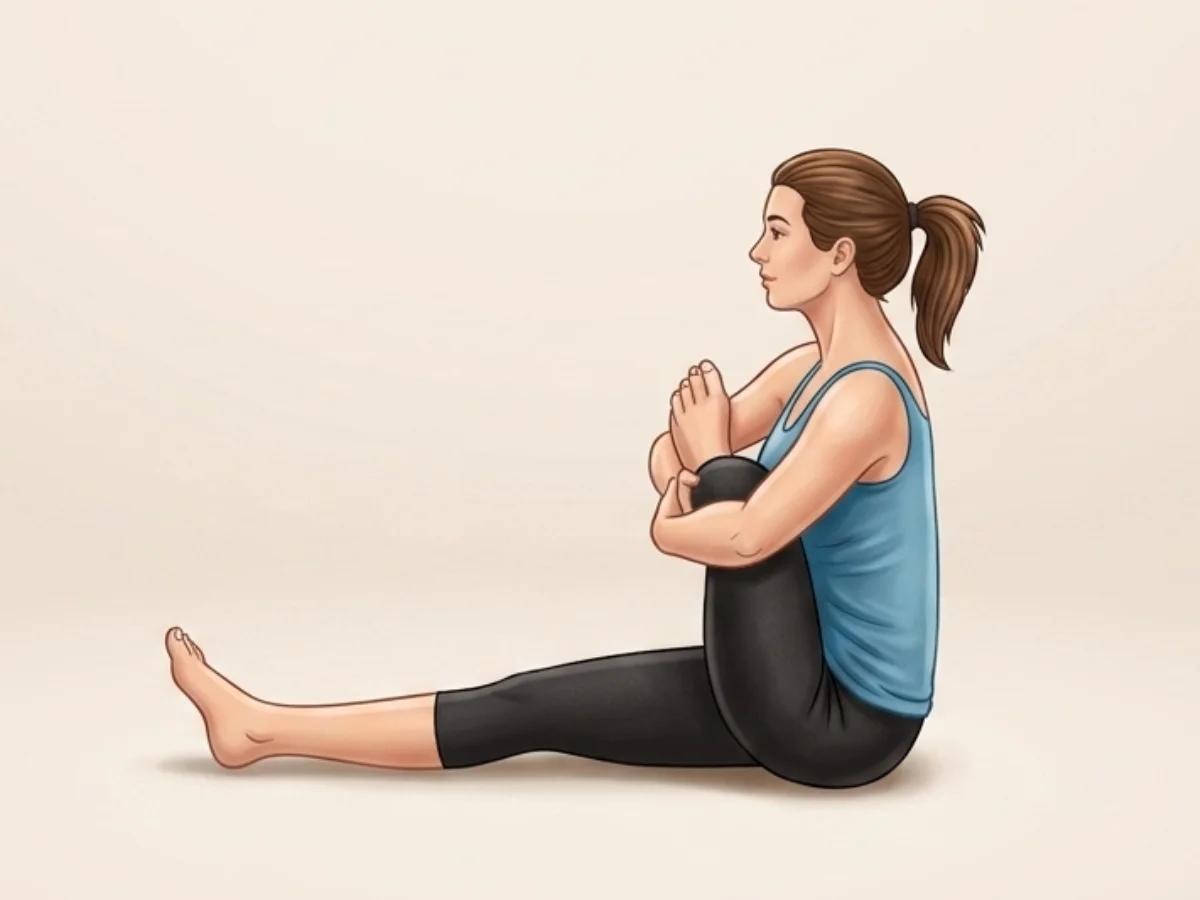
Rock the Baby Pose (Hindolasana), also known as Cradling Pose, is an accessible seated posture that provides an excellent, targeted stretch for the glutes and external hip rotators. By hugging the shin to the chest and gently rocking side to side, you lubricate the hip joint and relieve tension in the lower back and pelvis.
Hold Time
30–60 sec per side · 5–10 breaths
Pronunciation
hin-doh-LAHS-anna
About Rock the Baby
Commonly practiced as Rock the Baby (Hindolasana), this dynamic posture is beautifully designed to help unlock tension. As you settle into the shape, it gently works the hip mobility & glute stretch to increase your overall flexibility. Consistent practice will actively assist in improves hip mobility, helping you feel lighter and more balanced off the mat.
How to Practice
Start in Easy Pose
Begin seated comfortably on your mat with your legs crossed in Easy Pose (Sukhasana). Ensure both sit bones are grounded evenly.
Lift the Leg
Uncross your legs. Use your hands to lift your right foot off the floor, bringing your right shin roughly parallel to your chest.
Cradle the Shin
Place your right knee into the crook of your right elbow, and your right foot into the crook of your left elbow. Interlace your fingers together in front of your shin. (If this is too difficult, support the knee and foot with your hands instead).
Flex the Foot
Actively flex your right foot (pull the toes toward the knee). This engages the muscles around the knee, protecting the joint from unnecessary torque.
Lengthen the Spine
Inhale deeply and sit up tall. Draw your chest toward your shin, rather than rounding your back to bring your shin to your chest.
Rock Gently
Exhale, and begin to gently rock your leg side to side, like you are cradling a baby. Move slowly and mindfully, feeling the stretch deep within the right hip socket and glute.
Hold and Breathe
After rocking for several breaths, hold the leg still, hugging it as close to your chest as comfortable while maintaining a straight spine. Breathe deeply for 5 to 10 breaths.
Release and Switch
Gently release your right leg back down to the mat. Shake out your legs if necessary, then repeat the process with the left leg.
Practice with the Yoga Timer
Keep track of your hold time and breath count for this pose.
Beginner Modifications & Prop Options
Yoga is a personal journey. These modifications and prop options allow you to adapt the pose to your current level of balance and flexibility, ensuring a safe and supportive practice.
Hold the Foot and Knee
Hold the outside of your right knee with your right hand and your right foot with your left hand. Rock side to side with this wider grip to reduce hip intensity.
Tip: Focus on alignment rather than depth.
Sit on a Block
Sit on the edge of a folded blanket or a low yoga block to elevate the hips. This makes it much easier to maintain a straight spine while holding the leg.
Tip: Focus on alignment rather than depth.
Straighten the Bottom Leg
Extend the bottom leg straight out in front of you on the mat to provide more stability and reduce strain on the resting knee.
Tip: Focus on alignment rather than depth.
Benefits of Rock the Baby
Improves Hip Mobility
By isolating the external rotation of the femur in the hip socket, it lubricates the joint and increases range of motion.
Deep Glute Stretch
Effectively stretches the gluteus maximus and piriformis, which can help alleviate tension and sciatica symptoms.
Prepares for Deep Poses
Acts as an excellent warm-up for more advanced hip-opening postures like Lotus Pose and Fire Log Pose.
Relieves Lower Back Tension
Loosening tight hips naturally reduces the pull and strain on the lower lumbar spine.
Promotes Mindfulness
The gentle, rhythmic rocking motion is inherently soothing to the nervous system, fostering a sense of calm.
Common Mistakes to Avoid
Mistake: Rounding the Back
How to fix: Prioritize a tall, straight spine. Bring the leg to your chest, not your chest to your leg. Use your hands instead of elbows if needed.
Mistake: Forgetting to Flex the Foot
How to fix: Keep the foot of the lifted leg actively flexed (dorsiflexed) throughout the entire pose to lock and protect the knee.
Mistake: Tensing the Shoulders
How to fix: Relax your shoulder blades down your back. Use a looser grip if you find yourself straining.
Safety and Precautions
Knee Injuries
If you have a meniscus tear or knee instability, the external rotation required can exacerbate the issue. Use extreme caution and always flex the foot.
Recent Hip Surgery
Deep flexion and external rotation are generally contraindicated following hip replacement or surgery unless cleared by a doctor.
Acute Sciatica
While it can help mild piriformis syndrome, deep stretching during an acute sciatica flare-up can sometimes aggravate the nerve further.
Medical Disclaimer: If you have any of the above conditions, consult your doctor or a qualified yoga instructor before attempting this pose.
Muscles Worked in Rock the Baby
Rock the Baby demands synchronized muscular effort, creating a profound sense of engagement and release throughout the body. The activation of the primary muscles supports the structure, while the secondary muscles provide stability and balance.
Primary Muscles
Gluteus Maximus
Stretches deeply as the thigh is pulled toward the chest.
Piriformis
Lengthens during external rotation and flexion of the hip.
Deep Hip External Rotators
Stretch as the lower leg is drawn across the body.
Secondary Muscles
Erector Spinae
Engages to maintain a tall, upright spine and prevent slumping.
Biceps Brachii
Engage slightly to hold and support the weight of the leg.
Tibialis Anterior
Engages to keep the foot strongly flexed, protecting the knee.
Poses to Practice Before and After Rock the Baby
Prepare with these Poses
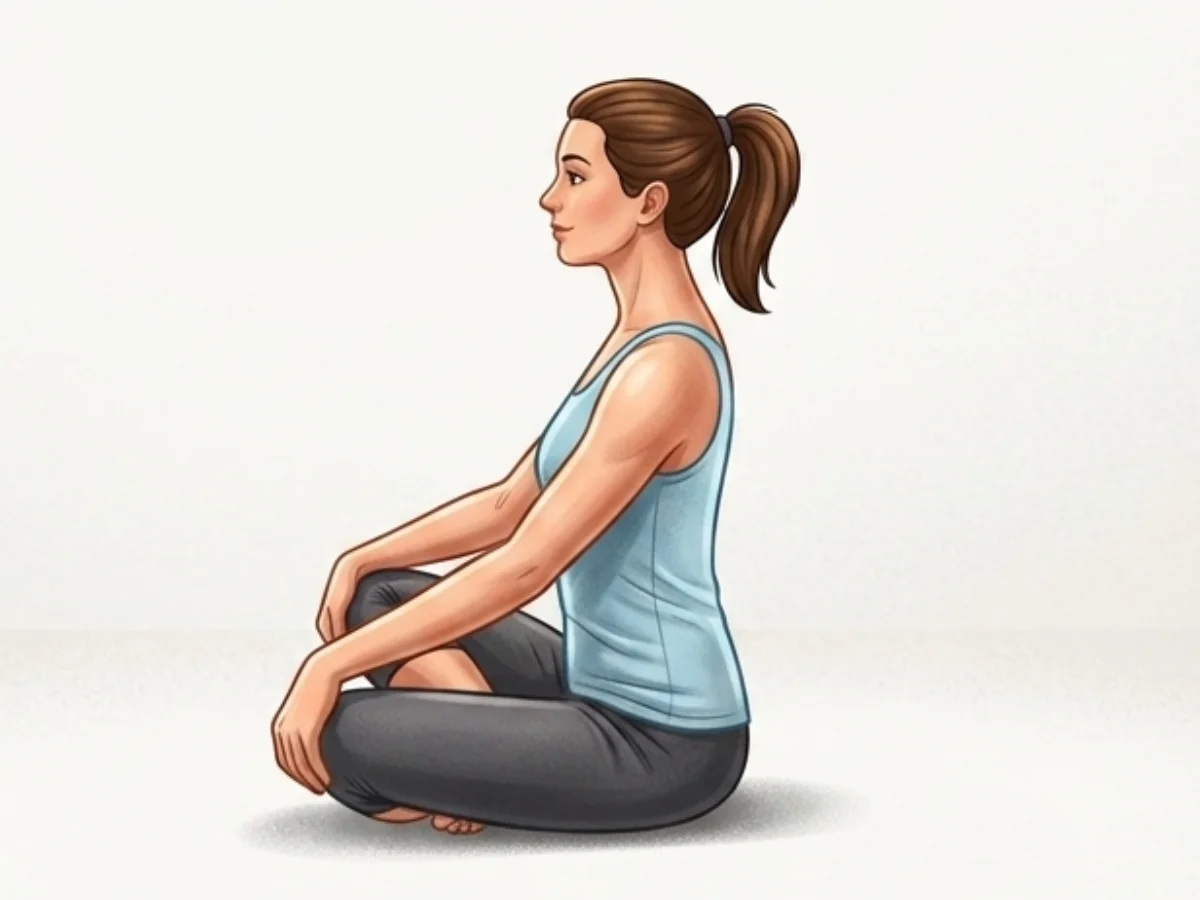
Easy Pose
SukhasanaA gentle starting point that establishes an upright seated posture.
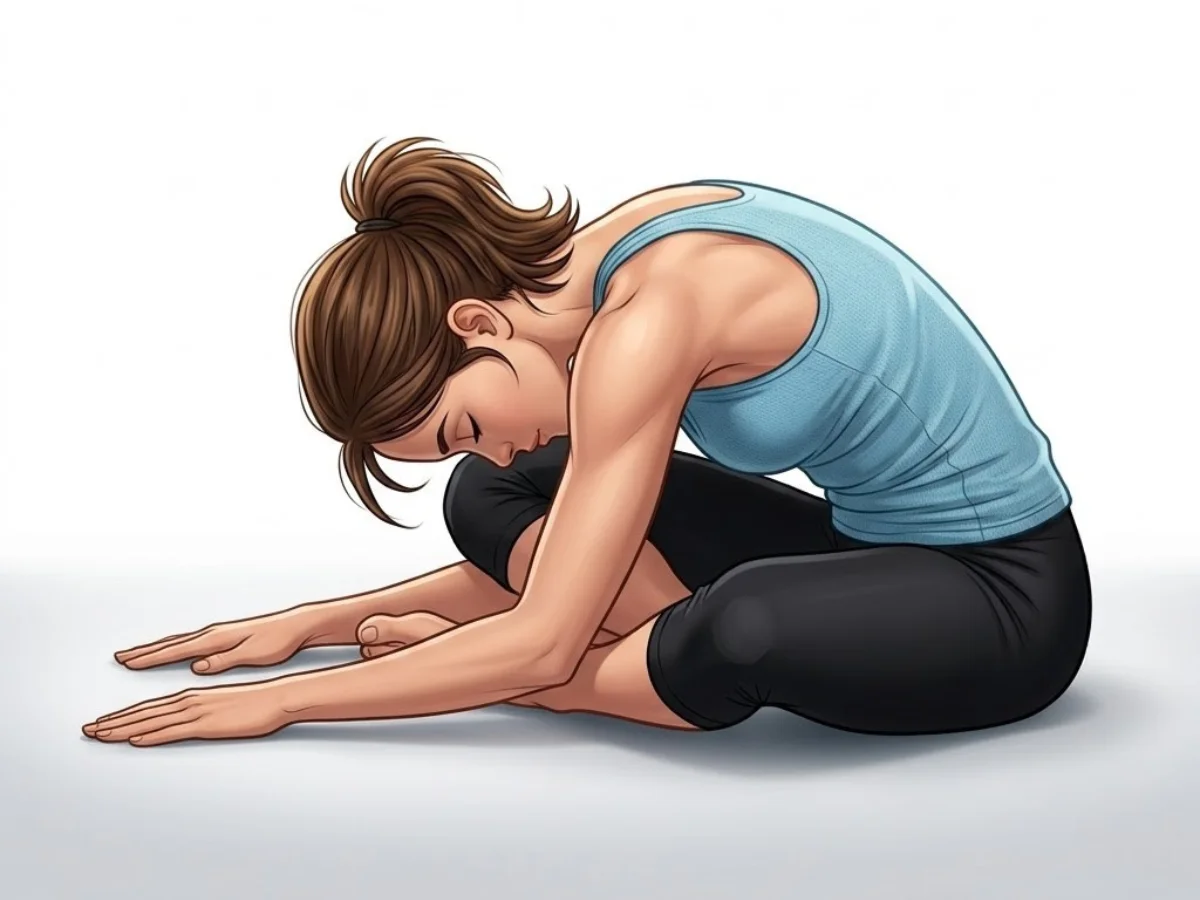
Butterfly Pose
Baddha KonasanaBegins to open the hips in external rotation symmetrically.
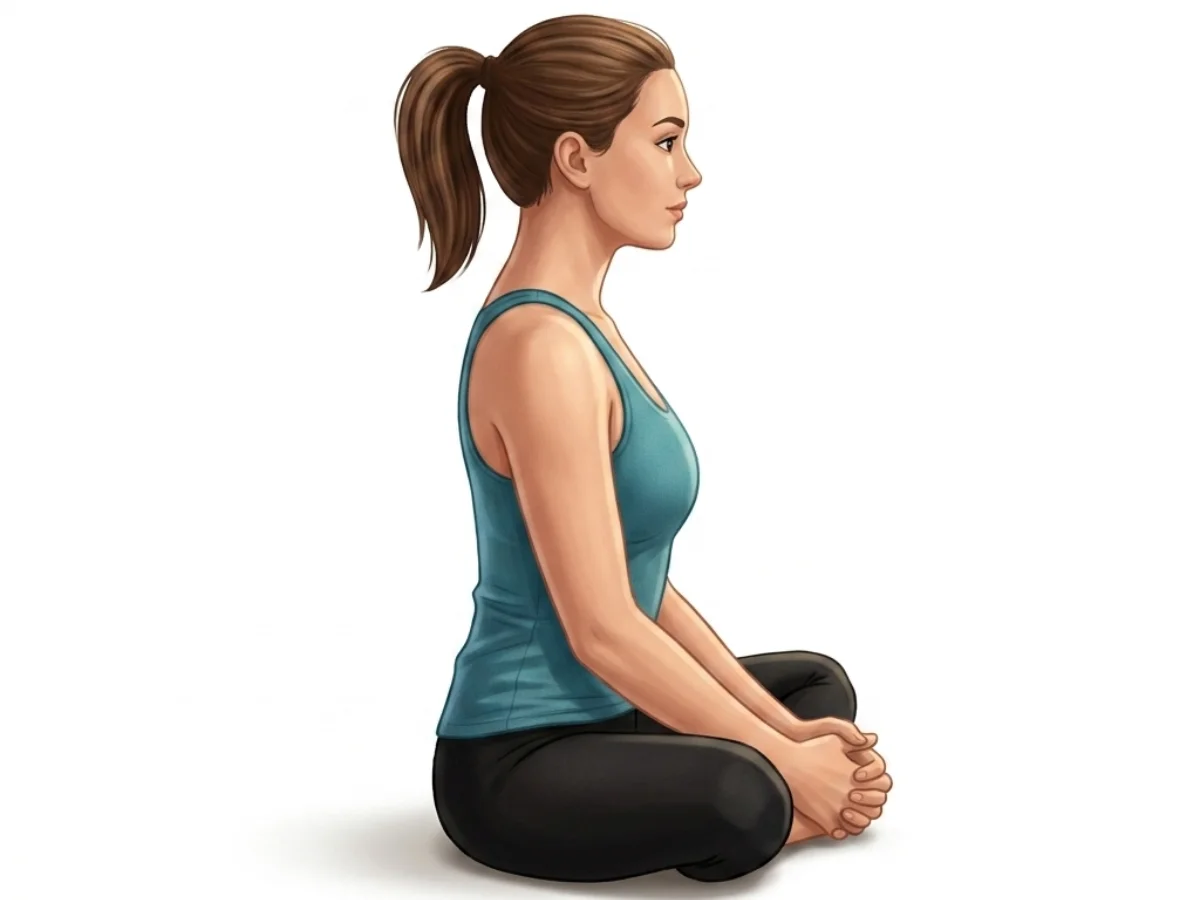
Bound Angle
Supta Baddha KonasanaFurther relaxes the inner thighs and groins in preparation for deeper stretching.
Follow with neutralizing Counter-poses
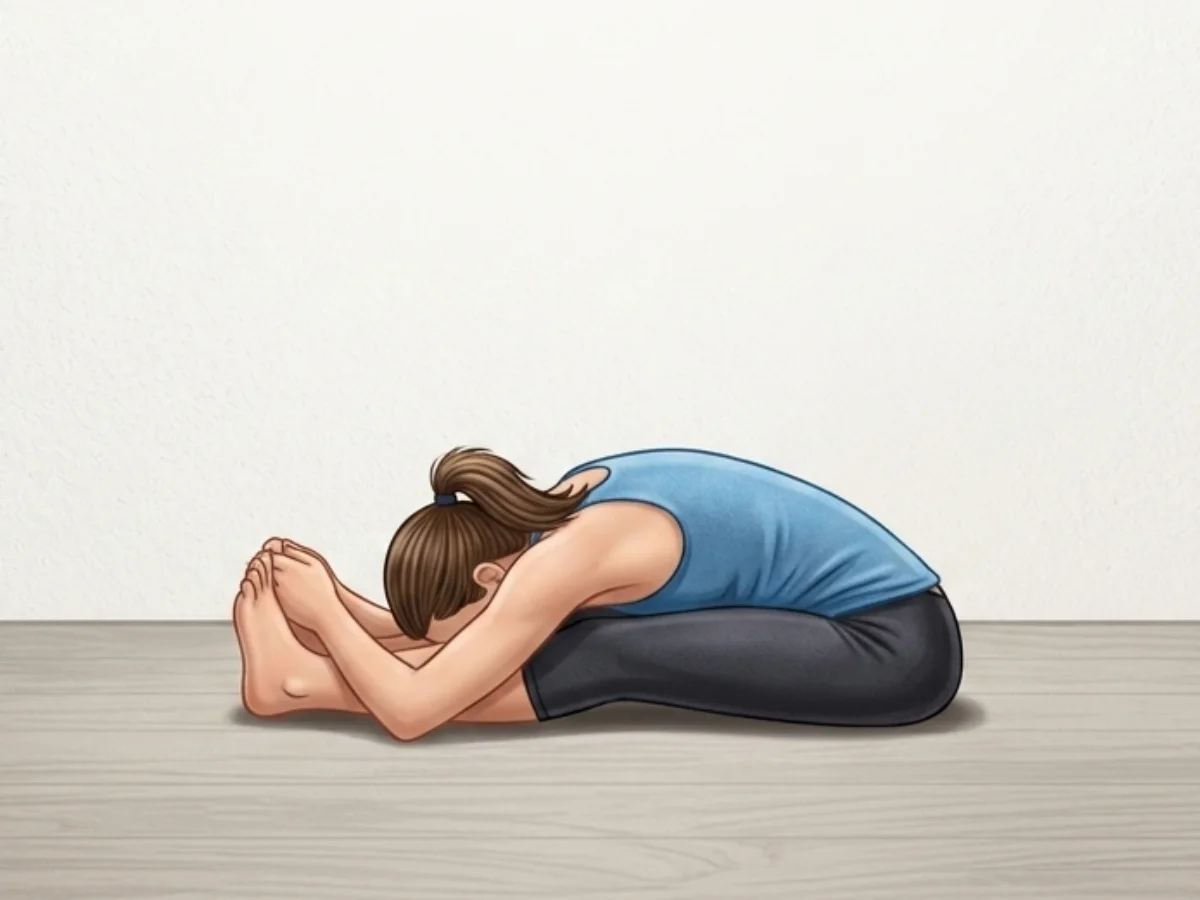
Seated Forward Bend
PaschimottanasanaSymmetrically stretches both legs straight out, neutralizing the hip rotation.
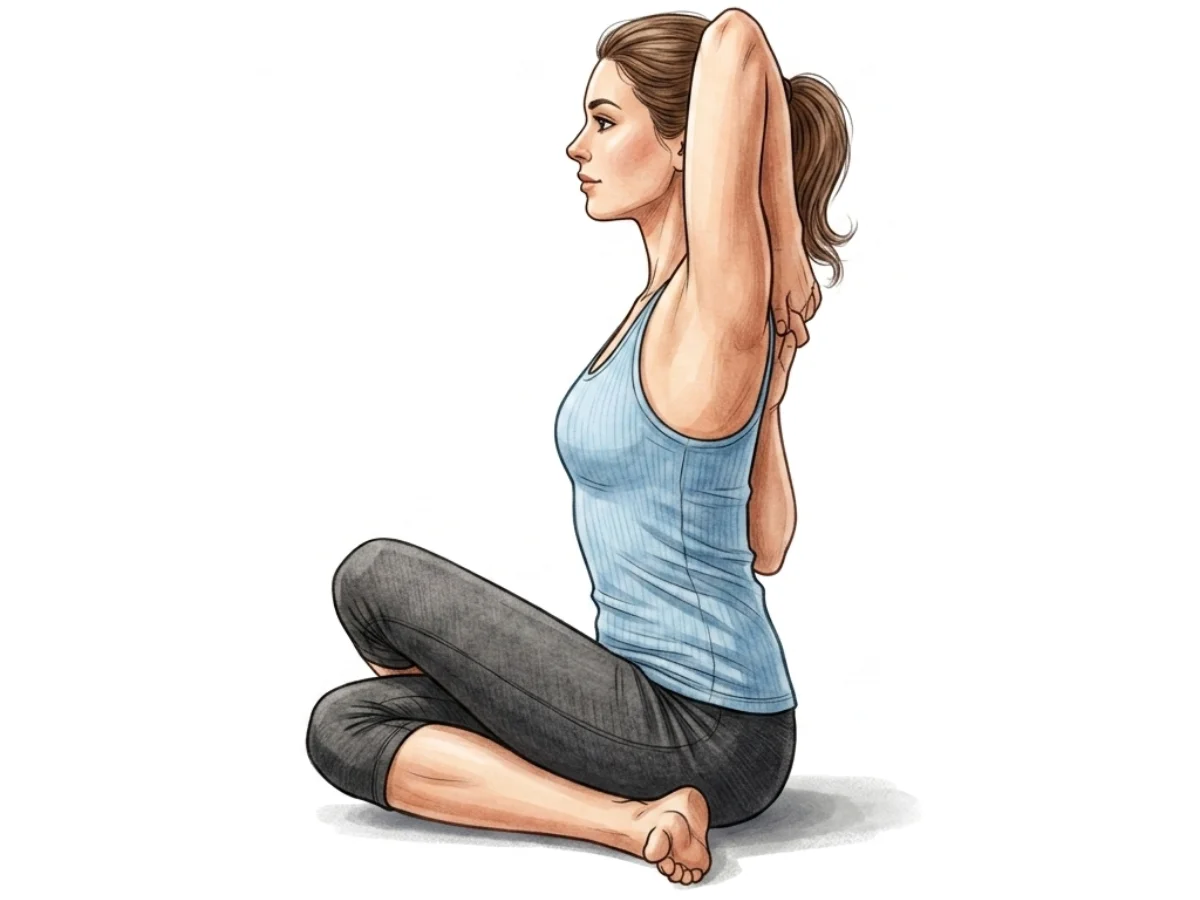
Cow Face Pose
GomukhasanaOffers a different angle of hip stretch to balance the outer rotators.
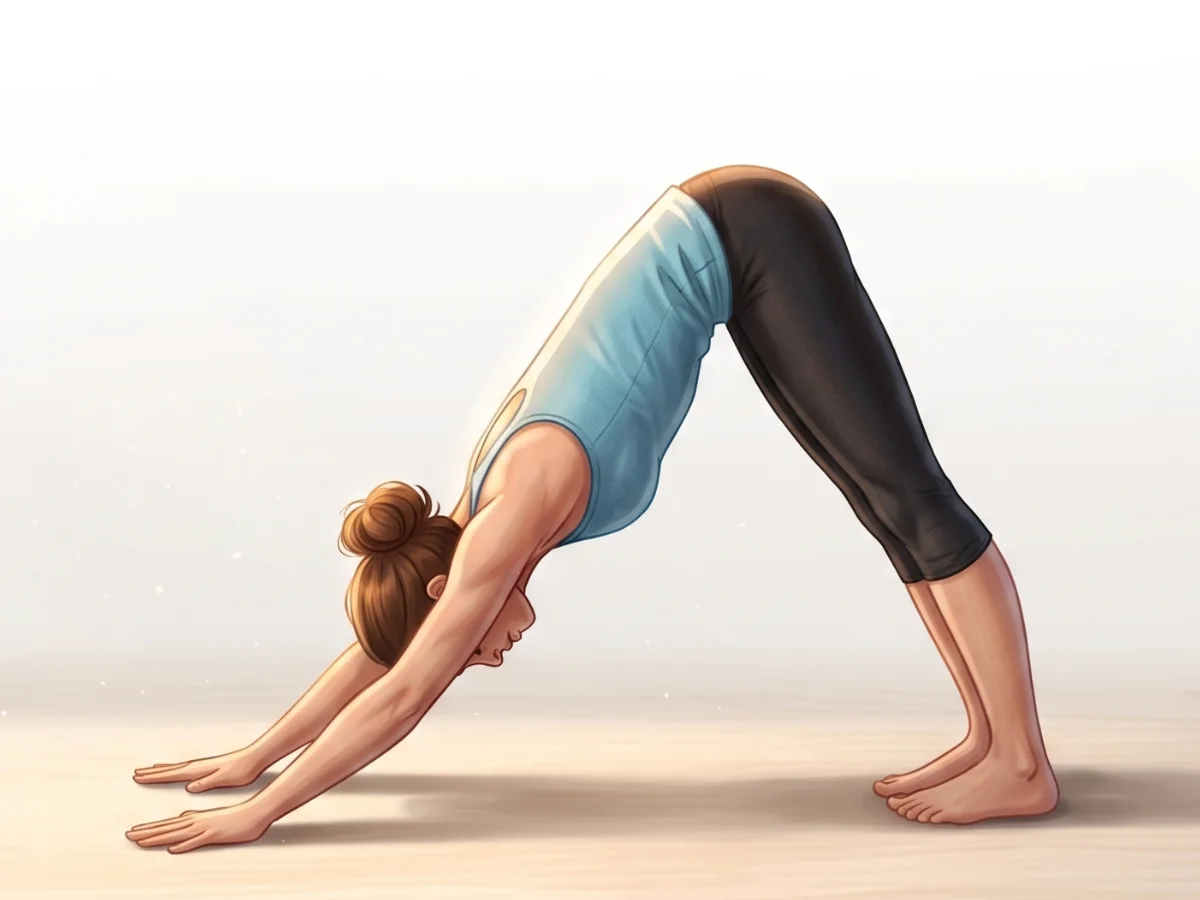
Downward-Facing Dog
Adho Mukha SvanasanaLengthens the back of the legs and restores symmetrical alignment.
Frequently Asked Questions
What if my foot doesn't reach my elbow crease?
That is completely normal, especially if you have tight hips. Simply hold your foot with your hand instead.
Why must I flex my foot in this pose?
Flexing the foot engages the muscles that support the knee joint. Because the hip is a ball-and-socket joint and the knee is a hinge joint, tight hips can incorrectly transfer rotational force to the knee.
Can I do this pose lying down?
Yes, lying on your back and pulling your shin toward your chest is essentially the Supine Figure Four (Thread the Needle) pose. It provides a similar stretch while fully supporting the spine, making it an excellent alternative if sitting up is uncomfortable.
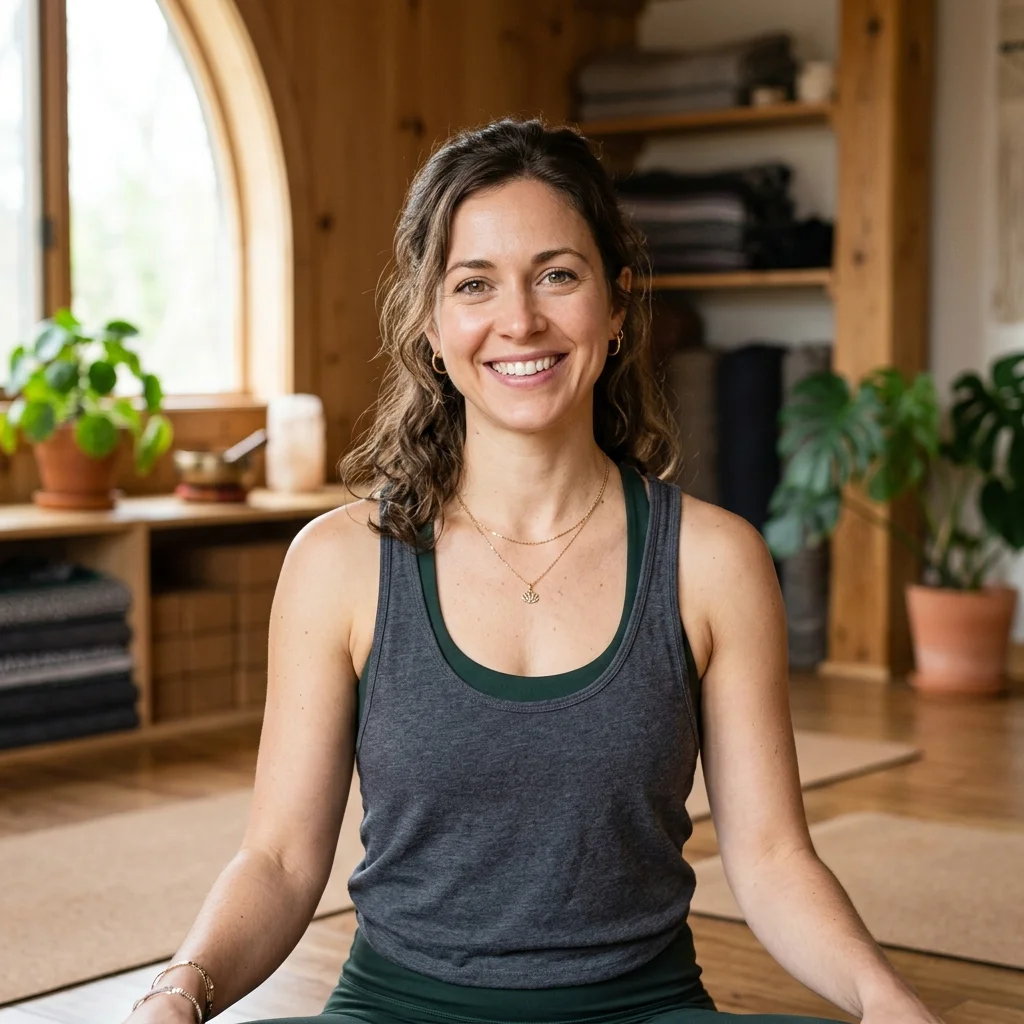
Elena Rostova is an accredited yoga educator and anatomy specialist with over 15 years of clinical experience. She focuses on functional biomechanics and injury prevention, translating complex anatomy into accessible guidance for safe, sustainable practice.
Read Full ProfileContinue Your Yoga Journey
Ready to deepen your practice? Explore our extensive library of poses, or join a structured program designed to build strength, flexibility, and mindfulness.