
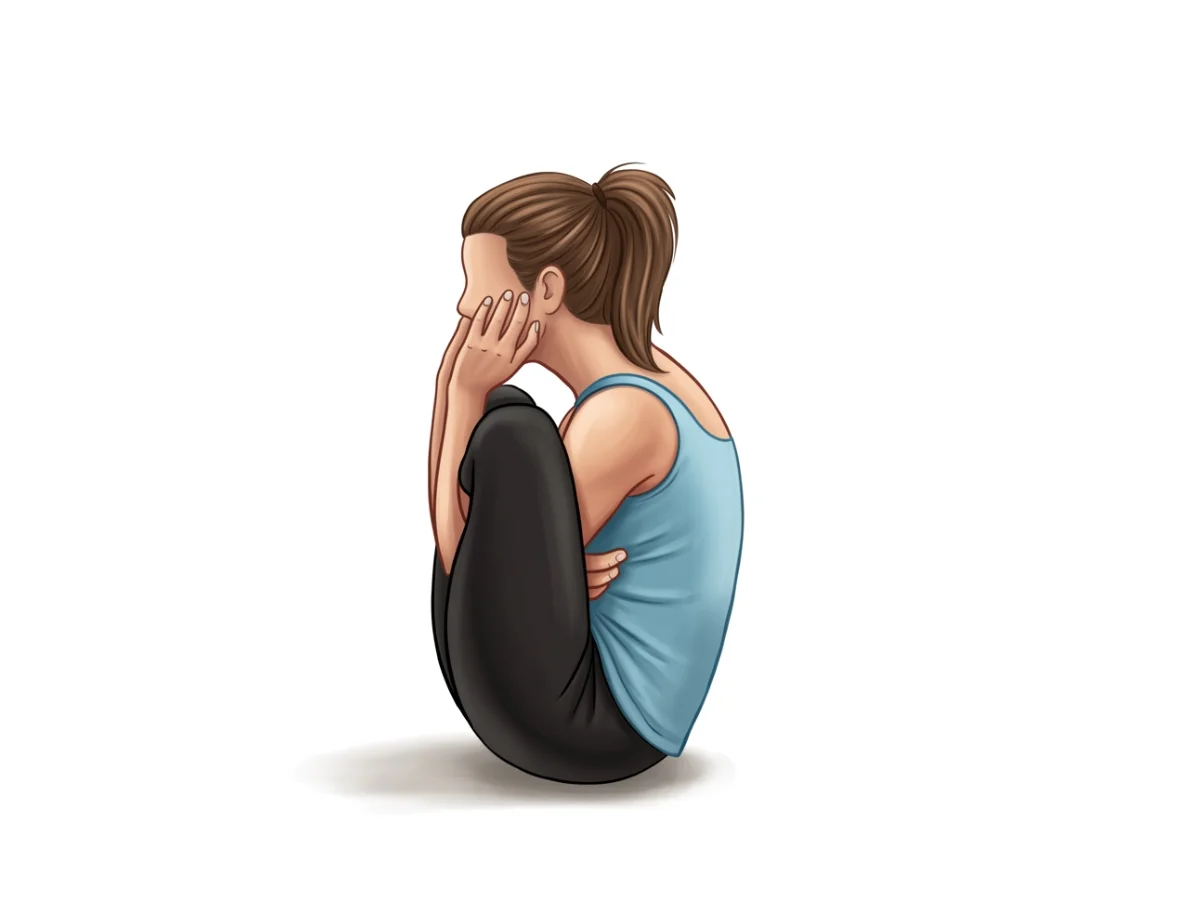
Embryo in Womb
Garbha Pindasana
By Elena Rostova Updated: verified Medically Reviewed
Embryo in Womb Pose (Garbha Pindasana) is an advanced seated balancing posture belonging to the Ashtanga Primary Series. Starting from a full Lotus Pose (Padmasana), practitioners weave their arms through the gaps behind their knees and balance on their sitting bones, eventually bringing their hands to their face.
Hold Time
5–10 breaths
Pronunciation
gar-BAH pin-DAHS-anna
About Embryo in Womb
A vital part of many yoga sequences, Embryo in Womb (Garbha Pindasana) offers wonderful benefits that go beyond its simple shape. It primarily targets the core balance & deep hip flexion, helping to create length and strength exactly where you need it most. Consistent practice will actively assist in deepens hip flexibility, helping you feel lighter and more balanced off the mat.
How to Practice
Begin in Lotus
Start in a full Lotus Pose (Padmasana), bringing your right foot onto your left hip crease and your left foot onto your right hip crease. Ensure your knees are comfortable.
Create Space
Using your hands or a spray of water, slightly separate the calves and thighs to create a small gap directly behind the bend of each knee.
Thread the Arms
Slide your right arm through the gap behind your right knee. Then, slide your left arm through the gap behind your left knee, pushing both arms through until your elbows pass the legs.
Shift Balance
Lean back slightly onto your sitting bones and engage your deep core muscles, lifting your knees and feet off the floor.
Fold Upward
Bend your elbows and slowly draw your hands upward toward your face. Grip your ears or simply place your hands on your cheeks.
Find Stillness
Balance on your sacrum and sitting bones. Keep your spine somewhat rounded to maintain the compact, "embryonic" shape of the pose.
Hold and Breathe
Hold the balance for 5 to 10 breaths, keeping your gaze focused inward or down the tip of your nose, maintaining steady respiration despite the bodily compression.
Release Safely
To exit, carefully lower your hands, slide your arms out from behind your knees, and gently uncross your legs into Staff Pose (Dandasana).
Practice with the Yoga Timer
Keep track of your hold time and breath count for this pose.
Beginner Modifications & Prop Options
Yoga is a personal journey. These modifications and prop options allow you to adapt the pose to your current level of balance and flexibility, ensuring a safe and supportive practice.
Half Lotus Variation
Practice balancing in Half Lotus or Easy Pose. Wrap arms around the outside of your shins to practice the core balance if full threading is not accessible.
Tip: Focus on alignment rather than depth.
Use Water or Lotion
Apply water or sweat to arms and legs. This helps the arms slip through tight gaps behind the knees without chafing the skin.
Tip: Focus on alignment rather than depth.
Arm Threading Only
Thread arms through legs but keep hands on the floor. Focus on shoulder and hip flexibility without lifting into the full balance.
Tip: Focus on alignment rather than depth.
Benefits of Embryo in Womb
Deepens Hip Flexibility
Intensely stretches the outer hips, rotators, and inner groins, advancing the flexibility required for extreme hip-opening postures.
Massages Abdominal Organs
The deep fold and bodily compression apply pressure to the abdomen, which can stimulate digestion and massage internal organs.
Enhances Core Balance
Balancing entirely on the sitting bones demands precise control from the core and pelvic floor muscles.
Cultivates Inward Focus
The compact, closed-off nature of the pose naturally draws the senses inward, promoting deep concentration and a meditative state.
Common Mistakes to Avoid
Mistake: Forcing the Lotus Pose
How to fix: Only attempt this pose if Padmasana (Lotus Pose) feels effortless and pain-free.
Mistake: Rounding the Back Excessively
How to fix: Keep the core deeply engaged to lift and support the spine, balancing closer to the sitting bones than the tailbone.
Mistake: Holding the Breath
How to fix: Focus on breathing into the back ribs and upper chest to maintain a steady flow of oxygen.
Safety and Precautions
Knee or Ankle Injuries
The extreme torque placed on the joints makes this pose unsafe for anyone with a history of knee or ankle issues.
Pregnancy
The intense abdominal compression and balance requirements make this pose strictly contraindicated during pregnancy.
Lower Back Pain
The deep flexion and balancing on the sacrum can aggravate existing lower back or disc problems.
Medical Disclaimer: If you have any of the above conditions, consult your doctor or a qualified yoga instructor before attempting this pose.
Muscles Worked in Embryo in Womb
Embryo in Womb demands synchronized muscular effort, creating a profound sense of engagement and release throughout the body. The activation of the primary muscles supports the structure, while the secondary muscles provide stability and balance.
Primary Muscles
Hip Flexors
Work to keep the knees drawn tightly toward the chest.
Rectus Abdominis
Engages intensely to maintain the compact shape and balance.
Gluteus Medius
Stretched maximally due to the deep external hip rotation.
Secondary Muscles
Biceps Brachii
Flex the elbows to bring the hands to the face.
Erector Spinae
Stretched along the length of the back as the body rounds.
Poses to Practice Before and After Embryo in Womb
Prepare with these Poses
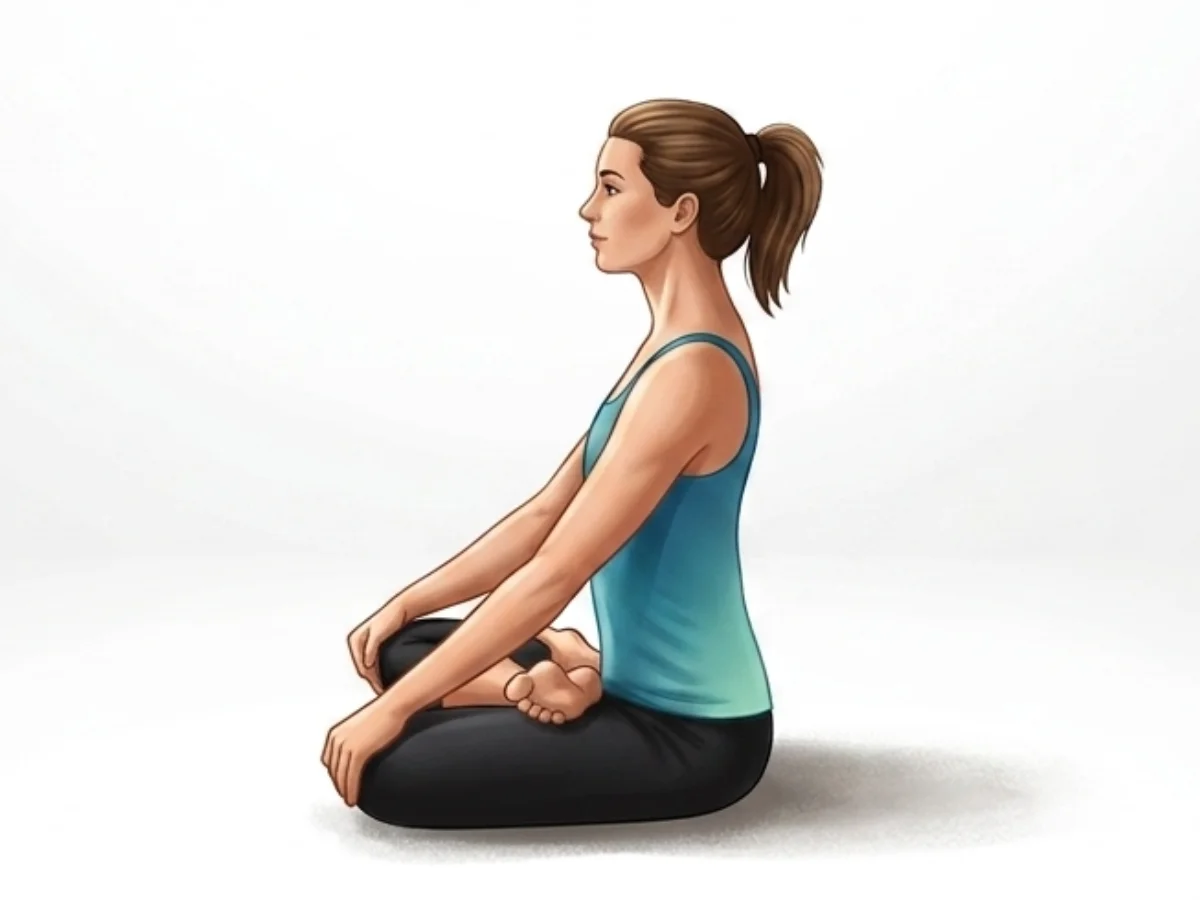
Lotus Pose
PadmasanaThe foundational posture required before moving into Embryo in Womb.
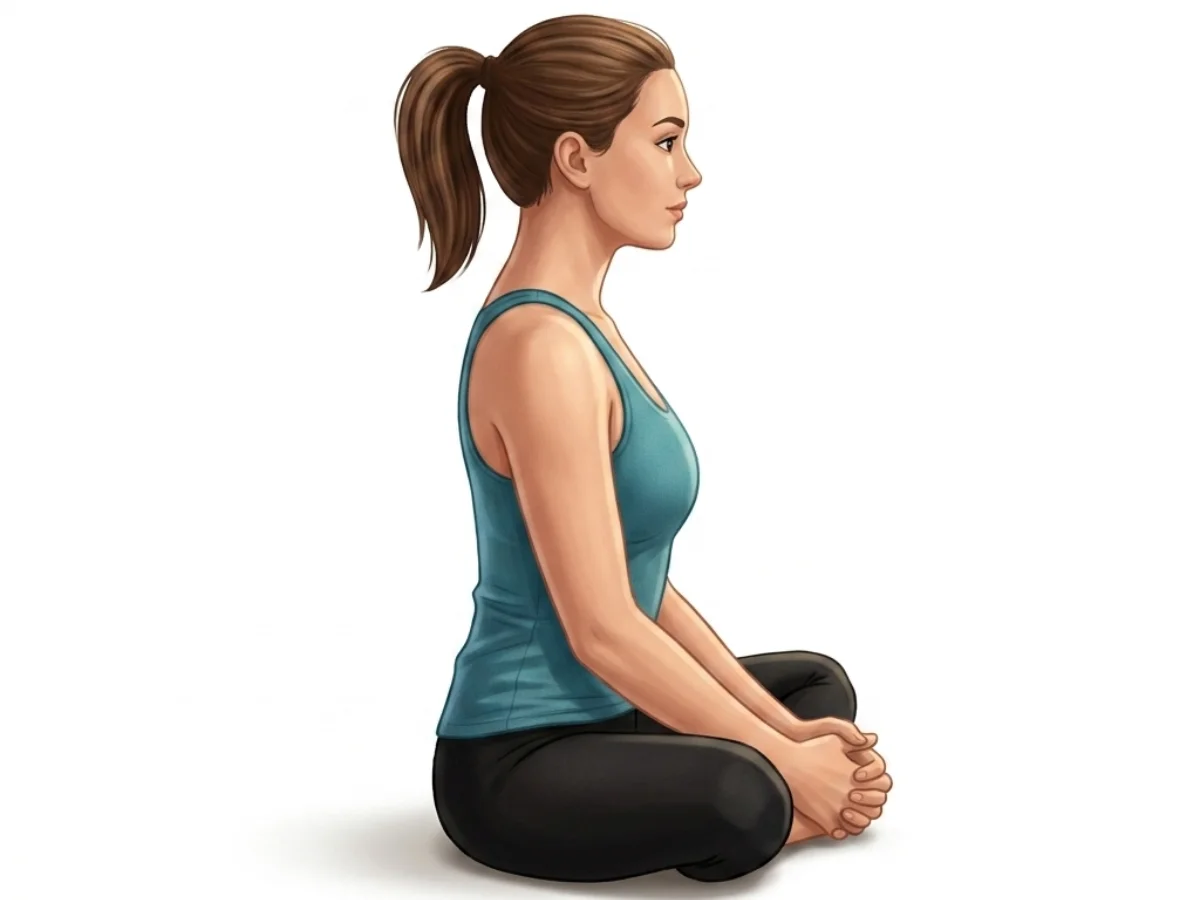
Bound Angle
Baddha KonasanaOpens the hips and groins deeply to prepare for Lotus.
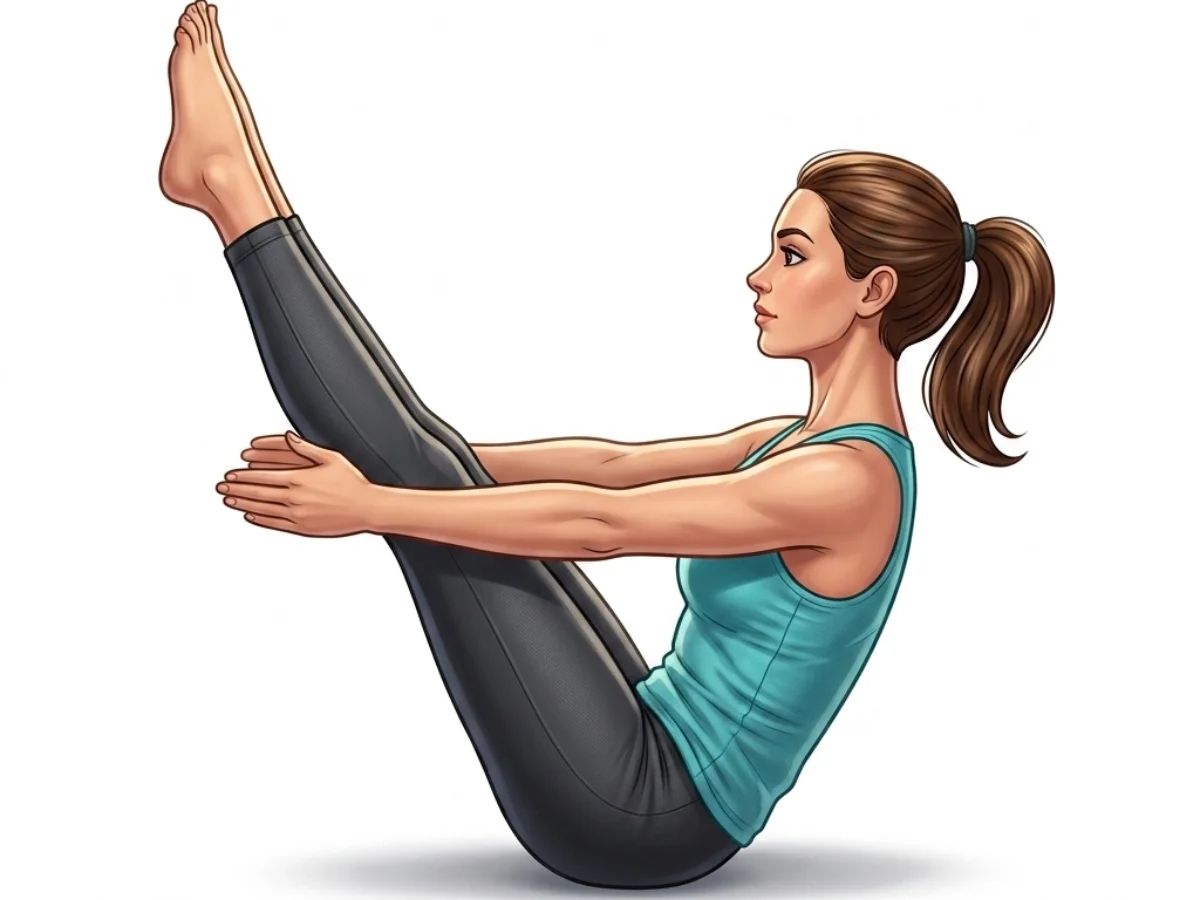
Boat Pose
NavasanaBuilds the core strength and balance necessary for balancing on the sitting bones.
Follow with neutralizing Counter-poses
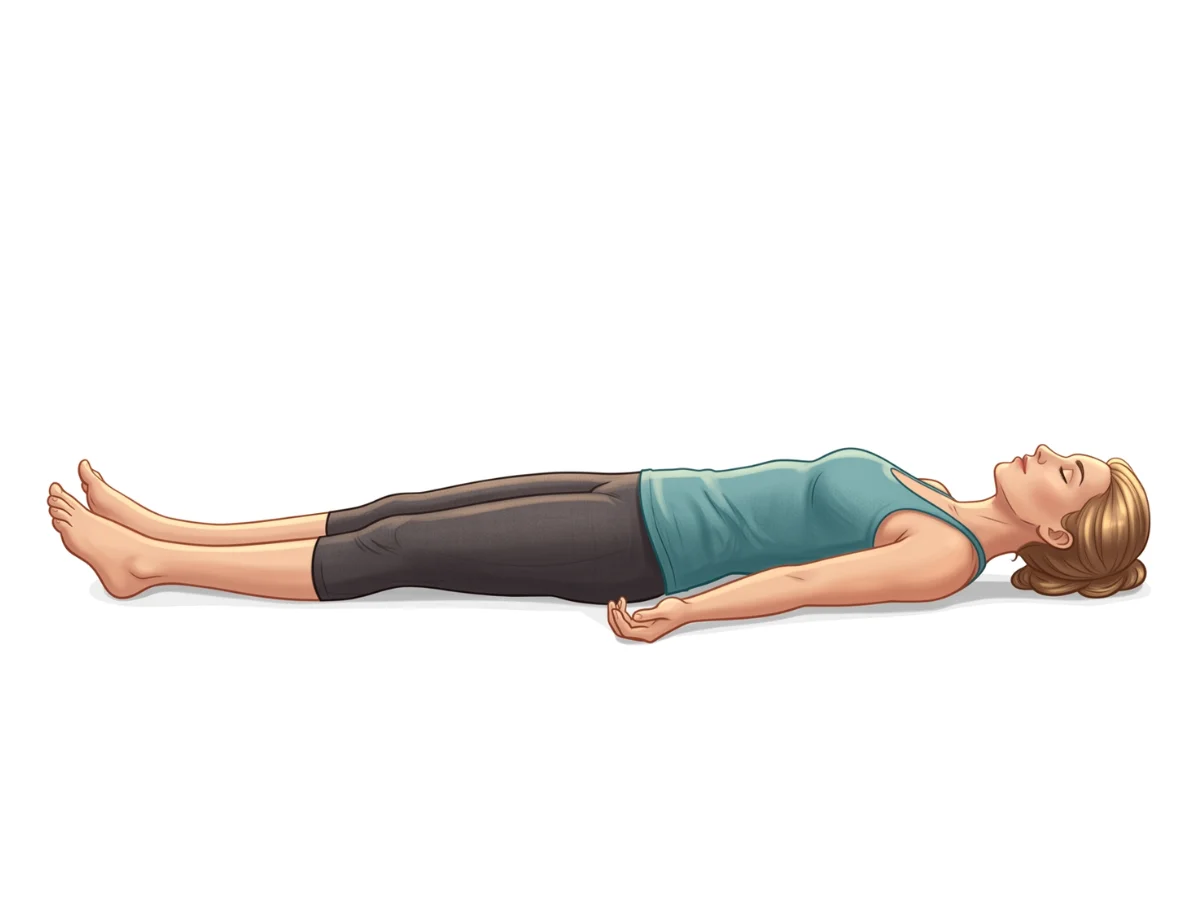
Corpse Pose
SavasanaAllows the hips, knees, and back to release completely after intense binding.
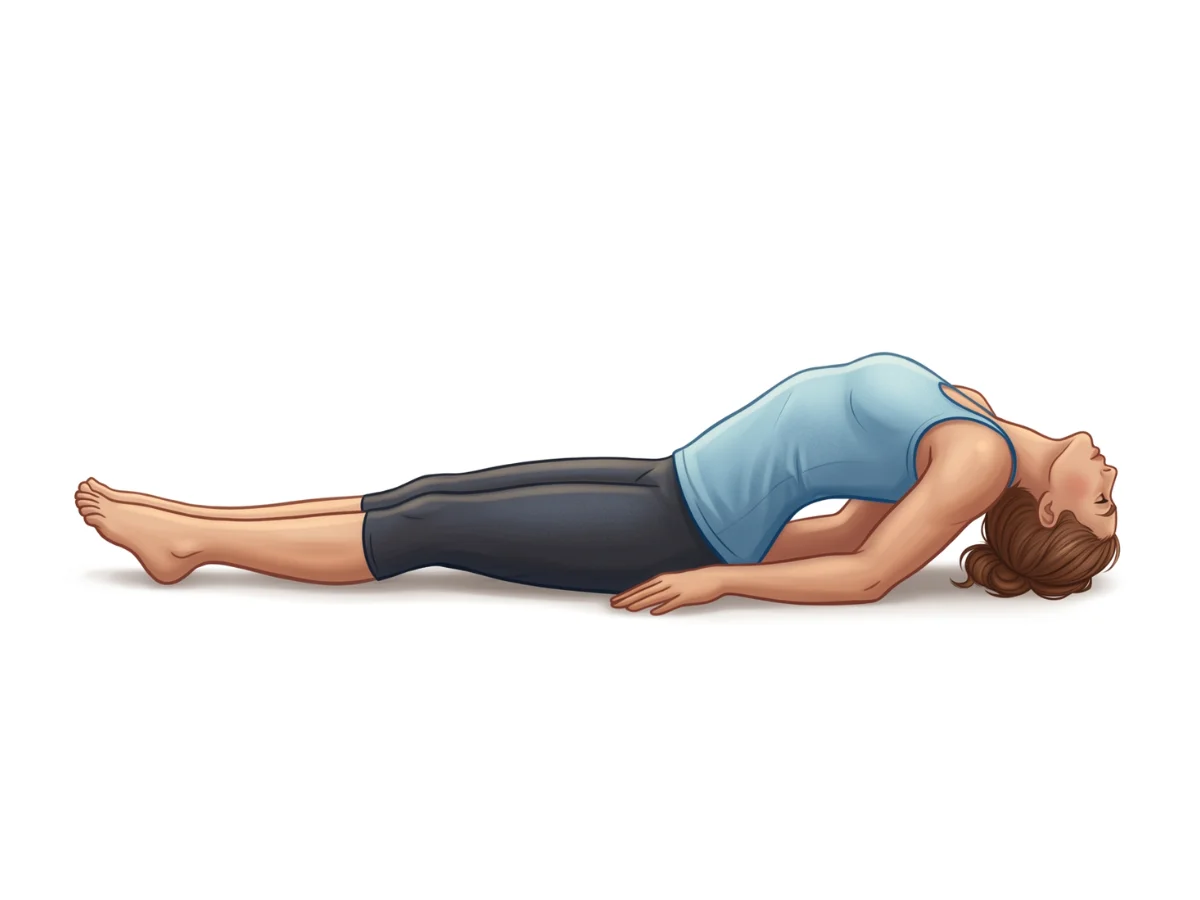
Fish Pose
MatsyasanaOpens the chest, throat, and front of the hips, counteracting the deep flexion.
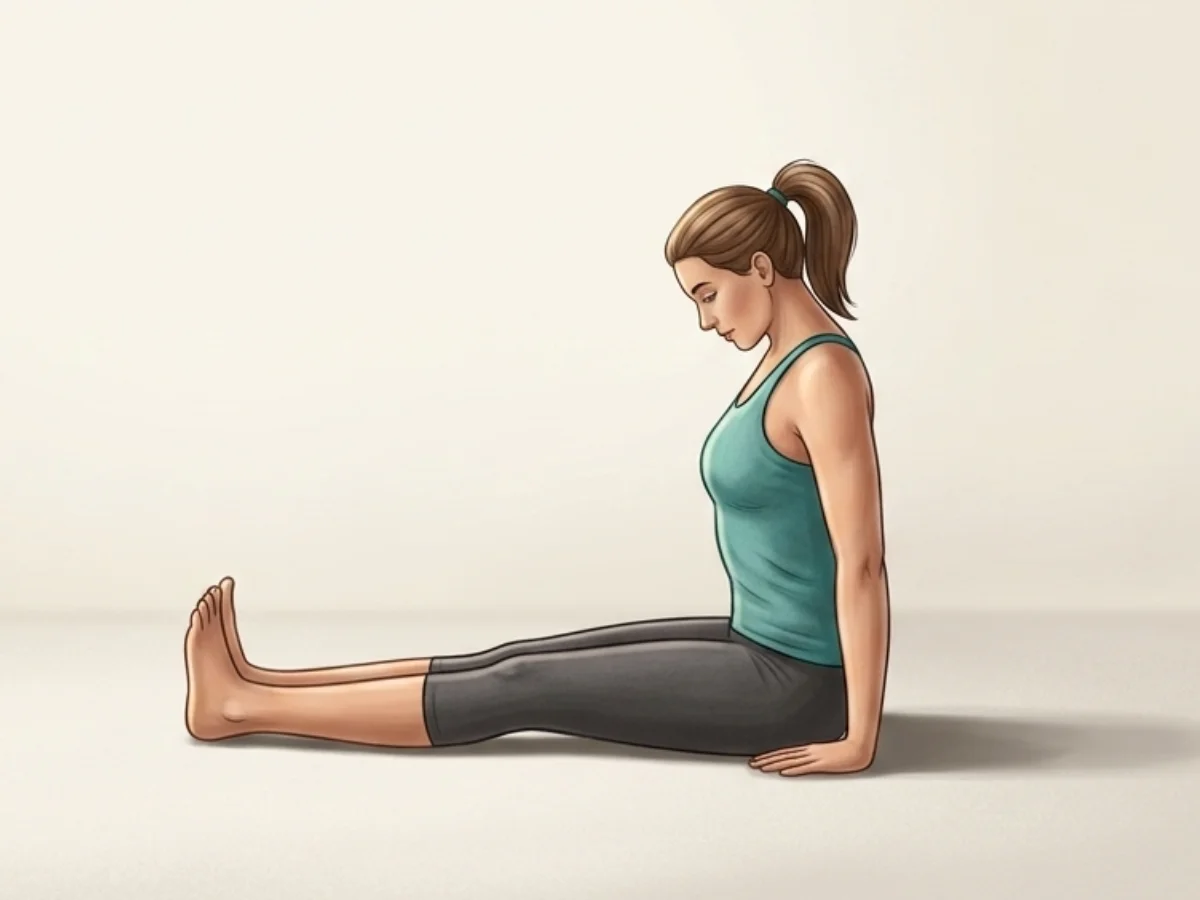
Staff Pose
DandasanaExtends the legs fully, releasing the intense compression of the knee joints.
Frequently Asked Questions
How can I get my arms through my legs?
This requires very open hips and specific body proportions. Ensure your Lotus is pulled up very high on the thighs.
Is this pose dangerous for my knees?
Yes, if forced. The knees should never experience pain in yoga.

Elena Rostova is an accredited yoga educator and anatomy specialist with over 15 years of clinical experience. She focuses on functional biomechanics and injury prevention, translating complex anatomy into accessible guidance for safe, sustainable practice.
Read Full ProfileContinue Your Yoga Journey
Ready to deepen your practice? Explore our extensive library of poses, or join a structured program designed to build strength, flexibility, and mindfulness.