
Firefly III
Tittibhasana C
By Elena Rostova Updated: verified Medically Reviewed
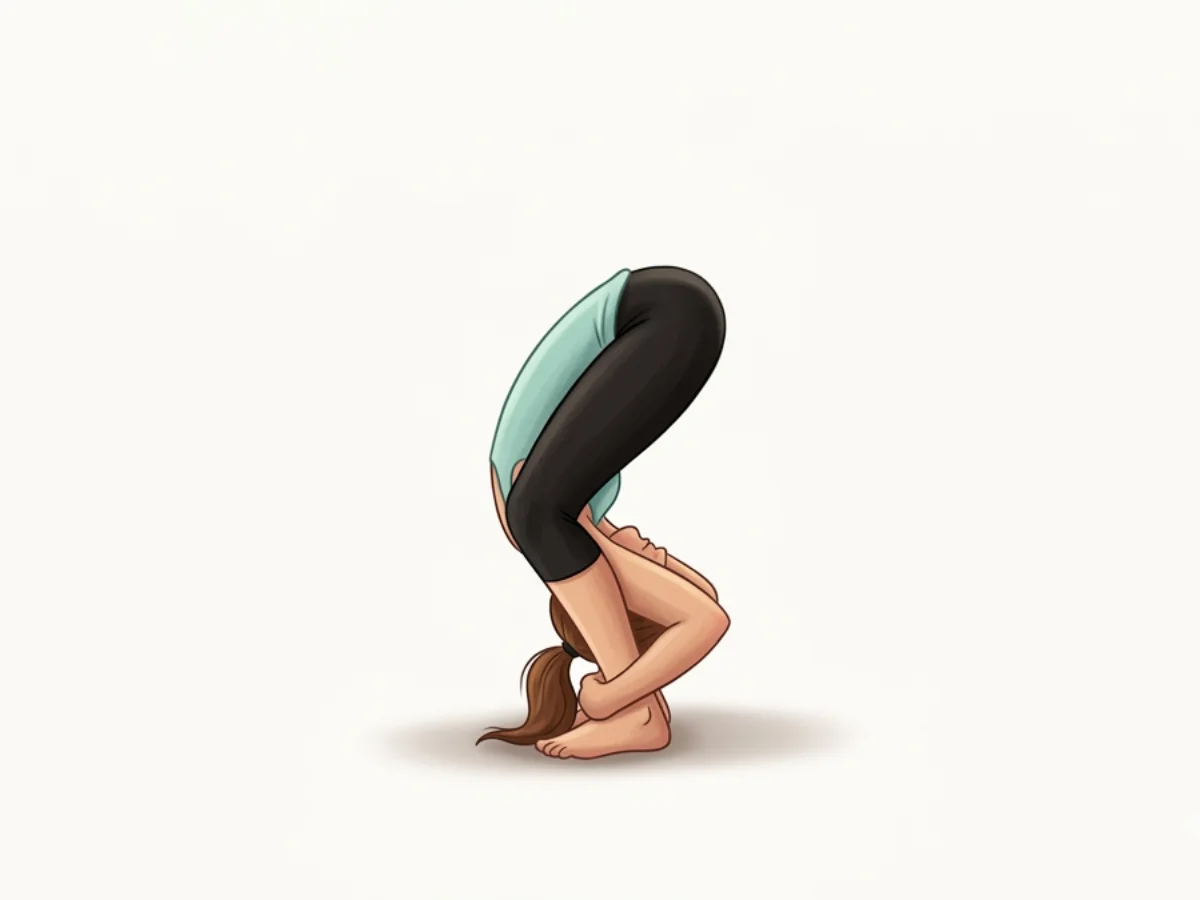
Firefly III (Tittibhasana C) is the culminating expression of the Tittibhasana series in Ashtanga Yoga. In this formidable pose, the practitioner transitions from the deep fold of Tittibhasana B to walk their feet completely together while keeping the arms firmly bound behind the back and the head trapped behind the shins.
Hold Time
5 deep breaths
Pronunciation
tih-tih-BHAHS-anna cee
About Firefly III
Commonly practiced as Firefly III (Tittibhasana C), this dynamic posture is beautifully designed to help unlock tension. As you settle into the shape, it gently works the advanced forward flexion & binding to increase your overall flexibility. Ultimately, it is a fantastic pose for maximizes hamstring elasticity, leaving you with a profound sense of grounded energy.
How to Practice
Enter Firefly II
Begin in Firefly II (Tittibhasana B), folded deeply forward with your legs slightly wider than hip-width apart and your arms bound behind your back.
Deepen the Fold
Exhale to pull your torso further through your legs, securing your head firmly behind your calves or shins.
Begin the Transition
Maintain the strong grip of your bound hands. Slowly shift your weight slightly forward into the balls of your feet to unweight your heels.
Walk the Feet Inward
Inhale as you begin to carefully heel-toe your feet toward each other. This is the crux of the pose, as bringing the feet together dramatically intensifies the stretch.
Bring Feet Together
Continue walking the feet inward until your big toes and heels are touching, or as close as your anatomy allows without losing balance.
Straighten and Squeeze
Once the feet are together, engage your quadriceps firmly to straighten your legs as much as possible, squeezing your inner thighs toward the midline.
Lift the Gaze
Instead of looking down, attempt to look up toward the ceiling (behind your body), lifting your chest slightly to lengthen the front of your torso against your thighs.
Hold and Breathe
Hold this maximum compression for 5 deep, controlled breaths, utilizing Uddiyana Bandha (core lock) for stability.
Walk Feet Out
To exit, inhale and carefully heel-toe your feet back to a hip-width distance.
Release the Bind
Exhale as you release the bind of your hands, place your palms on the floor, bend your knees, and slowly transition out of the fold.
Practice with the Yoga Timer
Keep track of your hold time and breath count for this pose.
Beginner Modifications & Prop Options
Yoga is a personal journey. These modifications and prop options allow you to adapt the pose to your current level of balance and flexibility, ensuring a safe and supportive practice.
Feet Hip-Width (Remain in Firefly II)
Remain in Firefly II with feet hip-width apart if forcing feet together causes pain. This provides 95% of the benefits with a much more stable foundation.
Tip: Focus on alignment rather than depth.
Heels Slightly Apart
Bring big toes to touch but leave a small gap between heels to create a slightly wider, more stable wedge of support.
Tip: Focus on alignment rather than depth.
Benefits of Firefly III
Maximizes Hamstring Elasticity
Bringing the feet together while bound forces the hamstrings into their absolute maximum state of extension.
Intense Shoulder Opening
Holding the bind while walking the feet together dramatically increases the stretch across the anterior deltoids and pectorals.
Challenges Central Balance
Balancing on a narrow base (feet together) while folded upside down and bound severely tests spatial awareness and proprioception.
Massages Internal Organs
The extreme abdominal compression against the thighs acts as a deep internal massage, stimulating the liver, spleen, and intestines.
Cultivates Extreme Focus
The claustrophobic nature of the bind forces the practitioner to overcome panic through deep, controlled breathing and unwavering mental focus.
Common Mistakes to Avoid
Mistake: Rushing the Transition
How to fix: Always heel-toe the feet inward methodically, millimeter by millimeter, ensuring balance is maintained at every stage.
Mistake: Releasing Core Engagement
How to fix: Keep the lower abdomen actively pulled in and up (Uddiyana Bandha) throughout the entire duration of the hold.
Safety and Precautions
Any Spinal Injuries
The extreme flexion of the lumbar and cervical spine is dangerous for anyone with herniated discs, spondylolisthesis, or osteoporosis.
Hamstring Strains
This pose will severely aggravate even minor micro-tears in the hamstring attachment at the sit bones.
Pregnancy
The intense abdominal compression and high risk of falling make this pose strictly contraindicated during all stages of pregnancy.
Medical Disclaimer: If you have any of the above conditions, consult your doctor or a qualified yoga instructor before attempting this pose.
Muscles Worked in Firefly III
Firefly III demands synchronized muscular effort, creating a profound sense of engagement and release throughout the body. The activation of the primary muscles supports the structure, while the secondary muscles provide stability and balance.
Primary Muscles
Hamstrings
Stretched to absolute capacity due to the narrow stance and deep fold.
Adductors (Inner Thighs)
Contract forcefully to squeeze the legs together.
Quadriceps
Contract intensely to straighten the knees and stabilize the narrow base.
Secondary Muscles
Erector Spinae
Lengthen completely while the torso is pulled back.
Pectoralis Major
Stretches deeply from the arm bind.
Poses to Practice Before and After Firefly III
Prepare with these Poses
Firefly II
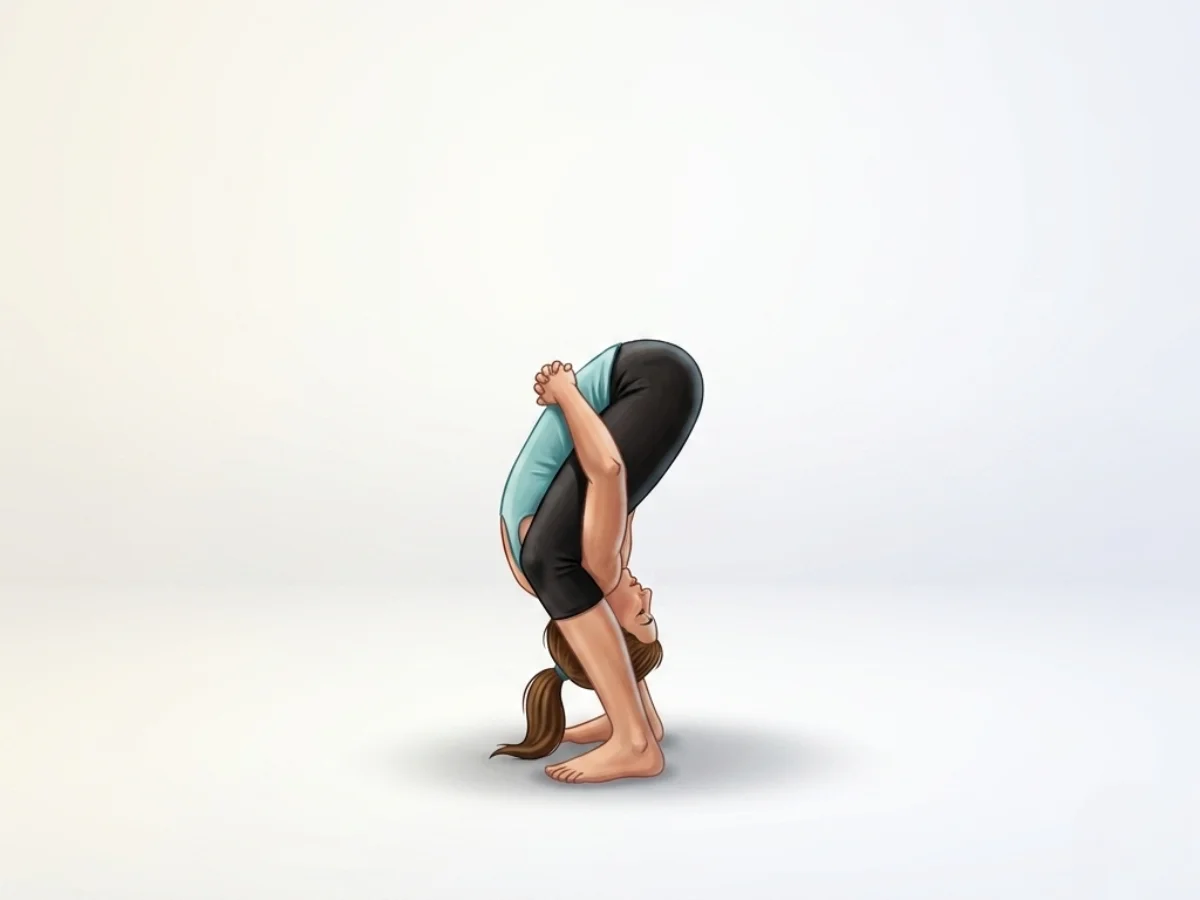
Tittibhasana BThe direct prerequisite posture that establishes the bind and the initial depth of the fold.
Standing Splits
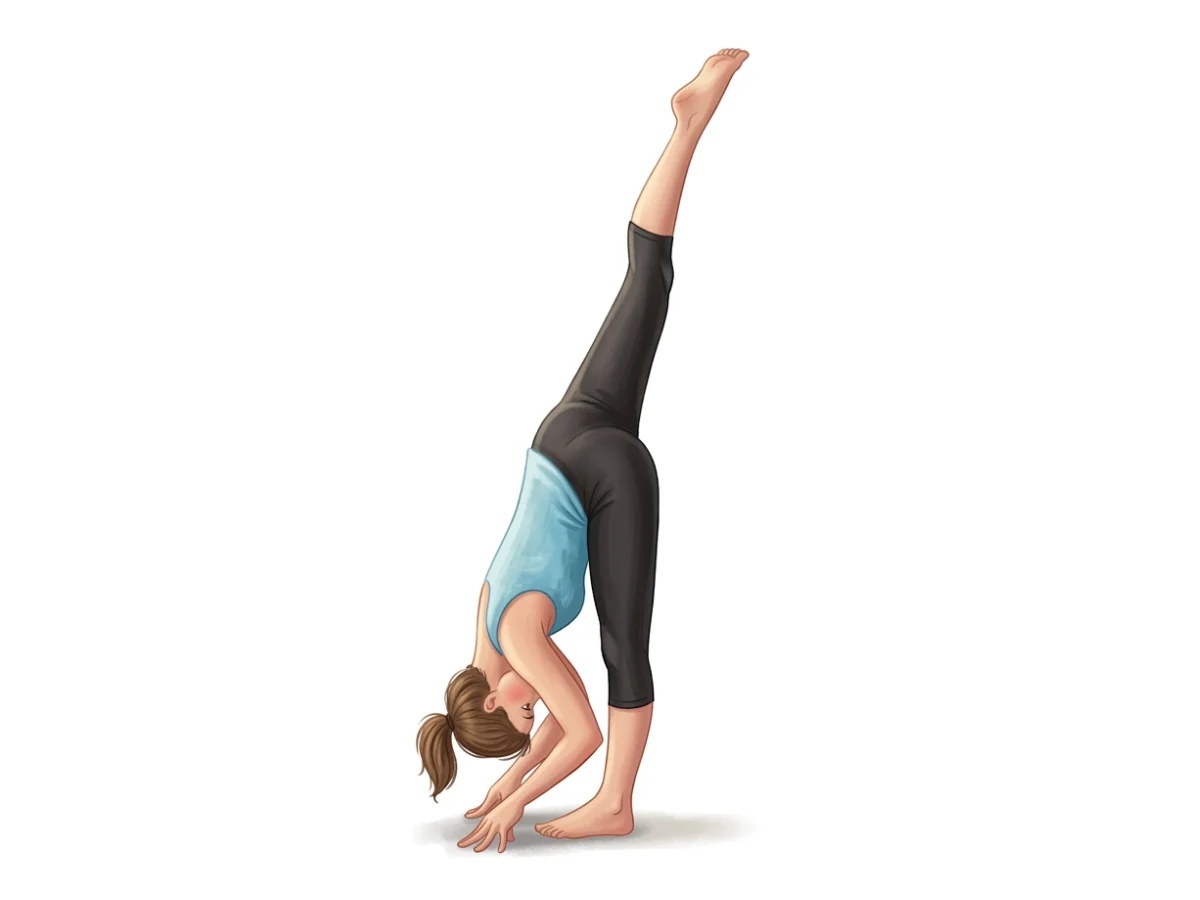
Urdhva Prasarita Eka PadasanaBuilds intense hamstring flexibility while teaching the body how to balance in a deep inversion.
Gorilla
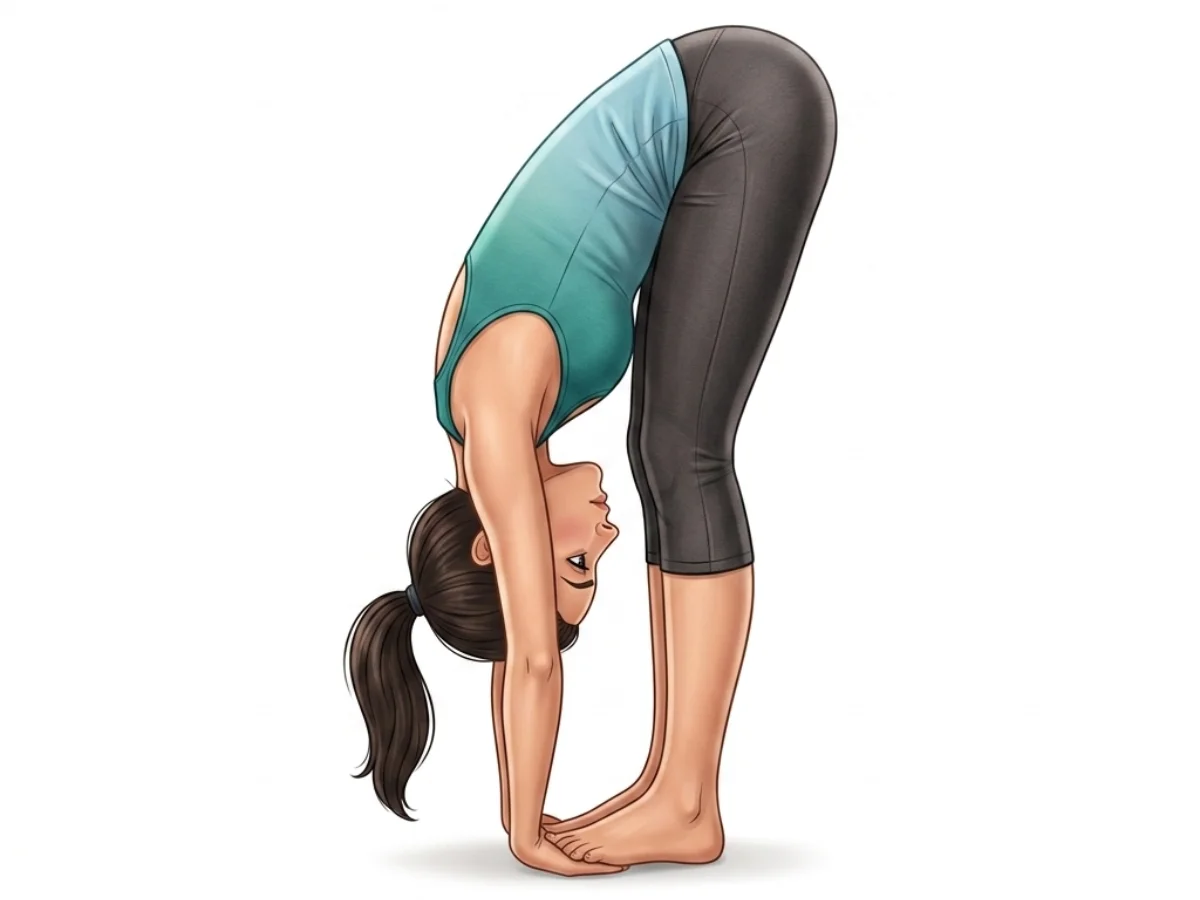
Pada HastasanaA foundational fold that stretches the back of the legs while keeping the feet together.
Follow with neutralizing Counter-poses
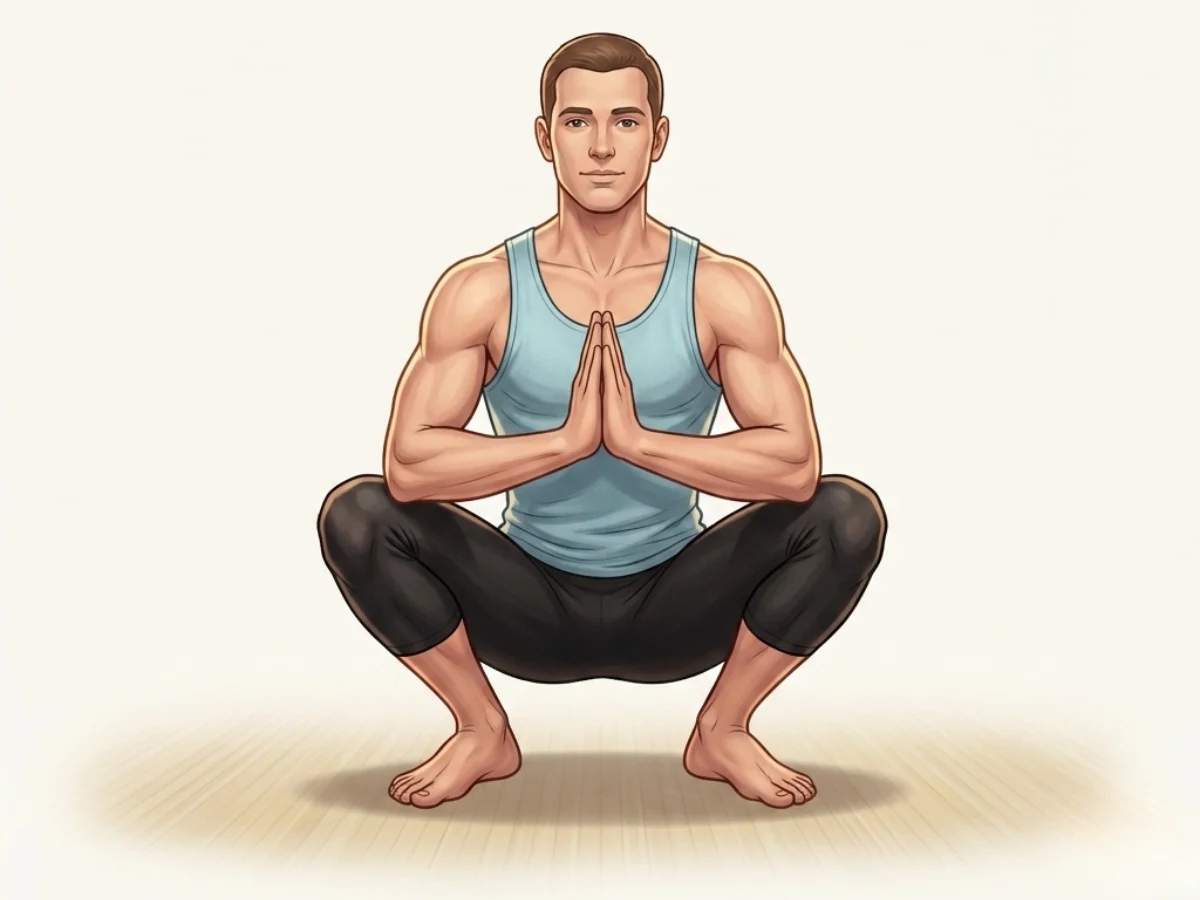
Garland
MalasanaA deep squat that releases the immense tension in the hamstrings and lower back.
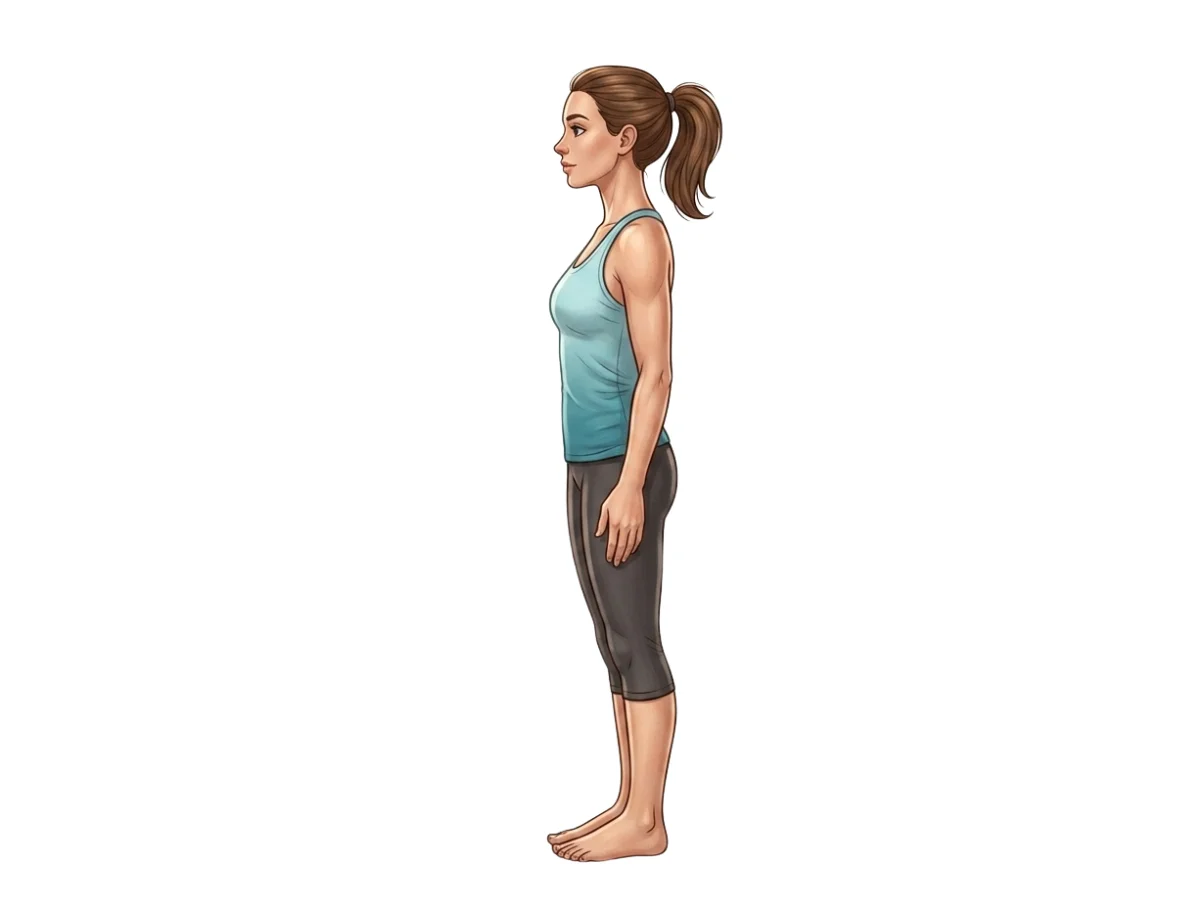
Mountain Pose
TadasanaAllows the practitioner to re-ground, catch their breath, and let the heart rate normalize.
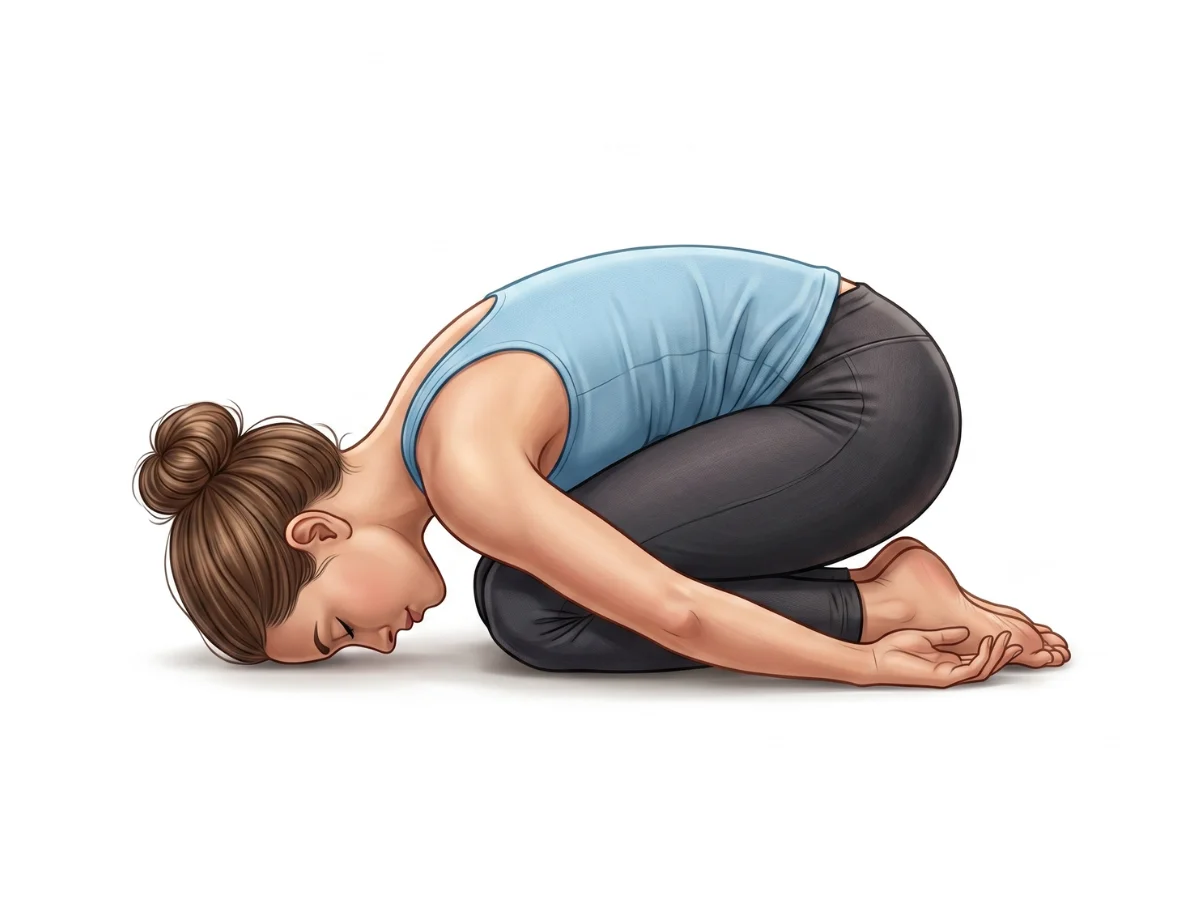
Child's
BalasanaA fully restorative shape to calm the nervous system after an intense physical and mental challenge.
Frequently Asked Questions
What is the purpose of bringing the feet together?
Bringing the feet together significantly changes the geometry of the pose. It narrows the base of support, testing your balance, and shifts the angle of the stretch to target the medial (inner) hamstrings much more intensely.
I feel like I cannot breathe in this pose. Is that normal?
It is very common to feel breathless because your diaphragm is compressed. This pose teaches you how to direct your breath into the back of your ribcage.

Elena Rostova is an accredited yoga educator and anatomy specialist with over 15 years of clinical experience. She focuses on functional biomechanics and injury prevention, translating complex anatomy into accessible guidance for safe, sustainable practice.
Read Full ProfileContinue Your Yoga Journey
Ready to deepen your practice? Explore our extensive library of poses, or join a structured program designed to build strength, flexibility, and mindfulness.