
Floating Stick
Brahmacharyasana
By Elena Rostova Updated: verified Medically Reviewed
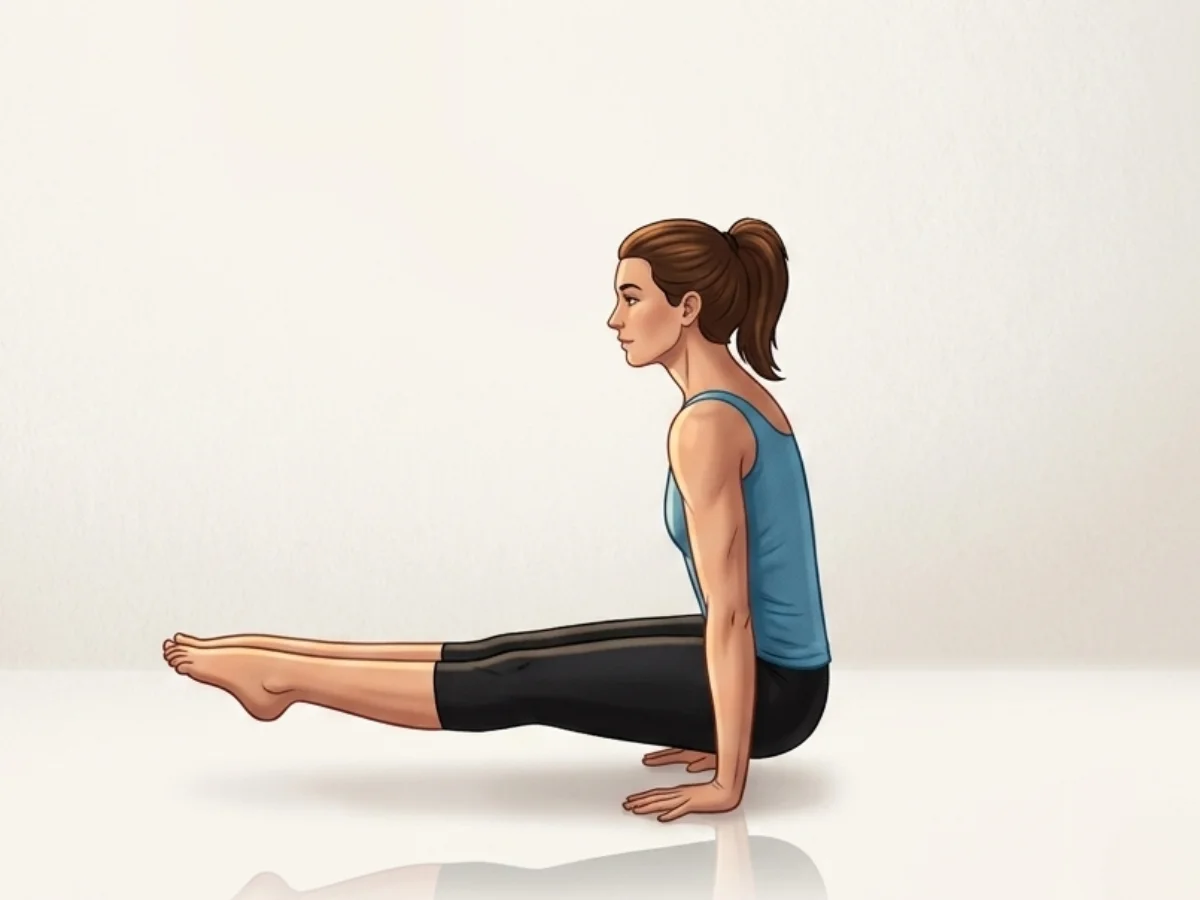
Floating Stick Pose (Brahmacharyasana), often referred to as the L-Sit in gymnastics, is a highly demanding seated arm balance. Starting from Staff Pose, the practitioner presses their hands into the floor and lifts both their hips and straight legs off the mat, requiring immense core compression, hip flexor power, and triceps strength.
Hold Time
5–15 sec · 3–5 breaths
Pronunciation
brah-mah-char-YAHS-anna
About Floating Stick
Commonly practiced as Floating Stick (Brahmacharyasana), this dynamic posture is beautifully designed to help unlock tension. It primarily targets the deep core compression & arm strength, helping to create length and strength exactly where you need it most. Practicing this pose regularly helps with builds explosive core power and leaves you feeling completely refreshed.
How to Practice
Start in Staff Pose
Begin seated on your mat in Staff Pose (Dandasana) with both legs extended straight in front of you, feet flexed, and your spine tall.
Plant the Hands
Place your palms flat on the floor right beside your hips, with your fingers pointing toward your toes. Spread your fingers wide for a stable base.
Engage the Legs
Firmly engage your quadriceps, drawing your kneecaps upward. Squeeze your inner thighs together and actively point your toes or flex your feet.
Compress the Core
Hollow out your belly by drawing your navel strongly toward your spine. Slighty round your upper back (protract your shoulder blades) to prepare for the lift.
Press and Lift
Inhale deeply, then exhale as you push the floor away vigorously with your hands. Straighten your arms completely to lift your hips off the floor.
Elevate the Legs
Simultaneously use your deep lower abdominals and hip flexors to lift your straight legs off the mat, maintaining the L-shape of your body.
Hold the Balance
Keep your chest slightly lifted and gaze forward. Hold the pose, suspending your body weight in the air, for 3 to 5 smooth breaths.
Control the Descent
To exit, slowly exhale and bend your elbows slightly to lower your hips and heels back to the floor with control, returning to Staff Pose.
Practice with the Yoga Timer
Keep track of your hold time and breath count for this pose.
Beginner Modifications & Prop Options
Yoga is a personal journey. These modifications and prop options allow you to adapt the pose to your current level of balance and flexibility, ensuring a safe and supportive practice.
Use Yoga Blocks
Place a yoga block flat under each hand beside your hips. The extra height makes it significantly easier to lift your hips and clear your heels from the floor.
Tip: Focus on alignment rather than depth.
Leave the Heels Down (Tolasana Prep)
If lifting the legs is too difficult, focus only on pressing into your hands and lifting your hips off the floor, leaving your heels resting on the mat.
Tip: Focus on alignment rather than depth.
One Leg at a Time
Lift your hips and just your right leg, leaving the left heel down. Hold for a breath, lower, and then switch legs to gradually build the necessary core compression.
Tip: Focus on alignment rather than depth.
Benefits of Floating Stick
Builds Explosive Core Power
Lifting the heavy legs directly against gravity demands maximum contraction of the rectus abdominis and transversus abdominis.
Strengthens Hip Flexors
The iliopsoas muscles work intensely to hold the legs parallel to the floor without resting on the mat.
Develops Triceps and Shoulders
Pressing the entire body weight upward builds dense, functional strength in the triceps, anterior deltoids, and pectorals.
Improves Scapular Stability
Protracting the shoulder blades to lift the hips strengthens the serratus anterior, crucial for all advanced arm balances.
Enhances Mental Fortitude
The sheer physical effort required builds mental resilience, focus, and determination.
Common Mistakes to Avoid
Mistake: Leaning Too Far Back
How to fix: If you lean back, your center of gravity shifts behind your hands, making it impossible to lift your legs. Lean slightly forward, bringing your shoulders slightly past your wrists.
Mistake: Shrugging Shoulders to Ears
How to fix: Do not let your neck sink into your shoulders. Actively depress your scapulae by pushing the floor away, creating a long, strong neck.
Mistake: Bending the Knees
How to fix: To get the true benefit of the "stick" shape, the legs must remain fiercely straight. Engage your quads to lock out the knees.
Safety and Precautions
Wrist Injuries
The severe extension and heavy load on the wrists will aggravate carpal tunnel, tendonitis, or any recent sprains.
Shoulder Issues
Lifting the full body weight places immense stress on the anterior deltoids and rotator cuff.
Hernias or Severe Abdominal Issues
The extreme intra-abdominal pressure generated during the lift can be dangerous for existing hernias.
Lower Back Pain
If the core is not strong enough, the strain of lifting the legs can severely pull on the lumbar spine.
Medical Disclaimer: If you have any of the above conditions, consult your doctor or a qualified yoga instructor before attempting this pose.
Muscles Worked in Floating Stick
Floating Stick demands synchronized muscular effort, creating a profound sense of engagement and release throughout the body. The activation of the primary muscles supports the structure, while the secondary muscles provide stability and balance.
Primary Muscles
Rectus Abdominis
Compresses the torso forcefully to close the angle between chest and thighs.
Iliopsoas
Engages at maximum capacity to lift the heavy, straight legs.
Triceps Brachii
Extends the elbow joint to push the body up from the floor.
Secondary Muscles
Serratus Anterior
Protracts the shoulder blades, giving the final push to lift the hips.
Quadriceps
Contract strictly to keep the legs perfectly straight.
Pectoralis Major
Assists the arms and shoulders in the pressing action.
Poses to Practice Before and After Floating Stick
Prepare with these Poses
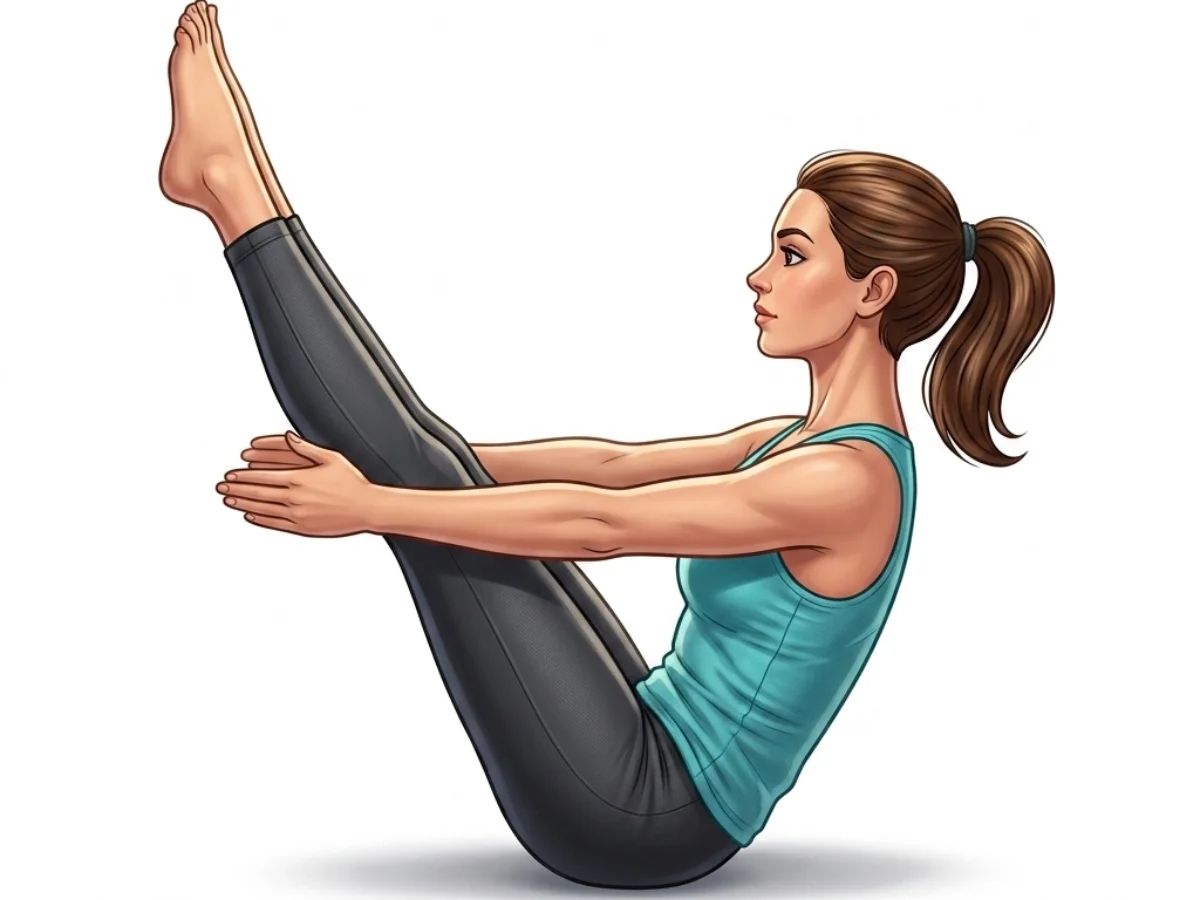
Boat Pose
NavasanaBuilds the exact core and hip flexor strength needed to hold the legs straight and elevated.
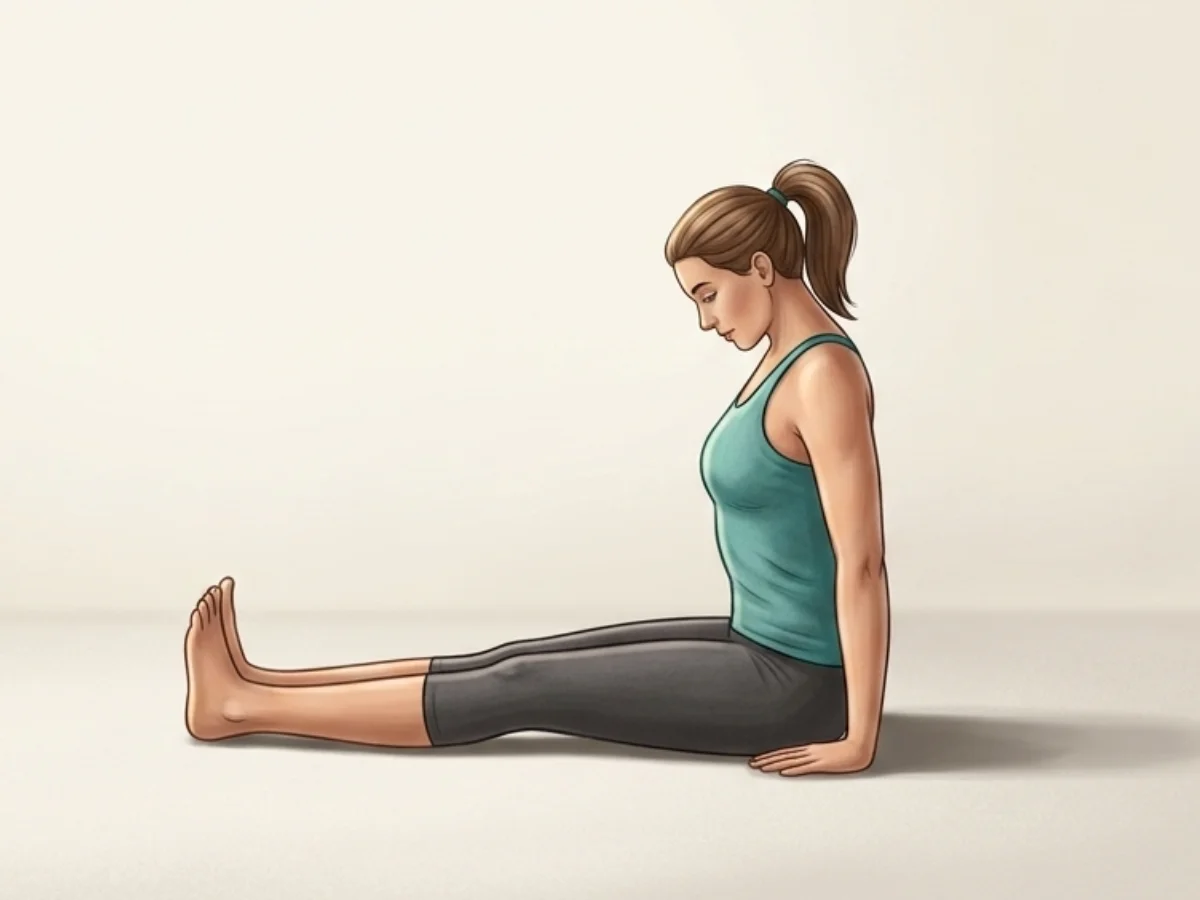
Staff Pose
DandasanaEstablishes the anatomical starting position and engages the legs and posture.
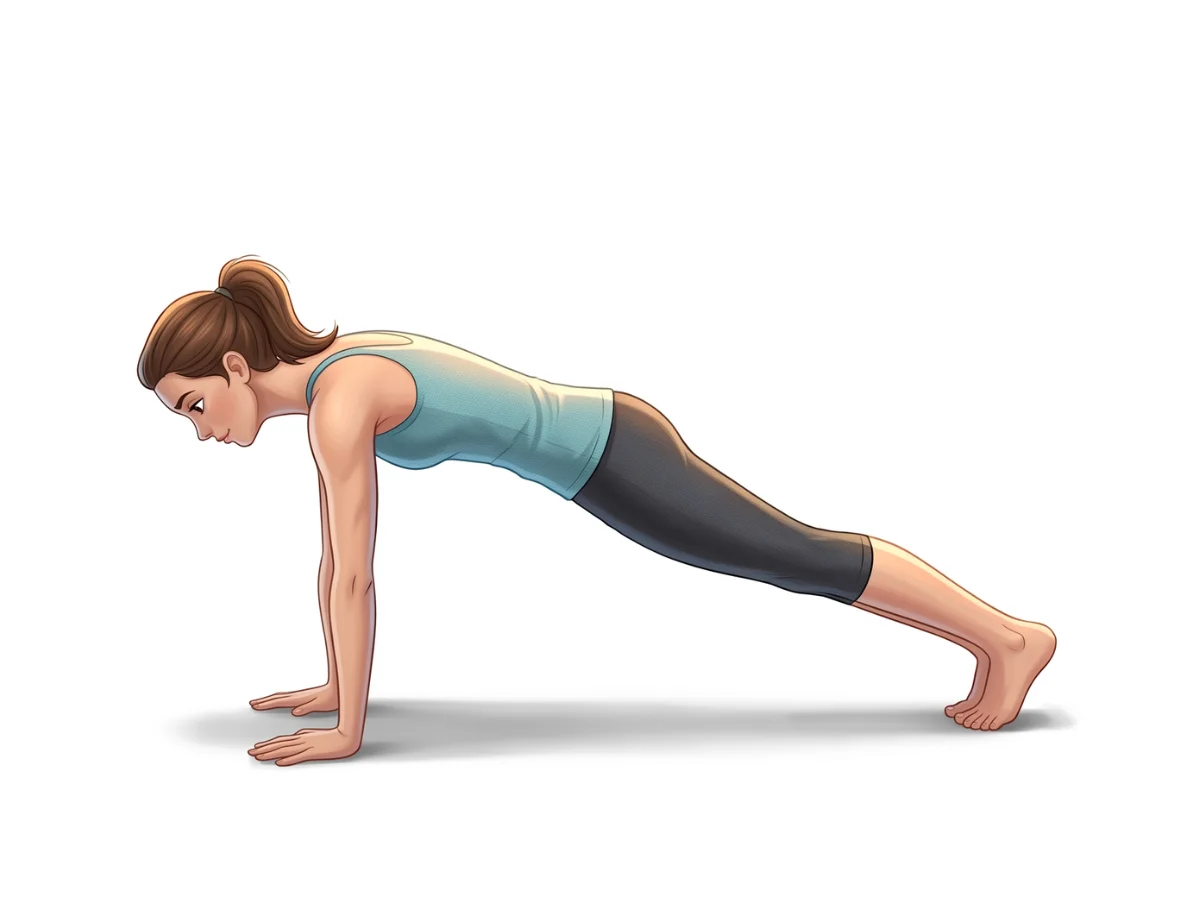
Plank Pose
PhalakasanaWarms up the wrists and builds foundational pushing strength in the arms and chest.
Follow with neutralizing Counter-poses
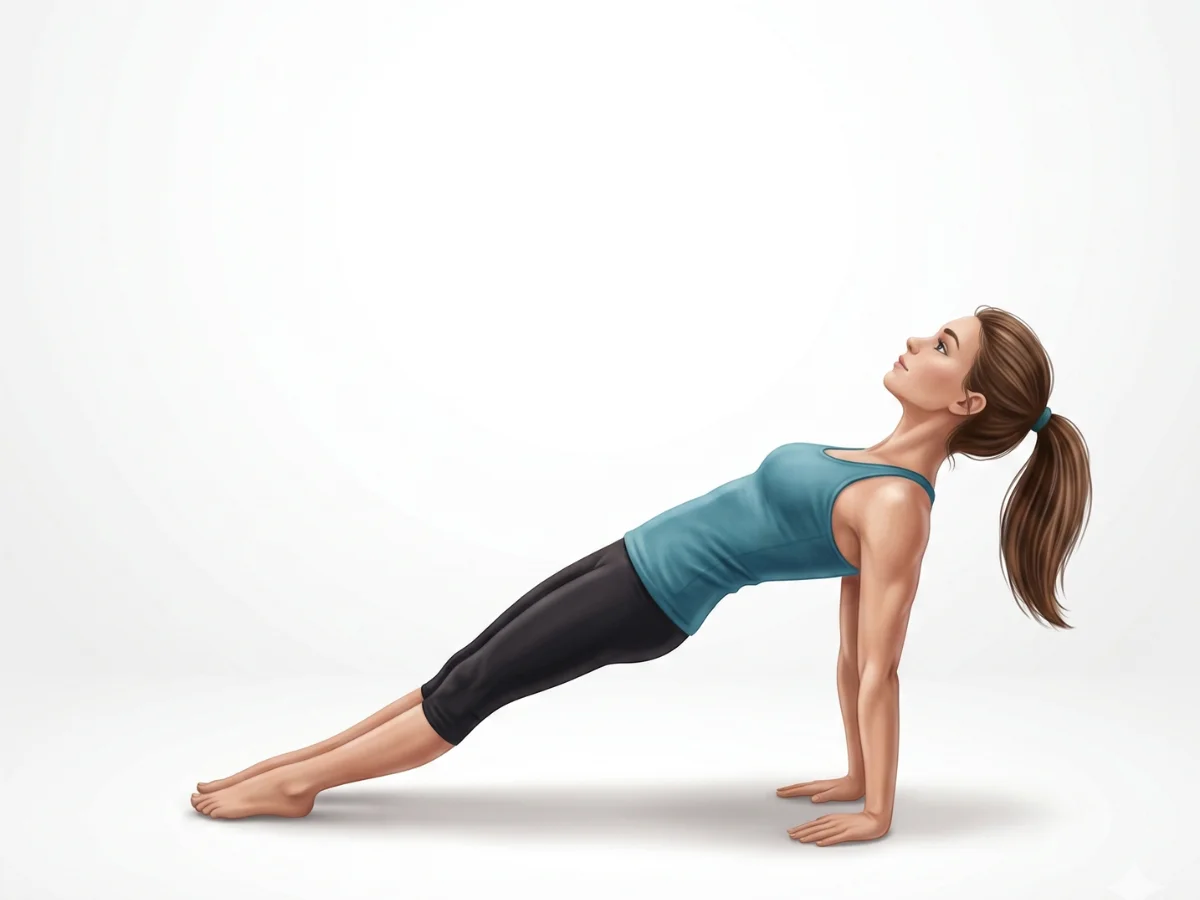
Upward Plank Pose
PurvottanasanaThe perfect counter-pose, opening the chest and deeply stretching the exhausted hip flexors and abdominals.
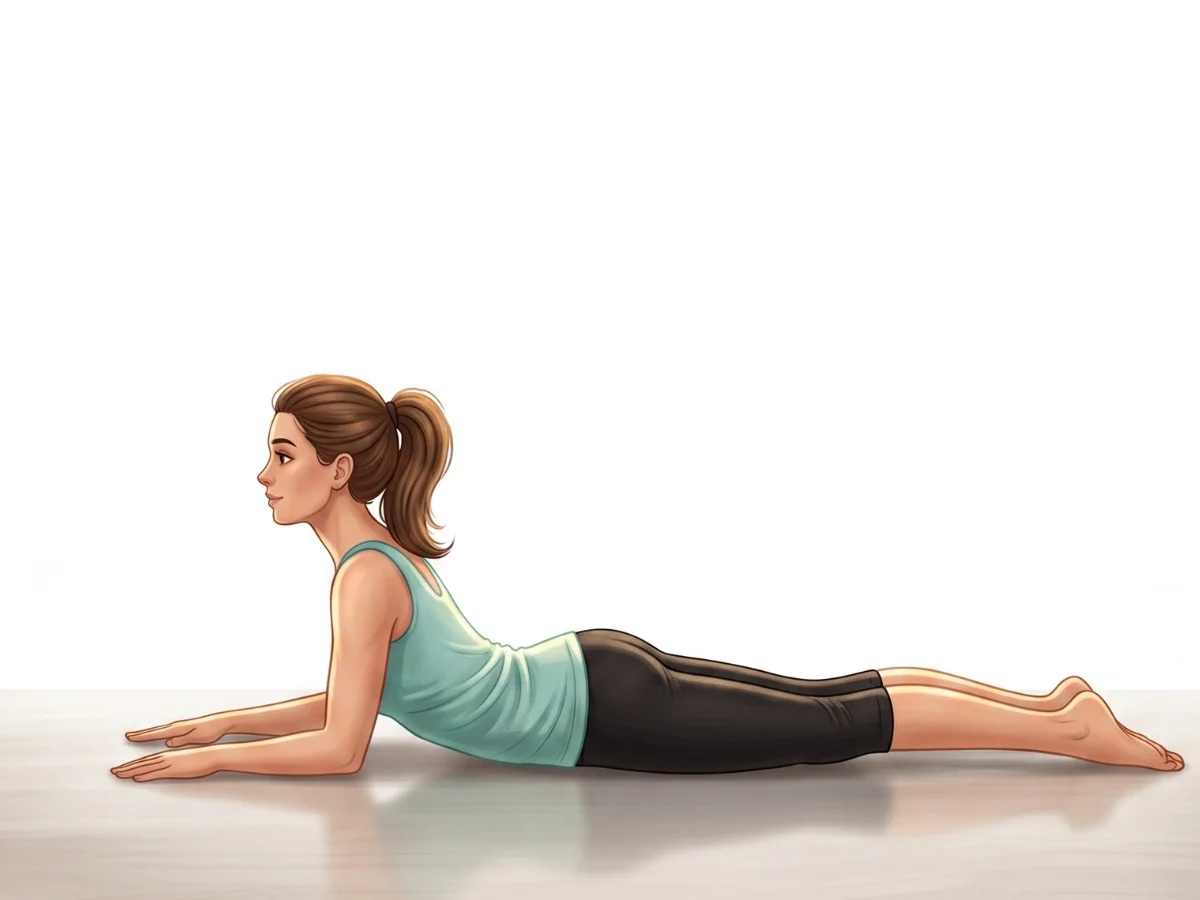
Sphinx Pose
Salamba BhujangasanaProvides a gentle, passive stretch to the front of the body after intense compression.
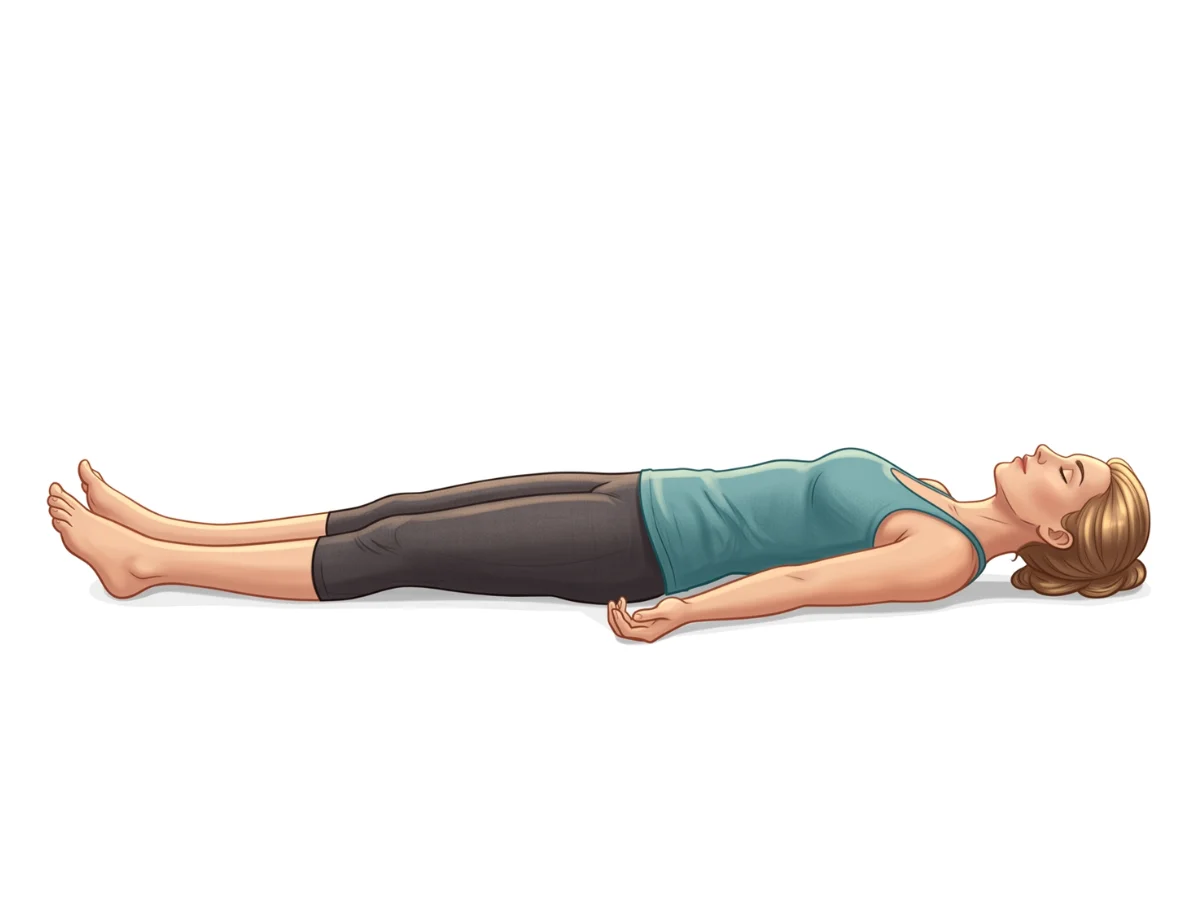
Corpse Pose
SavasanaAllows the heart rate to slow and the heavily taxed core muscles to fully release.
Frequently Asked Questions
My arms are too short to lift my hips, what should I do?
This is a very common issue! If your proportions make it mechanically difficult to lift off the floor, place a yoga block under each hand. This levels the playing field and allows you to focus on the core work.
Why do my thighs cramp when I try to lift my legs?
Cramping in the quads or hip flexors happens when the muscles are asked to contract intensely in a shortened position. Stretch your quads thoroughly beforehand and practice Boat Pose to condition the muscles.
How can I build up to this pose?
Start by practicing Scale Pose (Tolasana) with your legs crossed in Lotus or Sukhasana. Lifting crossed legs is much easier than lifting straight legs due to a shorter lever arm.
Elena Rostova is an accredited yoga educator and anatomy specialist with over 15 years of clinical experience. She focuses on functional biomechanics and injury prevention, translating complex anatomy into accessible guidance for safe, sustainable practice.
Read Full ProfileContinue Your Yoga Journey
Ready to deepen your practice? Explore our extensive library of poses, or join a structured program designed to build strength, flexibility, and mindfulness.