
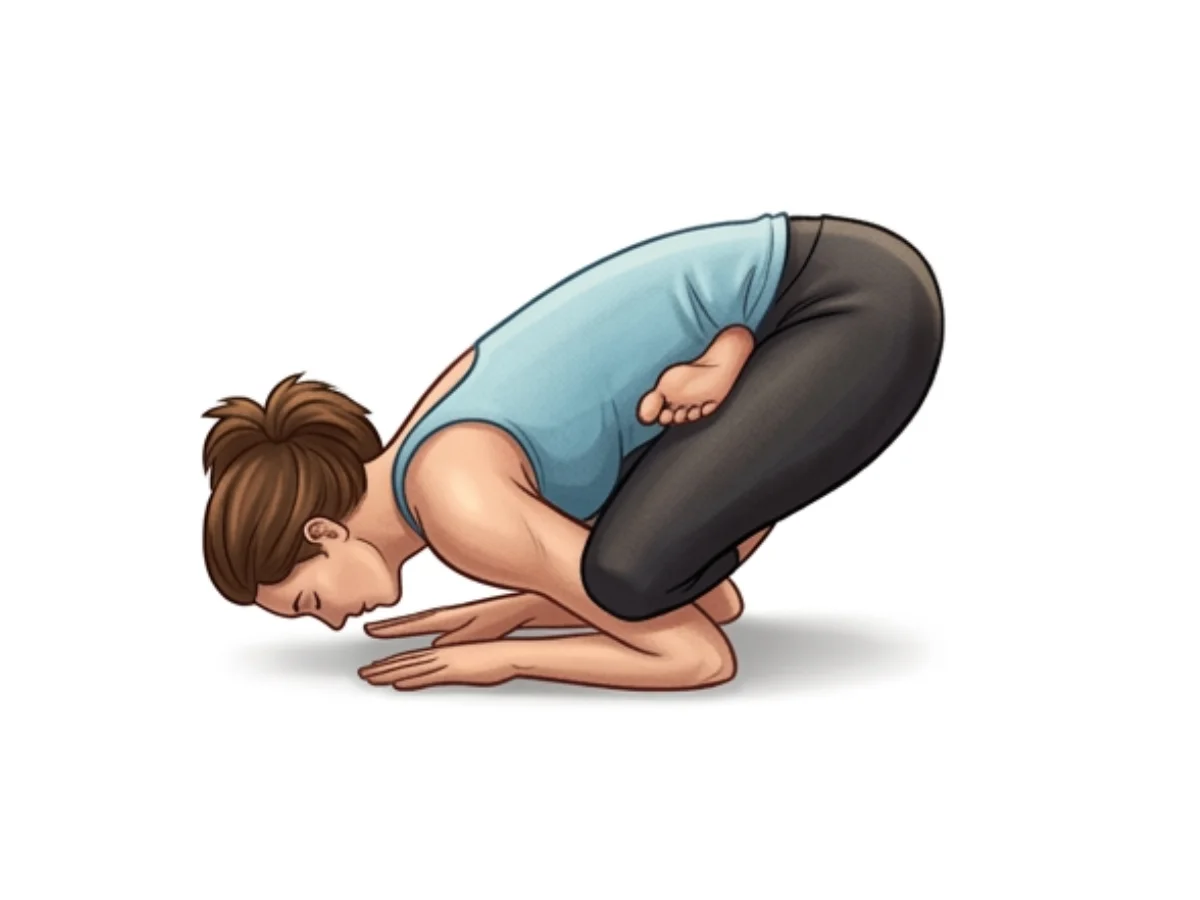
Himalayan Duck
Karandavasana
By Elena Rostova Updated: verified Medically Reviewed
Himalayan Duck Pose (Karandavasana) is a pinnacle advanced posture that marries profound hip flexibility with immense upper body and core power. The pose begins by achieving Forearm Balance (Pincha Mayurasana), folding the legs into full Lotus Pose (Padmasana) while inverted, and then carefully lowering the bound legs to rest momentarily on the back of the triceps. It requires a tremendous degree of shoulder stability and abdominal control to lower smoothly and ultimately press back up.
Hold Time
15–30 sec · 3–5 breaths
Pronunciation
kah-rahn-DAH-vah-sah-nah
About Himalayan Duck
A vital part of many yoga sequences, Himalayan Duck (Karandavasana) offers wonderful benefits that go beyond its simple shape. It primarily targets the extreme core control, hip mobility & shoulder strength, helping to create length and strength exactly where you need it most. Consistent practice will actively assist in develops elite core power, helping you feel lighter and more balanced off the mat.
How to Practice
Establish the Base
Begin on your hands and knees. Place your forearms on the floor, parallel to each other and exactly shoulder-width apart, fingers spread wide.
Enter Forearm Balance
Tuck your toes, lift your hips into Dolphin Pose, and carefully kick or float both legs up into a stable Forearm Balance (Pincha Mayurasana).
Fold into Lotus
While holding the inversion, carefully fold your right leg, then your left leg into Padmasana (Full Lotus Pose), keeping your core tightly engaged to maintain balance.
Shift the Hips
Slowly begin to arch your lower back slightly, shifting your hips slightly past your shoulders to counterbalance the weight of your legs as they prepare to lower.
Engage Core and Lower
Exhale deeply and use intense abdominal control to bend at the hips, slowly lowering your bound Lotus legs toward your arms.
Land on Triceps
Gently guide your knees to rest high up on the back of your triceps, near the armpits. Keep pressing the floor away to avoid collapsing.
Hover and Hold
Maintain the pose, looking slightly forward past your fingertips. Breathe calmly into the intense compression and effort for 3 to 5 breaths.
Initiate the Press
To exit the traditional way, inhale deeply, press firmly through the forearms, and use powerful core strength to lift the knees off the arms.
Unwind the Legs
Return the hips over the shoulders, carefully unbind the Lotus legs, and extend them back straight up to Forearm Balance.
Release Safely
Slowly lower one leg at a time to the floor and immediately release back into Child's Pose to recover your breath and shoulder strength.
Practice with the Yoga Timer
Keep track of your hold time and breath count for this pose.
Beginner Modifications & Prop Options
Yoga is a personal journey. These modifications and prop options allow you to adapt the pose to your current level of balance and flexibility, ensuring a safe and supportive practice.
Half Lotus Variation
If Full Lotus is inaccessible, practice crossing only one leg into Half Lotus while keeping the other bent, or simply cross the ankles. This still builds the necessary core control.
Tip: Focus on alignment rather than depth.
Lowering with Straight Legs
Practice lowering straight legs into a Pike position (towards hovering over the floor) to build the requisite shoulder and core strength without the complexity of the Lotus bind.
Tip: Focus on alignment rather than depth.
Using a Wall for Support
Perform the pose with your back to a wall. As you lower the knees, allow your hips to lightly tap the wall to provide a sense of balance and safety.
Tip: Focus on alignment rather than depth.
Benefits of Himalayan Duck
Develops Elite Core Power
Lowering and lifting the body weight in a bound position demands absolute mastery of the deep abdominal muscles and hip flexors.
Strengthens Shoulders
The deltoids, lats, and serratus anterior undergo extreme isometric loading to keep the upper body elevated while the lower body shifts.
Enhances Hip Flexibility
Binding into Lotus while upside down requires open, fluid hip joints and resilient knee ligaments.
Cultivates Deep Focus
The complexity and physical demand of the pose force the mind to become completely singular and fiercely concentrated.
Stimulates Digestion
The deep compression of the abdomen against the thighs in the lowered position powerfully massages the internal organs.
Common Mistakes to Avoid
Mistake: Collapsing in the Shoulders
How to fix: If you stop actively pressing the forearms into the floor, your face will hit the mat. Maintain constant upward elevation through the shoulder blades.
Mistake: Dropping Too Quickly
How to fix: Gravity will try to pull the legs down fast. You must use eccentric core strength to resist gravity and lower the knees with absolute control.
Mistake: Forcing the Lotus Bind
How to fix: Never force your knees into Lotus, especially while upside down. This can cause severe knee injuries. Only attempt this if Lotus is completely comfortable seated.
Safety and Precautions
Knee Injuries
The Lotus bind places significant torque on the knees; any meniscus or ligament issues make this pose extremely risky.
Shoulder Instability
Rotator cuff tears or history of dislocation are strict contraindications due to the heavy load on the shoulder girdle.
Lower Back Pain
The lever action of lowering the legs places massive strain on the lumbar spine and requires perfect core mechanics.
Pregnancy
Absolutely not recommended due to extreme core compression, inversion risks, and fall hazards.
High Blood Pressure
The intense muscular effort combined with an inversion can dangerously elevate blood pressure.
Medical Disclaimer: If you have any of the above conditions, consult your doctor or a qualified yoga instructor before attempting this pose.
Muscles Worked in Himalayan Duck
Himalayan Duck demands synchronized muscular effort, creating a profound sense of engagement and release throughout the body. The activation of the primary muscles supports the structure, while the secondary muscles provide stability and balance.
Primary Muscles
Deltoids & Serratus Anterior
Provide the absolute foundation to keep the upper body elevated off the floor.
Rectus Abdominis
Contracts deeply to flex the spine and control the descent of the heavy legs.
Psoas Major
Acts intensely to hold the hips in flexion while in the tucked position.
Secondary Muscles
Latissimus Dorsi
Stabilizes the shoulder extension as the hips shift backward.
Hip External Rotators
Maintain the external rotation necessary to keep the legs bound in Lotus.
Triceps Brachii
Provide the physical shelf for the knees to rest upon in the final expression.
Poses to Practice Before and After Himalayan Duck
Prepare with these Poses
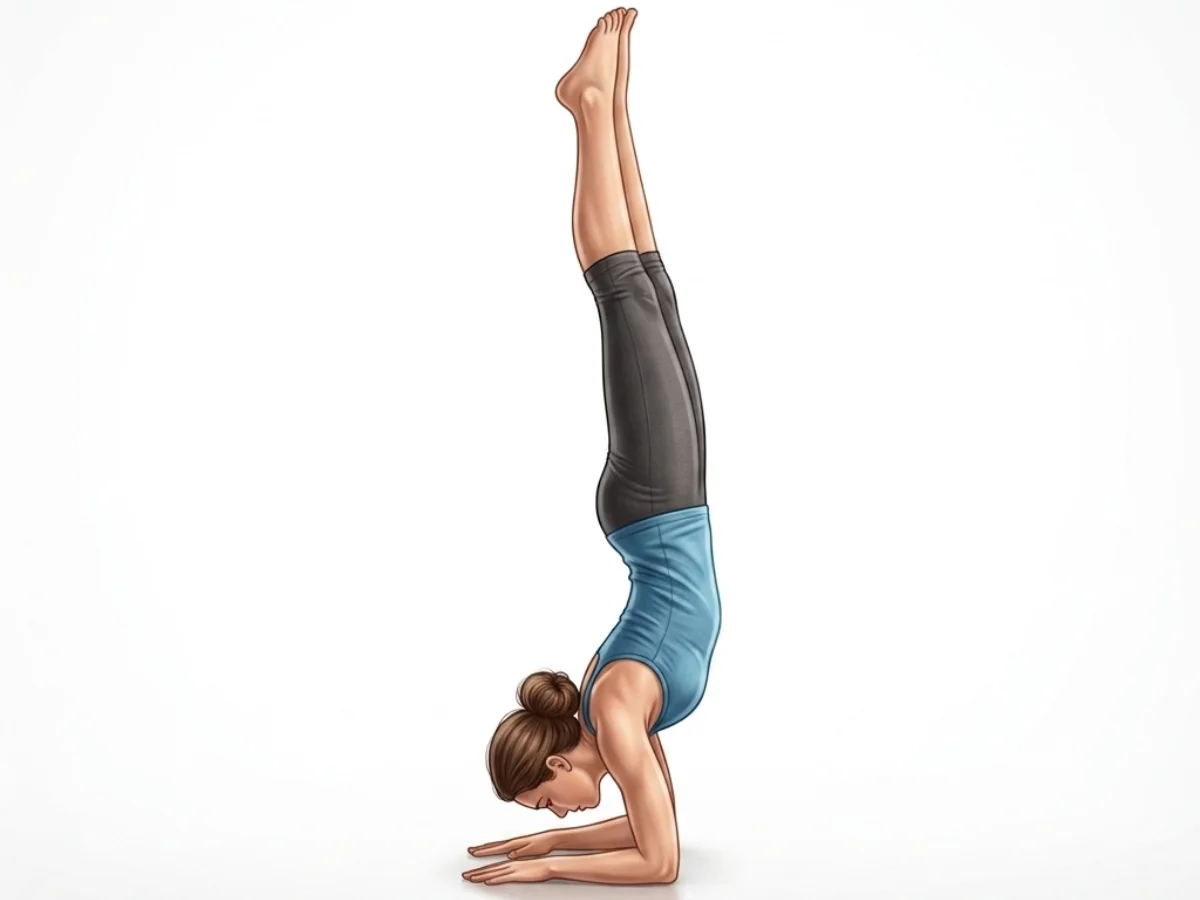
Forearm Balance
Pincha MayurasanaThe essential foundational pose; mastery here is strictly required before attempting the descent.
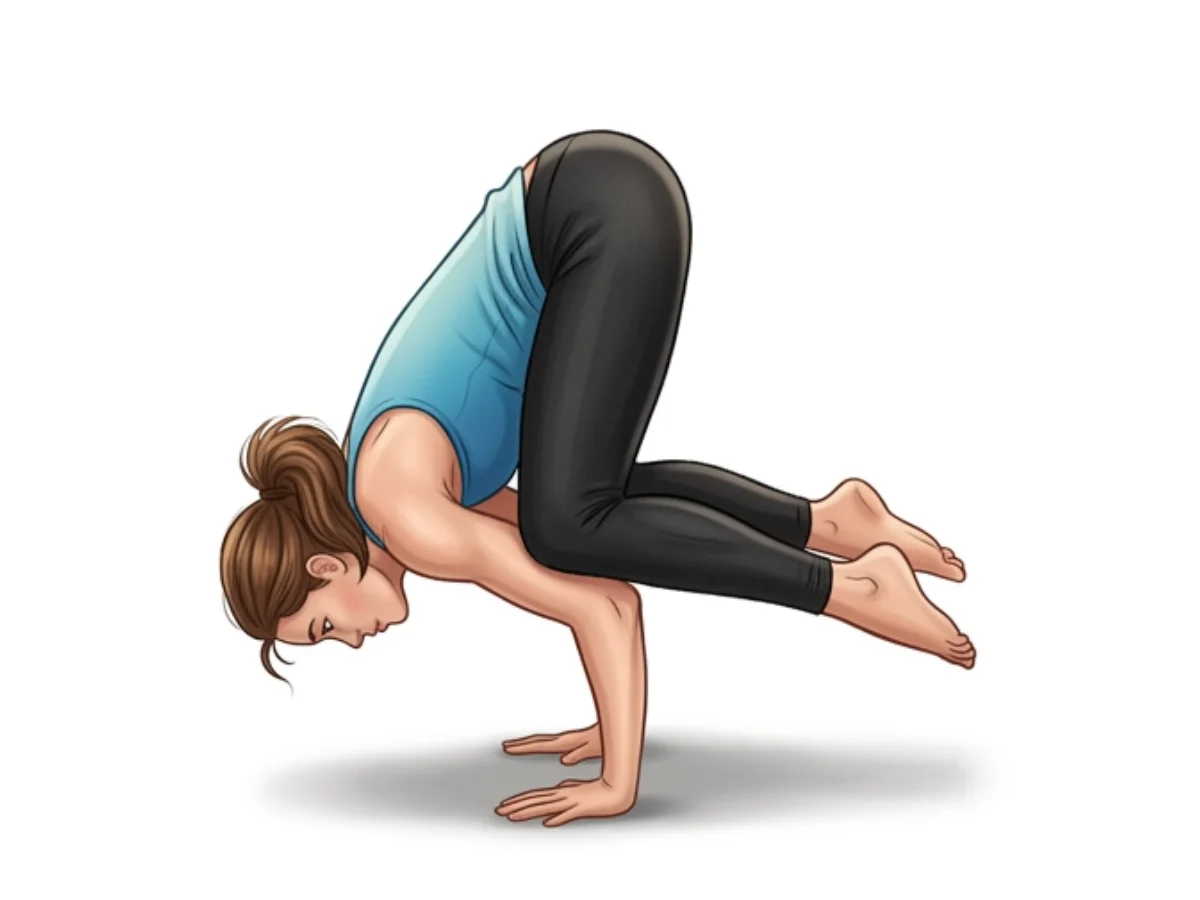
Crow Pose
BakasanaSimulates the feeling of resting the knees on the triceps while balancing the body weight.
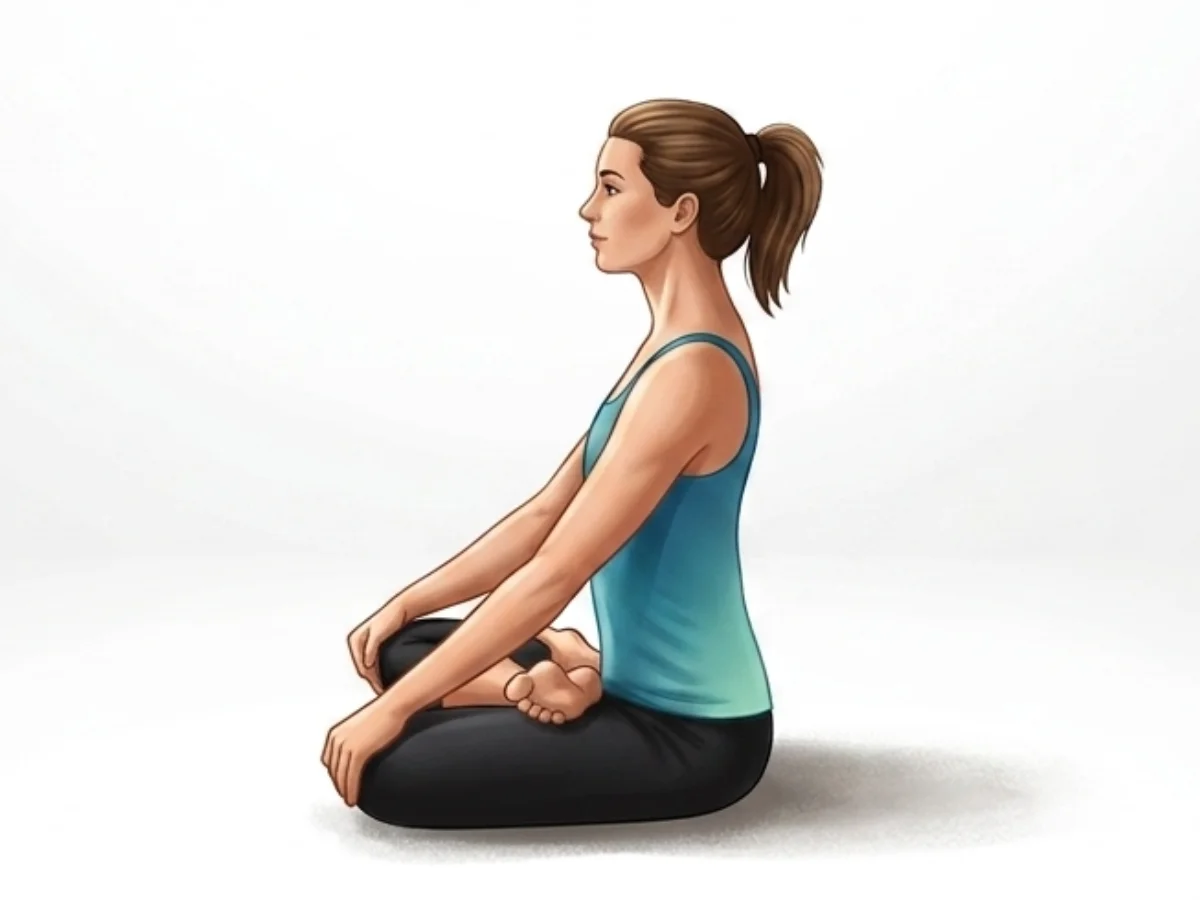
Lotus Pose
PadmasanaOpens the hips and prepares the joints for the deep bind required during the inversion.
Follow with neutralizing Counter-poses
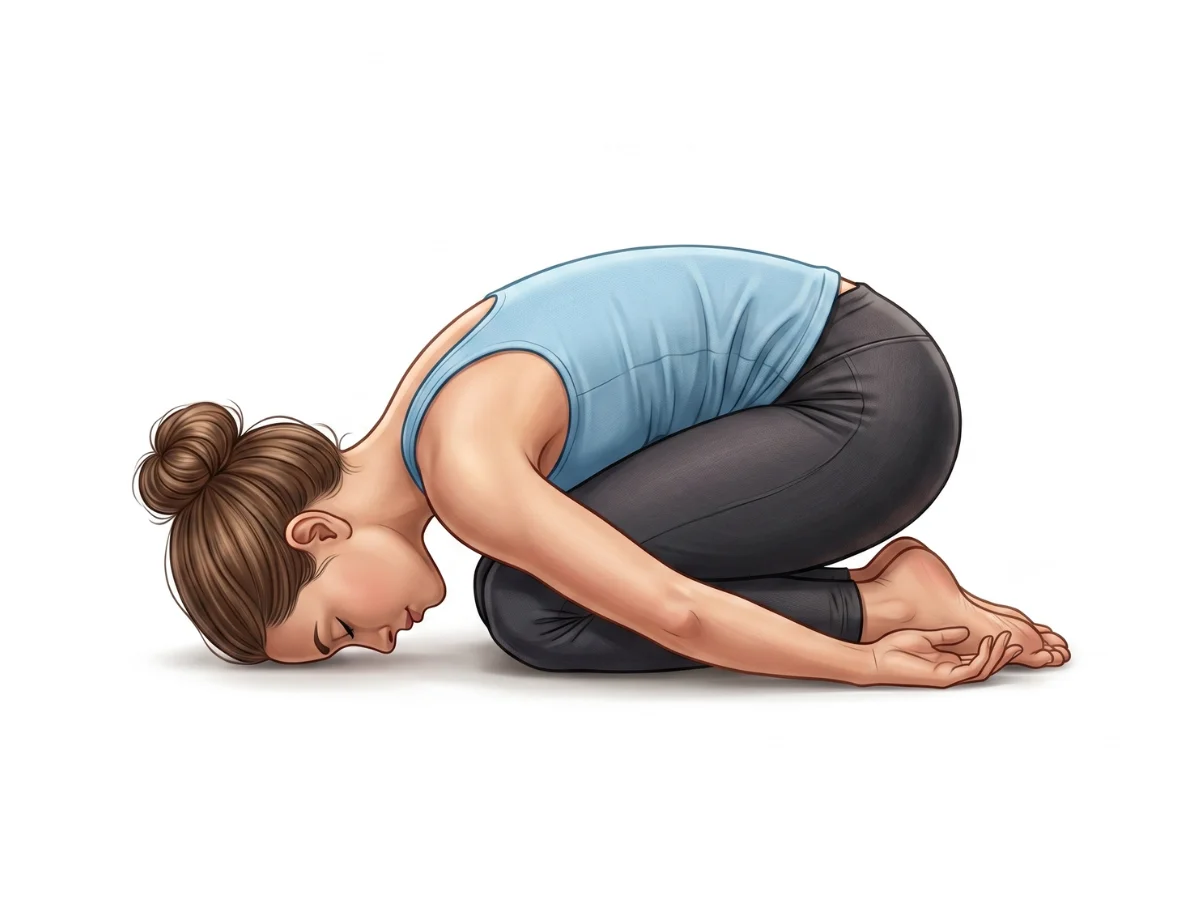
Child's Pose
BalasanaAllows the deeply taxed shoulders, core, and spine to rest and release fully.
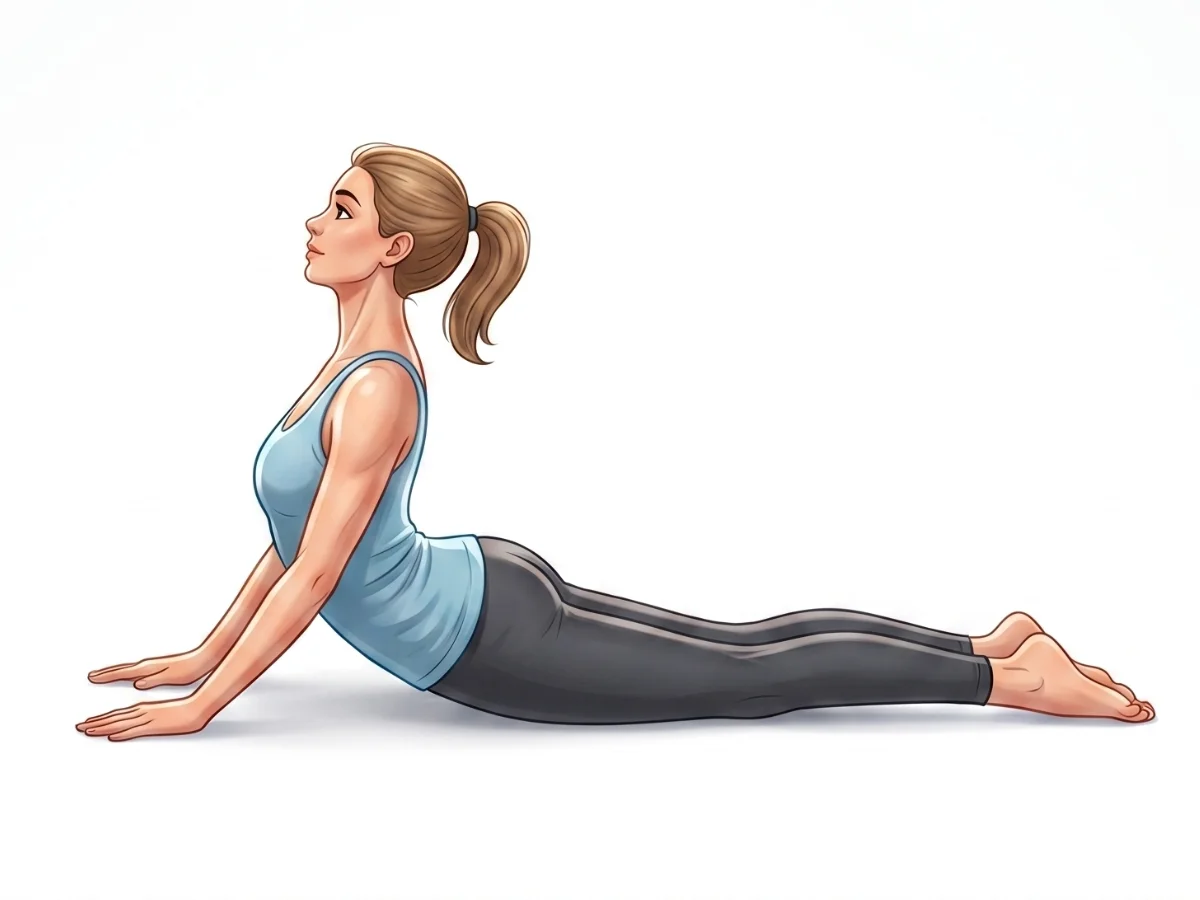
Cobra Pose
BhujangasanaProvides a gentle opening for the anterior core, stretching out the deeply contracted abdominals.
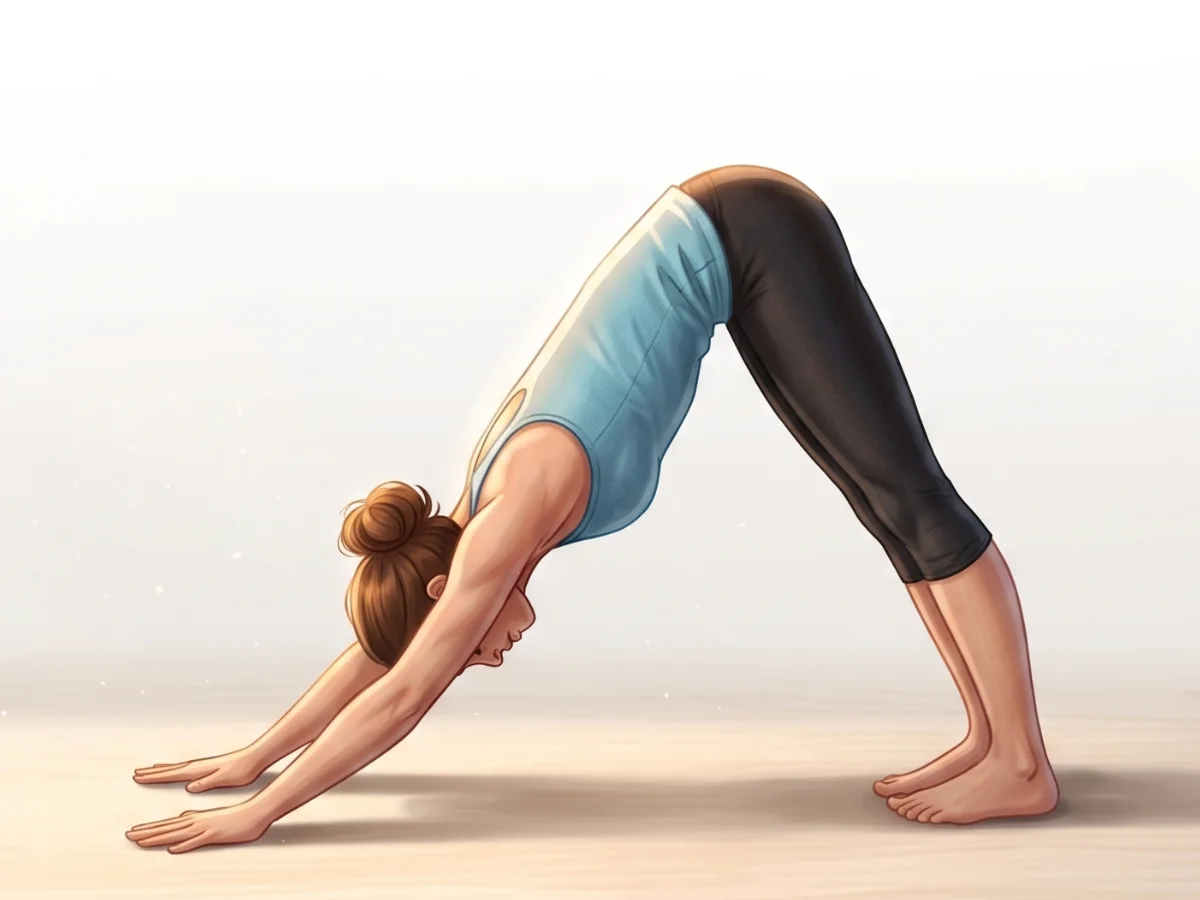
Downward-Facing Dog
Adho Mukha SvanasanaRe-lengthens the spine and hamstrings, returning the body to a neutral alignment.
Frequently Asked Questions
How do I balance when lowering my legs?
The key is counter-balancing. As your heavy legs move forward and down, your hips must shift slightly backward (past your elbows) to keep your center of gravity centered over your forearm base.
I can lower down, but I can't push back up. Why?
Pressing back up (the "lift") is exponentially harder than the descent. It requires elite compressive core strength and explosive shoulder power. Practice eccentric lowering first to build the necessary strength over time.
Can I do this pose without Full Lotus?
Yes, the mechanics of the shoulder and core strength can be practiced in "Baby Crow" (resting the knees on the triceps without the bind) or by lowering with crossed ankles, which is often called a modified Karandavasana.

Elena Rostova is an accredited yoga educator and anatomy specialist with over 15 years of clinical experience. She focuses on functional biomechanics and injury prevention, translating complex anatomy into accessible guidance for safe, sustainable practice.
Read Full ProfileContinue Your Yoga Journey
Ready to deepen your practice? Explore our extensive library of poses, or join a structured program designed to build strength, flexibility, and mindfulness.