
Inverted Staff
Viparita Dandasana
By Elena Rostova Updated: verified Medically Reviewed
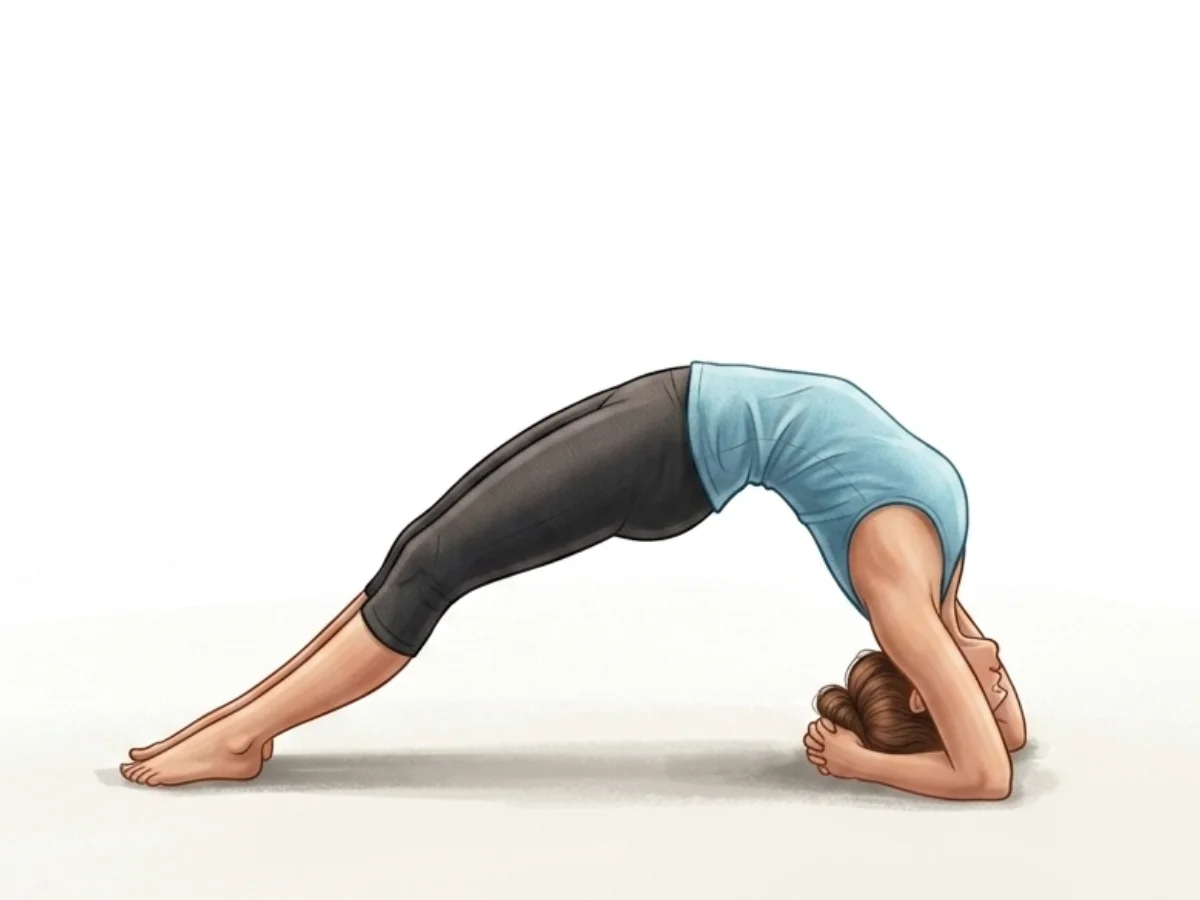
Inverted Staff Pose (Viparita Dandasana) is an intense, advanced backbend that deeply opens the chest, shoulders, and entire front body. By extending the legs while resting on the forearms, it requires immense flexibility in the shoulders and spine.
Hold Time
15�30 sec � 3�5 breaths
Pronunciation
vip-ah-REE-tah dahn-DAHS-anna
About Inverted Staff
A vital part of many yoga sequences, Inverted Staff (Viparita Dandasana) offers wonderful benefits that go beyond its simple shape. By gently focusing on chest opening & spinal extension, it actively stretches your muscles and builds heat. Ultimately, it is a fantastic pose for expands the chest and lungs, leaving you with a profound sense of grounded energy.
How to Practice
Start in Upward Bow
Begin by pressing up into Upward Bow (Wheel Pose) with your hands and feet firmly on the mat.
Lower to Forearms
Carefully bend your elbows and lower the crown of your head to the floor. Interlace your fingers behind your head and rest your forearms on the mat, similar to Headstand preparation.
Press the Forearms
Root down firmly through your forearms to lift your chest higher, ensuring your head bears minimal weight.
Walk Feet Out
Slowly walk your feet away from your head, keeping your hips lifted.
Straighten Legs
Begin to straighten your legs as much as your flexibility allows, pressing your thighs down toward the floor.
Open the Chest
Push your chest forward through your arms, maximizing the arch in your upper back.
Hold and Breathe
Hold the pose for 3 to 5 breaths, maintaining strong engagement in the legs to protect the lower back.
Release Safely
To exit, walk your feet back in, press back up into your hands to return to Wheel Pose, then slowly tuck your chin and lower your spine to the floor.
Practice with the Yoga Timer
Keep track of your hold time and breath count for this pose.
Beginner Modifications & Prop Options
Yoga is a personal journey. These modifications and prop options allow you to adapt the pose to your current level of balance and flexibility, ensuring a safe and supportive practice.
Using a Chair
Lie backward over a backbender or folding yoga chair, resting your upper back on the seat while extending your legs.
Tip: Focus on alignment rather than depth.
Feet on the Wall
Practice with the soles of your feet pressing into a wall to give you leverage to push your chest through your arms.
Tip: Focus on alignment rather than depth.
Benefits of Inverted Staff
Expands the Chest and Lungs
Provides an extreme stretch to the pectorals and intercostal muscles, improving respiratory capacity.
Increases Spinal Flexibility
Deeply extends the thoracic and lumbar spine, counteracting forward-slouching posture.
Opens Shoulders
Requires deep shoulder flexion, opening the axillary region and stretching the latissimus dorsi.
Energizes the Body
Like all deep backbends, it stimulates the nervous system and can elevate energy levels.
Common Mistakes to Avoid
Mistake: Compressing the Lower Back
How to fix: Engage your glutes and inner thighs to lift the pelvis and distribute the backbend into the upper spine.
Mistake: Weight on the Head
How to fix: Press actively into your forearms and elbows to lift the chest; the head should only lightly touch the floor.
Safety and Precautions
Spinal Injuries
Avoid if you have herniated discs, spondylolisthesis, or severe lumbar pain.
Shoulder Issues
The deep flexion and weight-bearing can tear vulnerable rotator cuffs.
High Blood Pressure
The intensity and inversion of the head can cause unsafe pressure spikes.
Medical Disclaimer: If you have any of the above conditions, consult your doctor or a qualified yoga instructor before attempting this pose.
Muscles Worked in Inverted Staff
Inverted Staff demands synchronized muscular effort, creating a profound sense of engagement and release throughout the body. The activation of the primary muscles supports the structure, while the secondary muscles provide stability and balance.
Primary Muscles
Erector Spinae
Contracts deeply to maintain the arch of the spine.
Quadriceps
Engage to straighten the legs and support the pelvis.
Secondary Muscles
Pectoralis Major & Minor
Stretch extensively to allow the chest to open.
Latissimus Dorsi
Stretch to accommodate the overhead arm position.
Poses to Practice Before and After Inverted Staff
Prepare with these Poses
Bridge Pose
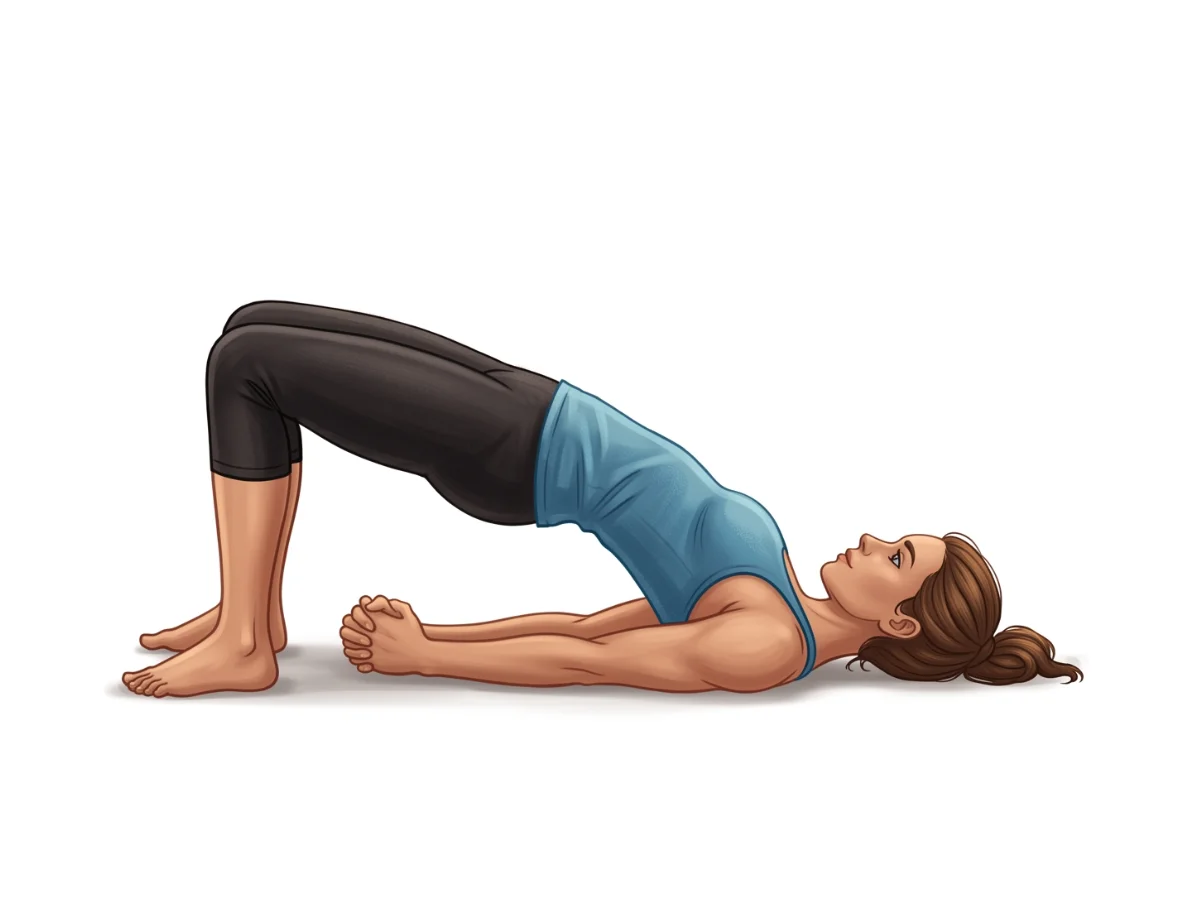
Setu BandhasanaBegins the process of extending the spine and lifting the hips.
Camel Pose
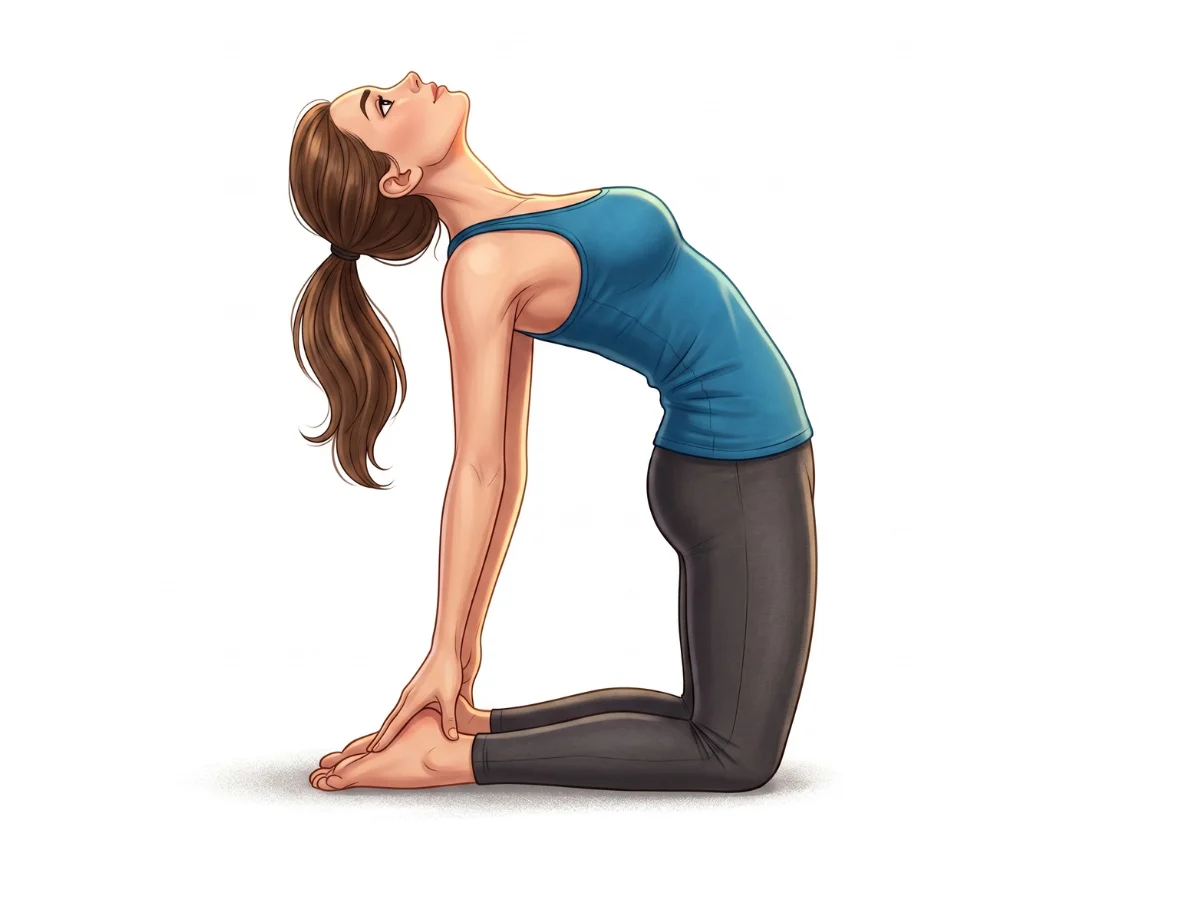
UstrasanaOpens the entire front body and chest.
Bow Pose
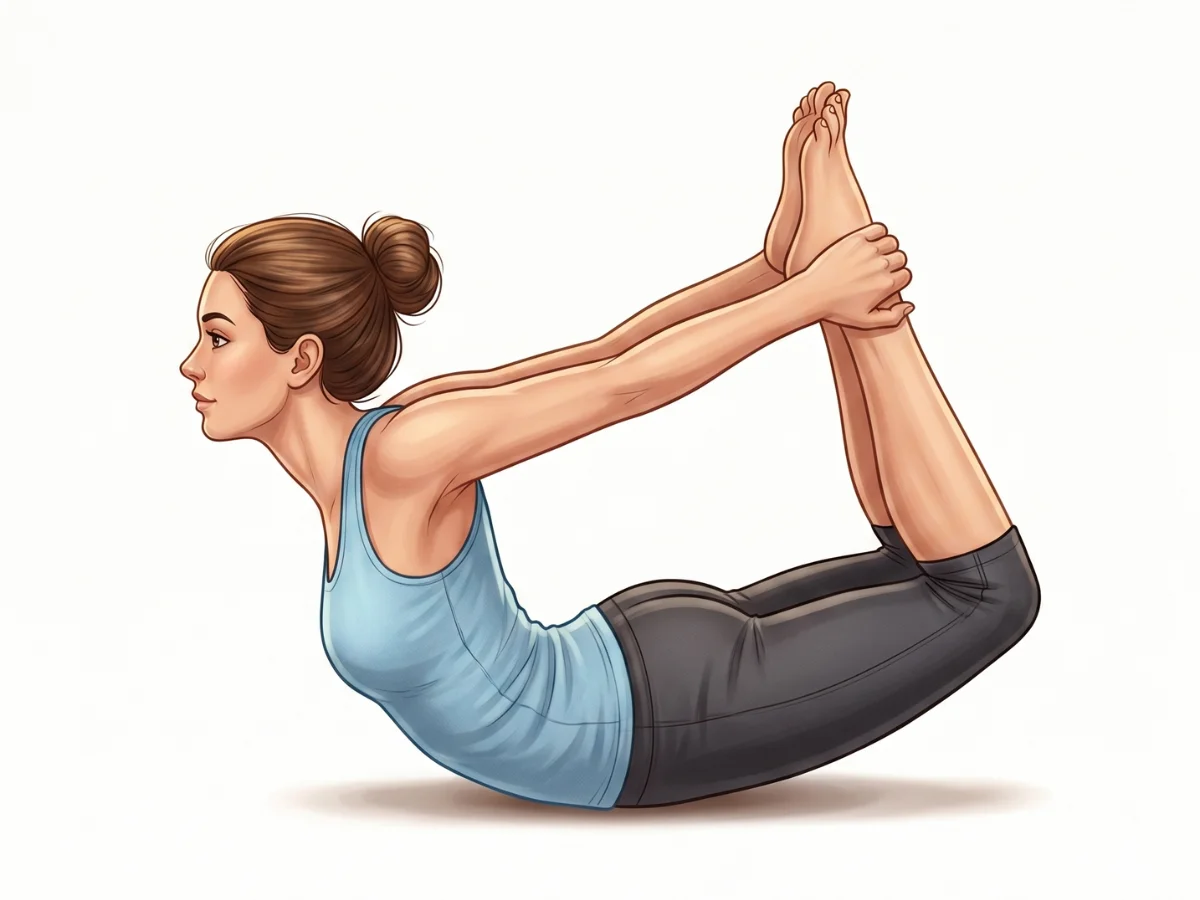
DhanurasanaStrengthens the back muscles required to maintain the arch.
Follow with neutralizing Counter-poses
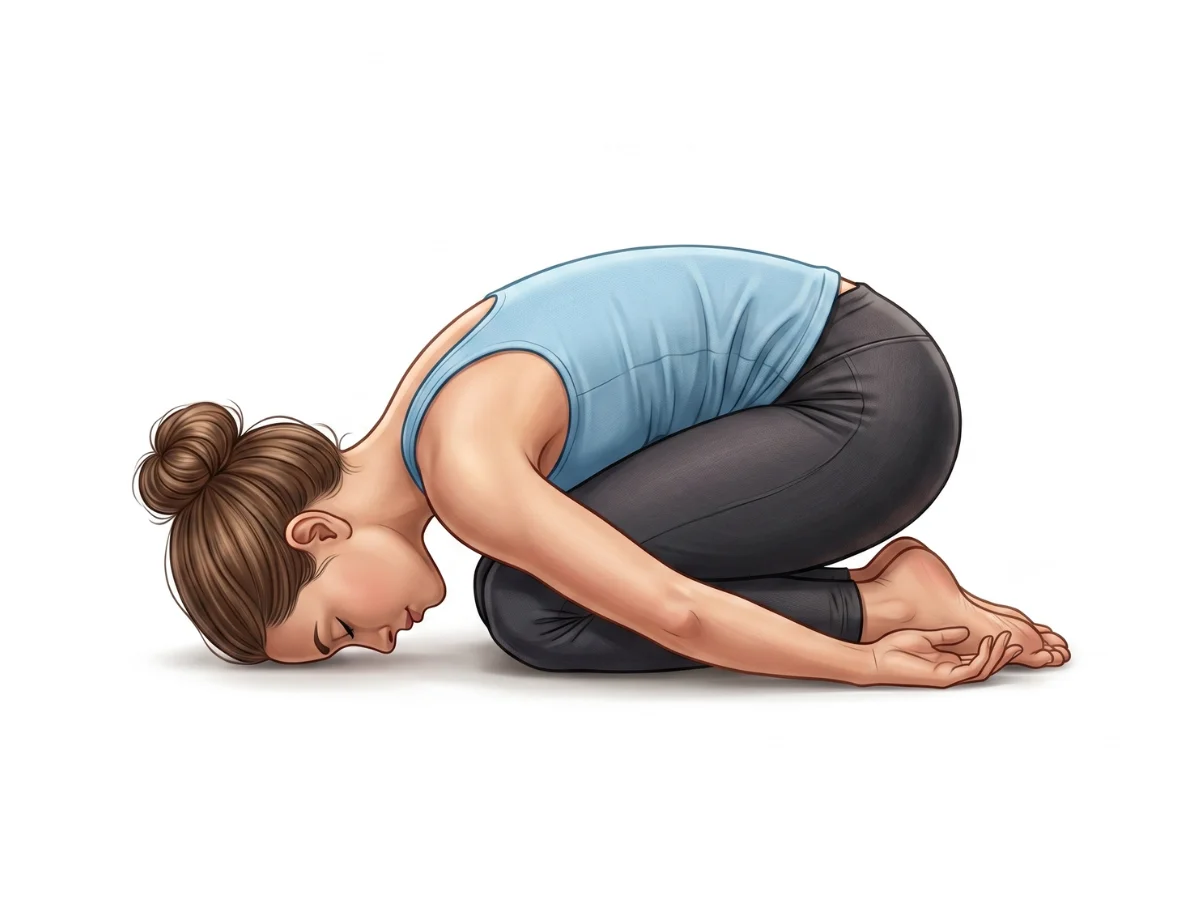
Child's Pose
BalasanaGently rounds the spine, providing immediate relief to the lower back.
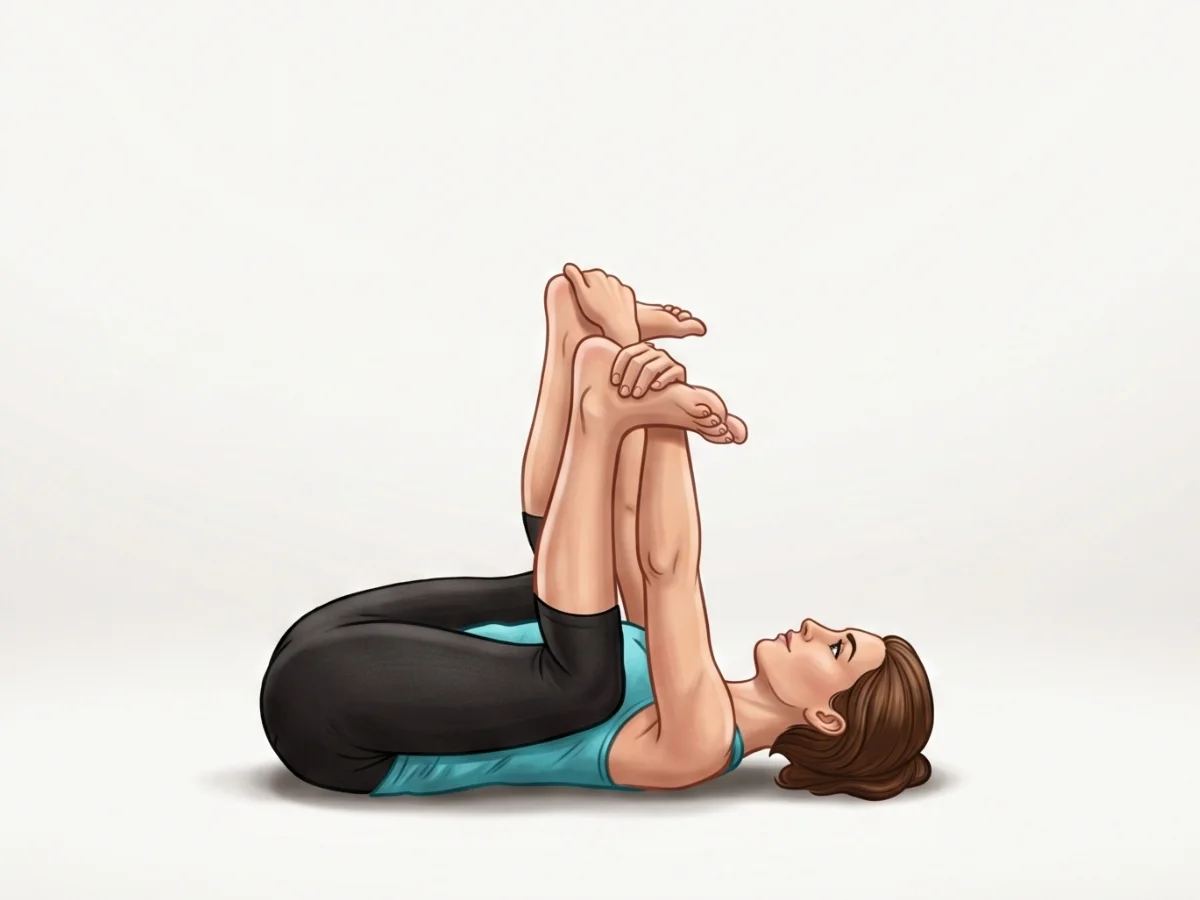
Happy Baby Pose
Ananda BalasanaNeutralizes the spine while keeping the back safely on the floor.
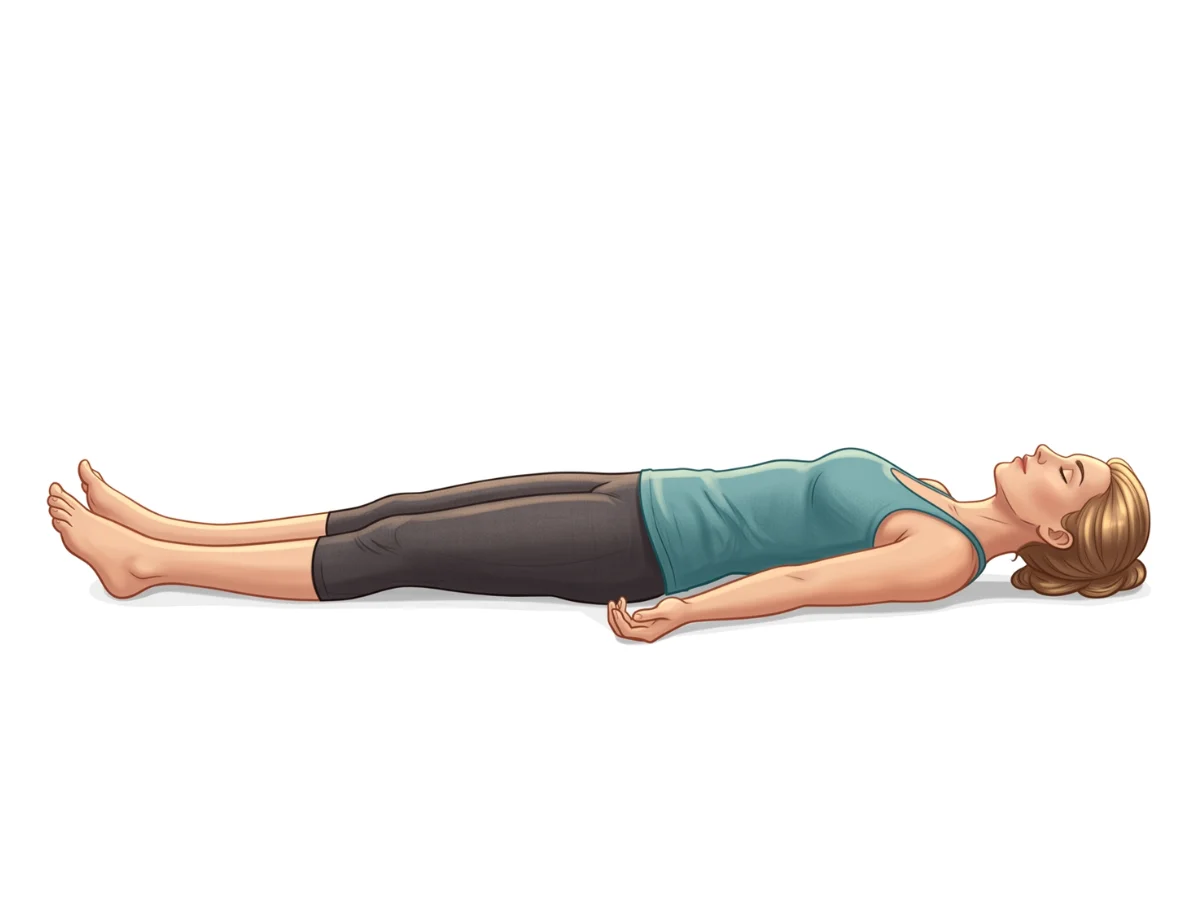
Corpse Pose
SavasanaAllows the intense energetic effects of the backbend to settle.
Frequently Asked Questions
Is this pose safe for my neck?
It is safe only if you can bear the majority of the upper body weight on your forearms. If you cannot press up through the arms, you risk compressing the cervical spine.
I can't straighten my legs. Is that okay?
Yes, it is perfectly fine to keep your knees bent. Focus on the chest opening and forearm press rather than forcing the legs straight.
Elena Rostova is an accredited yoga educator and anatomy specialist with over 15 years of clinical experience. She focuses on functional biomechanics and injury prevention, translating complex anatomy into accessible guidance for safe, sustainable practice.
Read Full ProfileContinue Your Yoga Journey
Ready to deepen your practice? Explore our extensive library of poses, or join a structured program designed to build strength, flexibility, and mindfulness.