
Locust III
Salabhasana C
By Elena Rostova Updated: verified Medically Reviewed
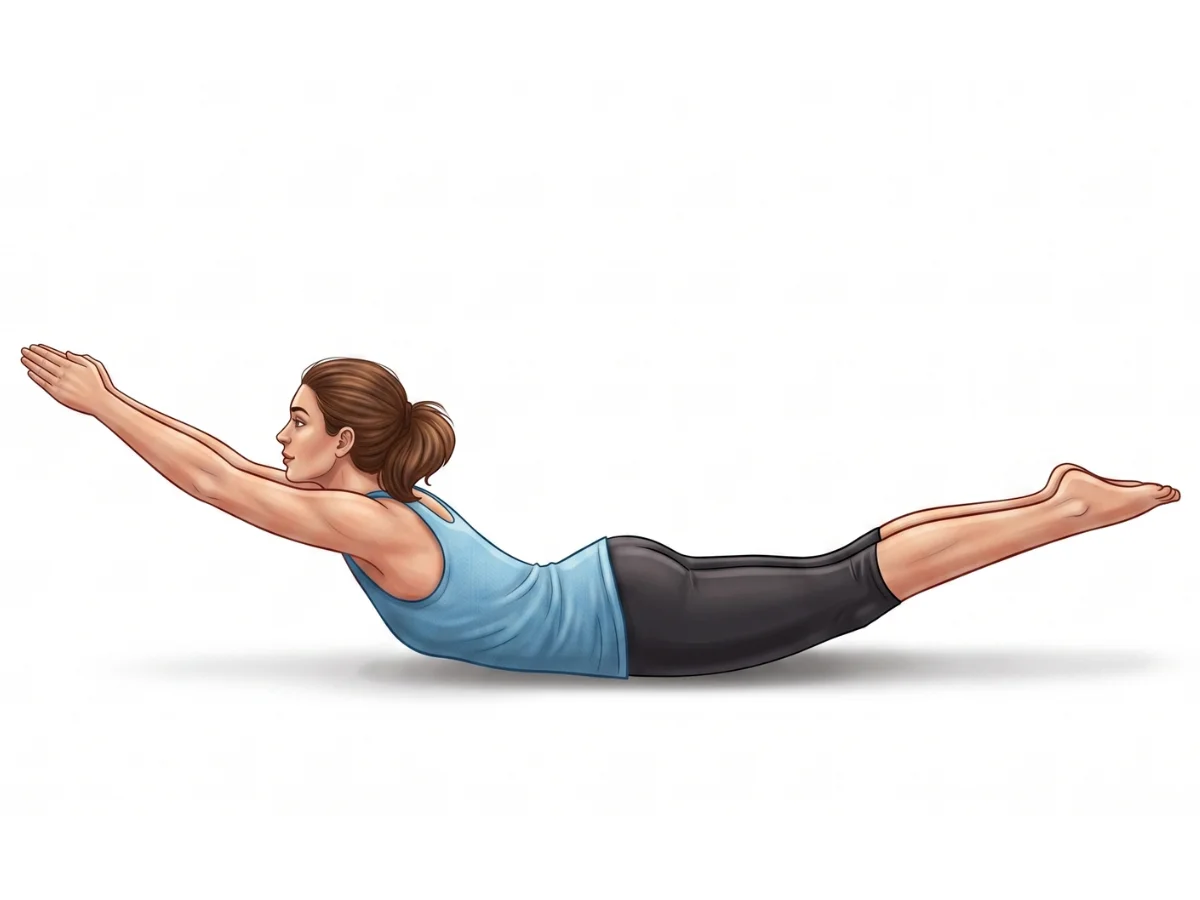
Locust Pose III (Salabhasana C), colloquially known as "Superman Pose," is the most demanding variation of the Locust series. By extending the arms fully forward while lifting the chest and legs, it maximizes leverage, demanding intense strength from the entire posterior chain, core, and shoulders.
Hold Time
15–30 sec · 3–5 breaths
Pronunciation
shah-lah-BAHS-anna
About Locust III
A vital part of many yoga sequences, Locust III (Salabhasana C) offers wonderful benefits that go beyond its simple shape. By gently focusing on full posterior chain & core endurance, it actively stretches your muscles and builds heat. Consistent practice will actively assist in maximizes back strength, helping you feel lighter and more balanced off the mat.
How to Practice
Prone Foundation
Lie flat on your abdomen with your legs extended straight back, feet hip-width apart, and forehead resting on the mat.
Extend Arms Forward
Reach your arms straight out in front of you, alongside your ears, with your palms facing each other.
Engage the Body
Firm your glutes, roll your inner thighs upward, and press your pubic bone gently into the floor to stabilize your pelvis.
Inhale and Lift
On a deep inhalation, simultaneously lift your head, chest, arms, and legs as high off the floor as possible.
Reach and Lengthen
Stretch energetically forward through your fingertips and backward through your toes. Focus on creating length across the entire body, not just upward arching.
Align the Neck
Keep your gaze directed slightly down and forward. Do not crank your chin up; keep the back of your neck long.
Hold and Breathe
Maintain the pose for 3 to 5 breaths. The pressure on your belly will make deep breathing difficult; breathe steadily into your side ribs.
Exhale and Release
Exhale slowly and lower your arms, chest, and legs back down to the mat simultaneously with control.
Rest
Stack your hands, rest your forehead or cheek on them, and rock your hips gently side to side to release the lower back.
Practice with the Yoga Timer
Keep track of your hold time and breath count for this pose.
Beginner Modifications & Prop Options
Yoga is a personal journey. These modifications and prop options allow you to adapt the pose to your current level of balance and flexibility, ensuring a safe and supportive practice.
Alternating Lifts (Swimming)
Instead of lifting everything at once, lift the right arm and left leg, hold for a breath, lower, and switch sides. This builds strength with less strain.
Tip: Focus on alignment rather than depth.
Wider Arm Stance
Extend your arms forward but take them wider than shoulder-width apart (a "Y" shape) to give your neck and shoulders more space.
Tip: Focus on alignment rather than depth.
Keep Legs Grounded
Press the tops of your feet firmly into the floor and focus solely on lifting your upper body and arms.
Tip: Focus on alignment rather than depth.
Benefits of Locust III
Maximizes Back Strength
The extended arms create a long lever, requiring maximum effort from the erector spinae and entire back musculature to maintain the lift.
Builds Shoulder Endurance
Holding the arms elevated and extended forward builds stamina in the deltoids and upper back muscles.
Tones the Glutes and Hamstrings
Powerfully engages the lower body posterior chain, helping to lift and sculpt the glutes.
Stimulates Digestion
The intense pressure on the abdomen massages internal organs, which can aid in digestion and relieve mild constipation.
Develops Mental Fortitude
Due to its physical intensity and breathing constraints, holding this posture builds focus, determination, and mental resilience.
Common Mistakes to Avoid
Mistake: Dropping the Arms
How to fix: Keep your arms lifted alongside your ears. Letting them drop below the line of your chest reduces the strengthening benefits.
Mistake: Bending the Knees
How to fix: Keep your legs straight and active. Bending the knees shifts the work away from the glutes and hamstrings.
Mistake: Crunching the Neck
How to fix: Avoid throwing your head backward. Keep your gaze down and forward to maintain a smooth curve in your cervical spine.
Safety and Precautions
Pregnancy
Strictly avoided after the first trimester due to direct pressure on the abdomen and deep backbending.
Acute Lower Back Issues
The long lever of the arms puts significant strain on the lumbar spine; avoid if dealing with herniated discs.
Shoulder Impingements
Reaching the arms overhead under tension can aggravate existing shoulder capsule injuries.
Medical Disclaimer: If you have any of the above conditions, consult your doctor or a qualified yoga instructor before attempting this pose.
Muscles Worked in Locust III
Locust III demands synchronized muscular effort, creating a profound sense of engagement and release throughout the body. The activation of the primary muscles supports the structure, while the secondary muscles provide stability and balance.
Primary Muscles
Erector Spinae
Maintains the deep spinal extension against maximum leverage.
Gluteus Maximus
Elevates and sustains the lifted legs.
Anterior & Lateral Deltoids
Hold the extended arms aloft against gravity.
Secondary Muscles
Hamstrings
Assist the glutes in maintaining leg elevation.
Trapezius (Lower/Middle)
Stabilizes the shoulder blades to support the extended arms.
Transversus Abdominis
Engages to stabilize the core and protect the lower back.
Poses to Practice Before and After Locust III
Prepare with these Poses
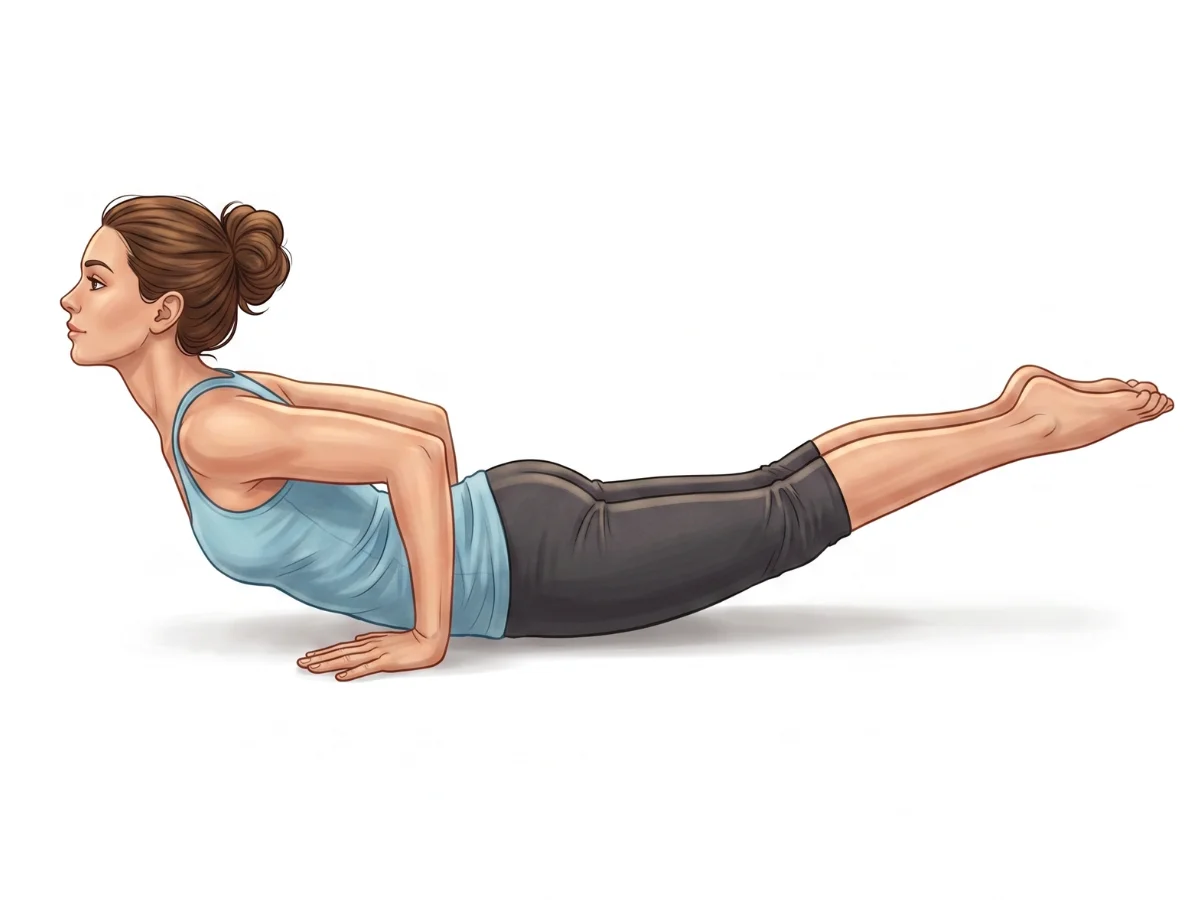
Locust II
Salabhasana BBuilds the preliminary back and shoulder strength needed for full extension.
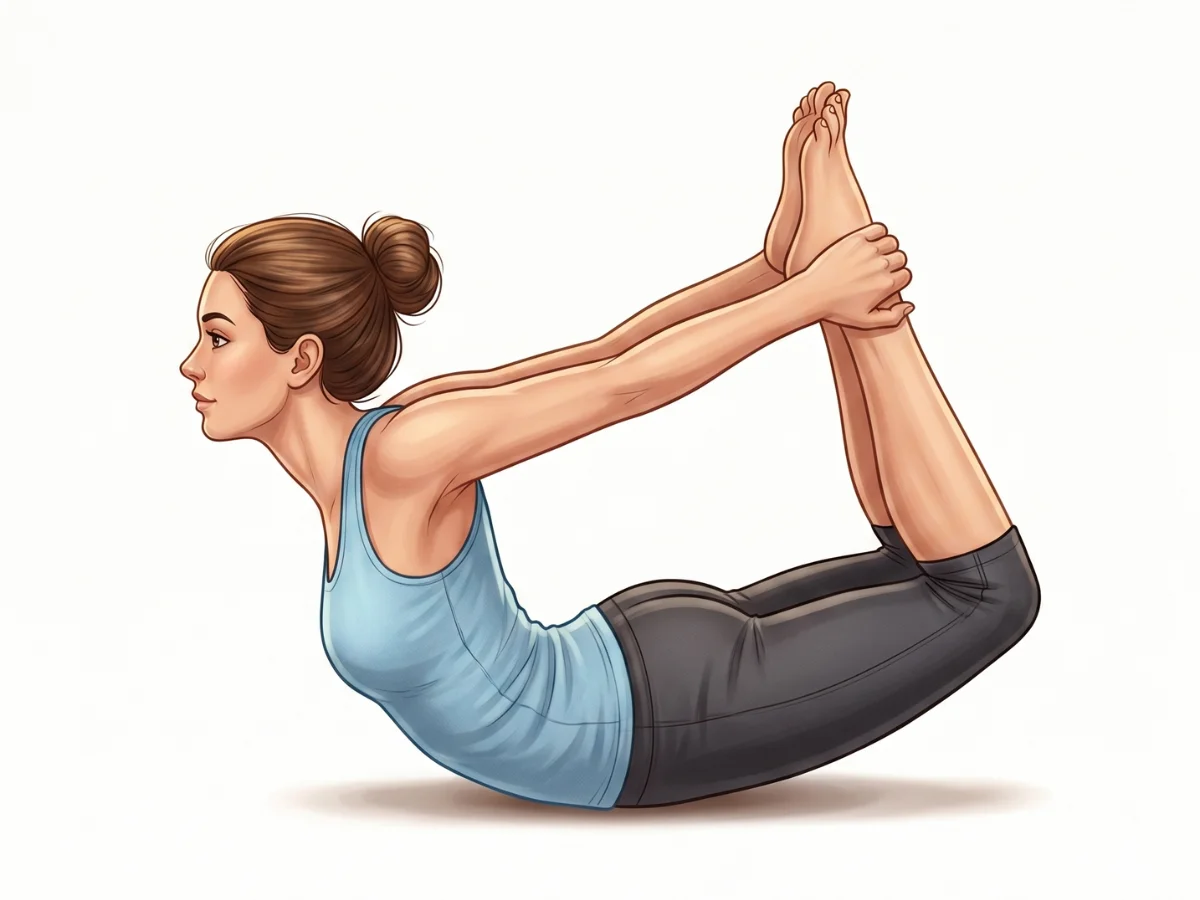
Bow Pose
DhanurasanaOpens the chest and shoulders while engaging the back muscles.
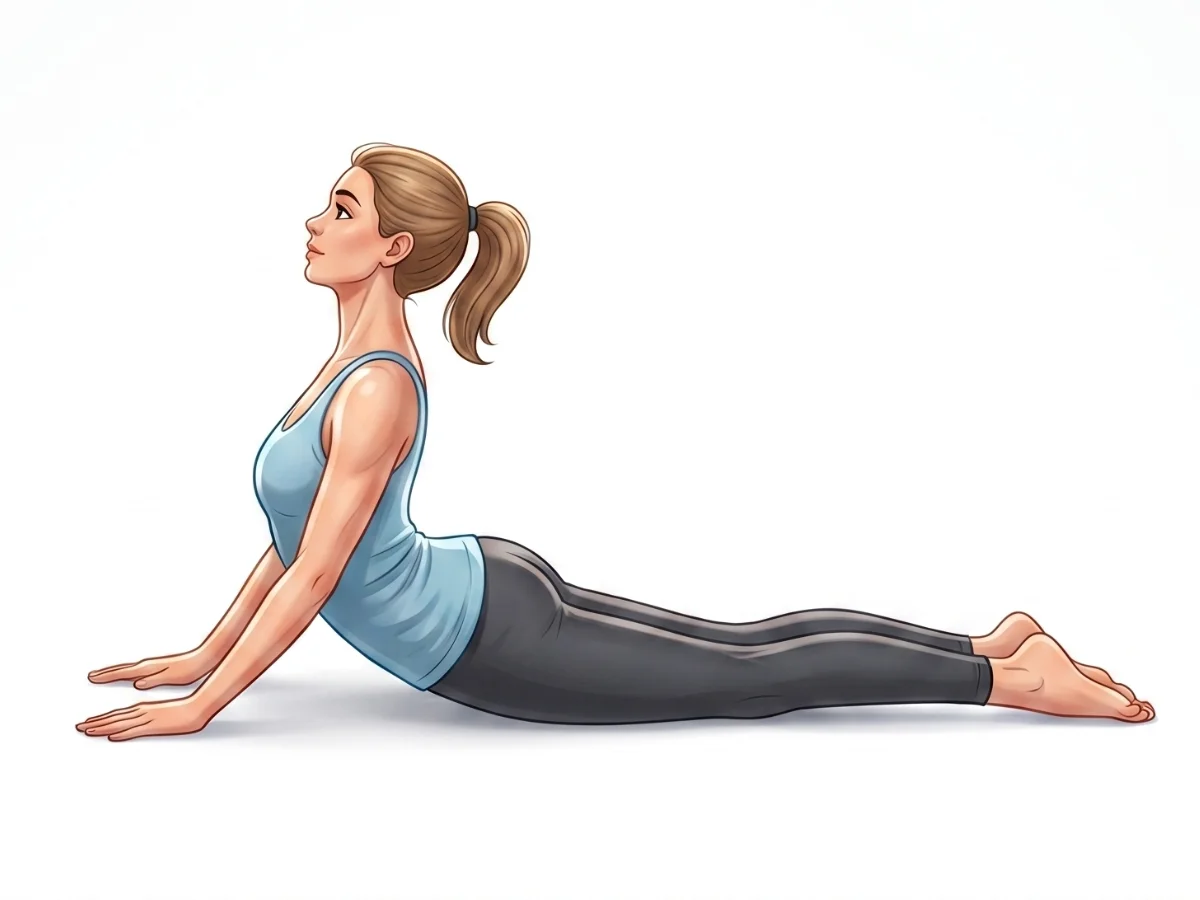
Cobra Pose
BhujangasanaProvides a gentle, supported backbend to prepare the spine.
Follow with neutralizing Counter-poses
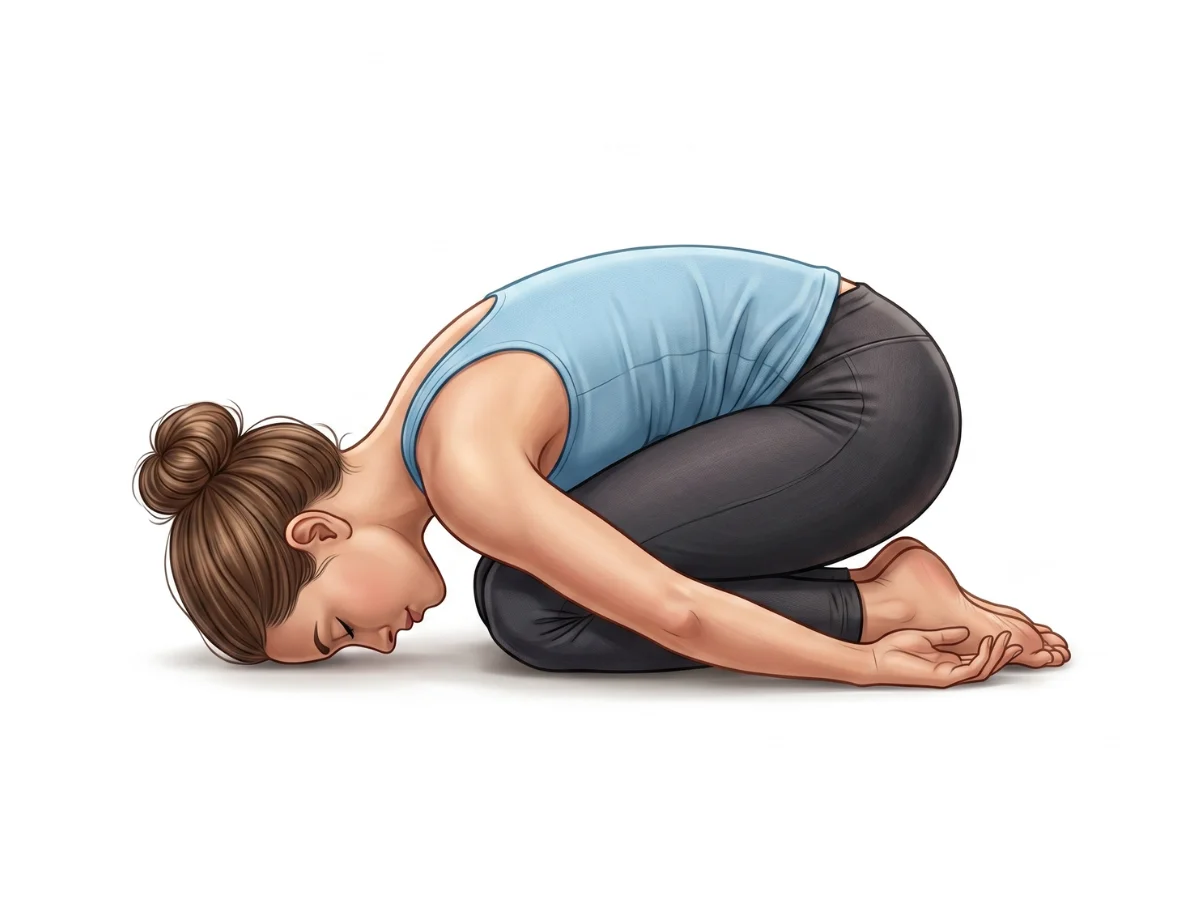
Child's Pose
BalasanaOffers immediate, soothing flexion to counter the intense extension.
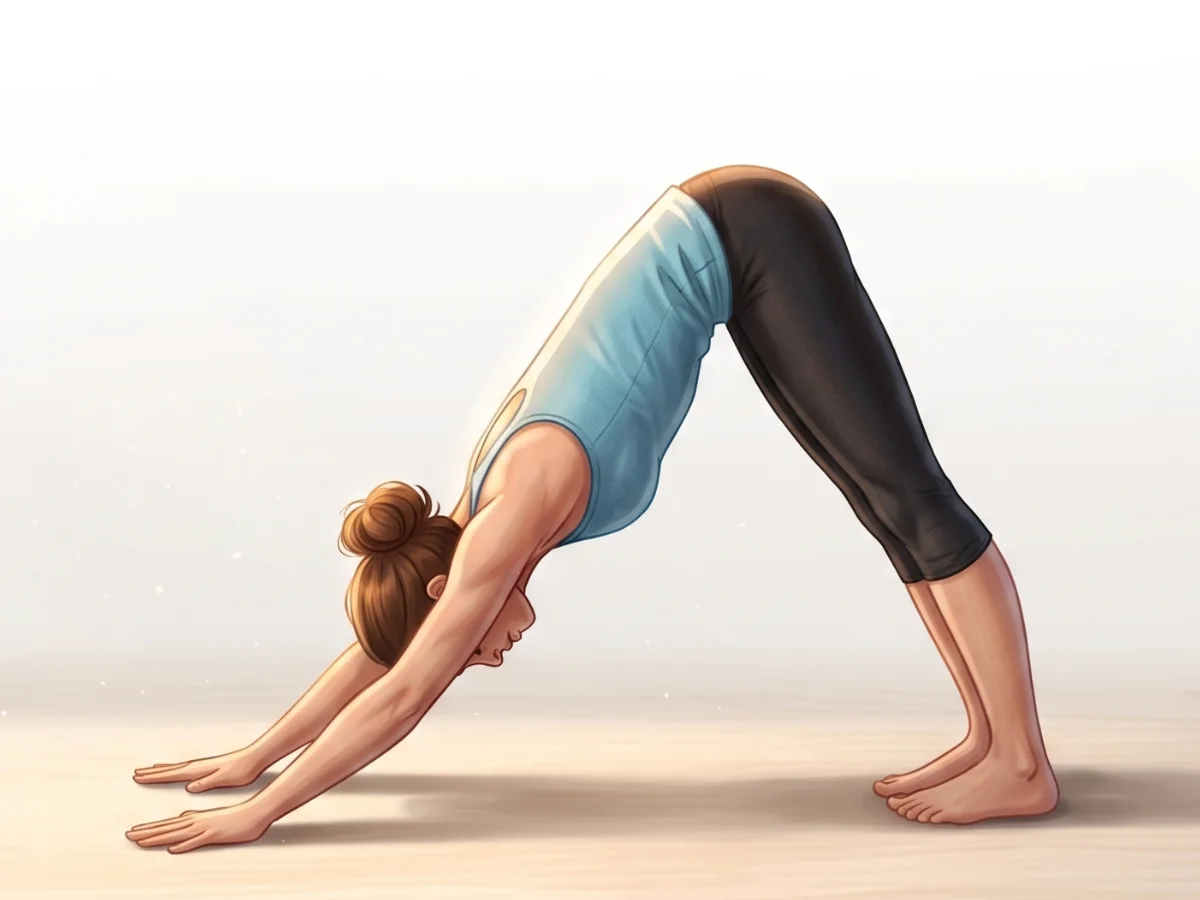
Downward-Facing Dog
Adho Mukha SvanasanaLengthens the spine and stretches the posterior chain actively.
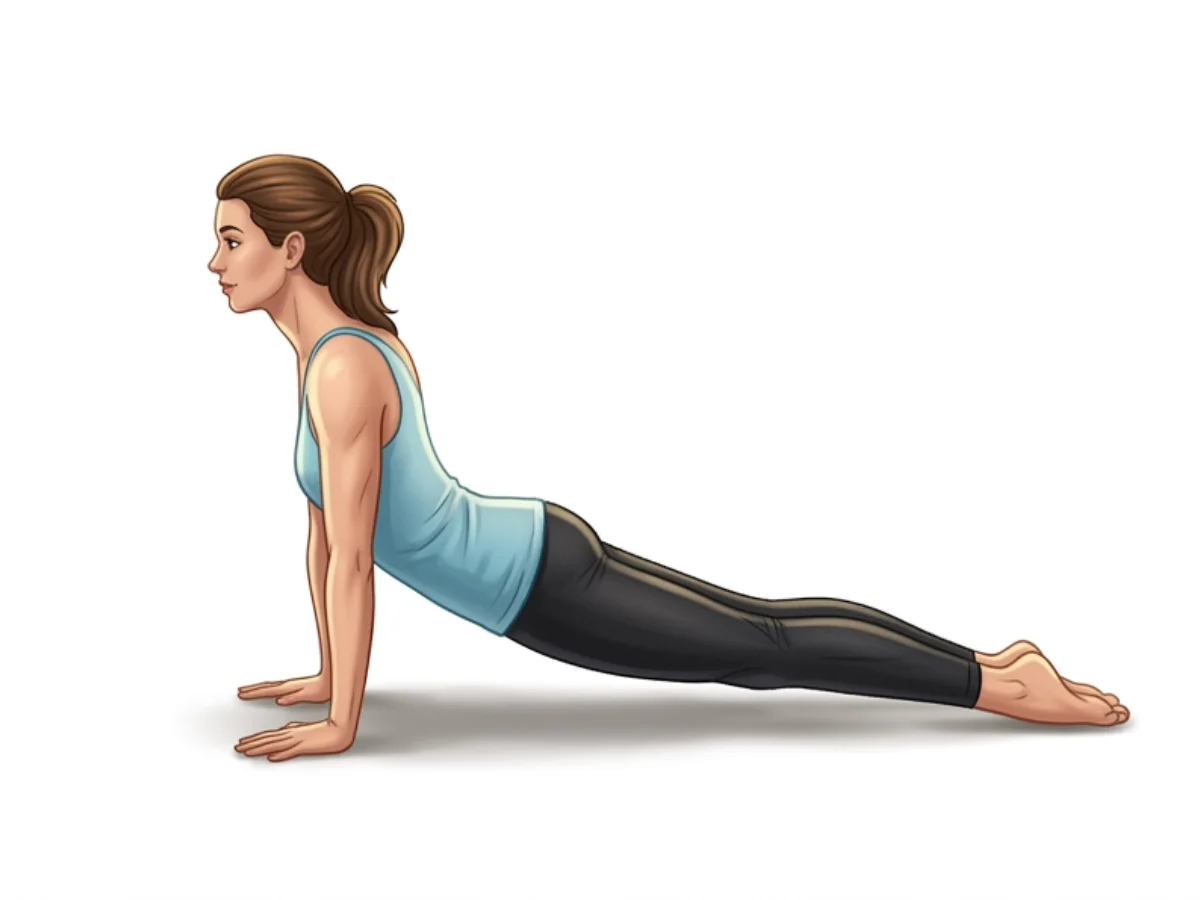
Upward-Facing Dog
Urdhva Mukha SvanasanaA supported backbend to stretch the front body after intense muscle contraction.
Frequently Asked Questions
Why is this variation so much harder than the others?
Reaching your arms forward increases the "lever length," meaning gravity has more advantage. Your back muscles have to work significantly harder to lift the same amount of weight.
Is it okay if I can barely lift off the floor?
Yes, absolutely. The benefit comes from the muscular engagement, not the height. Even hovering a half-inch off the floor builds incredible strength.
Can I use a block?
Yes! Holding a lightweight yoga block between your hands while extending them forward can help keep your arms parallel and engage your chest muscles simultaneously.
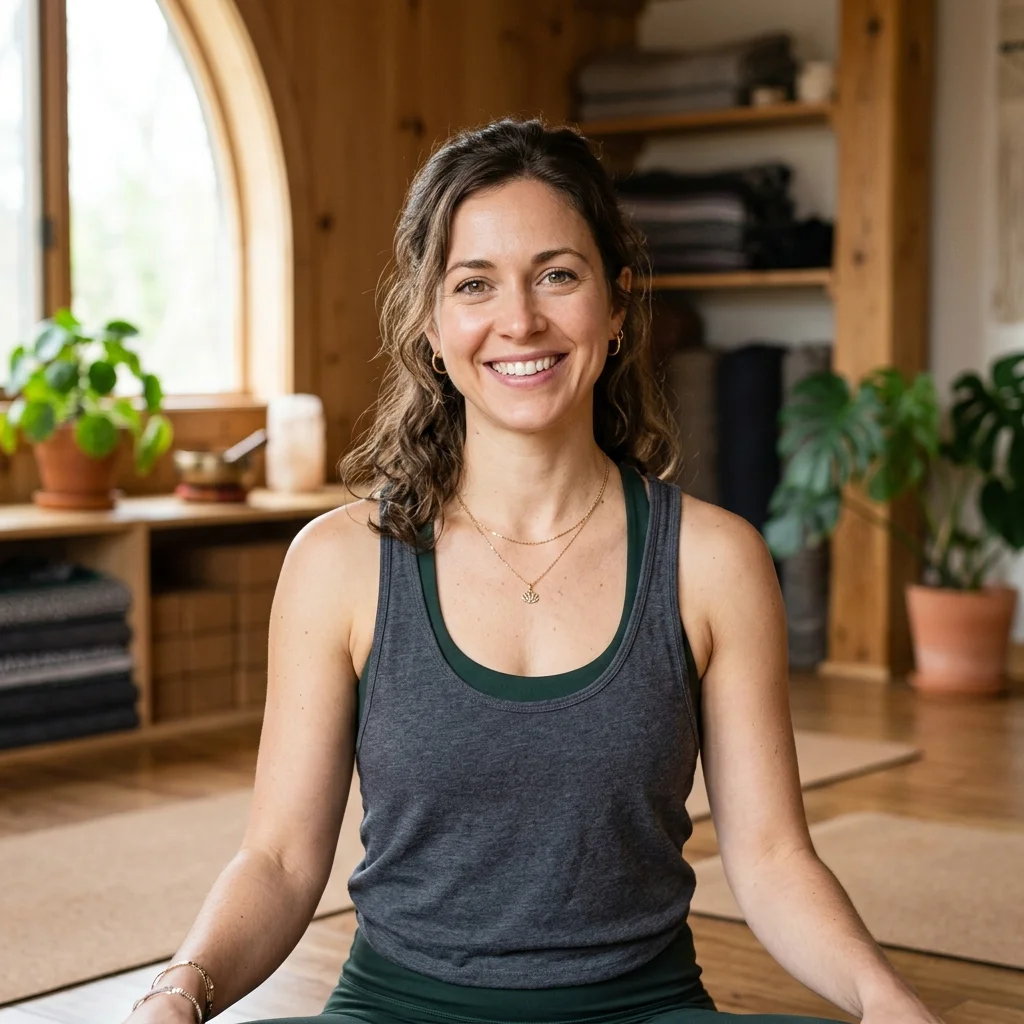
Elena Rostova is an accredited yoga educator and anatomy specialist with over 15 years of clinical experience. She focuses on functional biomechanics and injury prevention, translating complex anatomy into accessible guidance for safe, sustainable practice.
Read Full ProfileContinue Your Yoga Journey
Ready to deepen your practice? Explore our extensive library of poses, or join a structured program designed to build strength, flexibility, and mindfulness.