
Moon Bird
Chakorasana
By Elena Rostova Updated: verified Medically Reviewed
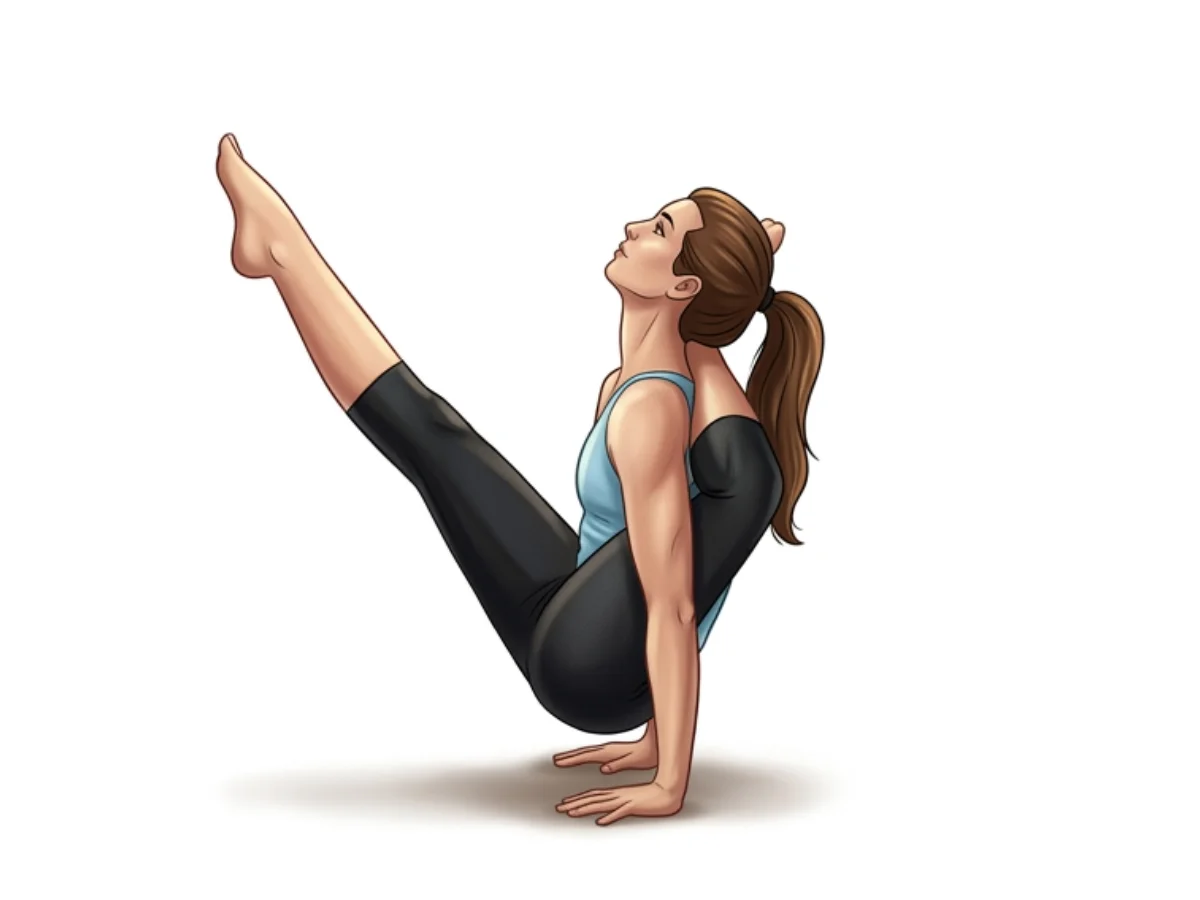
Moon Bird Pose (Chakorasana) is a highly advanced arm balance that acts as a stunning display of functional strength and flexibility. Originating from Elephant Trunk Pose (Eka Hasta Bhujasana) or One Leg Behind the Head Pose (Eka Pada Sirsasana), the practitioner places their hands on the floor and uses explosive core and arm strength to lift the entire body weight upward while keeping one leg hooked behind the neck and the other leg extending straight out. It requires extraordinary hip mobility, open hamstrings, and raw pressing power.
Hold Time
15–30 sec · 3–5 breaths
Pronunciation
chah-koh-RAH-sah-nah
About Moon Bird
Drawing inspiration from nature, Moon Bird (Chakorasana) is a powerful pose that encourages a deep connection to movement. By gently focusing on core compression, arm strength & hamstring flexibility, it actively stretches your muscles and builds heat. Practicing this pose regularly helps with builds explosive arm strength and leaves you feeling completely refreshed.
How to Practice
Seated Foundation
Begin seated in Staff Pose (Dandasana) with both legs extended straight out in front of you, sitting tall through the spine.
Hook the Leg
Bend your right knee, cradle the leg, and guide the right calf high over your right shoulder, aiming to hook the leg securely behind your neck (Eka Pada Sirsasana prep).
Plant the Hands
Once the right leg is securely hooked, place both hands flat on the floor alongside your hips. Spread your fingers wide for a stable base.
Engage the Core
Draw your belly button deeply in toward your spine. Create a powerful internal lift through the pelvic floor (Mula Bandha) and lower abdomen (Uddiyana Bandha).
Press and Lift
Exhale powerfully, press the floor away with locked, straight arms, and use your core to lift your hips and your extended left leg completely off the floor.
Extend and Lock
Keep the bottom left leg fiercely straight, flexing the foot or pointing the toes. Ensure the heel is lifted as high as possible away from the mat.
Secure the Hook
Actively squeeze the right calf down onto the back of your neck or shoulder to keep the leg from slipping out of place during the lift.
Lift the Chest
Avoid collapsing the chest forward. Keep the gaze slightly elevated and broaden across the collarbones, finding a sense of lightness in the suspension.
Hold the Flight
Breathe steadily into the intense core compression, holding the entire body aloft for 3 to 5 deep, focused breaths.
Controlled Release
To exit, slowly lower your hips and the extended leg back down to the floor. Carefully unhook the right leg, massage the knee, and switch sides.
Practice with the Yoga Timer
Keep track of your hold time and breath count for this pose.
Beginner Modifications & Prop Options
Yoga is a personal journey. These modifications and prop options allow you to adapt the pose to your current level of balance and flexibility, ensuring a safe and supportive practice.
Elephant Trunk Prep
Instead of aiming for the neck, simply drape the right leg as high over the right shoulder as possible (Elephant Trunk Pose). Practice lifting from this more accessible position.
Tip: Focus on alignment rather than depth.
Use Blocks Under Hands
Place yoga blocks under your hands. The added height makes it significantly easier to lift the hips and the extended leg entirely off the floor, compensating for anatomical proportions.
Tip: Focus on alignment rather than depth.
Keep the Bottom Heel Down
Press into the hands and lift the hips, but leave the heel of the extended leg resting on the floor. Focus purely on lifting the pelvis and engaging the arms.
Tip: Focus on alignment rather than depth.
Benefits of Moon Bird
Builds Explosive Arm Strength
Pressing the entire body weight off the floor with straight arms rapidly develops the triceps, shoulders, and latissimus dorsi.
Develops Compressive Core Power
Lifting the heavy extended leg requires elite-level strength in the hip flexors (psoas) and the deep transversus abdominis.
Massive Hip and Hamstring Opening
Getting the leg behind the head necessitates extreme flexibility in the external rotators, glutes, and hamstrings.
Stimulates Digestion
The deep forward-folding nature of the pose powerfully compresses the abdominal organs, aiding in detoxification and digestion.
Cultivates Mental Fortitude
The sheer difficulty of uniting flexibility with heavy lifting demands unwavering focus and mental resilience.
Common Mistakes to Avoid
Mistake: Forcing the Leg Behind the Neck
How to fix: Never pull aggressively on your foot to force it behind your head; this can cause severe knee or neck injuries. The mobility must come from the hip joint.
Mistake: Bending the Lifted Leg
How to fix: If the extended leg bends, you lose the energetic line of the pose and it feels much heavier. Actively fire the quadriceps to keep the leg perfectly straight.
Mistake: Rounding the Back Too Much
How to fix: While some rounding is necessary for core compression, collapsing the chest restricts breathing. Always strive to lift the heart slightly forward and up.
Safety and Precautions
Knee or Meniscus Injuries
Placing the leg behind the head involves deep rotation that can easily aggravate or tear vulnerable knee cartilage.
Lower Back or Disc Issues
The intense forward flexion combined with heavy lifting places a massive load on the lumbar spine.
Neck Problems
The weight of the leg pressing down on the cervical spine makes this pose dangerous for anyone with neck pain or past injuries.
Wrist Injuries
Bearing the full body weight on extended wrists is contraindicated for Carpal Tunnel, tendonitis, or recent sprains.
Pregnancy
The extreme abdominal compression entirely rules this pose out during pregnancy.
Medical Disclaimer: If you have any of the above conditions, consult your doctor or a qualified yoga instructor before attempting this pose.
Muscles Worked in Moon Bird
Moon Bird demands synchronized muscular effort, creating a profound sense of engagement and release throughout the body. The activation of the primary muscles supports the structure, while the secondary muscles provide stability and balance.
Primary Muscles
Triceps Brachii & Pectorals
Provide the straight-arm pressing force necessary to lift the body weight.
Psoas & Iliacus
Work extremely hard to lift and hold the extended heavy leg off the floor.
Rectus Abdominis
Provides the compressive core strength required to keep the body compact and elevated.
Secondary Muscles
Quadriceps
Engage fully to lock the extended leg straight.
Latissimus Dorsi
Depress the scapulae, allowing the hips to lift higher away from the floor.
Hamstrings
Undergo an intense passive stretch on the extended leg and an active stretch on the hooked leg.
Poses to Practice Before and After Moon Bird
Prepare with these Poses
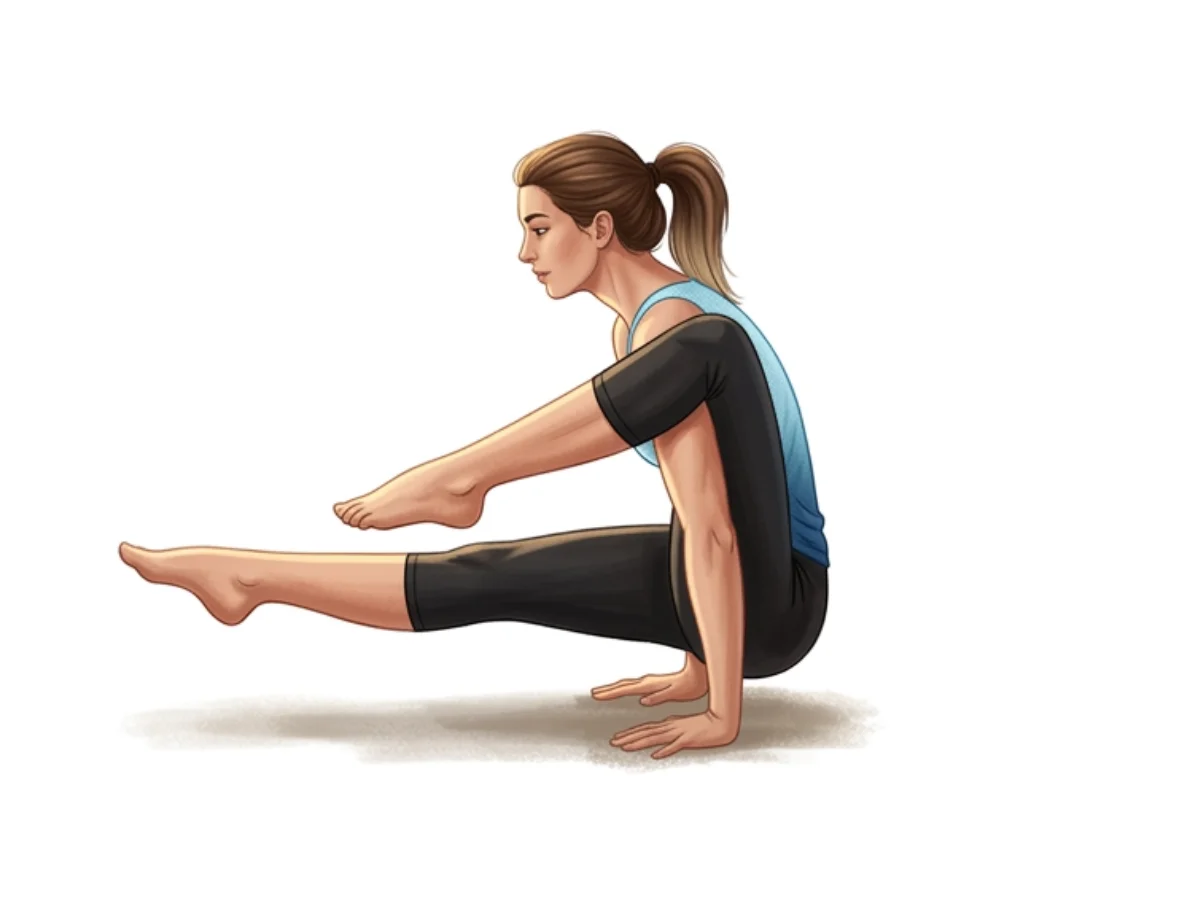
Elephant Trunk Pose
Eka Hasta BhujasanaThe direct stepping stone, teaching the mechanics of lifting the body with one leg draped over the arm.
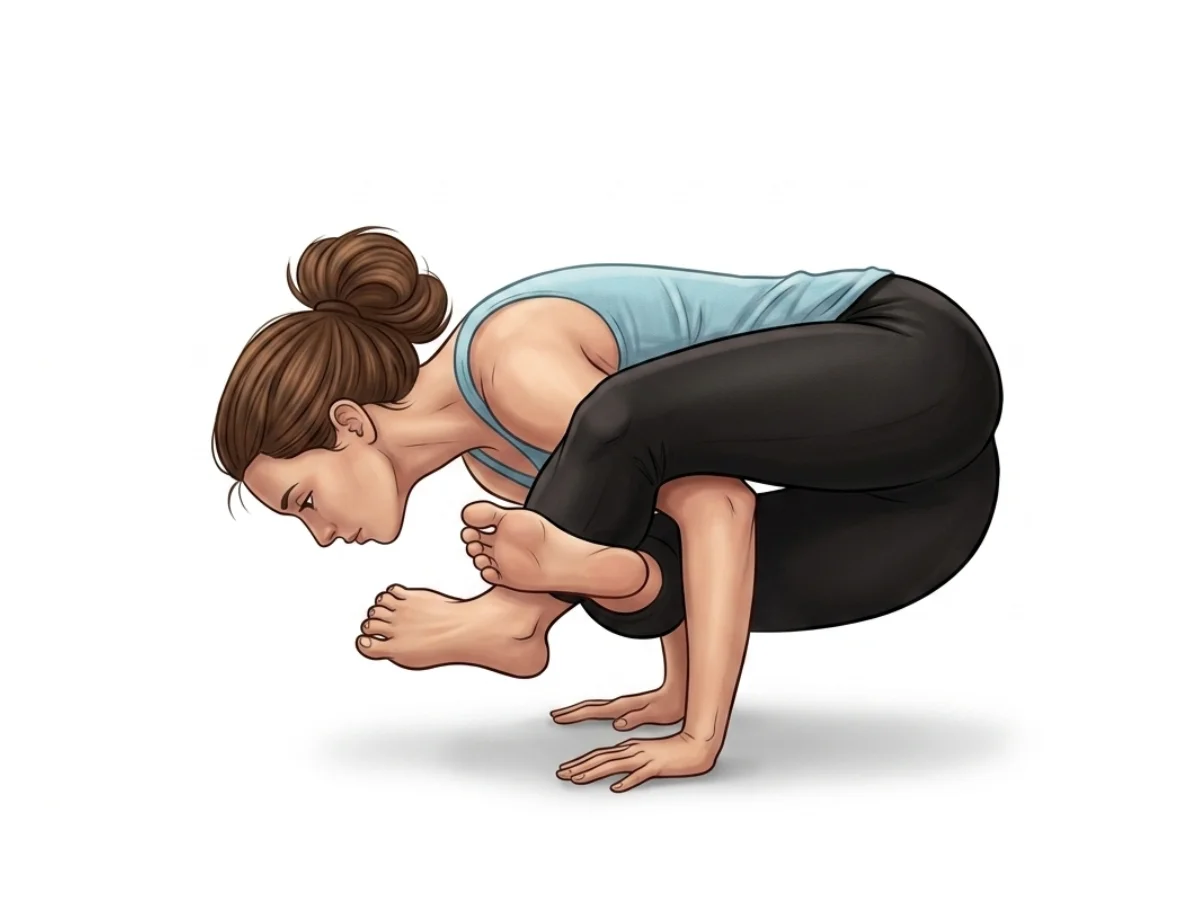
Eight-Angle Pose
AstavakrasanaDevelops the necessary arm balance strength and hip flexibility in an asymmetrical shape.
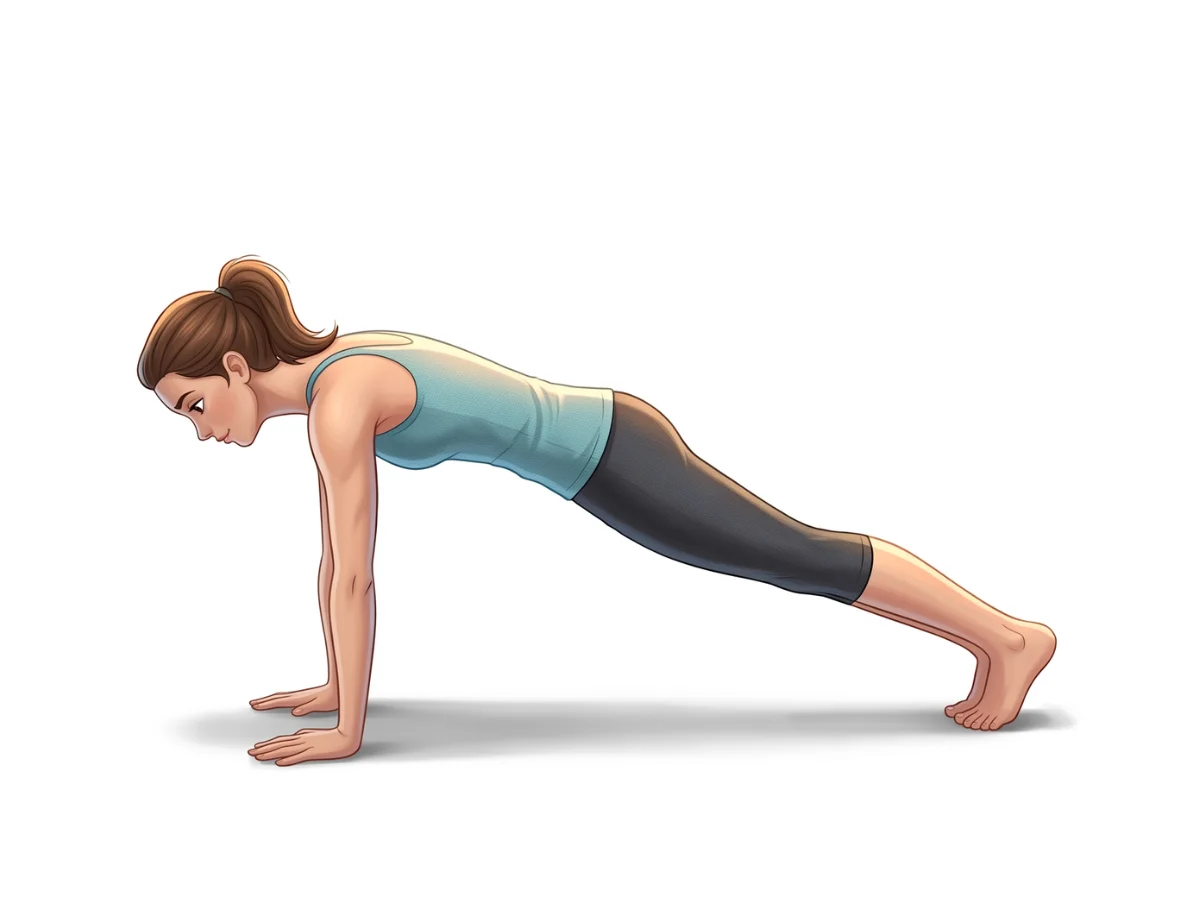
Plank Pose
PhalakasanaFortifies straight-arm pressing strength and full-body core integration.
Follow with neutralizing Counter-poses
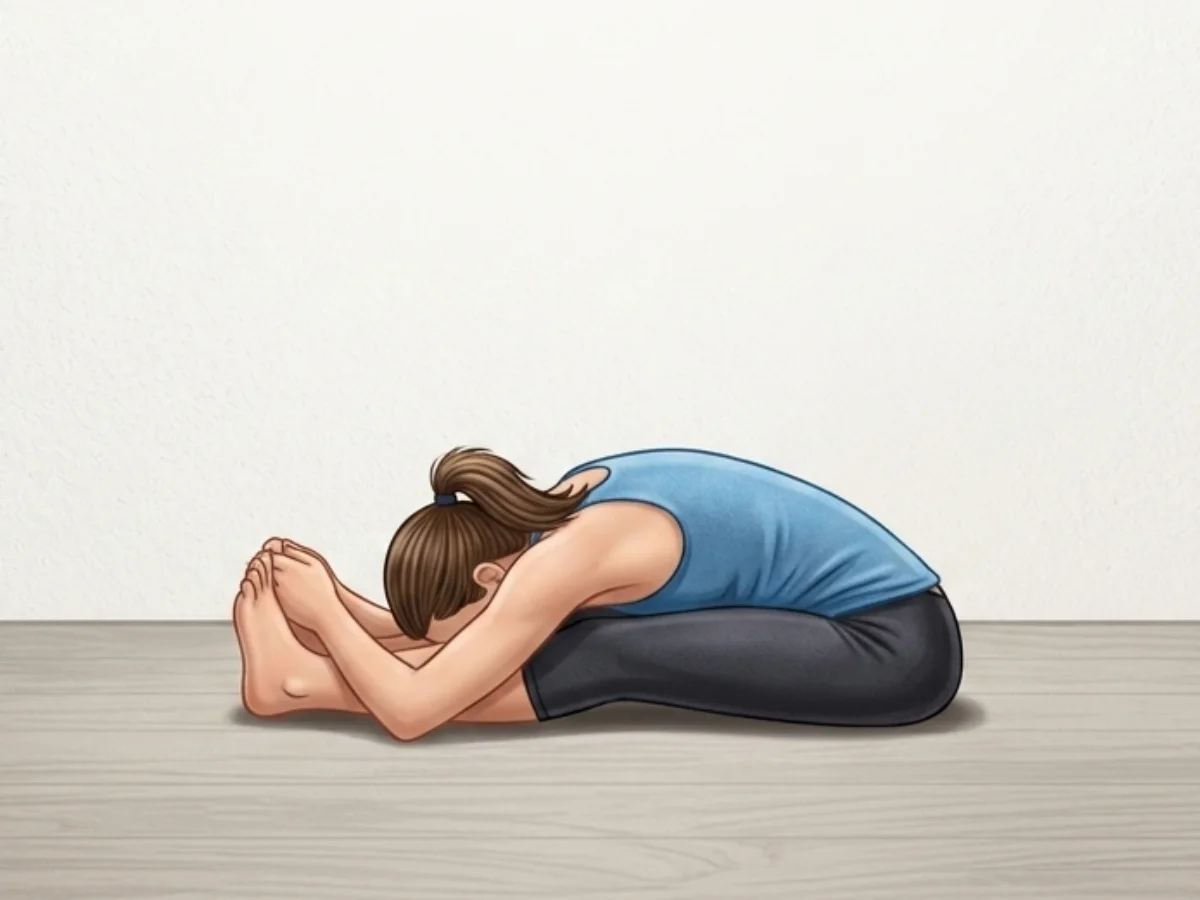
Seated Forward Bend
PaschimottanasanaProvides a symmetrical, calming stretch to neutralize the intense asymmetrical hip opening.
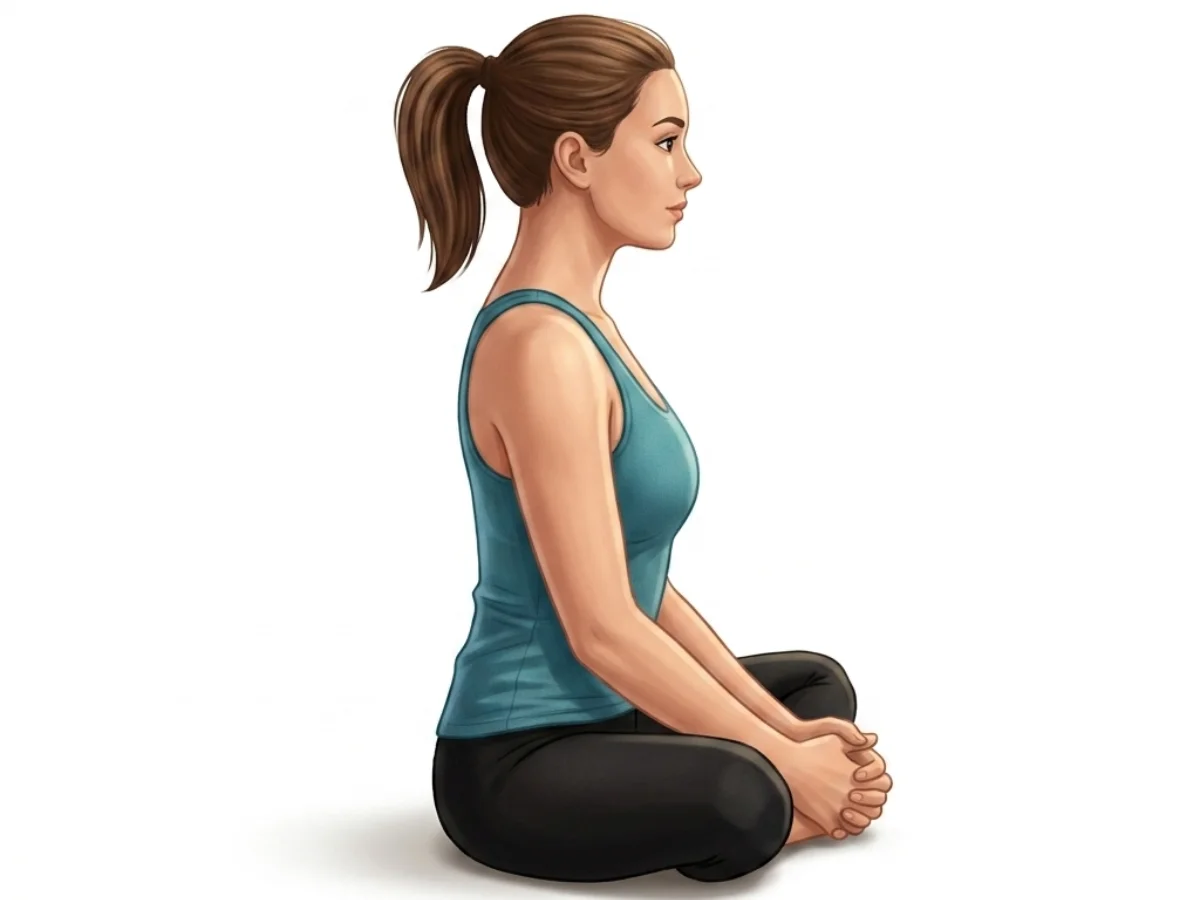
Bound Angle
Baddha KonasanaGently releases the inner groins and hips without the heavy muscular load.
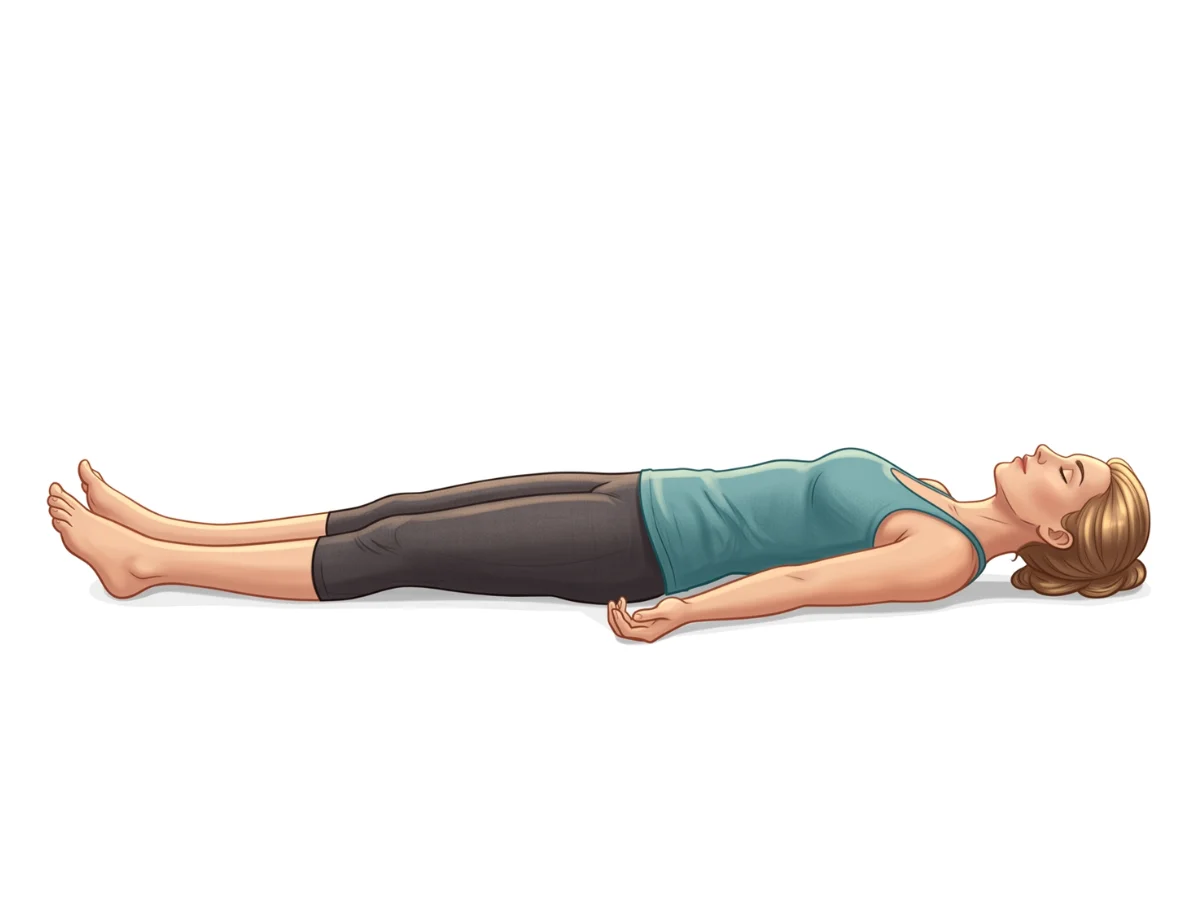
Corpse Pose
SavasanaAllows the intense neural, muscular, and cardiovascular effort of the arm balance to fully integrate.
Frequently Asked Questions
Why does my leg keep slipping off my shoulder?
You are likely wearing slippery clothing or not actively squeezing the leg down. You must create friction by wearing shorts or grippy leggings, and actively contract your calf muscle down onto your shoulder to lock it in place.
My hips lift, but my bottom heel won't budge. Why?
Lifting the bottom heel requires pure, unadulterated psoas (hip flexor) and lower abdominal strength. Practice "L-Sit" lifts or boat pose variations to target this specific weakness.
Is this the same as Compass Pose?
No. Compass Pose (Surya Yantrasana) is a seated flexibility posture where you hold the top foot and straighten the leg toward the sky. Moon Bird is an arm balance where you lift your entire body off the floor.

Elena Rostova is an accredited yoga educator and anatomy specialist with over 15 years of clinical experience. She focuses on functional biomechanics and injury prevention, translating complex anatomy into accessible guidance for safe, sustainable practice.
Read Full ProfileContinue Your Yoga Journey
Ready to deepen your practice? Explore our extensive library of poses, or join a structured program designed to build strength, flexibility, and mindfulness.