
Pendant
Lolasana
By Elena Rostova Updated: verified Medically Reviewed
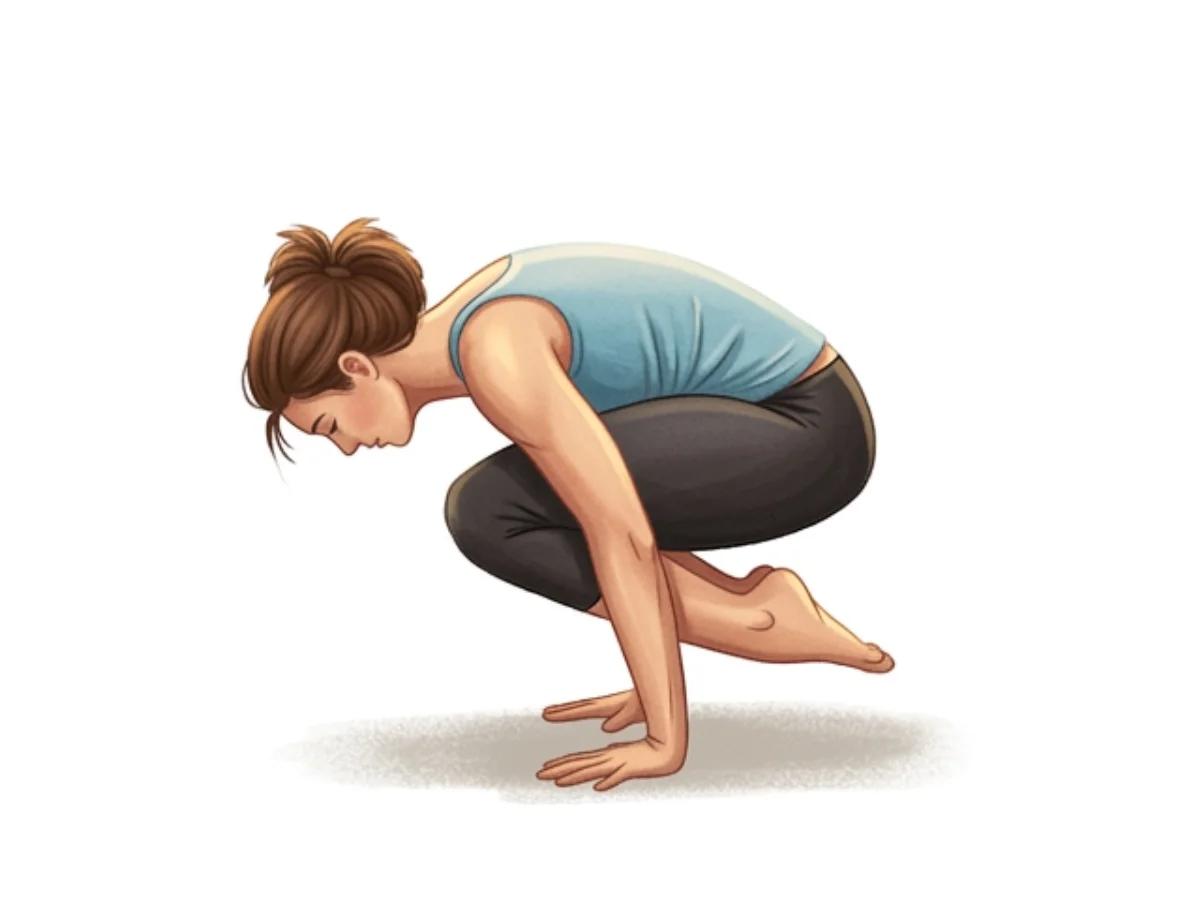
Pendant Pose (Lolasana) is a dynamic arm balance that mimics the swing of a pendulum. It requires the practitioner to lift the body off the floor using only the hands, intensely engaging the abdominal muscles, wrists, and shoulders. This posture is excellent for building the necessary strength for more advanced arm balances and inversions.
Hold Time
10–30 sec · 3–5 breaths
Pronunciation
loh-LAHS-anna
About Pendant
Commonly practiced as Pendant (Lolasana), this dynamic posture is beautifully designed to help unlock tension. It primarily targets the core strength & arm balance, helping to create length and strength exactly where you need it most. Consistent practice will actively assist in develops deep core power, helping you feel lighter and more balanced off the mat.
How to Practice
Starting Position
Begin in a kneeling position (Vajrasana), sitting on your heels. Cross your right ankle over your left ankle, resting the tops of the feet on the mat.
Hand Placement
Place your hands flat on the floor or on yoga blocks directly outside your hips. Keep your fingers pointing forward and spread them wide for stability.
Core Engagement
Exhale deeply, pulling your navel in toward your spine. Round your upper back slightly, bringing your knees toward your chest.
Press and Lift
Press firmly into your palms. On an exhalation, lift your hips and feet off the floor, suspending your body between your arms.
Hold the Lift
Keep your arms straight and your core deeply engaged. Try to lift your heels closer to your buttocks to clear the floor.
Swing (Optional)
If stable, you can gently swing your body back and forth between your arms, like a pendant, to challenge your control.
Hold and Breathe
Maintain the lifted position for 3 to 5 breaths, keeping your gaze focused slightly ahead of your hands.
Lower and Release
Exhale to slowly lower your hips and feet back down to the mat. Uncross your ankles, take a deep breath, and repeat on the other side.
Practice with the Yoga Timer
Keep track of your hold time and breath count for this pose.
Beginner Modifications & Prop Options
Yoga is a personal journey. These modifications and prop options allow you to adapt the pose to your current level of balance and flexibility, ensuring a safe and supportive practice.
Using Blocks
Place a block beneath each hand. This added height makes it significantly easier to clear the floor and practice the core engagement.
Tip: Focus on alignment rather than depth.
Lifting Only the Hips
Keep the tops of your feet resting on the mat and practice pressing into your hands to lift just your buttocks and knees off the ground.
Tip: Focus on alignment rather than depth.
Single Leg Lift
If lifting both feet is too difficult, try lifting one foot off the ground while keeping the other lightly resting on the mat, then switch sides.
Tip: Focus on alignment rather than depth.
Benefits of Pendant
Develops Deep Core Power
Requires massive engagement of the rectus abdominis and hip flexors to lift the lower body off the ground.
Strengthens Arms and Shoulders
Builds strength in the triceps, deltoids, and wrists by bearing the full weight of the body.
Improves Scapular Mobility
The pressing action engages the serratus anterior, promoting healthy protraction of the shoulder blades.
Enhances Focus and Balance
Holding the body suspended requires intense concentration and stabilization.
Prepares for Advanced Poses
Serves as a vital transitional movement for jumping through to seated poses in Ashtanga yoga.
Common Mistakes to Avoid
Mistake: Sinking into Shoulders
How to fix: Actively push the floor away to broaden the upper back and prevent the shoulders from shrugging toward the ears.
Mistake: Holding the Breath
How to fix: Arm balances require steady oxygen flow. Focus on continuous, smooth breathing, even during intense core contraction.
Mistake: Not Rounding the Back
How to fix: Tuck your tailbone and round your spine like an angry cat; this spinal flexion is necessary to recruit the deep abdominal muscles.
Safety and Precautions
Wrist Injuries
Bearing the full body weight can exacerbate carpal tunnel syndrome or recent wrist strains.
Shoulder Issues
The intense load on the shoulder joints may irritate rotator cuff injuries.
Pregnancy
The intense abdominal contraction required is generally not recommended during pregnancy.
Hernias
The strong intra-abdominal pressure can be harmful to existing hernias.
Medical Disclaimer: If you have any of the above conditions, consult your doctor or a qualified yoga instructor before attempting this pose.
Muscles Worked in Pendant
Pendant demands synchronized muscular effort, creating a profound sense of engagement and release throughout the body. The activation of the primary muscles supports the structure, while the secondary muscles provide stability and balance.
Primary Muscles
Rectus Abdominis
Compresses the front of the body to lift the legs and pelvis.
Serratus Anterior
Protracts the scapulae, allowing the shoulders to press the floor away.
Triceps Brachii
Keep the arms straight to support the body's weight.
Secondary Muscles
Hip Flexors (Psoas)
Draw the knees closely toward the chest.
Latissimus Dorsi
Helps stabilize the back and depress the shoulders.
Wrist Flexors
Stabilize the hands and wrists against the floor.
Poses to Practice Before and After Pendant
Prepare with these Poses
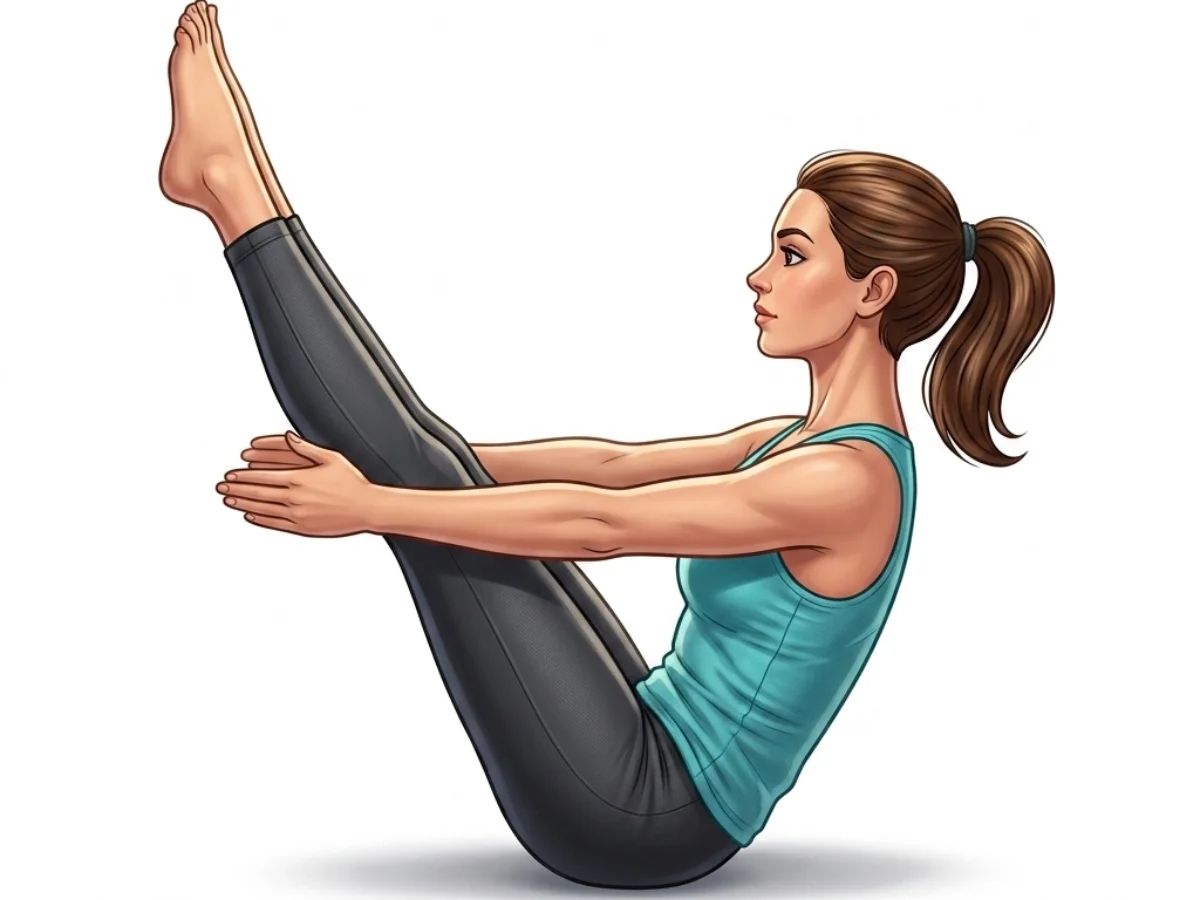
Boat Pose
NavasanaBuilds the core and hip flexor strength needed to lift the legs.
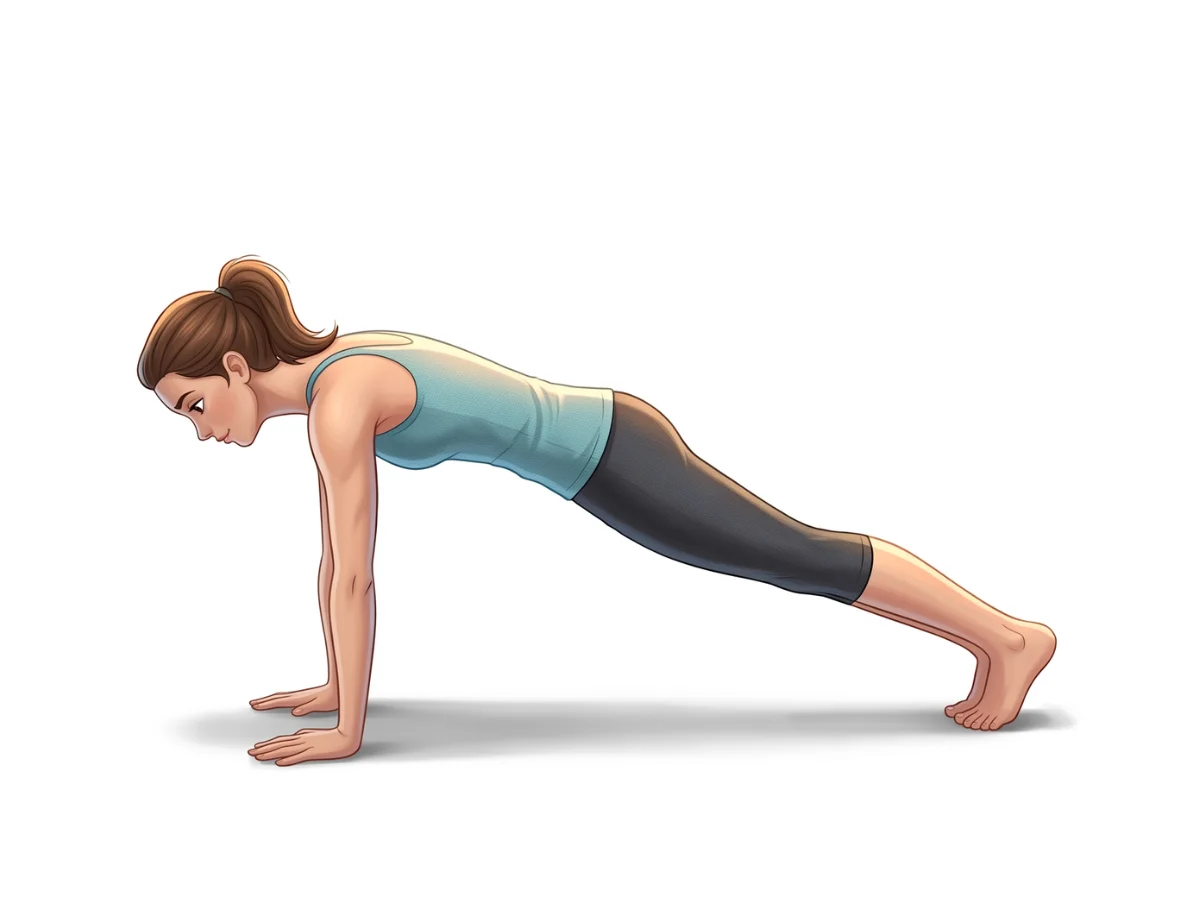
Plank Pose
PhalakasanaDevelops shoulder stability and arm strength for weight bearing.
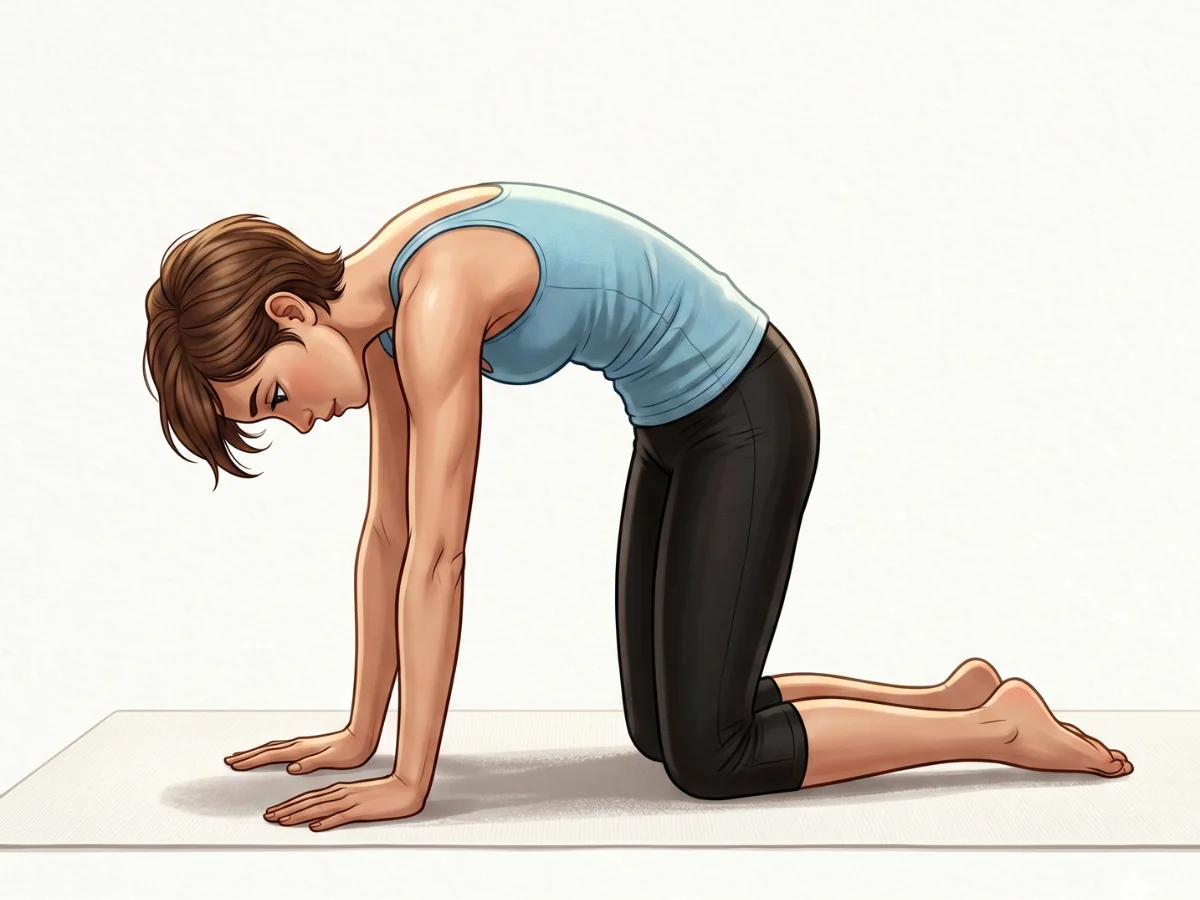
Cat Pose
MarjaryasanaTeaches the action of rounding the spine and engaging the serratus anterior.
Follow with neutralizing Counter-poses
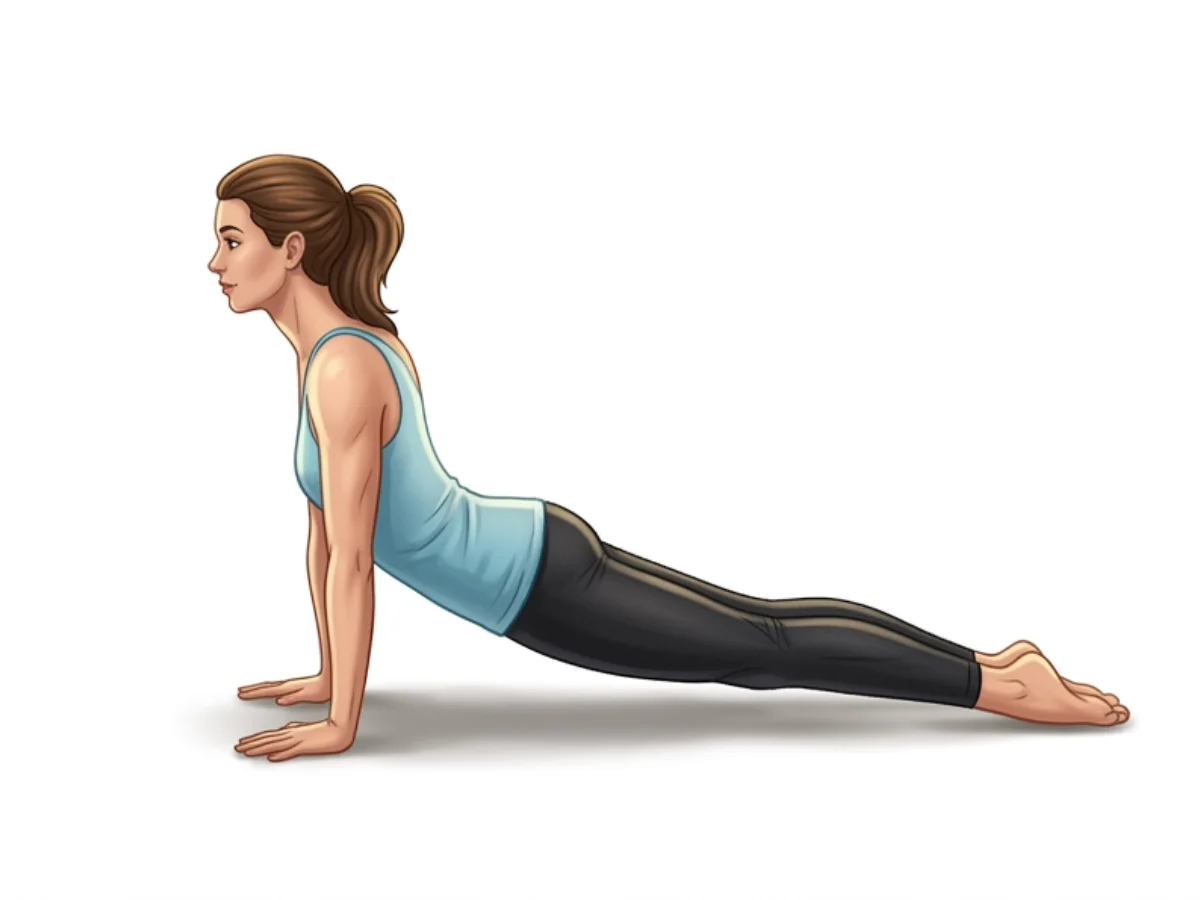
Upward-Facing Dog
Urdhva Mukha SvanasanaStretches the abdominal wall and opens the chest after intense contraction.
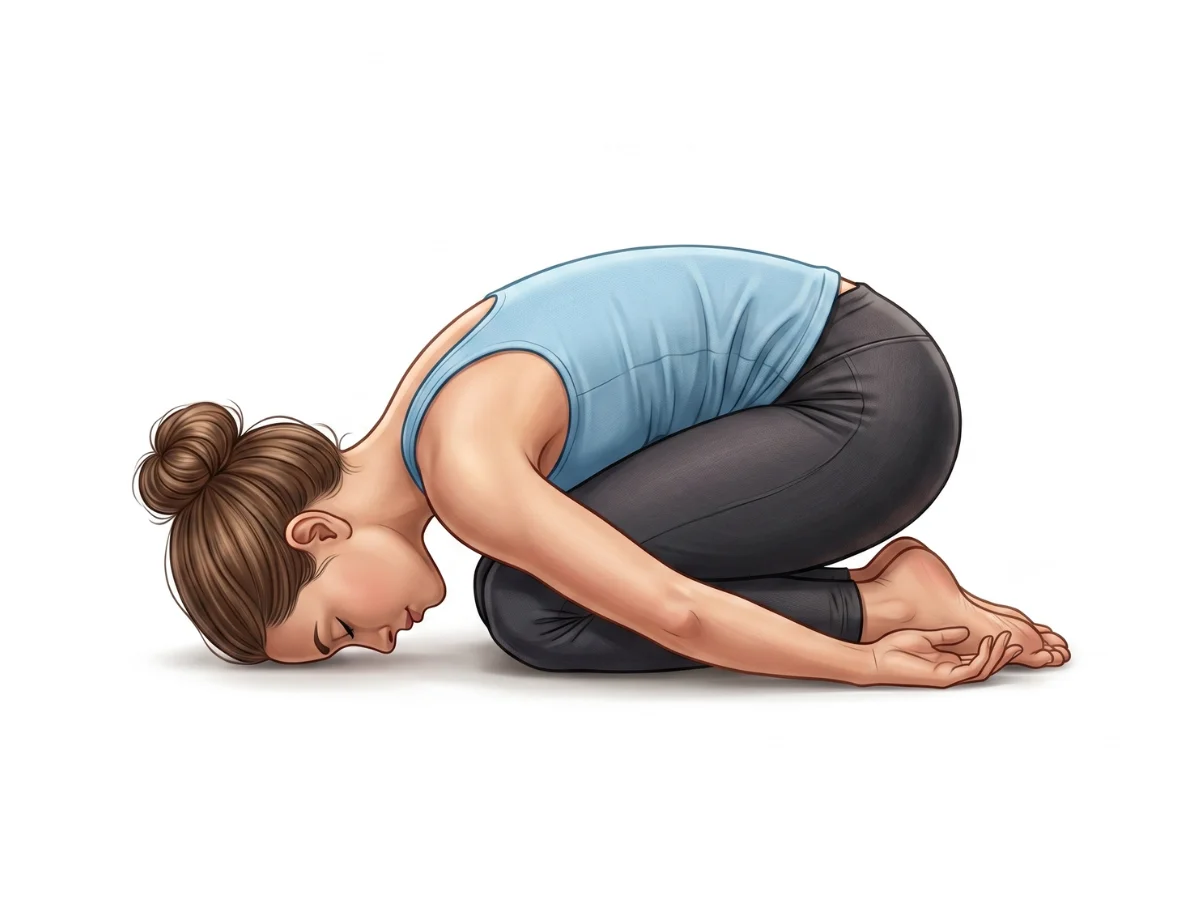
Child's Pose
BalasanaAllows the lower back, core, and wrists to rest and recover.
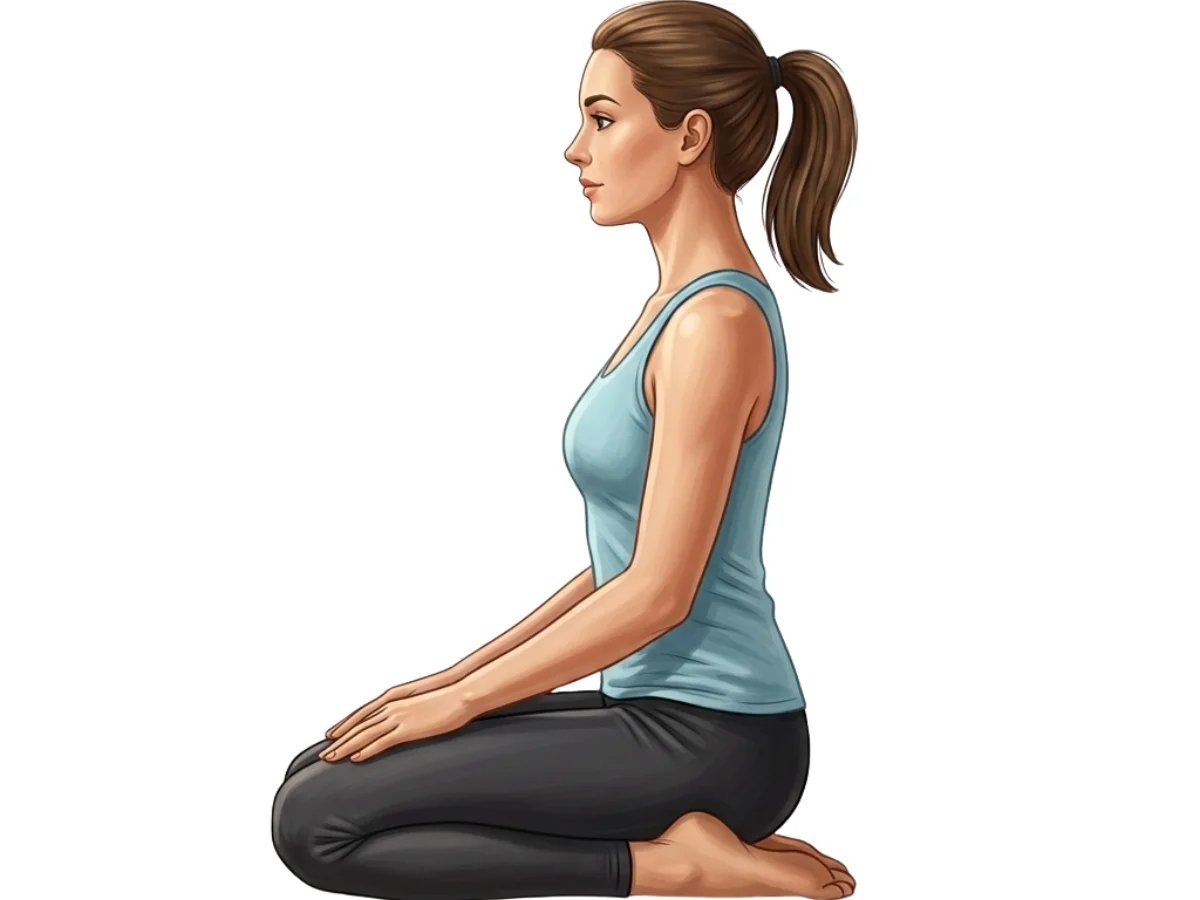
Hero Pose
VirasanaA gentle seated posture to realign the spine and relax the arms.
Frequently Asked Questions
Why can't I lift my feet off the floor?
Lifting the feet requires a combination of core strength and arm length. If your arms are proportionately shorter, use yoga blocks under your hands. Also, ensure you are rounding your back and pulling your knees up as high as possible.
My wrists hurt when I practice Lolasana. What can I do?
Always warm up your wrists before arm balances. Spread your fingers wide and press firmly through the finger pads to take some pressure off the heels of the hands. Practicing on blocks can also change the angle and reduce wrist strain.
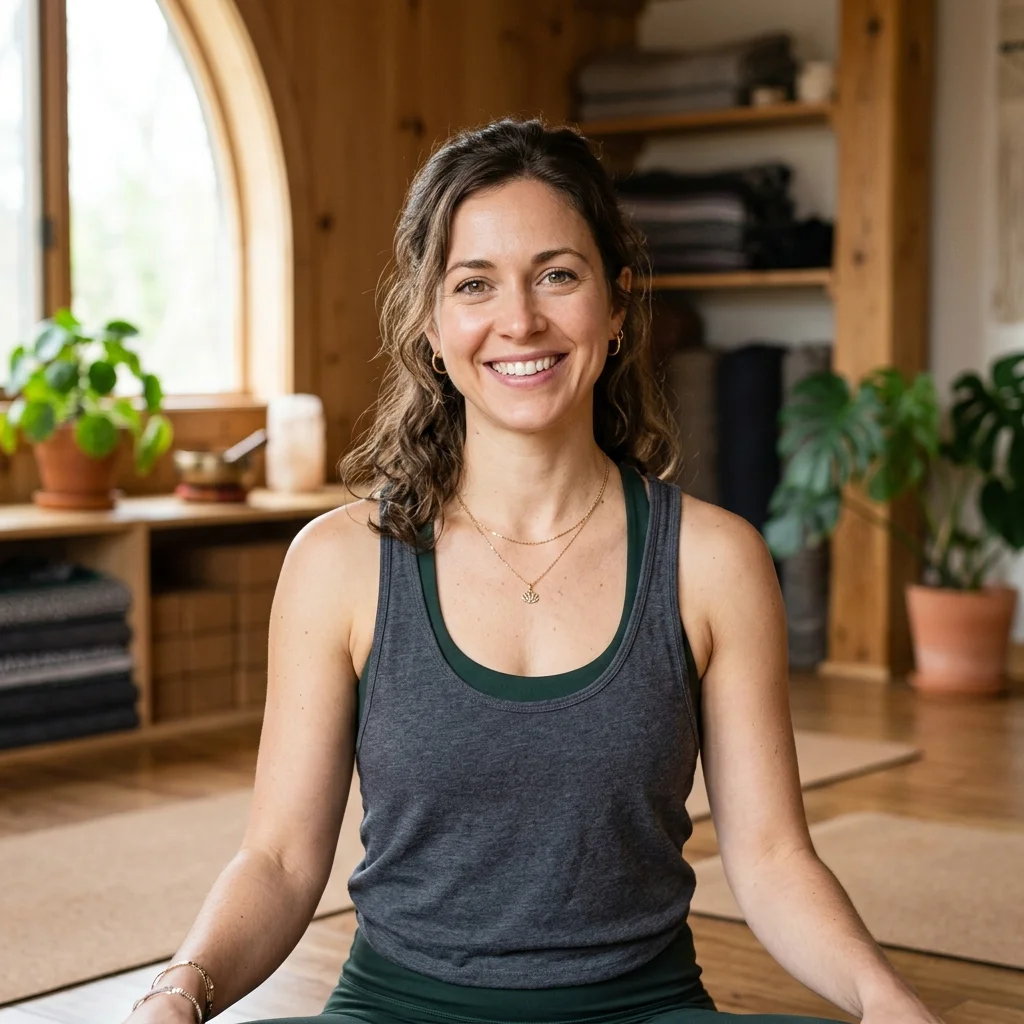
Elena Rostova is an accredited yoga educator and anatomy specialist with over 15 years of clinical experience. She focuses on functional biomechanics and injury prevention, translating complex anatomy into accessible guidance for safe, sustainable practice.
Read Full ProfileContinue Your Yoga Journey
Ready to deepen your practice? Explore our extensive library of poses, or join a structured program designed to build strength, flexibility, and mindfulness.