
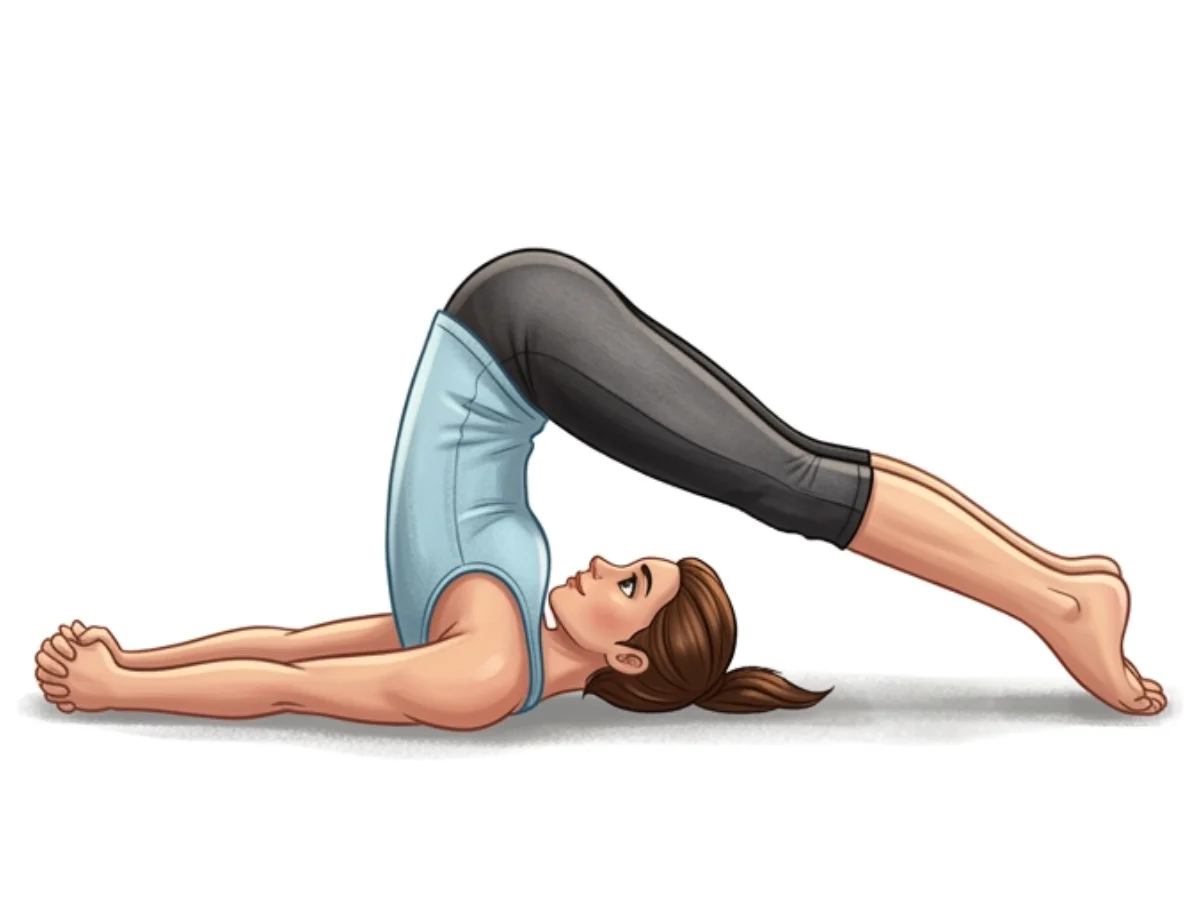
Plow
Halasana
By Elena Rostova Updated: verified Medically Reviewed
Plow Pose (Halasana) is a calming inversion that profoundly stretches the entire spine, shoulders, and hamstrings. Often performed near the end of a practice to prepare the body for relaxation, it resembles the shape of a traditional plow used in agriculture.
Hold Time
1�3 mins � 10�15 breaths
Pronunciation
hah-LAHS-anna
About Plow
Commonly practiced as Plow (Halasana), this dynamic posture is beautifully designed to help unlock tension. By gently focusing on neck & spine stretch, it actively stretches your muscles and builds heat. Consistent practice will actively assist in deep spine and neck stretch, helping you feel lighter and more balanced off the mat.
How to Practice
Starting Position
Lie flat on your back with your arms alongside your body, palms facing down. Bend your knees and place your feet flat on the floor.
Lift the Legs
Using your core strength, press into your palms and lift your legs up toward the ceiling until they are perpendicular to the floor.
Lift the Hips
Inhale, then exhale as you push into your hands to lift your hips off the floor. Swing your legs over your head, supporting your lower back with your hands if needed.
Toes to the Floor
Continue bringing your legs over your head until your toes touch the floor behind you. Keep your legs as straight as possible without locking the knees.
Shoulder Placement
Walk your hands down your back toward your shoulder blades for support, or clasp your hands together and extend your arms straight along the floor behind your back.
Neck Position
Tuck your chin slightly toward your chest, but keep a small space between your neck and the floor. Never turn your head side to side in this pose.
Hold and Breathe
Breathe deeply into your back body. Hold the pose for 1 to 3 minutes, focusing on releasing tension along the spine.
Release Safely
To exit, unclamp your hands and place your palms flat on the floor. Slowly roll your spine down onto the mat, vertebra by vertebra, using your core to control the descent. Let your legs lower gently to the floor.
Practice with the Yoga Timer
Keep track of your hold time and breath count for this pose.
Beginner Modifications & Prop Options
Yoga is a personal journey. These modifications and prop options allow you to adapt the pose to your current level of balance and flexibility, ensuring a safe and supportive practice.
Using a Chair for Support
Place a chair behind your head before you begin. As you bring your legs over, rest your toes on the seat of the chair instead of the floor.
Tip: Focus on alignment rather than depth.
Blanket Under Shoulders
Place one or two folded blankets under your shoulders, allowing your head to rest on the floor. This preserves the natural curve of the neck and reduces compression.
Tip: Focus on alignment rather than depth.
Bent Knees (Karnapidasana Prep)
If keeping the legs straight is too intense, allow your knees to bend and rest them lightly on your forehead or alongside your ears.
Tip: Focus on alignment rather than depth.
Benefits of Plow
Deep Spine and Neck Stretch
Provides an intense stretch to the erector spinae muscles and the cervical spine, increasing overall spinal mobility.
Calms the Nervous System
As an inversion and forward bend, it activates the parasympathetic nervous system, reducing stress and fatigue.
Stimulates Thyroid Gland
The chin lock position (Jalandhara Bandha) increases circulation to the thyroid, potentially balancing metabolism.
Stretches Shoulders and Hamstrings
Opens tight shoulders and provides a deep stretch along the entire back of the legs.
Aids Digestion
The compression of the abdomen massages digestive organs, which may help relieve gas and improve digestion.
Common Mistakes to Avoid
Mistake: Turning the Head
How to fix: Never look around while in Plow Pose. The neck is bearing weight in deep flexion; turning it can cause severe injury.
Mistake: Collapsing the Chest
How to fix: Roll your shoulders under you and lift your chest toward your chin. This keeps the airway open and supports the upper back.
Mistake: Forcing Toes to the Floor
How to fix: If your toes don't easily touch the floor, support your back with your hands and let your legs hover, or use a prop. Never force the stretch.
Safety and Precautions
Neck or Spine Injuries
Anyone with whiplash, cervical disc issues, or spinal instability should completely avoid this pose.
High Blood Pressure or Glaucoma
Inversions can dangerously increase pressure in the head and eyes.
Pregnancy
Inversions with deep abdominal compression are not recommended, especially in later stages.
Asthma
The chest compression may make breathing feel restricted for some individuals.
Medical Disclaimer: If you have any of the above conditions, consult your doctor or a qualified yoga instructor before attempting this pose.
Muscles Worked in Plow
Plow demands synchronized muscular effort, creating a profound sense of engagement and release throughout the body. The activation of the primary muscles supports the structure, while the secondary muscles provide stability and balance.
Primary Muscles
Erector Spinae
Stretched deeply along the entire length of the back.
Hamstrings
Lengthen as the legs are kept straight behind the head.
Rhomboids and Trapezius
Stretch as the shoulder blades pull apart if arms are reaching back.
Secondary Muscles
Core Muscles
Engage to control the lift into the pose and the slow descent out of it.
Neck Extensors
Experience a deep stretch as the chin tucks toward the chest.
Poses to Practice Before and After Plow
Prepare with these Poses
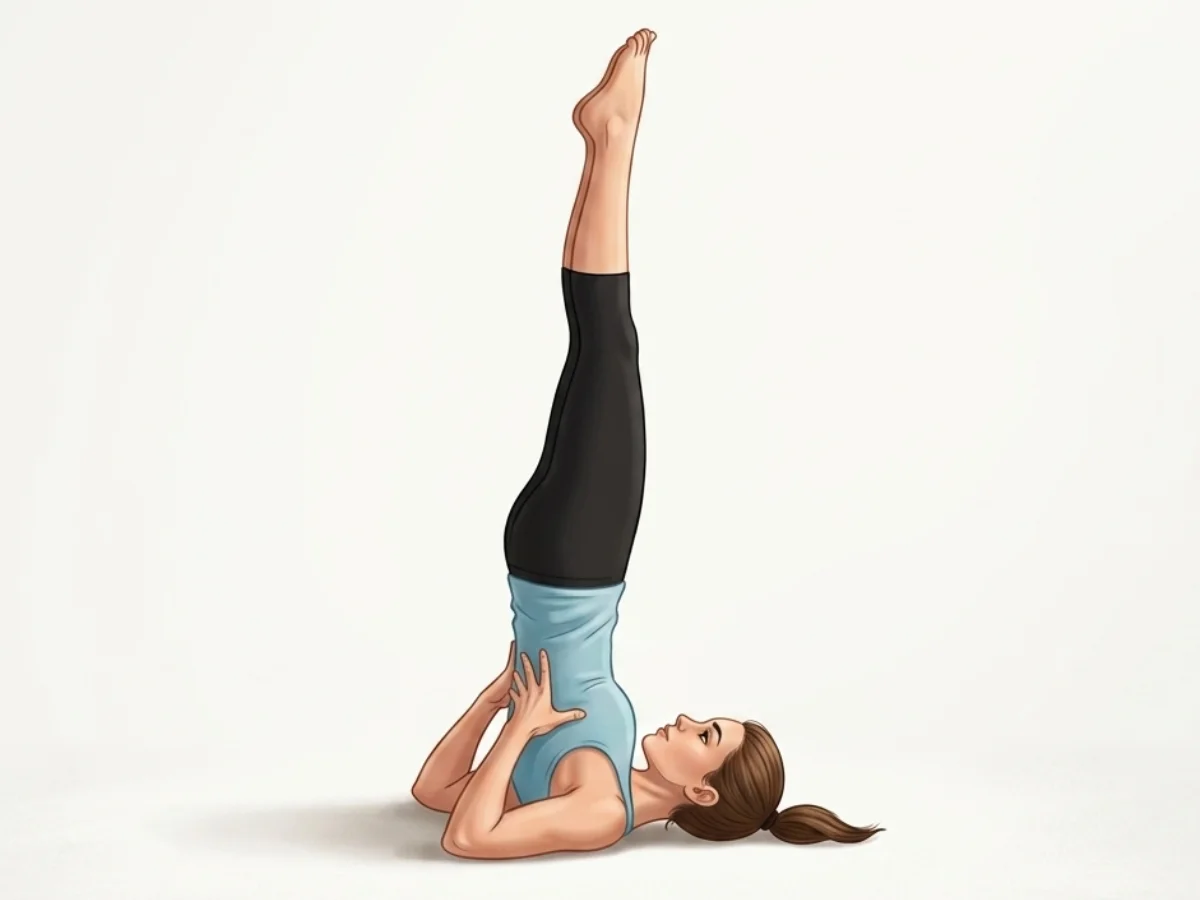
Supported Shoulderstand
Salamba SarvangasanaOften precedes Plow Pose, opening the neck and shoulders while inverted.
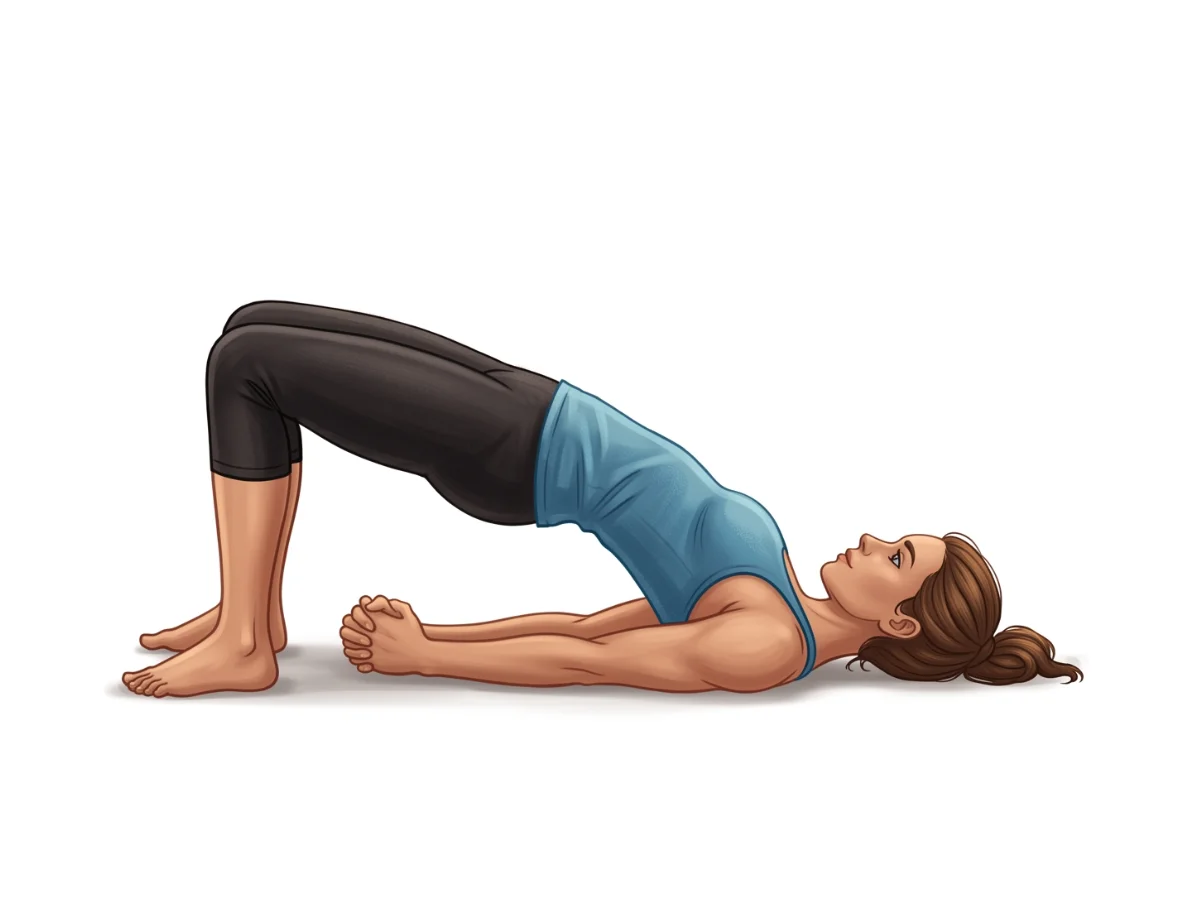
Bridge Pose
Setu BandhasanaWarms up the spine and stretches the neck in preparation.
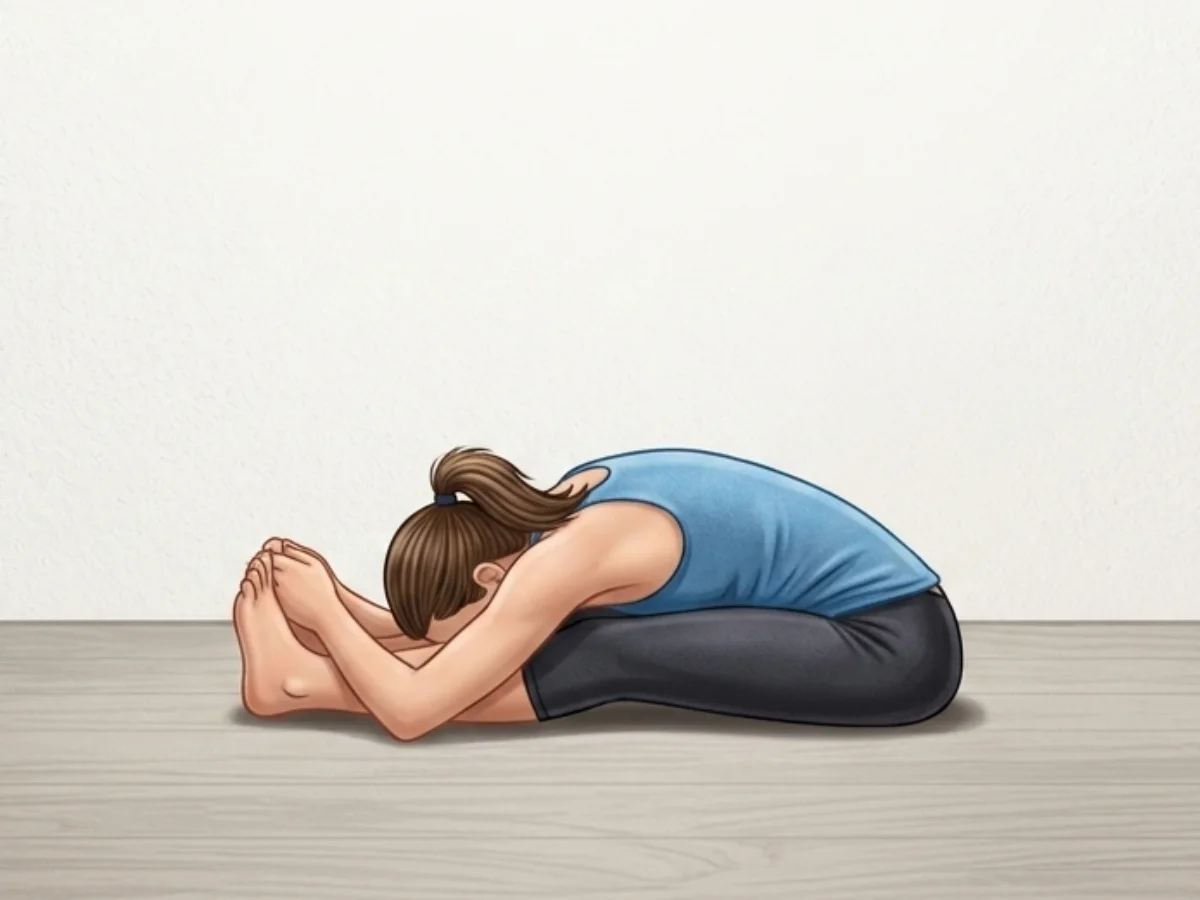
Seated Forward Bend
PaschimottanasanaStretches the hamstrings and entire back body actively before inverting.
Follow with neutralizing Counter-poses
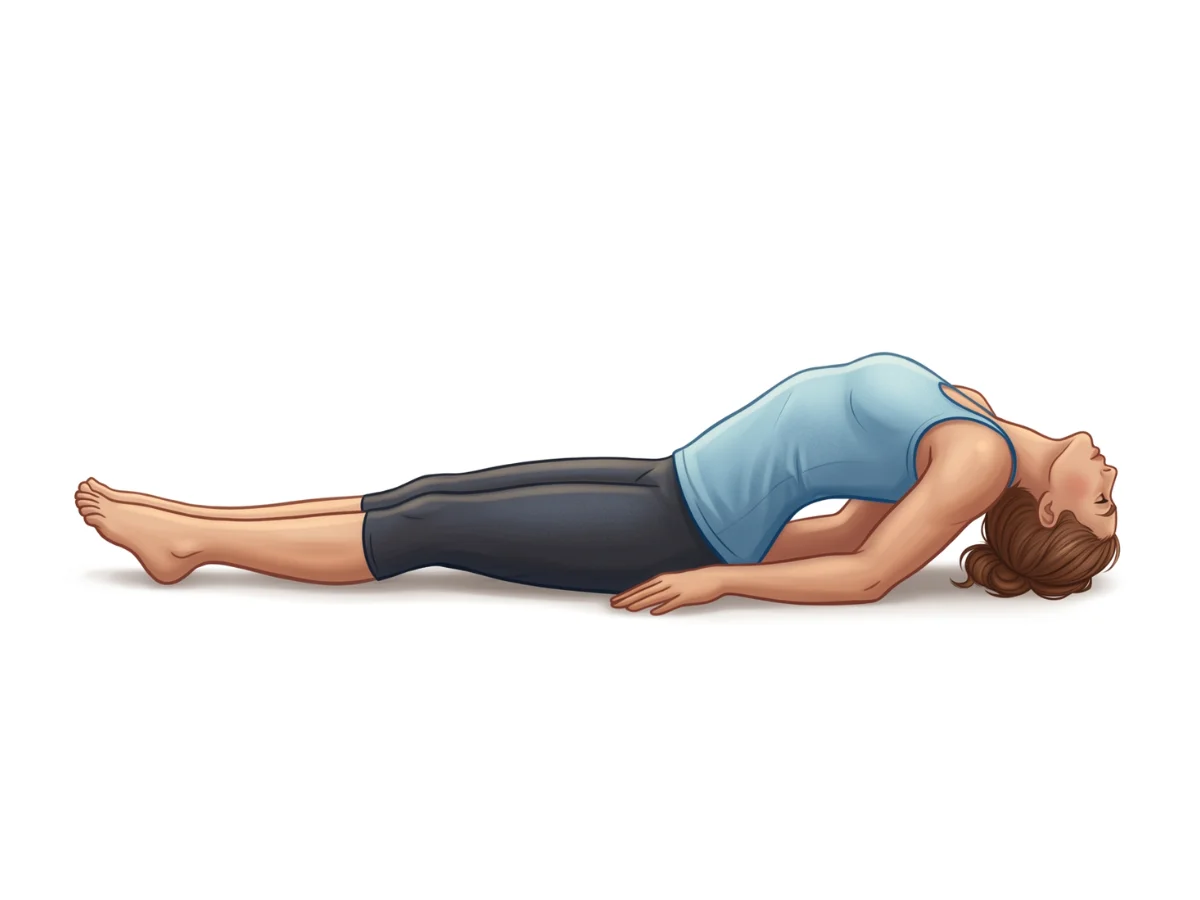
Fish Pose
MatsyasanaThe essential counter-pose; opens the chest and extends the neck, reversing the Plow flexion.
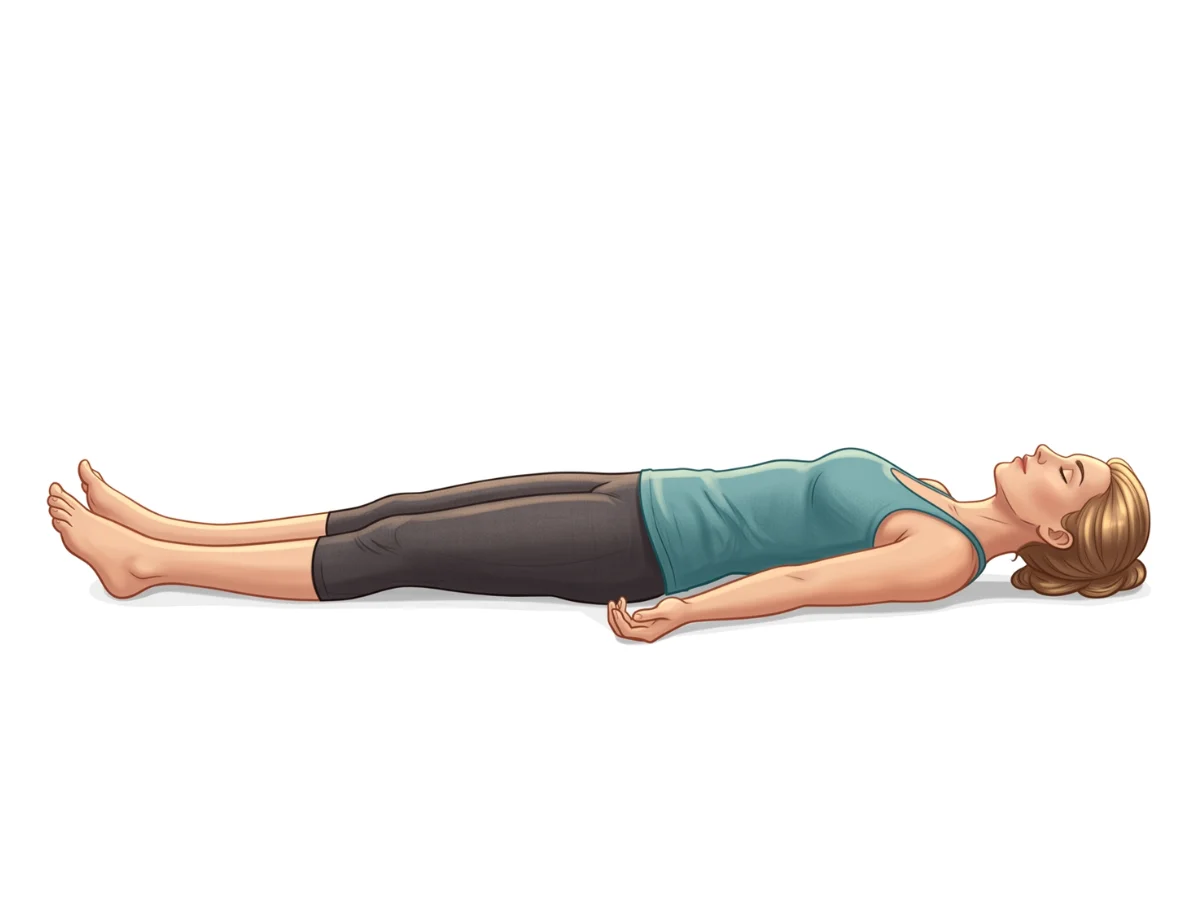
Corpse Pose
SavasanaAllows the spine and nervous system to completely neutralize and rest.
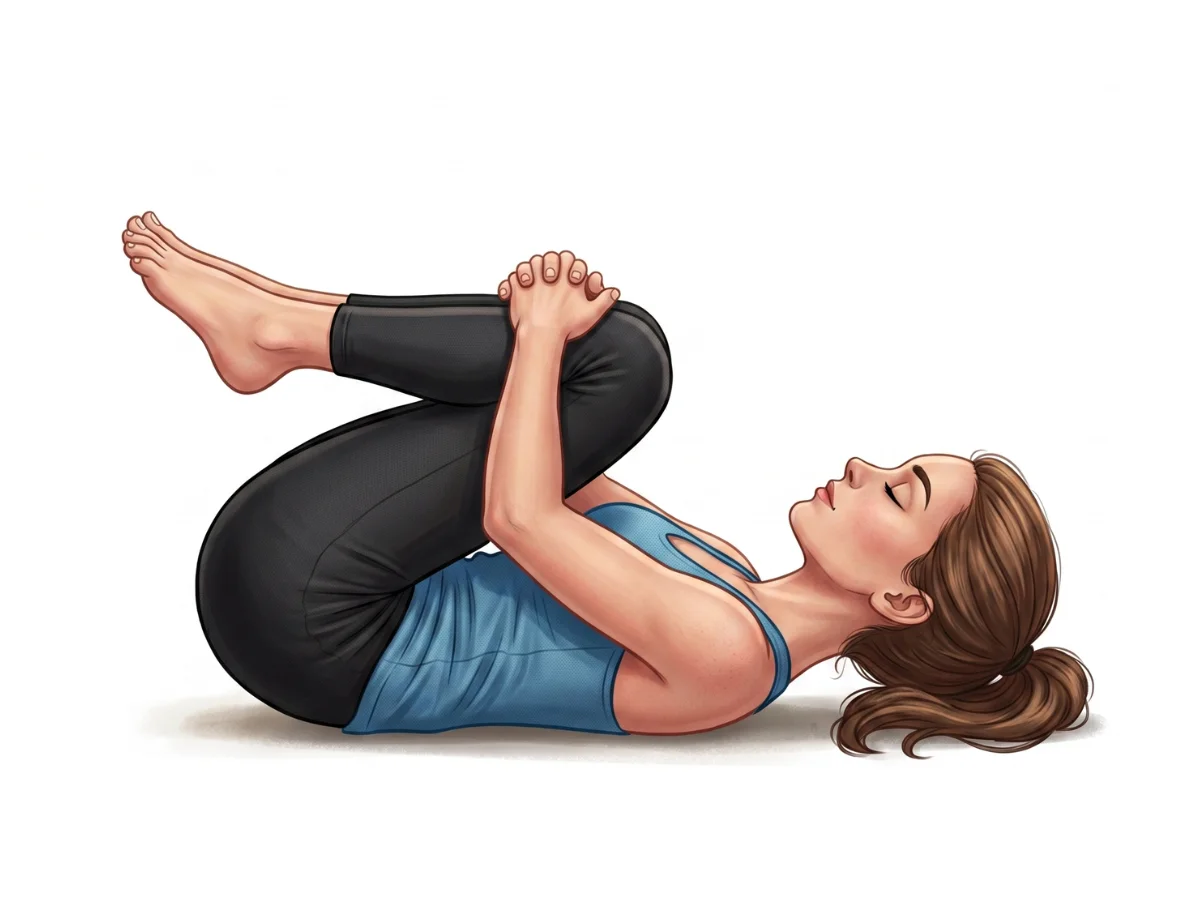
Wind-Relieving Pose
PawanmuktasanaGently massages the spine on the floor after rolling down from Plow.
Frequently Asked Questions
Is it bad if my toes don't touch the floor?
Not at all. Flexibility varies greatly. The goal is the spinal stretch, not touching the floor. Always support your back with your hands if your feet are floating, or use a chair to rest them on.
I feel choking sensation in my throat. Is this normal?
A slight constriction from the "chin lock" is normal, but you should not feel like you are choking. Ensure your chest is lifted and you are resting on your shoulders, not your neck. Using blankets under your shoulders often completely resolves this issue.
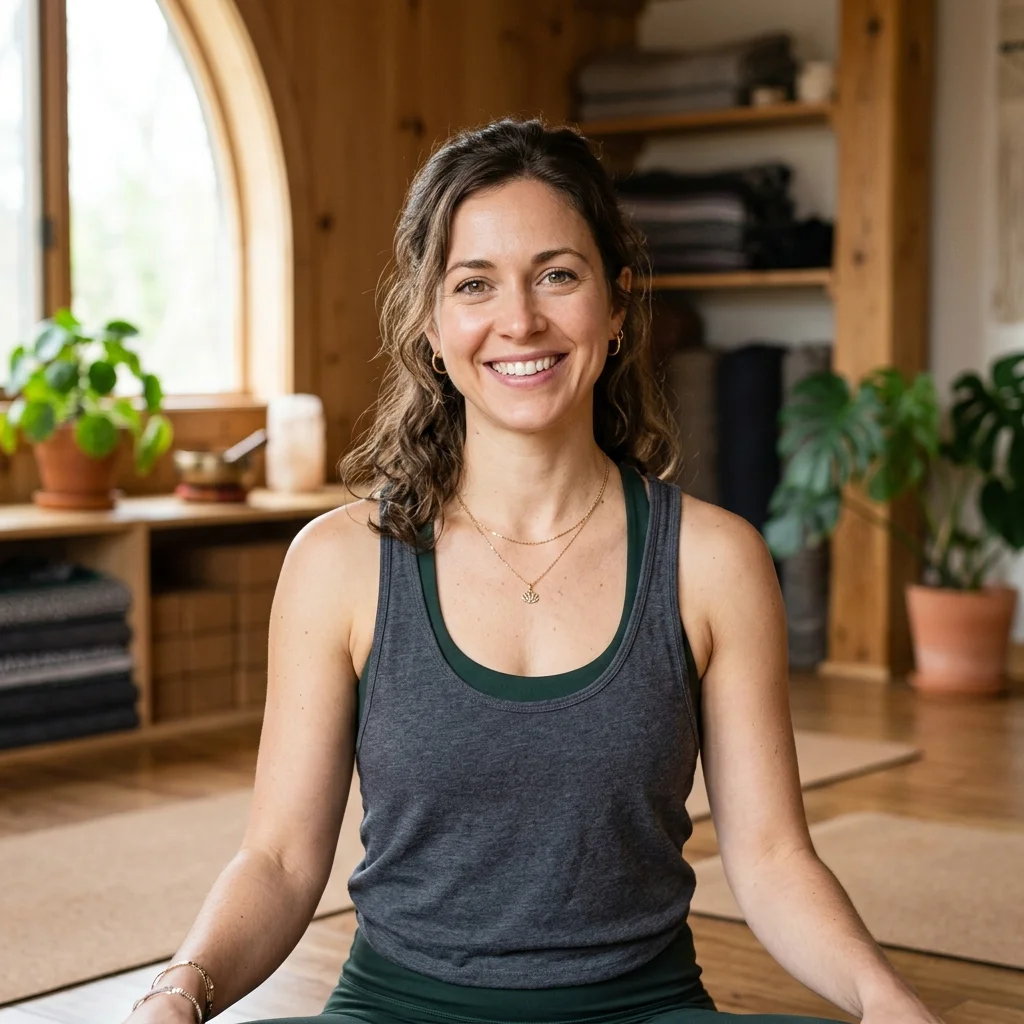
Elena Rostova is an accredited yoga educator and anatomy specialist with over 15 years of clinical experience. She focuses on functional biomechanics and injury prevention, translating complex anatomy into accessible guidance for safe, sustainable practice.
Read Full ProfileContinue Your Yoga Journey
Ready to deepen your practice? Explore our extensive library of poses, or join a structured program designed to build strength, flexibility, and mindfulness.