
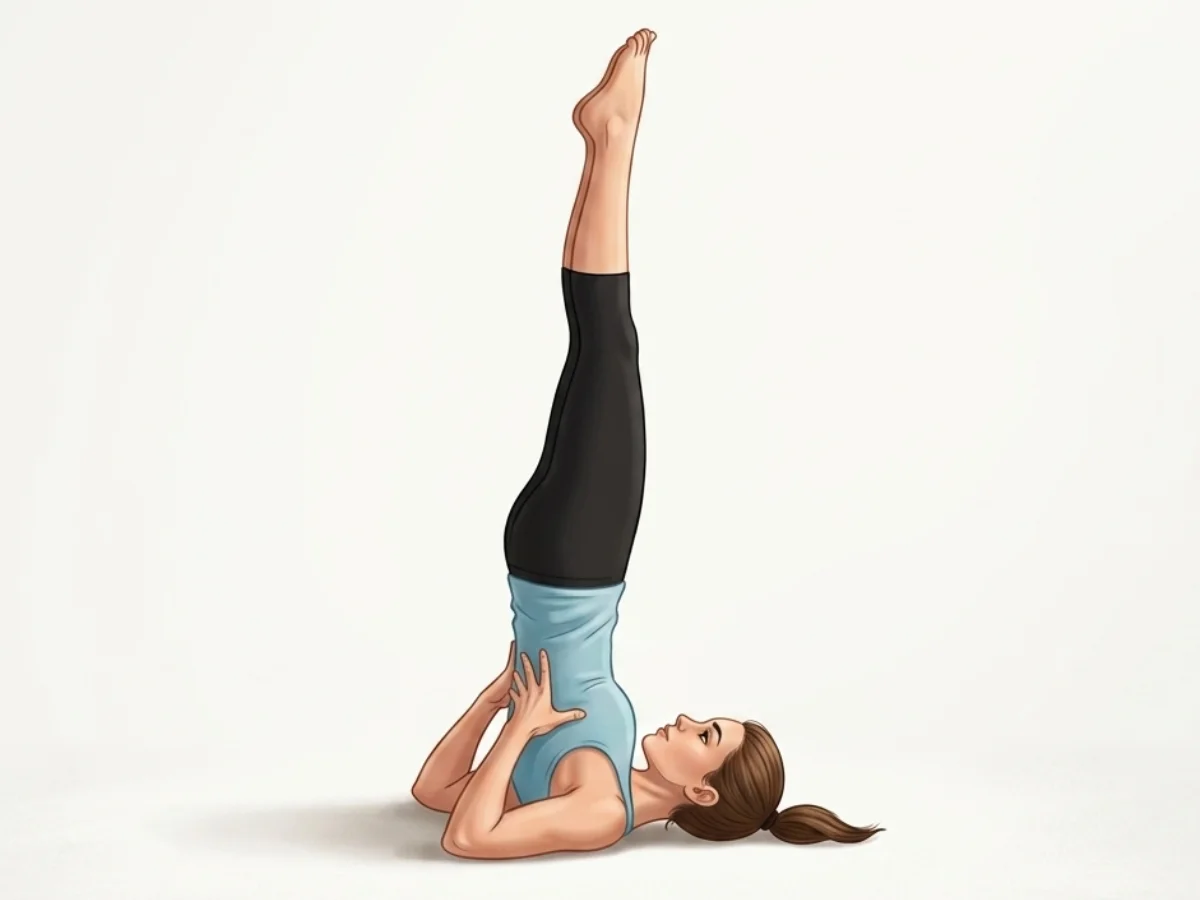
Supported Shoulder Stand
Salamba Sarvangasana
By Elena Rostova Updated: verified Medically Reviewed
Supported Shoulder Stand (Salamba Sarvangasana) is often called the "Mother of all Poses." It is a powerful inversion that cools the nervous system, stimulates the thyroid gland, and improves venous blood return. Proper setup with folded blankets is crucial for neck safety.
Hold Time
1–3 minutes · 10–30 breaths
Pronunciation
sah-LOM-bah sar-van-GAHS-anna
About Supported Shoulder Stand
Commonly practiced as Supported Shoulder Stand (Salamba Sarvangasana), this dynamic posture is beautifully designed to help unlock tension. It primarily targets the circulation & nervous system, helping to create length and strength exactly where you need it most. Practicing this pose regularly helps with calms the mind and leaves you feeling completely refreshed.
How to Practice
Prepare the Foundation
Place one or two neatly folded firm blankets on your mat. Lie on your back so your shoulders rest on the blankets and your head rests off the edge, flat on the floor.
Lift the Hips
Bend your knees and place your feet flat on the floor. Press into your arms and sweep your legs overhead, lifting your hips off the floor, moving into a temporary Plow Pose (Halasana).
Support the Back
Bend your elbows and place your hands on your lower to mid-back. Walk your hands as close to your shoulder blades as possible, keeping your elbows shoulder-width apart.
Extend the Legs
Inhale and lift your legs straight up toward the ceiling. Engage your core and inner thighs to keep the legs active and together.
Align the Body
Work toward stacking your hips over your shoulders and your feet over your hips, creating a straight vertical line.
Keep the Neck Safe
Keep your gaze fixed straight up at your toes. Never turn your head side to side. Maintain a slight space between your chin and chest.
Hold and Breathe
Hold the pose for 1 to 3 minutes, breathing smoothly and deeply. Allow the nervous system to settle.
Release with Control
To exit, lower your legs back overhead into Plow Pose. Release your arms to the floor and slowly roll your spine down vertebrae by vertebrae.
Practice with the Yoga Timer
Keep track of your hold time and breath count for this pose.
Beginner Modifications & Prop Options
Yoga is a personal journey. These modifications and prop options allow you to adapt the pose to your current level of balance and flexibility, ensuring a safe and supportive practice.
Use a Wall (Viparita Karani)
Instead of bearing weight on the shoulders, rest your hips on a bolster and extend your legs straight up a wall for similar restorative benefits.
Tip: Focus on alignment rather than depth.
Half Shoulder Stand (Viparita Karani variation)
Allow your hips to rest heavily in your hands with your legs at a slight angle over your face, reducing the stretch on the neck.
Tip: Focus on alignment rather than depth.
Benefits of Supported Shoulder Stand
Calms the Mind
Activates the parasympathetic nervous system, significantly reducing stress, anxiety, and mild depression.
Improves Circulation
Inverting the body allows venous blood to flow back to the heart effortlessly, relieving fatigued legs.
Stimulates the Thyroid
The chin lock (Jalandhara Bandha) created in this posture stimulates the thyroid and parathyroid glands.
Tones the Core
Maintaining a straight, vertical line requires sustained engagement of the deep abdominal muscles.
Common Mistakes to Avoid
Mistake: Looking Around
How to fix: Turning your head while bearing weight on the cervical spine can cause severe injury. Always look straight up.
Mistake: Elbows Splaying Wide
How to fix: If your elbows slide outward, you lose upper back support and stress the neck. Use a strap loop around the upper arms to keep them shoulder-width apart.
Safety and Precautions
Neck and Spine Injuries
Contraindicated for anyone with cervical spine issues, whiplash, or herniated discs.
High Blood Pressure and Glaucoma
Inversions increase pressure in the head and eyes.
Menstruation
Many traditional schools advise against inversions during menstruation due to energetic disruption.
Medical Disclaimer: If you have any of the above conditions, consult your doctor or a qualified yoga instructor before attempting this pose.
Muscles Worked in Supported Shoulder Stand
Supported Shoulder Stand demands synchronized muscular effort, creating a profound sense of engagement and release throughout the body. The activation of the primary muscles supports the structure, while the secondary muscles provide stability and balance.
Primary Muscles
Rectus Abdominis
Supports the vertical alignment of the pelvis and legs.
Triceps Brachii
Press firmly into the mat to bear the weight of the torso.
Erector Spinae
Lengthens and stabilizes the spine against gravity.
Secondary Muscles
Gluteus Maximus
Tones slightly to keep the hips extended over the shoulders.
Adductor Longus
Hugs the inner thighs together.
Poses to Practice Before and After Supported Shoulder Stand
Prepare with these Poses
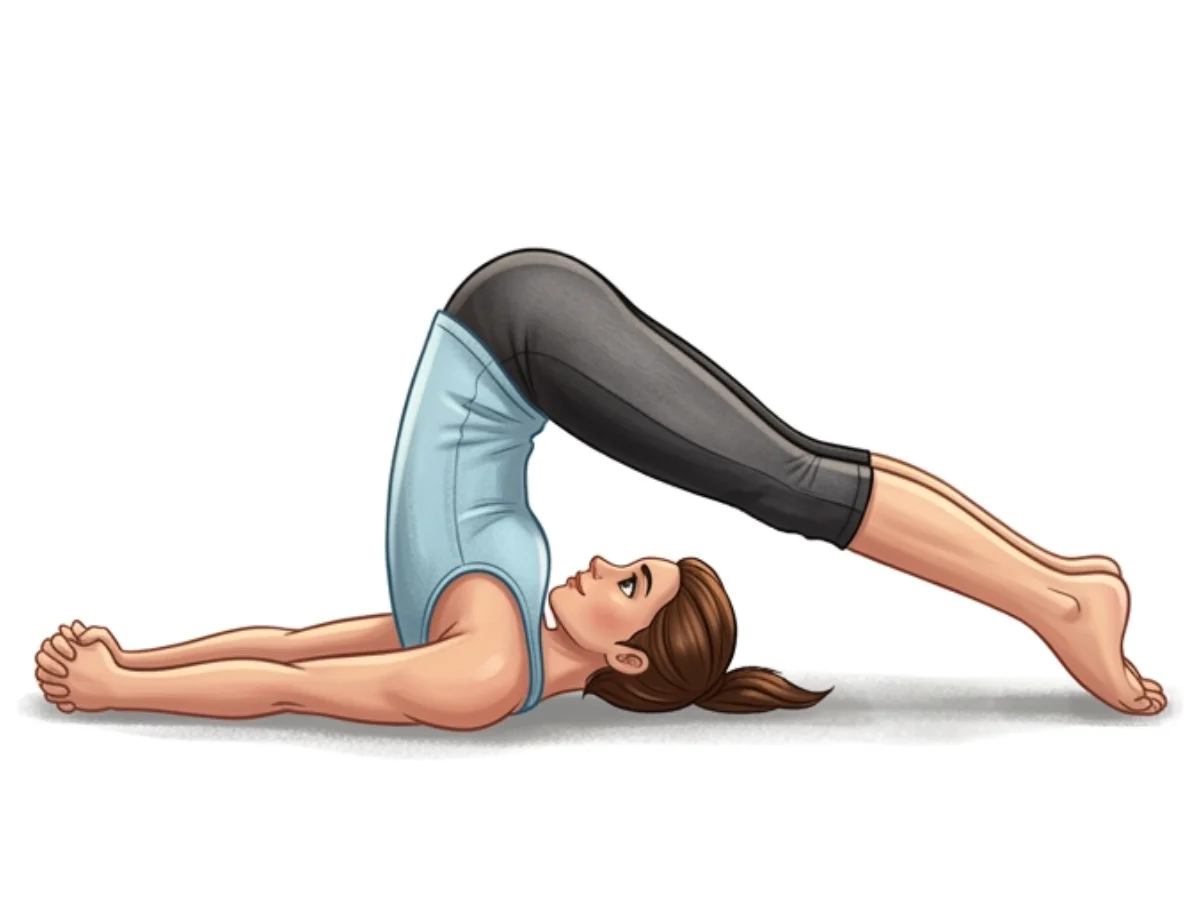
Plow Pose
HalasanaPrepares the neck and shoulders, and serves as the entry and exit posture.
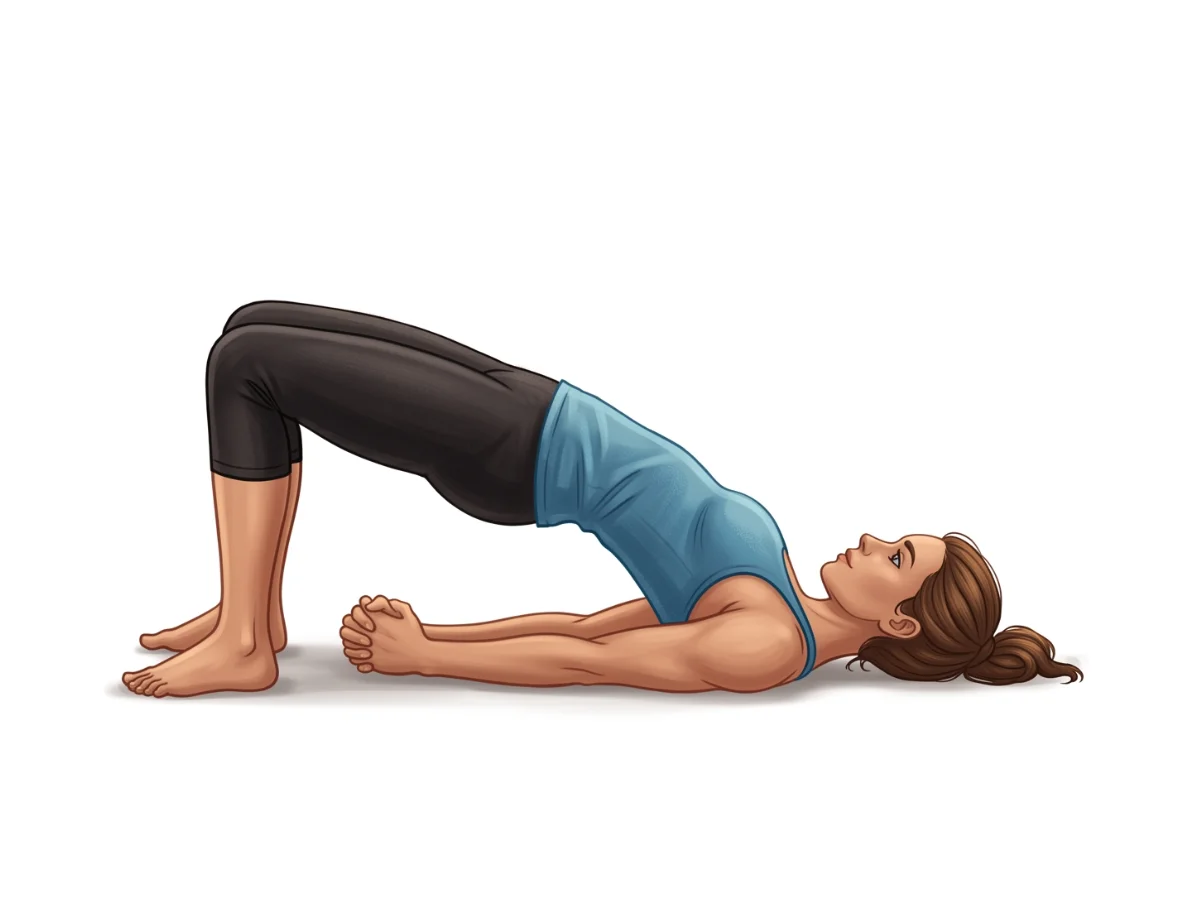
Bridge Pose
Setu BandhasanaOpens the chest and shoulders, preparing the cervical spine for flexion.
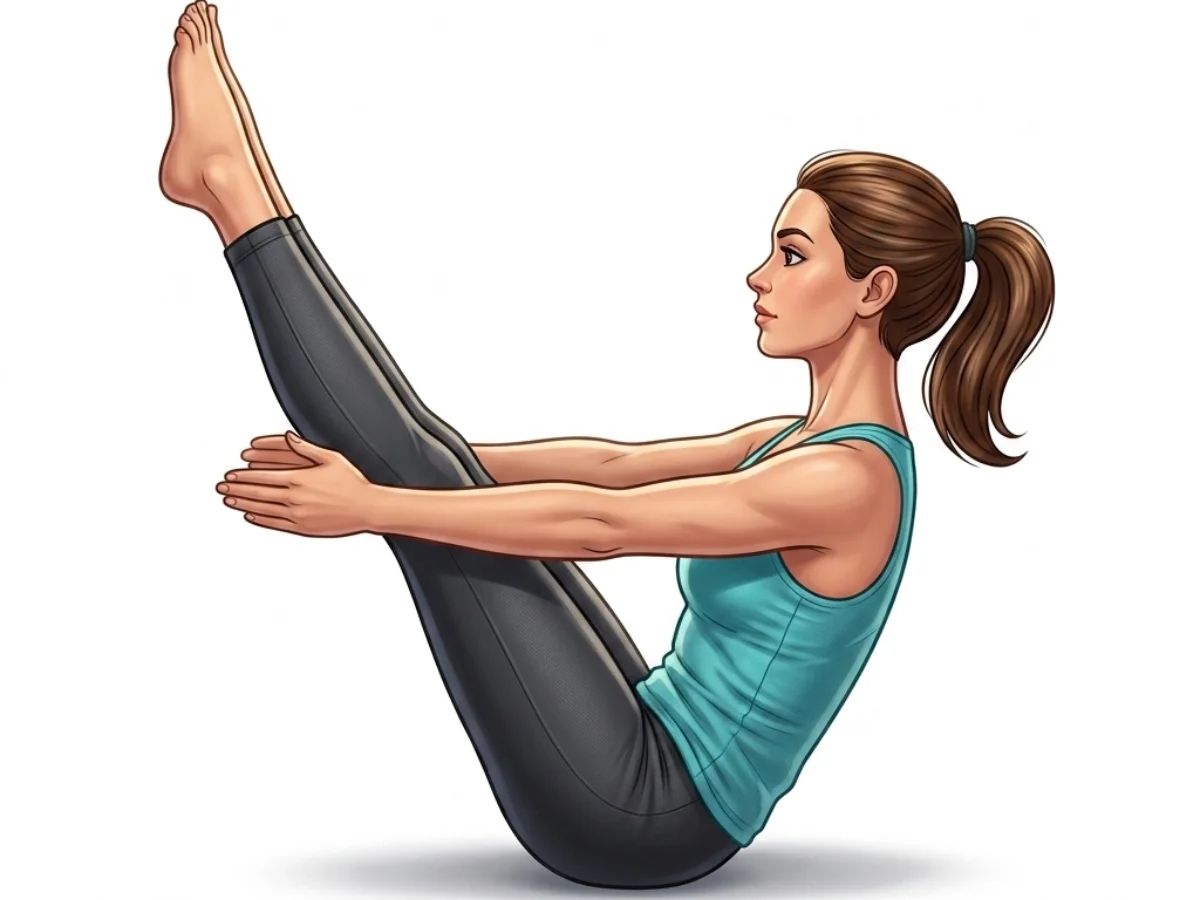
Boat Pose
NavasanaActivates the core strength needed to lift and hold the legs vertically.
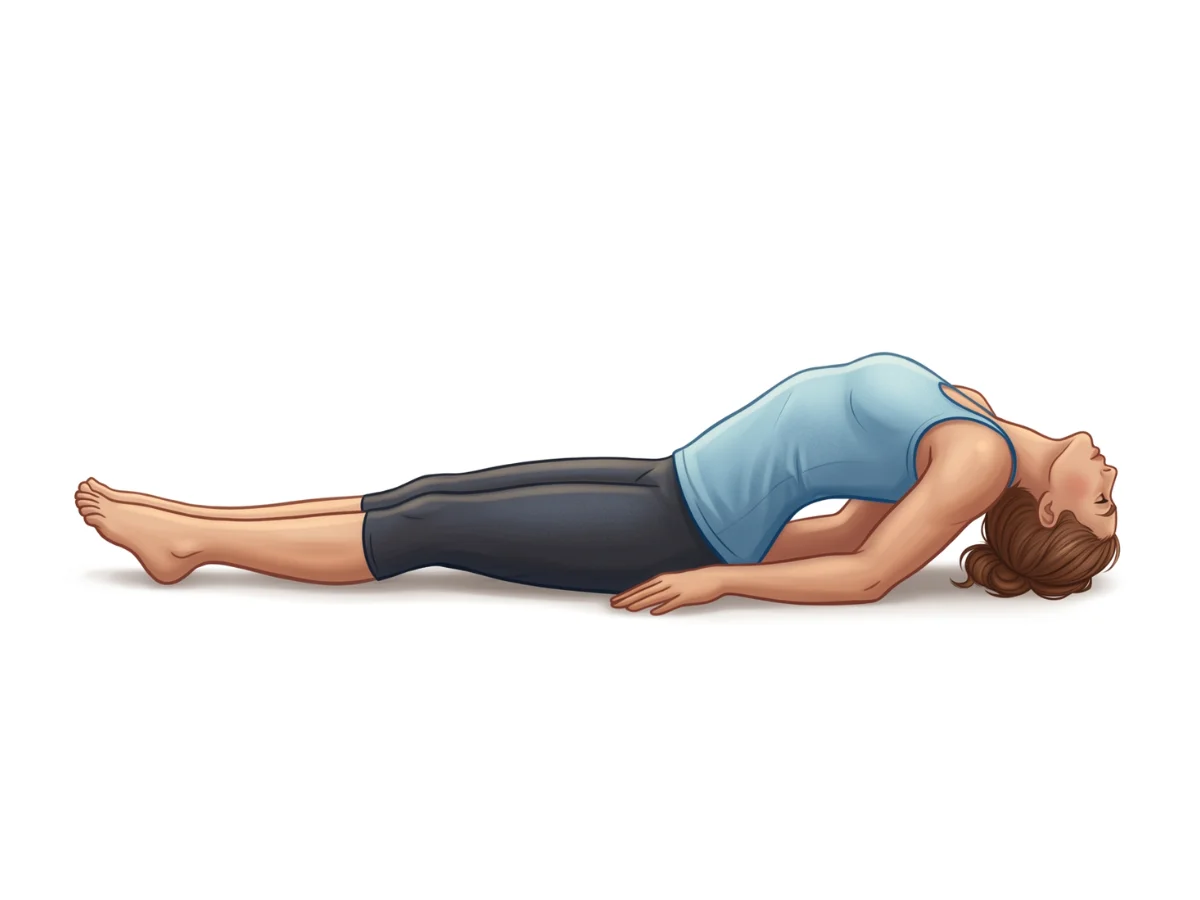
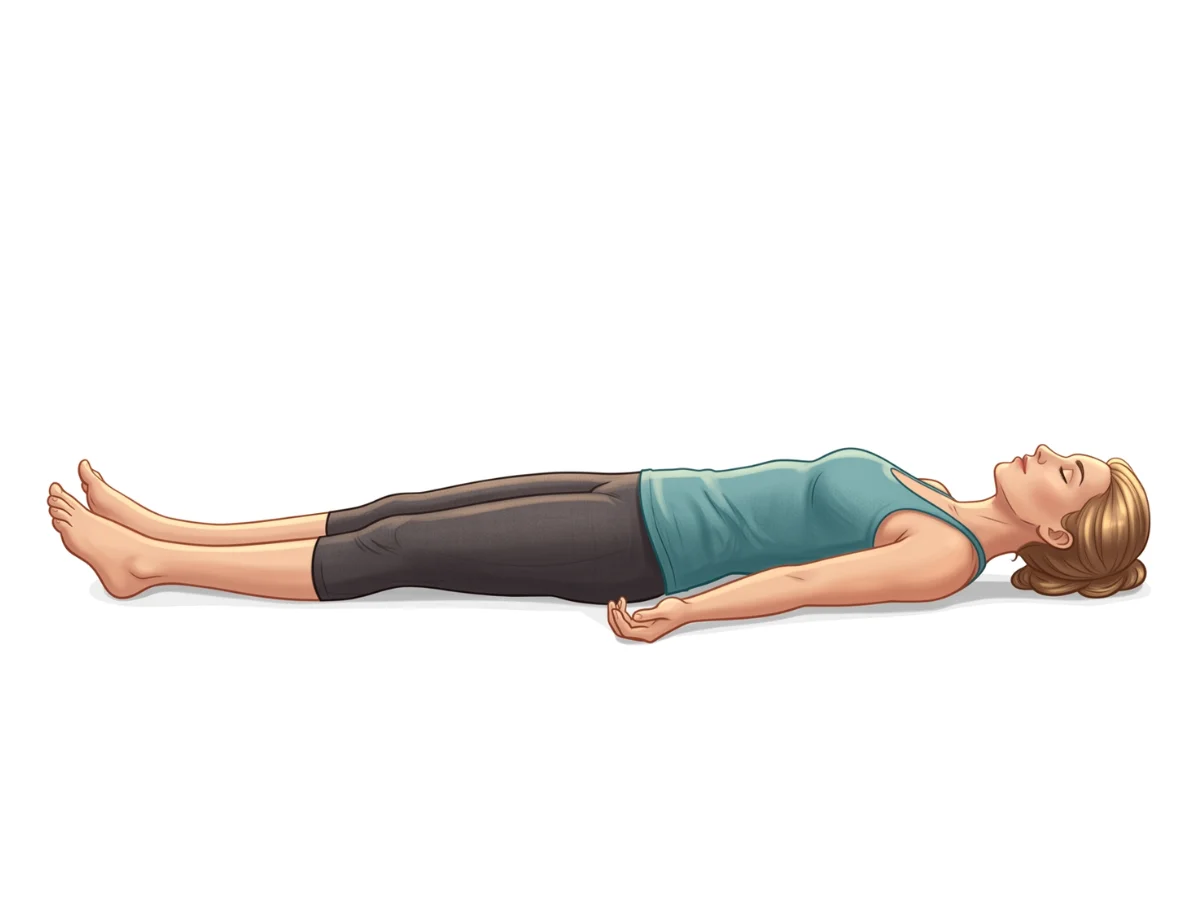
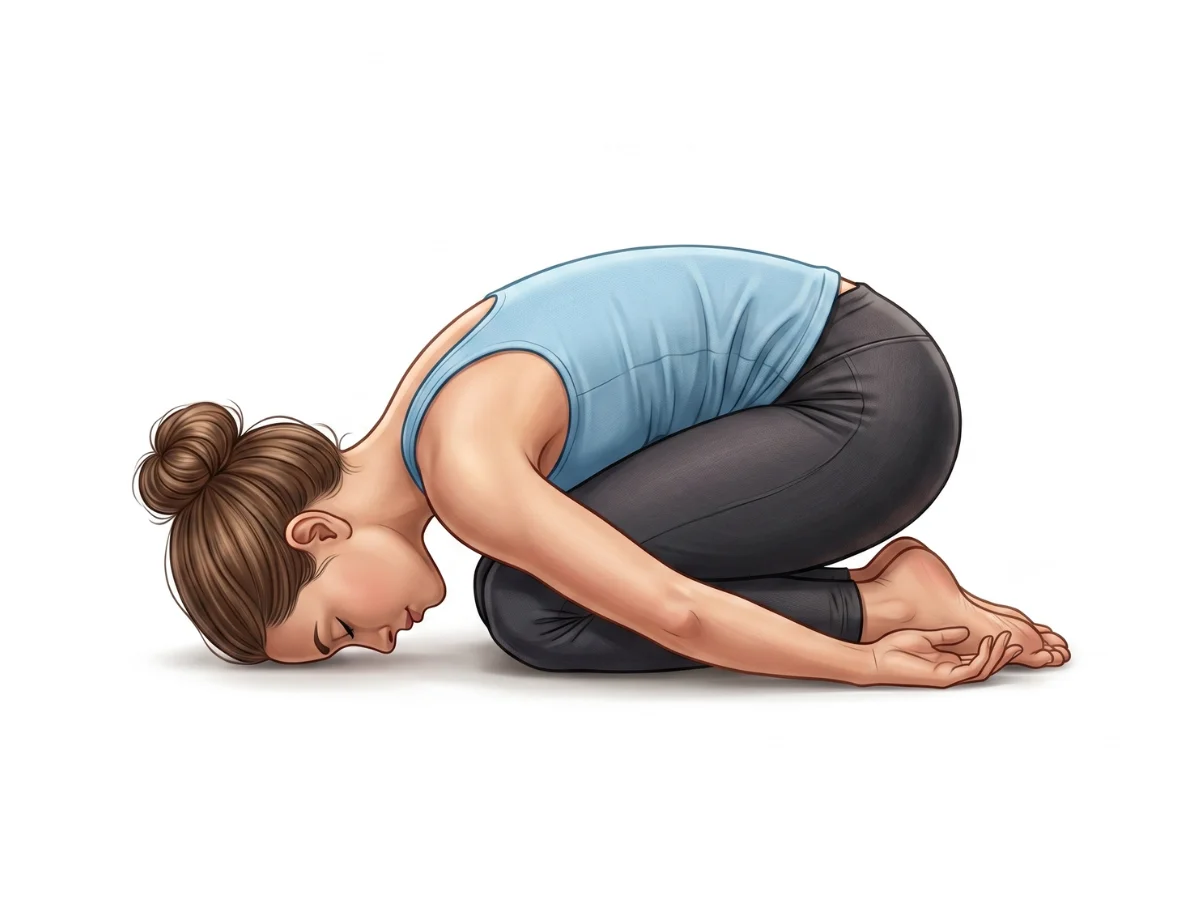
Follow with neutralizing Counter-poses
Frequently Asked Questions
Are blankets really necessary for Shoulder Stand?
Yes. Practicing directly on a flat floor flattens the natural cervical curve (neck) and compresses the cervical discs. Blankets elevate the shoulders, allowing the neck to maintain a healthy curve.
Why do my hands get tired holding up my back?
This often means your elbows are too wide, or you are not engaging your core enough. Pressing the backs of your upper arms down firmly and engaging the abdomen takes the pressure off the hands.
Elena Rostova is an accredited yoga educator and anatomy specialist with over 15 years of clinical experience. She focuses on functional biomechanics and injury prevention, translating complex anatomy into accessible guidance for safe, sustainable practice.
Read Full ProfileContinue Your Yoga Journey
Ready to deepen your practice? Explore our extensive library of poses, or join a structured program designed to build strength, flexibility, and mindfulness.