
Sage Marichi's II
Marichyasana II
By Elena Rostova Updated: verified Medically Reviewed
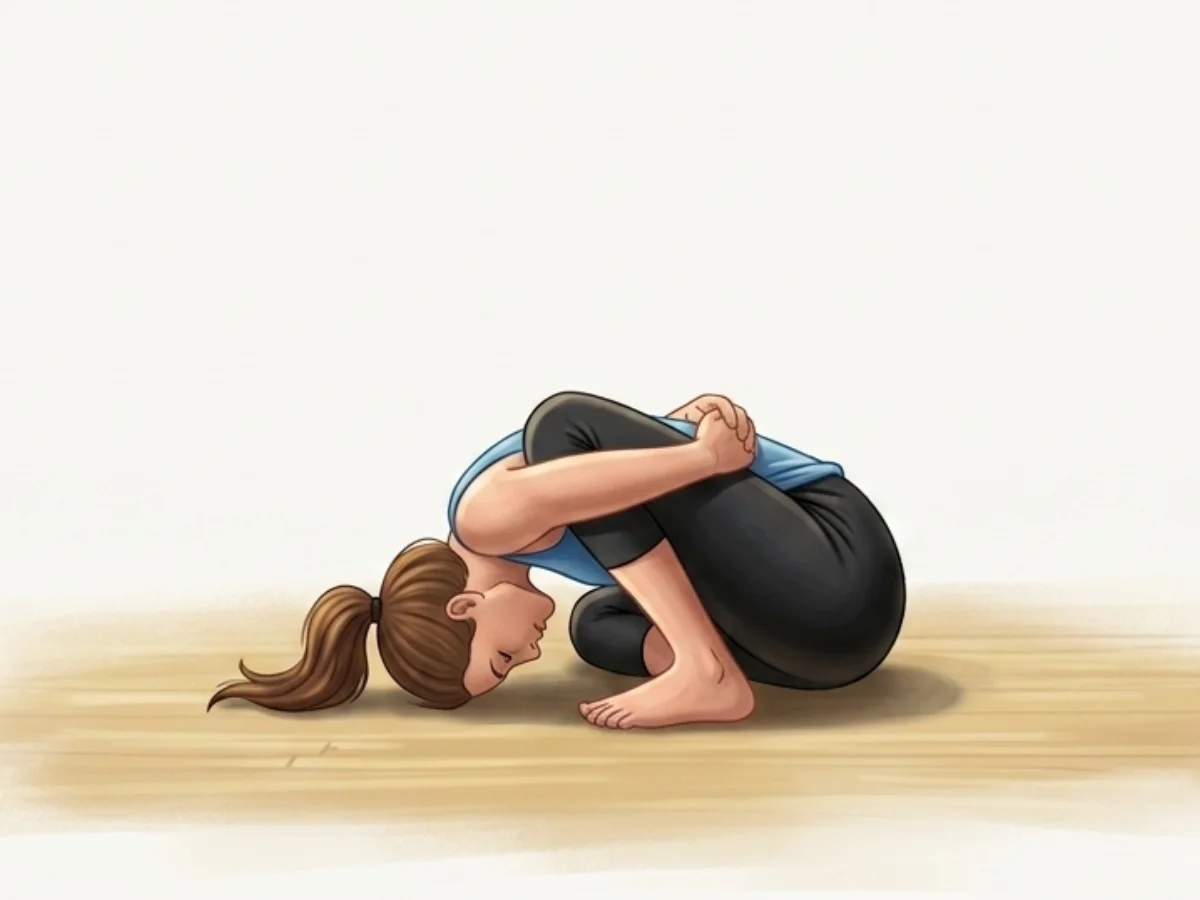
Sage Marichi's Pose II (Marichyasana II or Marichyasana B) is an advanced seated forward fold that combines deep hip opening with intense shoulder binding. Building upon Marichyasana I, this variation places the non-binding leg into Half Lotus position before folding forward. It intensely stretches the outer hips and knees, massages the abdominal organs, and demands exceptional mobility in the hips, ankles, and shoulders.
Hold Time
30–60 sec · 5–10 breaths
Pronunciation
mah-ree-chee-AHS-anna two
About Sage Marichi's II
Named in honor of early yogic wisdom, Sage Marichi's II (Marichyasana II) is a historical posture that challenges the modern body. By gently focusing on hip opening & shoulder binding, it actively stretches your muscles and builds heat. Ultimately, it is a fantastic pose for deep hip opening, leaving you with a profound sense of grounded energy.
How to Practice
Starting Position
Begin seated on your mat in Staff Pose (Dandasana) with your legs extended forward and your spine tall.
Half Lotus Position
Bend your left knee, externally rotate the hip, and carefully place your left foot onto the crease of your right hip to find Half Lotus (Ardha Padmasana). Ensure the left knee rests comfortably toward the floor.
Bend the Right Knee
Bend your right knee and place the right foot flat on the floor, bringing the heel close to your right sitting bone. Your right knee will point straight up toward the ceiling.
Reach Forward
Inhale and reach your right arm forward on the inside of your right thigh, lengthening your torso forward over your folded left leg.
Internal Rotation
Internally rotate the right arm (thumb points down) and sweep it around the front of your right shin, reaching back around the outside of your right hip.
Create the Bind
Reach your left arm behind your back. Clasp your left wrist with your right hand, or interlace your fingers. Use a strap if your hands do not reach.
Lengthen the Spine
Inhale deeply to lift your chest slightly, looking forward and finding length from your tailbone through the crown of your head.
Fold Forward
Exhale to fold forward, aiming to bring your chin or forehead toward the mat. Maintain the compression of your right thigh against your torso.
Hold and Breathe
Stay in the pose for 5 to 10 deep breaths. With each exhale, allow the body to sink deeper into the fold.
Release
Inhale to lift the torso. Exhale to gently release the bind. Carefully extend both legs back out to Staff Pose, then repeat on the opposite side.
Practice with the Yoga Timer
Keep track of your hold time and breath count for this pose.
Beginner Modifications & Prop Options
Yoga is a personal journey. These modifications and prop options allow you to adapt the pose to your current level of balance and flexibility, ensuring a safe and supportive practice.
Elevate the Hips
Sit on a folded blanket or block. Elevating hips makes it easier to fold forward and takes pressure off the knee joint in Half Lotus.
Tip: Focus on alignment rather than depth.
Use a Strap for the Bind
Hold a strap in the hand wrapping around the knee and grab the other end with the opposite hand. Do not force the bind.
Tip: Focus on alignment rather than depth.
Skip Half Lotus
Cross the left ankle underneath the right thigh, resting the outer foot edge on the floor instead of the hip crease if Half Lotus causes knee pain.
Tip: Focus on alignment rather than depth.
Benefits of Sage Marichi's II
Deep Hip Opening
The Half Lotus leg provides an intense stretch to the glutes, piriformis, and external rotators of the hip.
Stimulates Digestion
The heel of the Half Lotus foot intensely massages the lower abdomen and digestive organs as you fold forward.
Increases Shoulder Mobility
Reaching and binding the arms stretches the deltoids, pectorals, and intercostal muscles.
Strengthens Knee Joints
When performed with correct alignment, it helps improve the flexibility and resilience of the ligaments surrounding the knees.
Calms the Nervous System
Like all deep forward folds, it encourages an inward focus, helping to reduce stress, anxiety, and mental fatigue.
Common Mistakes to Avoid
Mistake: Forcing Half Lotus
How to fix: Always ensure the rotation comes from the hip joint, not the knee. If the knee feels twisted, back out of the pose immediately.
Mistake: Lifting the Sitting Bones
How to fix: Actively root both sitting bones into the mat, modifying the depth of the fold if necessary to keep them grounded.
Mistake: Rounding the Upper Back
How to fix: Focus on moving the heart forward toward the front of the mat rather than forcing the head down toward the floor.
Safety and Precautions
Knee Injuries
The Half Lotus position places significant torque on the knee joint. Anyone with a history of meniscus tears or ligament damage should avoid this variation.
Hip Replacements or Severe Hip Issues
The extreme external rotation required is generally unsafe for artificial hips or severe arthritis.
Shoulder Injuries
The bind demands intense internal rotation. Avoid if experiencing rotator cuff injuries or shoulder impingement.
Pregnancy
The intense abdominal compression makes this pose unsafe after the first trimester.
Sciatica
The deep forward fold combined with hip rotation can aggravate the sciatic nerve.
Medical Disclaimer: If you have any of the above conditions, consult your doctor or a qualified yoga instructor before attempting this pose.
Muscles Worked in Sage Marichi's II
Sage Marichi's II demands synchronized muscular effort, creating a profound sense of engagement and release throughout the body. The activation of the primary muscles supports the structure, while the secondary muscles provide stability and balance.
Primary Muscles
Piriformis & Gluteus Medius
Stretch deeply in the leg that is in Half Lotus.
Erector Spinae
Lengthen to facilitate the forward fold over the legs.
Anterior Deltoids
Stretch as the arms internally rotate to find the bind.
Secondary Muscles
Pectoralis Major
Stretches across the chest to allow the bind.
Hip Flexors
Engage to hold the upright knee tight to the torso.
Abdominal Muscles
Compress and tone as they press against the thigh and heel.
Poses to Practice Before and After Sage Marichi's II
Prepare with these Poses
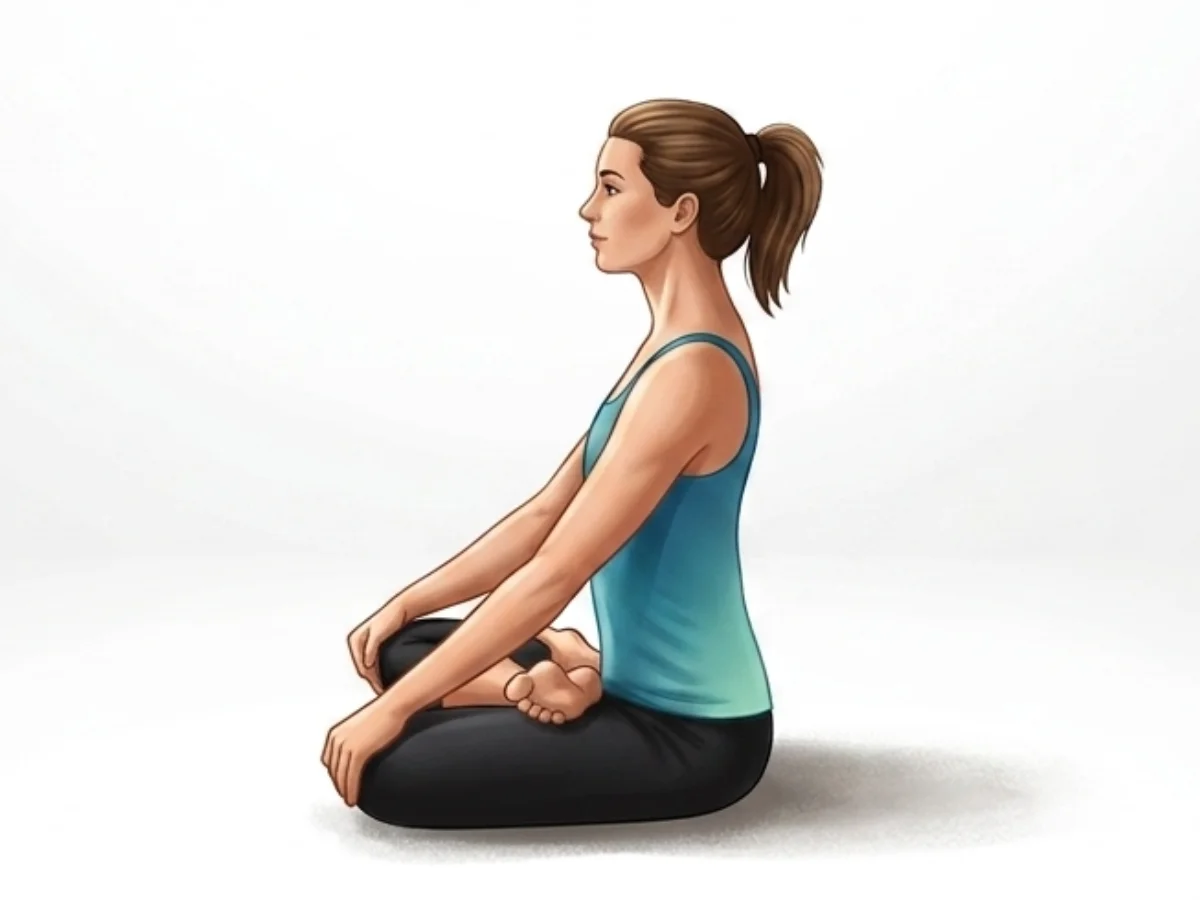
Lotus Pose
PadmasanaPrepares the hips and knees for the deep external rotation needed.
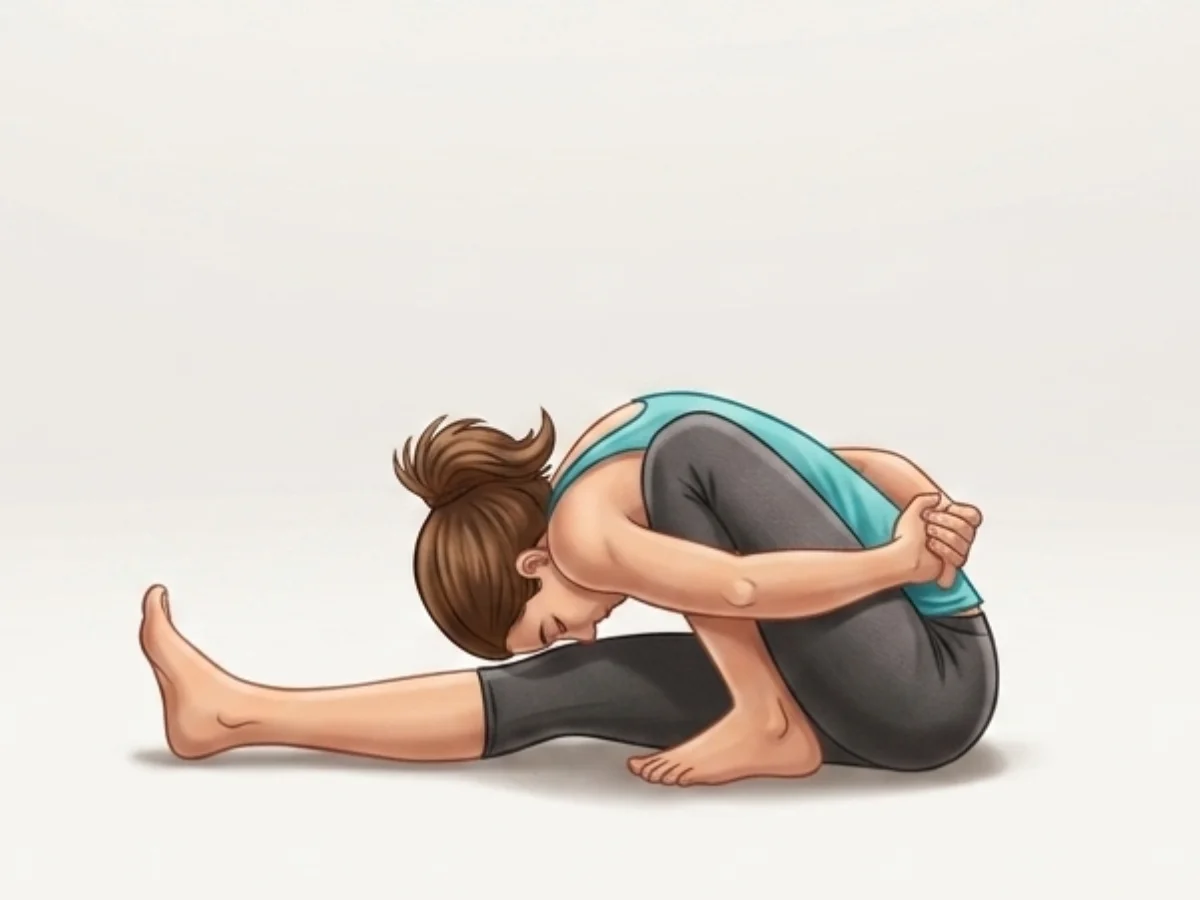
Sage Marichi's I
Marichyasana ITeaches the binding action and abdominal compression mechanics.
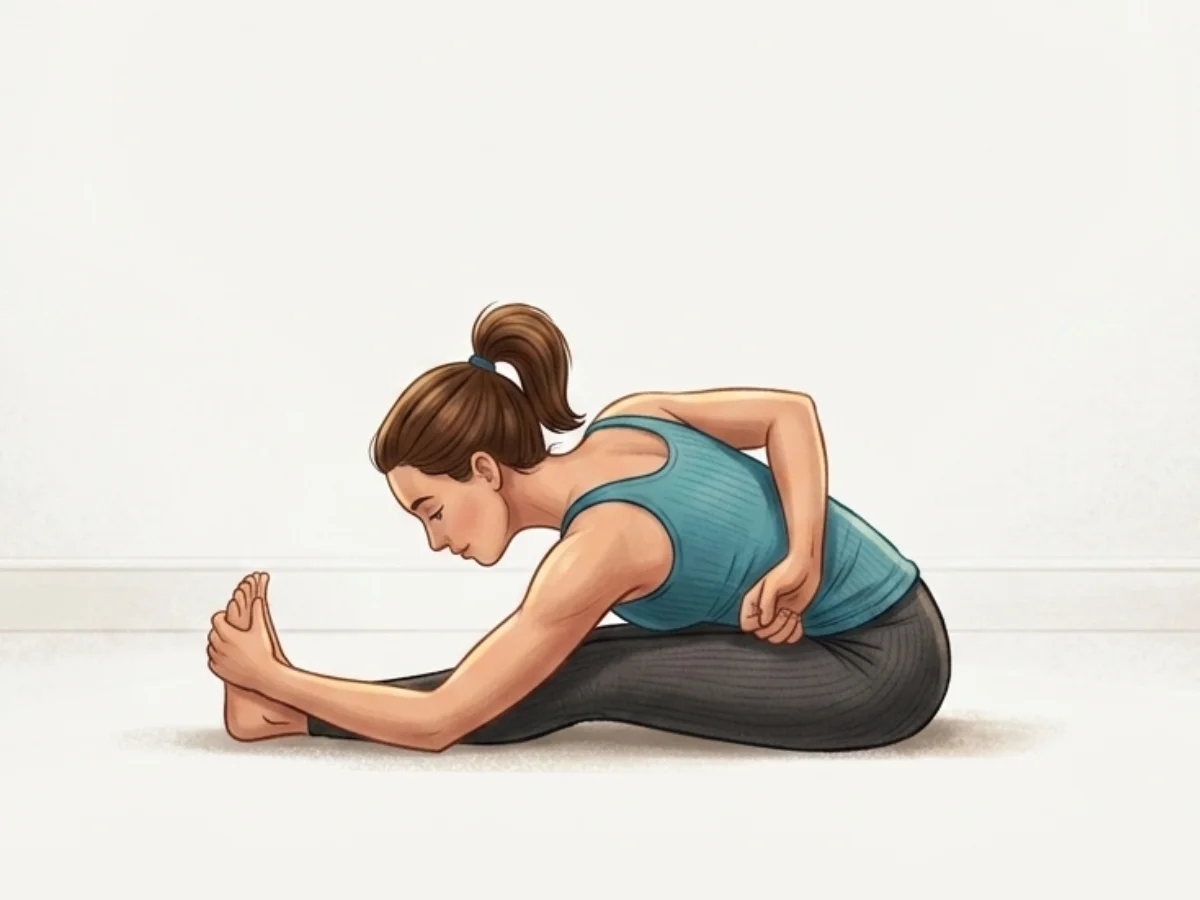
Seated Half Bound Lotus Forward Bend
Ardha Baddha Padma PaschimottanasanaWarms up the Half Lotus leg and introduces forwarding folding.
Follow with neutralizing Counter-poses
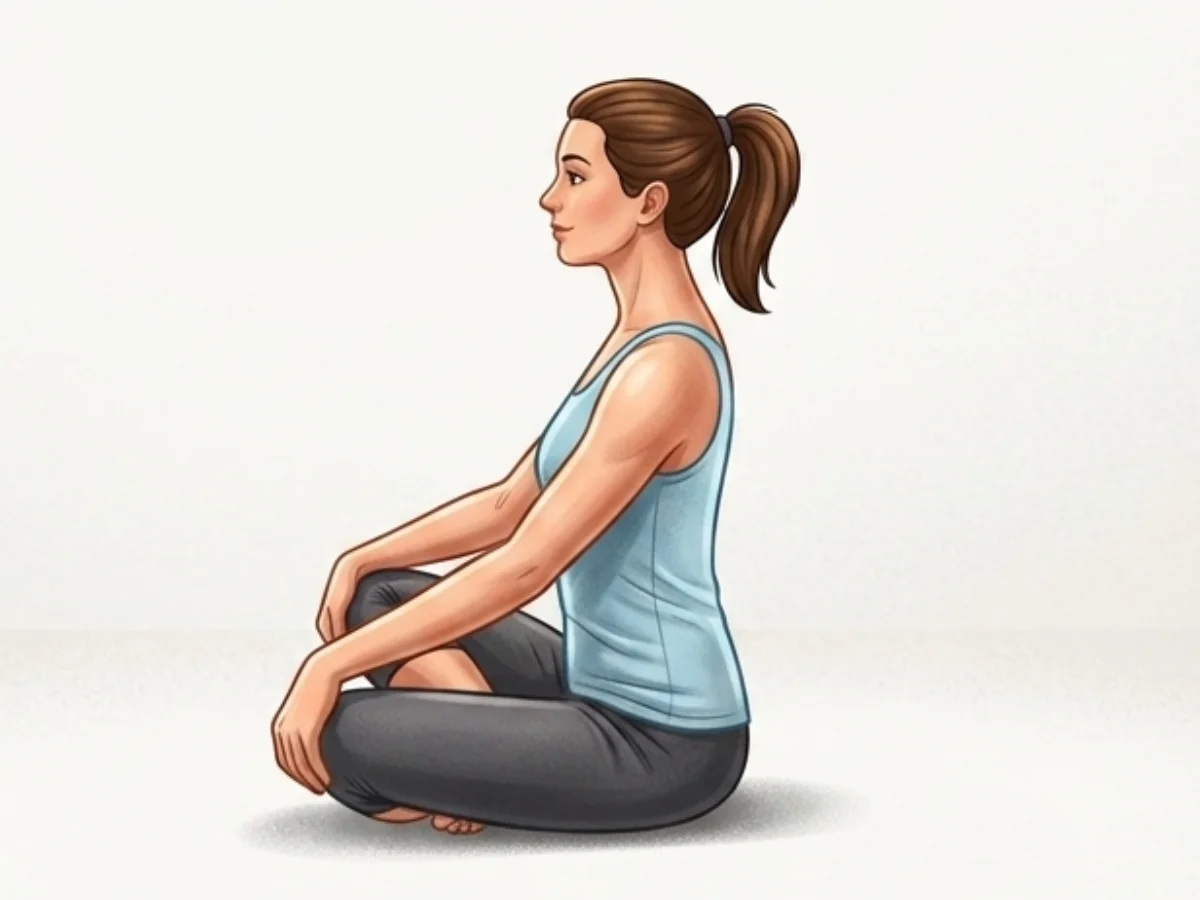
Easy Pose
SukhasanaA gentle, neutral seated posture to rest the hips and spine.
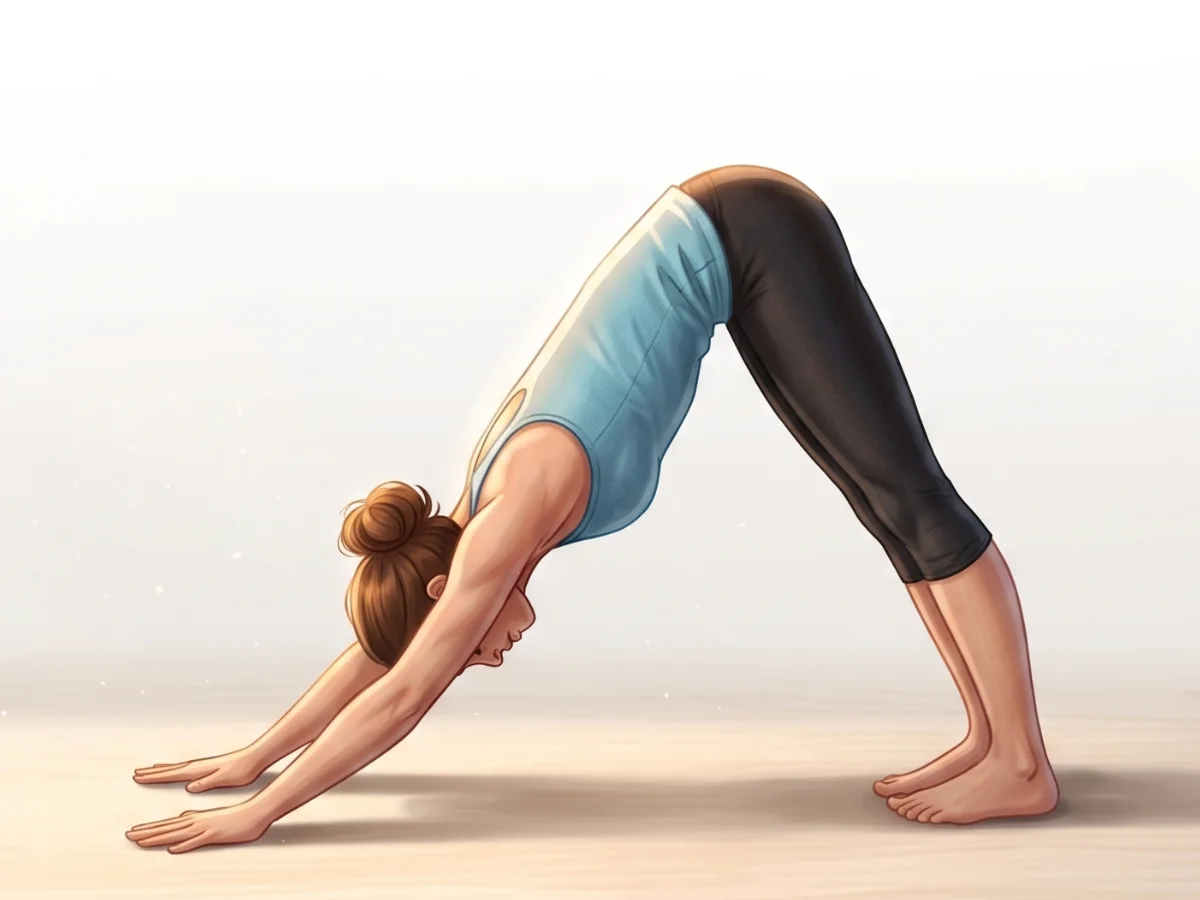
Downward-Facing Dog
Adho Mukha SvanasanaStraightens the legs, releasing the knees and elongating the spine.
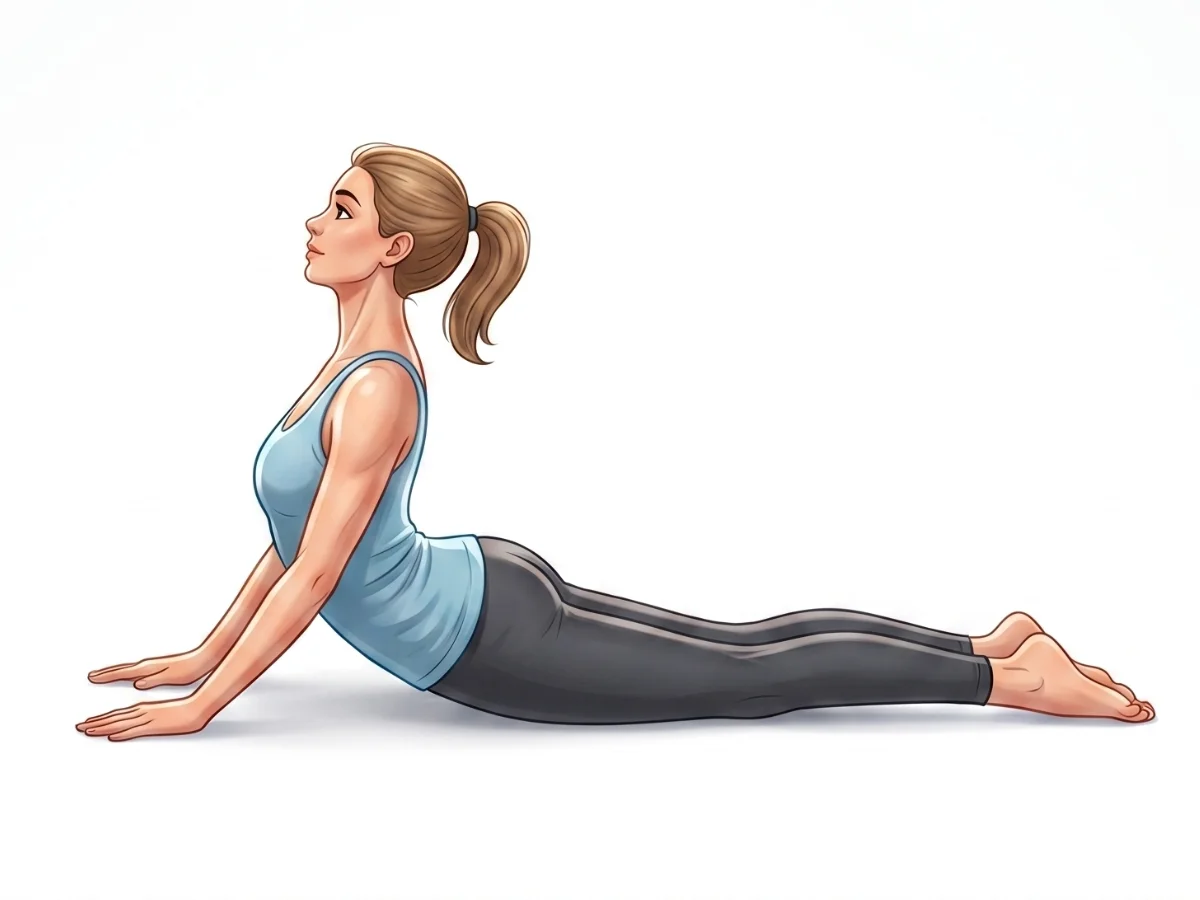
Cobra Pose
BhujangasanaProvides a gentle backbend to counter the deep spinal flexion.
Frequently Asked Questions
My knee hurts in Half Lotus, what should I do?
Stop immediately. Knee pain in Lotus variations indicates that the rotation is coming from the knee instead of the hip.
Should the heel in Half Lotus press into my stomach?
Yes, traditionally the heel of the Half Lotus foot will press into the lower abdomen as you fold forward, which is believed to stimulate digestion and massage internal organs. If this is painful, reduce the depth of your fold.
What is the main difference between Marichyasana I and II?
The only difference is the position of the non-binding leg. In Marichyasana I, the leg is extended straight out.

Elena Rostova is an accredited yoga educator and anatomy specialist with over 15 years of clinical experience. She focuses on functional biomechanics and injury prevention, translating complex anatomy into accessible guidance for safe, sustainable practice.
Read Full ProfileContinue Your Yoga Journey
Ready to deepen your practice? Explore our extensive library of poses, or join a structured program designed to build strength, flexibility, and mindfulness.