
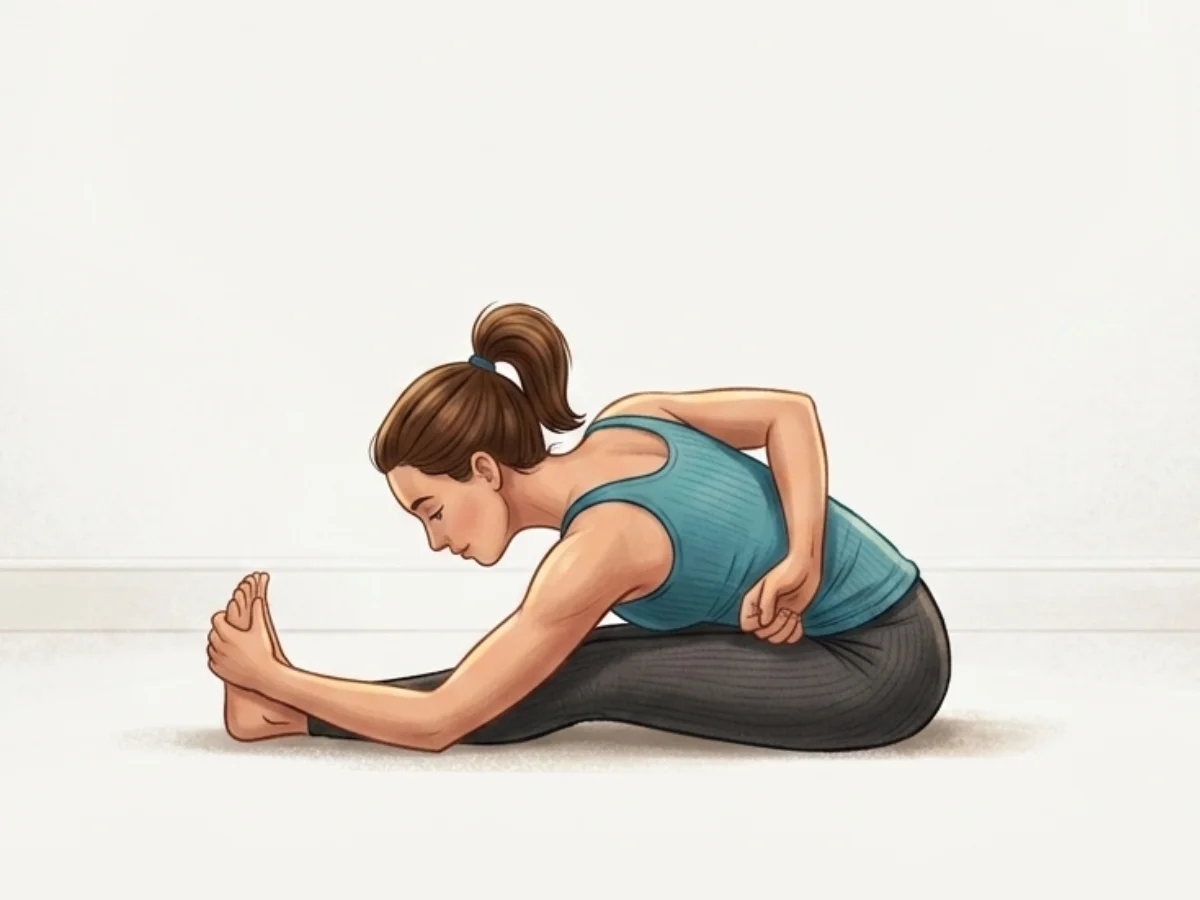
Seated Half Bound Lotus Forward Bend
Ardha Baddha Padma Paschimottanasana
By Elena Rostova Updated: verified Medically Reviewed
Seated Half Bound Lotus Forward Bend (Ardha Baddha Padma Paschimottanasana) is a complex, advanced posture from the primary series of Ashtanga Yoga. It marries the deep external hip rotation of Half Lotus with the intense posterior chain stretch of a seated forward fold.
Hold Time
30–60 sec · 5–10 breaths
Pronunciation
are-dah bah-dah pod-mah pah-shee-moh-tahn-AHS-anna
About Seated Half Bound Lotus Forward Bend
Reflecting the quiet power of the natural world, Seated Half Bound Lotus Forward Bend (Ardha Baddha Padma Paschimottanasana) is an expansive pose that cultivates inner stillness. By gently focusing on deep hip opening & forward flexion, it actively stretches your muscles and builds heat. Over time, adding this to your routine is a great way to support profoundly opens the hips while calming the mind.
How to Practice
Begin in Staff Pose
Sit upright in Staff Pose (Dandasana) with both legs extended straight in front of you. Ground your sit bones and engage your core.
Enter Half Lotus
Bend your right knee and carefully draw your right heel toward your navel. Gently place the outer edge of your right foot high upon your left hip crease in a Half Lotus position. Let the right knee drop toward the floor.
Reach Around the Back
Inhale and reach your right arm behind your back. Exhale as you wrap your arm around your waist, aiming to catch the big toe of your right foot with your right index and middle fingers.
Secure the Bind
If your shoulder flexibility permits, hold the big toe firmly. If you cannot reach the toe, rest your right hand on your lower back or hold the back of your left hip.
Extend and Inhale
Inhale and reach your left arm up toward the ceiling. Lengthen your spine upward, squaring your chest as much as possible over your extended left leg.
Fold Forward
Exhale slowly as you hinge at the hips, folding your torso forward over your straight left leg. Reach your left hand to grasp the outside edge of your left foot.
Deepen with the Breath
Inhale to lift your chest slightly, ensuring your back is flat. Exhale to fold deeper, bringing your chin or forehead toward your left shin.
Hold and Focus
Maintain the bound fold for 5 to 10 steady breaths. Focus on keeping your extended leg active and allowing the bound shoulder to open naturally without forcing.
Release Slowly
To exit, inhale as you lift your torso upright. Exhale as you carefully release the bound right toe and uncross your right leg, returning to Dandasana.
Switch Sides
Take a neutralizing breath, then repeat the entire sequence on the opposite side, placing the left foot into Half Lotus.
Practice with the Yoga Timer
Keep track of your hold time and breath count for this pose.
Beginner Modifications & Prop Options
Yoga is a personal journey. These modifications and prop options allow you to adapt the pose to your current level of balance and flexibility, ensuring a safe and supportive practice.
Skip the Bind
Place your bound hand on your lower back or tuck it into your waistband. Focus entirely on the forward fold instead of stressing the shoulder joint.
Tip: Focus on alignment rather than depth.
Support the Bent Knee
Place a yoga block or folded blanket under a floating bent knee. This allows the hip to relax without torquing the knee ligaments.
Tip: Focus on alignment rather than depth.
Tree Pose Foot Placement
Place the sole of your bent leg against your inner thigh if Half Lotus causes knee pain. You can still receive the hamstring benefits without binding.
Tip: Focus on alignment rather than depth.
Benefits of Seated Half Bound Lotus Forward Bend
Profoundly Opens the Hips
The Half Lotus placement deeply externally rotates the hip joint, stretching the gluteus medius and piriformis muscles.
Improves Shoulder Mobility
Reaching behind the back to bind the toe forces the anterior shoulder to open and stretches the pectoral muscles.
Stretches Hamstrings Intenseley
Folding forward over the single extended leg provides a deeply targeted stretch for the hamstrings and calves of that leg.
Stimulates Digestive Organs
The heel of the Lotus foot presses directly into the abdomen, massaging the ascending or descending colon and stimulating digestion.
Cultivates Mental Discipline
Managing the simultaneous demands of a hip opener, shoulder bind, and forward fold requires deep, meditative concentration and focus.
Common Mistakes to Avoid
Mistake: Forcing the Knee Down
How to fix: Never press the knee down. Elevate the hips by sitting on a block, or support the knee with a blanket.
Mistake: Rounding the Lower Back
How to fix: Lead with your chest. It is better to stay upright with a straight spine than to fold deeply with a rounded back.
Mistake: Twisting the Torso
How to fix: Consciously draw the unbound shoulder forward to square your chest directly over your extended leg before folding.
Safety and Precautions
Knee Injuries
Half Lotus places rotational force on the knee joint. Anyone with a history of meniscus tears or ligament damage should avoid this placement.
Rotator Cuff Tears
The deep internal rotation and extension of the bound arm can severely aggravate injured shoulder tendons.
Sciatica or Lower Back Disc Issues
Intense asymmetric forward folds can compress vulnerable lumbar nerves and discs.
Pregnancy
The heel pressing firmly into the lower abdomen is unsafe during pregnancy.
Medical Disclaimer: If you have any of the above conditions, consult your doctor or a qualified yoga instructor before attempting this pose.
Muscles Worked in Seated Half Bound Lotus Forward Bend
Seated Half Bound Lotus Forward Bend demands synchronized muscular effort, creating a profound sense of engagement and release throughout the body. The activation of the primary muscles supports the structure, while the secondary muscles provide stability and balance.
Primary Muscles
Hamstrings
Stretch deeply along the extended leg.
Gluteus Medius & Minimus
Experience a deep stretch in the externally rotated Half Lotus leg.
Anterior Deltoids & Pecs
Stretch heavily on the side of the bound arm.
Secondary Muscles
Quadriceps
Engage on the straight leg to assist in the forward fold.
Erector Spinae
Contract to keep the spine long while resisting gravity.
Biceps Brachii
Engage on the reaching arm to pull the torso forward.
Poses to Practice Before and After Seated Half Bound Lotus Forward Bend
Prepare with these Poses
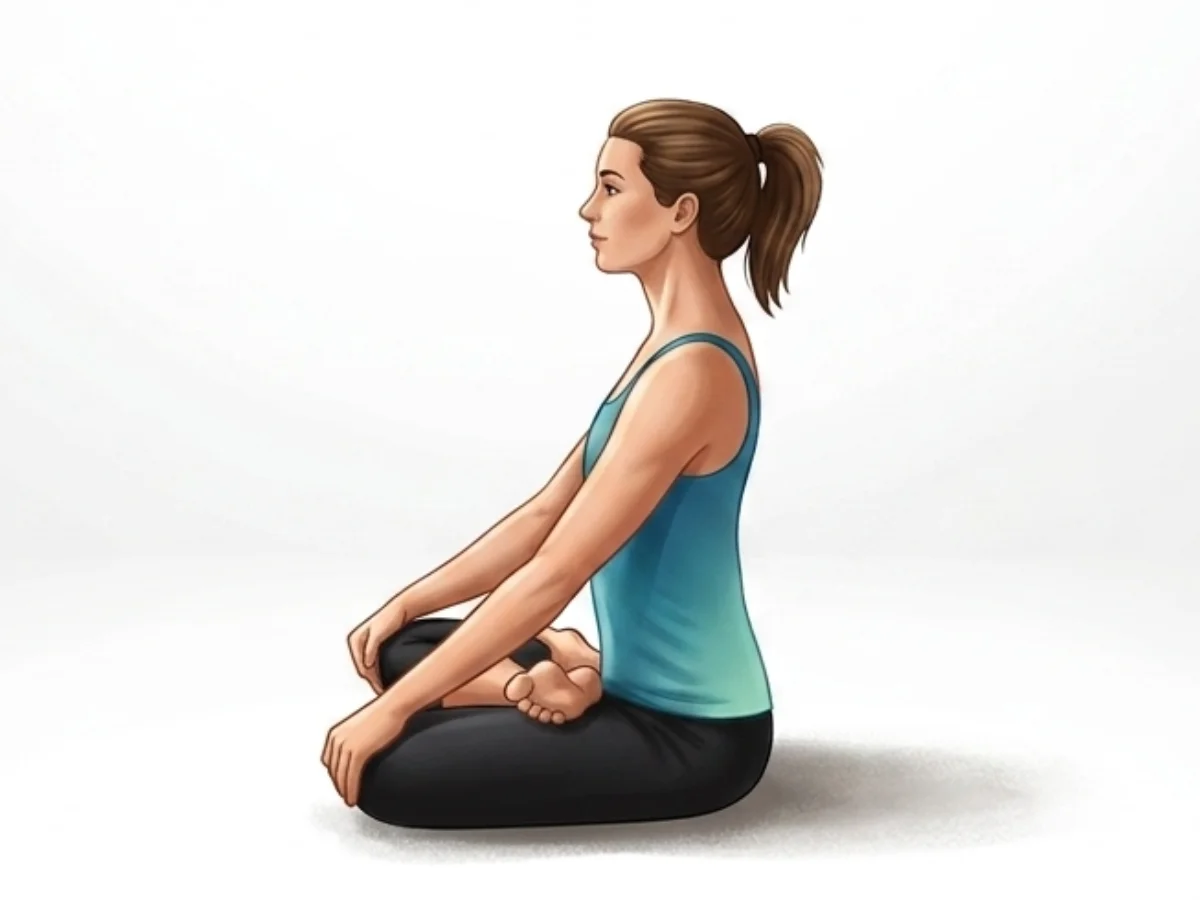
Lotus Pose
PadmasanaPrepares the hip joints and knees for the deep external rotation required.
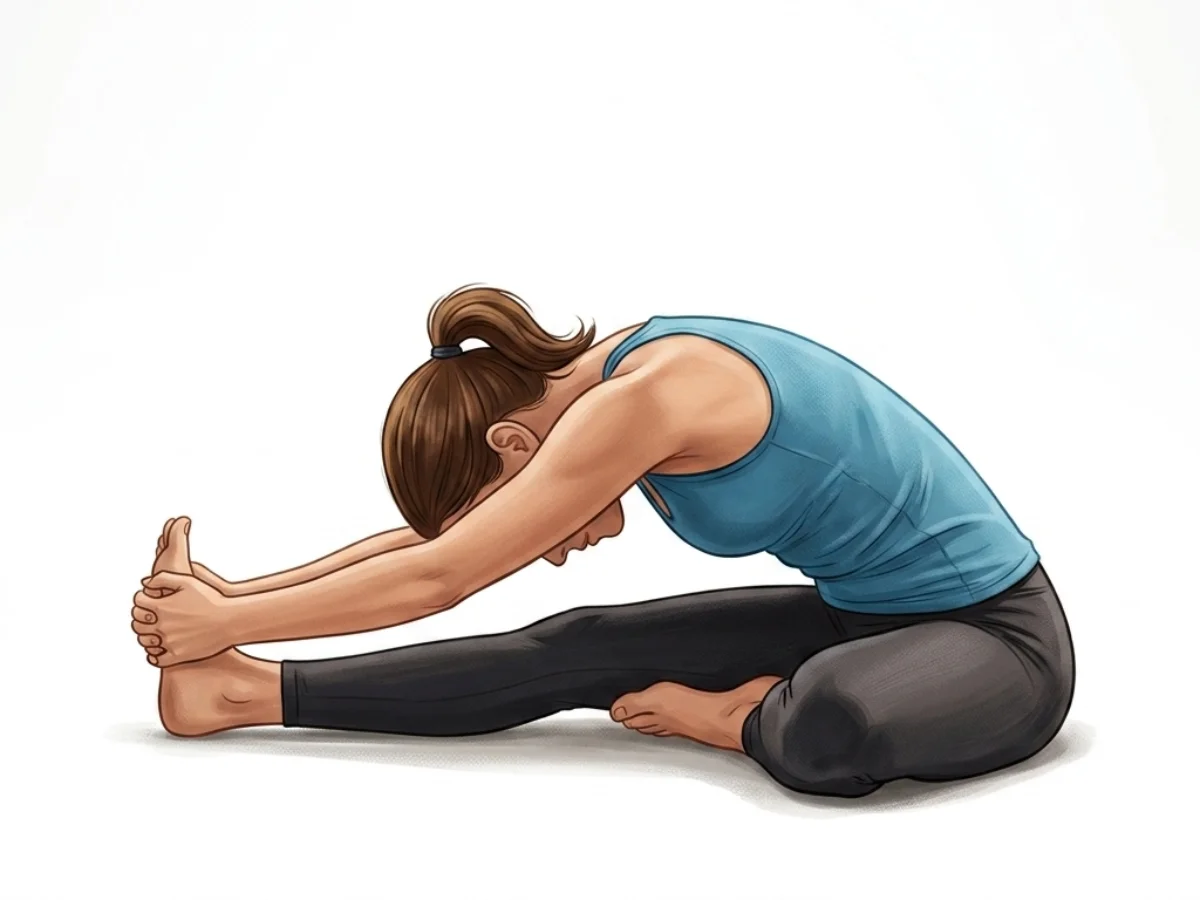
Head to Knee I
Janu Shirshasana AWarms up the hamstrings with an asymmetric fold without the strain of Half Lotus.
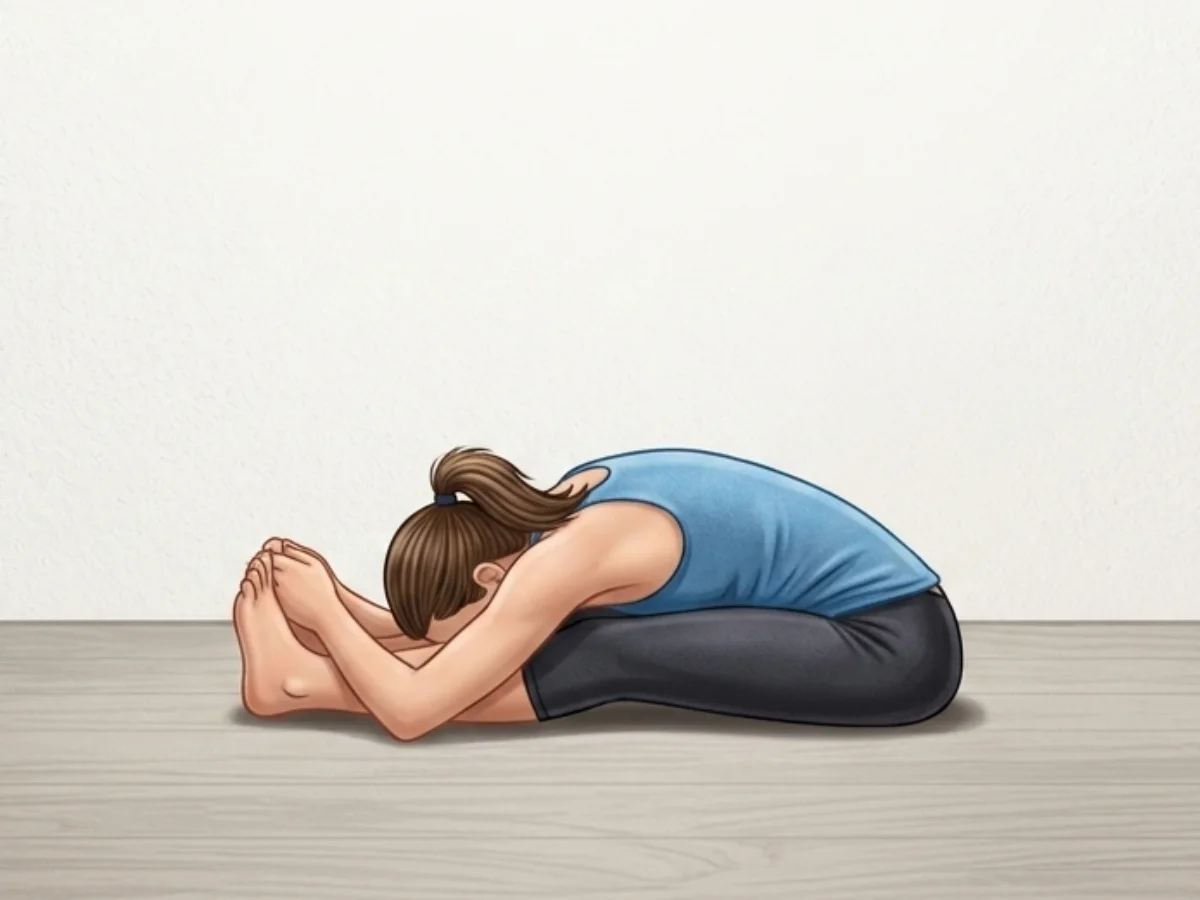
Seated Forward Bend I
Paschimottanasana AEstablishes the foundational mechanics of folding forward with a straight spine.
Follow with neutralizing Counter-poses
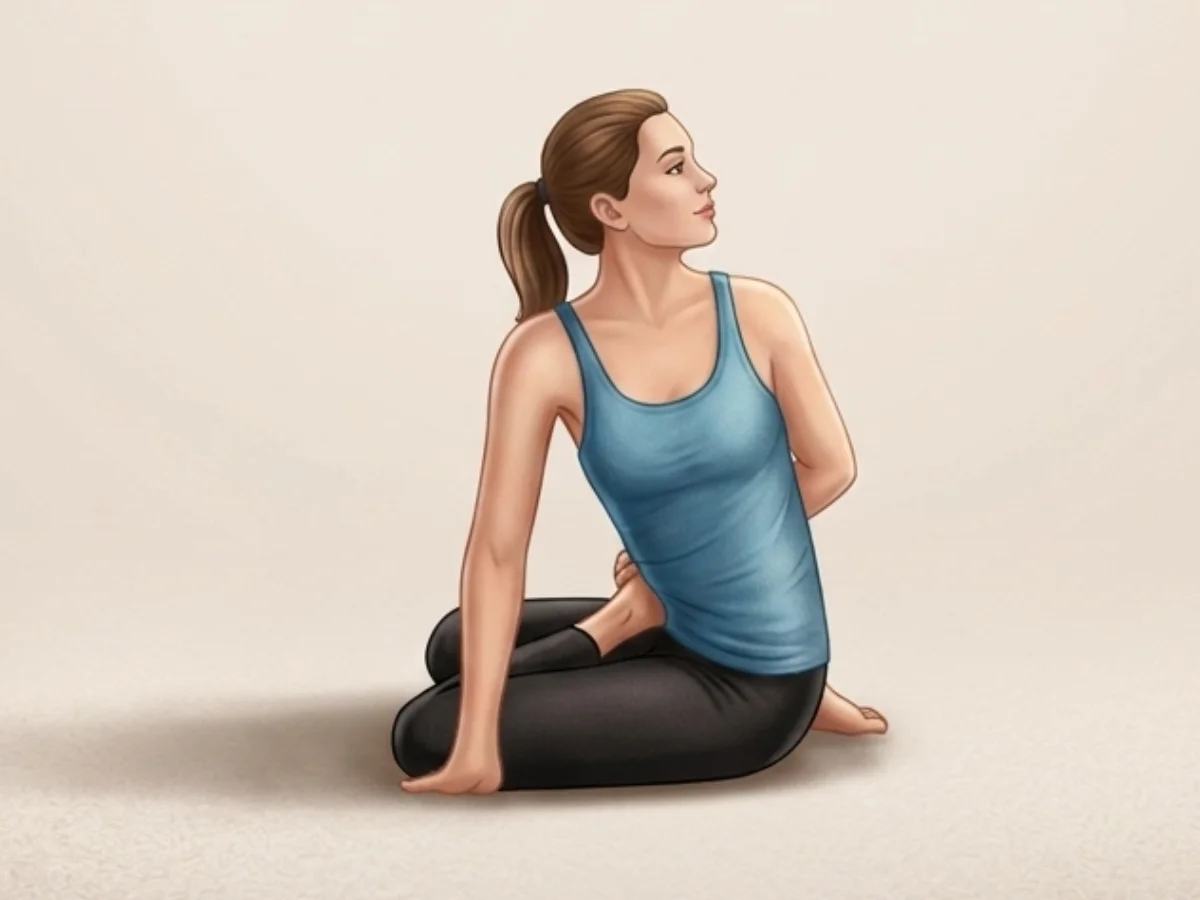
Sage Bharadvaja's Twist
BharadvajasanaA gentle seated twist that neutralizes the spine after the asymmetric fold.
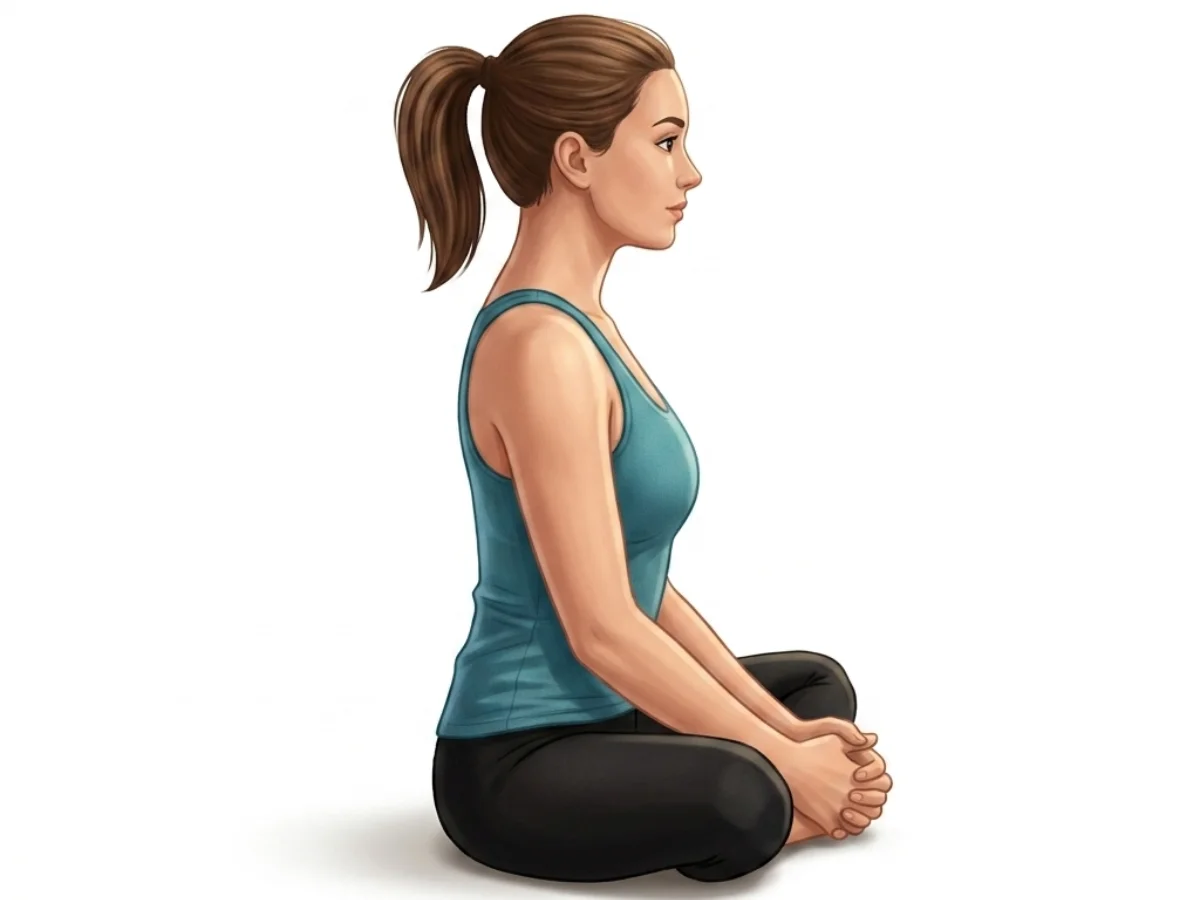
Bound Angle
Baddha KonasanaProvides a symmetrical hip opening that releases any residual joint tension.
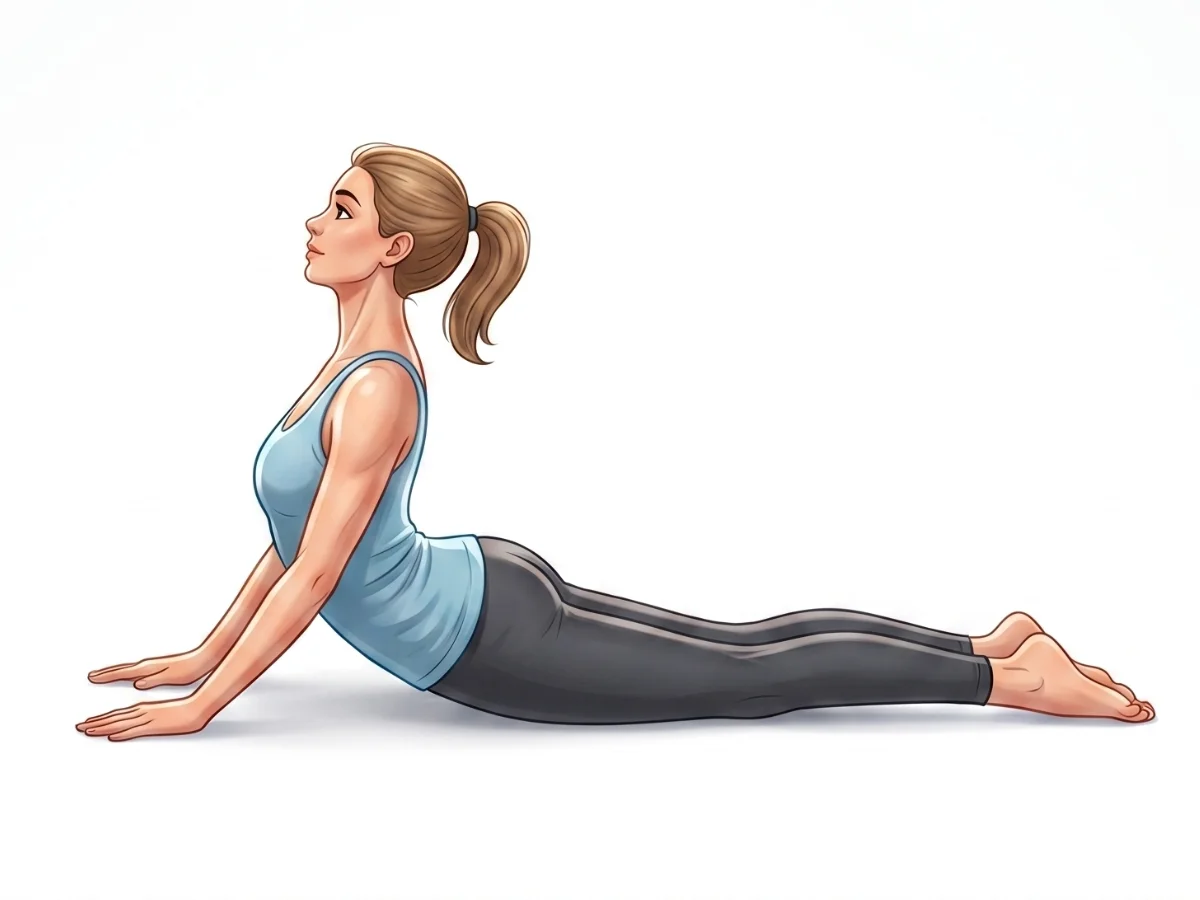
Cobra Pose
BhujangasanaA prone backbend that re-expands the chest and shoulders while lengthening the abdomen.
Frequently Asked Questions
My knee hurts in Half Lotus. Should I push through the pain?
Never. Knee pain in Lotus variations indicates that the hip is not externally rotating enough, forcing the knee hinge to twist.
I cannot reach my foot behind my back. Am I doing it wrong?
Not at all. Reaching the foot requires a combination of shoulder flexibility, hip mobility, and specific limb proportions.
Should the heel of the Lotus foot press into my stomach?
Yes, traditionally in Ashtanga, the heel is positioned to press into the lower abdomen (specifically the liver or spleen area depending on the side) as you fold forward to stimulate the internal organs. If this is painful, shift the foot slightly lower.

Elena Rostova is an accredited yoga educator and anatomy specialist with over 15 years of clinical experience. She focuses on functional biomechanics and injury prevention, translating complex anatomy into accessible guidance for safe, sustainable practice.
Read Full ProfileContinue Your Yoga Journey
Ready to deepen your practice? Explore our extensive library of poses, or join a structured program designed to build strength, flexibility, and mindfulness.