
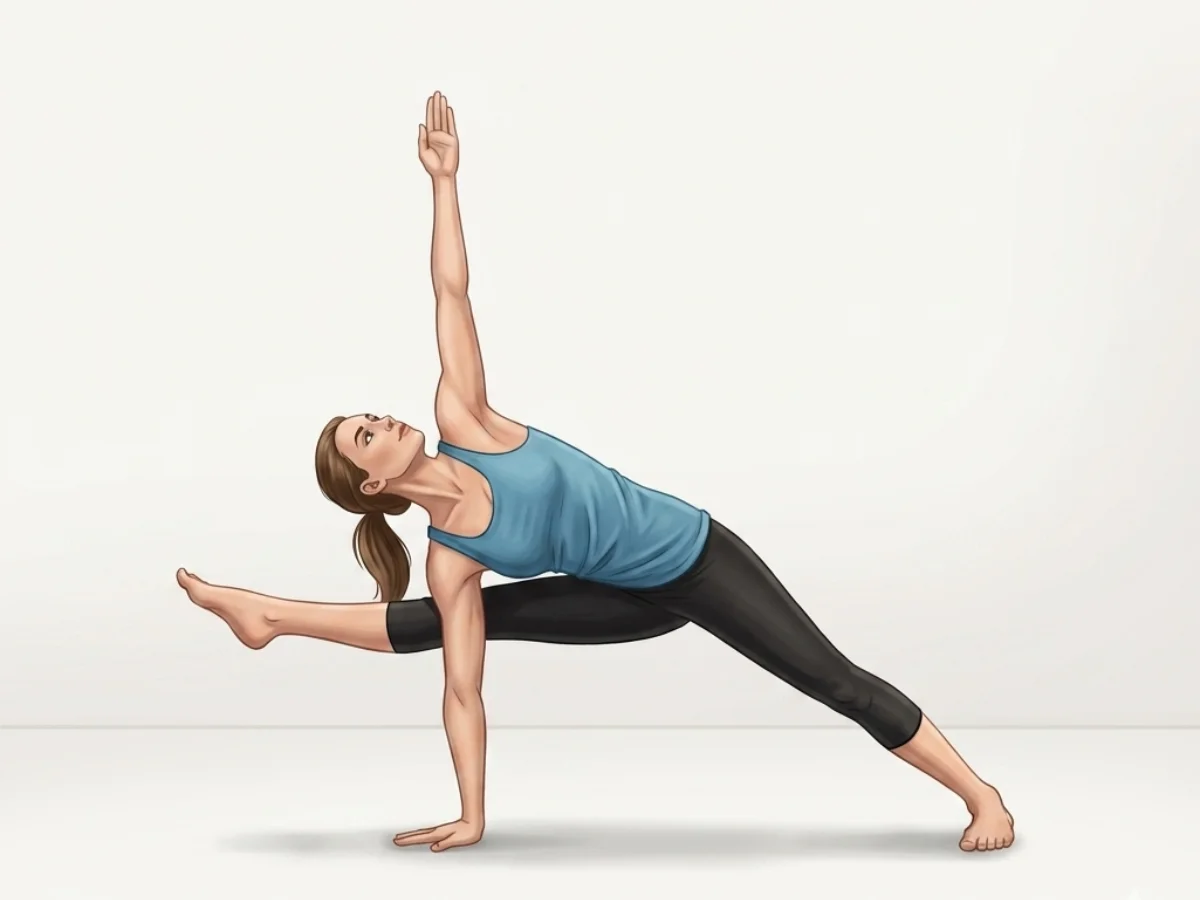
Sage Visvamitra's
Visvamitrasana
By Elena Rostova Updated: verified Medically Reviewed
Sage Visvamitra's Pose (Visvamitrasana) is a complex, advanced asana combining an arm balance, deep hip opener, hamstring stretch, and lateral side bend. Dedicated to the powerful King turned Sage Visvamitra, this pose requires immense dedication, core strength, and flexibility.
Hold Time
15–30 sec · 3–5 breaths
Pronunciation
vish-vah-mee-TRAHS-anna
About Sage Visvamitra's
Rooted deeply in classical practice, Sage Visvamitra's (Visvamitrasana) is a respected posture that helps build true alignment. As you settle into the shape, it gently works the full body balance & extreme flexibility to increase your overall flexibility. Ultimately, it is a fantastic pose for opens the hips and hamstrings, leaving you with a profound sense of grounded energy.
How to Practice
Start in Downward Dog
Begin in Downward-Facing Dog. Step your right foot forward to the outside of your right hand.
Thread the Arm
Snuggle your right shoulder underneath the back of your right knee or thigh, placing your right hand flat on the floor outside the foot.
Ground the Back Foot
Spin your left heel down to the floor, similar to a Warrior II footing, engaging the back leg firmly.
Grab the Foot
Shift your weight into your right hand. Reach your left hand over your head and grasp the outside edge of your right foot.
Lift and Extend
Inhale deeply as you begin to lift your right foot off the mat, slowly straightening your right leg out to the side.
Open the Chest
Peel your chest open toward the ceiling, spinning your torso to look under your left armpit. Keep your core tight.
Hold and Stabilize
Maintain the balance by pressing firmly into your right hand and left foot. Breathe steadily for 3 to 5 breaths.
Release
Exhale to bend the right knee, carefully lower the foot to the mat, release your grip, and step back to Downward-Facing Dog.
Practice with the Yoga Timer
Keep track of your hold time and breath count for this pose.
Beginner Modifications & Prop Options
Yoga is a personal journey. These modifications and prop options allow you to adapt the pose to your current level of balance and flexibility, ensuring a safe and supportive practice.
Using a Strap
Loop a yoga strap around your right foot and hold it with your left hand to help straighten the leg without compromising chest rotation.
Tip: Focus on alignment rather than depth.
Knee on the Mat
Drop your back knee to the floor for added stability while you practice extending the front leg and opening the chest.
Tip: Focus on alignment rather than depth.
Benefits of Sage Visvamitra's
Opens the Hips and Hamstrings
Intensively stretches the side body, groin, and hamstrings, improving deep flexibility.
Strengthens Upper Body
Builds immense strength in the balancing arm, shoulder, and wrist.
Engages the Core
Requires intense oblique and transverse abdominis engagement to keep the body afloat and twisted.
Cultivates Balance and Focus
Challenges proprioception and concentration, leading to a deeper state of mental clarity.
Common Mistakes to Avoid
Mistake: Collapsing in the Bottom Shoulder
How to fix: Actively press the floor away with your bottom hand to engage the shoulder girdle and prevent strain.
Mistake: Losing the Core Engagement
How to fix: Keep the navel drawn in tightly; a loose core will cause the hips to sag and make balance impossible.
Safety and Precautions
Wrist or Shoulder Injuries
The high weight-bearing load on one arm can aggravate existing joint issues.
Hamstring Tears
The intense stretch can worsen an active hamstring or groin injury.
Sacroiliac Joint Dysfunction
The asymmetrical twist and hip extension may destabilize the SI joint.
Medical Disclaimer: If you have any of the above conditions, consult your doctor or a qualified yoga instructor before attempting this pose.
Muscles Worked in Sage Visvamitra's
Sage Visvamitra's demands synchronized muscular effort, creating a profound sense of engagement and release throughout the body. The activation of the primary muscles supports the structure, while the secondary muscles provide stability and balance.
Primary Muscles
Hamstrings
Stretch deeply to allow the lifted leg to straighten.
Obliques
Contract to rotate the torso and lift the body.
Deltoids & Triceps
Support the body weight on the stabilizing arm.
Secondary Muscles
Latissimus Dorsi
Stretches aggressively on the lifted arm side.
Adductors
Stretch dynamically to open the hips.
Poses to Practice Before and After Sage Visvamitra's
Prepare with these Poses
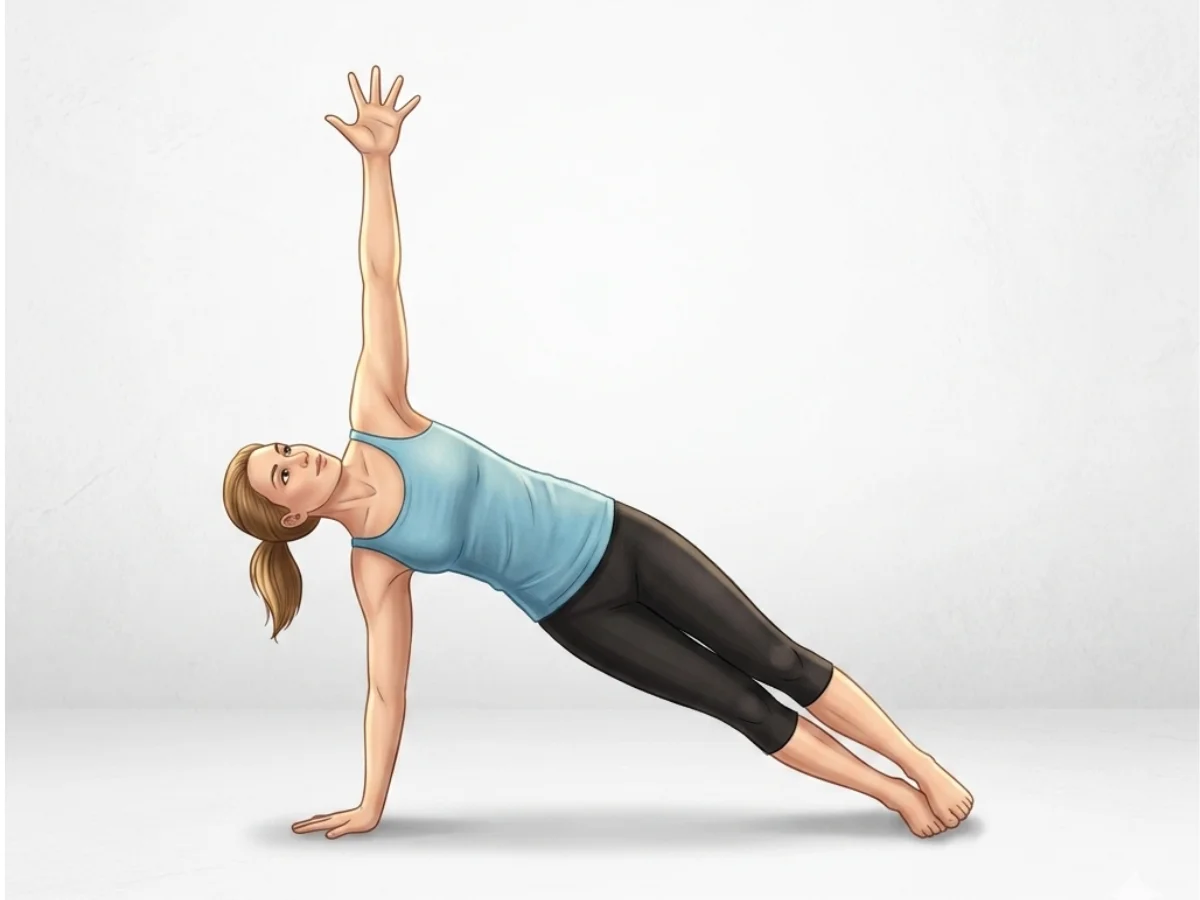
Side Plank
VasisthasanaBuilds the required lateral core strength and single-arm stability.
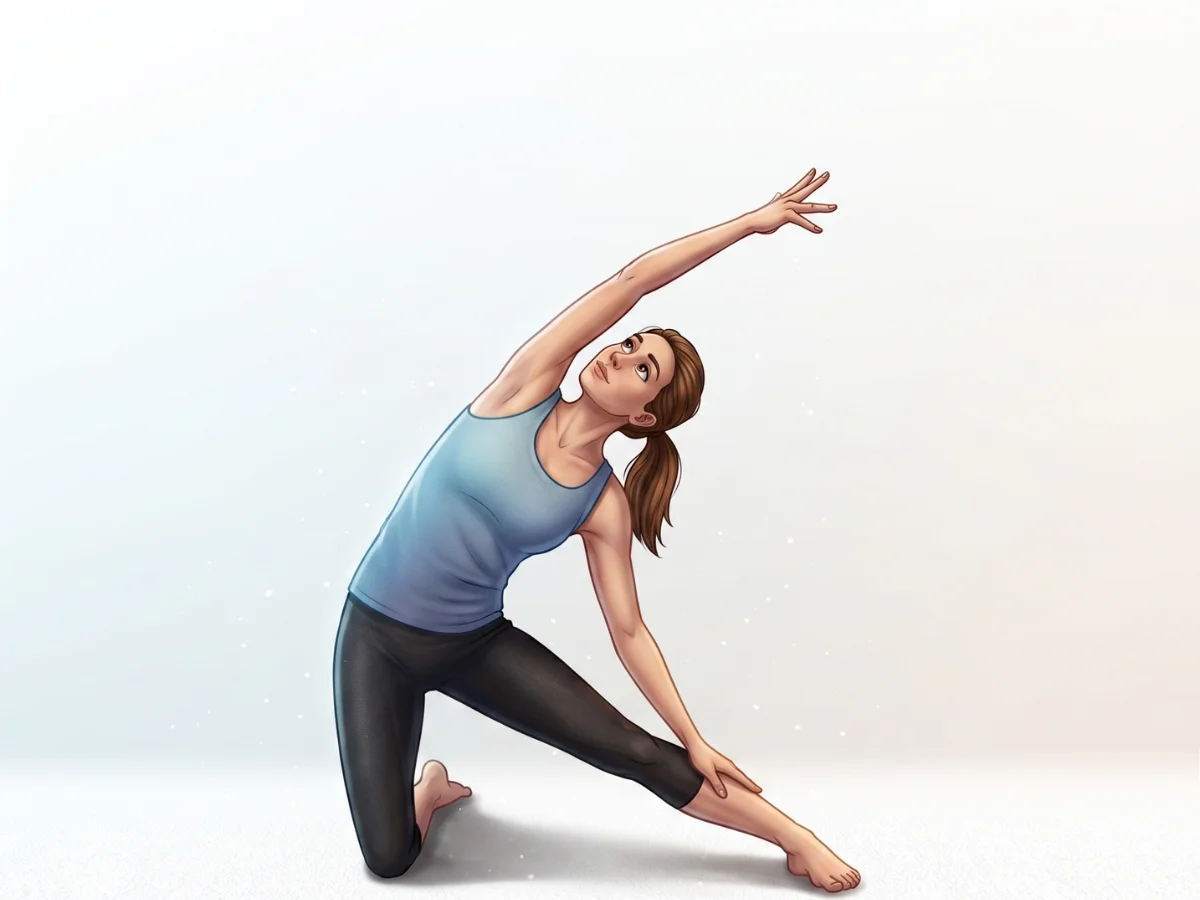
Gate Pose
ParighasanaOpens the side body and stretches the hamstrings gently.
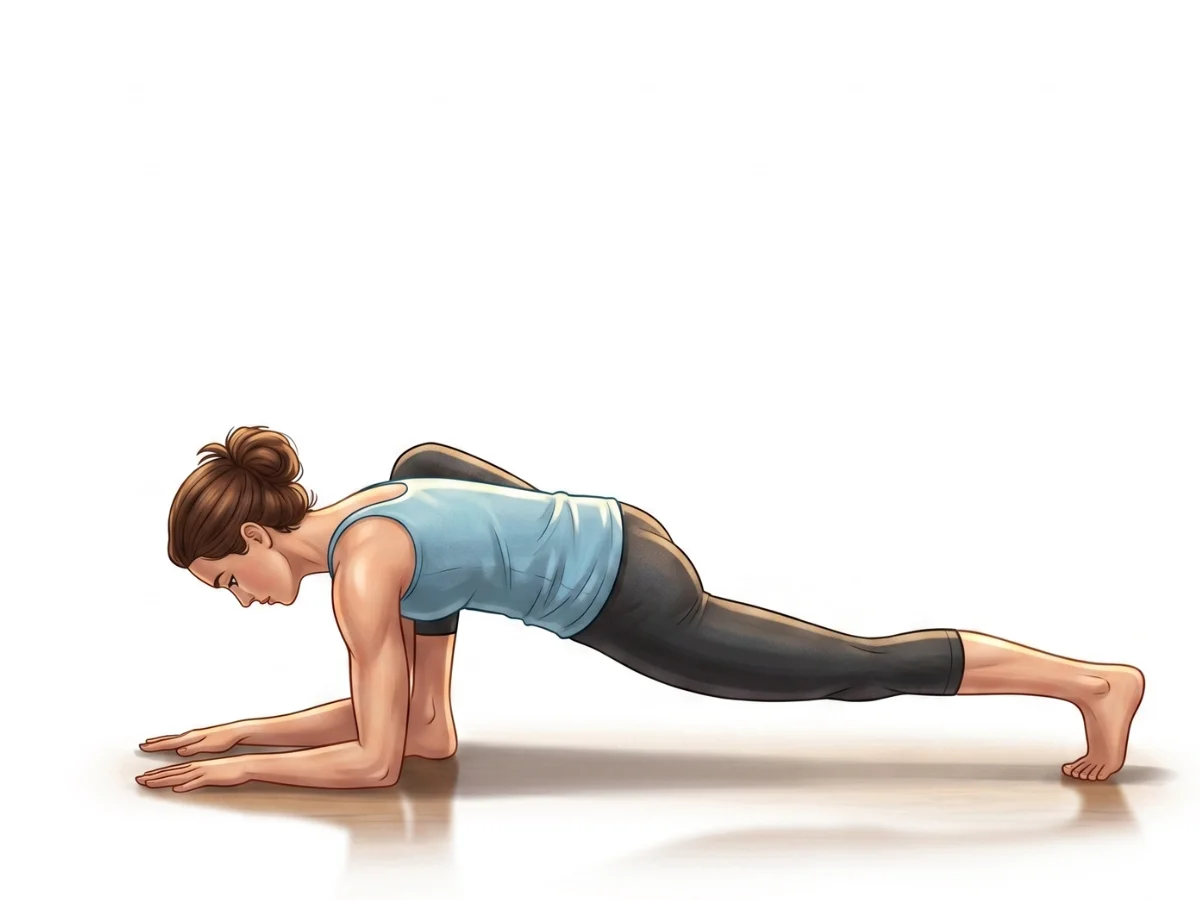
Lizard Pose
Utthan PristhasanaPrepares the hips and groin for the deep opening required.
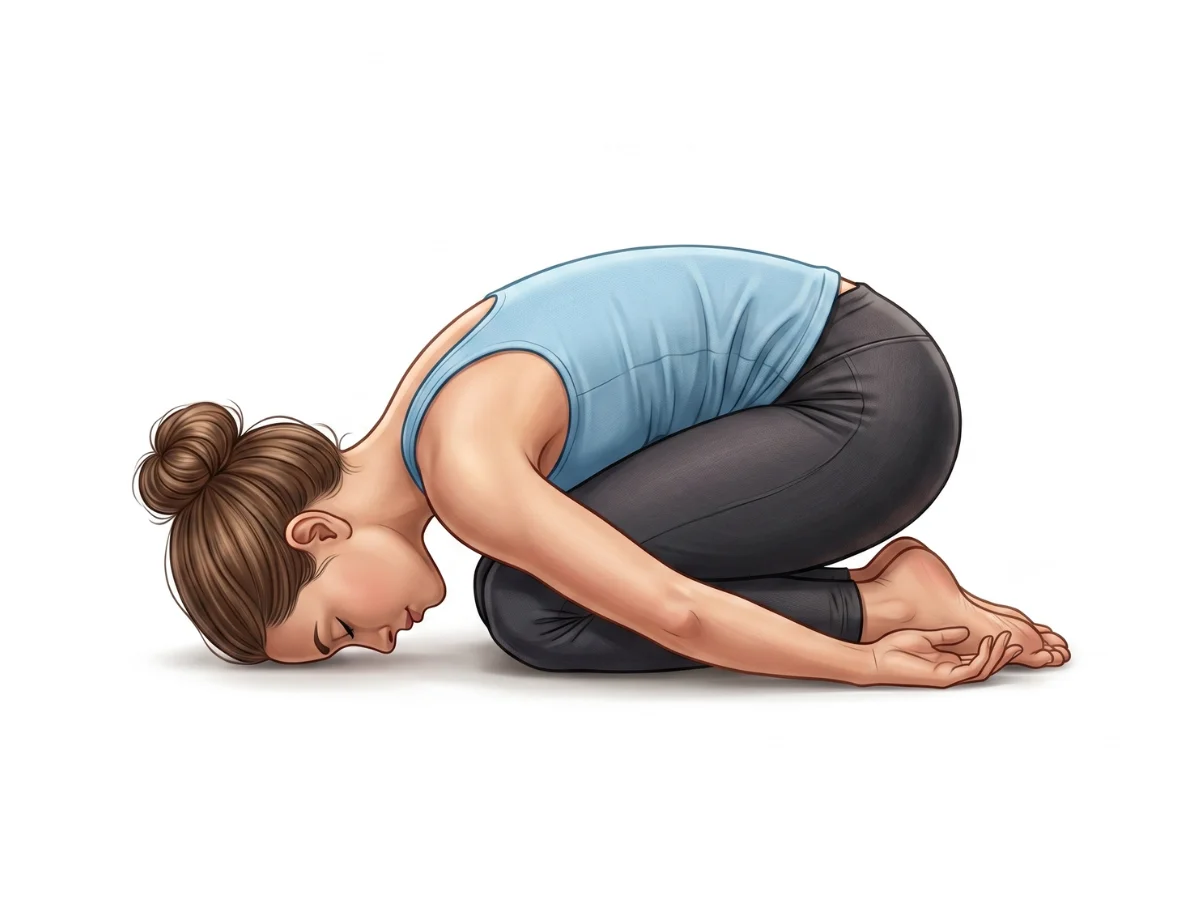
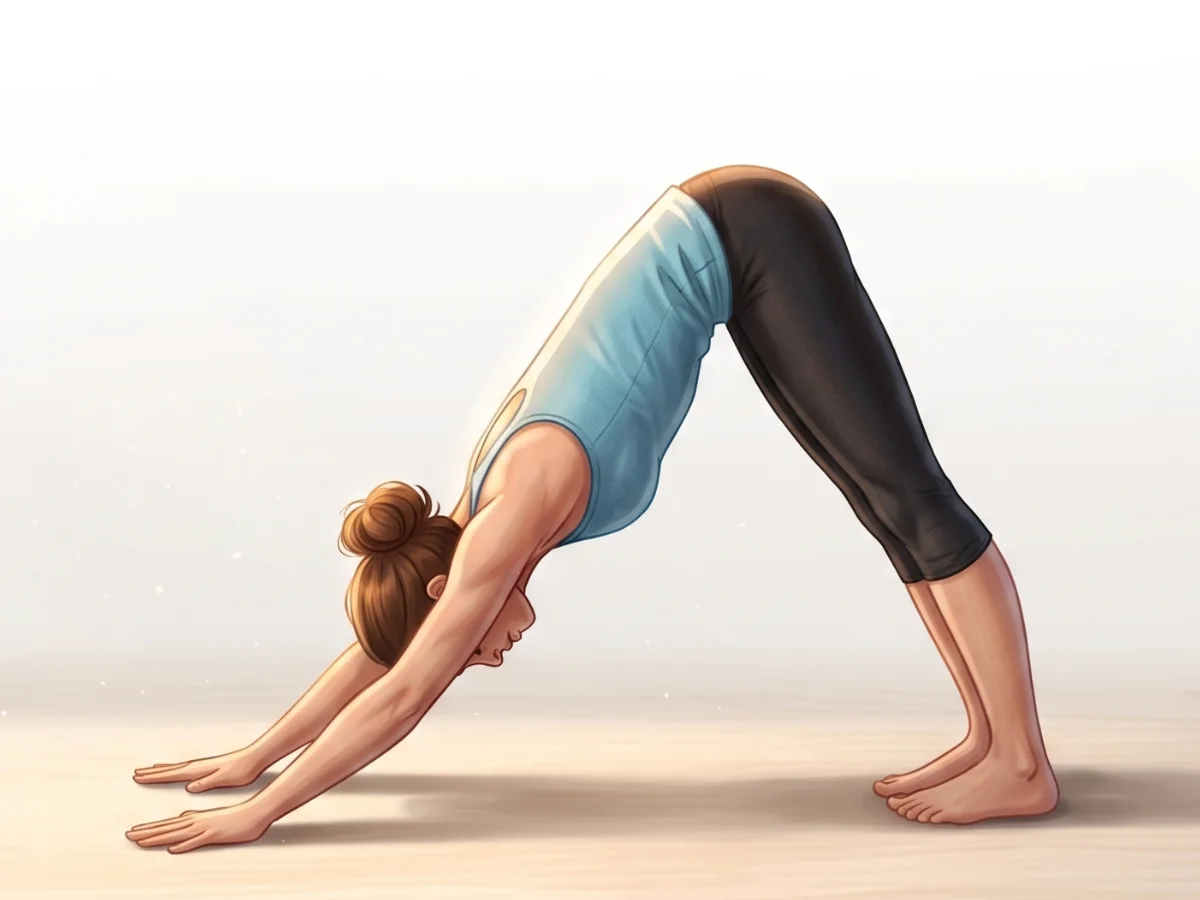
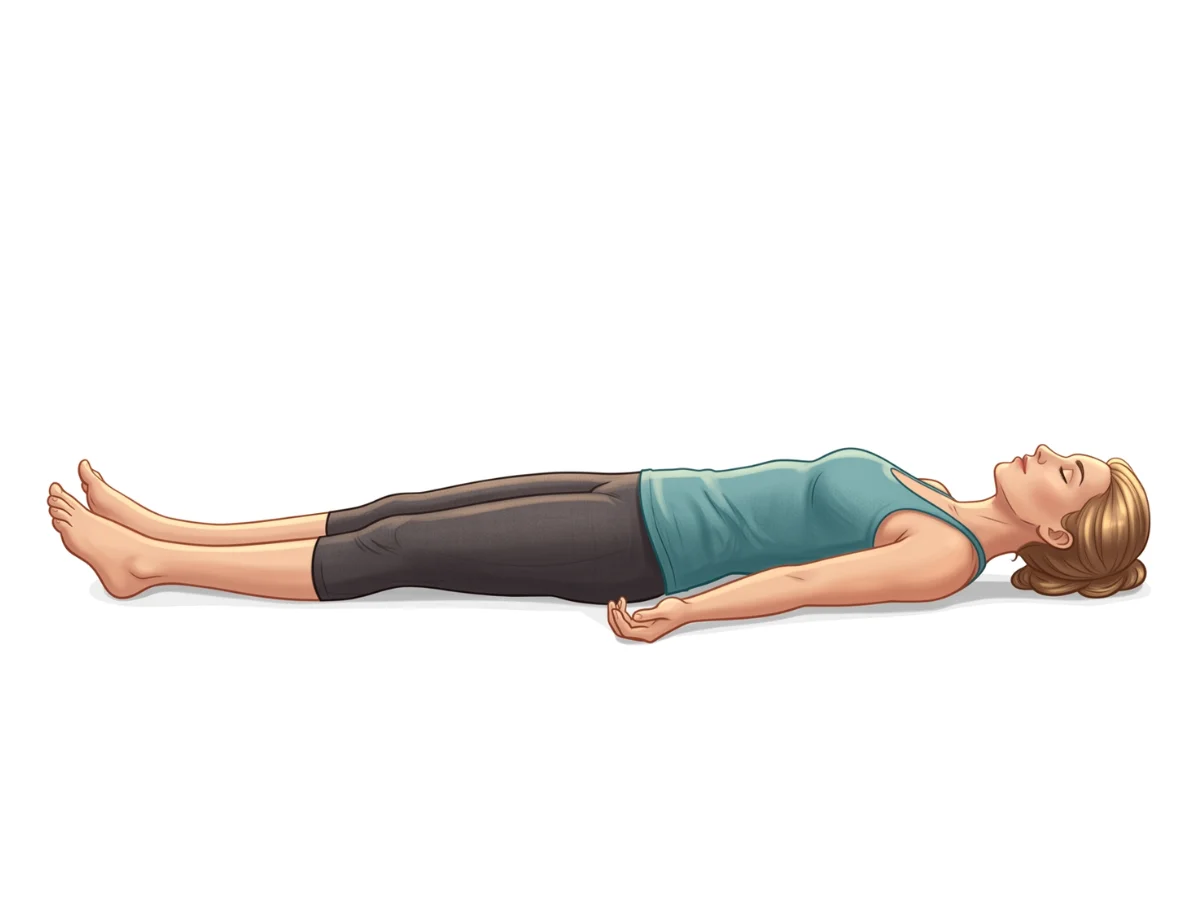
Follow with neutralizing Counter-poses
Frequently Asked Questions
How long does it take to learn Visvamitrasana?
This is an advanced pose that usually requires months or years of consistent practice to build the necessary combination of hamstring flexibility, side-body length, and arm strength.
Can I practice this if I can't straighten my leg?
Yes, you can keep the knee slightly bent, or use a strap to hold the foot, focusing primarily on the chest rotation and arm balance first.
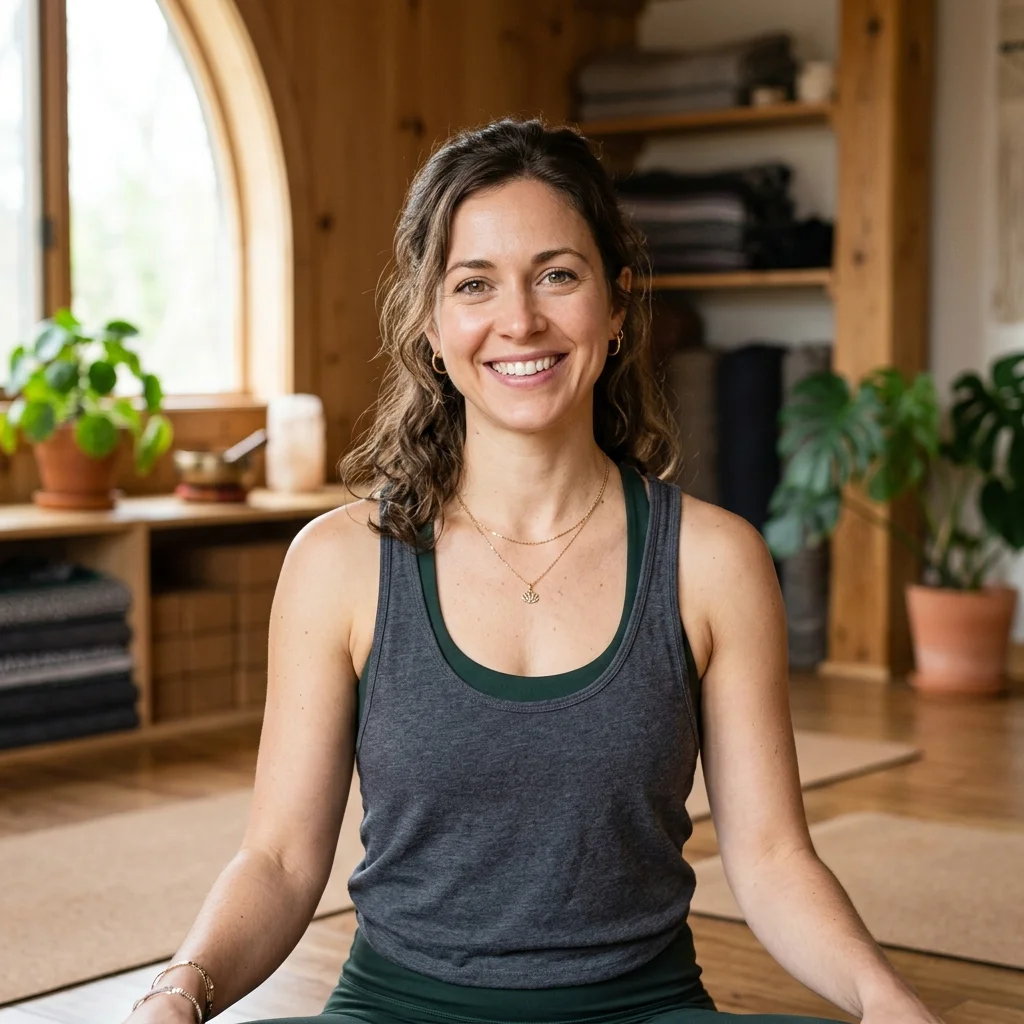
Elena Rostova is an accredited yoga educator and anatomy specialist with over 15 years of clinical experience. She focuses on functional biomechanics and injury prevention, translating complex anatomy into accessible guidance for safe, sustainable practice.
Read Full ProfileContinue Your Yoga Journey
Ready to deepen your practice? Explore our extensive library of poses, or join a structured program designed to build strength, flexibility, and mindfulness.