
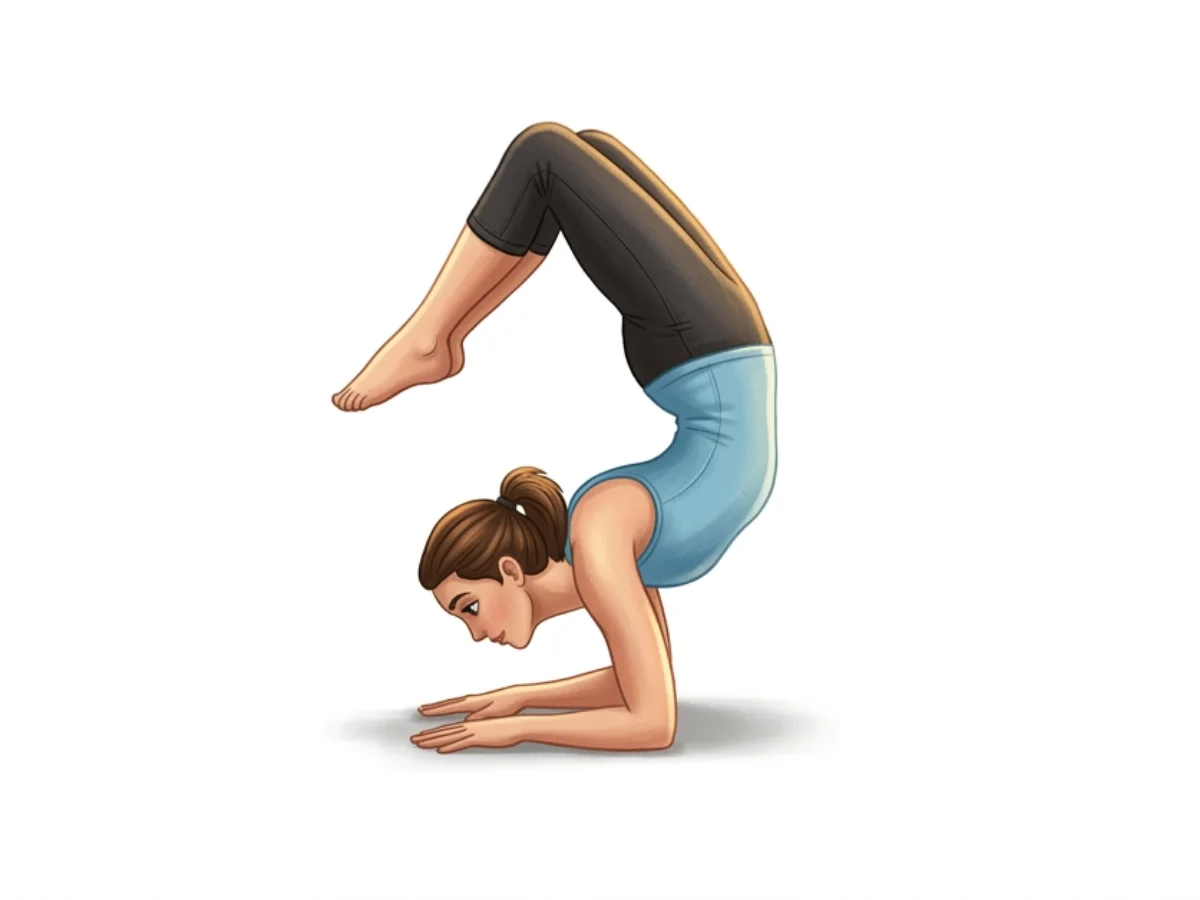
Scorpion
Vrischikasana
By Elena Rostova Updated: verified Medically Reviewed
Scorpion Pose (Vrischikasana) is a highly advanced, deep inverted backbend that resembles a scorpion ready to strike. It challenges your balance, flexibility, and strength, combining the elements of a forearm stand with an extreme spinal extension.
Hold Time
15–30 sec · 3–5 breaths
Pronunciation
vrik-shah-KAH-sah-nah
About Scorpion
Commonly practiced as Scorpion (Vrischikasana), this dynamic posture is beautifully designed to help unlock tension. This posture specifically engages the backbend & shoulder strength, making it highly effective for developing both strength and mobility. Ultimately, it is a fantastic pose for deepens spinal flexibility, leaving you with a profound sense of grounded energy.
How to Practice
Start in Forearm Balance
Begin in Feathered Peacock Pose (Pincha Mayurasana) near a wall if you are still building balance. Ensure your forearms are parallel and shoulder-width apart.
Establish Stability
Press firmly through your forearms and fingertips. Lift your shoulders away from the floor and engage your core to stabilize the inversion.
Bend the Knees
Slowly and with control, begin to bend both knees, bringing your feet over your head.
Arch the Spine
Allow your spine to naturally extend into a deep backbend. Keep your chest pressing forward through your upper arms.
Lower the Feet
Gradually reach your toes toward the crown of your head. Keep the inner thighs hugging toward the midline to protect the lower back.
Lift the Gaze
Carefully lift your head and look forward past your hands, which helps deepen the thoracic backbend.
Hold and Breathe
Maintain the pose for 3 to 5 smooth breaths. Keep your core engaged to prevent collapsing into the lumbar spine.
Exit Safely
To release, straighten your legs back up to a Forearm Stand, engage your core, and lower one leg at a time to the floor.
Practice with the Yoga Timer
Keep track of your hold time and breath count for this pose.
Beginner Modifications & Prop Options
Yoga is a personal journey. These modifications and prop options allow you to adapt the pose to your current level of balance and flexibility, ensuring a safe and supportive practice.
Use a Wall
Practice a foot or two away from a wall. When you bend your knees, allow your toes to lightly touch the wall for support as you deepen the backbend.
Tip: Focus on alignment rather than depth.
Forearm Balance Practice
If full Scorpion is out of reach, focus entirely on mastering Feathered Peacock Pose (Pincha Mayurasana) to build the required baseline strength.
Tip: Focus on alignment rather than depth.
Benefits of Scorpion
Deepens Spinal Flexibility
Provides an intense stretch and extension for the entire spine, particularly opening the thoracic and cervical regions.
Strengthens Upper Body
Requires profound strength in the shoulders, arms, and upper back to support the body weight while backbending.
Opens the Chest and Shoulders
Powerfully stretches the pectorals and anterior deltoids, expanding lung capacity.
Improves Balance and Focus
Mastering an inverted backbend develops intense proprioception, balance, and mental fortitude.
Common Mistakes to Avoid
Mistake: Dumping into the Lower Back
How to fix: Avoid relying solely on lumbar flexibility. Actively push the floor away and bend from the mid and upper back.
Mistake: Elbows Splaying Outward
How to fix: Keep your elbows hugged in, directly under your shoulders, to maintain a safe and stable foundation.
Safety and Precautions
Spinal or Neck Injuries
The extreme extension can severely aggravate any disc issues or spondylolisthesis.
High Blood Pressure or Heart Conditions
Inversions combined with deep backbends increase cardiovascular stress.
Pregnancy
The deep core stretching, inversion risks, and potential for falling make this unsafe during pregnancy.
Medical Disclaimer: If you have any of the above conditions, consult your doctor or a qualified yoga instructor before attempting this pose.
Muscles Worked in Scorpion
Scorpion demands synchronized muscular effort, creating a profound sense of engagement and release throughout the body. The activation of the primary muscles supports the structure, while the secondary muscles provide stability and balance.
Primary Muscles
Erector Spinae
Contracts intensely to arch the spine.
Deltoids & Trapezius
Stabilize and support the upper body against gravity.
Gluteus Maximus
Engages to extend the hips and guide the legs overhead.
Secondary Muscles
Rectus Abdominis
Stretches deeply while providing eccentric control.
Triceps Brachii
Work to stabilize the elbow joints on the floor.
Poses to Practice Before and After Scorpion
Prepare with these Poses
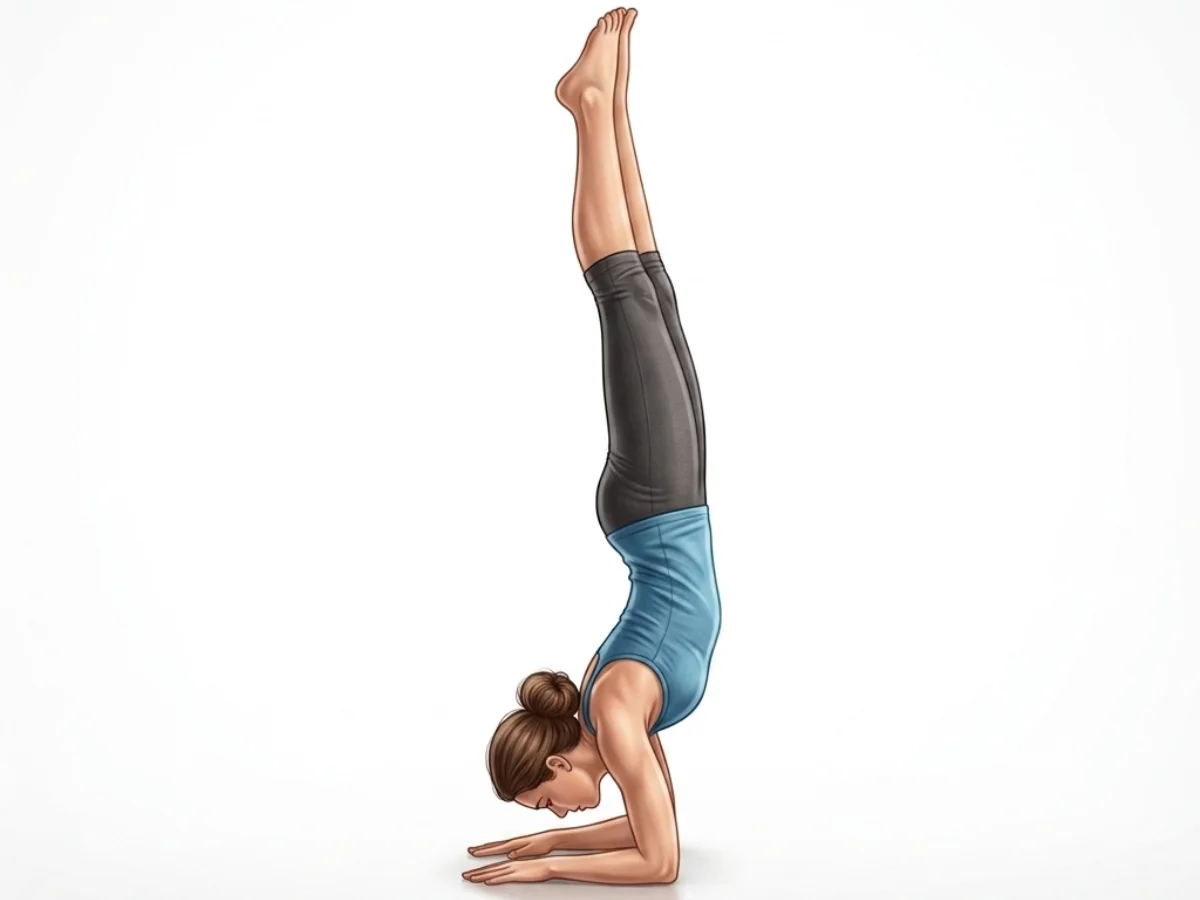
Forearm Balance
Pincha MayurasanaThe foundational inversion required before attempting Scorpion.
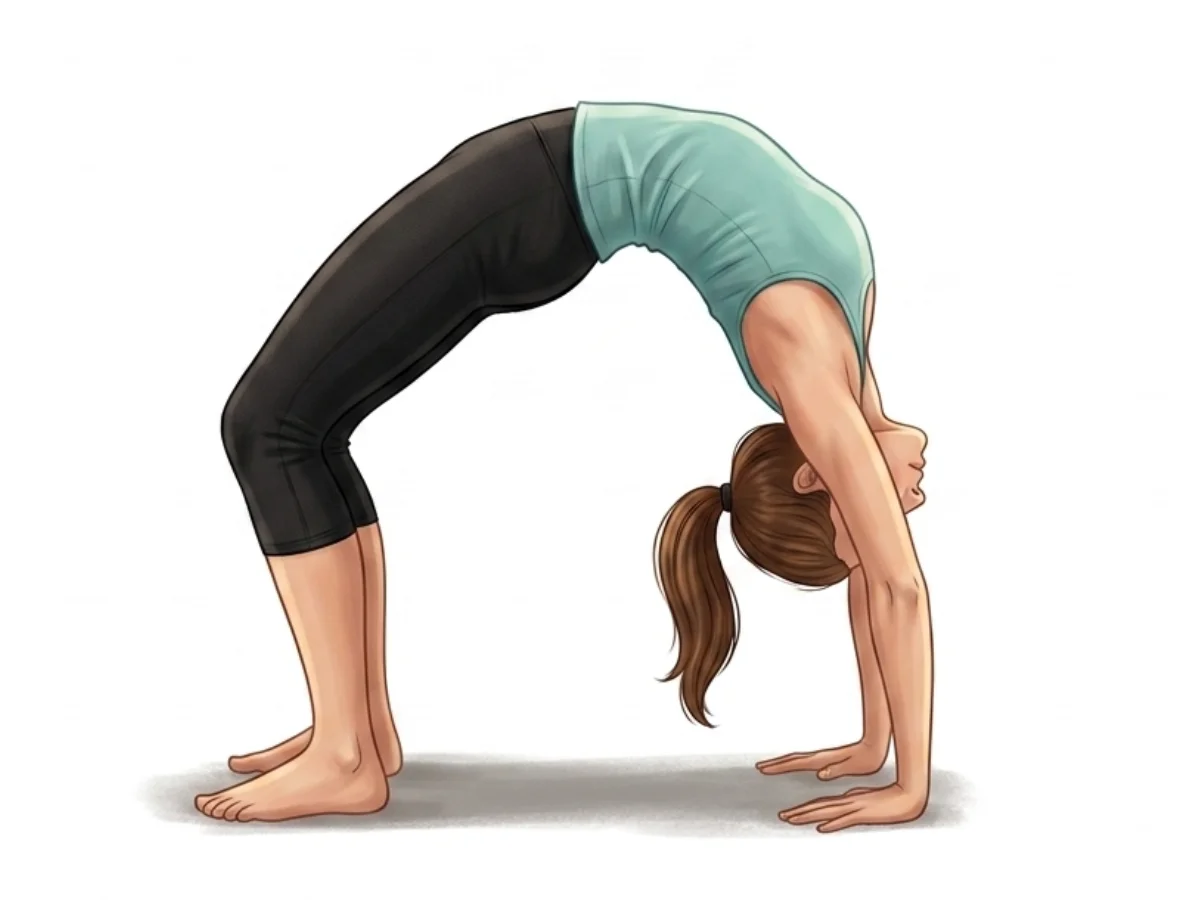
Wheel Pose
Urdhva DhanurasanaOpens the shoulders, chest, and hip flexors for deep backbending.
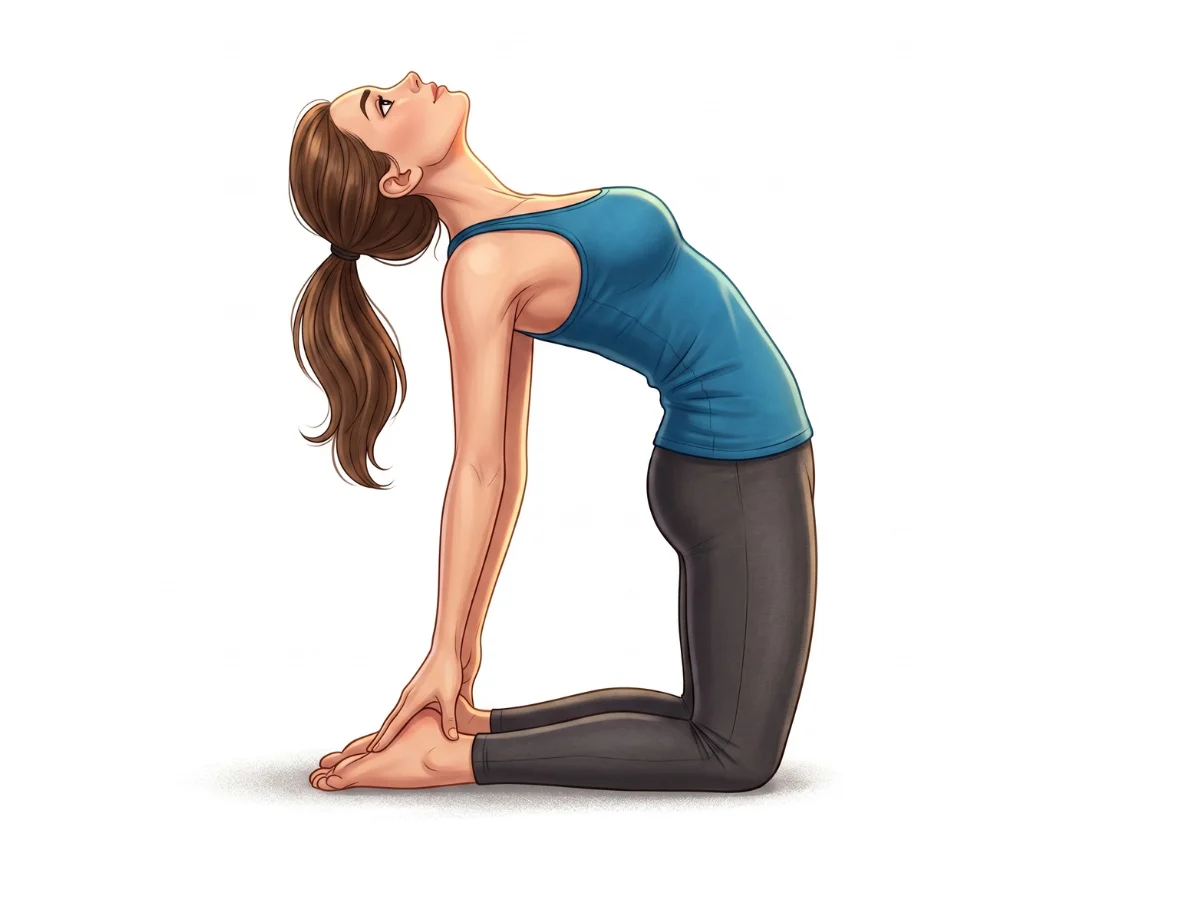
Camel Pose
UstrasanaA preparatory backbend that safely opens the front line of the body.
Follow with neutralizing Counter-poses
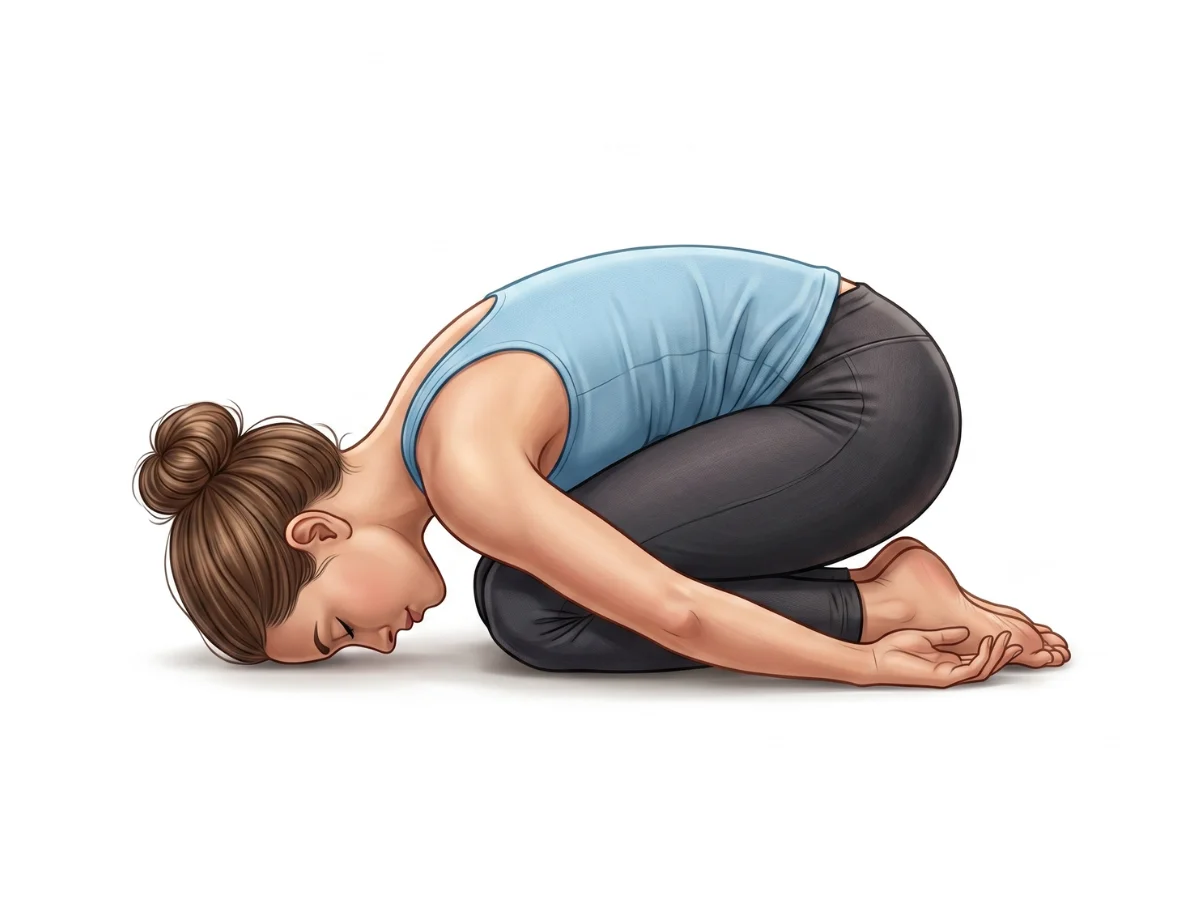
Child's Pose
BalasanaGently rounds the spine, providing a neutral resting position after deep extension.
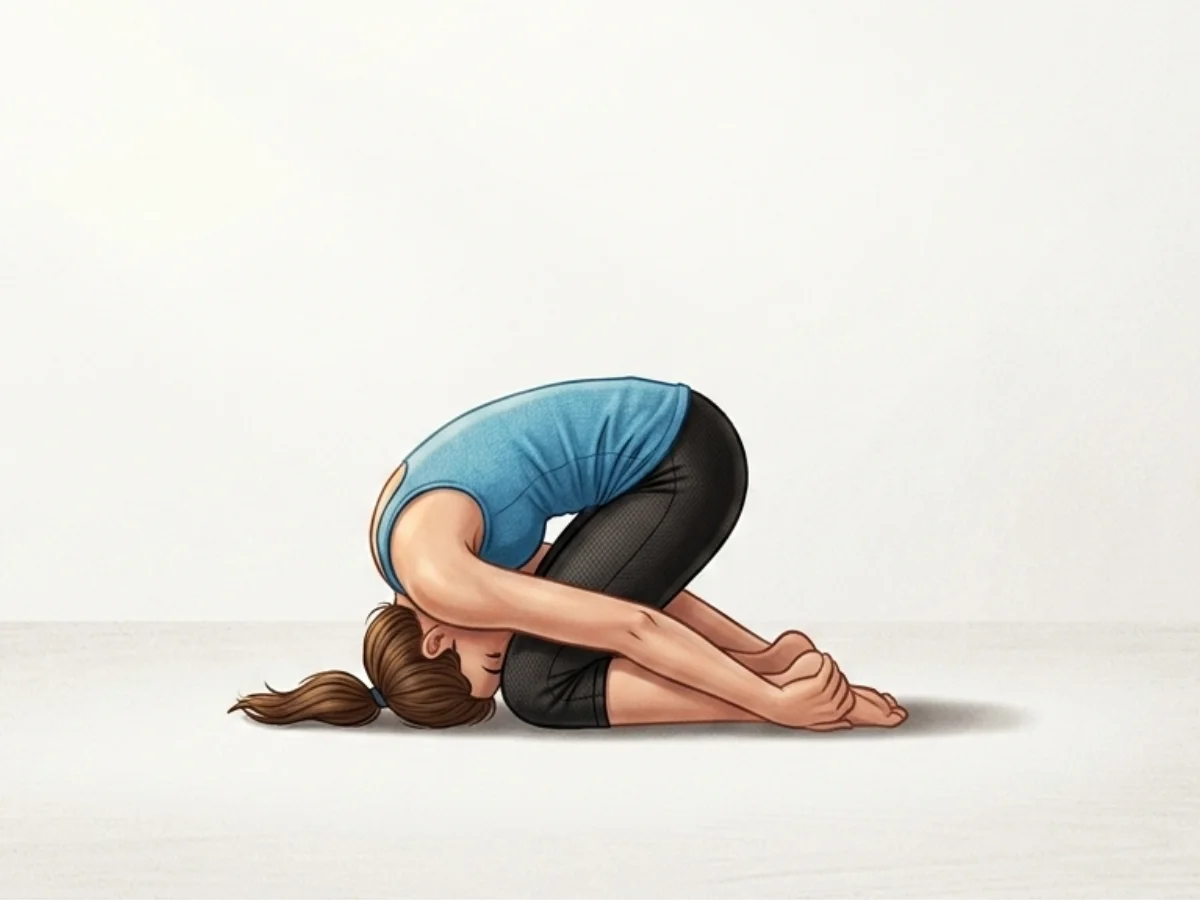
Rabbit Pose
SasangasanaProvides deep spinal flexion to counteract the intense backbend.
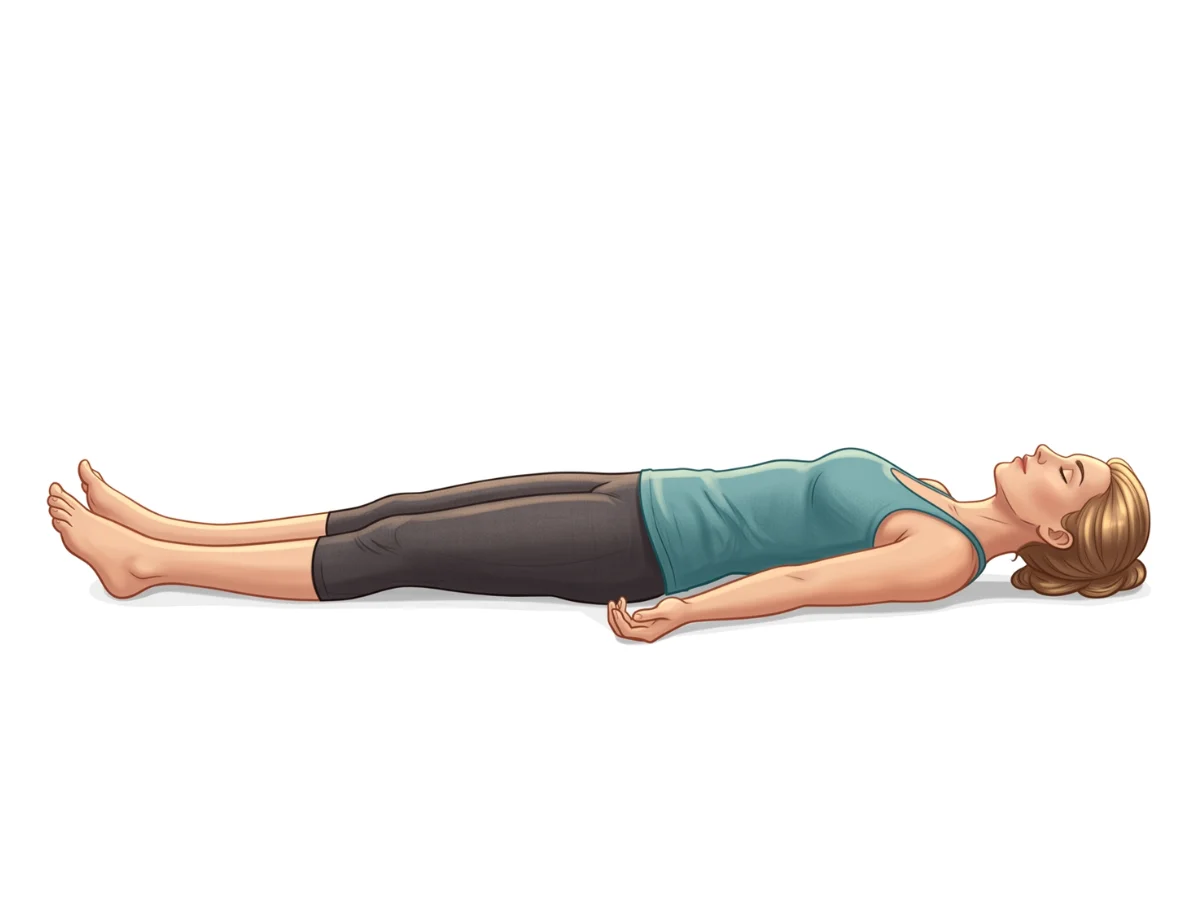
Corpse Pose
SavasanaAllows the nervous system to settle after a stimulating inversion.
Frequently Asked Questions
How do I avoid straining my lower back in Scorpion?
The key is to distribute the backbend evenly throughout your spine. Focus heavily on opening the chest and armpits, pushing the floor away, and keeping your core slightly toned to support the lumbar curve.
How long does it take to learn Scorpion Pose?
It varies greatly. Because it requires mastery of Forearm Balance first, plus deep spinal flexibility, it can take months or years of consistent, safe practice to achieve.
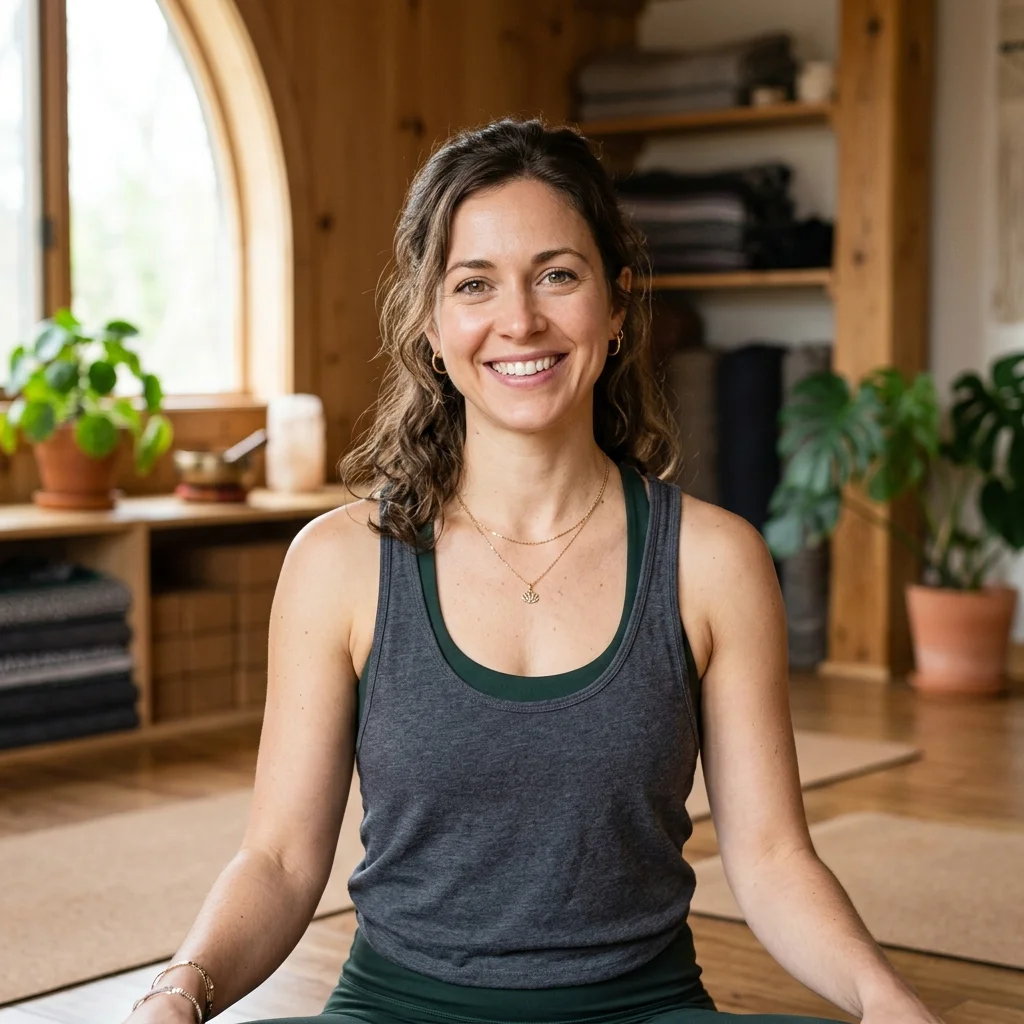
Elena Rostova is an accredited yoga educator and anatomy specialist with over 15 years of clinical experience. She focuses on functional biomechanics and injury prevention, translating complex anatomy into accessible guidance for safe, sustainable practice.
Read Full ProfileContinue Your Yoga Journey
Ready to deepen your practice? Explore our extensive library of poses, or join a structured program designed to build strength, flexibility, and mindfulness.