
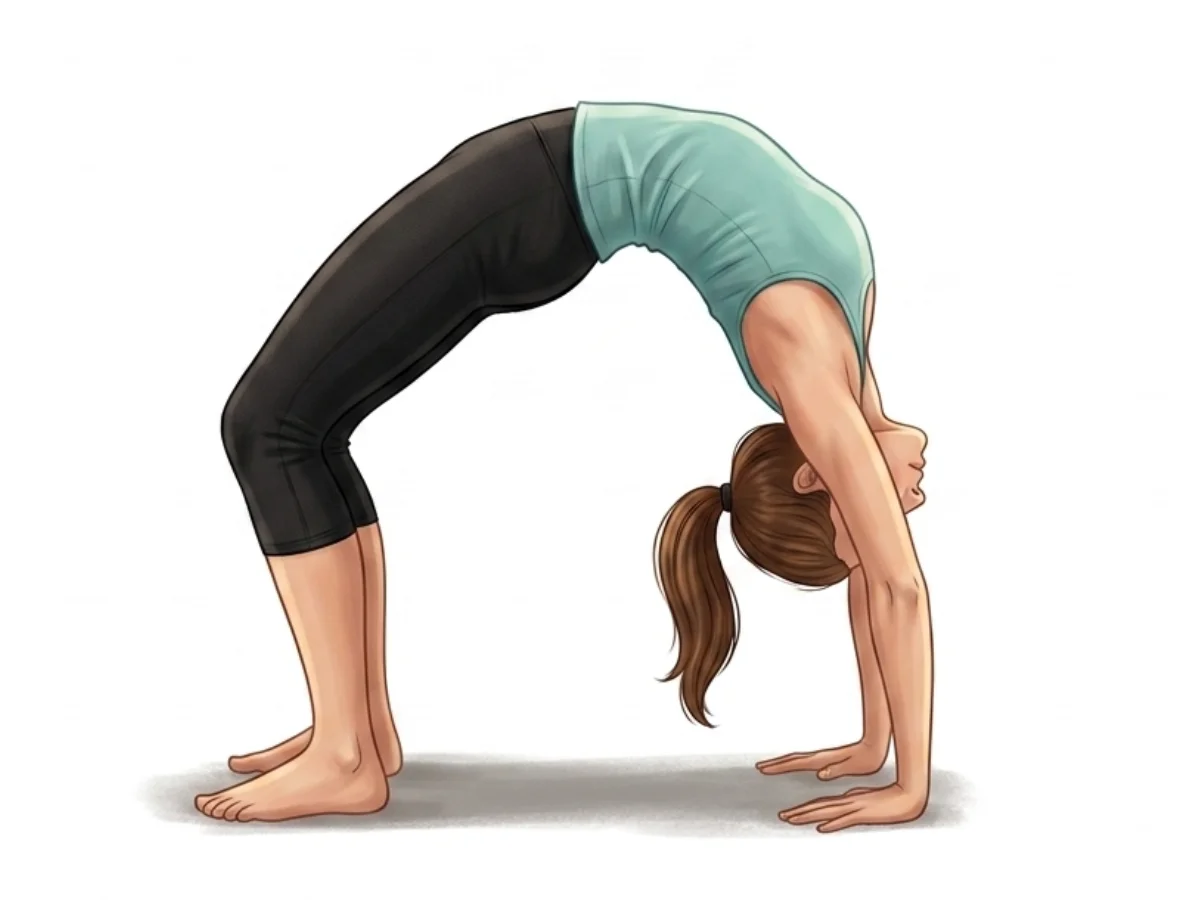
Wheel Pose
Urdhva Dhanurasana
By Elena Rostova Updated: verified Medically Reviewed
Wheel Pose (Urdhva Dhanurasana), also known as Upward Bow Pose, is an intense, full-body backbend that requires flexibility in the spine, shoulders, and hips, coupled with profound strength in the arms and legs. It serves as the peak backbending posture in many sequences, offering a massive burst of energy and chest expansion.
Hold Time
3�10 deep breaths
Pronunciation
OORD-vah DAHN-yoor-AHS-anna
About Wheel Pose
A vital part of many yoga sequences, Wheel (Urdhva Dhanurasana) offers wonderful benefits that go beyond its simple shape. By gently focusing on full body extension & heart opening, it actively stretches your muscles and builds heat. Practicing this pose regularly helps with deeply stretches the entire front body and leaves you feeling completely refreshed.
How to Practice
Supine Foundation
Lie flat on your back on the mat. Bend your knees and place your feet flat on the floor, hip-width apart and close to your sit bones.
Hand Placement
Bend your elbows and place your palms flat on the mat beside your ears. Your fingers should point toward your shoulders, with elbows pointing directly up at the ceiling.
Engage the Base
Press firmly down through all four corners of your feet. Engage your glutes and inner thighs, ensuring your knees don't splay outward.
Lift to the Crown (Phase 1)
On an inhalation, press into your hands and feet to lift your hips and shoulders off the floor, resting the crown of your head lightly on the mat. Pause here briefly to check alignment.
Press Up (Phase 2)
Take another breath, and on your exhale, press firmly and evenly into your hands and feet to straighten your arms and lift your head completely off the floor.
Open the Chest
Push your chest forward through your arms, extending the stretch into your upper back. Keep your neck relaxed, letting your head hang naturally.
Hold and Breathe
Hold the pose for 3 to 10 deep, steady breaths. Keep the legs active and the breath fluid, maintaining the upward lift of the pelvis.
Tuck and Lower
To exit safely, gently tuck your chin toward your chest, bend your elbows, and slowly lower your body down to the mat, upper back first, followed by the lower back and pelvis.
Practice with the Yoga Timer
Keep track of your hold time and breath count for this pose.
Beginner Modifications & Prop Options
Yoga is a personal journey. These modifications and prop options allow you to adapt the pose to your current level of balance and flexibility, ensuring a safe and supportive practice.
Practice Bridge Pose Instead
If pushing up is too difficult, keep your shoulders and head on the floor and practice Bridge Pose (Setu Bandhasana) to build leg and back strength first.
Tip: Focus on alignment rather than depth.
Blocks Under the Hands
Place yoga blocks against a wall and put your hands on the blocks. The added elevation reduces the flexibility required in the wrists and shoulders.
Tip: Focus on alignment rather than depth.
Strap Around the Thighs
Loop a yoga strap around your thighs, just above the knees, at hip-width distance. This provides tactile feedback to keep the legs parallel and engaged.
Tip: Focus on alignment rather than depth.
Benefits of Wheel Pose
Deeply Stretches the Entire Front Body
Provides a massive stretch to the chest, lungs, abdomen, and hip flexors, counteracting a sedentary lifestyle.
Strengthens Arms, Shoulders, and Legs
Requires significant pushing power from the triceps, deltoids, quadriceps, and glutes to lift and hold the body against gravity.
Enhances Spinal Flexibility
Maintains the elasticity of the spine and can help relieve minor backaches when practiced with proper alignment.
Highly Energizing
Deep backbends stimulate the adrenal glands and nervous system, generating a strong surge of energy and alertness.
Therapeutic for Posture
Reverses the rounded-shoulder, forward-head posture common in modern desk workers.
Common Mistakes to Avoid
Mistake: Splaying Knees and Feet Outward
How to fix: Keep the feet parallel and actively squeeze the inner thighs toward each other to prevent compression in the lower back.
Mistake: Pushing Entirely from the Lower Back
How to fix: Distribute the arch by actively pushing the chest through the arms to involve the upper thoracic spine.
Mistake: Flaring the Elbows
How to fix: Keep the elbows hugging in toward the midline, pointing straight back toward your feet as you prepare to lift, to protect the shoulder joints.
Safety and Precautions
Severe Back Issues
Avoid if you have spinal stenosis, spondylolisthesis, or herniated discs.
Carpal Tunnel Syndrome
The extreme wrist extension under heavy weight load can exacerbate symptoms severely.
High or Low Blood Pressure
The intense nature of the pose and head position can cause dizziness or dangerous blood pressure spikes.
Pregnancy
The profound abdominal stretch and risk of falling make this unsafe during pregnancy unless under expert supervision.
Medical Disclaimer: If you have any of the above conditions, consult your doctor or a qualified yoga instructor before attempting this pose.
Muscles Worked in Wheel Pose
Wheel Pose demands synchronized muscular effort, creating a profound sense of engagement and release throughout the body. The activation of the primary muscles supports the structure, while the secondary muscles provide stability and balance.
Primary Muscles
Gluteus Maximus
Contracts powerfully to lift the pelvis and extend the hips.
Triceps Brachii
Contracts to straighten the arms and lift the torso.
Erector Spinae
Works to extend the entire length of the spine.
Secondary Muscles
Quadriceps
Assist in pressing the body up and maintaining the lift.
Pectoralis Major
Stretches deeply across the chest.
Poses to Practice Before and After Wheel Pose
Prepare with these Poses
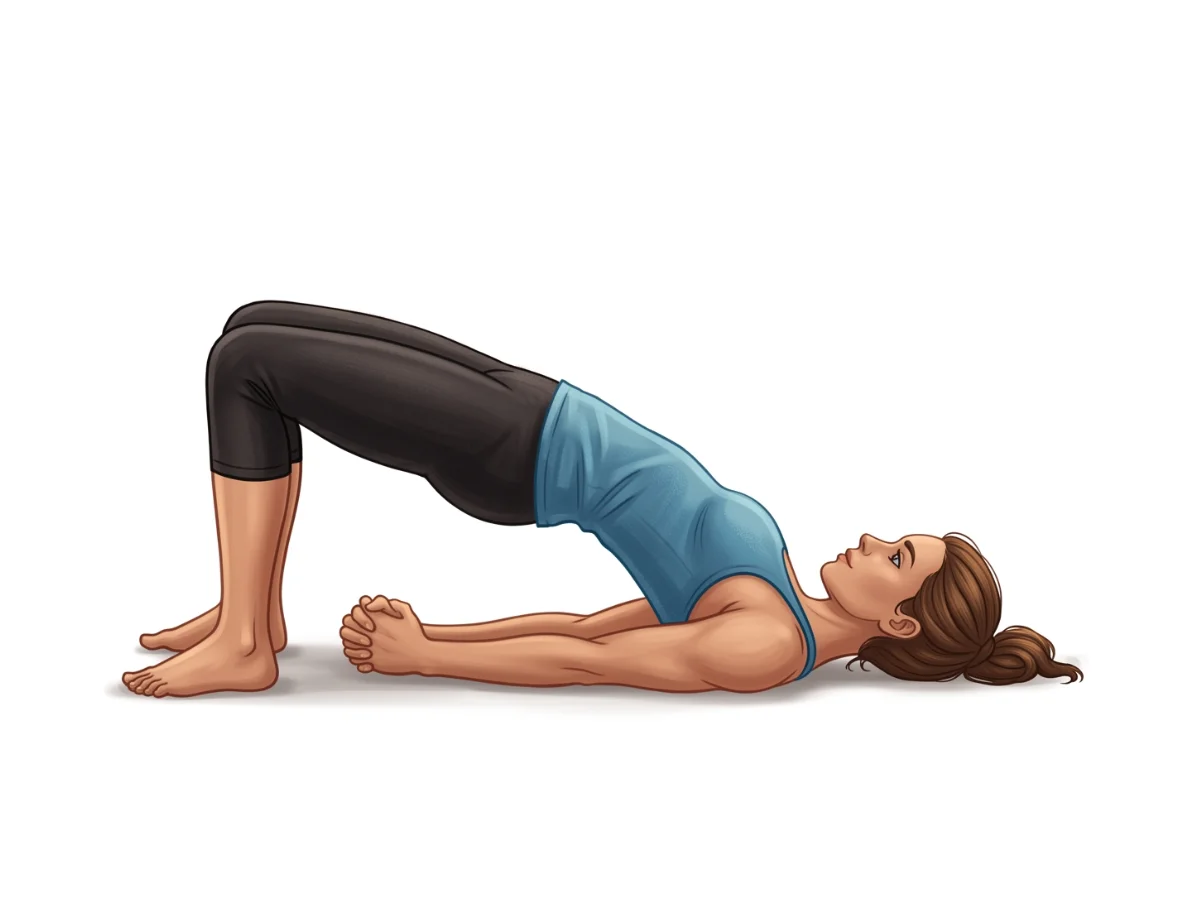
Bridge Pose
Setu BandhasanaThe perfect foundational pose to build the leg and glute strength needed for Wheel.
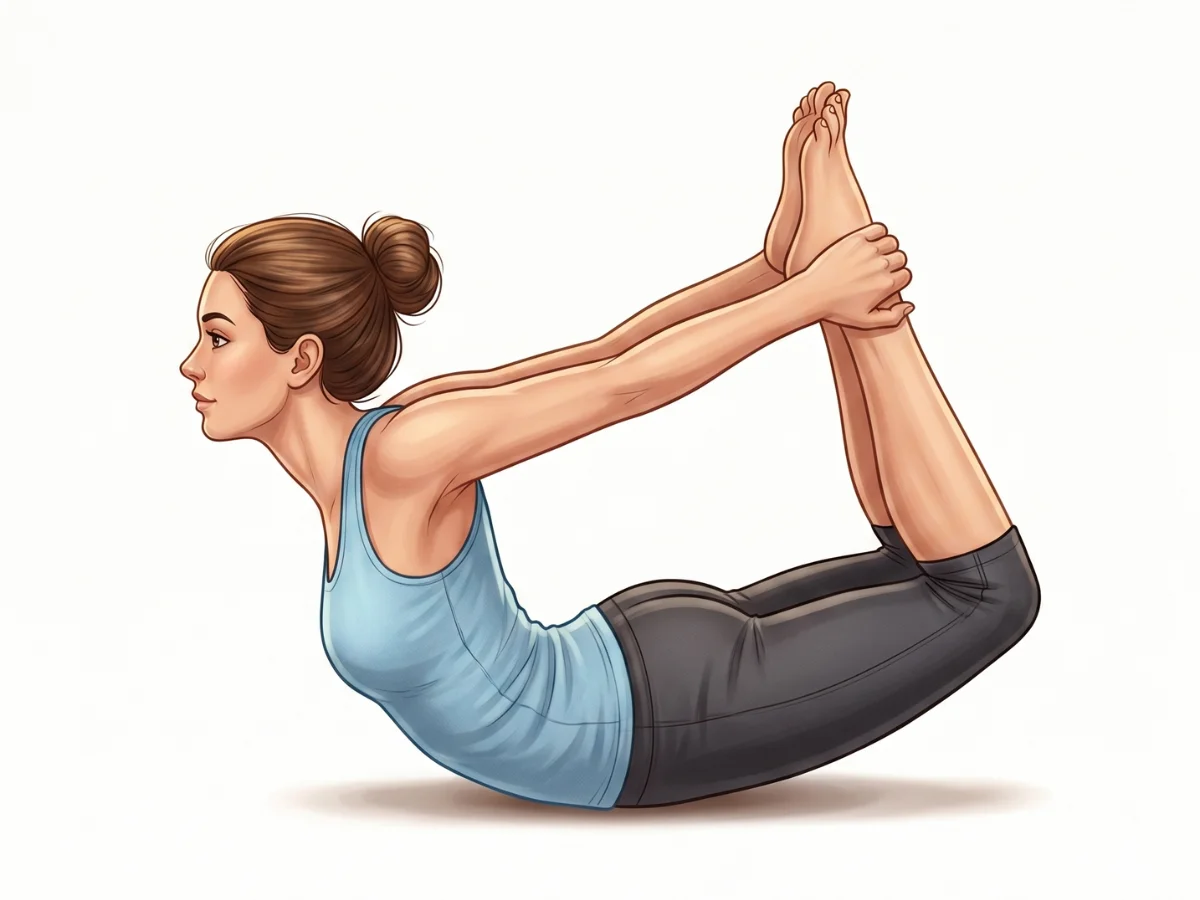
Bow Pose
DhanurasanaOpens the shoulders and chest while engaging the back muscles.
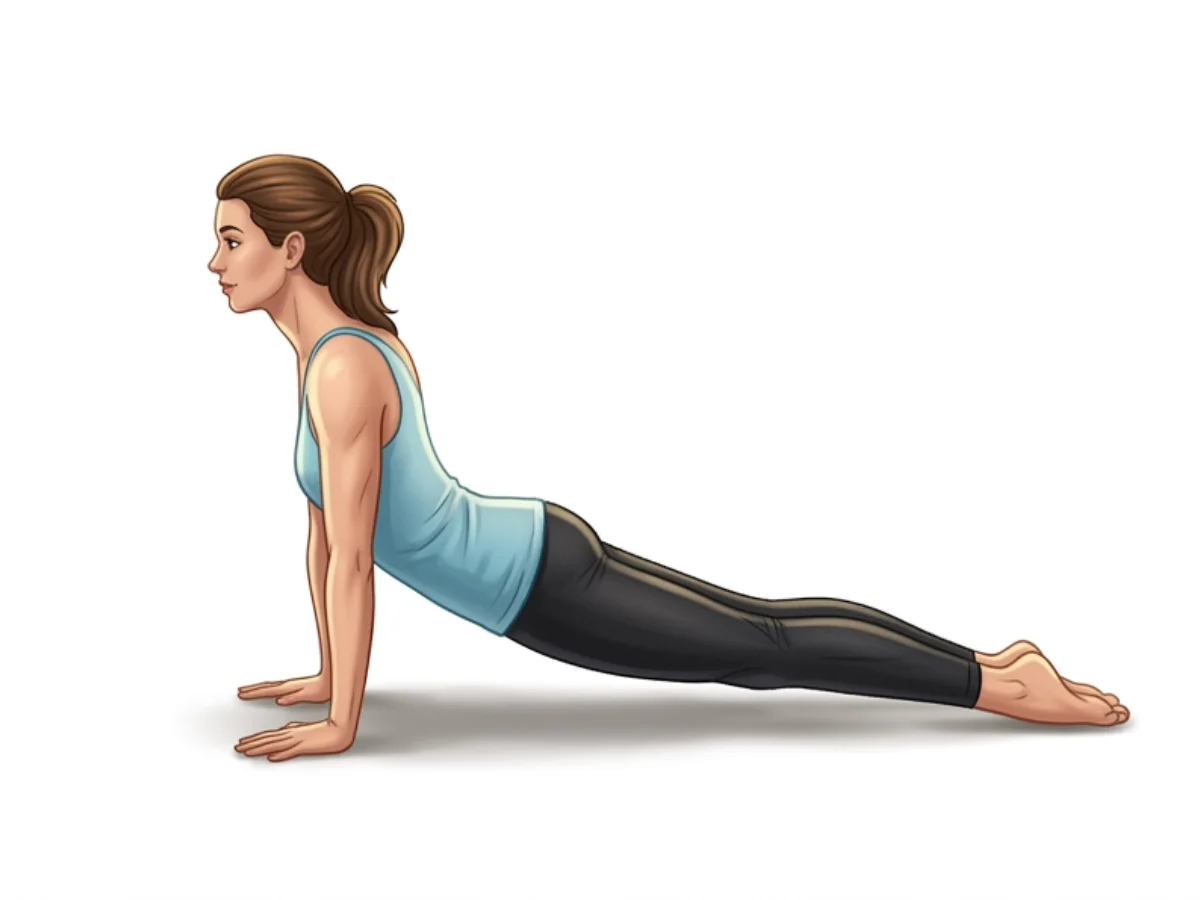
Upward-Facing Dog
Urdhva Mukha SvanasanaWarms up the wrists, arms, and thoracic spine for deep backbending.
Follow with neutralizing Counter-poses
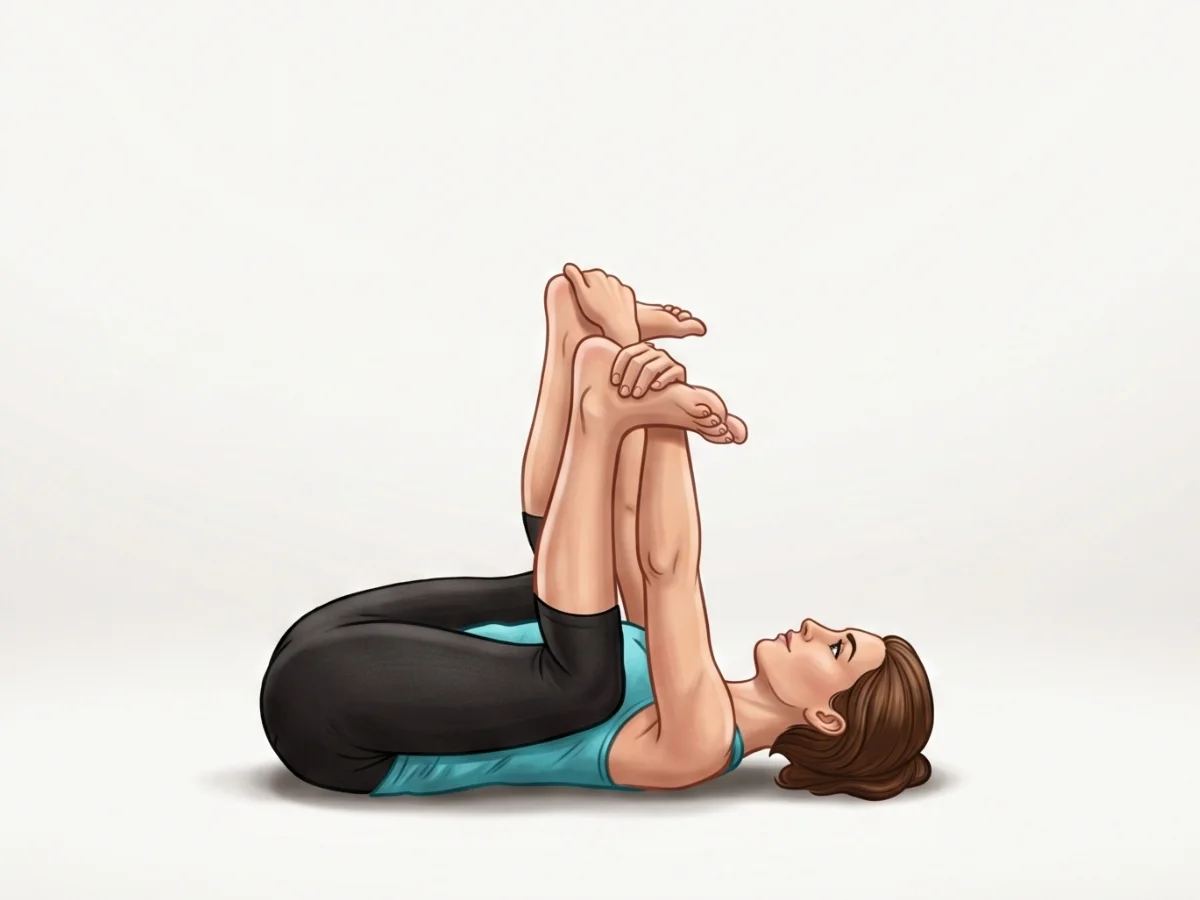
Happy Baby Pose
Ananda BalasanaGently flexes the spine and releases tension in the lower back and sacrum.
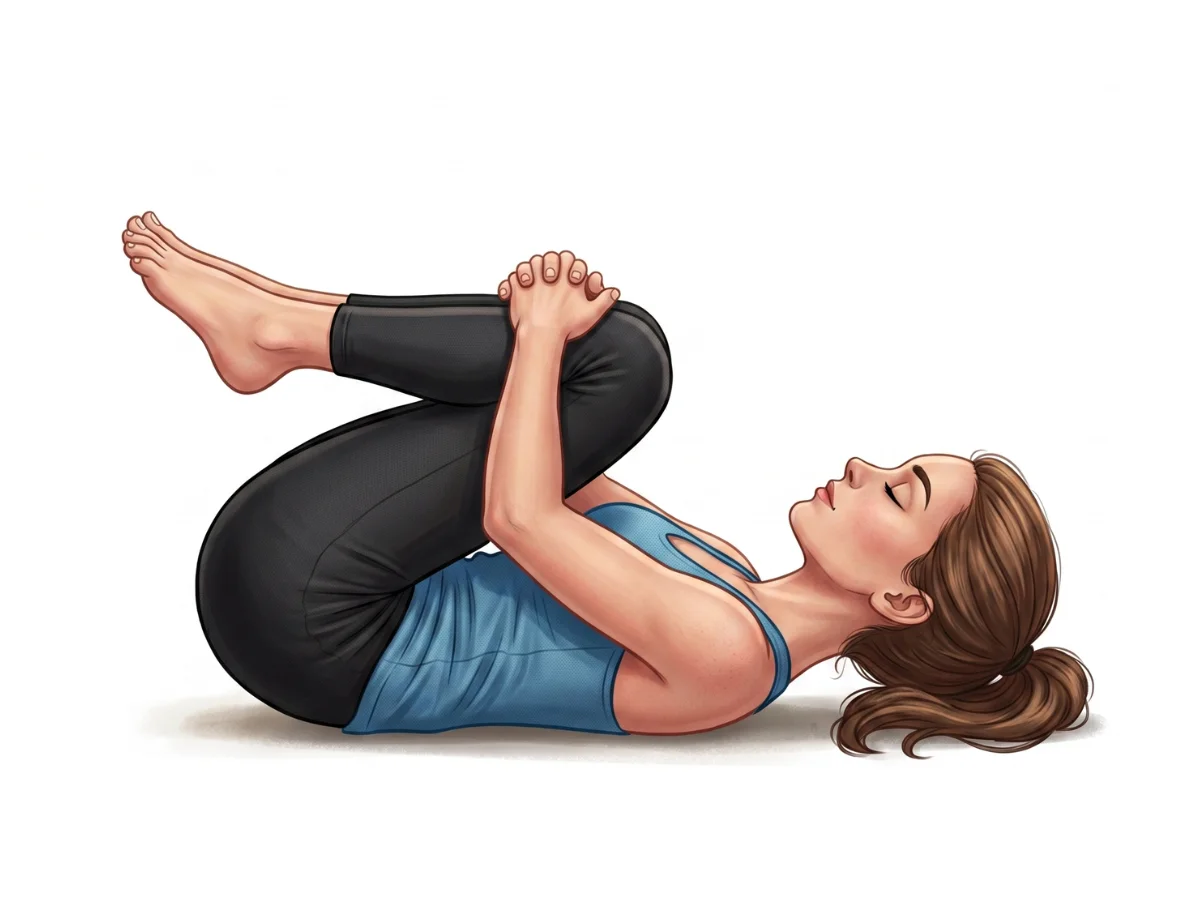
Wind-Removing Pose
PavanamuktasanaHugging the knees to the chest provides immediate relief to compressed back muscles.
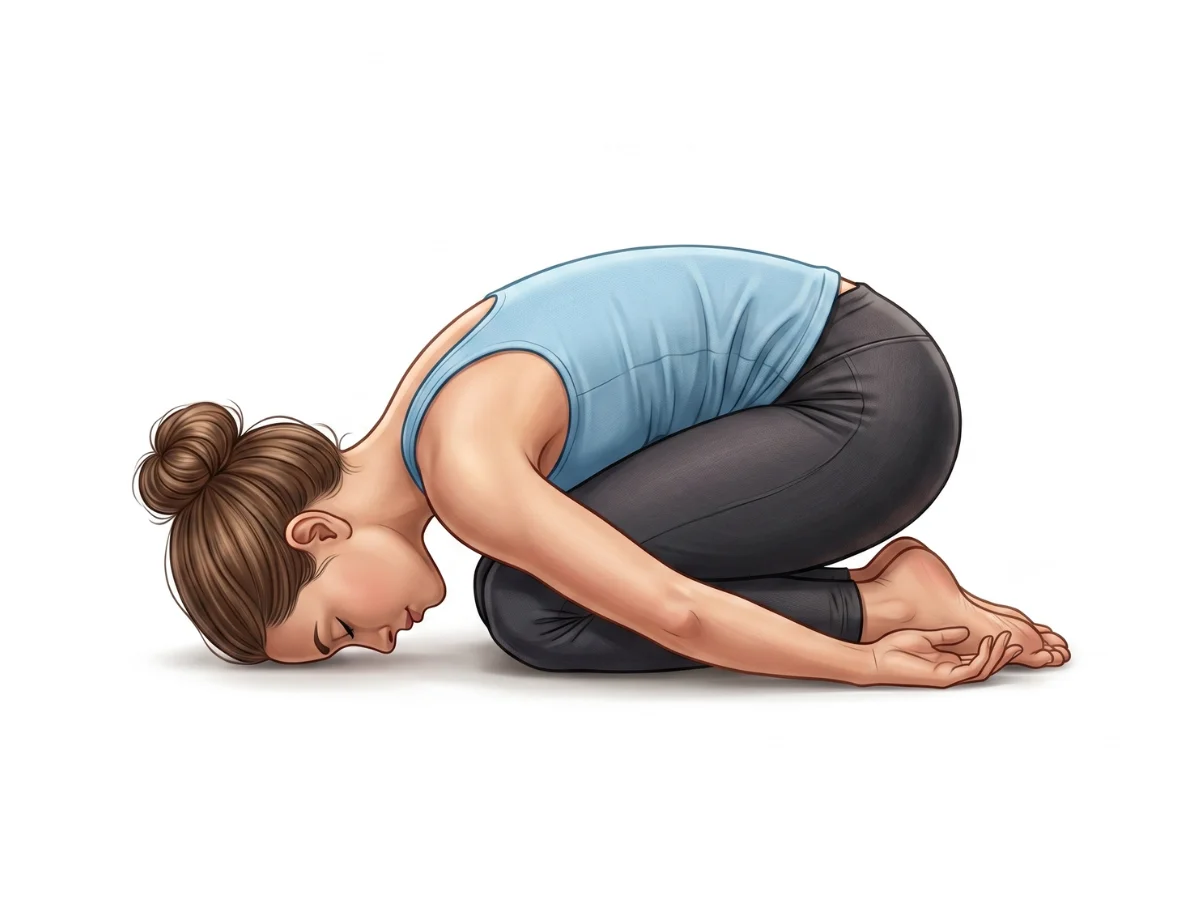
Child's Pose
BalasanaOffers a quiet, grounded forward fold to reset the nervous system after a deep backbend.
Frequently Asked Questions
I can push up to the crown of my head, but no further. Why?
This usually points to a lack of triceps strength, tight shoulders, or tight hip flexors. Keep practicing Bridge Pose and chest openers, and don't force the full pose until your body is ready.
Is it normal to feel dizzy after Wheel Pose?
Yes, Wheel is a deep inversion and backbend, which can cause a rapid shift in blood flow. Always tuck your chin before coming down, move slowly, and rest flat on your back for several breaths afterward.

Elena Rostova is an accredited yoga educator and anatomy specialist with over 15 years of clinical experience. She focuses on functional biomechanics and injury prevention, translating complex anatomy into accessible guidance for safe, sustainable practice.
Read Full ProfileContinue Your Yoga Journey
Ready to deepen your practice? Explore our extensive library of poses, or join a structured program designed to build strength, flexibility, and mindfulness.