
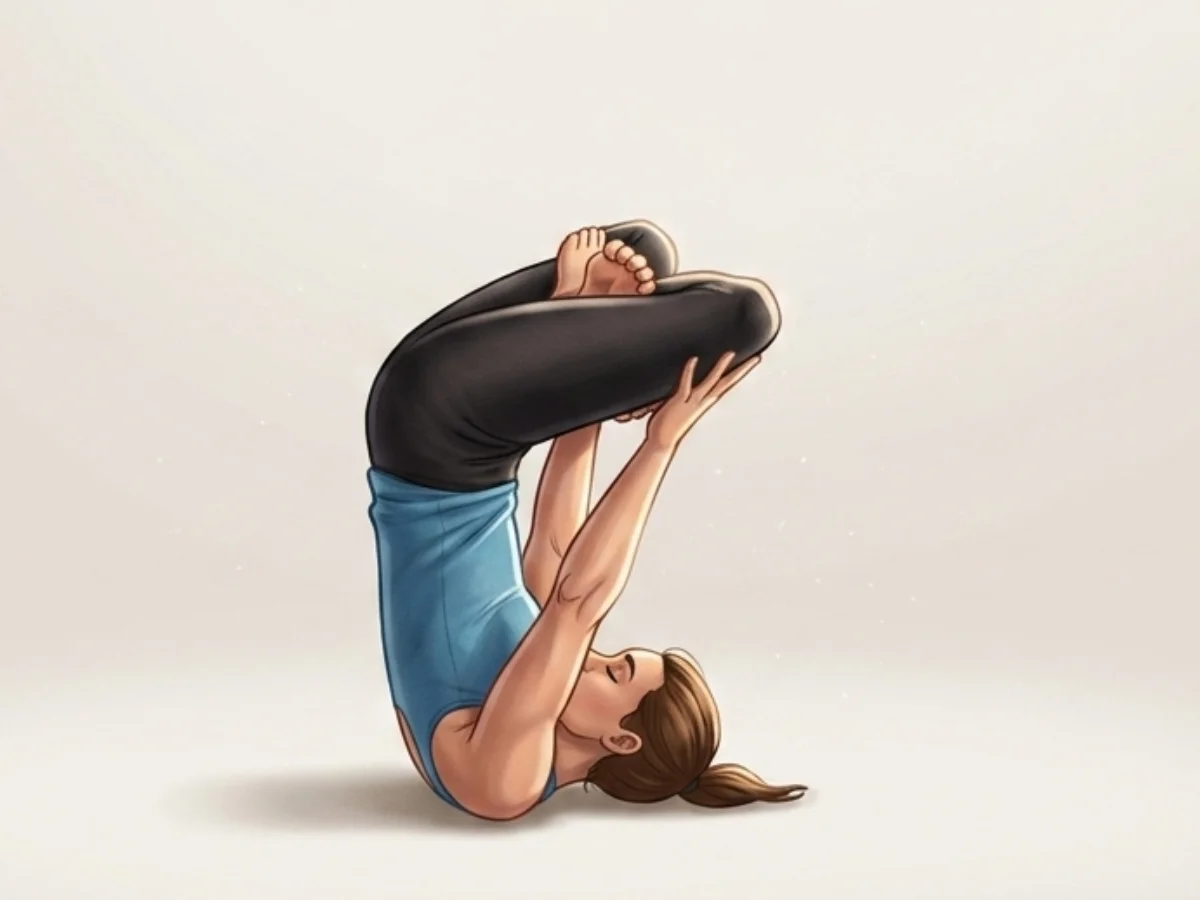
Shoulder Stand with Lotus Legs
Padma Sarvangasana
By Elena Rostova Updated: verified Medically Reviewed
Shoulder Stand with Lotus Legs (Padma Sarvangasana) is an advanced variation that combines the cooling, inverted benefits of Shoulder Stand with the deep hip opening of Lotus Pose. It requires tremendous balance, core stability, and open hips to execute safely.
Hold Time
30–60 sec · 5–10 breaths
Pronunciation
PAHD-mah sar-van-GAHS-anna
About Shoulder Stand with Lotus Legs
Drawing inspiration directly from the earth's elements, Shoulder Stand with Lotus Legs (Padma Sarvangasana) requires both fierce stability and gentle yielding. As you settle into the shape, it gently works the balance & hip opening to increase your overall flexibility. Over time, adding this to your routine is a great way to support calms the nervous system while calming the mind.
How to Practice
Enter Shoulder Stand
Begin in Supported Shoulder Stand (Salamba Sarvangasana) with your hands firmly supporting your mid-back and your legs reaching straight up.
Find Stability
Ensure your weight is resting on your shoulders and upper arms, not on your neck. Keep your gaze steady on your chest.
Fold into Lotus
Slowly bend your right knee and place the right foot onto the left hip crease. Then, bend the left knee and place the left foot onto the right hip crease into full Lotus (Padmasana).
Adjust the Legs
If needed, use one hand at a time to help guide the feet into position, ensuring your core remains engaged to stay balanced.
Extend Upward
Once in Lotus, press your knees upward toward the ceiling to lengthen the spine and fully open the hips.
Support the Back
Keep your hands pressing firmly into your back for support, or, for an advanced challenge, place your hands on your knees to balance entirely on your shoulders.
Hold and Breathe
Breathe smoothly and maintain the pose for 5 to 10 deep breaths, keeping the neck relaxed.
Exit the Pose
Carefully uncross your legs, return to a straight-legged Shoulder Stand, lower into Plow Pose, and gently roll the spine down to the mat.
Practice with the Yoga Timer
Keep track of your hold time and breath count for this pose.
Beginner Modifications & Prop Options
Yoga is a personal journey. These modifications and prop options allow you to adapt the pose to your current level of balance and flexibility, ensuring a safe and supportive practice.
Half Lotus Variation
Instead of full Lotus, bring only one foot into the opposite hip crease, leaving the other leg straight up or gently bent over the body.
Tip: Focus on alignment rather than depth.
Use Folded Blankets
Always practice with folded blankets under the shoulders to maintain the natural curve of the neck and prevent cervical compression.
Tip: Focus on alignment rather than depth.
Benefits of Shoulder Stand with Lotus Legs
Calms the Nervous System
Like all Shoulder Stand variations, it stimulates the parasympathetic nervous system, reducing stress and anxiety.
Deepens Hip Flexibility
Practicing Lotus while inverted utilizes gravity to provide a unique, deep stretch to the hips and knees.
Enhances Circulation
Promotes venous blood return from the legs and abdominal organs toward the heart and brain.
Challenges Core Balance
Folding the legs alters the center of gravity, demanding heightened core control and proprioception.
Common Mistakes to Avoid
Mistake: Turning the Head
How to fix: Never turn your head from side to side while in any Shoulder Stand variation to avoid severe neck injury.
Mistake: Forcing the Lotus
How to fix: Do not force the knees or ankles into Lotus. If you cannot do Lotus seated, do not attempt it inverted.
Safety and Precautions
Neck or Cervical Spine Injuries
Avoid all forms of Shoulder Stand if you have a history of neck injury or disc issues.
High Blood Pressure or Glaucoma
Inversions increase pressure in the head and eyes.
Knee or Ankle Injuries
Full Lotus places significant torque on the knee joints; avoid if injured.
Medical Disclaimer: If you have any of the above conditions, consult your doctor or a qualified yoga instructor before attempting this pose.
Muscles Worked in Shoulder Stand with Lotus Legs
Shoulder Stand with Lotus Legs demands synchronized muscular effort, creating a profound sense of engagement and release throughout the body. The activation of the primary muscles supports the structure, while the secondary muscles provide stability and balance.
Primary Muscles
Rectus Abdominis
Maintains the vertical alignment of the torso.
Gluteus Medius
Works to externally rotate the hips for Lotus.
Triceps Brachii
Presses into the mat to support the upper body.
Secondary Muscles
Erector Spinae
Supports the straight alignment of the spine.
Pectoralis Minor
Engages slightly to keep the chest lifted toward the chin.
Poses to Practice Before and After Shoulder Stand with Lotus Legs
Prepare with these Poses
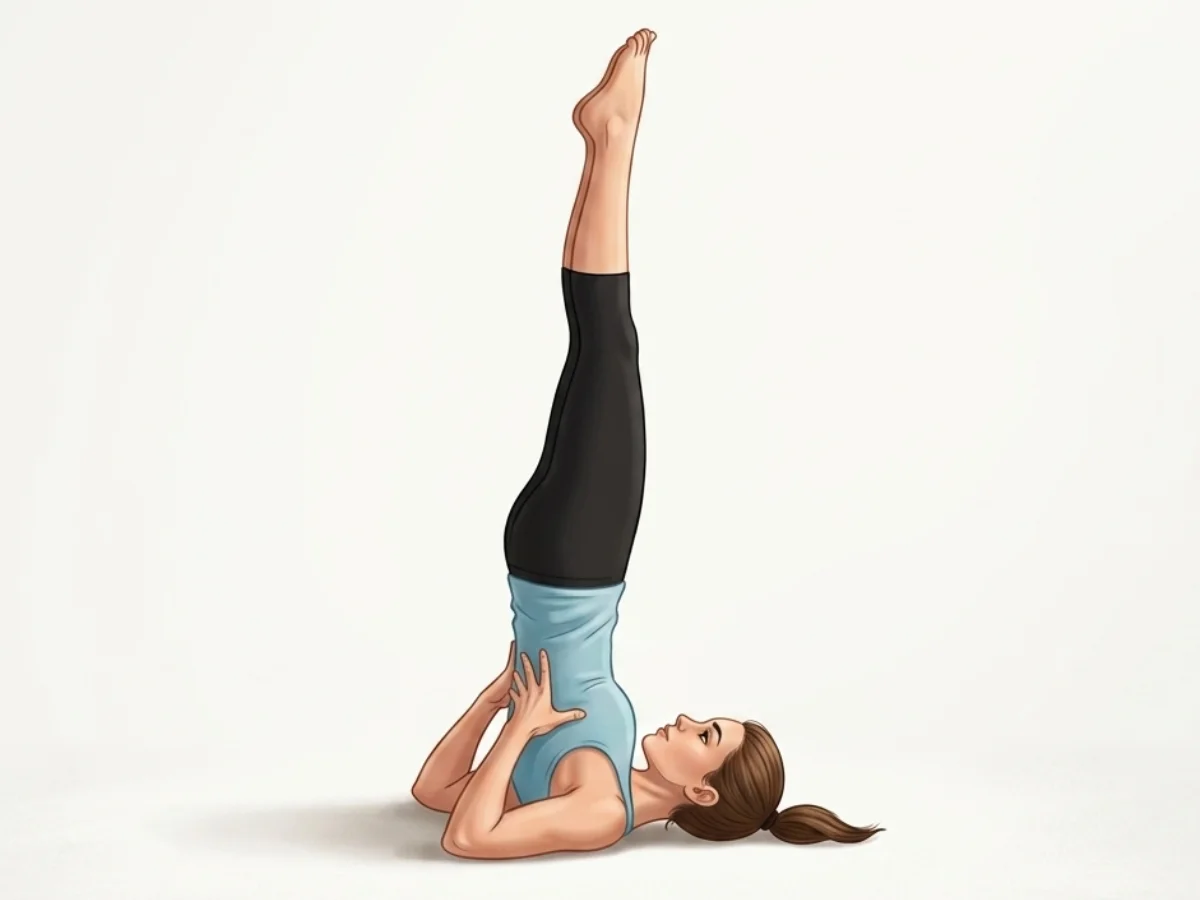
Supported Shoulder Stand
Salamba SarvangasanaThe foundational posture required before adding the leg variation.
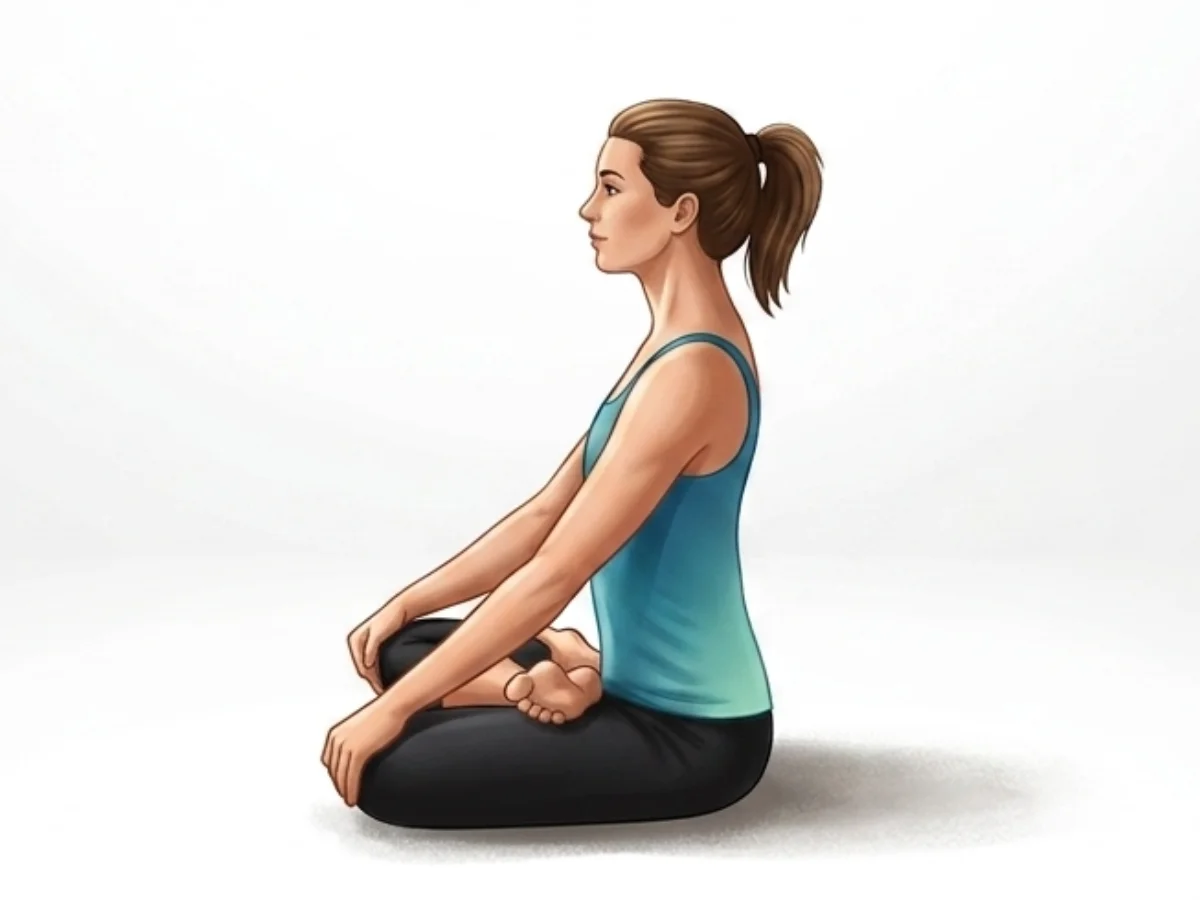
Lotus Pose
PadmasanaEnsures the hips and knees are sufficiently open.
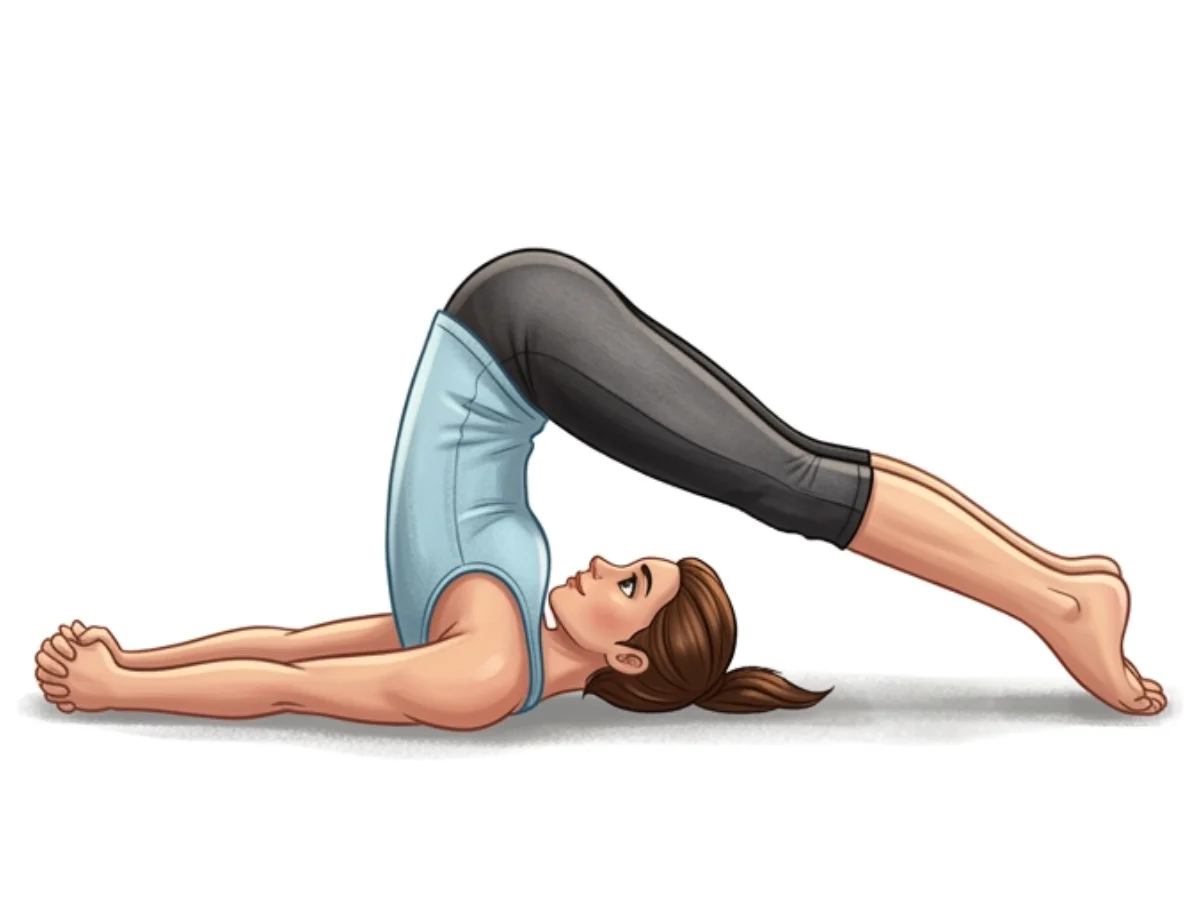
Plow Pose
HalasanaPrepares the neck and shoulders for bearing weight.
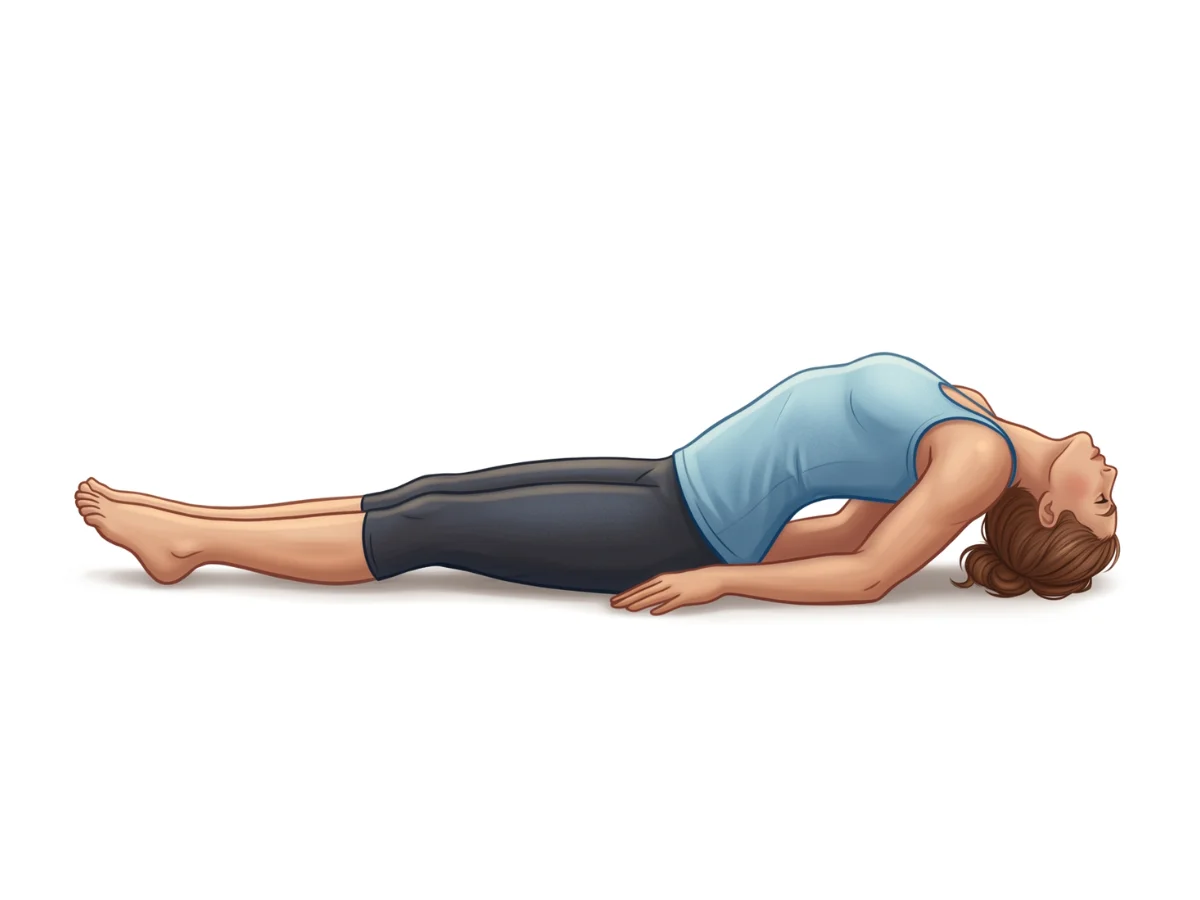
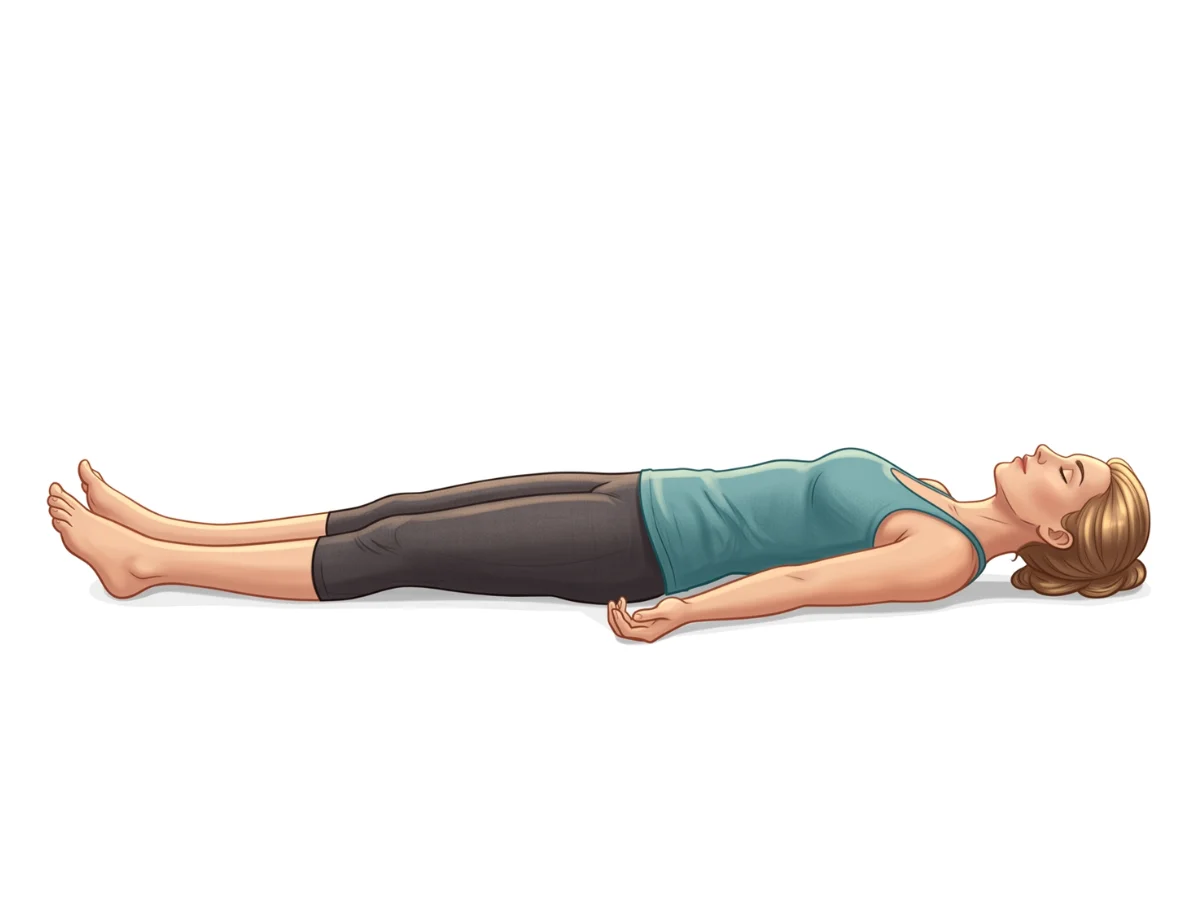
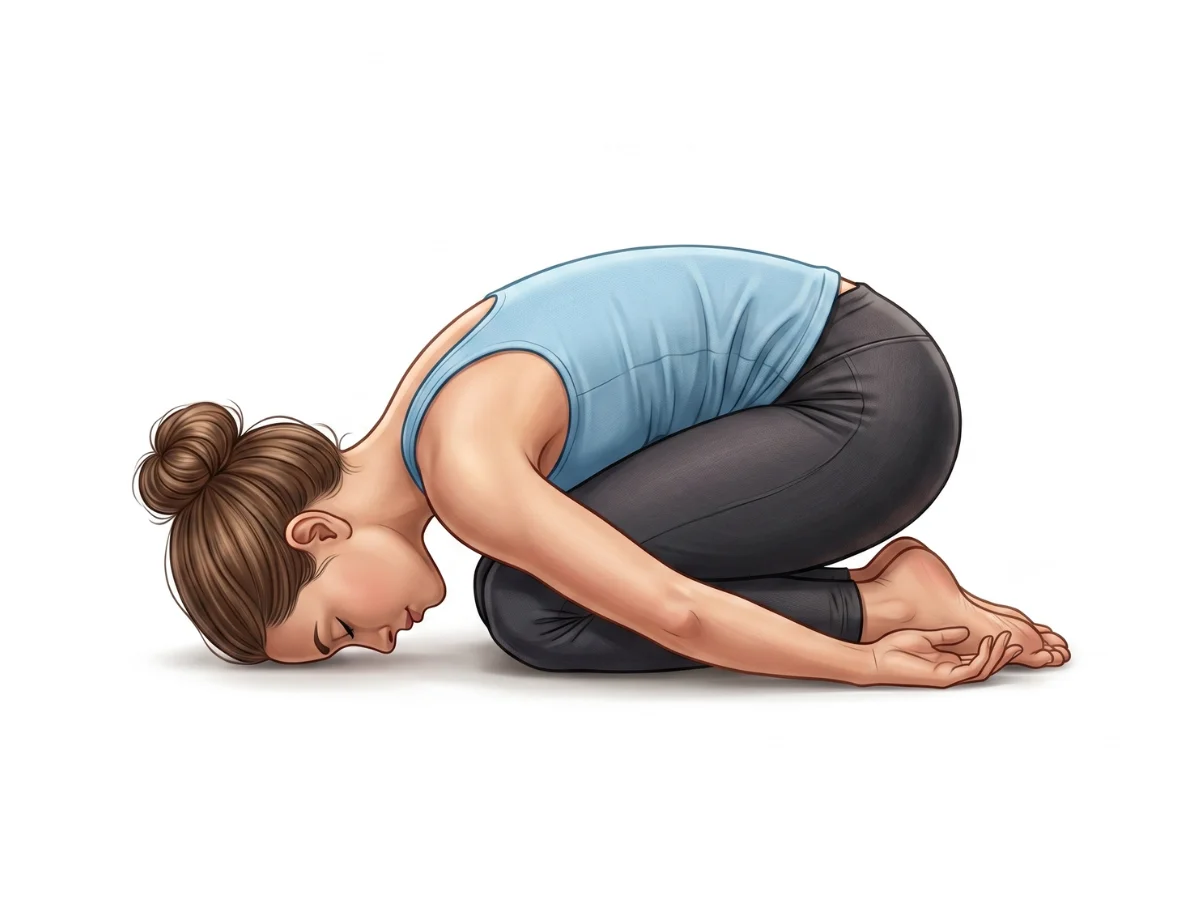
Follow with neutralizing Counter-poses
Frequently Asked Questions
Is it harder to balance with Lotus legs than straight legs?
Yes. Folding the legs lowers your center of gravity and changes the weight distribution, requiring more subtle core adjustments to maintain the vertical line without toppling backward.
How can I safely get my legs into Lotus while upside down?
Take it slowly. Make sure your hands are providing robust support to your back. Gently bring one foot into the hip crease, stabilize, and then guide the second foot into place.
Elena Rostova is an accredited yoga educator and anatomy specialist with over 15 years of clinical experience. She focuses on functional biomechanics and injury prevention, translating complex anatomy into accessible guidance for safe, sustainable practice.
Read Full ProfileContinue Your Yoga Journey
Ready to deepen your practice? Explore our extensive library of poses, or join a structured program designed to build strength, flexibility, and mindfulness.