
Snake
Sarpasana
By Elena Rostova Updated: verified Medically Reviewed
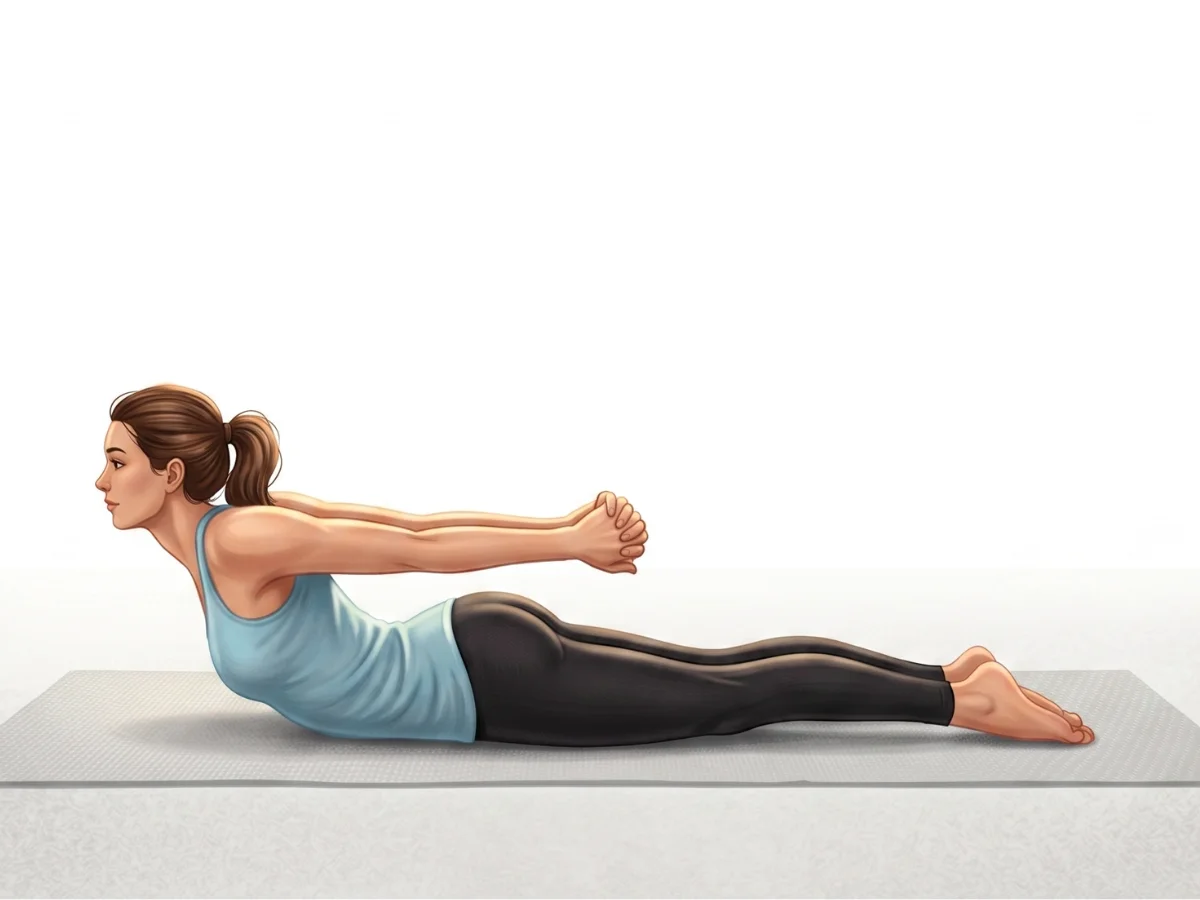
Snake Pose (Sarpasana) is a dynamic prone backbend that heavily engages the muscles of the posterior chain, particularly the erector spinae. Unlike Cobra Pose, the hands are interlaced behind the back, relying entirely on back strength to lift the chest and shoulders off the floor while intensely opening the anterior chest.
Hold Time
20–40 sec · 4–8 breaths
Pronunciation
sar-PAHS-anna
About Snake
Drawing inspiration from nature, Snake (Sarpasana) is a powerful pose that encourages a deep connection to movement. This posture specifically engages the back strength & chest expansion, making it highly effective for developing both strength and mobility. Ultimately, it is a fantastic pose for strengthens the entire back, leaving you with a profound sense of grounded energy.
How to Practice
Prone Foundation
Begin lying on your stomach in Reverse Corpse Pose (Advasana), with your legs extended straight back and the tops of your feet pressing firmly into the mat.
Bind the Hands
Reach both arms behind your back and interlace your fingers. Rest your bound hands lightly on your glutes or lower back.
Engage the Lower Body
Press your pubic bone firmly into the floor. Squeeze your inner thighs slightly toward each other and engage your glutes.
Inhale and Lift
On a deep inhalation, use your back muscles to peel your chest, shoulders, and upper ribs off the mat.
Extend the Arms
Pull your interlaced hands back toward your heels, straightening your arms to deepen the stretch across your chest and shoulders.
Neck Alignment
Keep your gaze softly focused down and slightly forward to maintain a neutral neck, avoiding a sharp crunch in the cervical spine.
Hold and Breathe
Maintain the lift for 4 to 8 steady breaths, feeling the deep engagement in your upper and middle back.
Exhale and Release
Slowly exhale as you gently lower your chest and forehead back down to the mat.
Rest
Release your hands, bringing them alongside your body or resting your head on your hands to relax fully.
Practice with the Yoga Timer
Keep track of your hold time and breath count for this pose.
Beginner Modifications & Prop Options
Yoga is a personal journey. These modifications and prop options allow you to adapt the pose to your current level of balance and flexibility, ensuring a safe and supportive practice.
Use a Strap
Hold a yoga strap between your hands behind your back. Walk your hands as close together as comfortable while maintaining straight arms.
Tip: Focus on alignment rather than depth.
Keep Feet Hip-Width Apart
Instead of keeping the feet perfectly together, separate them to hip-width distance to reduce compression in the lumbar spine.
Tip: Focus on alignment rather than depth.
Lift Lower Body (Variation)
Once the chest is lifted, simultaneously lift the legs off the mat for a more intense, full-body extension similar to Locust Pose.
Tip: Focus on alignment rather than depth.
Benefits of Snake
Strengthens the Entire Back
Heavily recruits the erector spinae and rhomboids, building endurance and strength in the posterior chain without arm assistance.
Expands the Chest & Shoulders
Binding the hands behind the back provides a deep stretch to the pectoralis major and anterior deltoids, counteracting slouched posture.
Stimulates Digestion
The pressure of the abdomen against the floor massages internal organs, potentially aiding digestion and relieving mild constipation.
Tones the Glutes & Hamstrings
Keeping the lower body anchored while lifting the torso requires active engagement of the gluteus maximus and hamstrings.
Improves Postural Awareness
Teaches the body how to actively engage the back muscles for extension, translating to improved upright posture in daily life.
Common Mistakes to Avoid
Mistake: Cranking the Neck Back
How to fix: Keep the back of your neck long by looking down and slightly forward, rather than throwing the head back to fake a deeper backbend.
Mistake: Lifting Feet Off the Floor
How to fix: Unless intentionally doing a Locust variation, press the tops of your feet firmly into the mat to anchor the pose.
Mistake: Holding the Breath
How to fix: Maintain smooth, steady breathing. It is normal for breaths to feel shallow due to abdominal compression, but never hold your breath.
Safety and Precautions
Pregnancy
Compressing the abdomen on the floor is unsafe after the first trimester.
Recent Abdominal Surgery
Pressure on the stomach can interfere with healing incisions or internal tissues.
Severe Lower Back Injuries
Deep, unassisted backbends can aggravate herniated discs or acute spinal stenosis.
Shoulder Injuries
Binding the arms behind the back can overstretch or irritate rotator cuff tears or severe impingement.
Medical Disclaimer: If you have any of the above conditions, consult your doctor or a qualified yoga instructor before attempting this pose.
Muscles Worked in Snake
Snake demands synchronized muscular effort, creating a profound sense of engagement and release throughout the body. The activation of the primary muscles supports the structure, while the secondary muscles provide stability and balance.
Primary Muscles
Erector Spinae
Contracts powerfully to extend the spine and lift the torso.
Rhomboids
Draw the shoulder blades together to open the chest.
Gluteus Maximus
Anchors the pelvis and supports spinal extension.
Secondary Muscles
Pectoralis Major
Stretches deeply as the arms pull backward.
Hamstrings
Engage to keep the legs active and anchored.
Triceps Brachii
Contract to straighten the arms behind the back.
Poses to Practice Before and After Snake
Prepare with these Poses
Cobra Pose
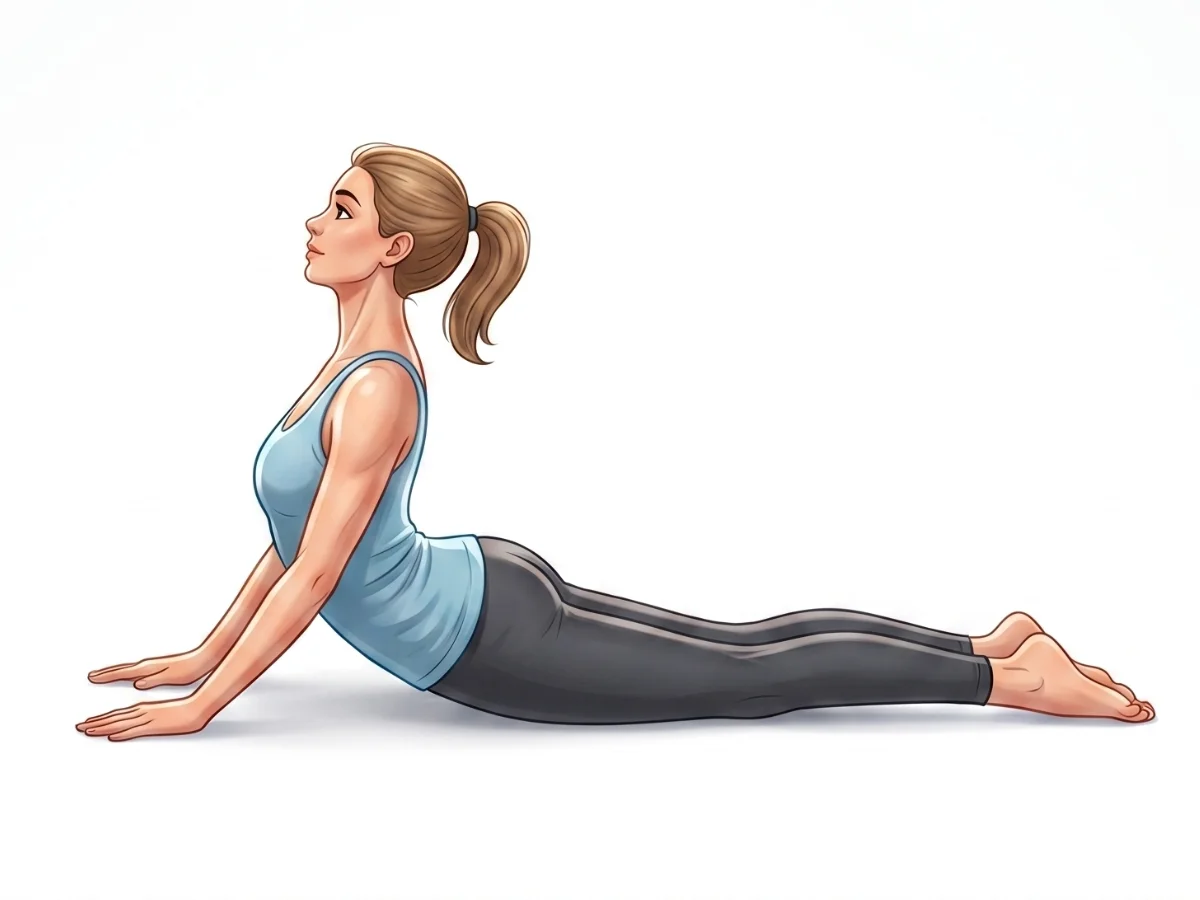
BhujangasanaA gentler backbend that warms up the spine and stretches the anterior torso.
Reverse Corpse Pose
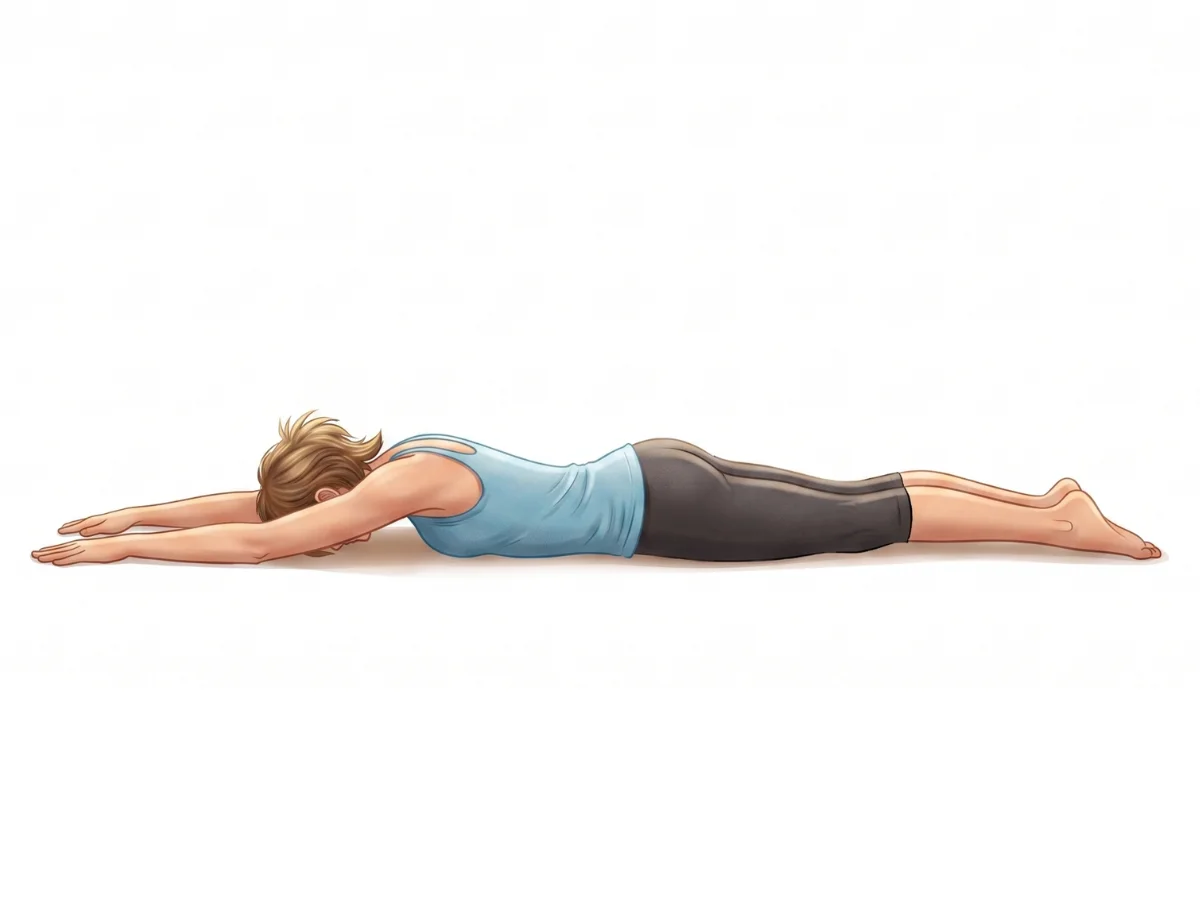
AdvasanaProvides the foundational prone position and grounding required before lifting.
Sphinx Pose
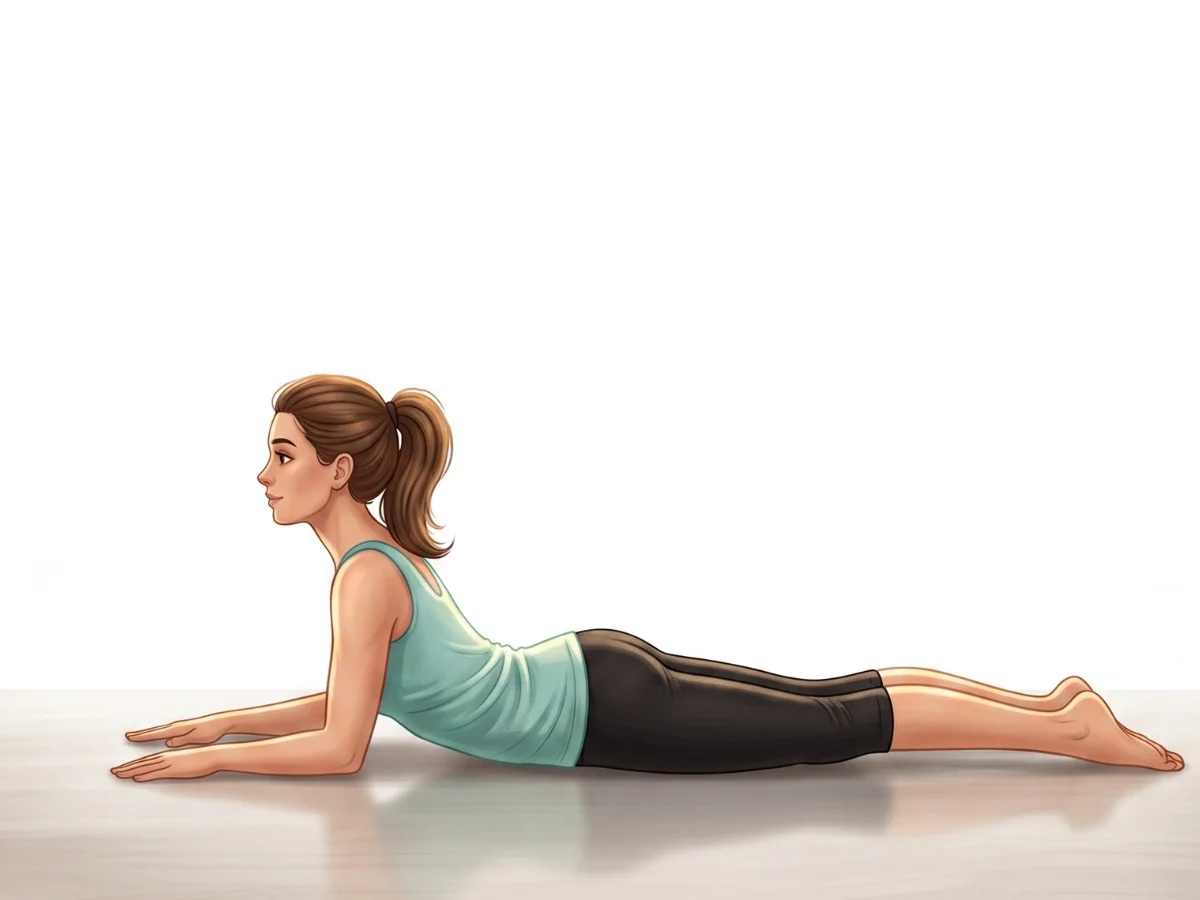
Salamba BhujangasanaA mild supported backbend that gently engages the lower and middle back.
Follow with neutralizing Counter-poses
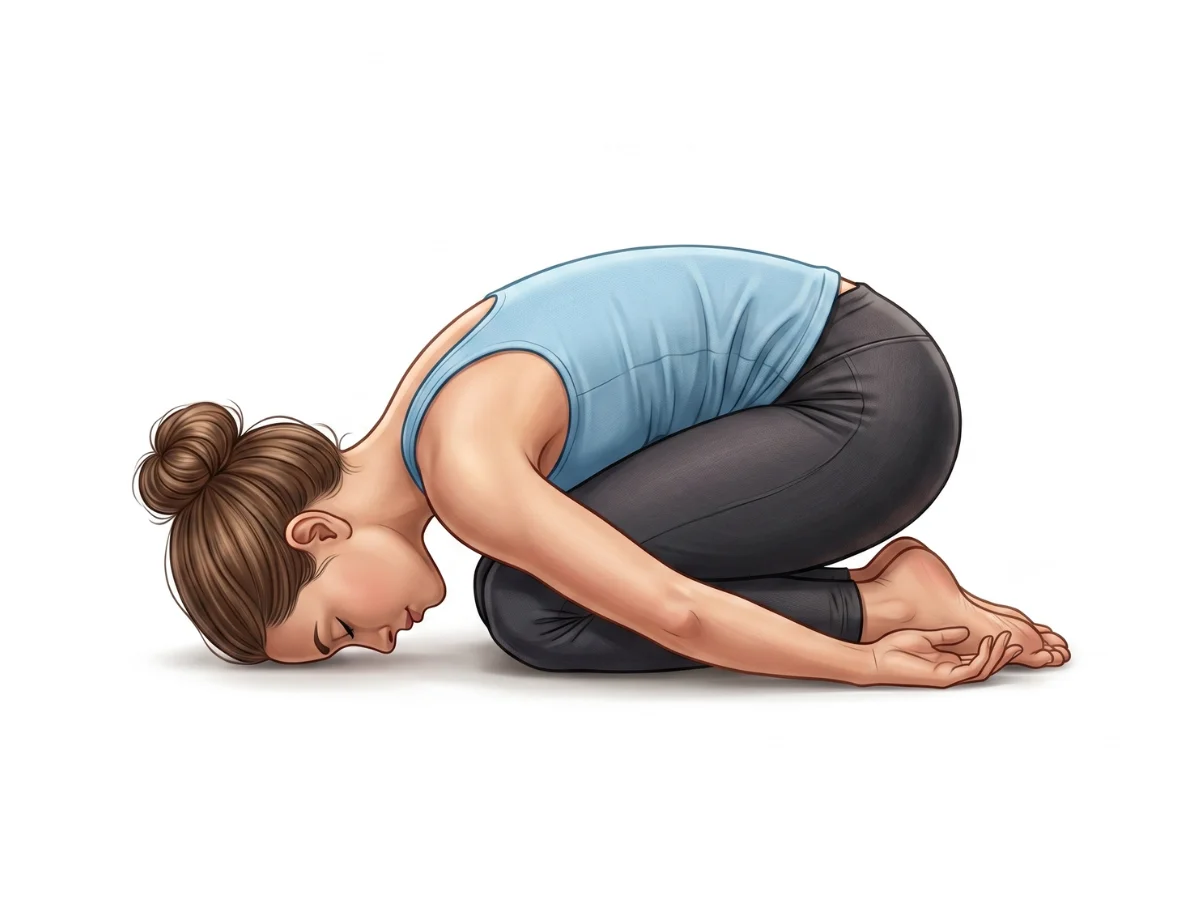
Child's Pose
BalasanaPassively rounds the spine in flexion, releasing tension from the deep back muscles.
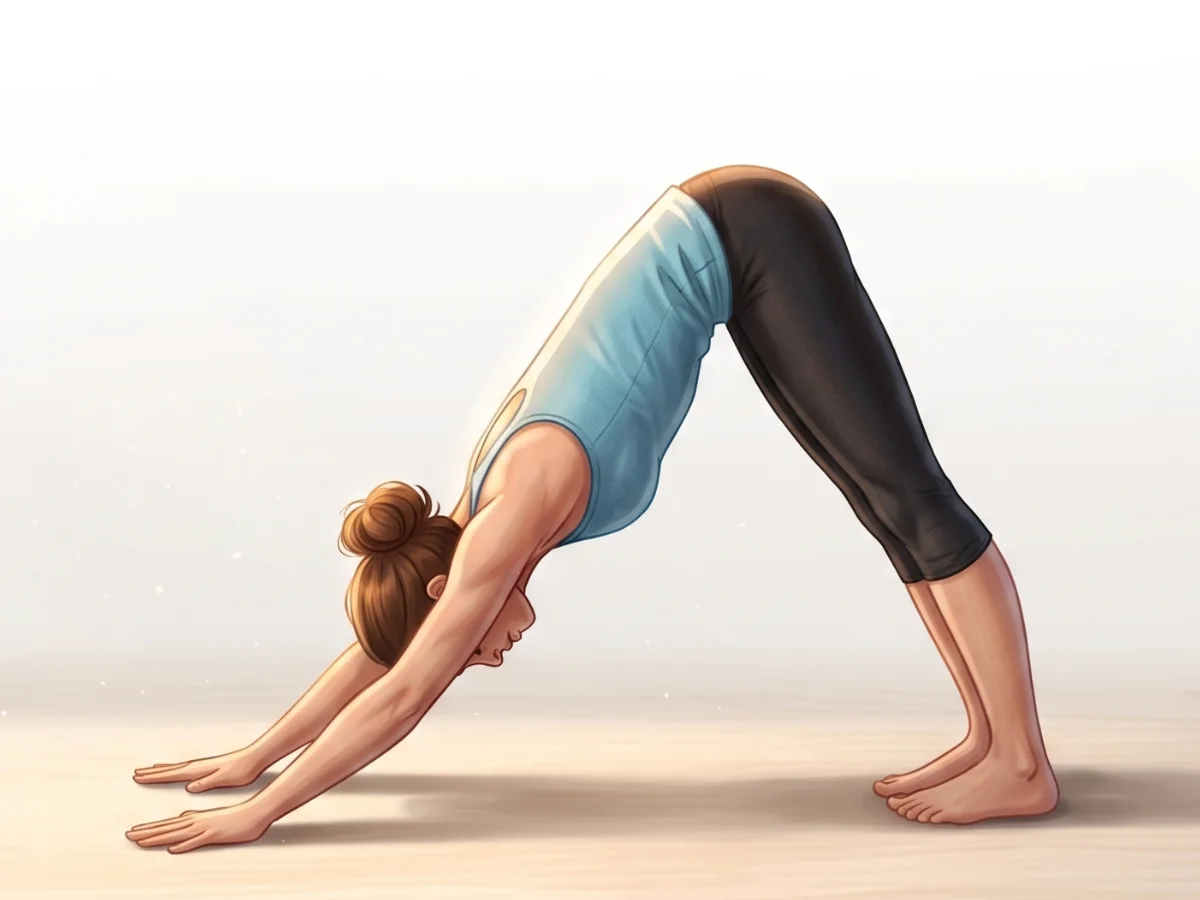
Downward-Facing Dog
Adho Mukha SvanasanaLengthens the spine and stretches the posterior legs to neutralize the back.
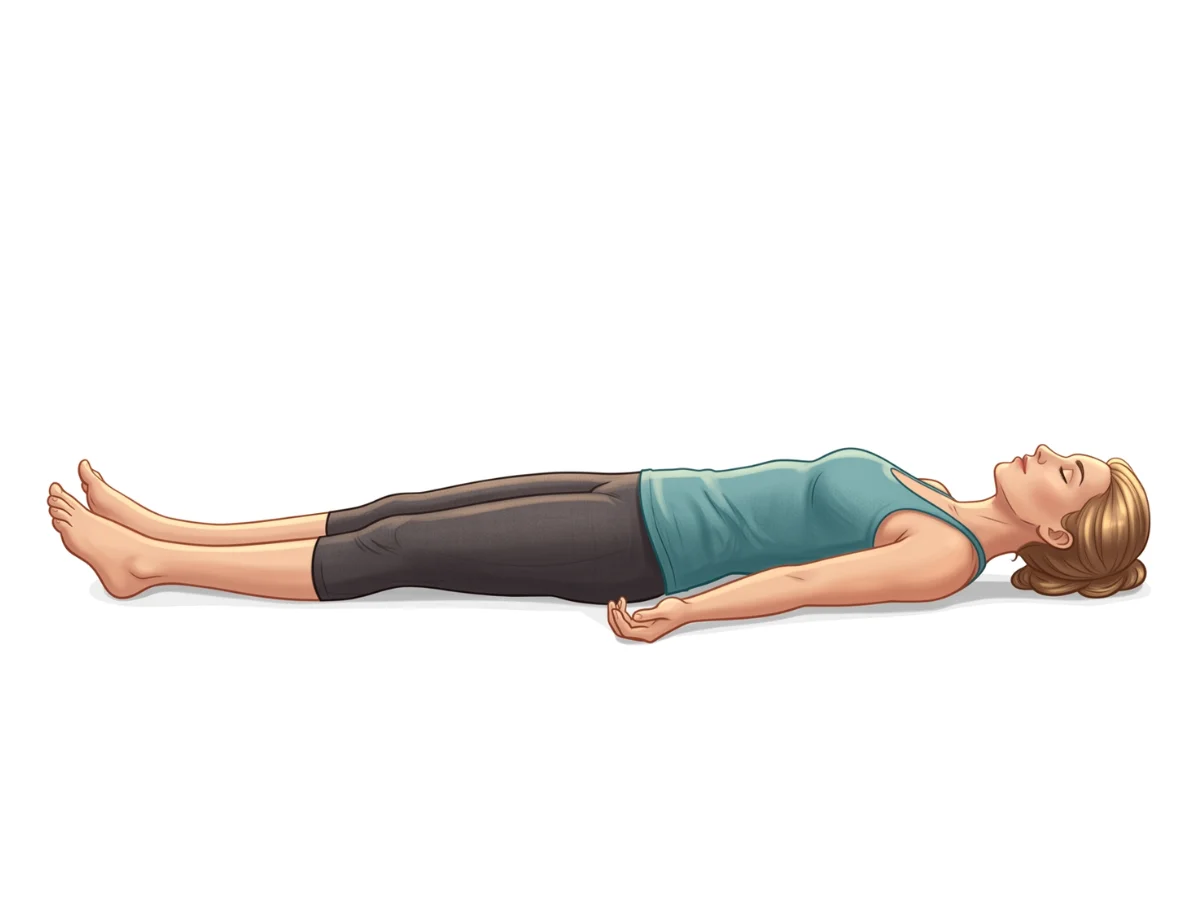
Corpse Pose
SavasanaAllows the body and nervous system to fully absorb the heat and effort of the backbend.
Frequently Asked Questions
How high should I lift my chest in Snake Pose?
Lift only as high as your back muscles can take you without using momentum or straining your lower back. The goal is strength and controlled extension, not maximum height.
Is it normal to feel a pinching sensation in my lower back?
No, pinching is a sign of compression. If you feel this, lower your chest slightly, engage your core more actively, and press your pubic bone firmly into the mat to lengthen the lower spine.
What is the difference between Snake Pose and Locust Pose?
In Snake Pose (Sarpasana), the hands are bound behind the back and only the upper body lifts. In Locust Pose (Salabhasana), the arms are typically free alongside the body, and both the upper body and legs lift simultaneously.

Elena Rostova is an accredited yoga educator and anatomy specialist with over 15 years of clinical experience. She focuses on functional biomechanics and injury prevention, translating complex anatomy into accessible guidance for safe, sustainable practice.
Read Full ProfileContinue Your Yoga Journey
Ready to deepen your practice? Explore our extensive library of poses, or join a structured program designed to build strength, flexibility, and mindfulness.