
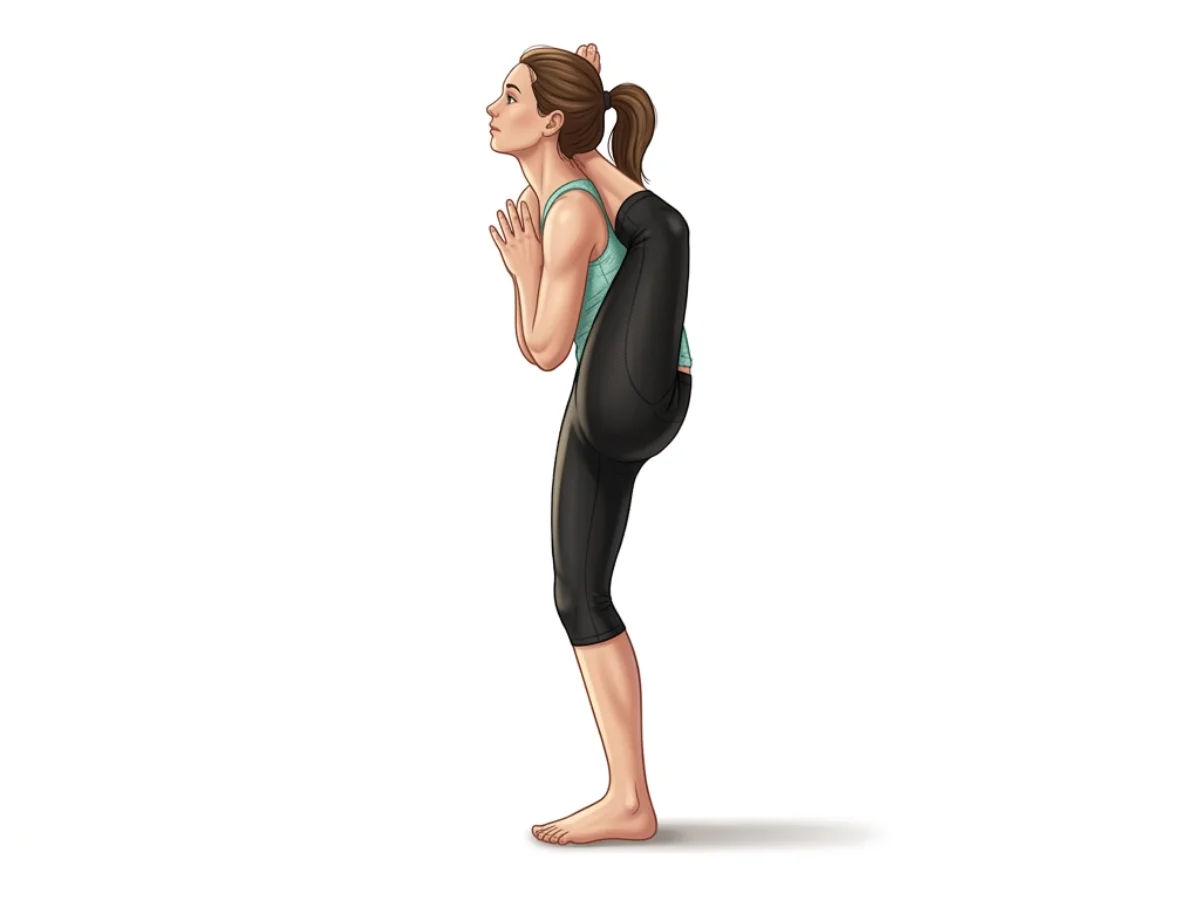
Standing Leg Behind the Head
Eka Pada Sirsasana (Standing)
By Elena Rostova Updated: verified Medically Reviewed
Standing Leg Behind the Head Pose is an extremely advanced standing balance that requires phenomenal hip mobility, core strength, and focus. By placing one leg behind the neck while balancing on the other, practitioners challenge their flexibility and equilibrium to the utmost.
Hold Time
15–30 sec · 3–5 breaths per side
Pronunciation
eh-kah PAH-dah sheer-SHAHS-anna
About Standing Leg Behind the Head
Commonly practiced as Standing Leg Behind the Head (Eka Pada Sirsasana (Standing)), this dynamic posture is beautifully designed to help unlock tension. By gently focusing on extreme hip opening & balance, it actively stretches your muscles and builds heat. Ultimately, it is a fantastic pose for intense hip opening, leaving you with a profound sense of grounded energy.
How to Practice
Start in Standing Position
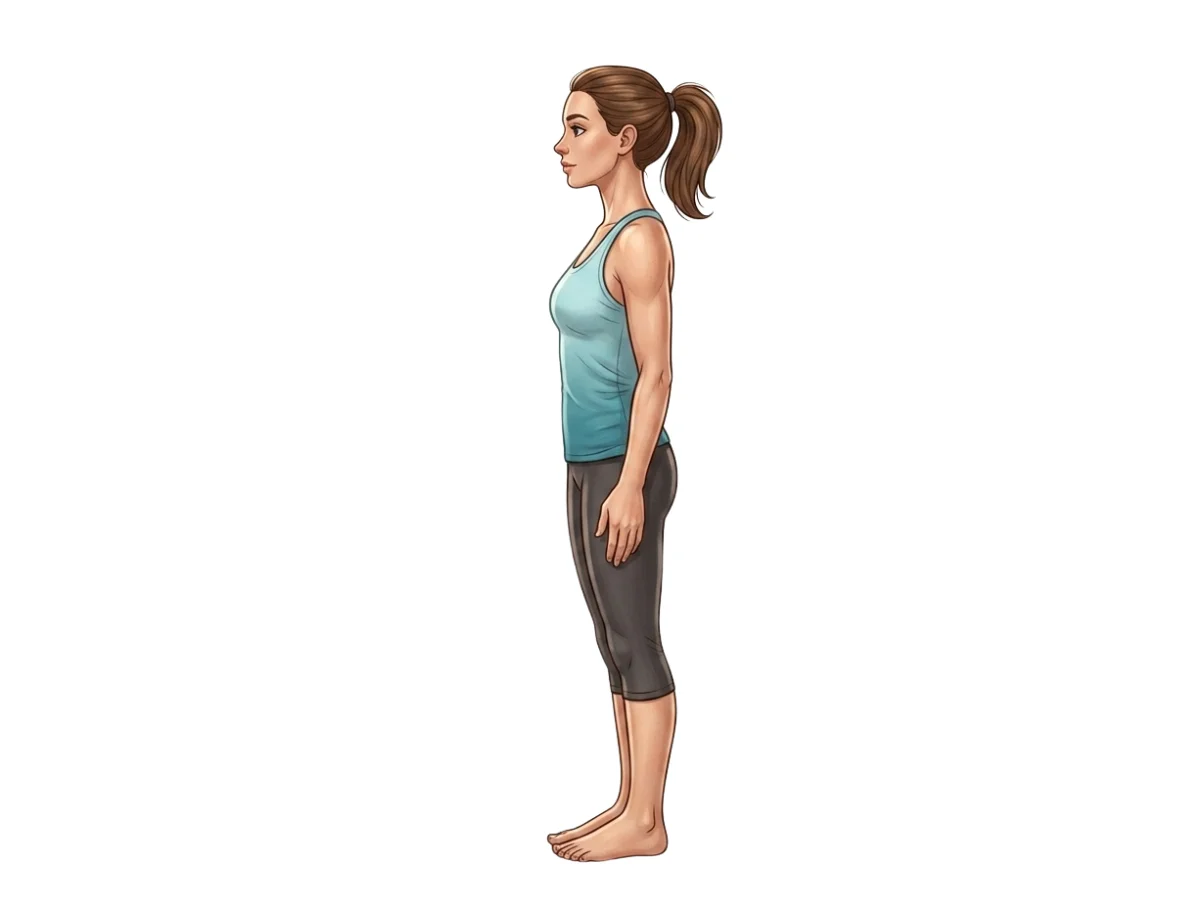
Begin in Mountain Pose (Tadasana), shifting your weight onto your left leg and grounding firmly through the left foot.
Lift and Open the Hip
Inhale and lift your right leg, bending the knee. Externally rotate the right hip, cradling your right calf or ankle with your hands, similar to a standing pigeon.
Draw the Leg High
Exhale as you draw your right shin higher toward your chest, preparing the hip joint for extreme external rotation.
Position the Leg Behind the Neck
Carefully guide your right calf over your right shoulder. Gently tuck your right ankle behind your neck, using your hands for support.
Secure the Posture
Once the leg is hooked securely behind your neck, engage your neck muscles to gently press back against the calf, preventing your neck from collapsing forward.
Find Balance
Engage your core deeply and bring your hands to your heart center in prayer (Anjali Mudra). Stand as tall as possible on your left leg.
Hold and Breathe
Maintain the balance for 3 to 5 breaths. Keep your gaze steady on a focal point and breathe smoothly, despite the compression.
Release with Care
To exit, use your hands to carefully unhook your right foot from behind your neck. Slowly lower the leg back to the floor and return to Mountain Pose.
Practice with the Yoga Timer
Keep track of your hold time and breath count for this pose.
Beginner Modifications & Prop Options
Yoga is a personal journey. These modifications and prop options allow you to adapt the pose to your current level of balance and flexibility, ensuring a safe and supportive practice.
Seated Variation
Practice the seated version of Eka Pada Sirsasana first. This allows you to focus entirely on hip opening without worrying about falling.
Tip: Focus on alignment rather than depth.
Standing Figure Four
Cross the lifted ankle over the standing thigh and sit the hips back into Standing Figure Four Pose if the leg cannot reach behind the neck. This builds balance safely.
Tip: Focus on alignment rather than depth.
Benefits of Standing Leg Behind the Head
Intense Hip Opening
Provides an extreme stretch to the glutes, piriformis, and external hip rotators of the lifted leg.
Builds Tremendous Balance
Challenges the nervous system and proprioception to maintain equilibrium in an asymmetrical, compressed position.
Strengthens Standing Leg
Fortifies the ankle, calf, quadriceps, and glutes of the standing leg, as they must bear the entire body weight under challenging conditions.
Engages Core and Spine
Requires deep core activation and spinal erector strength to keep the torso upright while the leg presses forward on the neck.
Cultivates Mental Resilience
Demands intense focus and calm breathing under pressure, building profound mental fortitude.
Common Mistakes to Avoid
Mistake: Forcing the Leg
How to fix: Never force the leg. If it does not slide easily over the shoulder, your hips are not yet ready for this pose.
Mistake: Collapsing the Neck Forward
How to fix: Actively press the back of your neck against your calf to maintain a neutral cervical spine.
Mistake: Rounding the Lower Back
How to fix: Engage your core and aim to stand as tall and straight as possible.
Safety and Precautions
Neck or Cervical Spine Issues
The pressure of the leg against the neck can exacerbate herniations or strains.
Hip or Knee Injuries
The extreme external rotation places massive torque on the hip and knee joints.
Sciatica
The deep glute stretch can aggravate the sciatic nerve if inflamed.
Medical Disclaimer: If you have any of the above conditions, consult your doctor or a qualified yoga instructor before attempting this pose.
Muscles Worked in Standing Leg Behind the Head
Standing Leg Behind the Head demands synchronized muscular effort, creating a profound sense of engagement and release throughout the body. The activation of the primary muscles supports the structure, while the secondary muscles provide stability and balance.
Primary Muscles
Gluteus Maximus & Piriformis
Stretched intensely on the lifted leg.
Quadriceps & Calves
Engaged powerfully on the standing leg for stability.
Erector Spinae
Engaged to keep the torso upright against the weight of the leg.
Secondary Muscles
Neck Extensors
Work to keep the neck straight and support the leg.
Core Stabilizers
Maintain balance and pelvic alignment.
Poses to Practice Before and After Standing Leg Behind the Head
Prepare with these Poses
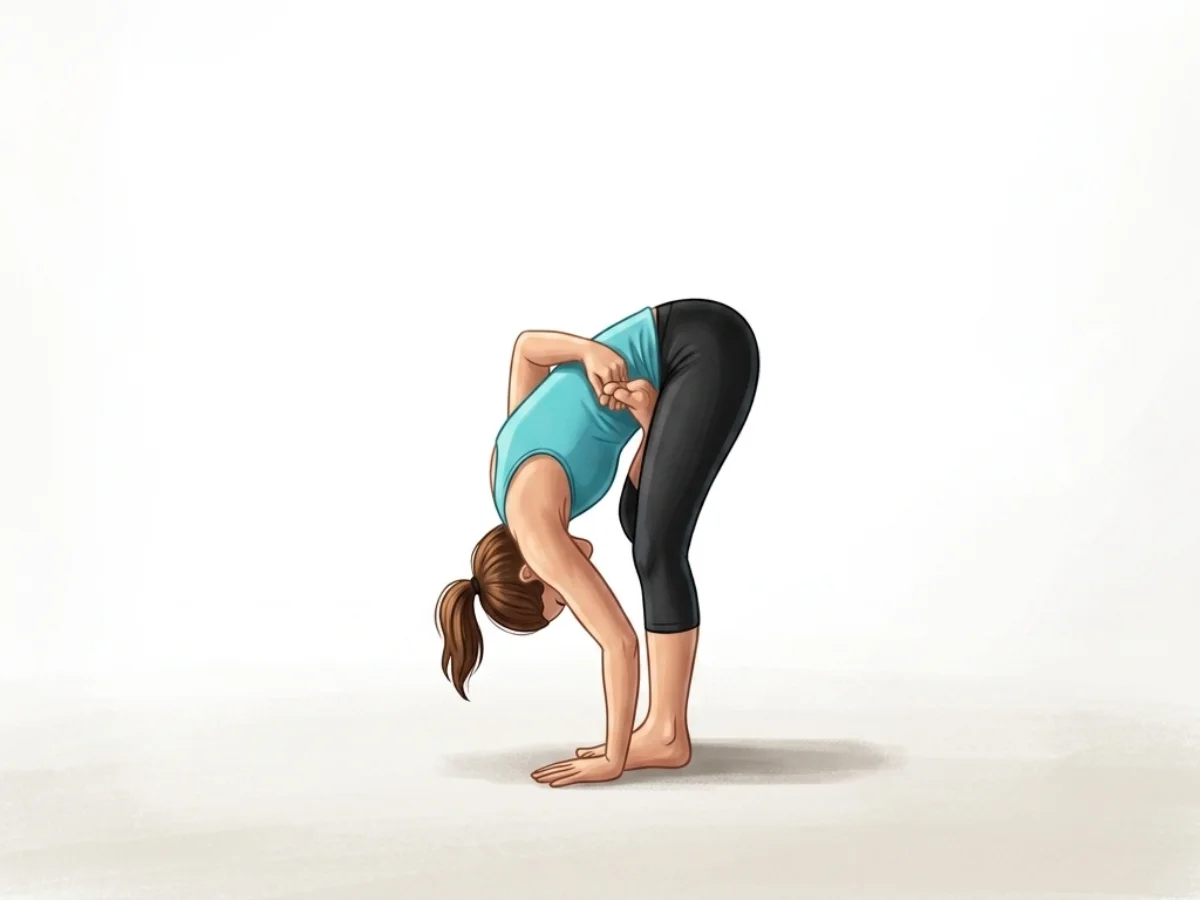
Standing Half Bound Lotus Forward Bend
Ardha Baddha PadmottanasanaOpens the hips and knees while building balance on one leg.
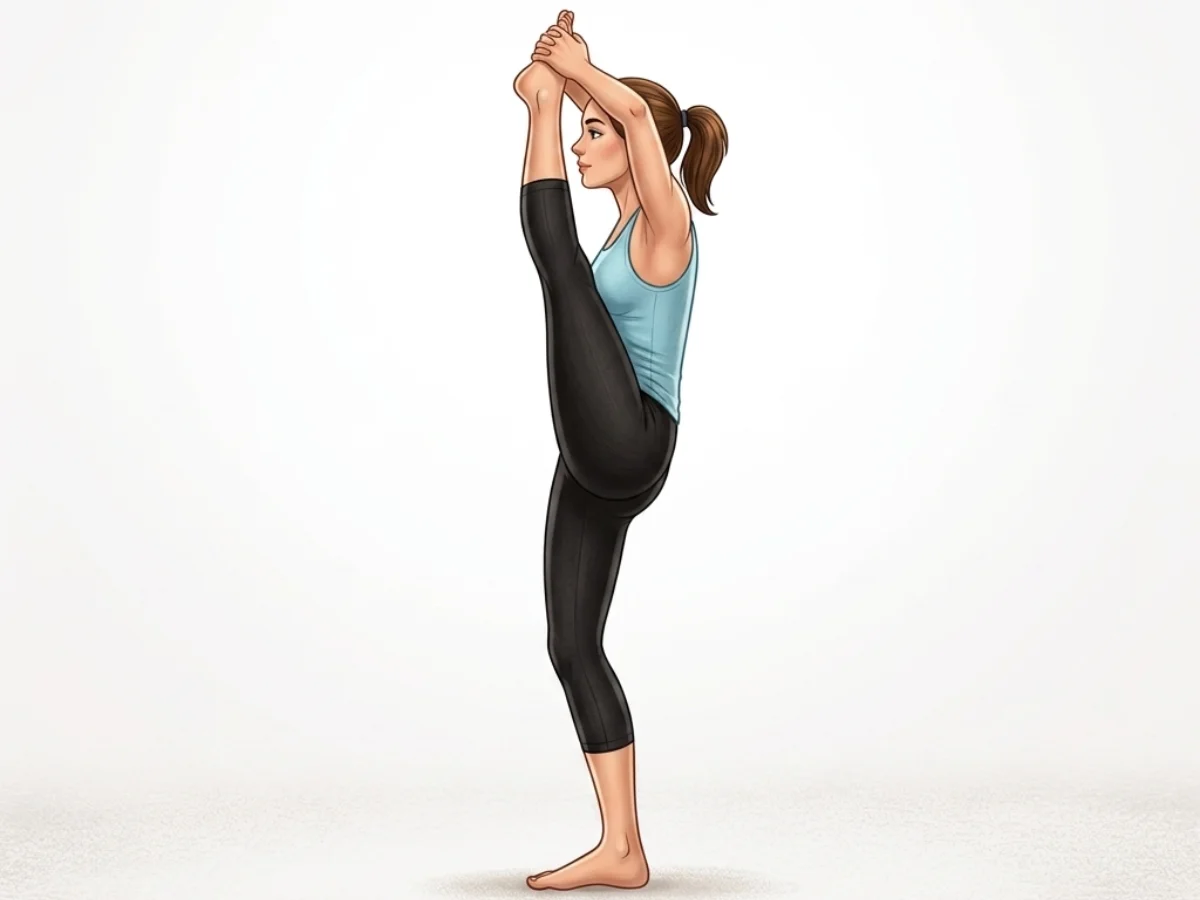
Standing Foot to Head Pose
Utthita Shirsha PadangusthasanaDevelops extreme flexibility and balance prior to hooking the leg.
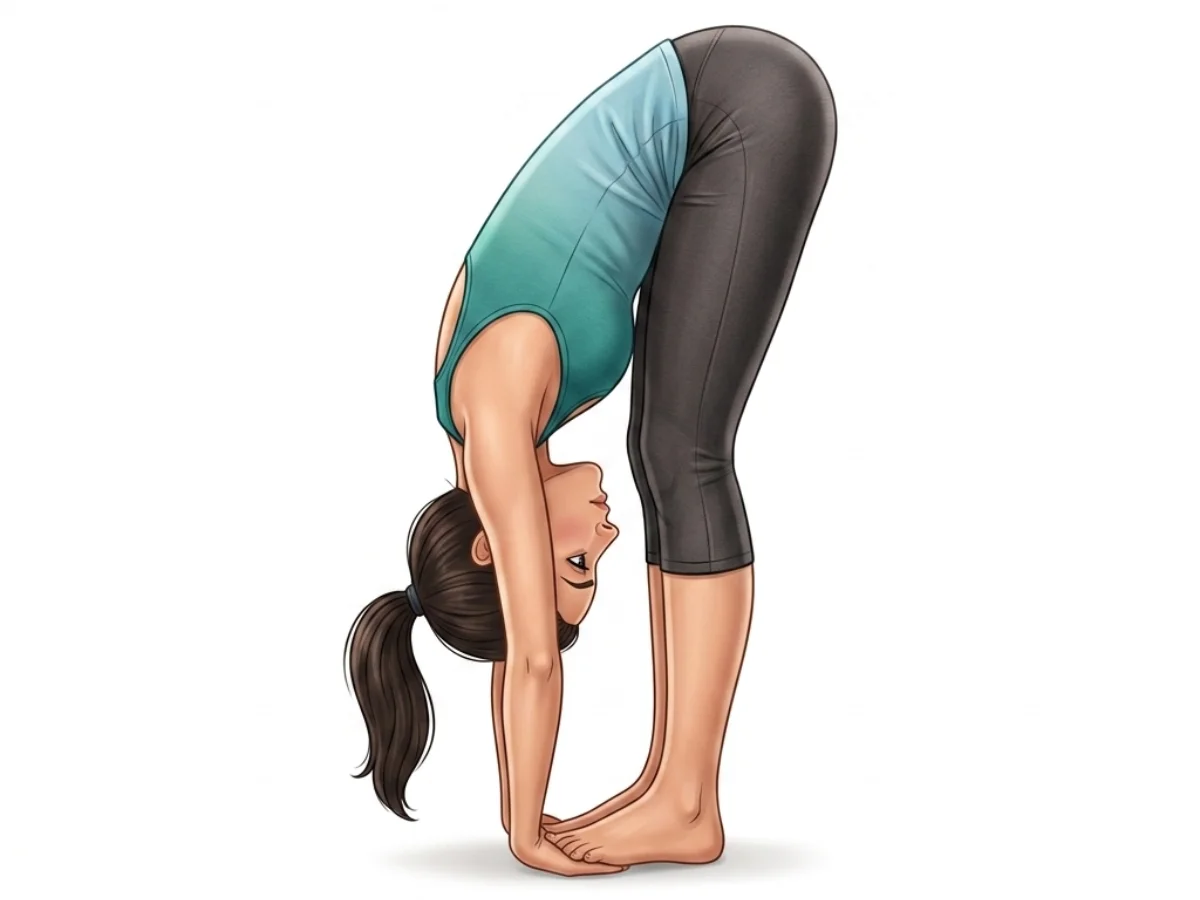
Gorilla Pose
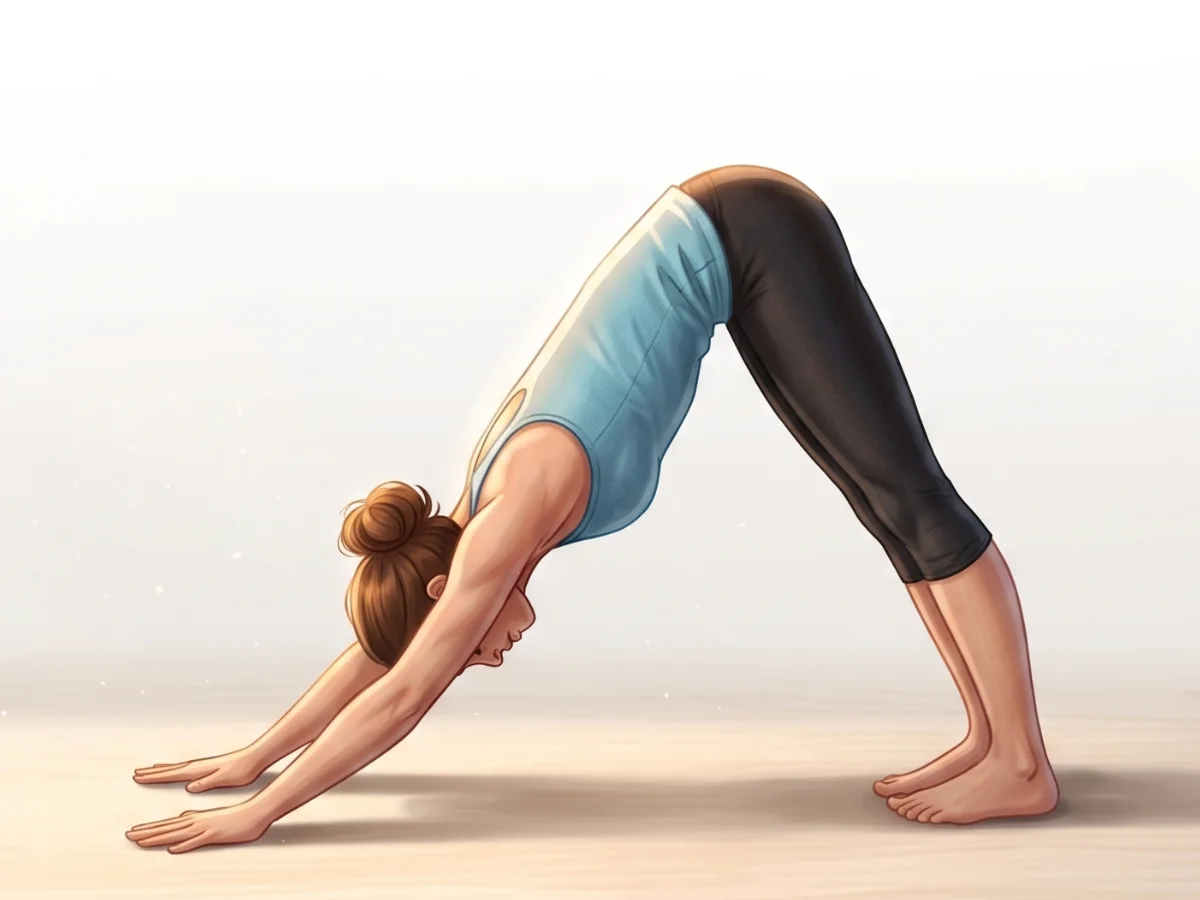
PadahastasanaDeeply stretches the hamstrings and lower back.
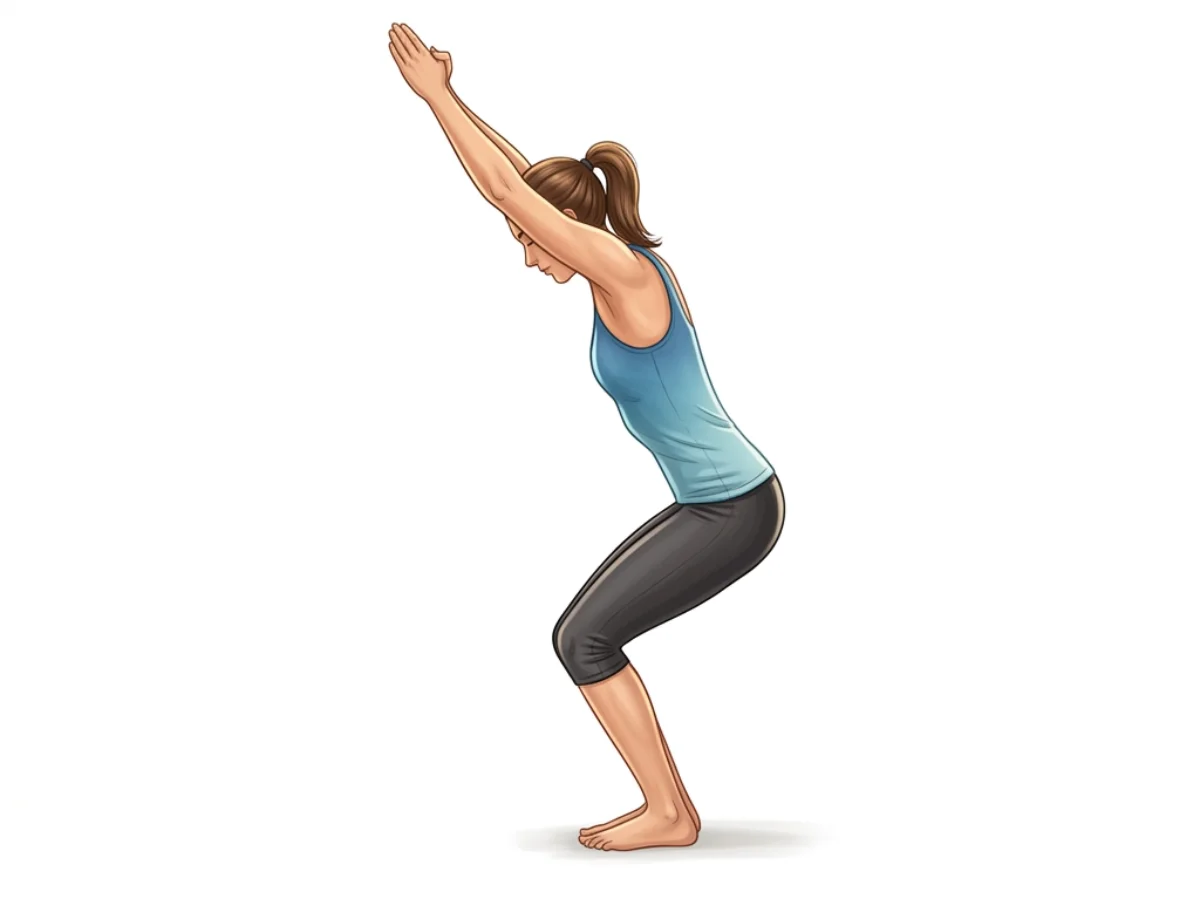
Follow with neutralizing Counter-poses
Frequently Asked Questions
How long does it take to get my leg behind my head?
For most practitioners, achieving this level of hip mobility takes years of consistent, careful practice. It requires a deep opening of the external rotators and glutes.
Is it safe for my neck?
It can be risky if done incorrectly. You must have enough core and spinal strength to actively press your neck back against your leg, preventing your chin from being forced down into your chest.
Elena Rostova is an accredited yoga educator and anatomy specialist with over 15 years of clinical experience. She focuses on functional biomechanics and injury prevention, translating complex anatomy into accessible guidance for safe, sustainable practice.
Read Full ProfileContinue Your Yoga Journey
Ready to deepen your practice? Explore our extensive library of poses, or join a structured program designed to build strength, flexibility, and mindfulness.