
Supine Angle
Supta Konasana
By Elena Rostova Updated: verified Medically Reviewed
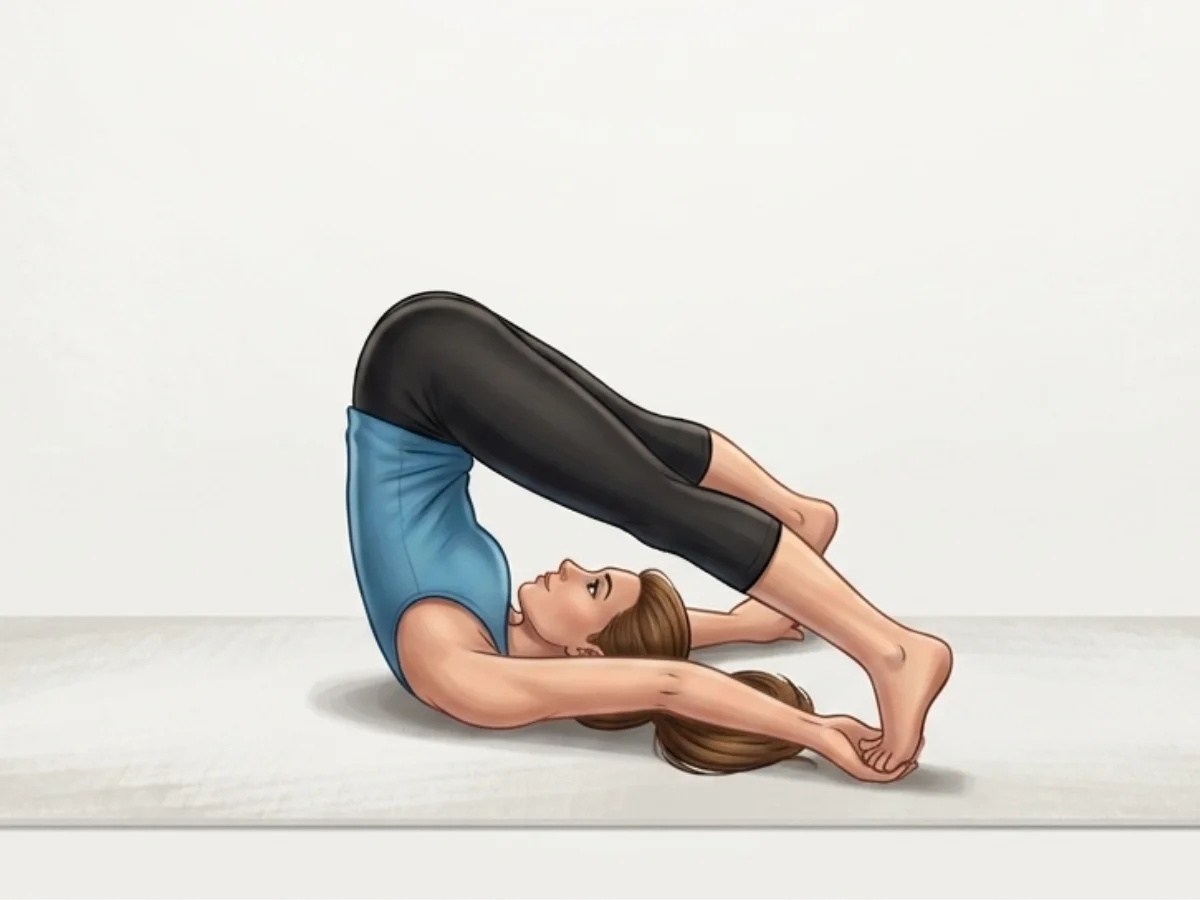
Supine Angle Pose (Supta Konasana) is an inverted posture closely related to Plow Pose. By taking the legs wide apart while they are extended overhead, practitioners experience a deep stretch through the hamstrings, inner groins, and the entire back of the spine.
Hold Time
30–60 sec · 5–10 breaths
Pronunciation
SOOP-tah koh-NAHS-anna
About Supine Angle
Commonly practiced as Supine Angle (Supta Konasana), this dynamic posture is beautifully designed to help unlock tension. It primarily targets the hip opening & spinal stretch, helping to create length and strength exactly where you need it most. Practicing this pose regularly helps with deepens adductor flexibility and leaves you feeling completely refreshed.
How to Practice
Start in Plow Pose
Begin in Plow Pose (Halasana) with your shoulders supported on folded blankets and your feet resting on the floor behind your head.
Support the Back
Keep your hands pressing firmly into your middle back to keep the spine lifted and perpendicular to the floor.
Widen the Legs
On an exhale, slowly slide your feet away from each other along the floor, taking your legs into a wide "V" shape.
Engage the Legs
Keep your legs straight and actively press through your heels. Engage your quadriceps to protect the hamstring attachments.
Hold the Toes (Advanced)
If stable, you can release your back and reach your arms out to hold your big toes with your index and middle fingers (Yogi Toe Lock).
Maintain Neck Alignment
Keep your neck completely still and your gaze focused straight up toward your pelvis. Do not turn your head.
Hold and Breathe
Hold the pose for 5 to 10 steady breaths, allowing the stretch in the inner thighs and spine to deepen naturally.
Exit the Pose
To exit, bring the legs back together into Plow Pose, place your hands on the mat, and slowly roll the spine down to the floor.
Practice with the Yoga Timer
Keep track of your hold time and breath count for this pose.
Beginner Modifications & Prop Options
Yoga is a personal journey. These modifications and prop options allow you to adapt the pose to your current level of balance and flexibility, ensuring a safe and supportive practice.
Use a Chair or Bolster
Place a chair or stacked bolsters behind your head. Rest your wide legs on the prop instead of forcing them down to the floor, protecting the lower back.
Tip: Focus on alignment rather than depth.
Keep Hands on the Back
Do not reach for your toes if your spine rounds heavily. Keep your hands firmly supporting your back to maintain an upright thoracic spine.
Tip: Focus on alignment rather than depth.
Benefits of Supine Angle
Deepens Adductor Flexibility
The wide stance profoundly stretches the inner thigh muscles (adductors) and the groins.
Elongates the Spine
Provides an intense stretch from the cervical spine all the way down to the lumbar region and sacrum.
Calms the Nervous System
The inverted nature of the pose cools the body and turns the senses inward, reducing anxiety and stress.
Stimulates Digestion
The compression of the abdominal organs massages the digestive tract, aiding in elimination.
Common Mistakes to Avoid
Mistake: Forcing the Stretch
How to fix: Do not forcefully push your legs wider. Allow gravity to do the work, moving only as far as your breath remains smooth.
Mistake: Turning the Head
How to fix: As with all shoulder stands and plow variations, looking side to side risks severe cervical spine injury.
Safety and Precautions
Neck or Spinal Injuries
Avoid if you have cervical herniations, whiplash, or chronic neck pain.
Hamstring Tears
The intense stretch can aggravate healing hamstring attachments at the sitting bones.
High Blood Pressure
The deep inversion increases cranial pressure.
Medical Disclaimer: If you have any of the above conditions, consult your doctor or a qualified yoga instructor before attempting this pose.
Muscles Worked in Supine Angle
Supine Angle demands synchronized muscular effort, creating a profound sense of engagement and release throughout the body. The activation of the primary muscles supports the structure, while the secondary muscles provide stability and balance.
Primary Muscles
Adductors (Inner Thighs)
Stretch deeply as the legs move apart.
Hamstrings
Lengthen fully from the hips to the knees.
Erector Spinae
Stretches deeply along the entire length of the back.
Secondary Muscles
Quadriceps
Contract isometrically to keep the legs straight.
Rectus Abdominis
Compresses gently to facilitate the deep forward fold.
Poses to Practice Before and After Supine Angle
Prepare with these Poses
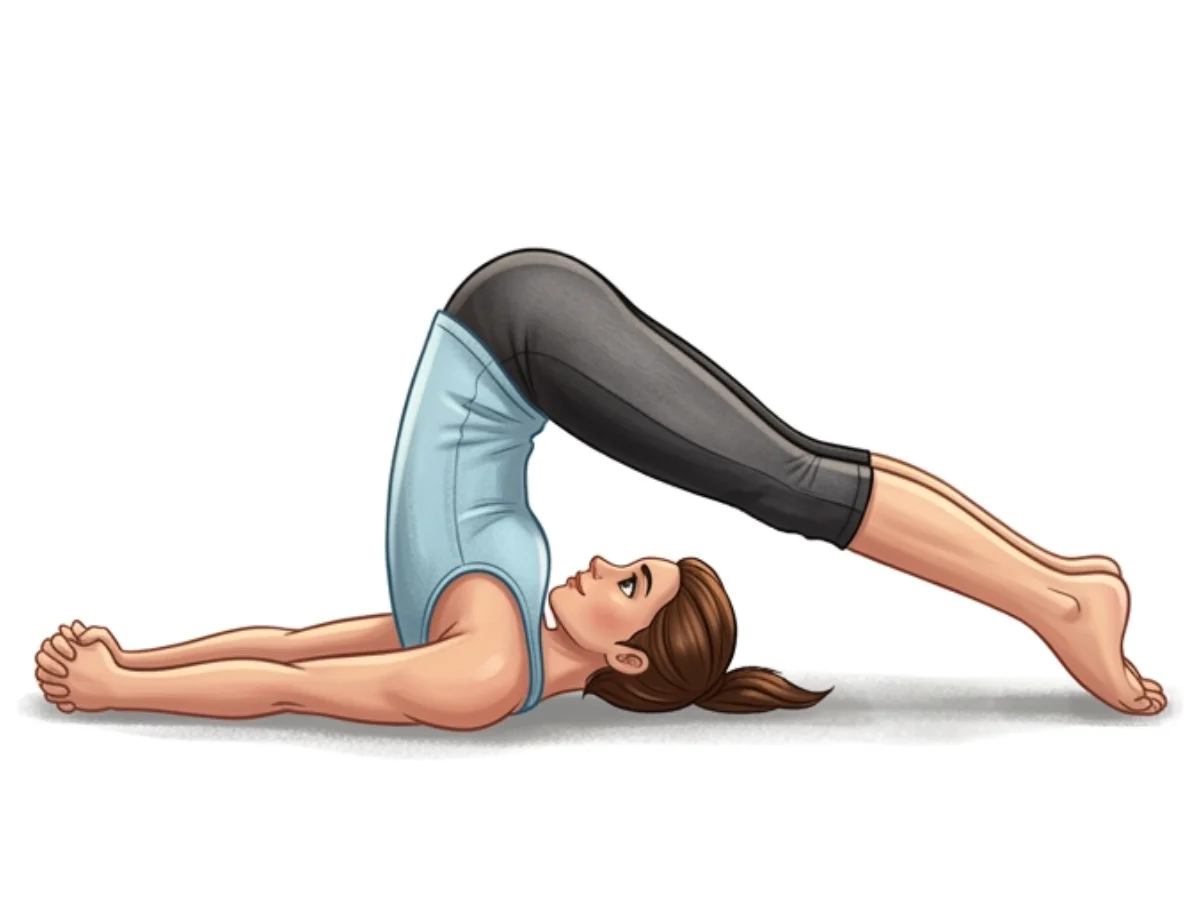
Plow Pose
HalasanaThe immediate entry posture that establishes the spinal stretch and shoulder foundation.
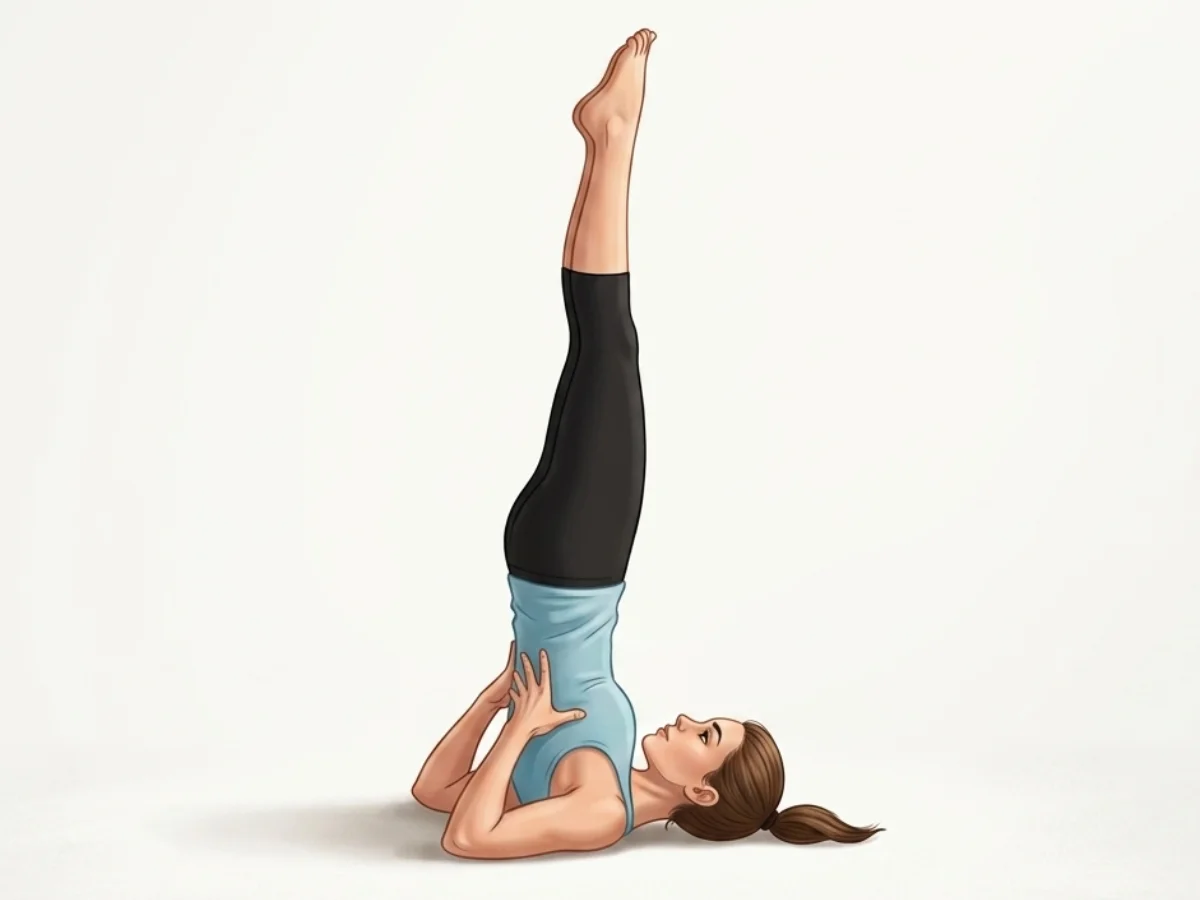
Supported Shoulder Stand
Salamba SarvangasanaBuilds the necessary neck and shoulder resilience.
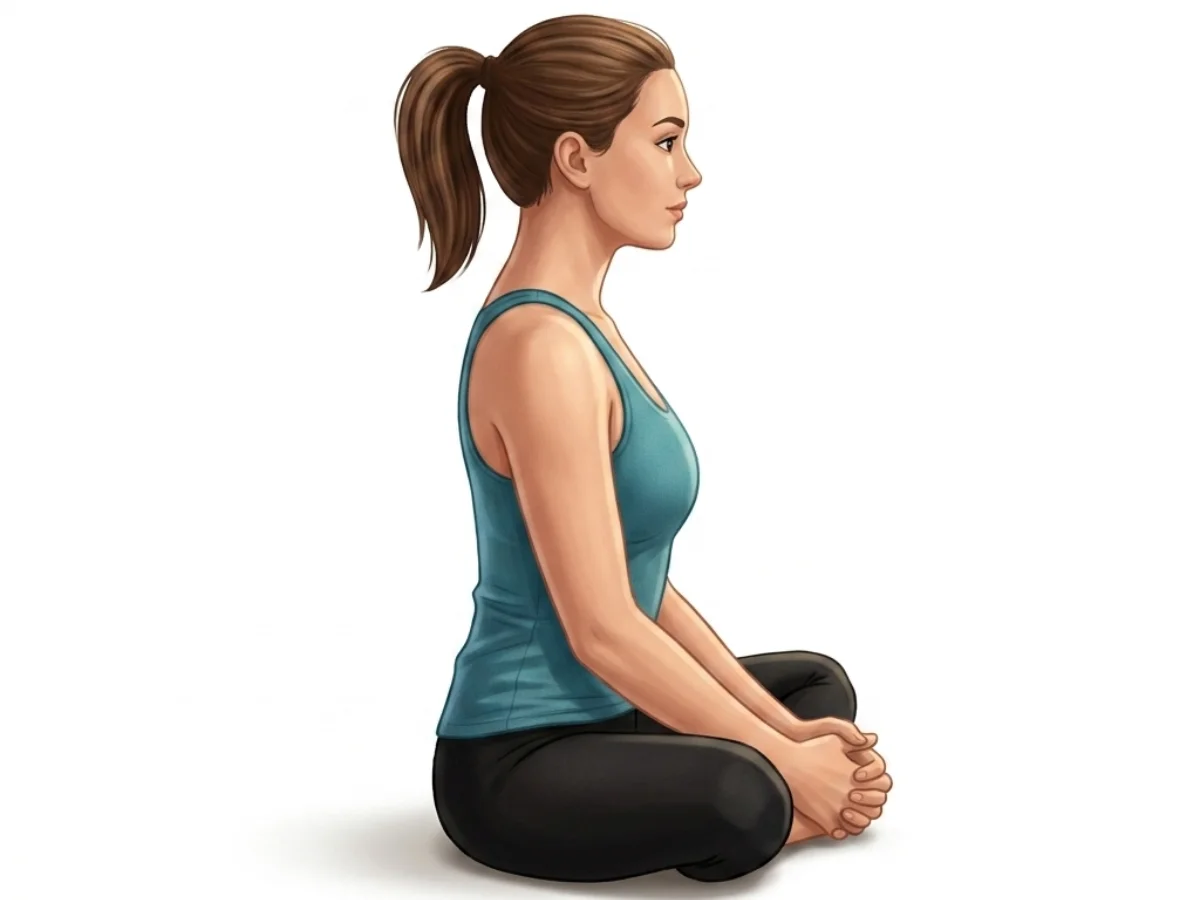
Bound Angle
Baddha KonasanaGently warms up and opens the inner thighs and groins before the intense stretch.
Follow with neutralizing Counter-poses
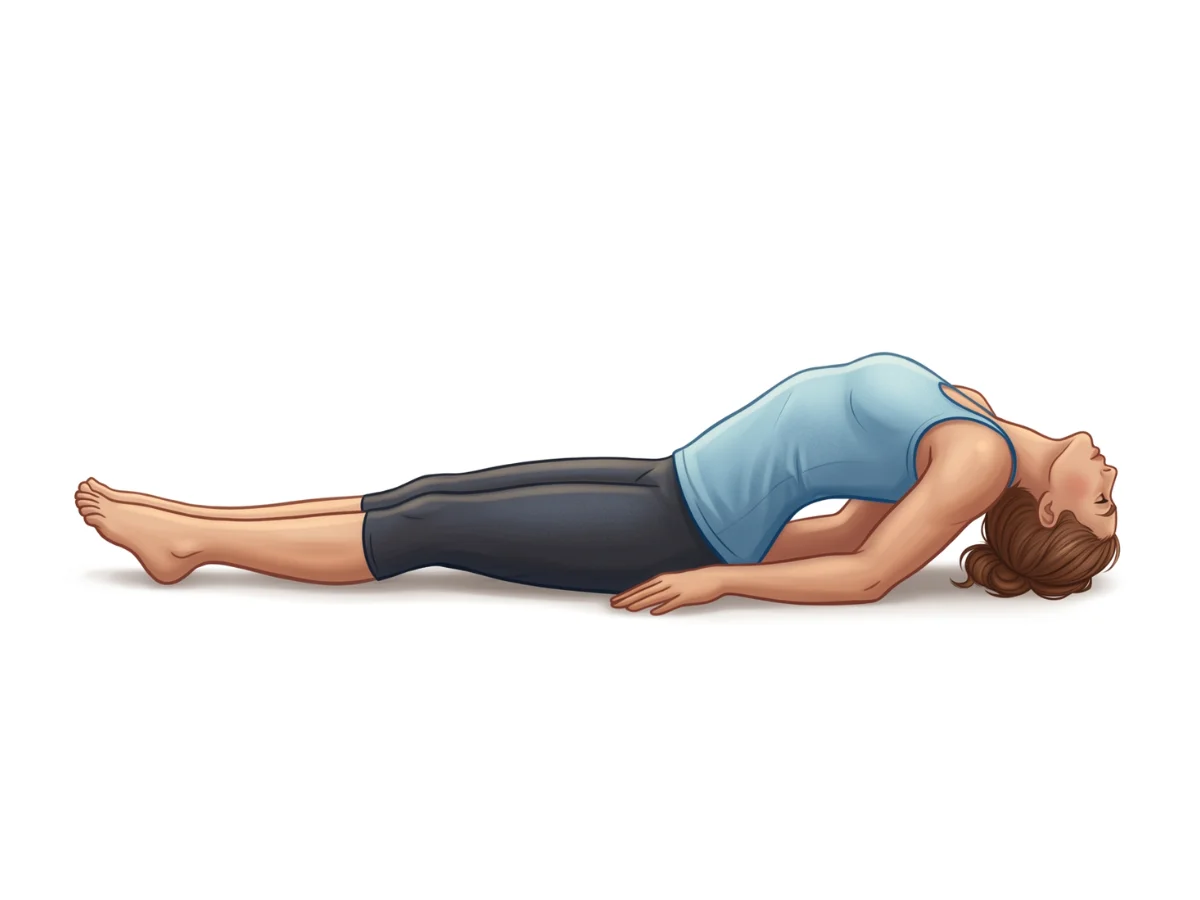
Fish Pose
MatsyasanaCounters the deep cervical flexion by extending the neck and opening the chest.
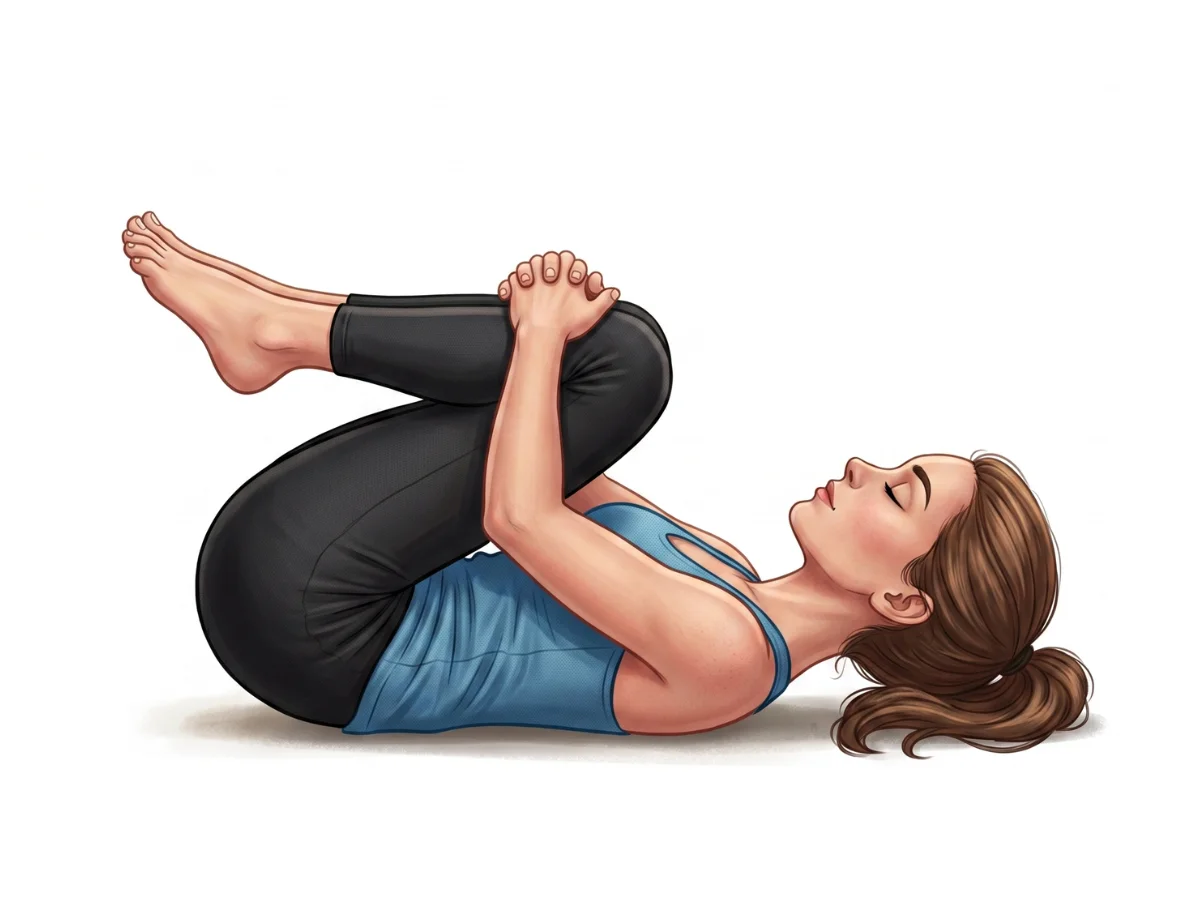
Wind-Removing Pose
PavanamuktasanaNeutralizes the hips and provides a gentle massage to the lower back.
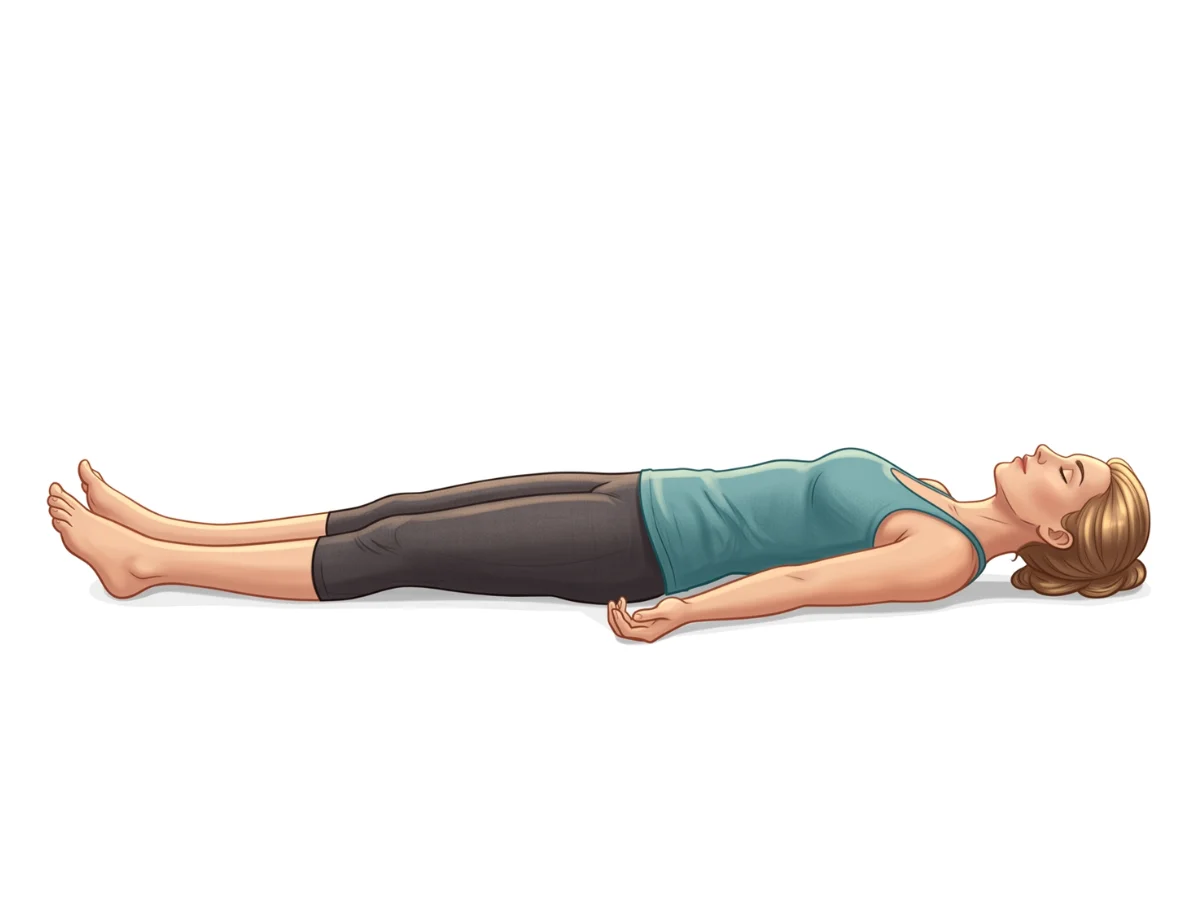
Corpse Pose
SavasanaAllows the body to fully integrate the intense stretch and inversion.
Frequently Asked Questions
My toes don’t reach the floor, what should I do?
Never force your toes to the floor. Doing so will compress your neck. Use a chair or blocks behind your head to rest your feet on, or simply support your back with your hands and let your legs hover where they naturally stop.
Is this pose safe for my lower back?
Yes, if practiced with control. However, if your hamstrings are very tight, the pelvis will tuck aggressively, straining the lumbar spine. In this case, use props under your feet to elevate them.
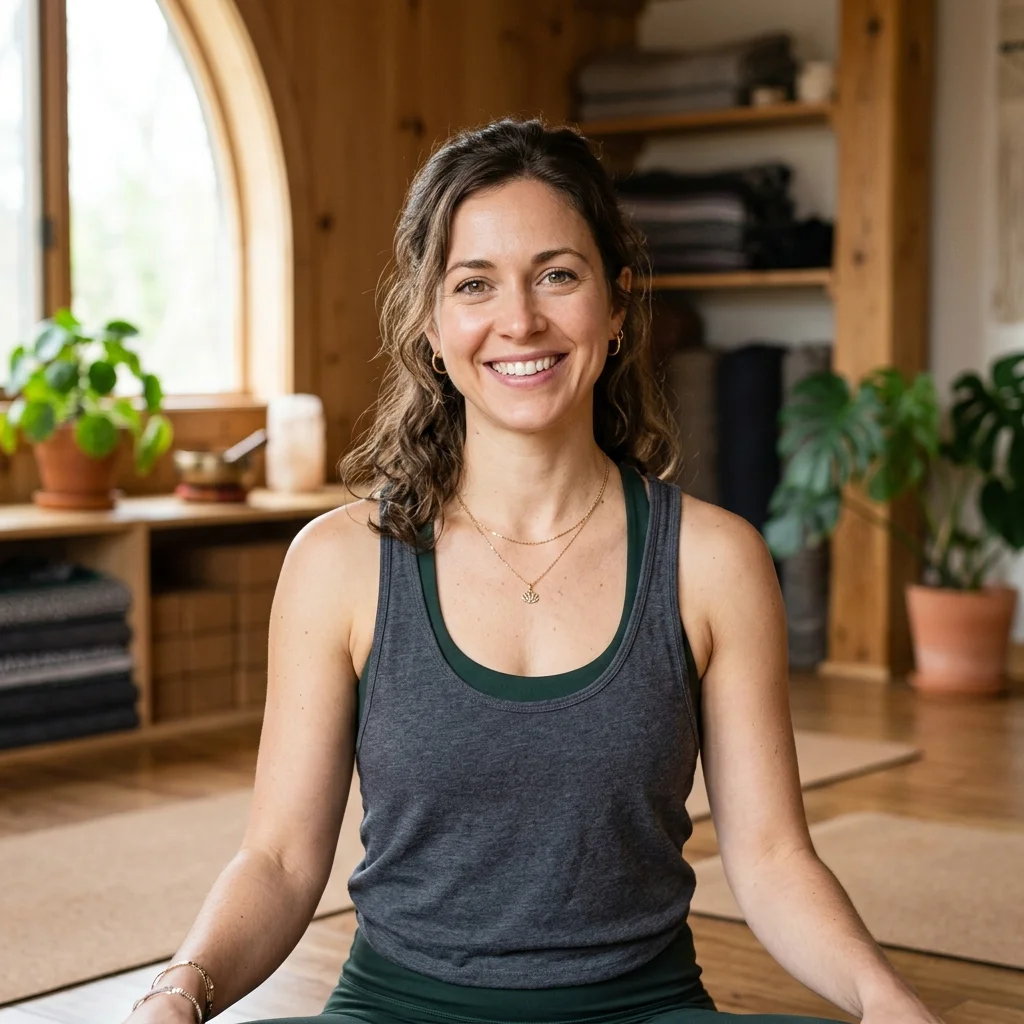
Elena Rostova is an accredited yoga educator and anatomy specialist with over 15 years of clinical experience. She focuses on functional biomechanics and injury prevention, translating complex anatomy into accessible guidance for safe, sustainable practice.
Read Full ProfileContinue Your Yoga Journey
Ready to deepen your practice? Explore our extensive library of poses, or join a structured program designed to build strength, flexibility, and mindfulness.