
Tortoise
Kurmasana
By Elena Rostova Updated: verified Medically Reviewed
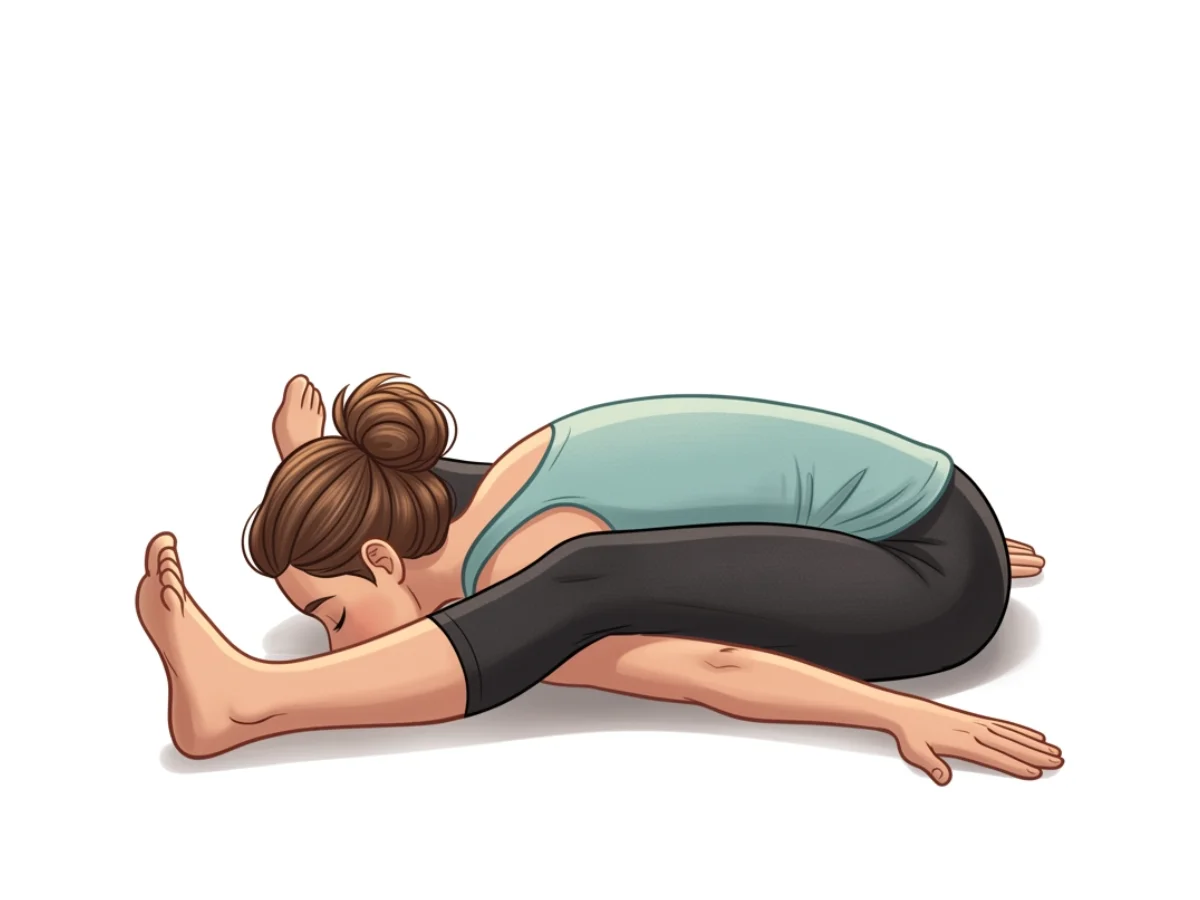
Tortoise Pose (Kurmasana) is an advanced seated forward fold that mimics a tortoise withdrawing into its shell. By threading the arms underneath the bent knees and folding the torso flat against the floor, practitioners experience a profound stretch in the hips, hamstrings, and lower back while cultivating deep internal focus.
Hold Time
30�60 sec � 5�10 breaths
Pronunciation
koor-MAHS-anna
About Tortoise
Tortoise (Kurmasana) is a grounding posture that draws its natural shape from the animal kingdom. As you settle into the shape, it gently works the deep flexibility & introversion to increase your overall flexibility. Consistent practice will actively assist in profound hamstring stretch, helping you feel lighter and more balanced off the mat.
How to Practice
Seated Foundation
Begin seated on your mat in Staff Pose (Dandasana) with your legs extended straight out in front of you and your spine tall.
Widen the Legs
Separate your legs so they are slightly wider than your shoulders. Keep your heels anchored and bend your knees slightly so the soles of your feet lift off the floor.
Fold Forward
Exhale and hinge forward from your hips, aiming to bring your chest and belly between your thighs toward the floor.
Thread the Arms
Slide your right arm underneath your right knee, palm facing down. Repeat with the left arm under the left knee. Slide both arms straight out to the sides.
Extend and Flatten
On your next exhalation, slowly straighten your legs, pushing your heels forward. The backs of your knees will press down firmly onto your triceps.
Lower the Chest
Continue to fold deeper until your chest, chin, or forehead rests completely flat on the floor.
Hold and Withdraw
Breathe deeply in this intense fold for 5 to 10 breaths, focusing inward and allowing the nervous system to settle.
Safe Exit
To release, gently bend your knees to free your arms, slide your hands back out, and slowly inhale as you lift your torso back up to a seated position.
Practice with the Yoga Timer
Keep track of your hold time and breath count for this pose.
Beginner Modifications & Prop Options
Yoga is a personal journey. These modifications and prop options allow you to adapt the pose to your current level of balance and flexibility, ensuring a safe and supportive practice.
Keep Knees Bent (Half Tortoise)
Do not fully straighten your legs. Keep the knees generously bent and focus on folding the torso forward rather than pressing the knees down.
Tip: Focus on alignment rather than depth.
Use a Block Under the Forehead
If your chest or head cannot reach the floor, place a yoga block under your forehead to allow your neck muscles to relax.
Tip: Focus on alignment rather than depth.
Arms Reaching Forward
Instead of threading your arms under your legs, simply reach them straight forward between your legs as you fold.
Tip: Focus on alignment rather than depth.
Benefits of Tortoise
Profound Hamstring Stretch
Straightening the legs while the torso is folded deeply provides one of the most intense hamstring stretches in traditional yoga.
Opens the Hips & Groin
The wide-legged stance and forward flexion create immense space and stretching in the adductors and hip joints.
Decompresses the Spine
Folding completely forward helps lengthen the erector spinae and relieves tension along the entire back when performed with proper pelvic tilt.
Calms the Nervous System
The physical compression and inward gaze mimic sensory withdrawal (Pratyahara), strongly activating the parasympathetic nervous system.
Massages Abdominal Organs
Breathing deeply while the abdomen is compressed against the floor stimulates digestive organs and promotes detoxification.
Common Mistakes to Avoid
Mistake: Rounding the Upper Back
How to fix: Avoid hunching your shoulders just to get your head lower. Hinge from the hips and lead with your chest to keep the spine long.
Mistake: Forcing the Knees Straight
How to fix: Aggressively pushing the knees down can strain the hamstrings or compress the arms painfully. Straighten the legs gradually.
Mistake: Holding the Breath
How to fix: Due to the intense compression, practitioners often forget to breathe. Focus on taking slow, smooth breaths into the back ribs.
Safety and Precautions
Severe Lower Back Injuries
Deep forward folds with straight legs can severely aggravate herniated discs, sciatica, or lumbar strains.
Hamstring Tears
The intense stretch can re-injure healing hamstring attachments at the sit bones.
Shoulder or Elbow Injuries
Pinning the arms under the weight of the legs can irritate sensitive or injured arm joints.
Pregnancy
Deep abdominal compression makes this pose strictly contraindicated during pregnancy.
Medical Disclaimer: If you have any of the above conditions, consult your doctor or a qualified yoga instructor before attempting this pose.
Muscles Worked in Tortoise
Tortoise demands synchronized muscular effort, creating a profound sense of engagement and release throughout the body. The activation of the primary muscles supports the structure, while the secondary muscles provide stability and balance.
Primary Muscles
Hamstrings
Stretch deeply as the legs straighten against the folded torso.
Adductors
Stretch heavily due to the widened stance of the legs.
Erector Spinae
Lengthens passively to allow the spine to fold over the floor.
Secondary Muscles
Quadriceps
Contract actively to pull the kneecaps up and straighten the legs.
Pectoralis Major
Stretches mildly as the arms extend outward.
Gluteus Maximus
Stretches as the pelvis tilts deeply forward.
Poses to Practice Before and After Tortoise
Prepare with these Poses
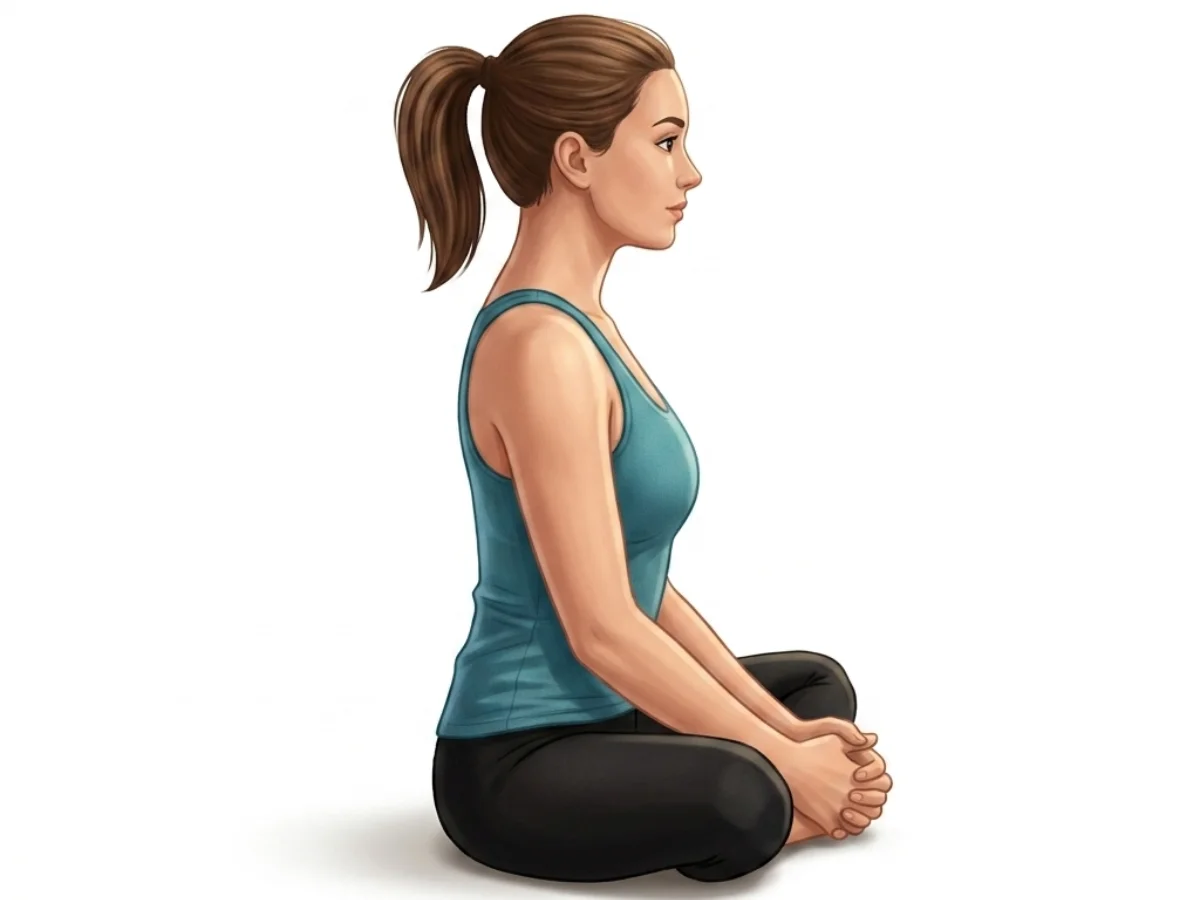
Bound Angle
Baddha KonasanaOpens the inner thighs and groins gently in preparation for deeper folds.
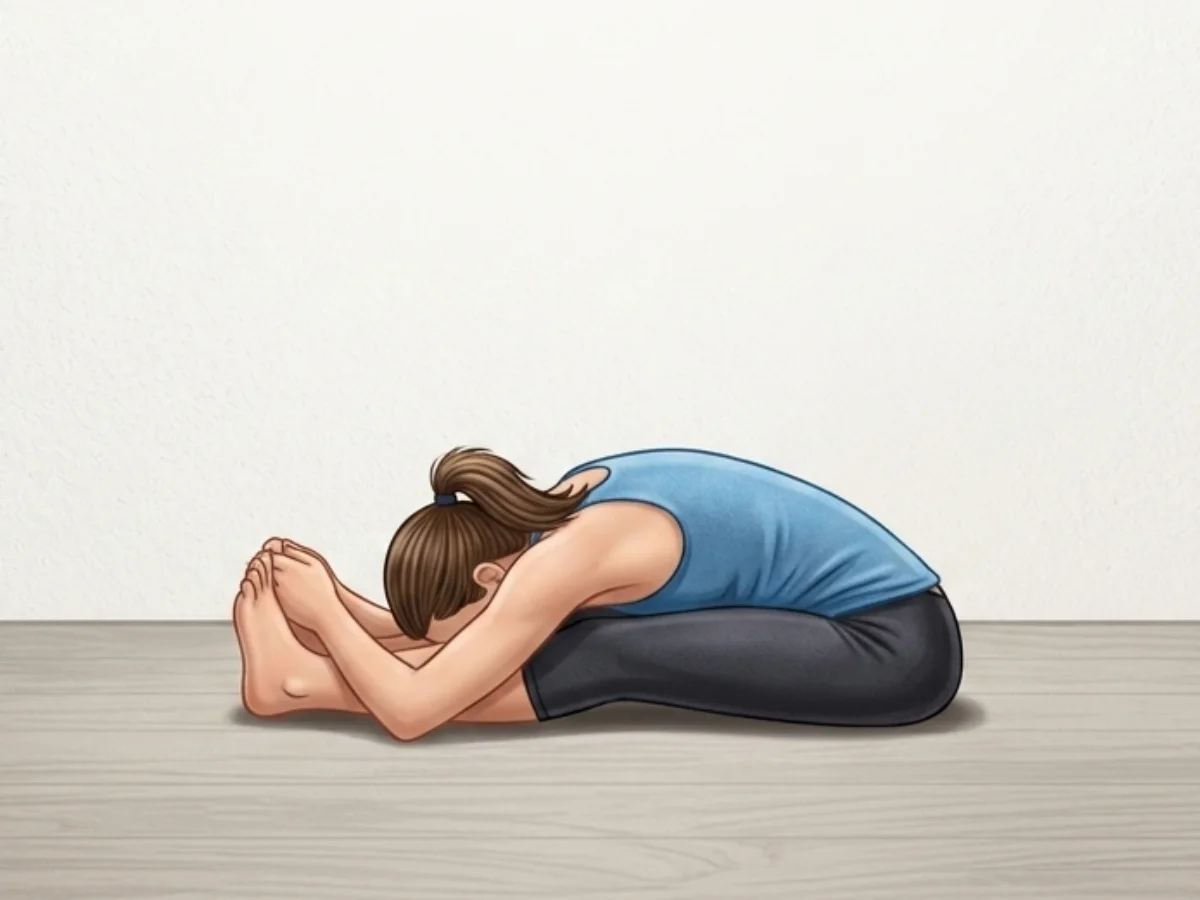
Seated Forward Bend I
Paschimottanasana AStretches the hamstrings and lower back in a linear plane.
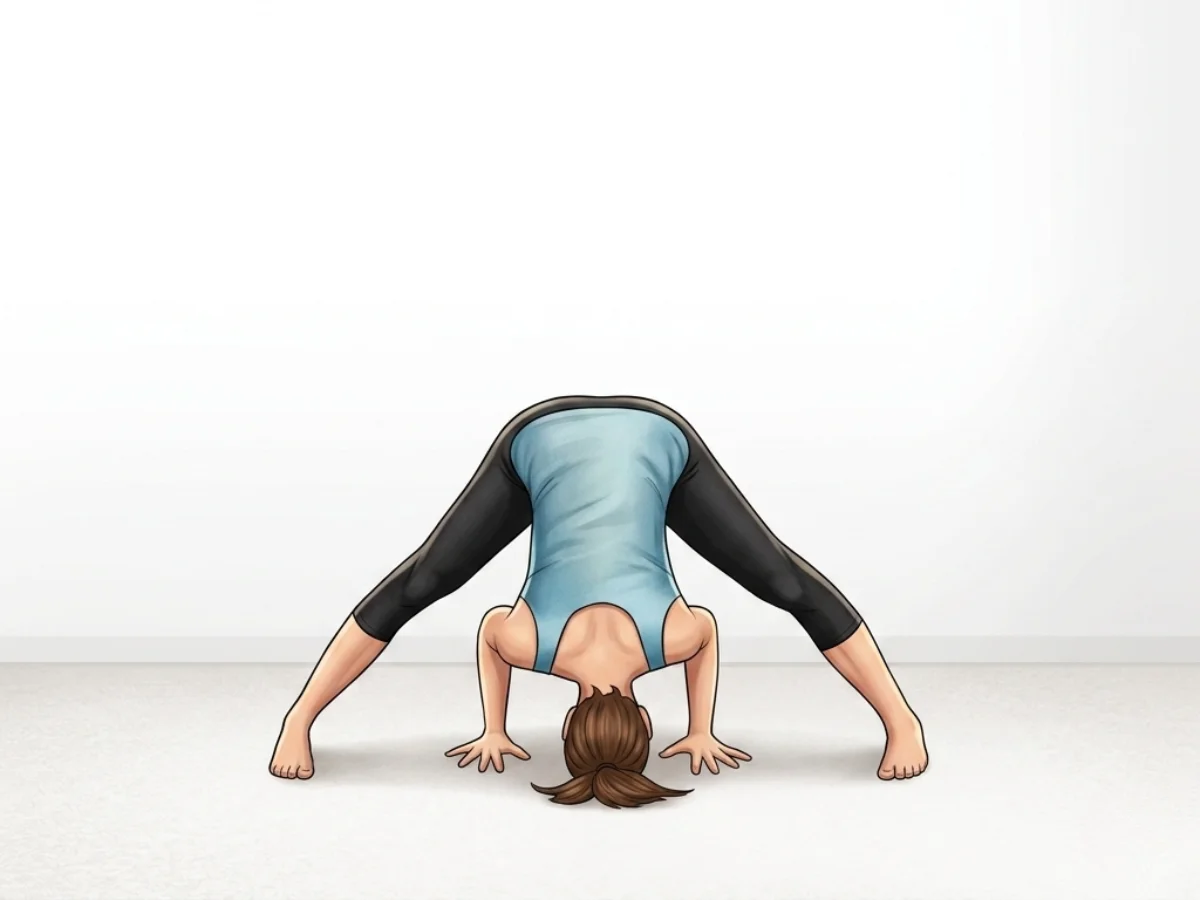
Wide-Legged Forward Bend I
Prasarita Padottanasana AA standing equivalent that aggressively opens the hamstrings and adductors.
Follow with neutralizing Counter-poses
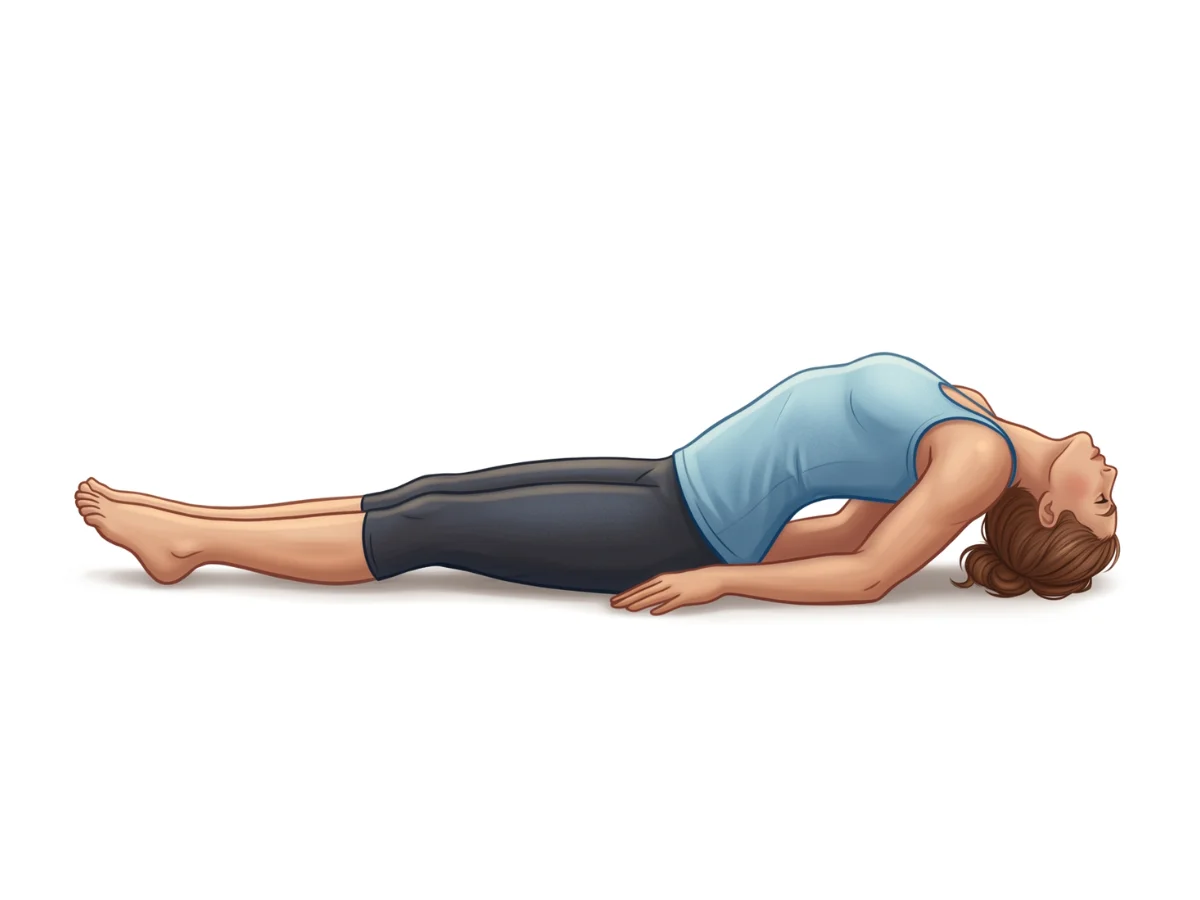
Fish Pose
MatsyasanaOpens the chest, throat, and front body to powerfully counteract the deep forward collapse.
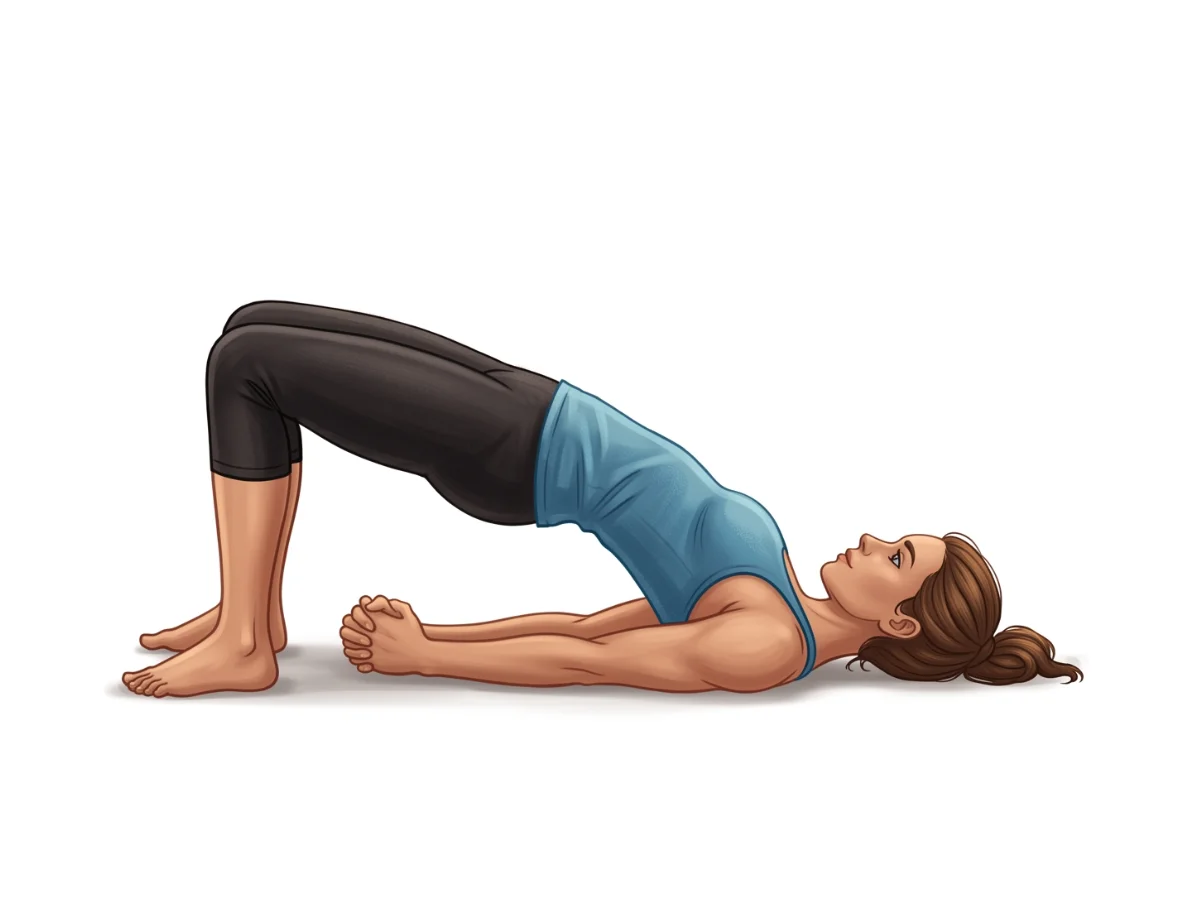
Bridge Pose
Setu BandhasanaExtends the hips and spine, neutralizing the flexion from the Tortoise fold.
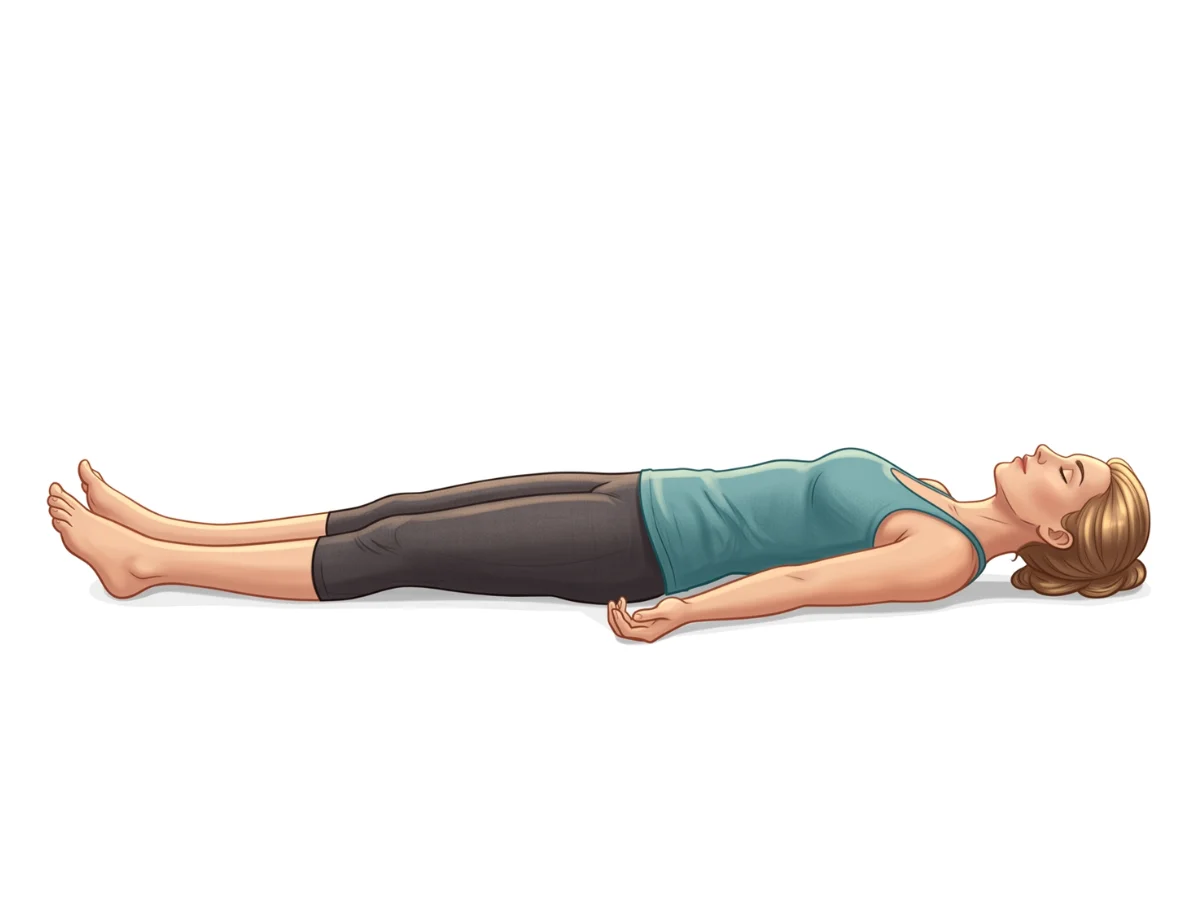
Corpse Pose
SavasanaAllows the intense neural and physical stimulation of the pose to settle completely.
Frequently Asked Questions
How do I know if I am ready for Tortoise Pose?
You are ready to attempt the full pose when you can comfortably rest your torso on the floor in a wide-legged seated forward fold without straining your lower back.
My arms feel crushed under my legs. Is this normal?
Some pressure is expected, but it should not be painful or cut off circulation. Ensure you are sliding the fleshy part of your thigh over the arm, rather than grinding your knee bone into your tricep.
What is the difference between Kurmasana and Supta Kurmasana?
Kurmasana (Tortoise) has the arms straight out and legs straight. Supta Kurmasana (Sleeping Tortoise) is an even deeper variation where the arms bind behind the back and the feet cross behind the head.
Elena Rostova is an accredited yoga educator and anatomy specialist with over 15 years of clinical experience. She focuses on functional biomechanics and injury prevention, translating complex anatomy into accessible guidance for safe, sustainable practice.
Read Full ProfileContinue Your Yoga Journey
Ready to deepen your practice? Explore our extensive library of poses, or join a structured program designed to build strength, flexibility, and mindfulness.