
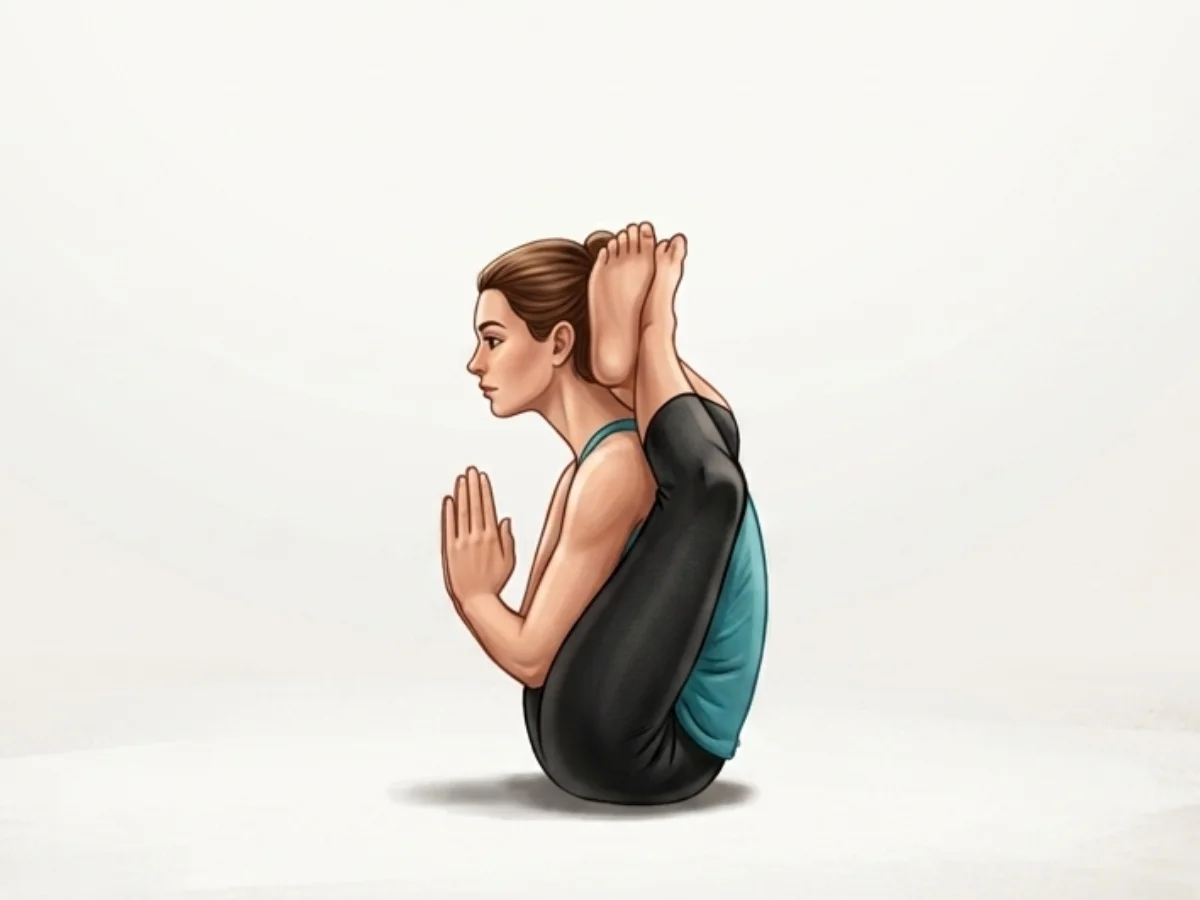
Two Legs Behind the Head I
Dwi Pada Sirsasana
By Elena Rostova Updated: verified Medically Reviewed
Two Legs Behind the Head I (Dwi Pada Sirsasana) is a profoundly advanced seated posture that requires extraordinary flexibility in the hips, hamstrings, and lower back. By crossing both ankles securely behind the neck, practitioners experience intense compression and opening, stimulating the nervous system and testing the limits of physical surrender.
Hold Time
30–60 sec · 5–10 breaths
Pronunciation
dwee PAH-dah sheer-SHAHS-anna
About Two Legs Behind the Head I
Commonly practiced as Two Legs Behind the Head I (Dwi Pada Sirsasana), this dynamic posture is beautifully designed to help unlock tension. This posture specifically engages the deep hip opening & spinal flexion, making it highly effective for developing both strength and mobility. Over time, adding this to your routine is a great way to support maximizes hip flexibility while calming the mind.
How to Practice
Seated Foundation
Begin seated on your mat in Staff Pose (Dandasana) with both legs extended straight in front of you. Ensure you are fully warmed up with extensive hip openers.
Cradle the First Leg
Bend your right knee and cradle your right lower leg in your arms, treating it like a baby. Gently rock the hip side to side to lubricate the joint.
Secure the First Leg
Exhale as you externally rotate your right hip deeply. Carefully guide your right calf over your right shoulder, placing your right ankle securely behind your neck.
Establish Stability
Sit tall and press your head gently back against your right calf to lock the leg in place without straining your cervical spine.
Prepare the Second Leg
Maintaining the position of the first leg, bend your left knee and bring your left foot toward your chest, preparing the left hip for deep external rotation.
Cross the Ankles
Exhale deeply, guide your left calf over your left shoulder, and carefully cross your left ankle over your right ankle securely behind your neck.
Center the Torso
With both legs locked behind the neck, press your hands firmly into the mat beside your hips. Actively lift your chest and attempt to straighten your spine.
Hand Placement
Once balanced and secure, bring your hands to your heart center in prayer position (Anjali Mudra), relying entirely on core strength to stay upright.
Hold and Breathe
Hold this advanced posture for 5 to 10 deep, controlled nasal breaths. Keep your jaw relaxed and avoid clenching your teeth.
Careful Release
To release, carefully uncross your ankles. Support your left leg with your hands to bring it forward, followed slowly by the right leg. Rest quietly in Staff Pose.
Practice with the Yoga Timer
Keep track of your hold time and breath count for this pose.
Beginner Modifications & Prop Options
Yoga is a personal journey. These modifications and prop options allow you to adapt the pose to your current level of balance and flexibility, ensuring a safe and supportive practice.
Master One Leg First
Spend months or years mastering One Leg Behind the Head (Eka Pada Sirsasana) before attempting the two-legged variation. Ensure both sides are equally open.
Tip: Focus on alignment rather than depth.
Supine Variation
Practice the entry mechanics while lying on your back (supine). Gravity helps draw the legs down without placing the load on the cervical spine and lower back.
Tip: Focus on alignment rather than depth.
Use Hands for Support
Instead of bringing hands to prayer, keep your hands firmly planted on the floor beside your hips to support your spine and help manage the weight of your legs.
Tip: Focus on alignment rather than depth.
Benefits of Two Legs Behind the Head I
Maximizes Hip Flexibility
Forces extreme external rotation and flexion of the hip joints, stretching the deep six external rotators and gluteal muscles to their maximum range.
Deep Spinal Elongation
Stretches the entire length of the erector spinae and heavily decompresses the cervical spine when aligned correctly.
Intense Core Activation
Sitting upright with the weight of both legs compressing the neck requires massive activation of the transversus abdominis and psoas.
Stimulates Digestion
The intense compression of the abdomen against the thighs deeply massages the internal organs, potentially aiding sluggish digestion.
Challenges Mental Equanimity
Navigating the physical intensity and restrictive nature of the pose trains the nervous system to remain calm under extreme pressure.
Common Mistakes to Avoid
Mistake: Forcing the Legs Behind the Neck
How to fix: The movement must come entirely from deep hip rotation. If the leg does not naturally clear the shoulder, do not force it.
Mistake: Collapsing the Neck Forward
How to fix: Actively push the back of your head into your calves to keep the neck neutral and the chest lifting.
Mistake: Rounding the Lower Back Excessively
How to fix: Press your hands into the floor and consciously engage your lower abdominals to lift the ribcage upward.
Safety and Precautions
Cervical Spine Issues
The weight of both legs directly on the neck makes this pose extremely dangerous for anyone with herniated discs or whiplash history.
Knee Pathologies
The extreme external rotation required from the hip will violently torque the knee if hip mobility is insufficient. Avoid with any knee history.
Lower Back Injuries
The intense lumbar flexion combined with compressive load can severely aggravate sciatica or lumbar disc issues.
High Blood Pressure
The restrictive, compressive nature of the posture can cause rapid spikes in blood pressure.
Pregnancy
The intense abdominal compression and joint laxity make this pose entirely unsafe during pregnancy.
Medical Disclaimer: If you have any of the above conditions, consult your doctor or a qualified yoga instructor before attempting this pose.
Muscles Worked in Two Legs Behind the Head I
Two Legs Behind the Head I demands synchronized muscular effort, creating a profound sense of engagement and release throughout the body. The activation of the primary muscles supports the structure, while the secondary muscles provide stability and balance.
Primary Muscles
Gluteus Maximus & Medius
Stretched to their absolute maximum limit through extreme external hip rotation.
Piriformis & Deep Six Rotators
Undergo profound stretching to allow the femur to externally rotate deeply enough.
Hamstrings
Deeply lengthened at the proximal attachment (ischial tuberosity) to accommodate hip flexion.
Secondary Muscles
Rectus Abdominis & Psoas
Engage maximally to flex the trunk and hold the torso upright against the legs.
Cervical Extensors
Engage isometrically to resist the forward pressure of the calves on the neck.
Latissimus Dorsi
Engage to assist in lifting the chest and stabilizing the torso.
Poses to Practice Before and After Two Legs Behind the Head I
Prepare with these Poses
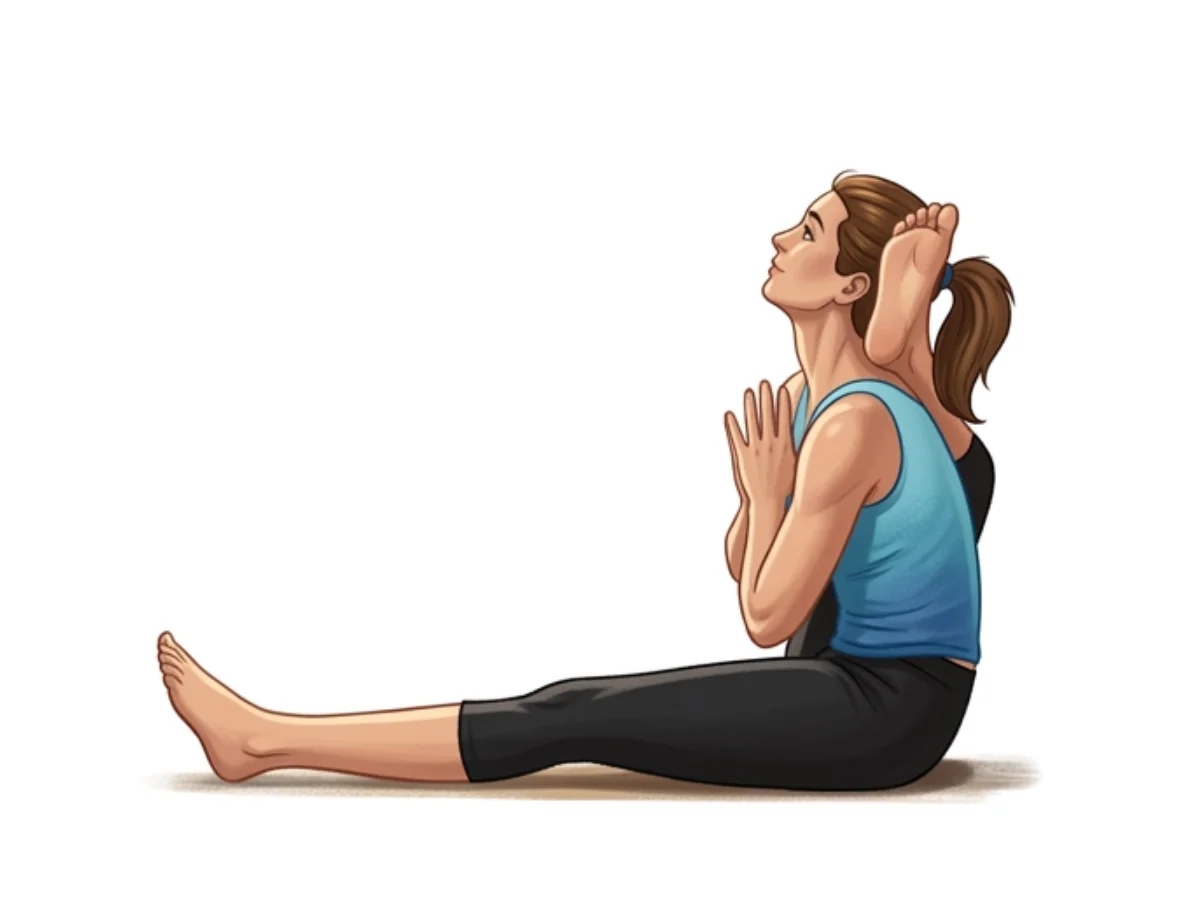
One Leg Behind the Head I
Eka Pada SirsasanaThe essential precursor, opening each hip individually to the exact degree required.
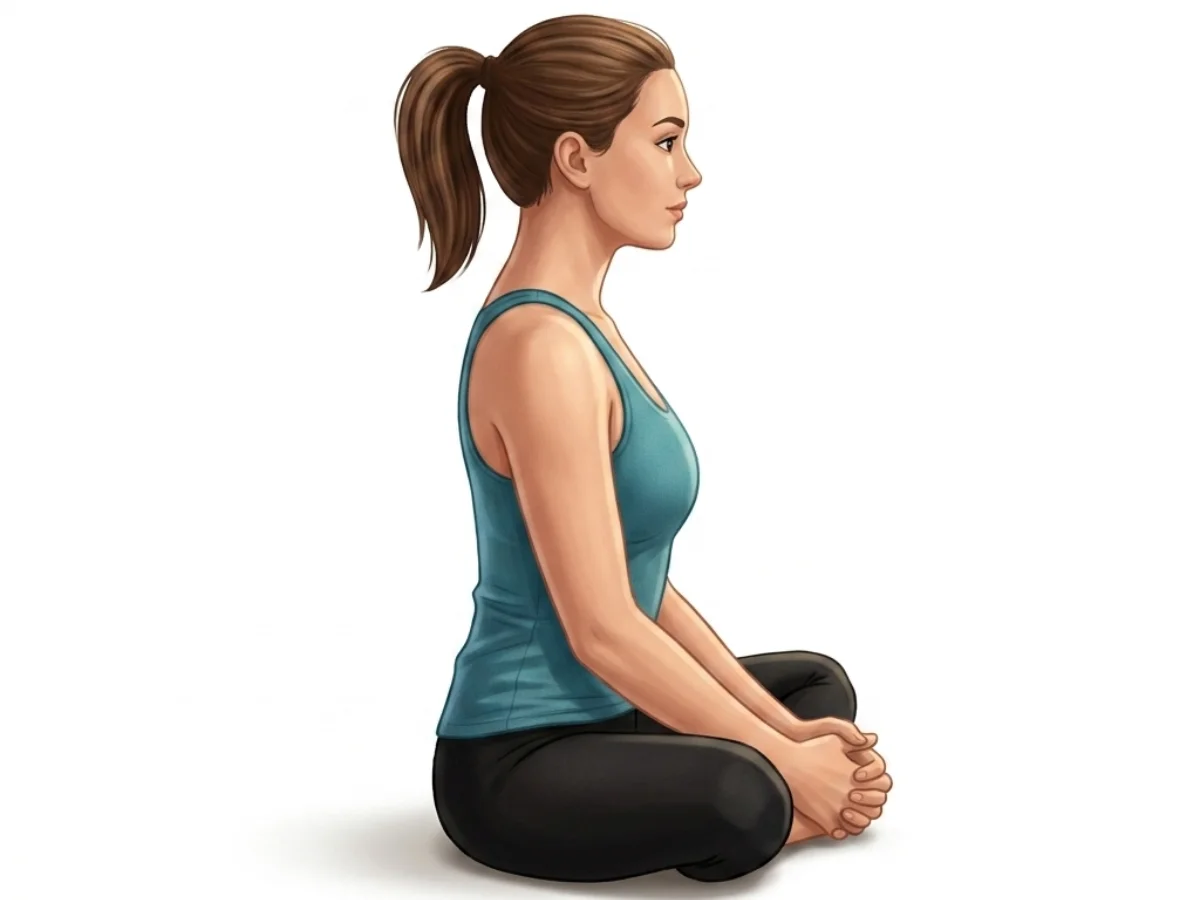
Bound Angle
Baddha KonasanaA foundational hip opener that warms up external rotation and groin flexibility.
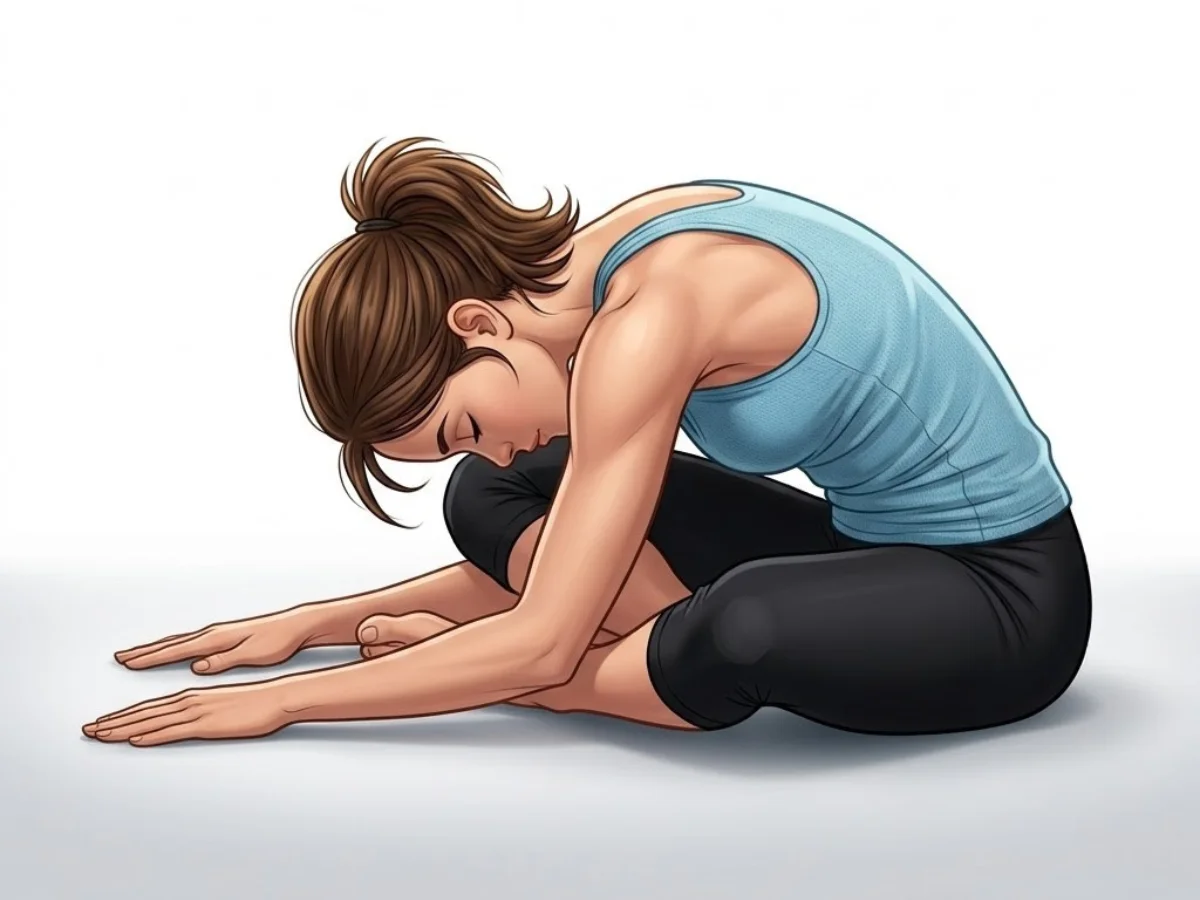
Butterfly Pose
TitliasanaGently prepares the inner thighs and adductors for deeper, more intense stretching.
Follow with neutralizing Counter-poses
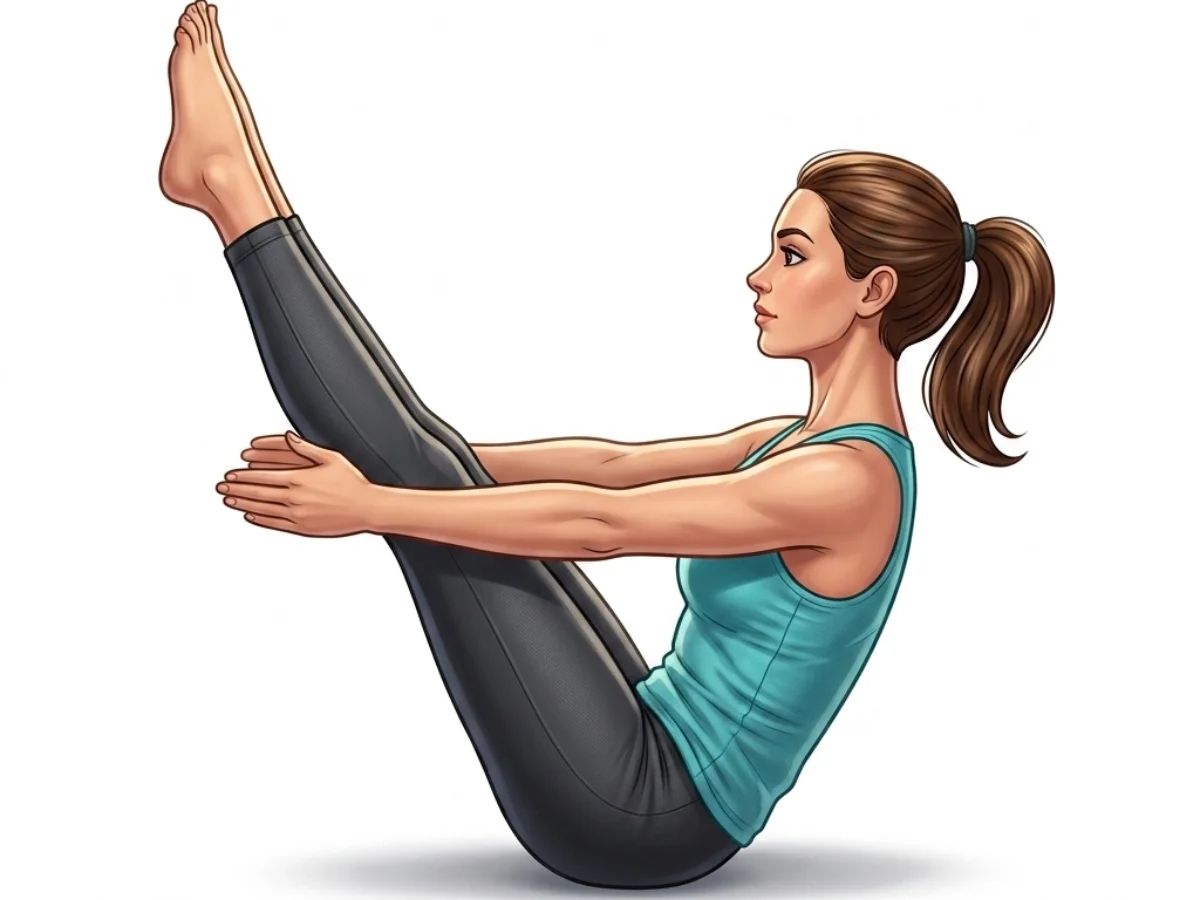
Boat Pose
NavasanaRe-engages the core while bringing the hips out of extreme external rotation.
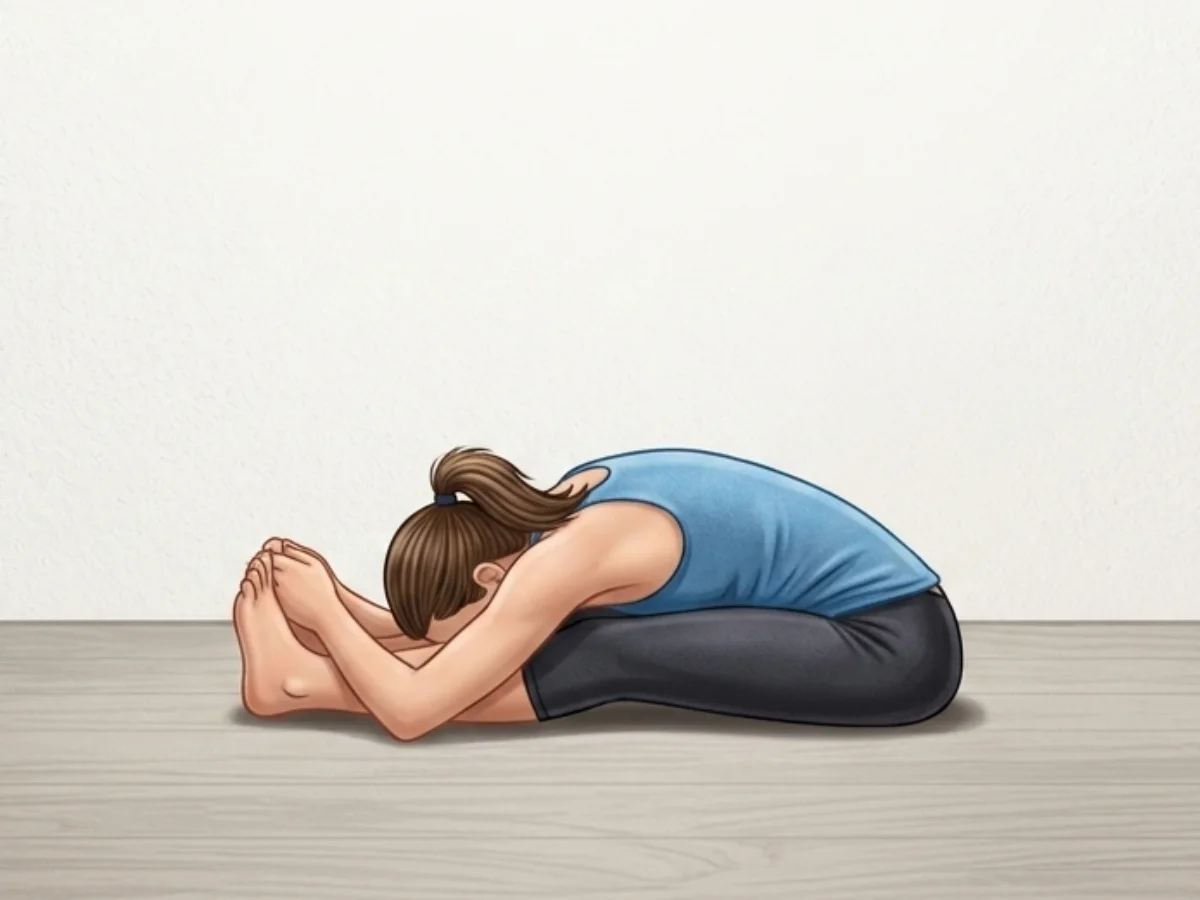
Seated Forward Bend I
Paschimottanasana ABrings the legs back to neutral, symmetrical alignment while soothing the nervous system.
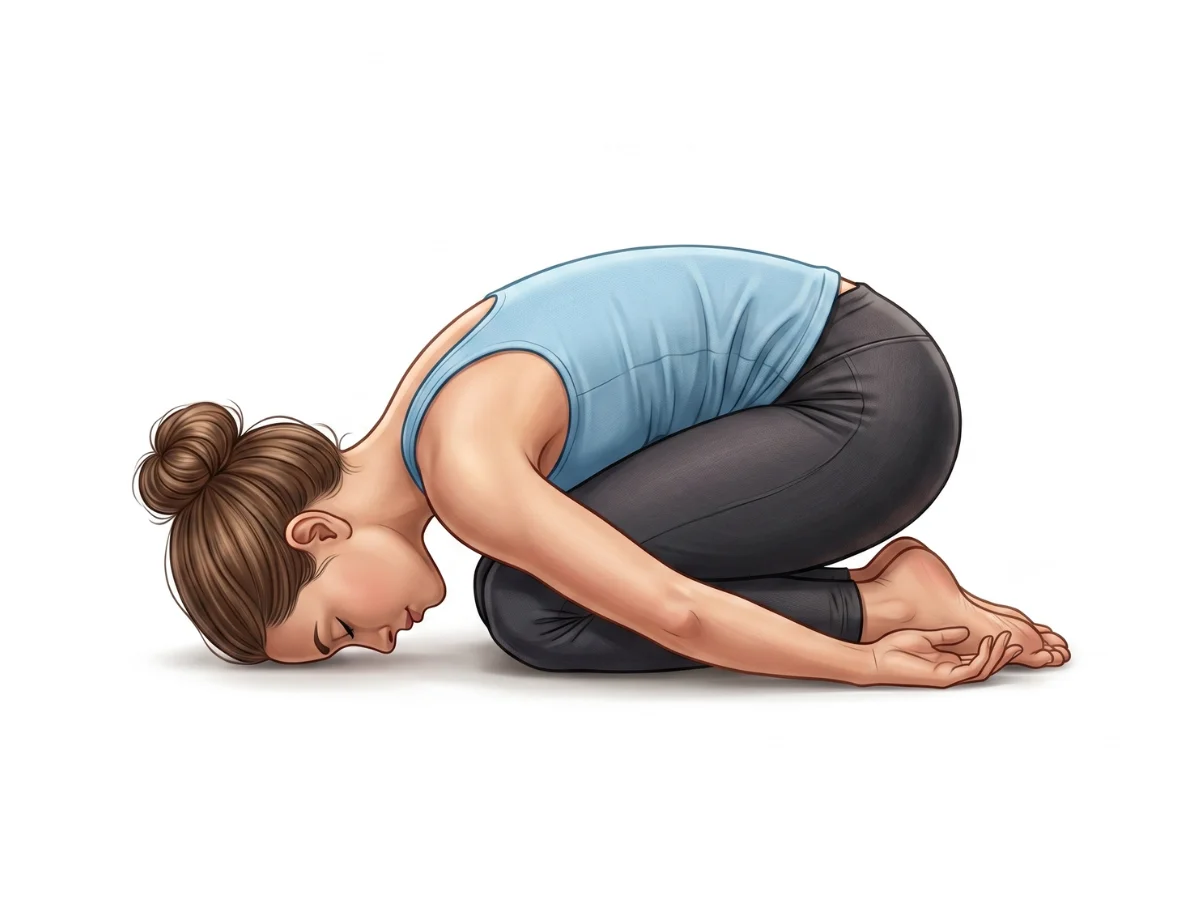
Child's Pose
BalasanaAllows the spine to softly round and the hips to rest after extreme intensity.
Frequently Asked Questions
How long does it take to achieve this pose?
For most practitioners, achieving Dwi Pada Sirsasana safely takes many years of dedicated, daily practice. It requires a rare combination of anatomical structure and extreme tissue flexibility.
Is it supposed to hurt my knees?
Absolutely not. Any sensation in the knees is a red flag indicating that your hips are not open enough, causing the knee joint to twist to compensate.
How do I know if I am ready to try the second leg?
You should only attempt the second leg if you can comfortably and easily hold One Leg Behind the Head on both sides, sitting tall with no hands and no neck strain for at least 10 breaths.
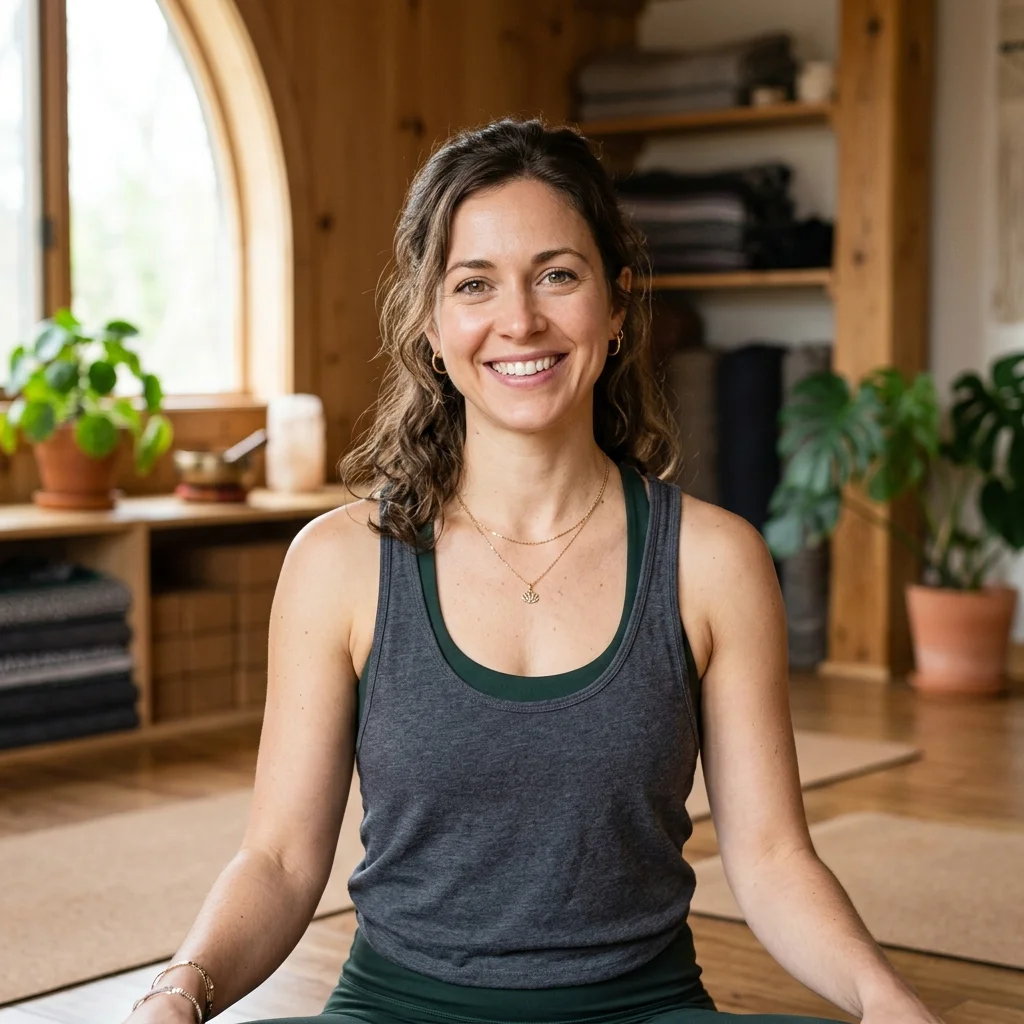
Elena Rostova is an accredited yoga educator and anatomy specialist with over 15 years of clinical experience. She focuses on functional biomechanics and injury prevention, translating complex anatomy into accessible guidance for safe, sustainable practice.
Read Full ProfileContinue Your Yoga Journey
Ready to deepen your practice? Explore our extensive library of poses, or join a structured program designed to build strength, flexibility, and mindfulness.