
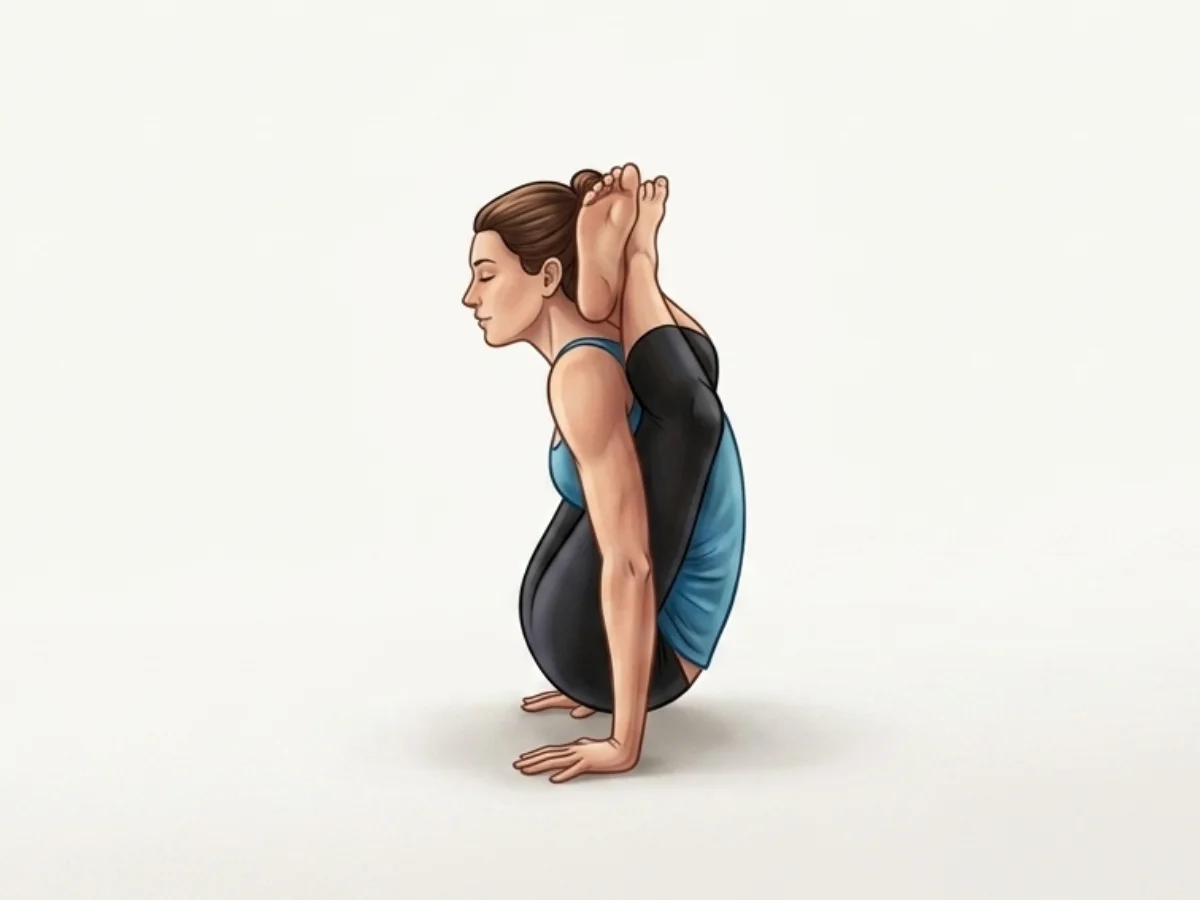
Two Legs Behind the Head II
Dwi Pada Sirsasana
By Elena Rostova Updated: verified Medically Reviewed
Two Legs Behind the Head II (Dwi Pada Sirsasana) is an elite-level asana requiring extreme external rotation of the hips and immense core strength to maintain an upright posture. In this variation, both legs are securely hooked behind the neck while the practitioner balances on their sitting bones.
Hold Time
15–30 sec · 3–5 breaths
Pronunciation
DWI pah-dah sheer-SHAHS-anna
About Two Legs Behind the Head II
A vital part of many yoga sequences, Two Legs Behind the Head II (Dwi Pada Sirsasana) offers wonderful benefits that go beyond its simple shape. By gently focusing on extreme hip flexibility & core strength, it actively stretches your muscles and builds heat. Over time, adding this to your routine is a great way to support maximizes hip flexibility while calming the mind.
How to Practice
Start Seated
Begin seated in Staff Pose (Dandasana) with both legs extended straight in front of you.
First Leg Placement
Bend your right knee and cradle the shin. Gently work the right shoulder under the right calf. With an exhale, guide the right ankle behind your neck, pointing the toes to lock it in place.
Second Leg Placement
Carefully bend your left knee. Draw the left leg back, working the left shoulder under the left calf. Exhale and guide the left ankle behind the neck, crossing it over the right ankle.
Engage and Lock
Once both legs are behind the head, squeeze the calves downward slightly to secure them against the upper back and neck.
Lift the Chest
Engage your deep core and lower back muscles to lift your chest upward. Avoid collapsing forward; aim to sit as tall as possible.
Hand Placement
Bring your hands together in Anjali Mudra (prayer position) at your heart center, balancing on your sit bones.
Hold and Breathe
Hold the pose for 3 to 5 steady breaths, keeping the gaze forward and the neck as straight as possible.
Release Safely
Carefully release the hands, gently uncross the ankles behind the head, and slowly lower one leg at a time back to the floor.
Practice with the Yoga Timer
Keep track of your hold time and breath count for this pose.
Beginner Modifications & Prop Options
Yoga is a personal journey. These modifications and prop options allow you to adapt the pose to your current level of balance and flexibility, ensuring a safe and supportive practice.
One Leg Behind the Head (Eka Pada Sirsasana)
Master One Leg Behind the Head Pose completely on both sides before ever attempting to bring both legs back simultaneously. The body needs time to adapt to the deep opening.
Tip: Focus on alignment rather than depth.
Reclined Version (Supta Kurmasana Prep)
Practice a variation lying on your back (Supine) drawing the feet toward the head. Gravity assists in opening the hips without straining the back muscles.
Tip: Focus on alignment rather than depth.
Benefits of Two Legs Behind the Head II
Maximizes Hip Flexibility
Pushes the boundaries of external hip rotation and stretches the deep gluteal muscles and piriformis to their maximum safe limits.
Strengthens the Spine
Holding the torso upright against the forward pressure of the legs builds immense strength in the erector spinae.
Stimulates Abdominal Organs
The deep forward compression creates a powerful massage for the digestive tract and internal organs.
Deepens Focus and Discipline
Executing and holding such a complex posture requires unparalleled mental concentration and breath control.
Common Mistakes to Avoid
Mistake: Forcing the Knees
How to fix: Never pull the legs violently behind the head. If the hips are not open, the torque will transfer directly to the knee joints, causing serious injury.
Mistake: Rounding the Spine Severely
How to fix: While some rounding is inevitable during entry, the goal is to lift the chest and extend the spine vertically once in the pose.
Safety and Precautions
Knee or Meniscus Injuries
Any weakness or injury in the knees makes this pose strictly contraindicated.
Neck and Cervical Spine Issues
The weight of the legs pressing against the neck can severely aggravate any disc issues or weakness.
Lower Back Pain or Sciatica
The extreme flexion combined with external rotation can inflame the sciatic nerve and strain the lumbar spine.
Medical Disclaimer: If you have any of the above conditions, consult your doctor or a qualified yoga instructor before attempting this pose.
Muscles Worked in Two Legs Behind the Head II
Two Legs Behind the Head II demands synchronized muscular effort, creating a profound sense of engagement and release throughout the body. The activation of the primary muscles supports the structure, while the secondary muscles provide stability and balance.
Primary Muscles
Piriformis & Gluteus Maximus
Stretch to their maximum to allow external rotation.
Erector Spinae
Contract intensely to hold the torso upright against the weight of the legs.
Adductors
Stretch deeply across the groin.
Secondary Muscles
Rectus Abdominis
Compresses to hold the internal organs and stabilize the pelvis.
Hamstrings
Stretch intensely as the legs are pulled back and bent.
Poses to Practice Before and After Two Legs Behind the Head II
Prepare with these Poses
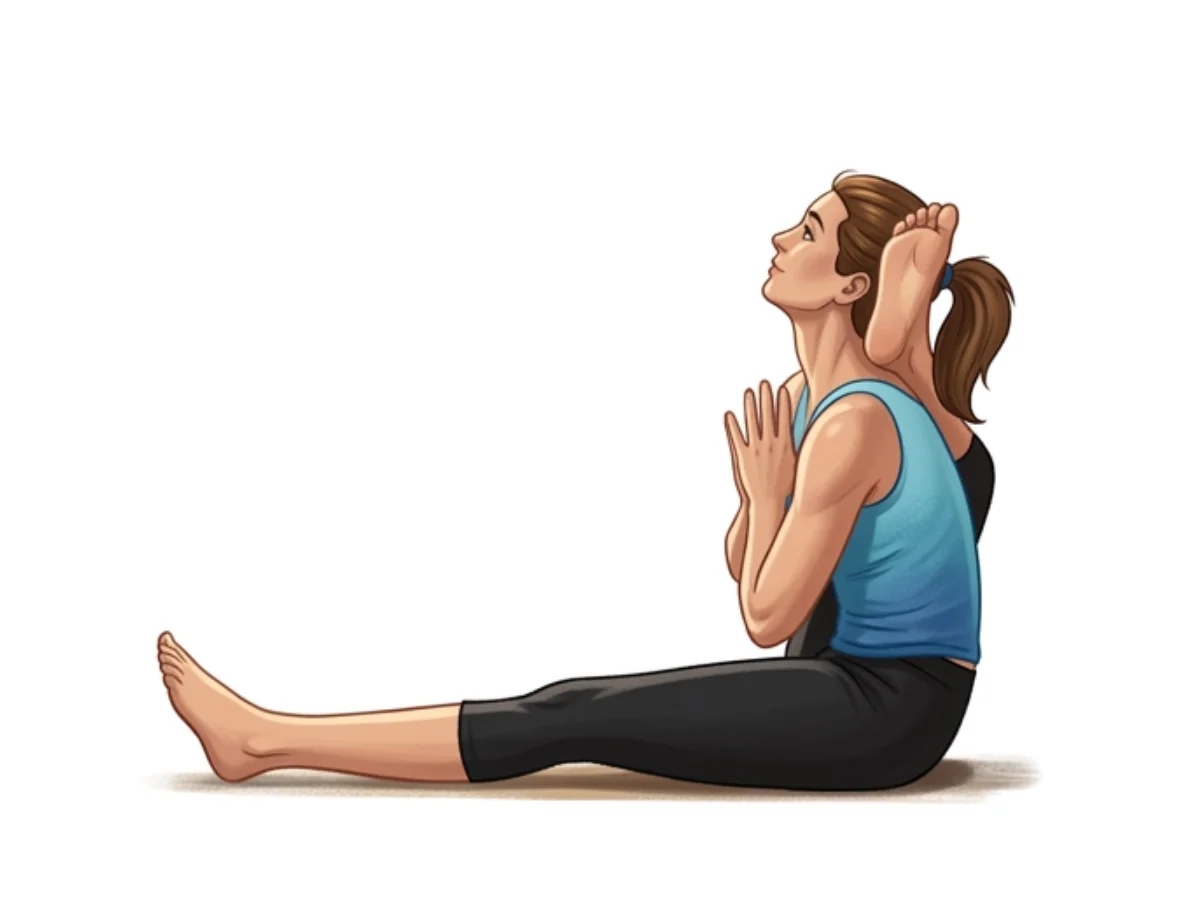
One Leg Behind the Head
Eka Pada SirsasanaThe essential prerequisite for safely opening the hips one at a time.
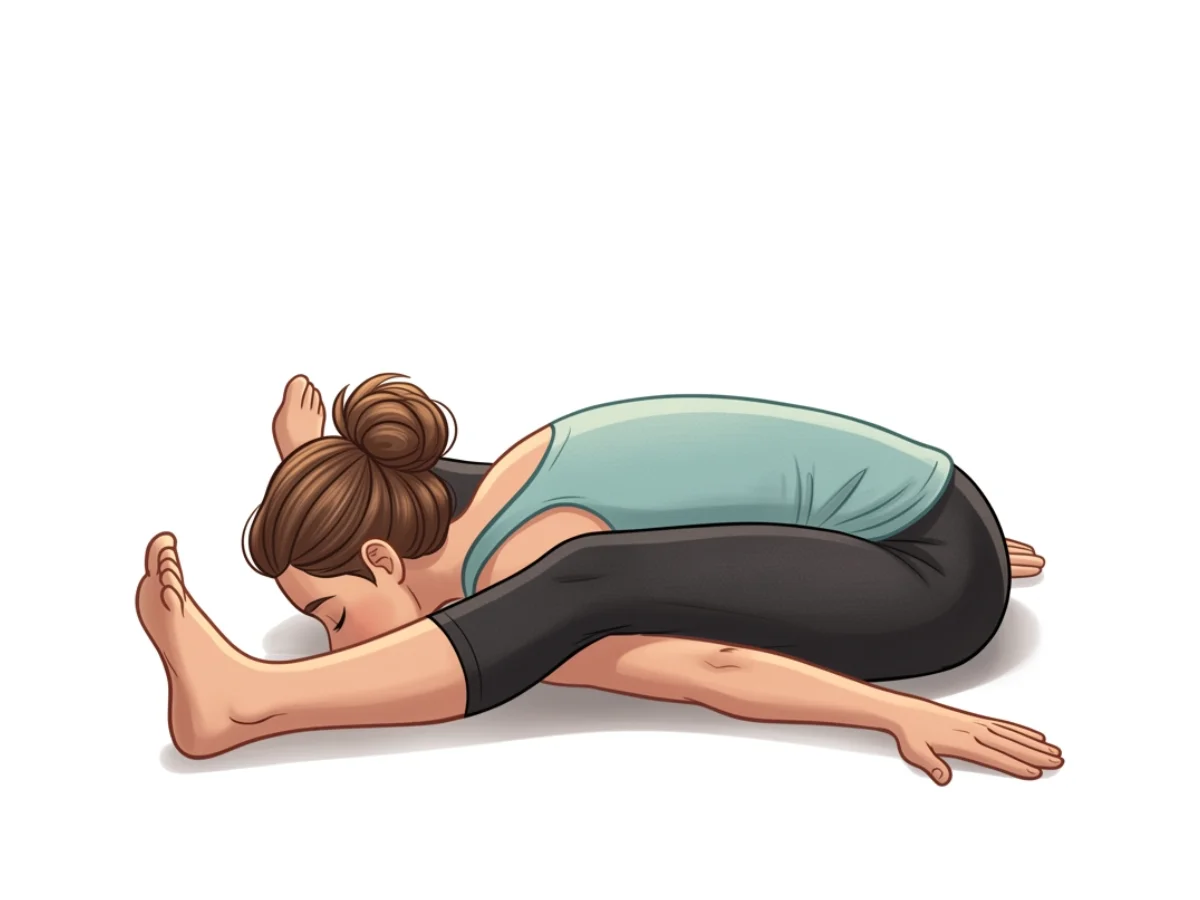
Tortoise Pose
KurmasanaOpens the hips and back deeply in a forward-folding orientation.
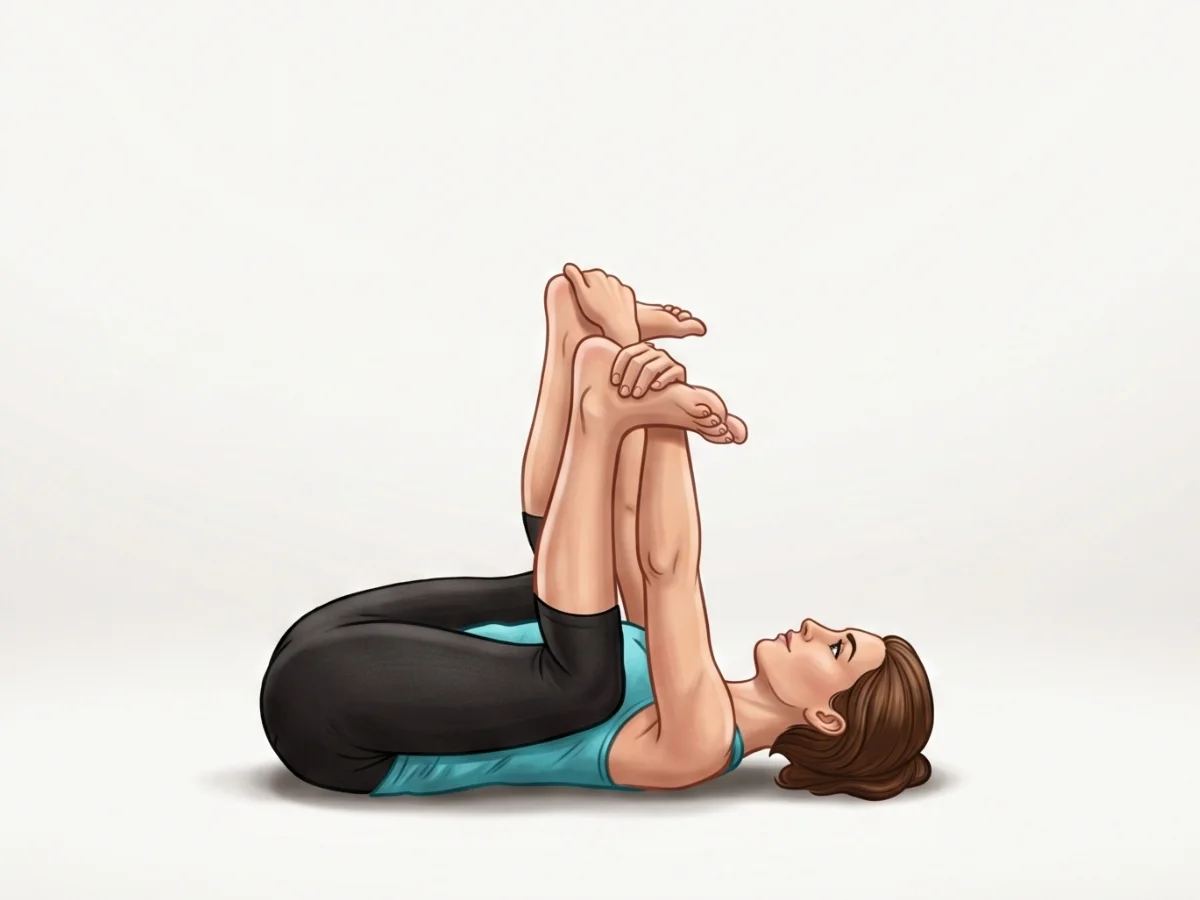
Happy Baby Pose
Ananda BalasanaProvides a gentle, accessible stretch to the hips and groins.
Follow with neutralizing Counter-poses
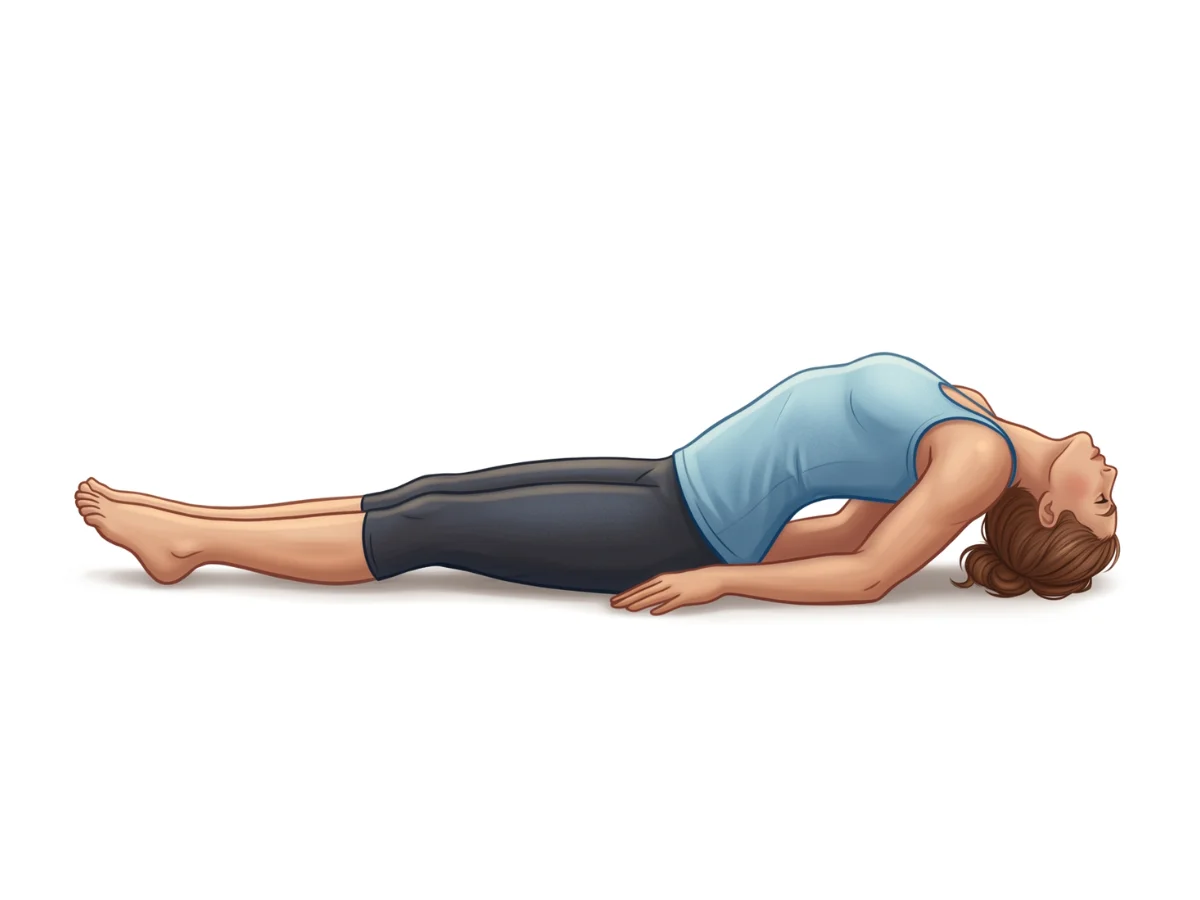
Fish Pose
MatsyasanaCounters the forward neck flexion by arching the spine and opening the throat.
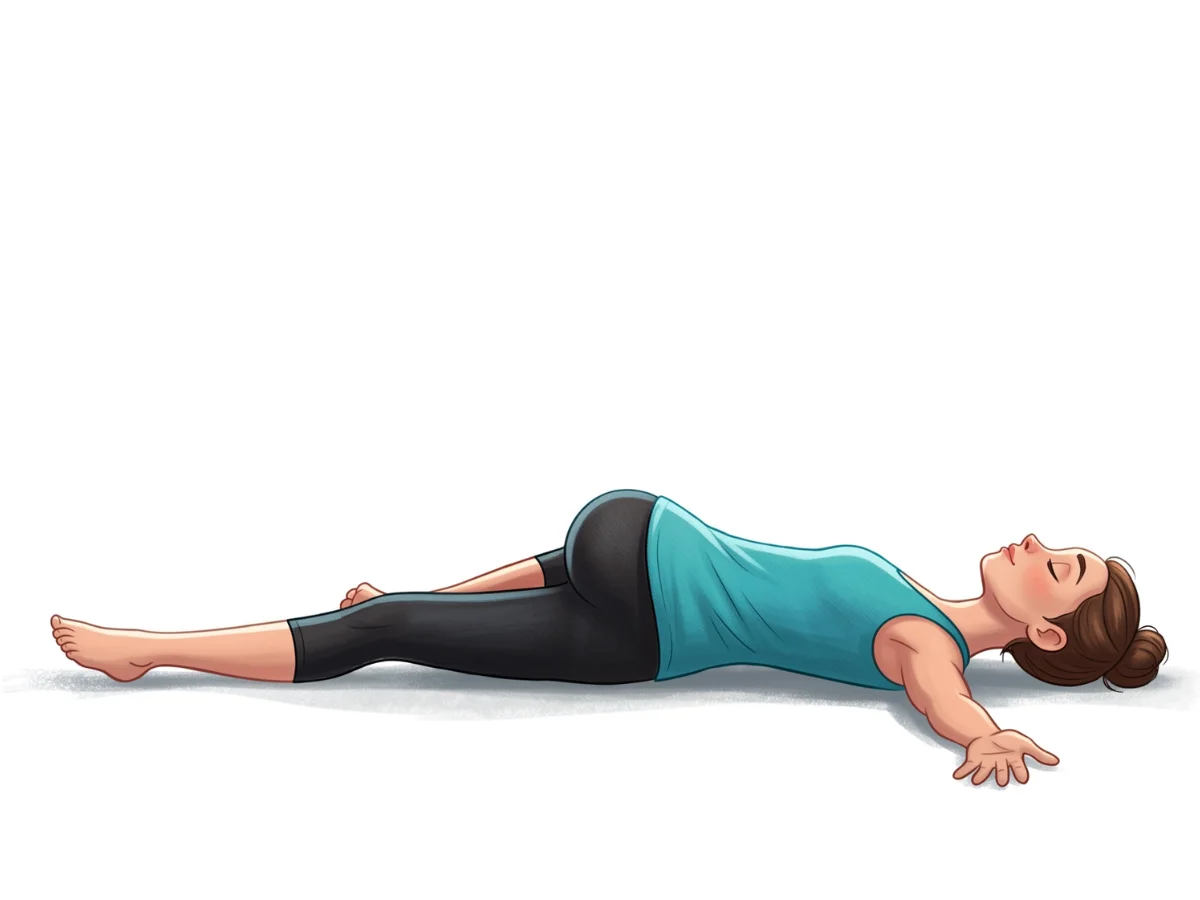
Supine Spinal Twist
Supta MatsyendrasanaRealigns the spine and releases tension in the deep hip rotators.
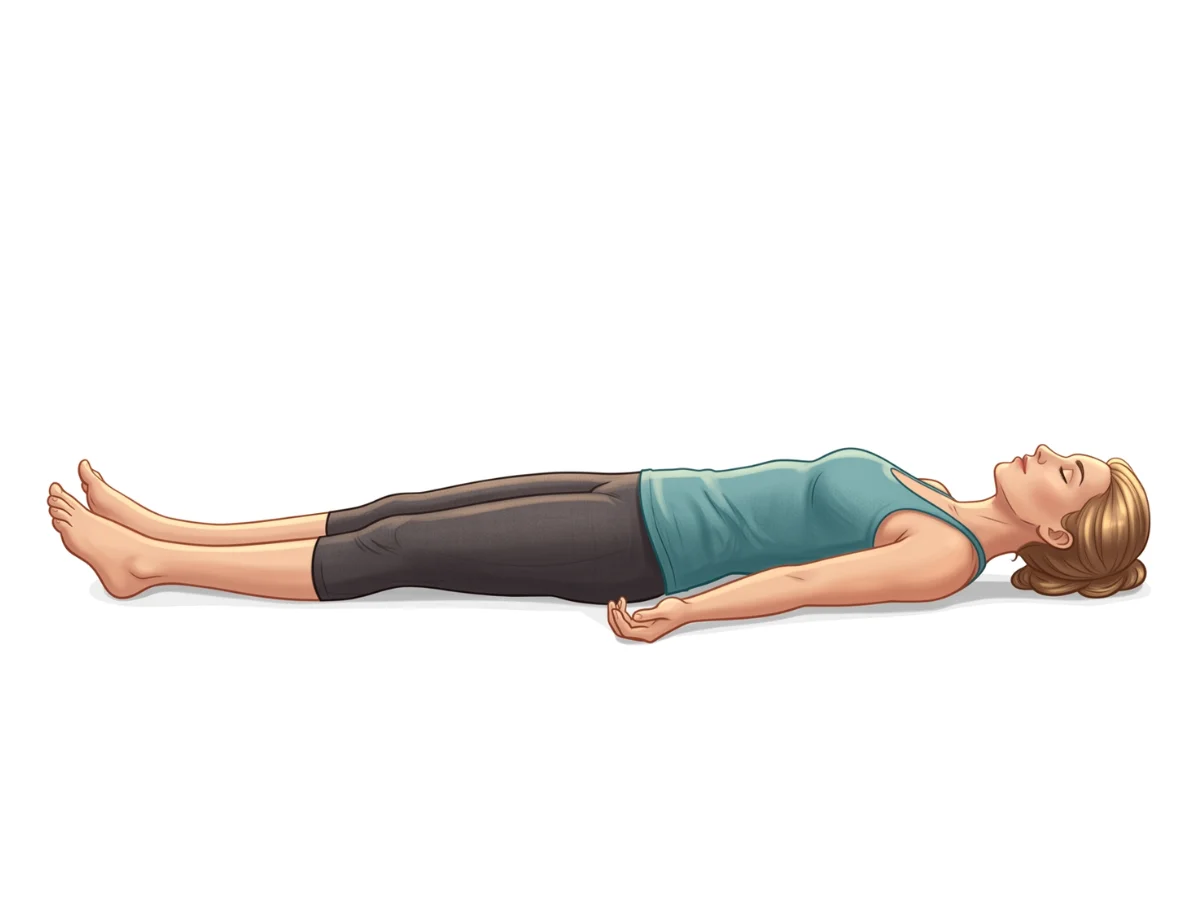
Corpse Pose
SavasanaAllows the body to fully integrate after an extreme range of motion posture.
Frequently Asked Questions
How long does it take to achieve this pose?
For most practitioners, it takes years of dedicated, careful practice to safely open the hips to this degree. Some anatomical structures (like the shape of the hip socket) may prevent some individuals from ever doing this safely.
Does this hurt the neck?
It should not hurt. The legs should cross behind the upper trapezius muscles, not directly on the cervical spine vertebrae. If it hurts your neck, release the pose immediately.
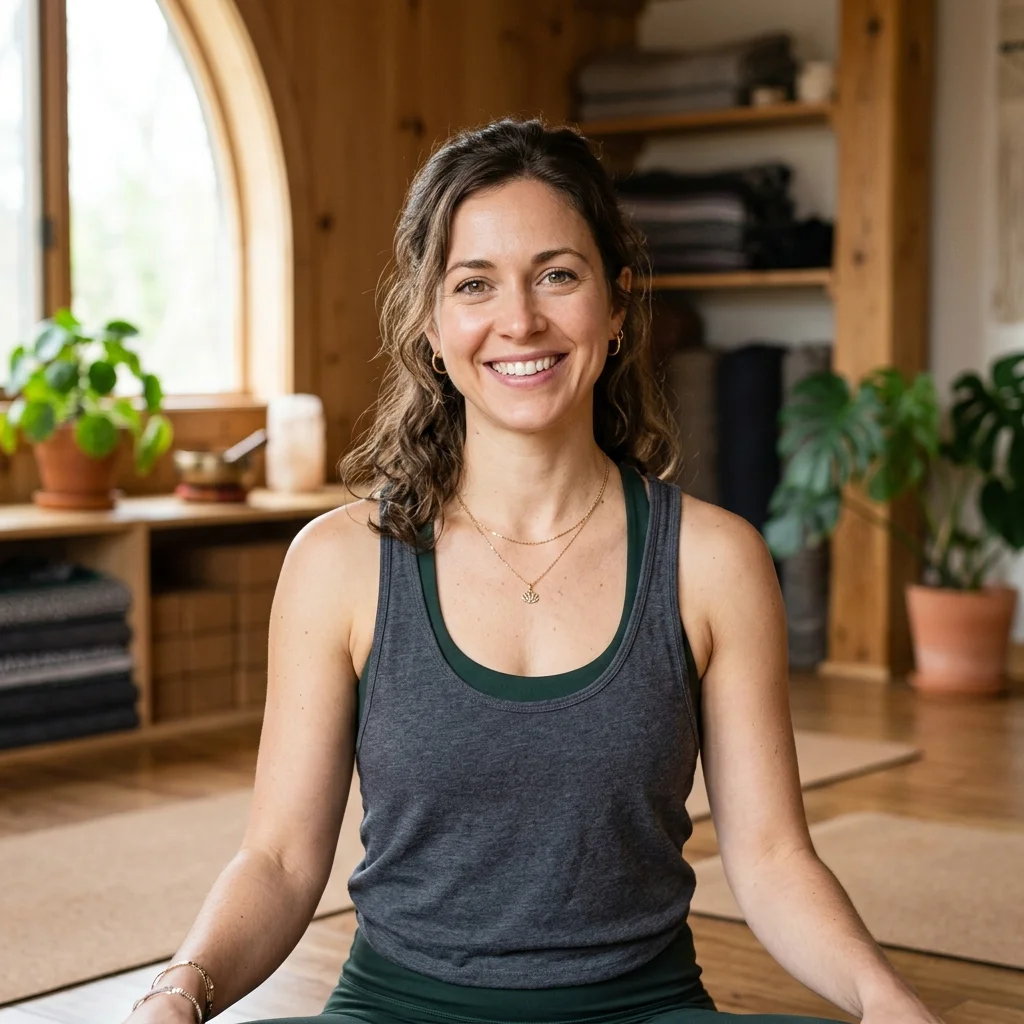
Elena Rostova is an accredited yoga educator and anatomy specialist with over 15 years of clinical experience. She focuses on functional biomechanics and injury prevention, translating complex anatomy into accessible guidance for safe, sustainable practice.
Read Full ProfileContinue Your Yoga Journey
Ready to deepen your practice? Explore our extensive library of poses, or join a structured program designed to build strength, flexibility, and mindfulness.