
Wide Splits
Samakonasana
By Elena Rostova Updated: verified Medically Reviewed
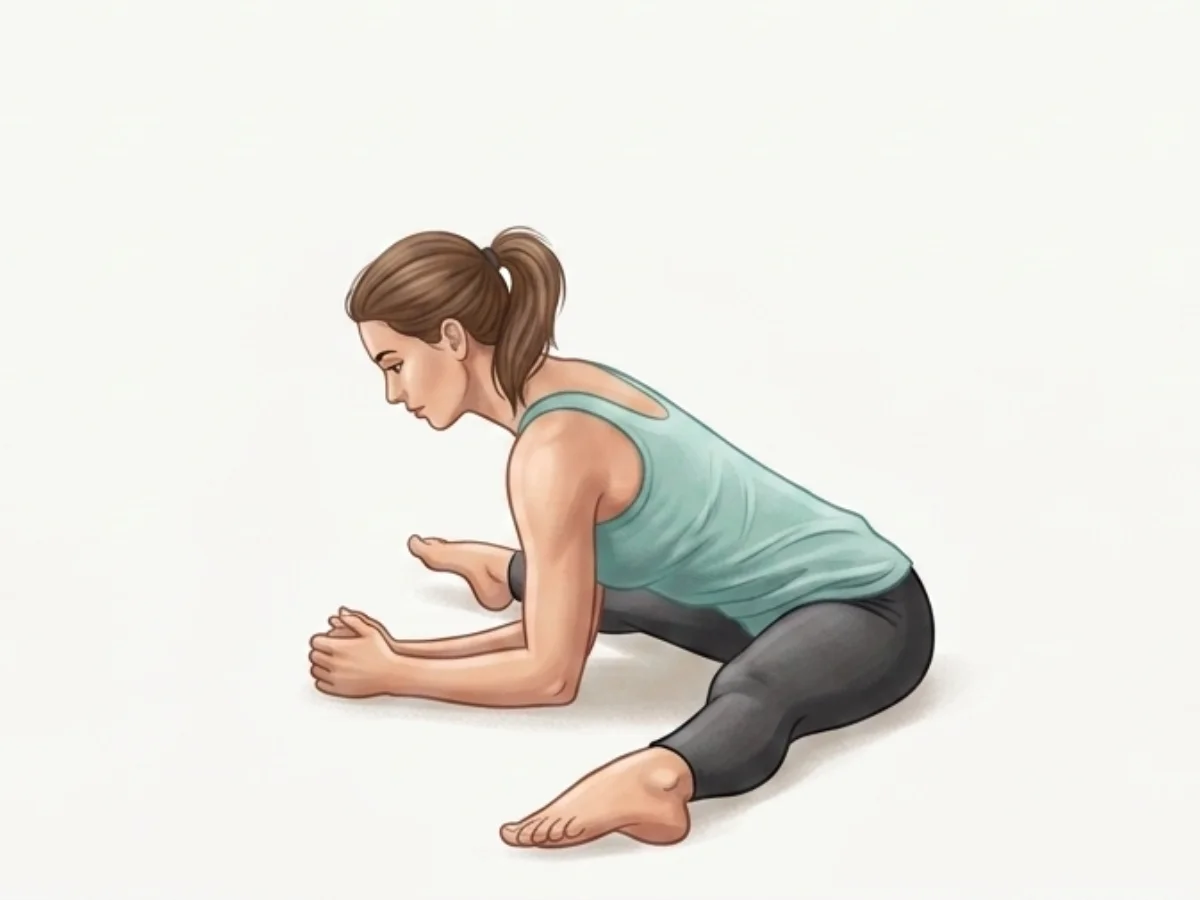
Wide Splits (Samakonasana), often referred to as the Middle Splits or Straddle Split, is an advanced seated posture demanding intense flexibility in the adductors and hips. By extending both legs outward in a straight line, practitioners stretch the entire inner leg line.
Hold Time
30–60 sec · 5–10 breaths
Pronunciation
sah-mah-koh-NAHS-anna
About Wide Splits
A vital part of many yoga sequences, Wide Splits (Samakonasana) offers wonderful benefits that go beyond its simple shape. As you settle into the shape, it gently works the deep inner thigh & groin flexibility to increase your overall flexibility. Practicing this pose regularly helps with maximum inner thigh flexibility and leaves you feeling completely refreshed.
How to Practice
Start in a Wide Stance
Begin standing with your feet wide apart, toes pointing forward or slightly outward. Place your hands on the floor in front of you for support.
Slowly Slide the Feet
Exhale and begin to slowly slide your feet outward, widening your stance incrementally while keeping your weight supported on your hands.
Keep Toes and Knees Up
As you lower your hips toward the floor, ensure your kneecaps and the tops of your feet continue to point straight up toward the ceiling.
Lower the Pelvis
Continue to slide your heels out until you reach your comfortable maximum limit. Do not force your pelvis down.
Use Props if Needed
If your hips are far from the floor, slide a block or a rolled blanket underneath your pelvis to support your body weight and relax the muscles.
Align the Hips
Ideally, your legs and pelvis should form a single straight line. Avoid pushing the hips too far backward or forward of the legs.
Lift the Chest
Inhale to lift your chest and lengthen your spine. You can stay supported on your hands, drop to your forearms, or eventually fold the torso flat to the floor.
Hold and Breathe
Breathe deeply and hold the pose for 5 to 10 slow breaths, focusing on relaxing the deep tension in the inner thighs with each exhale.
Engage Core to Exit
To exit safely, plant your hands firmly, press into the floor, engage your core, and slowly heel-toe your feet back together.
Rest and Neutralize
Drop to your knees and sit back into Child's Pose to neutralize the hips and spine.
Practice with the Yoga Timer
Keep track of your hold time and breath count for this pose.
Beginner Modifications & Prop Options
Yoga is a personal journey. These modifications and prop options allow you to adapt the pose to your current level of balance and flexibility, ensuring a safe and supportive practice.
Blocks Under the Hands
Place blocks under your hands to elevate the upper body. This makes it easier to keep the spine straight and control weight sinking into hips.
Tip: Focus on alignment rather than depth.
Bolster Under the Pelvis
Place a bolster or stacked blankets underneath your pelvis. Sitting on support allows inner thigh muscles to relax and lengthen safely.
Tip: Focus on alignment rather than depth.
Wall Straddle (Viparita Karani Variation)
Lie on your back with legs extending up a wall and let them fall open into a wide "V". This uses gravity to gently stretch inner thighs safely.
Tip: Focus on alignment rather than depth.
Benefits of Wide Splits
Maximum Inner Thigh Flexibility
Intensely stretches the adductor muscles (longus, brevis, and magnus) along the inside of the thighs.
Opens the Groin and Pelvis
Releases deep-seated tension in the pelvic region, promoting healthy circulation and hip joint mobility.
Stretches the Hamstrings
Simultaneously lengthens the hamstrings, particularly the medial hamstrings, as the legs extend.
Prepares for Advanced Poses
Creates the foundational hip and groin flexibility required for advanced arm balances and deep seated folds.
Encourages Deep Relaxation
When supported with props, it teaches the nervous system to surrender and relax under intense physical sensation.
Common Mistakes to Avoid
Mistake: Letting the Feet Turn Inward
How to fix: Actively rotate your thighs outward so your kneecaps and toes point straight to the ceiling.
Mistake: Pushing Hips Behind the Legs
How to fix: Keep your hips in line with your heels; if this is impossible, use blocks to lift your hips higher.
Mistake: Bouncing into the Stretch
How to fix: Hold a static position, breathe deeply, and allow gravity to do the work over time.
Safety and Precautions
Groin or Hamstring Tears
Practicing this pose with injured adductors or hamstrings will cause further damage and delay healing.
Hip or Pelvic Injuries
Unsafe for those with severe hip dysplasia, recent hip surgeries, or pelvic instability.
Knee Issues
The side-load on the knee joint can aggravate medial collateral ligament (MCL) injuries if the feet turn inward.
Lower Back Pain
If the hips are tight, the pelvis tilts backward, severely straining the lumbar spine.
Medical Disclaimer: If you have any of the above conditions, consult your doctor or a qualified yoga instructor before attempting this pose.
Muscles Worked in Wide Splits
Wide Splits demands synchronized muscular effort, creating a profound sense of engagement and release throughout the body. The activation of the primary muscles supports the structure, while the secondary muscles provide stability and balance.
Primary Muscles
Adductors (Inner Thighs)
Experience intense passive lengthening.
Gracilis & Pectineus
Deeply stretch along the groin and medial thigh.
Secondary Muscles
Hamstrings
Stretch heavily as the legs are kept straight.
Gluteus Medius
Engages to externally rotate the legs and point knees upward.
Core (Erector Spinae)
Engages to keep the torso upright and supported.
Poses to Practice Before and After Wide Splits
Prepare with these Poses
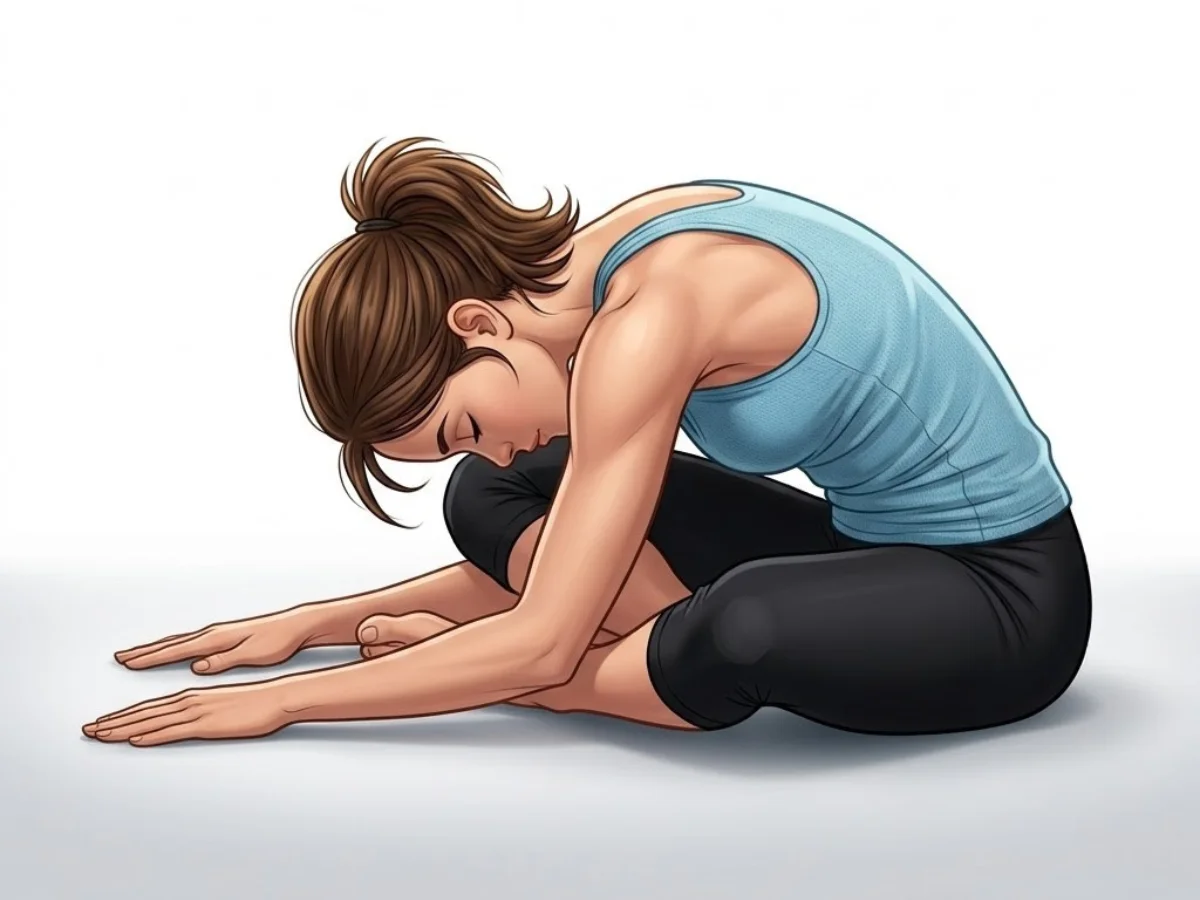
Butterfly Pose
Baddha KonasanaGently opens the inner thighs and groin in a seated, bent-knee position.
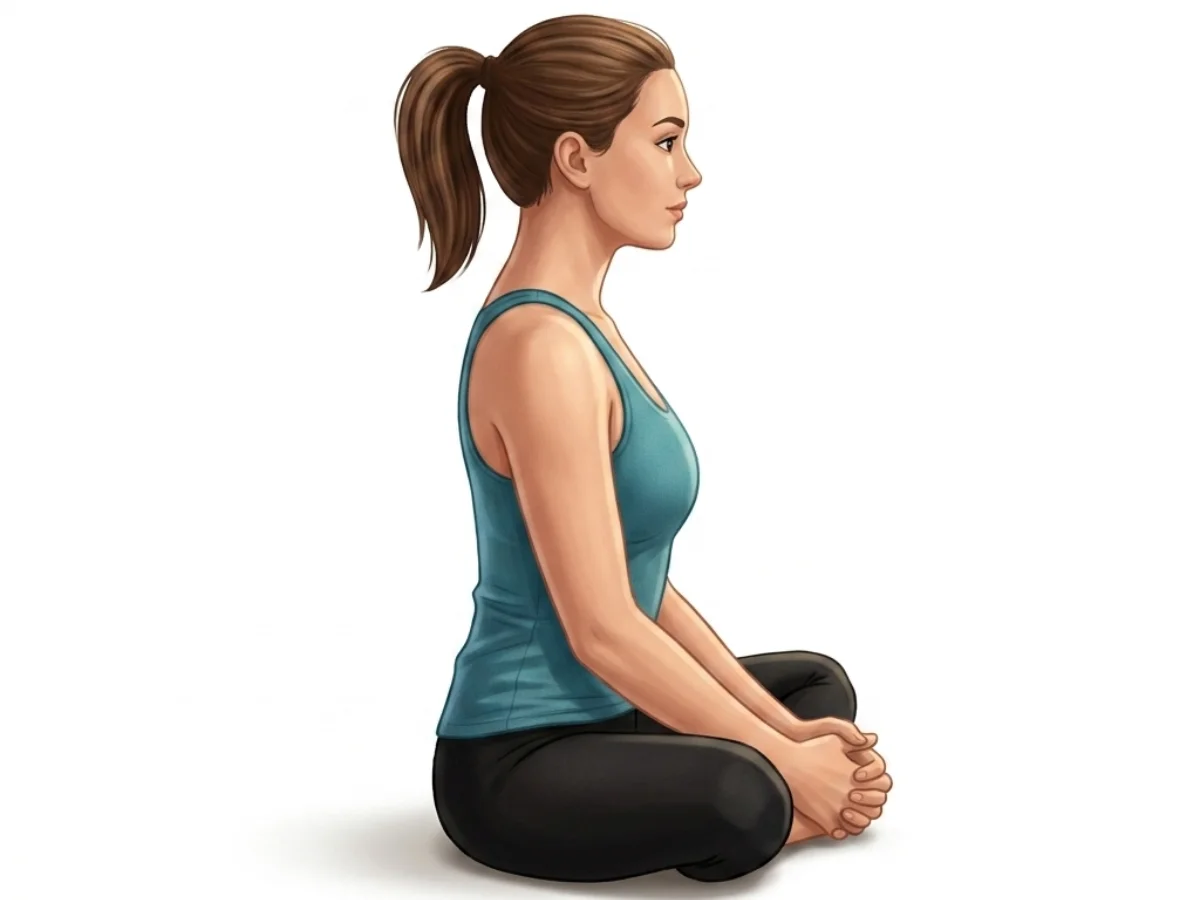
Bound Angle
Supta Baddha KonasanaA restorative way to passively open the hips and prepare the adductors.
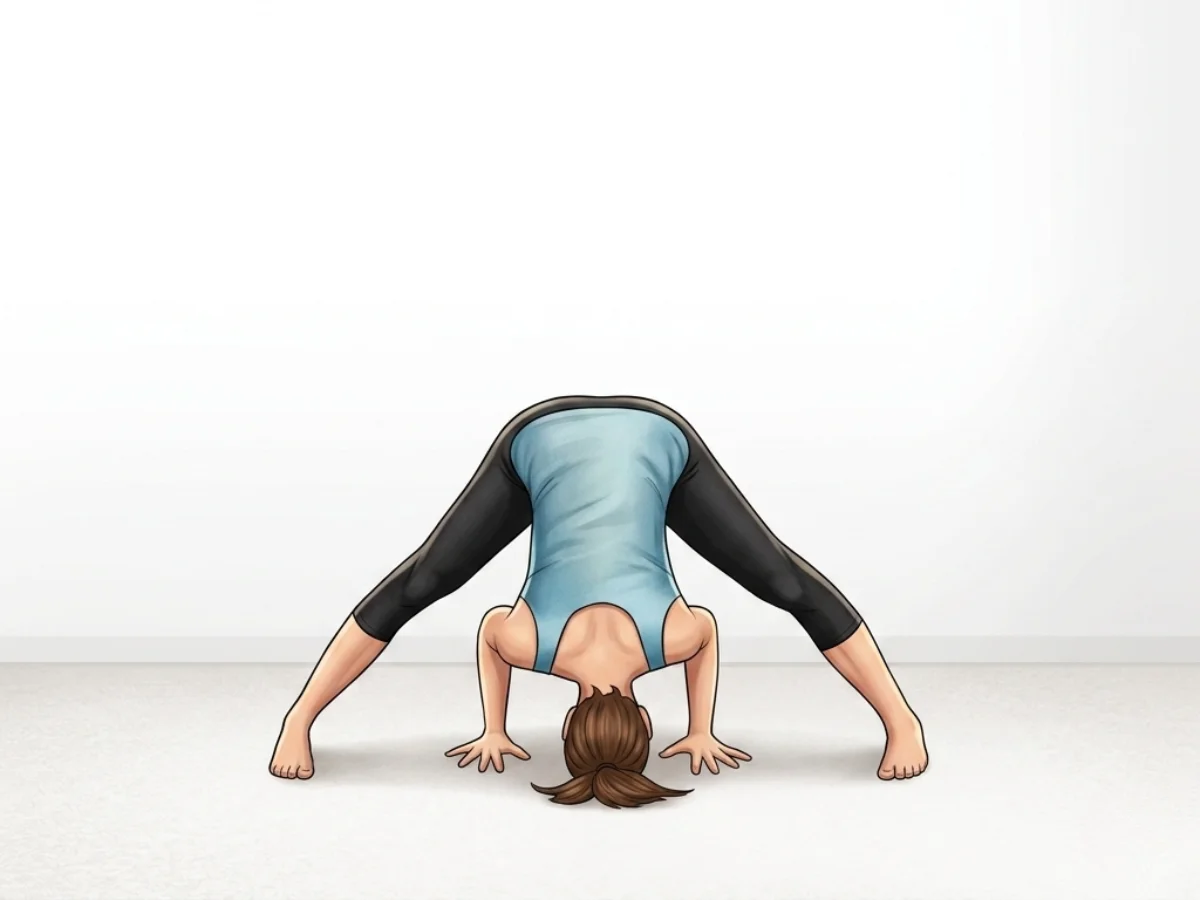
Wide-Legged Forward Bend I
Prasarita Padottanasana IStretches the adductors and hamstrings from a standing position.
Follow with neutralizing Counter-poses
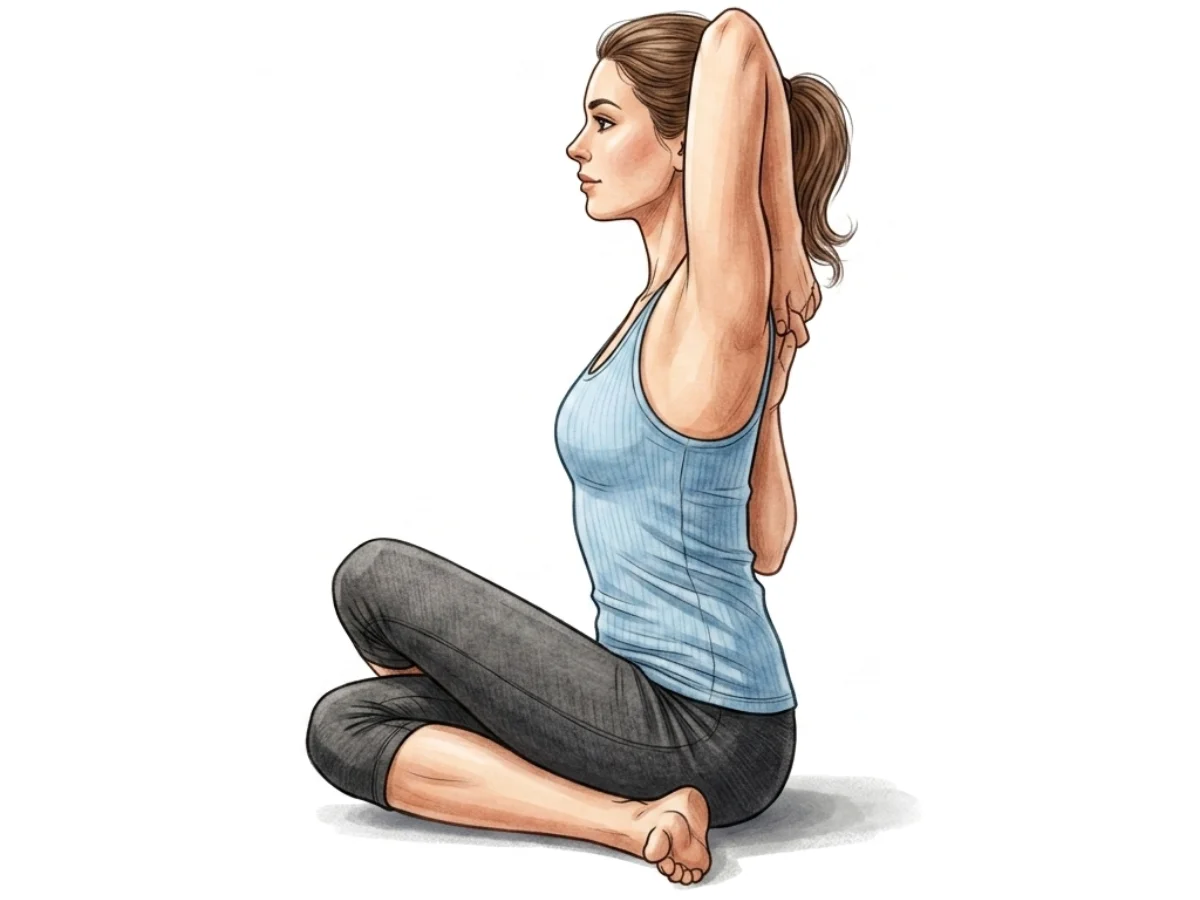
Cow Face Pose
GomukhasanaStrongly internally rotates the hips, providing a direct counter to the extreme external opening.
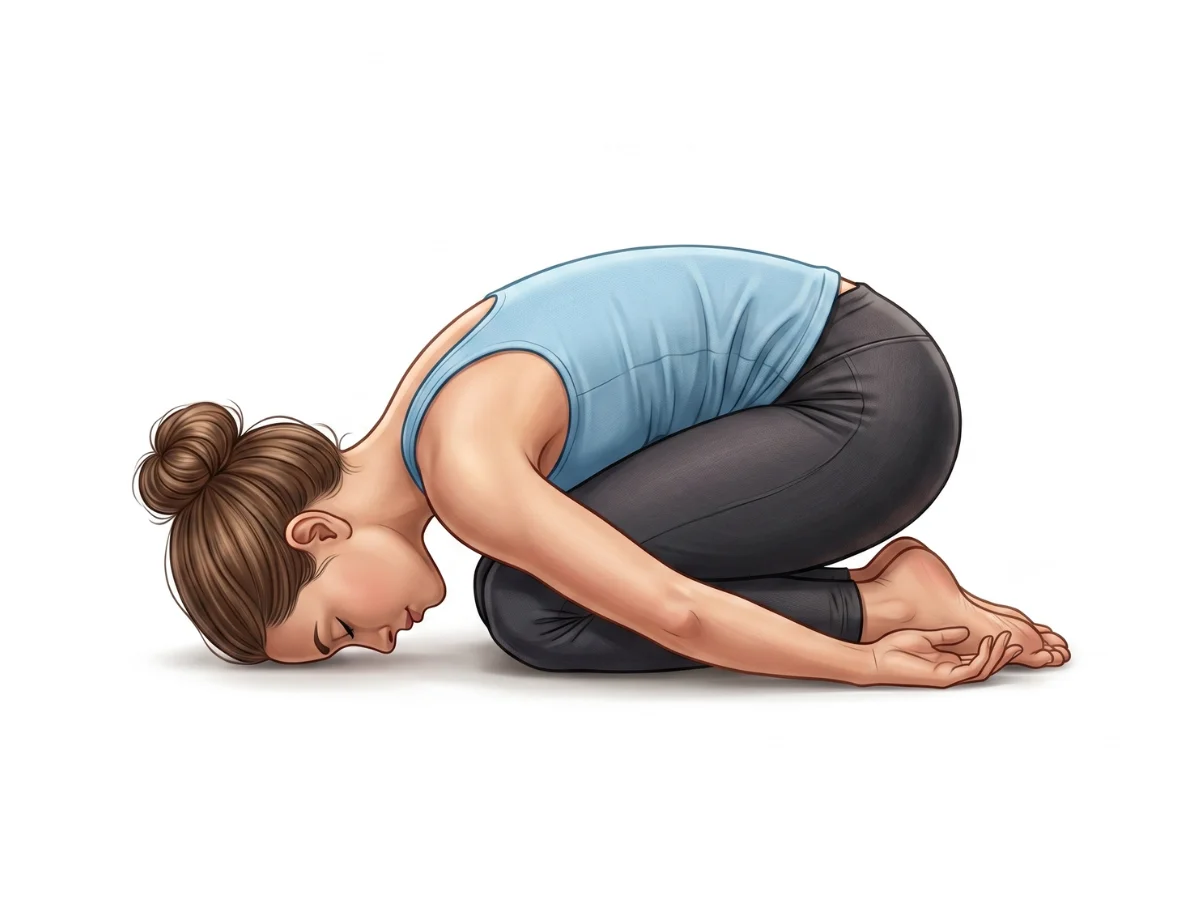
Child's Pose
BalasanaGently flexes the hips and completely relaxes the pelvic floor.
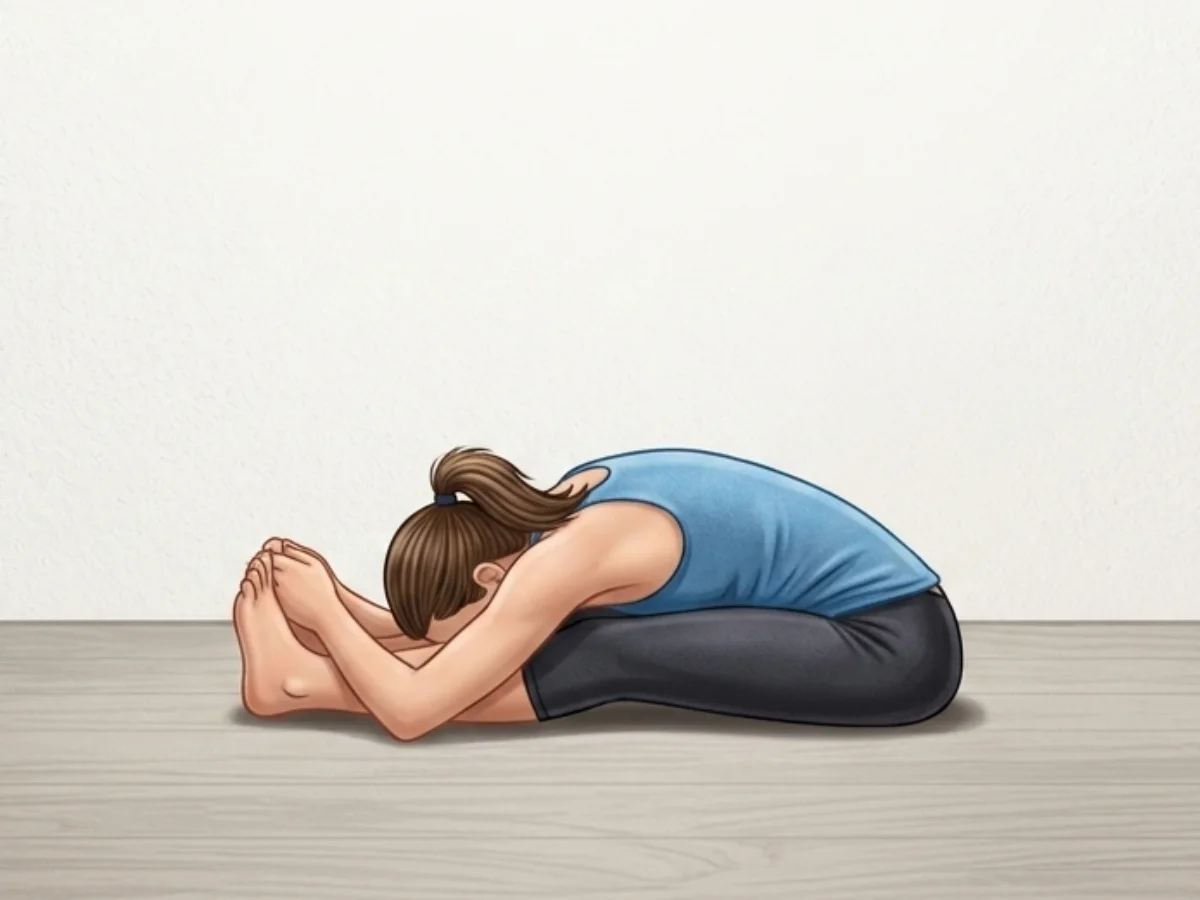
Seated Forward Bend I
PaschimottanasanaBrings the legs together to stretch symmetrically and neutralize the hips.
Frequently Asked Questions
How can I safely work towards the Wide Splits?
Consistency is key. Practice wall straddles and seated wide-legged forward folds.
Why does it hurt on the inside of my knee?
Pain on the inner knee usually means the stretch has shifted from the muscle belly to the ligaments (MCL). To fix this, micro-bend your knees and ensure your toes and kneecaps are pointing straight up, not rolling inward.
Is it better to lean forward or sit up straight?
Both are valuable. Sitting up straight isolates the stretch purely in the inner groin.
Elena Rostova is an accredited yoga educator and anatomy specialist with over 15 years of clinical experience. She focuses on functional biomechanics and injury prevention, translating complex anatomy into accessible guidance for safe, sustainable practice.
Read Full ProfileContinue Your Yoga Journey
Ready to deepen your practice? Explore our extensive library of poses, or join a structured program designed to build strength, flexibility, and mindfulness.